
Lesson
Project objective
– Explain what force and motion are;
– Investigate the forces that cause motion;
– To make a mock-up of a balloon race.
Teacher’s guide
– In the practical part of the project, students work in groups of 3-4 students.
– Pupils should be introduced to topics like force/motion/inertia.
– Before starting the experimental part, introduce and provide the students with all the necessary materials.
– Provide brief instructions on how to use the scissors.
– Explain the PBL (project based learning) rubric to the students at the beginning of the lesson. Skills 4K (critical thinking, collaboration, creativity, presentation)
Safety in Steam lessons
Before we begin the lesson, teachers are advised to familiarise themselves with the safety procedures. If necessary (if using items specified in the PPE), brief the students. Go to Safety in Steam lessons
Theoretical part
What associations do you have with the word ‘strong’ or ‘strong’? Perhaps you picture an athlete who can lift a heavy barbell or a weight with ease. Or a large African elephant that can carry a huge tree trunk. Or maybe you think of your mother, who does housework every day, without weekends or holidays.
Strength is the ability to overcome a certain resistance or counteract it through muscle activity.
Imagine that you walk through a supermarket and choose your groceries, gently putting them into a trolley. You move it with the power of your muscles and the harder you tense your arms and push the trolley, the farther it will roll away (just be careful not to hit the soda stand!).
Or remember a gym class rope pulling competition: the opposing team might even lose their balance if you and your friends pull the tug-of-war at the same time.
We can see the results of forces all the time: any object thrown up falls to the ground, bodies float on the surface of liquids, springs are stretched under the weight of a load. Even the universe is subject to the laws of forces: asteroids fly along certain trajectories and black holes absorb the light of distant stars with all their power.
How can you measure a force?
There are two correct ways: practically, by using a measuring device, and by using formulas. An instrument for measuring force is called a dynamometer (from the Latin “dynamos” – force). Depending on the type of construction and application, dynamometers can be hand-held, traction, electronic, hydraulic and spring-mounted.


When we go to school or work, the bus pulls up to the bus stop or the sweet corgi walks with its owner, we are dealing with mechanical movement.
Mechanical movement is the change in position of bodies in space relative to other bodies over time.
“Relative to other bodies” are very important words in this definition. To describe motion, we need
- a reference frame
- coordinate system
- clock

Inertia is the phenomenon of maintaining the speed of a body in the absence of other bodies acting on it.
For example, a cart stands on an inclined surface, you push it once, and it rolls down the inclined surface some more. That is due to inertia.
Or, for example, you ride a bicycle, you pedal fast and fast and then release your legs and the bicycle is still moving by inertia.
Newton’s Law of Inertia (Newton’s First Law) :
A free object that is not influenced by another body is at rest or in a rectilinear motion (the concept of velocity is applied here to the centre of mass in a non-stepping motion).In other words, bodies are characterised by inertia (from Latin inertia, “inactivity”, “sluggishness”), i.e. the phenomenon of maintaining speed if external influences on them are compensated for.

Practical part
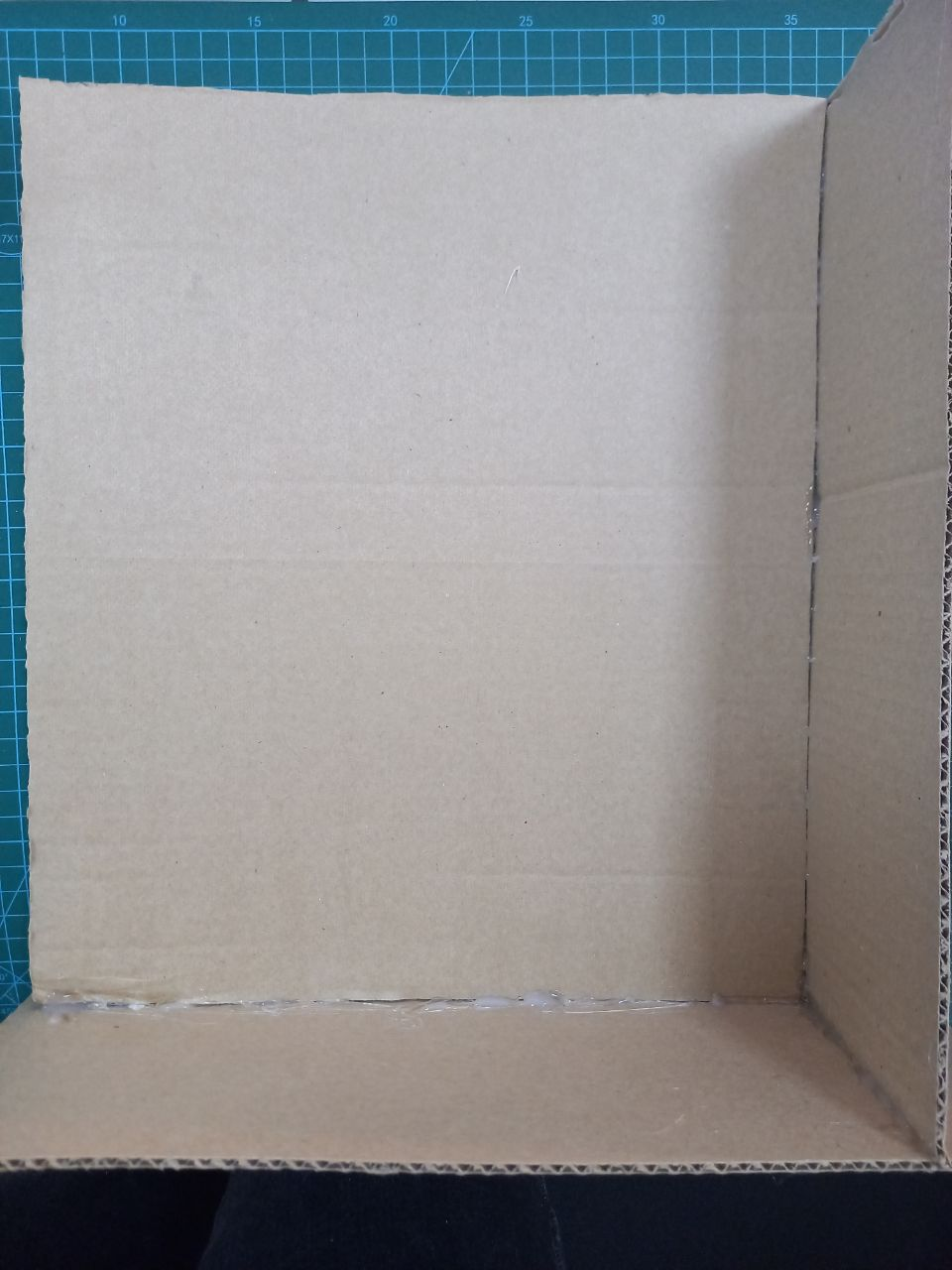
Step 1. Take cardboard, cut out a piece of cardboard 30x30cm and join it as shown in the picture. The right side measures 25x10cm, the bottom side measures 30x13cm
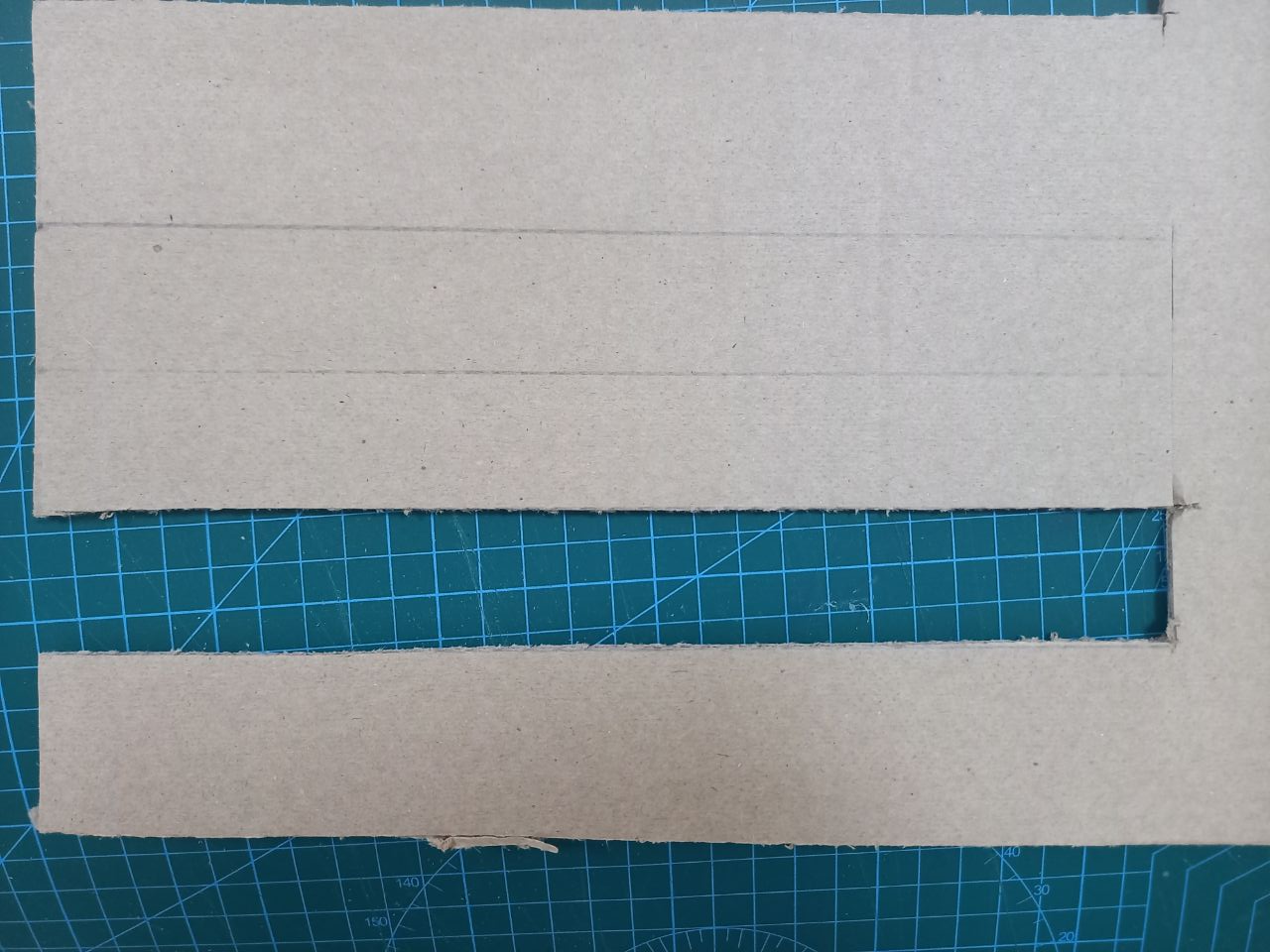
Step 2. From the rest of the cardboard, cut out a 25×3 cm piece of cardboard which will be the paths on which the ball will slide
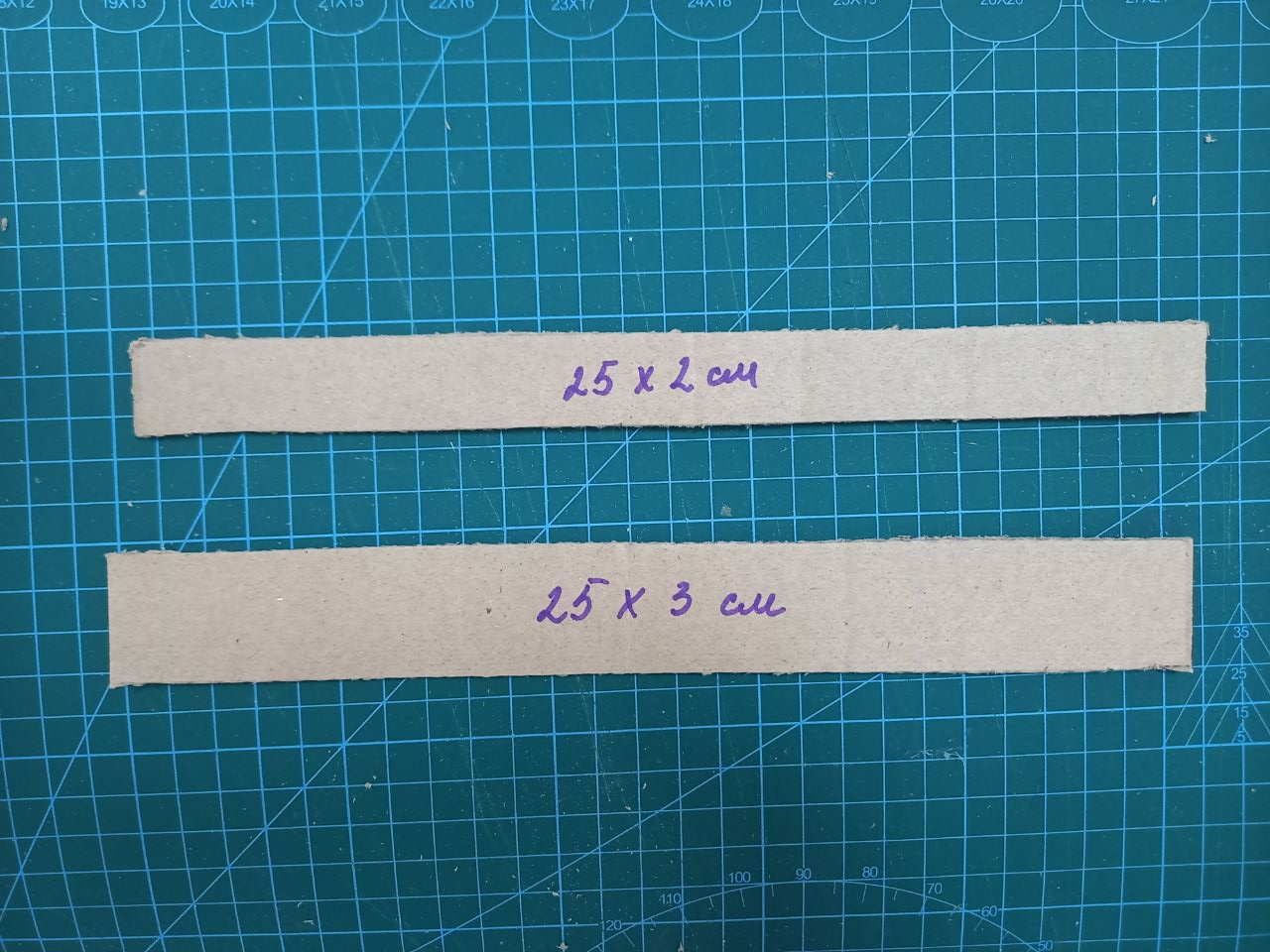
Step 3. Join the two cut pieces together with hot glue. To prevent the balloon from flying off to the other side as it slides along the tracks, connect the small square to the head of the cardboard
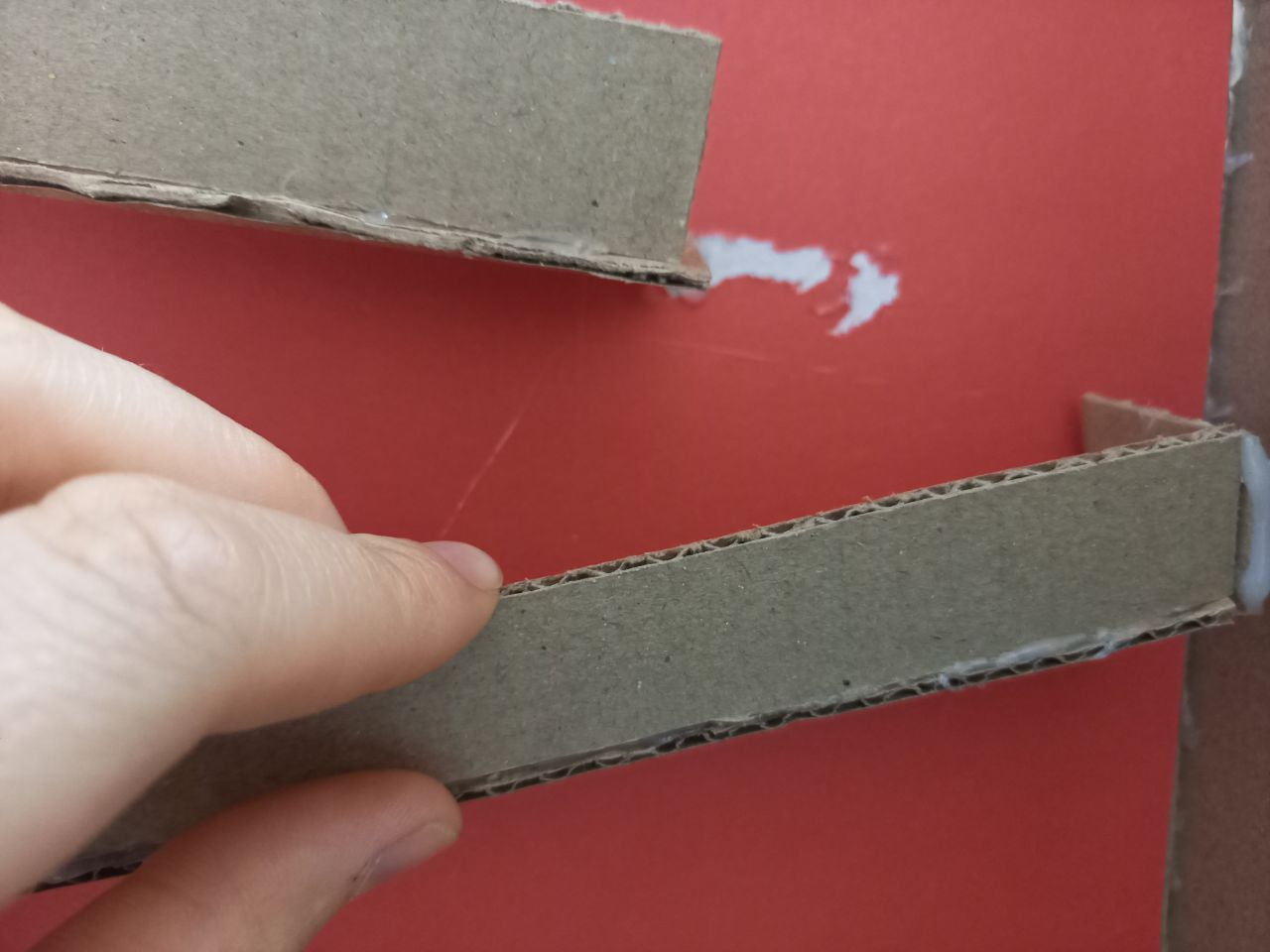
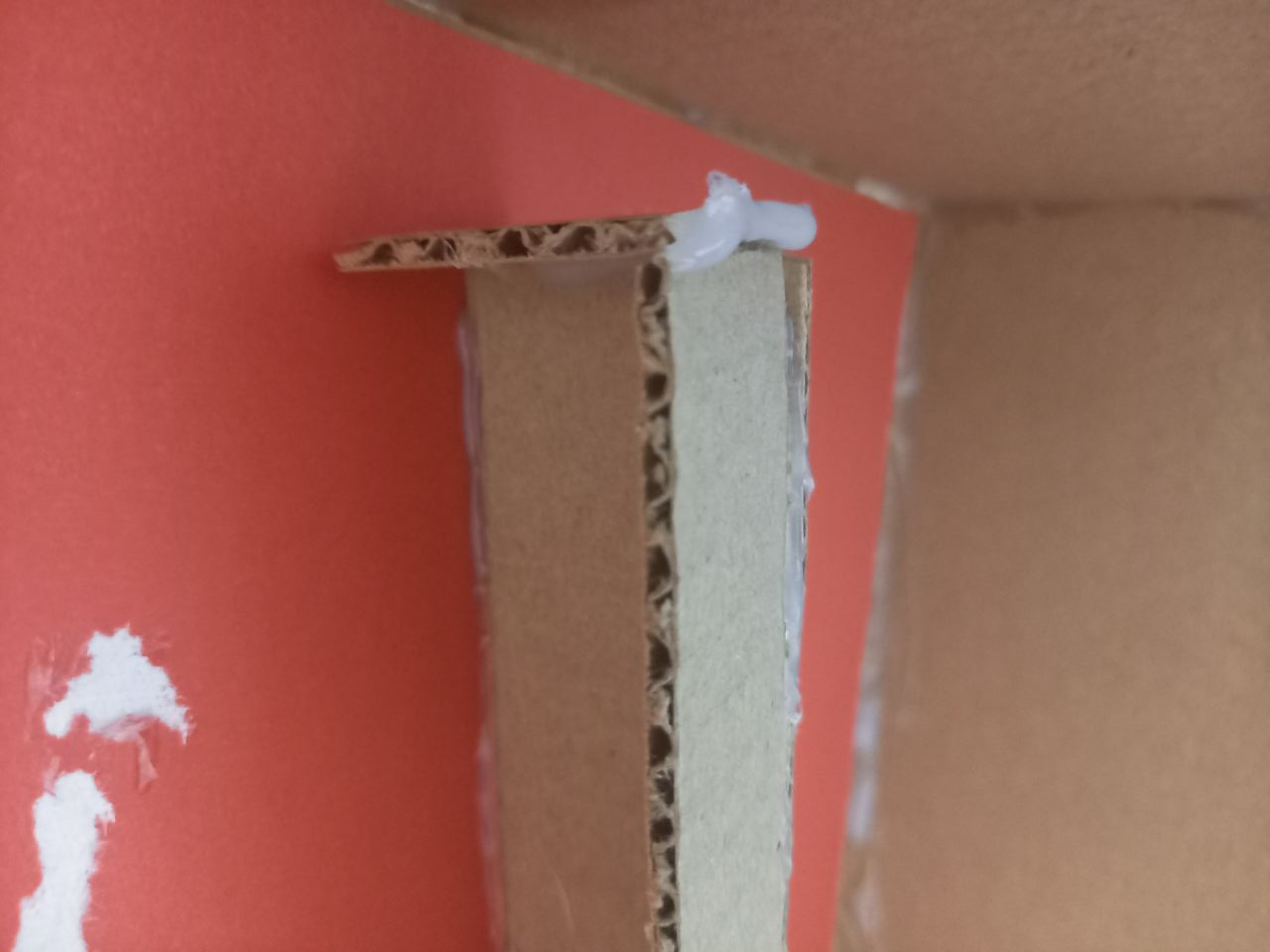
Step 4. Join all the parts together in a 30×30 cm cardboard as shown
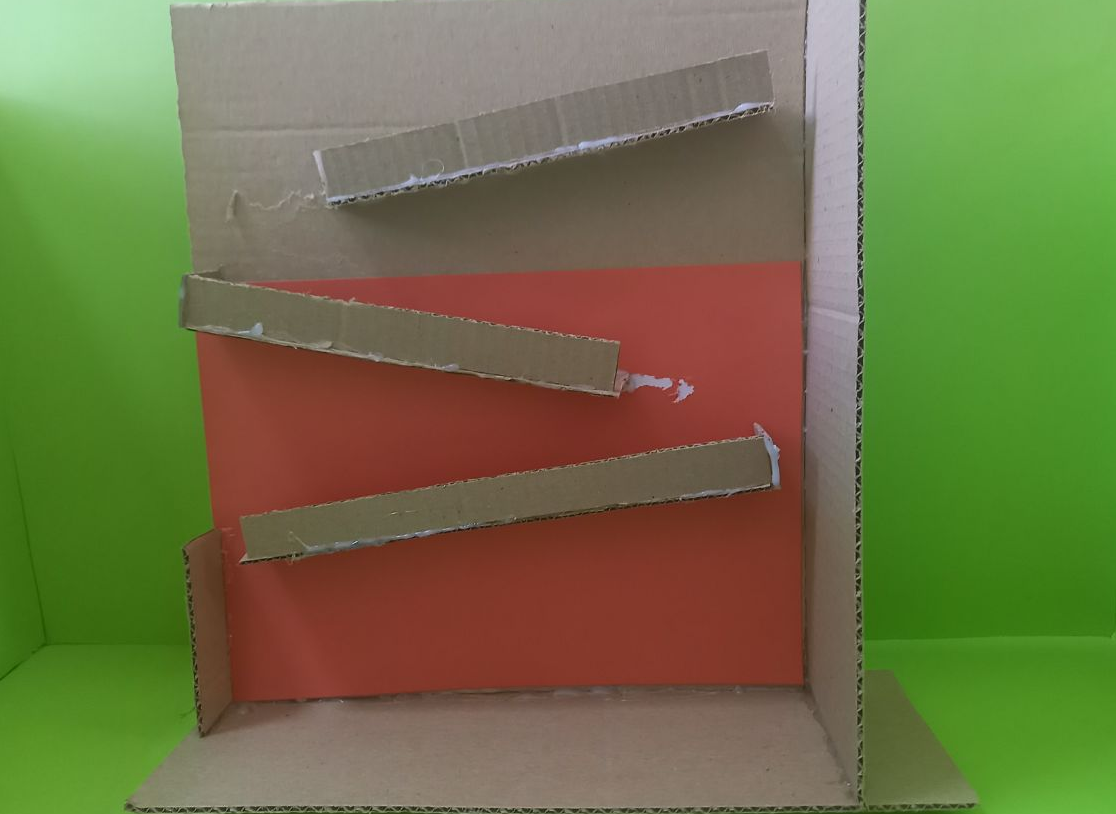
You can see how the movement of the ball on the road works by following this link:

Step 5. Each group should develop this project as they see fit, whichever group’s layout is better by design, the construction will be the same winner.
At the end of the lesson, the students ask some questions.
The ball is in a stationary calm state. Push one of them down the road. And answer these questions:
– What is the force by which objects move ?
– What do you call such a force?
– What is inertia?
Conclusion
In this lesson the students have been introduced to the themes of force and movement. They learned where motion comes from and what is needed for motion. They made a mock-up of the movement of balloons.

In this project each pupil will be awarded a STEAM category title:
– You, have studied motion around and you have created a motion mock-up you are a real physicist!
– Working in pairs, you listened to your partner and worked together to develop group work skills. During the practical work, you showed your creativity and qualifications.
Evaluation

