Lesson
Project objective
– To build an understanding of planetary satellites;
– To introduce in more detail the Earth’s satellite, the Moon;
– To make a rotating eclipse wheel.
Teacher’s guide
– In the practical part of the project, pupils work in a group of 3-4 pupils.
– Pupils should be introduced to topics like solar system/ moon/ lunar and solar eclipses.
– Before starting the experimental part, introduce and provide the students with all the necessary materials.
– Provide brief instructions on how to use the scissors.
– Explain the PBL (project based learning) rubric to the students at the beginning of the lesson. Skills 4K (critical thinking, collaboration, creativity, presentation)
Safety in Steam lessons
Before we begin the lesson, teachers are advised to familiarise themselves with the safety procedures. If necessary (if using items specified in the PPE), brief the students. Go to Safety in Steam lessons
Theoretical part
The Solar System is a star system in the Milky Way Galaxy, including the Sun and the natural space objects orbiting it: planets, their satellites, dwarf planets, asteroids, meteoroids, comets and cosmic dust.
The Earth is the third planet from the Sun and the largest in the Earth group. The Earth’s unique conditions allowed life to develop on the planet.
The Earth’s atmosphere is made up of nitrogen (78%), oxygen (21%), carbon dioxide and other gases (1%). Oxygen and nitrogen are essential substances for building DNA. The atmosphere’s ozone layer absorbs solar radiation. Plants on Earth synthesise oxygen from carbon dioxide. Without them, our planet would look like Venus. On the other hand, some CO2 in the atmosphere keeps the Earth at a comfortable temperature for life.
The Earth has a satellite, the Moon. Its size is ¼ of the Earth’s diameter, which is quite large for a satellite. The gravitational pull of the Moon affects the Earth’s water, causing the tides to rise and fall. The Moon’s rotation around its axis and around the Earth is synchronous, so the Moon only ever faces one side of the Earth.

The Moon is a satellite of the Earth. It is the closest space body to us. It moves around the Earth and, with the Earth, around the Sun. The average distance from the Earth to the Moon is about 384,400 km. The moon has about 81 times less mass than our planet.

When we look at the Moon it seems to us that it is about the same size as the Sun. In fact, it is many times smaller than the Sun and about 4 times smaller than the Earth in diameter.
The Moon rotates on its axis, so day and night alternate on the Moon, as they do on the Earth. Only the Moon rotates much slower than the Earth; therefore a day does not last 24 hours, as it does for us, but 29.5 Earth days. Consequently, a day on the Moon equals two weeks on our planet and two weeks there is a night. The Moon does not radiate its own light and appears to us as luminous because sunlight falls on it and is reflected from its surface.
Solar and lunar eclipses
A solar eclipse occurs when the Moon is between the Sun and the Earth and covers the Sun. This phenomenon lasts only a few minutes, but astronomers around the world are waiting to observe this event. A solar eclipse is visible only in places where the shadow of the moon falls.


With a lunar eclipse, everything is reversed: the earth between the moon and the sun casts a shadow on the moon, protecting it from the sun.
Practical part
Step 1. Draw and cut out a circle with a diameter of 14cm on black paper
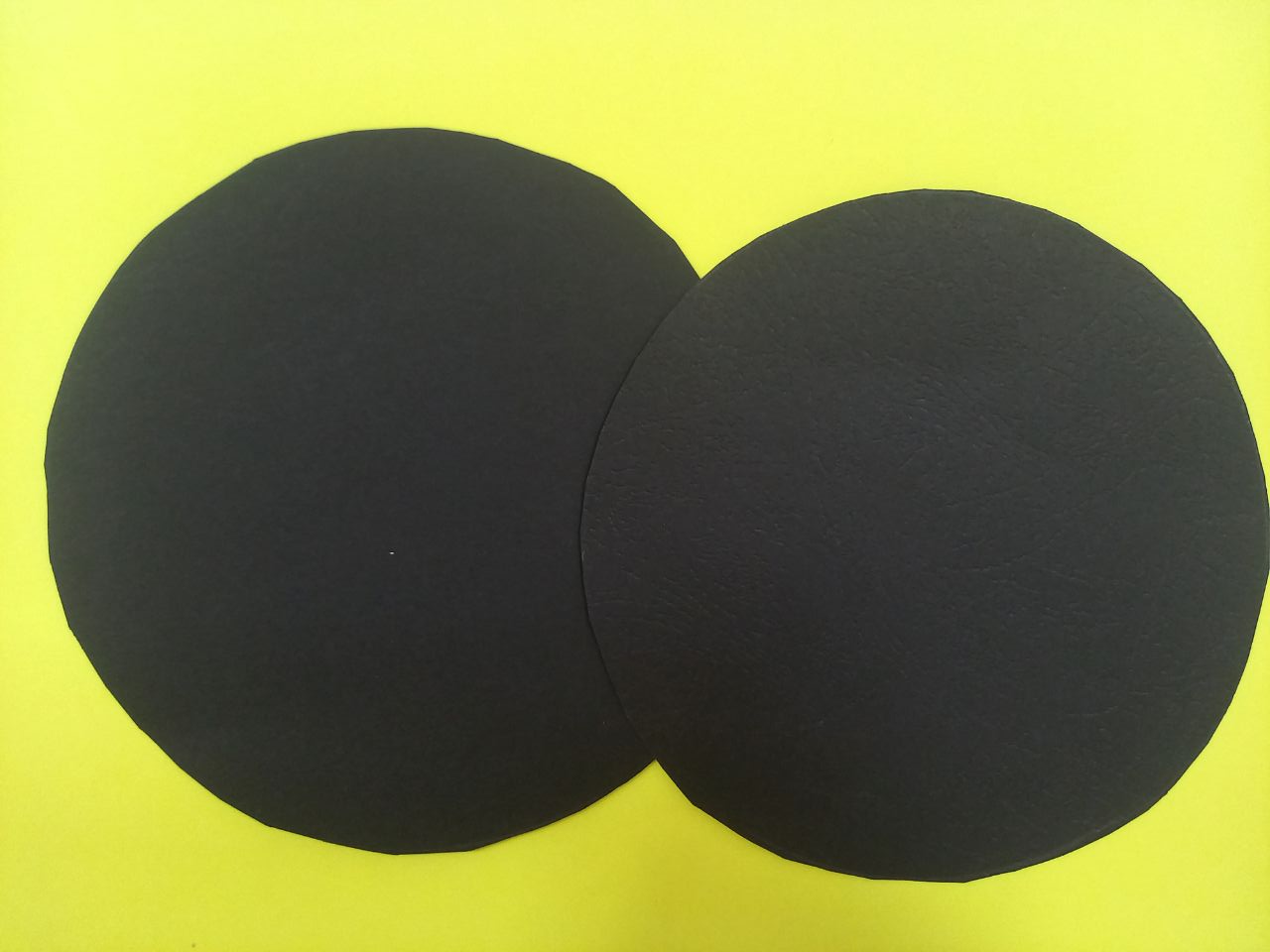
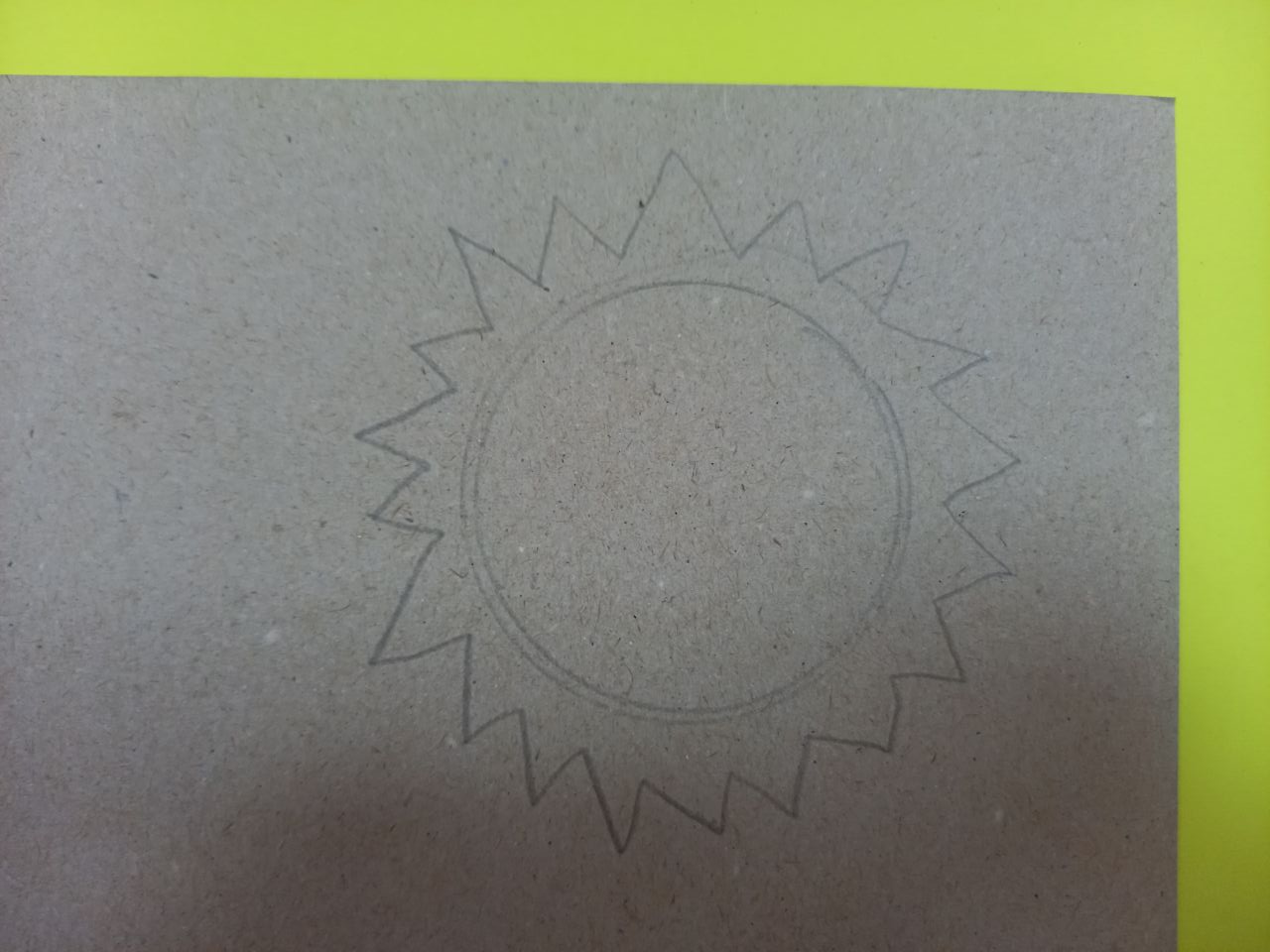
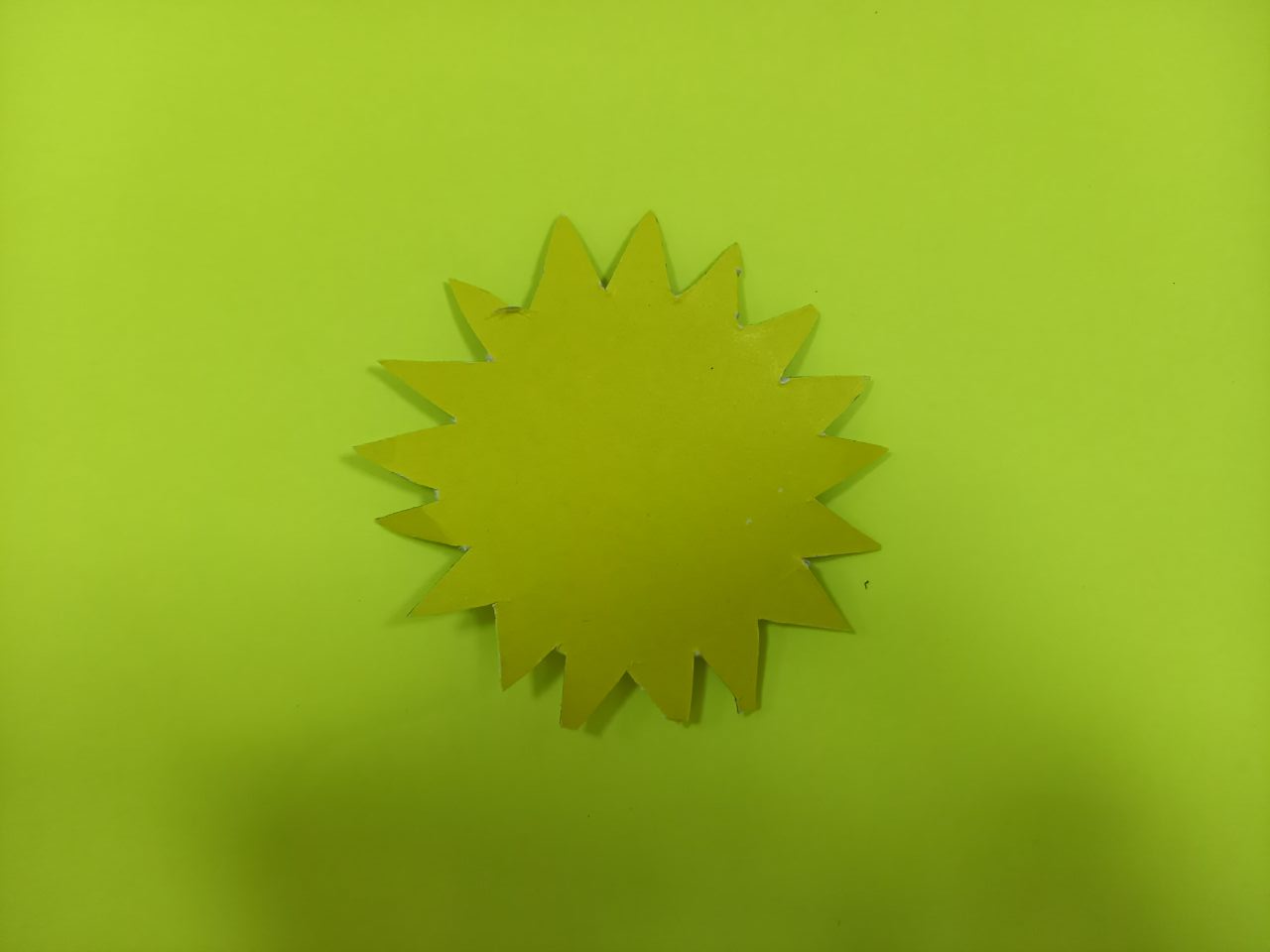
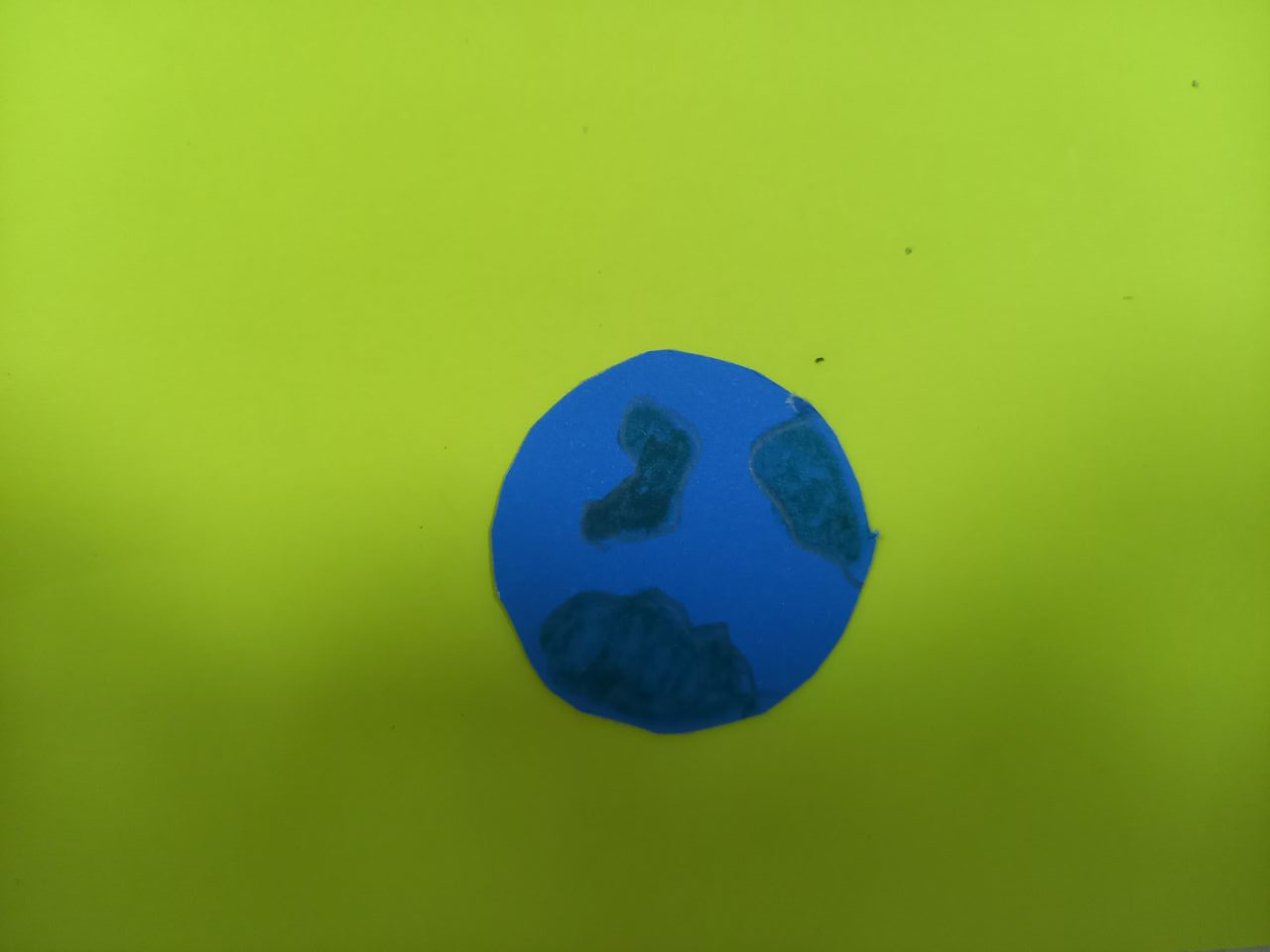
Step 2. Draw a picture of the sun on cardboard and a picture of the earth on the second cardboard. If you like, you can paint the earth pattern
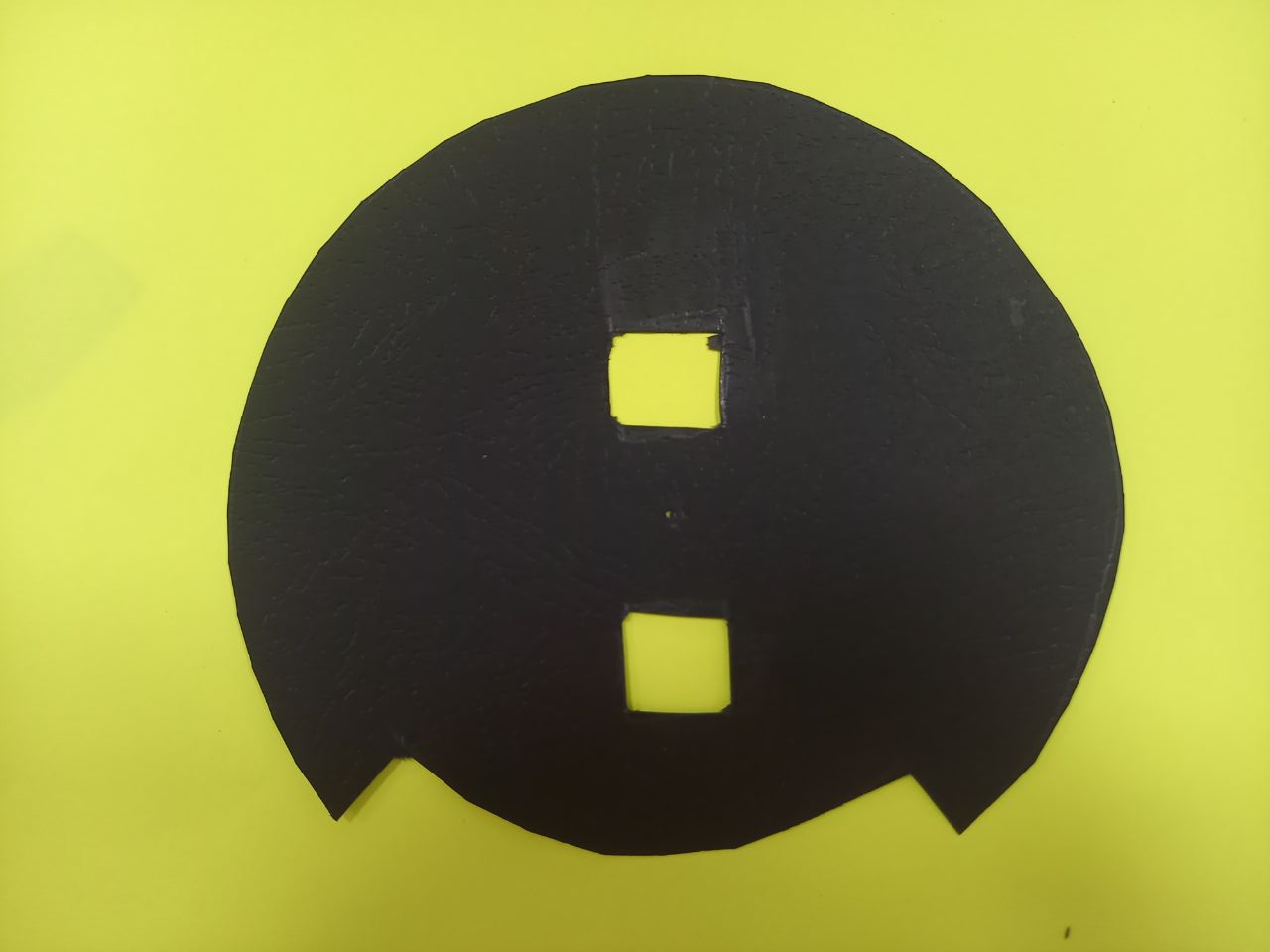
Step 3. Make an opening in the middle of the two black papers. Then cut out one black piece of paper as shown. Cut a square directly above and below the hole and an indentation at the bottom
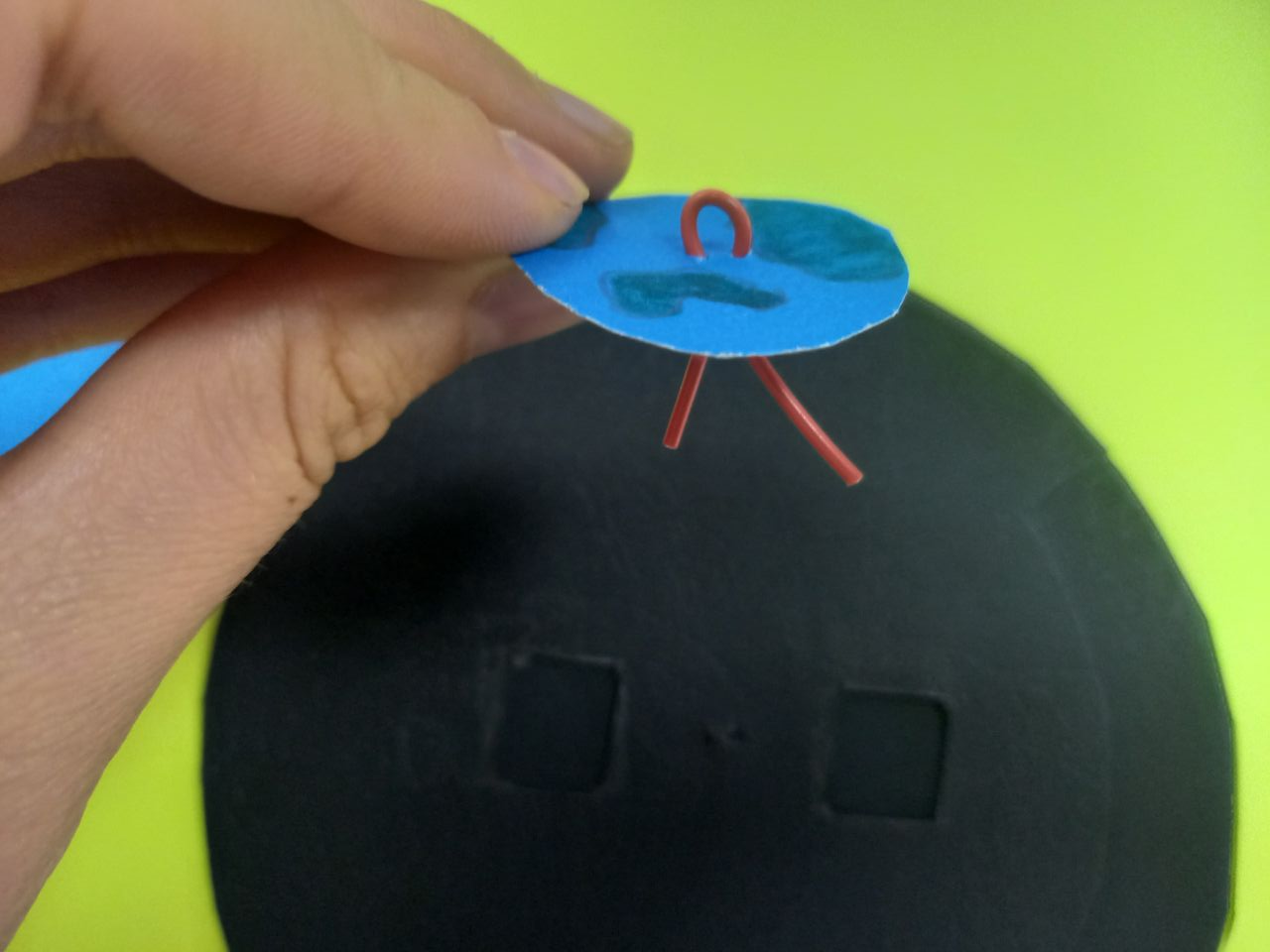
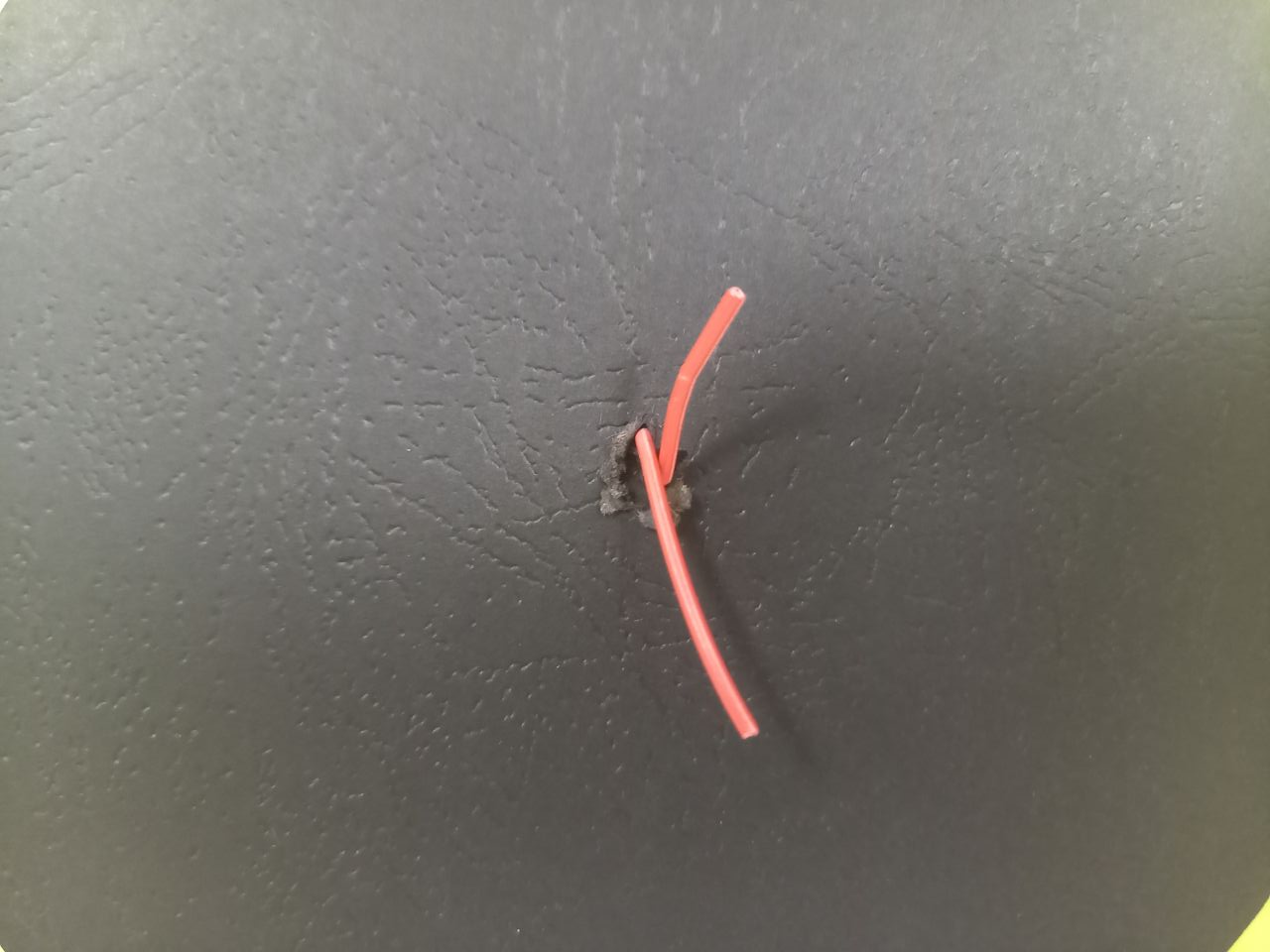
Step 4. Connect the earth drawing to the two black pieces of paper with the wire, making a small distance of 2 holes from the centre of the earth drawing. On top glue the black paper with the of the sun
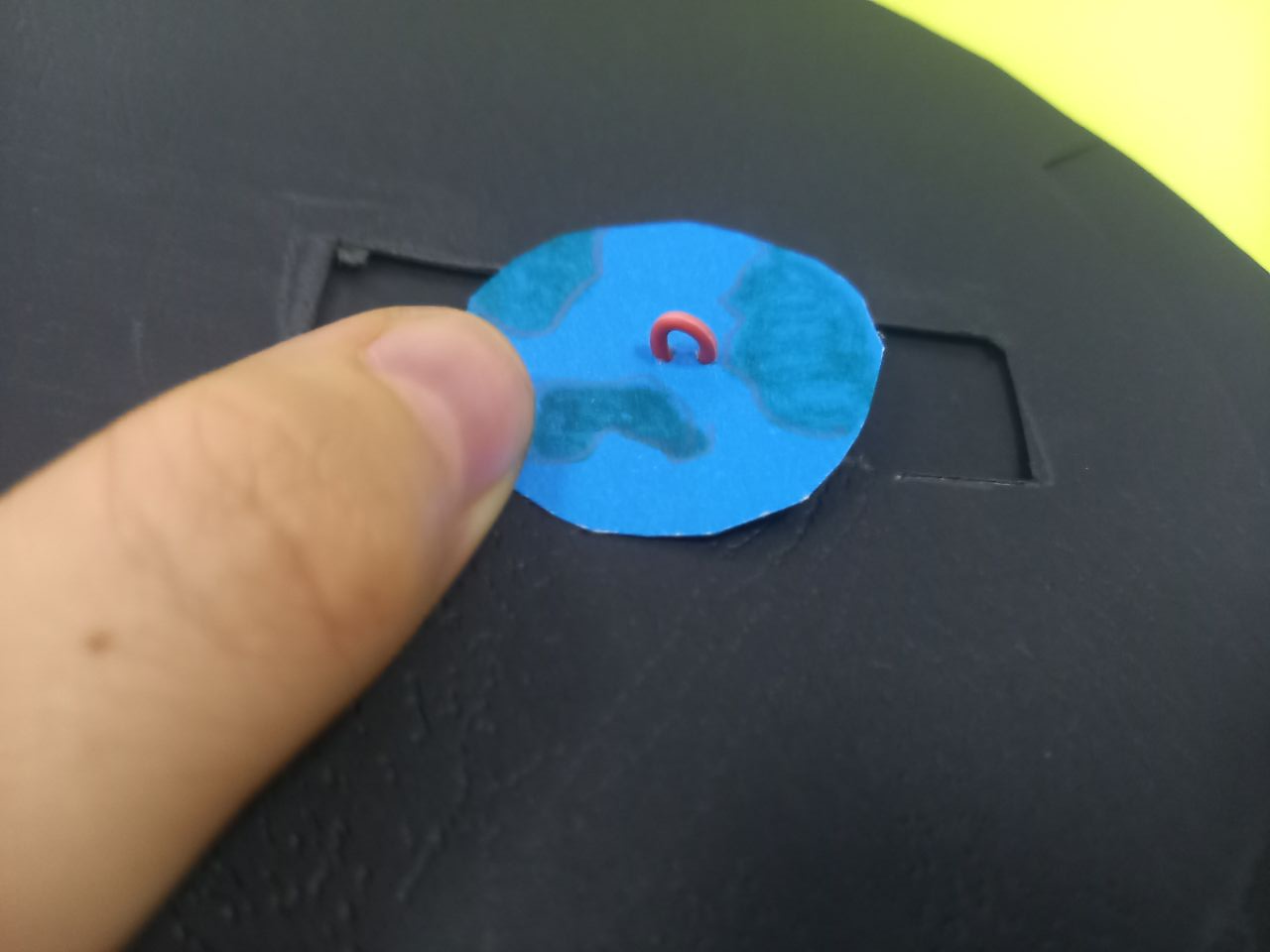
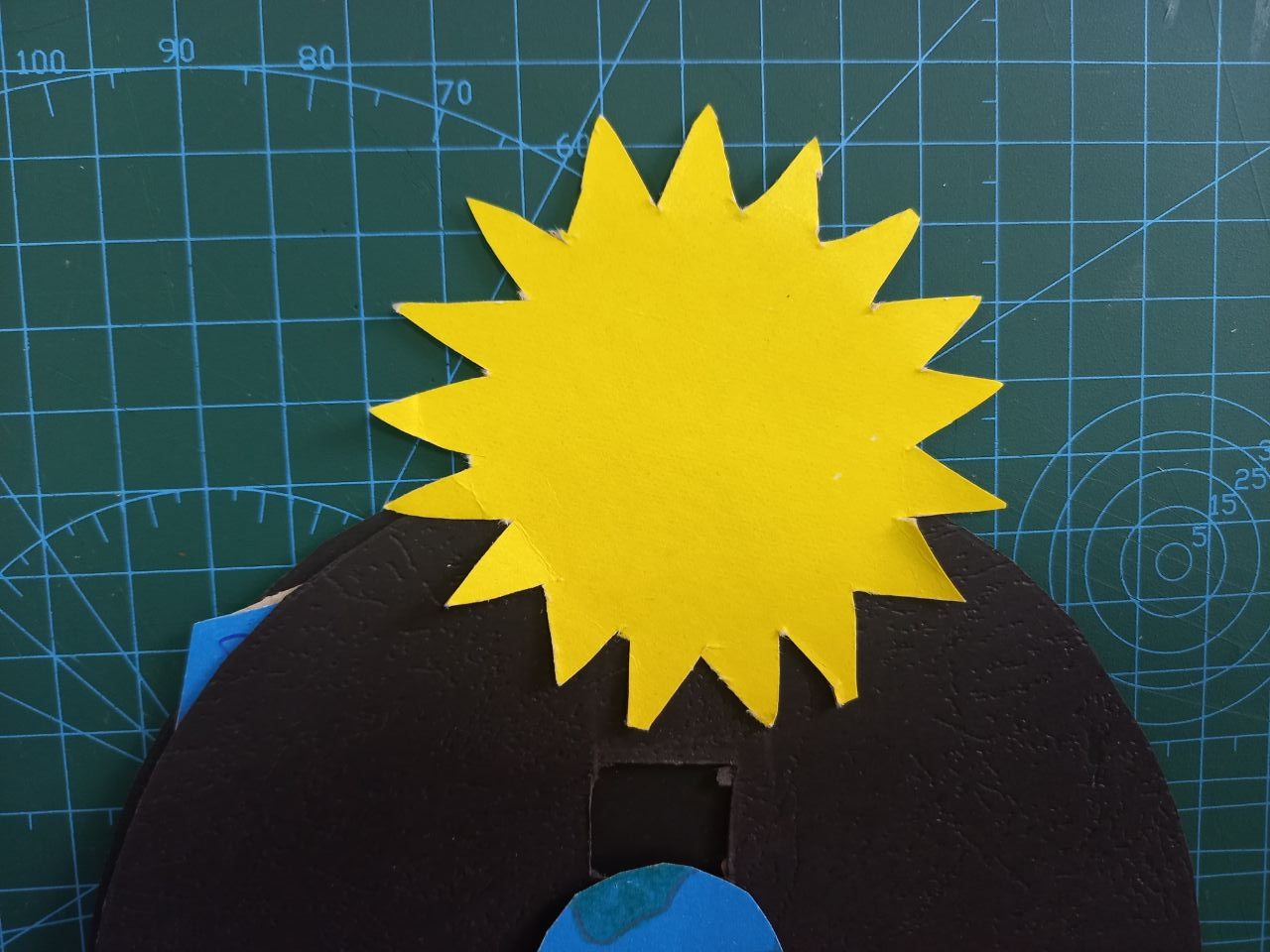
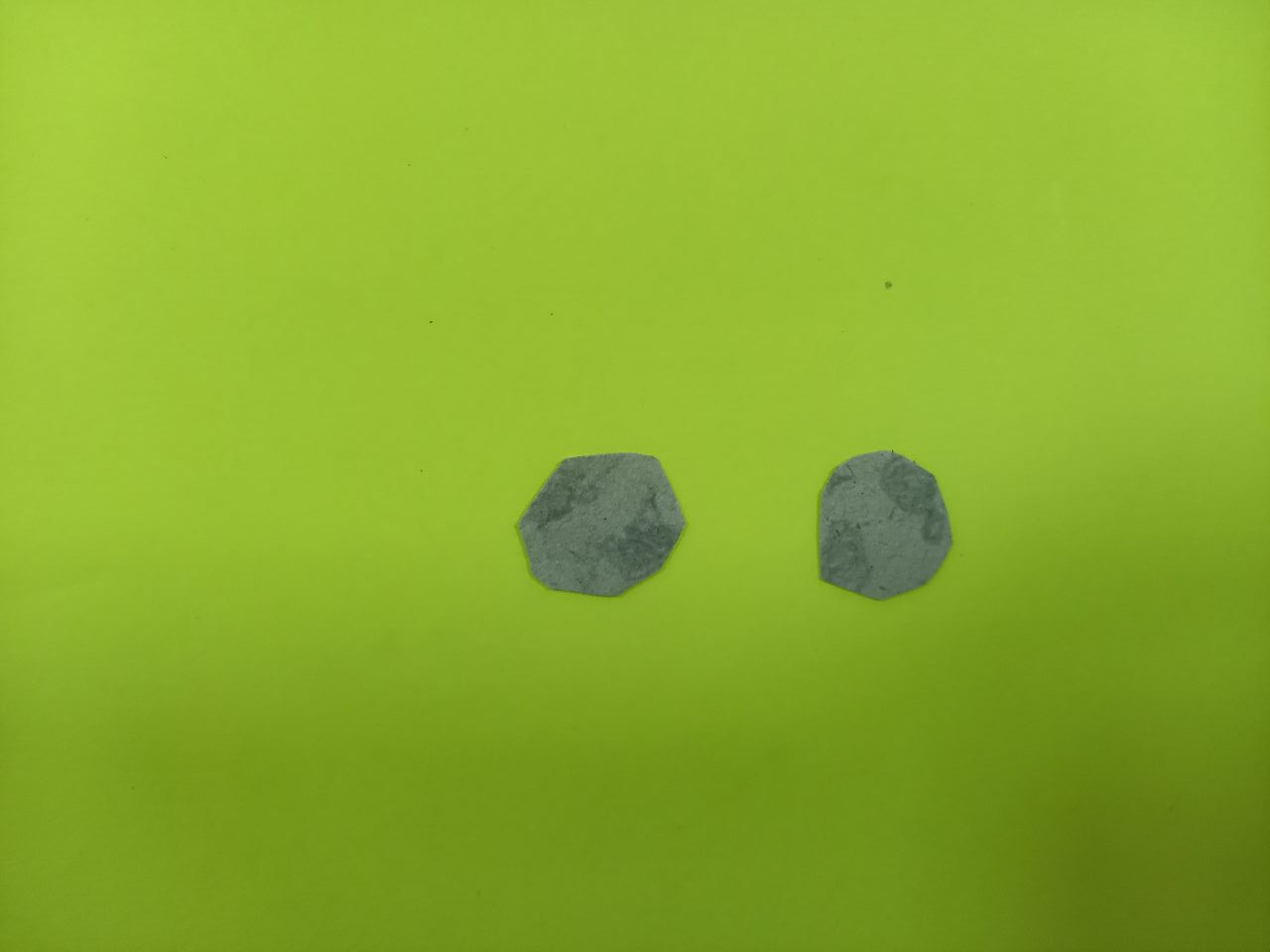
Step 5. From the rest of the cardboard, cut out two small circles which will be the moon and glue it to the black paper so that it is visible from the square. The first moon is glued to the black paper so that it is in the middle between the Earth and the Sun when the circle rotates. Glue the second moon to the black paper so that it is further away from the sun as the circle rotates
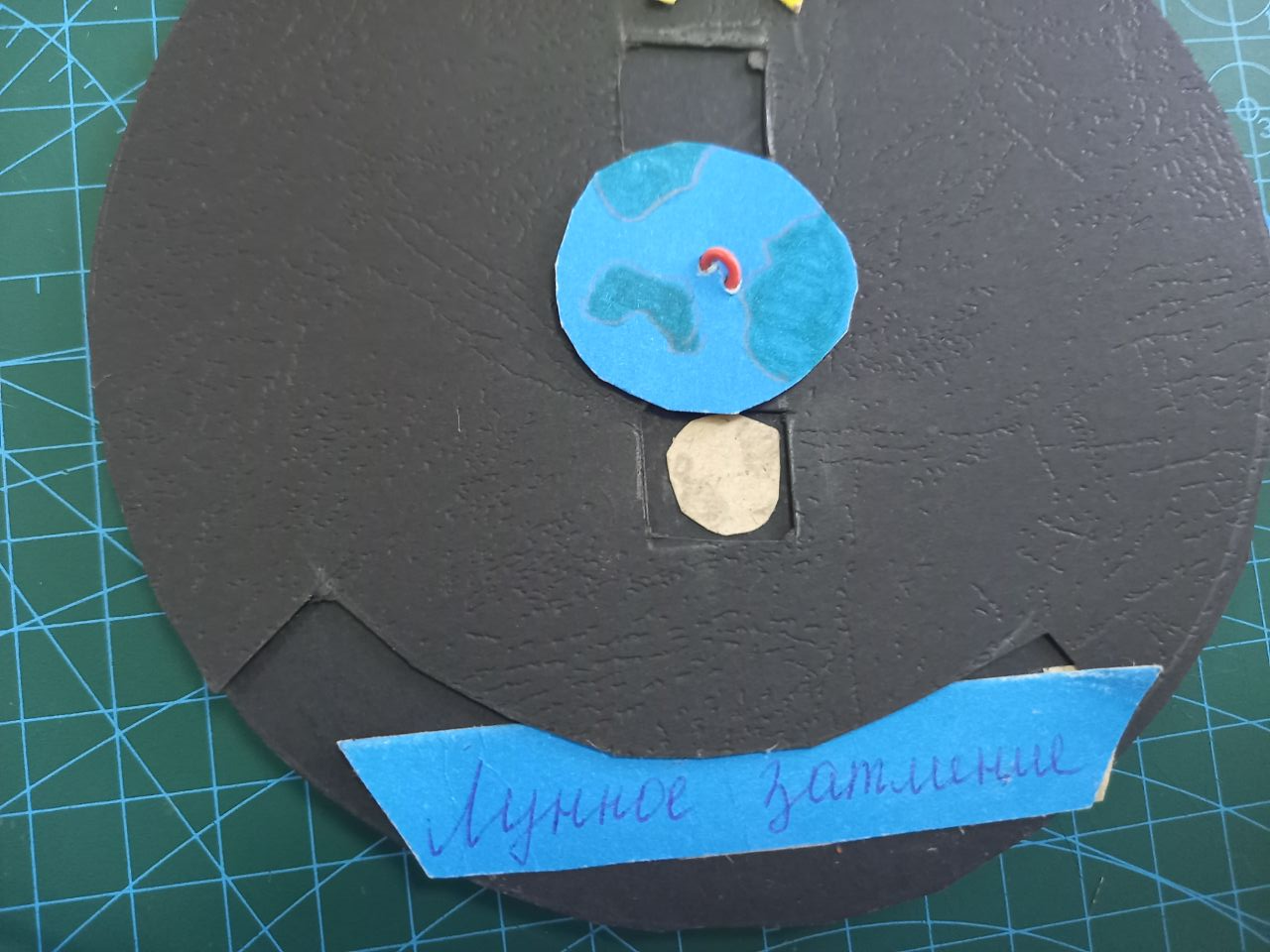
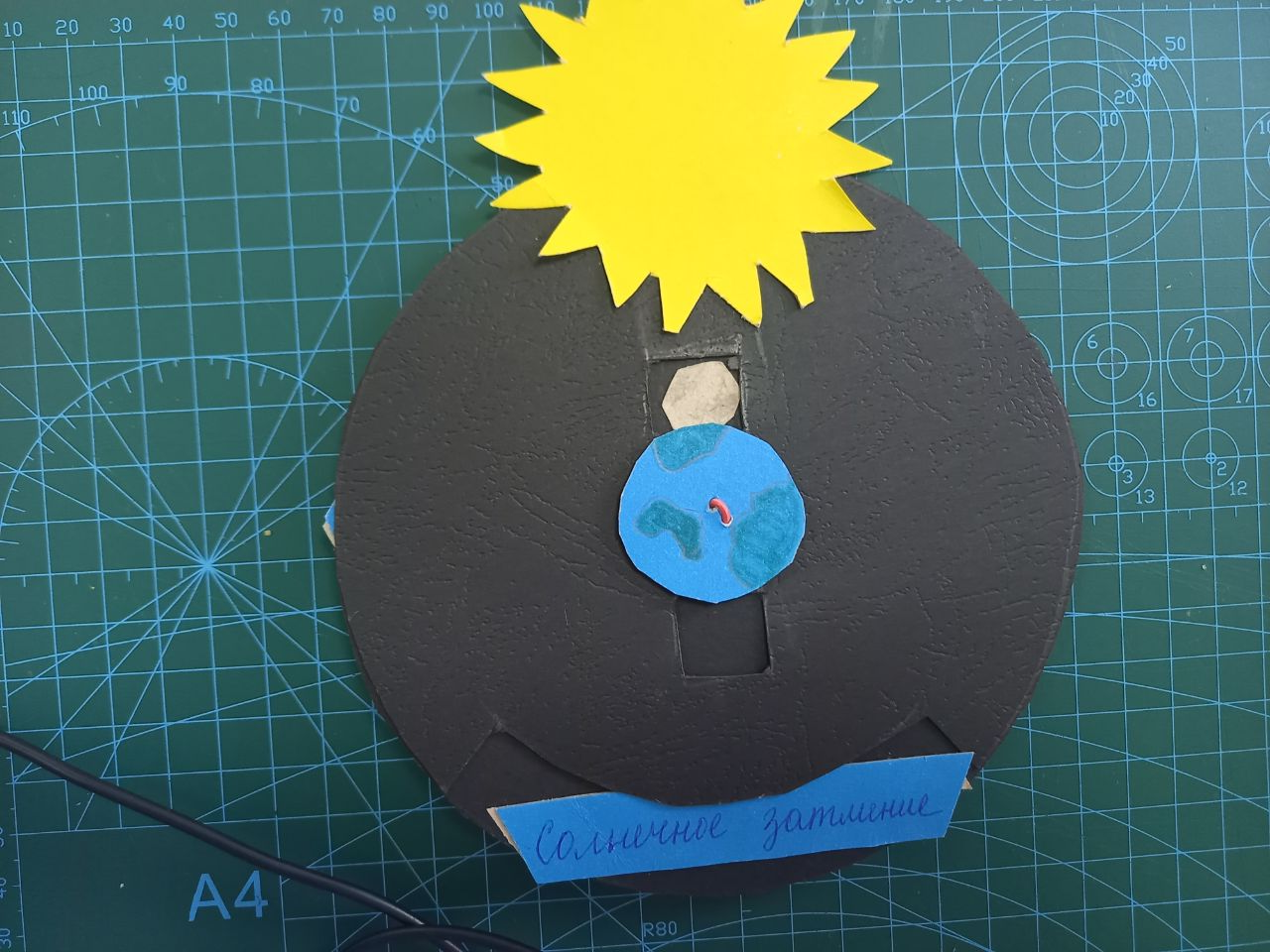
Step 6. When ready, fix the lunar and solar eclipses on paper and glue them to the bottom of the black paper
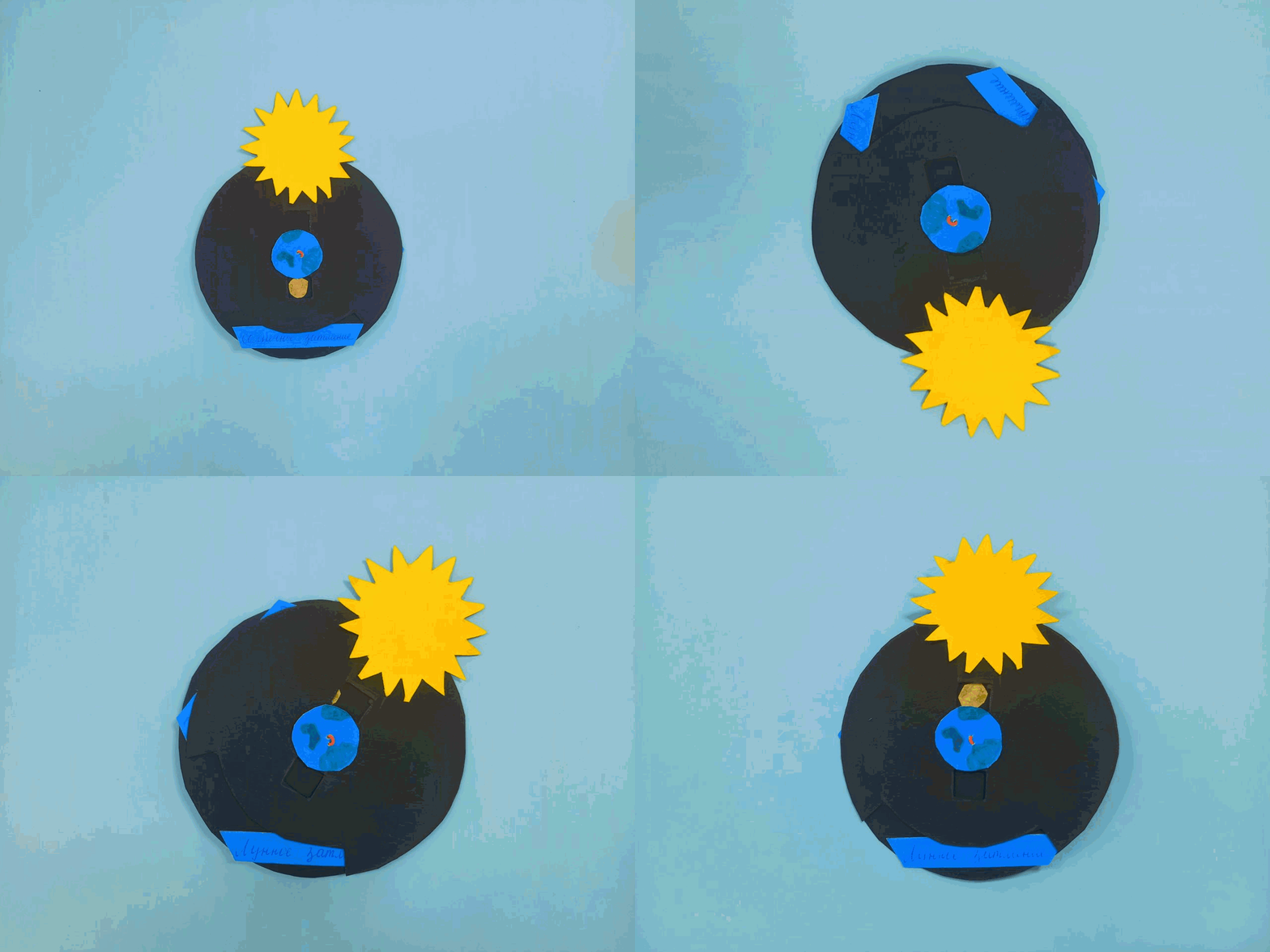
Conclusion
In this lesson, the students increased their knowledge of the Earth’s natural satellite, the Moon, and learned how lunar and solar eclipses occur. They made a rotating eclipse wheel with their own hands.

On this project, each pupil is awarded a STEAM title, by category:
– You, yourself, have studied lunar and solar eclipses, you are a true astronomer!
– Working in pairs, you listened to your partner and worked together to develop group work skills. During the practical work, you showed your creativity and qualifications.
Evaluation