
Lesson
Project objectives
– Identify the sources that give more light;
– Compare and distinguish between darkness and light;
– make a lamp with their own hands.
Teacher’s guide
– In the practical part of the project, the students work independently.
– Explain to the students the topic of the lesson (compare light and darkness; distinguish between natural and artificial light sources).
– Familiarise and provide the students with all the necessary materials before starting the practical part.
Safety in Steam lessons
It is recommended that the teacher become familiar with the safety procedures before beginning the lesson. If necessary (in the case of items specified in the PPE), brief the students. Go to Safety in Steam lessons
Theoretical part
Once upon a time, it was believed that our ability to see was due to some rays coming out of our eyes that ‘feel’ the surface of objects. However ridiculous this notion may seem today, ask yourself the question: do you know what light is? Where does it come from? How do we perceive it, and why do different objects have different colours?
Experience has shown that light is electromagnetic in nature, so we can add to our definition as follows: light is visible electromagnetic radiation.
Light can pass through transparent bodies and substances. Therefore, light from the sun penetrates us through the atmosphere, although light is refracted in doing so. And when it encounters opaque objects, light is reflected from them and we can perceive that reflected light with our eyes and thus see.
Part of the light is absorbed by the objects and they become hot. Darker objects are heated more than lighter objects, so they absorb most of the light and reflect less. That’s why these objects look dark to us.
Black objects absorb the most light. That is why you should not wear black things in the summer heat, because you can get heat stroke. For the same reason, in the summer, mothers make sure their children wear light-coloured hats, which heat up much less than darker coloured hair.
Questions for discussion:
– What is light? Darkness?
– What is the difference between light and dark? (You can see everything when it’s light and nothing when it’s dark.)
– Why is it bright for all of us? (The sun shines, the light bulb burns)

How does darkness come? Is it possible to say that it is completely dark at night and you can’t see anything? (no)
Why not? What shines at night? (stars)
Light is electromagnetic radiation invisible to the eye. Light becomes visible when it collides with a surface.
Darkness introduces limitations to our life activity and to wildlife in general. In darkness, some wildlife is active and has excellent hearing, excellent eyesight and a sense of smell. All around us there are people who have limited abilities. It is necessary to take care of visual organ, to be extremely careful.Professions related to the night lifestyle.

Practical part of the work
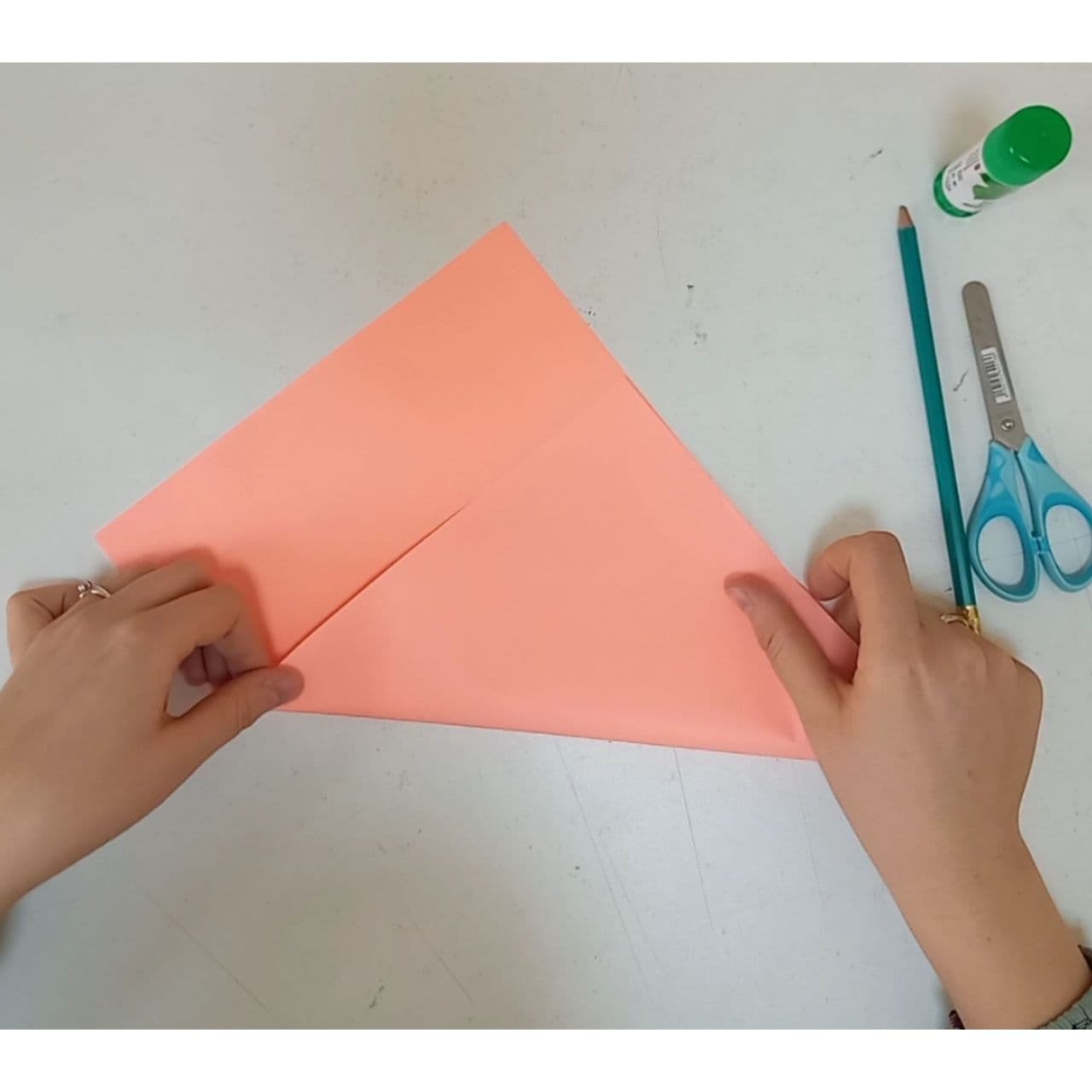
Step 1. Take coloured paper, fold it into a triangle like in the picture and cut out the unwanted part
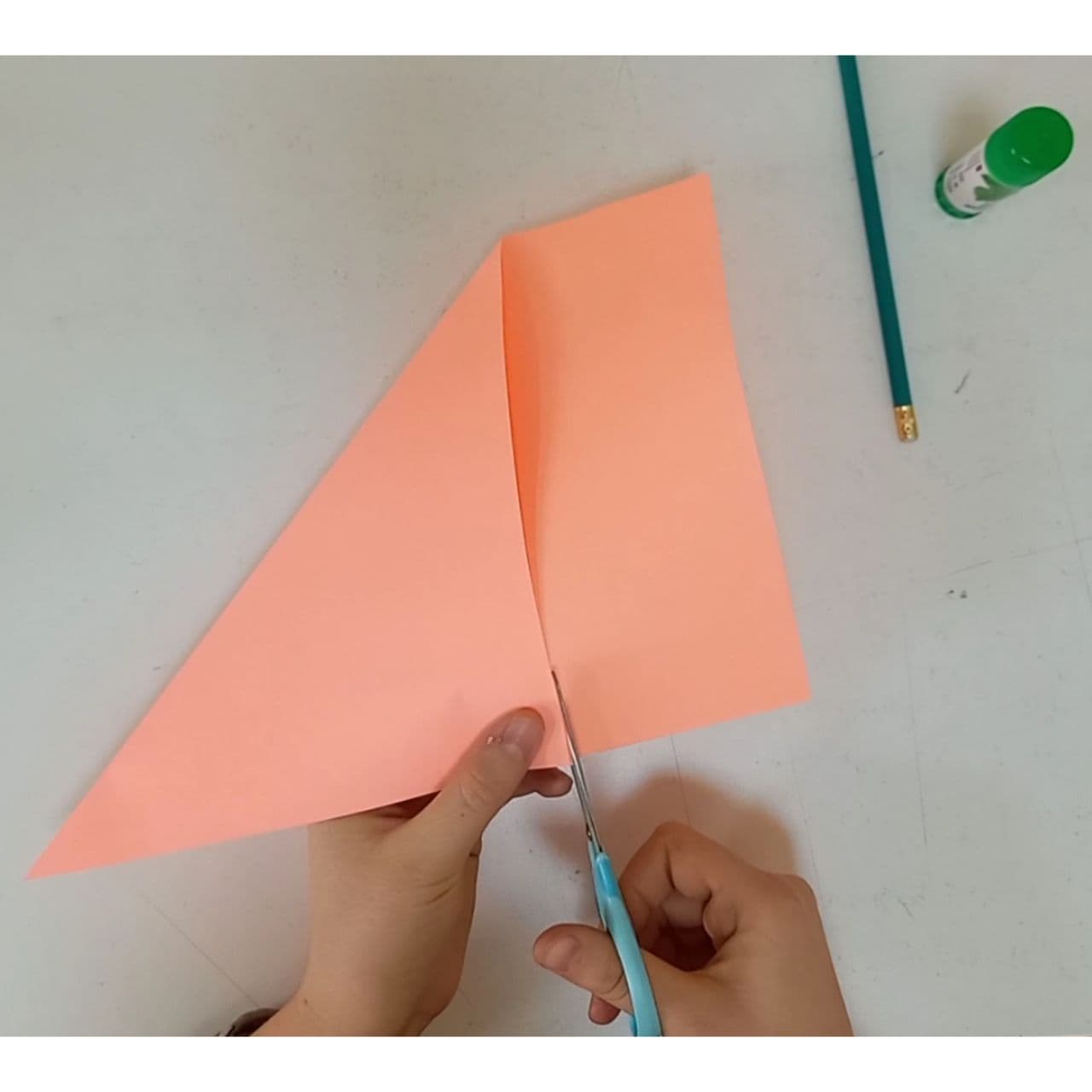
Step 2. Fold the finished triangle once more
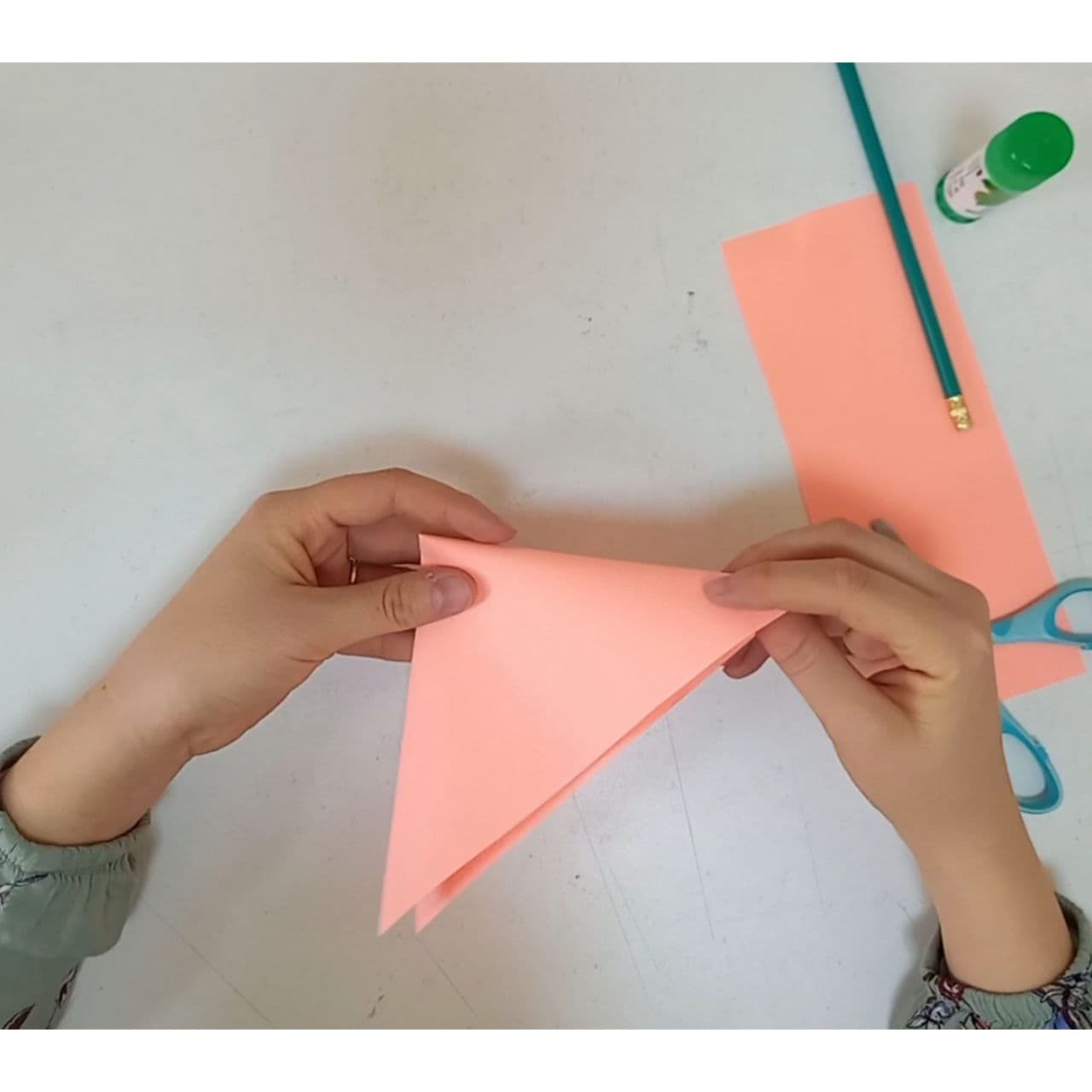
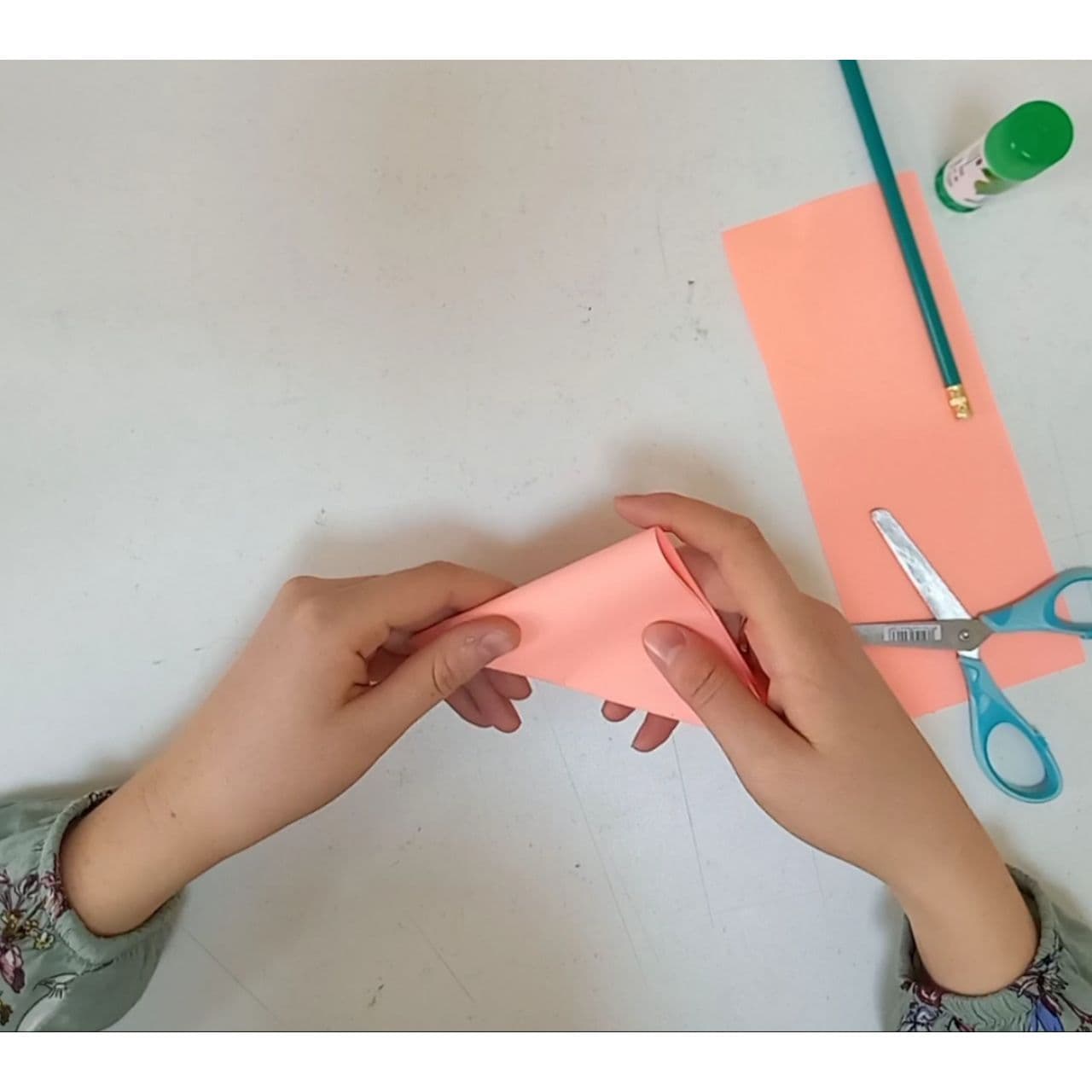
Step 3. Draw only one half on the finished triangle patterns
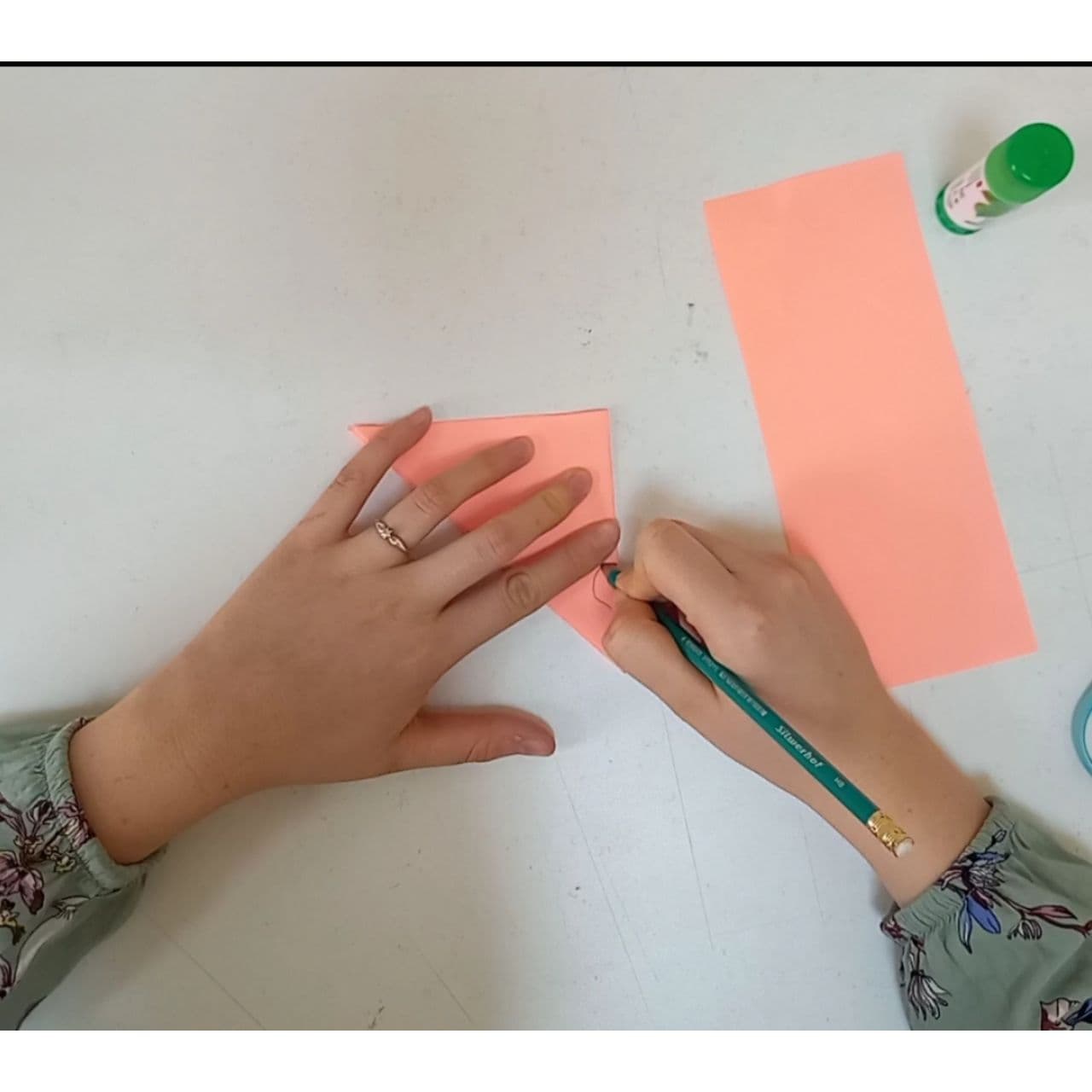
Step 4. Cut out our patterns, and open up our triangle
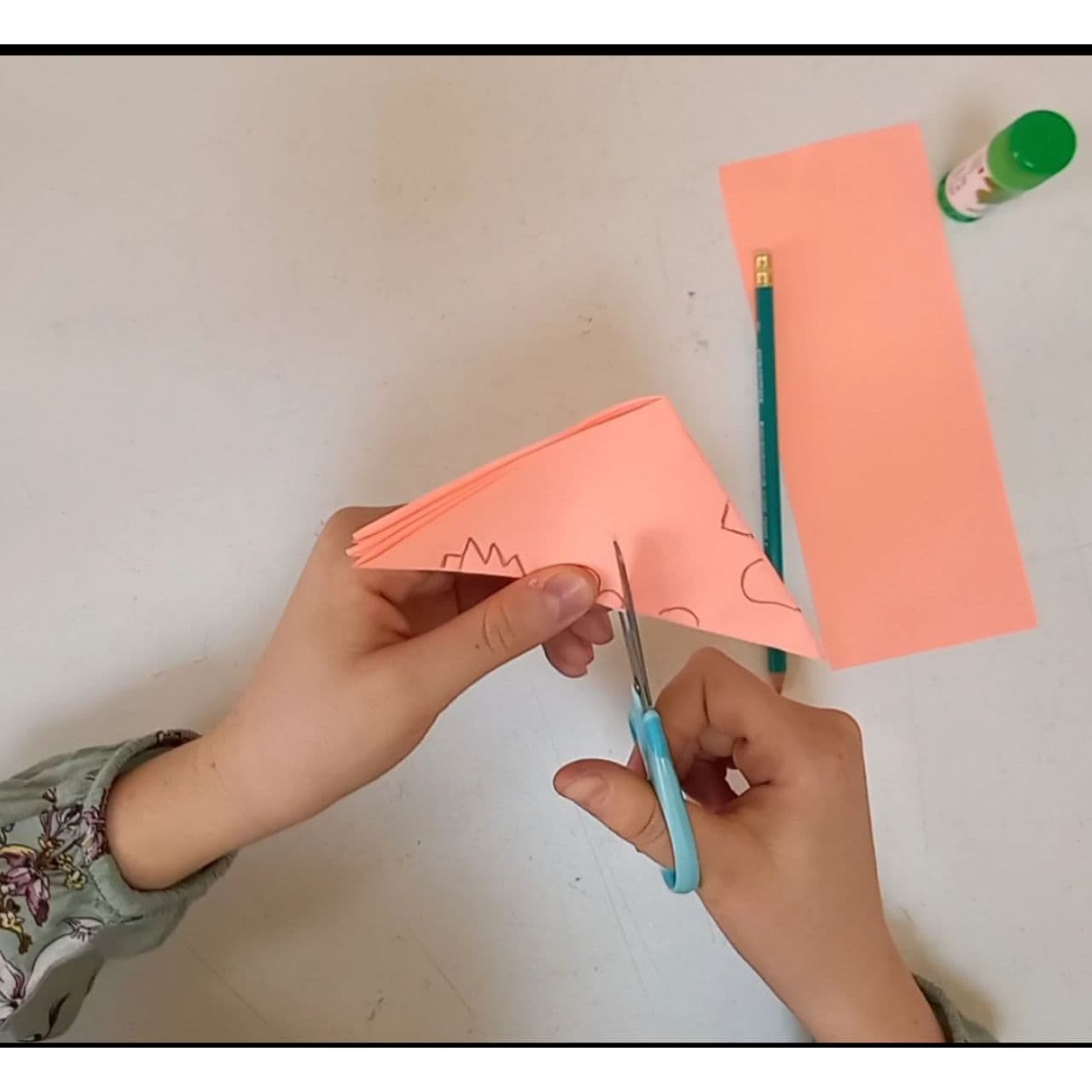
Step 5. Finish the paper with the patterns and glue it together to make a cylinder
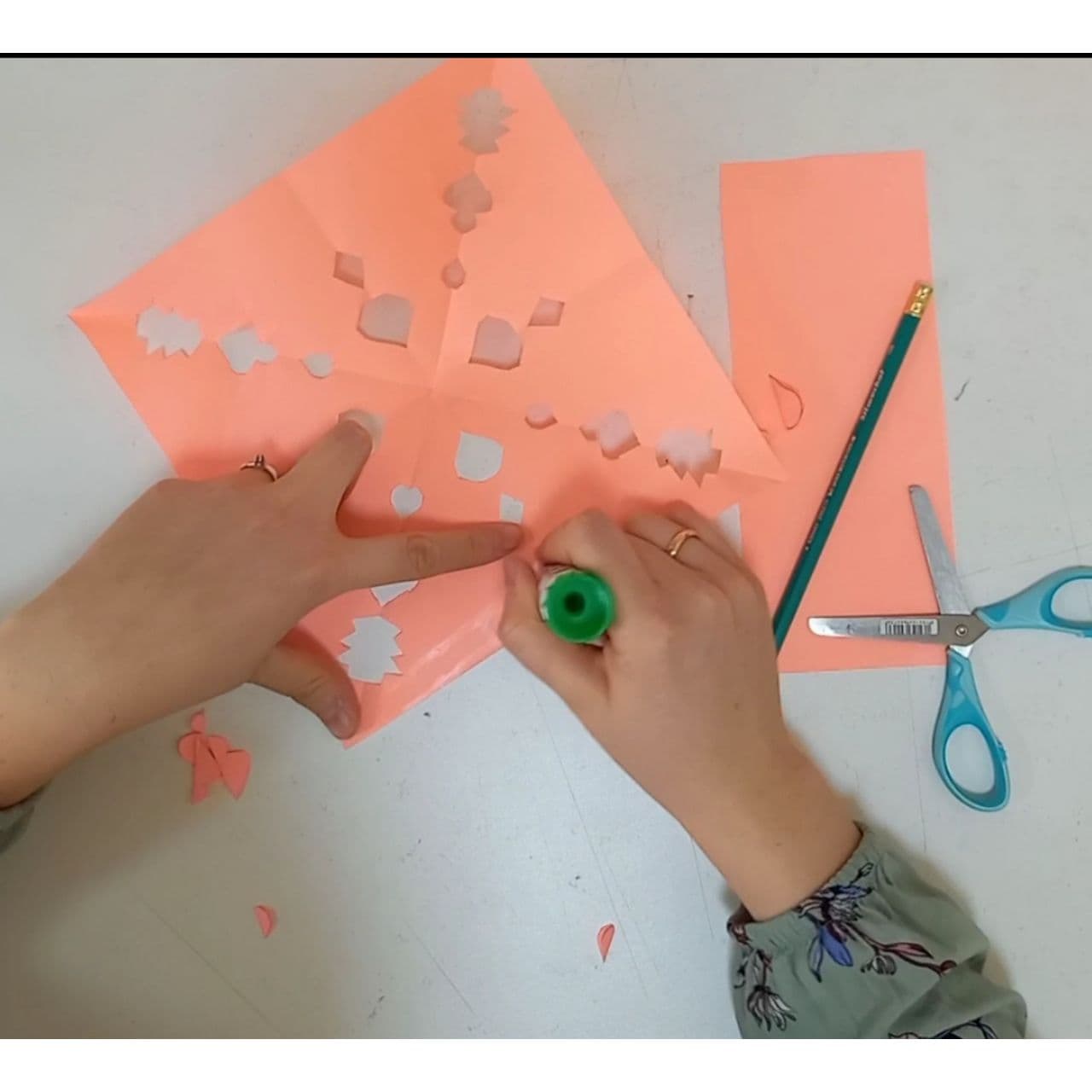
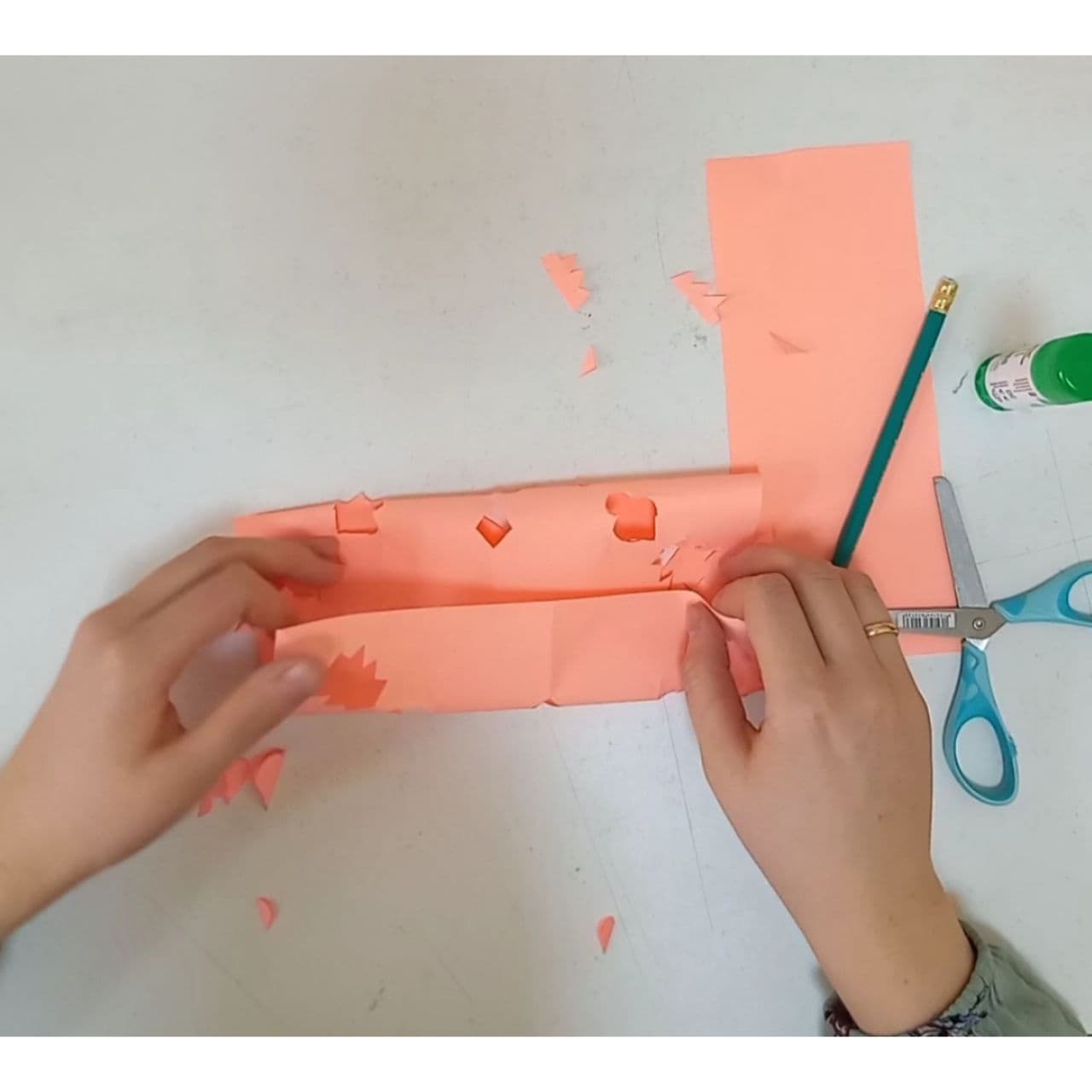
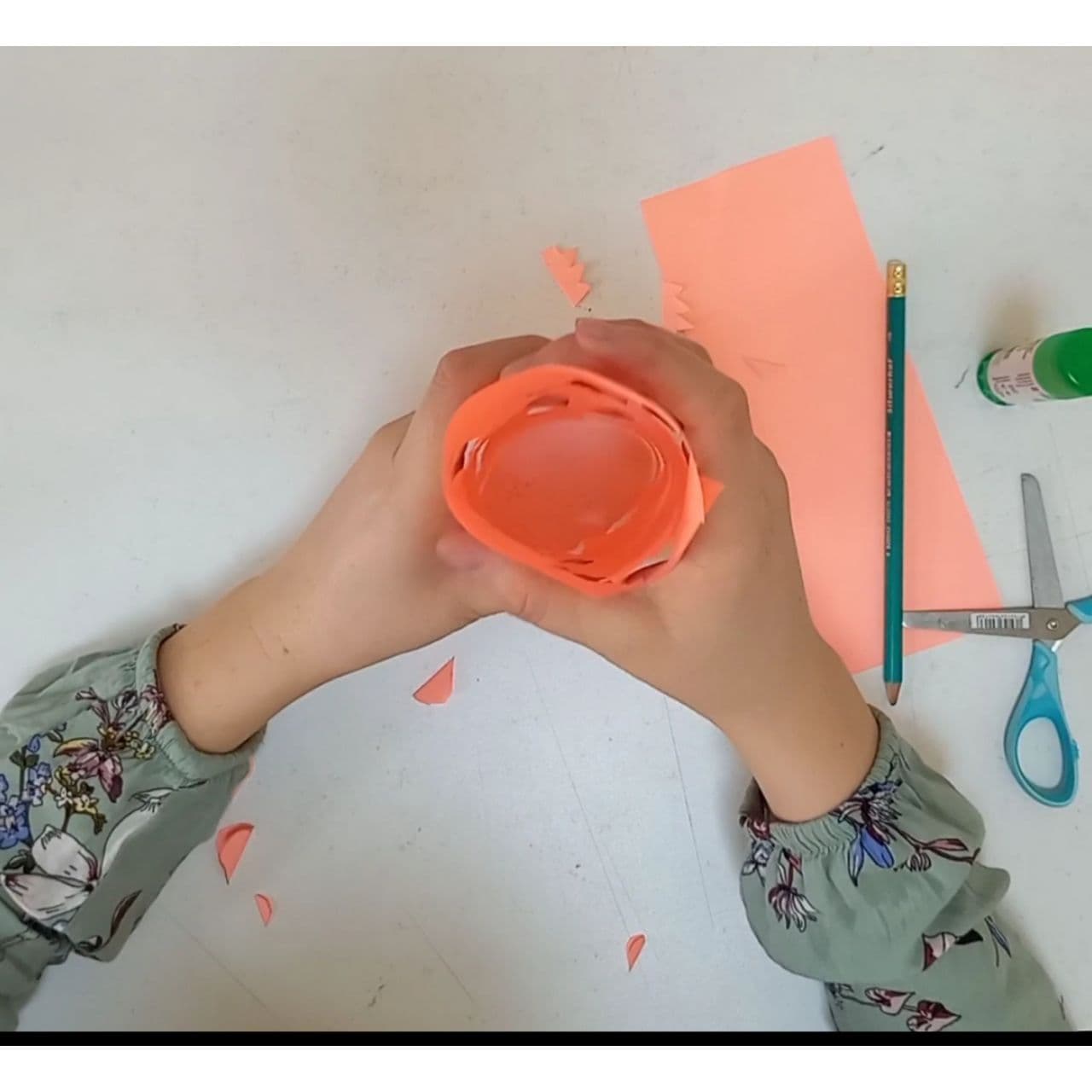
The luminaire is ready. You can put the luminaire over a phone or normal torch and check in a dark space
Conclusion
In this lesson the students have learned what is:
-light
-light sources
-why night falls
And made a lamp with their own hands.
In this project, each pupil is awarded a STEAM title, by category:
– You yourself, researched how light and the alternation of day and night came about, you are a true geographical scientist!
– You have developed teamwork skills by working in pairs, listening to each other!
Evaluation

