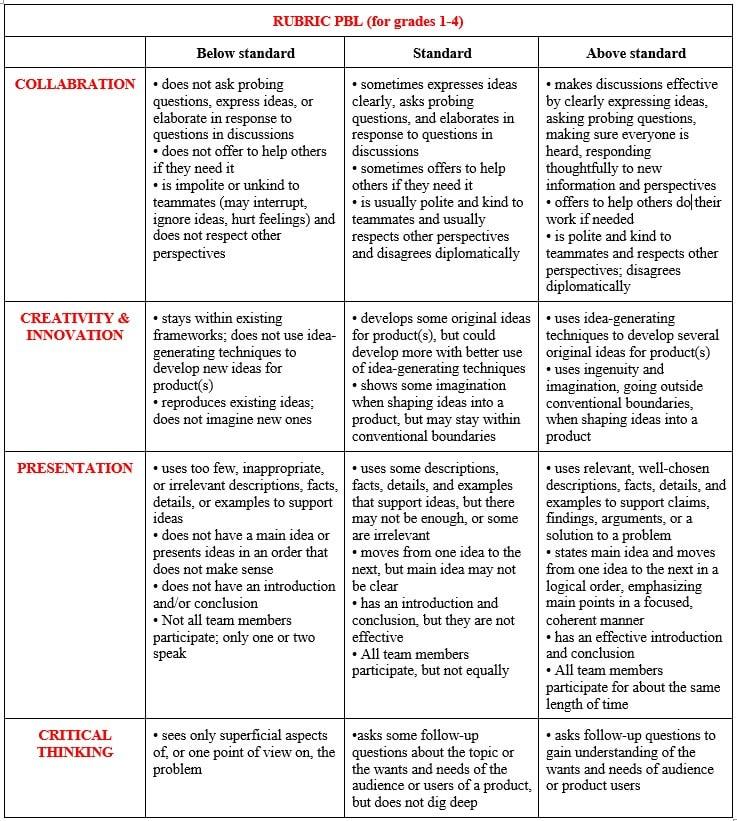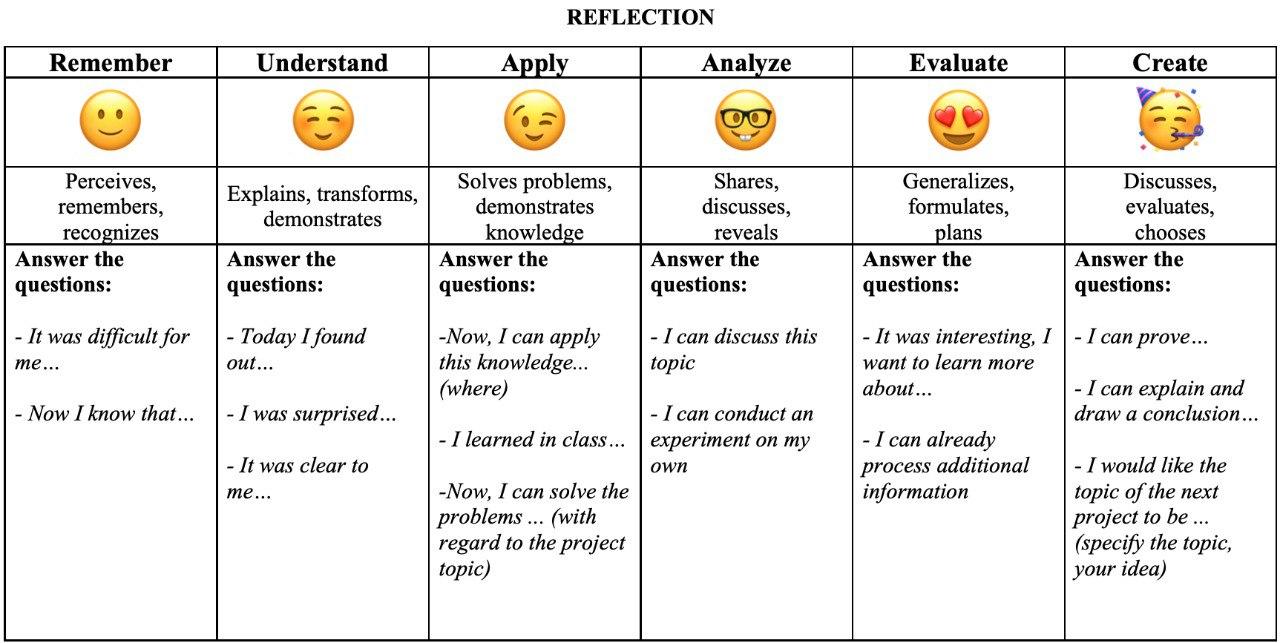
Week 1
Teacher’s Guide:
- Divide students into groups;
- Students should be familiar with the topic “Operations on numbers”;
- Conduct a brief instruction on working with scissors and cardboard products;
Goal:
- Improve students’ understanding of the topic of operations on numbers
- Develop imaginative and logical thinking
Before you start work, read the safety precautions [ safety precautions ].
Introduction
A puzzle is a game in which you need to make a figure from many of its fragments.
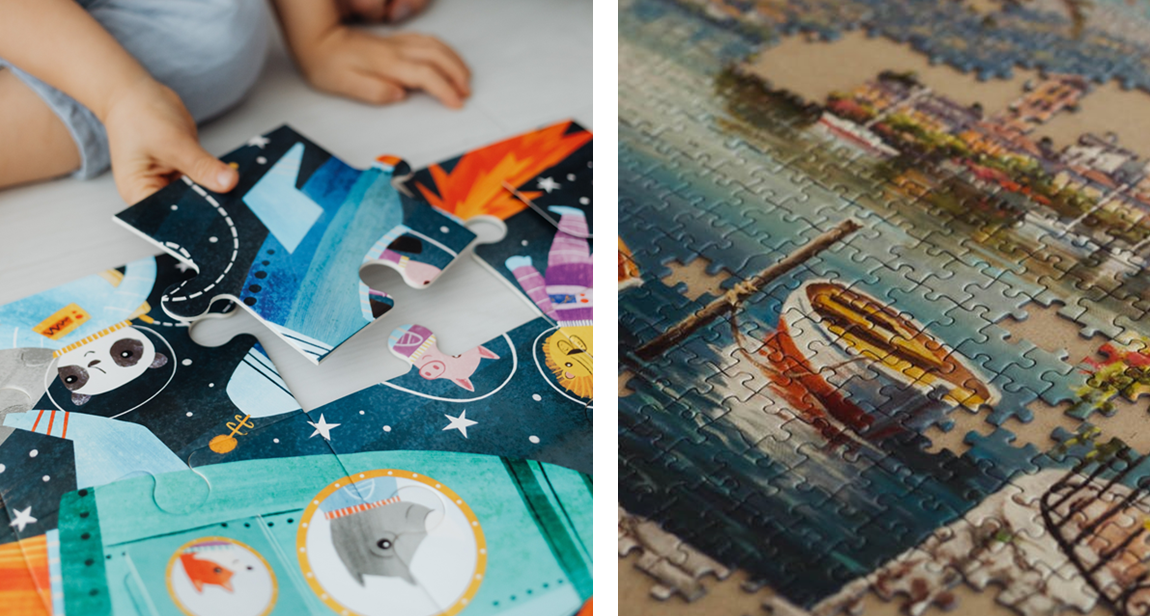
The benefits of puzzles:
- Increasing concentration. In order to find the right pieces of the puzzle, concentration is needed.
- The development of the imagination. When collecting puzzle images, we do not see the full picture, so the brain tries to complete the missing parts.
- Development of logical thinking. When assembling puzzles, it is necessary to take into account their sequence and shape [1].
References:
[1] https://mimigram.ru/blog/chto-takoe-pazly-i-chem-oni-polezny/
Practical part
Play a game with students. Write the number on the board. Under the number, write the numbers that students can use to find the main number. The following example shows a game with the number 56.
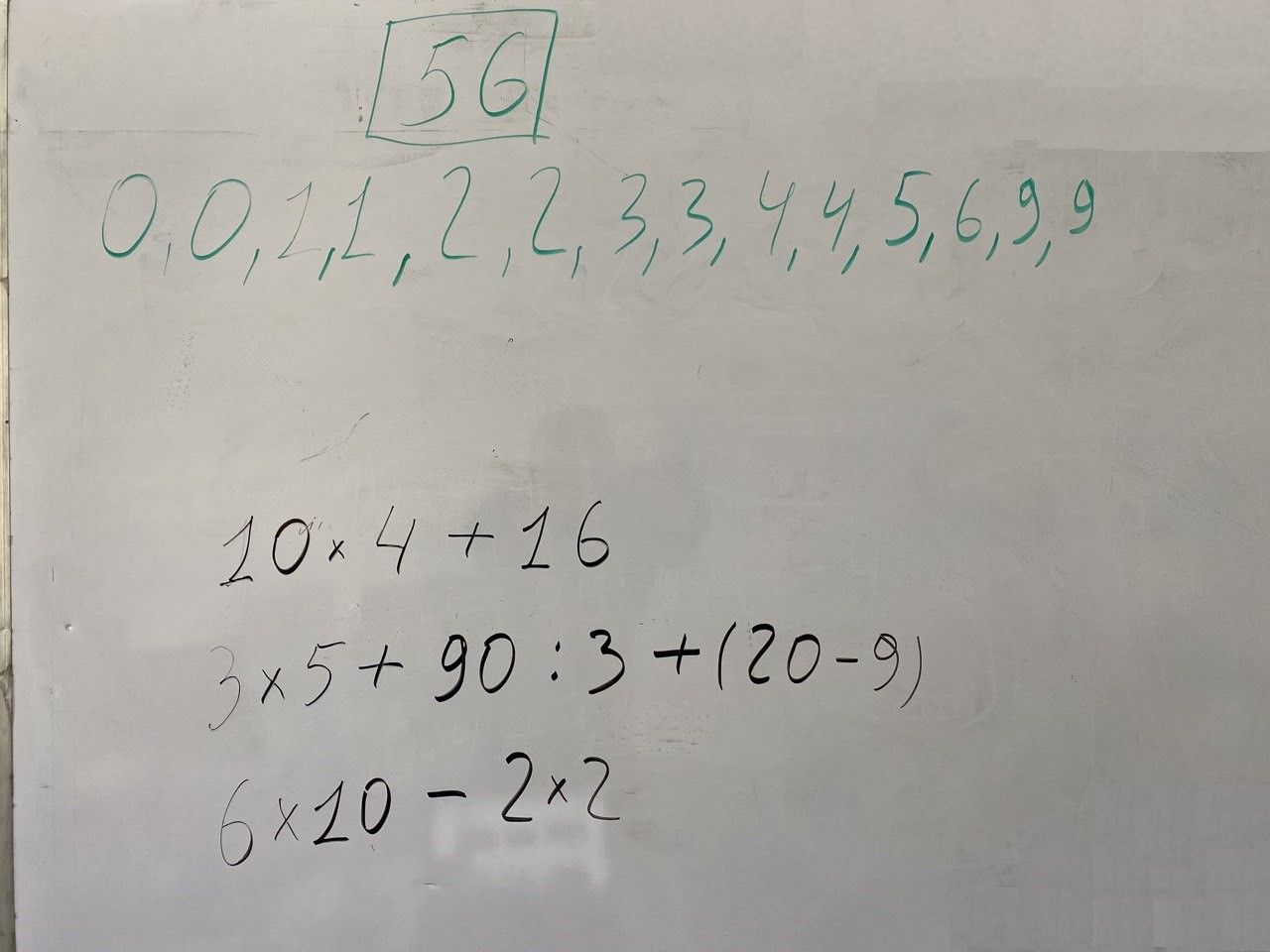
Tell students:
Find numerical expressions whose results are equal to 56. Under the number 56, there are numbers, each of which you can use only once in your expression. The more operations you use, the more points you get. For each type of operation, you will receive one point. For example, if you used the operation of addition and multiplication in an expression, then you will get two points for this.
The photo above shows sample answers (written in black marker). Call students to the board to write their examples. Tell the students to write down all the correct examples from the board (they will use them to build puzzles).
Other examples can be downloaded from the following link. [ link ].
Building puzzles.
Step 1
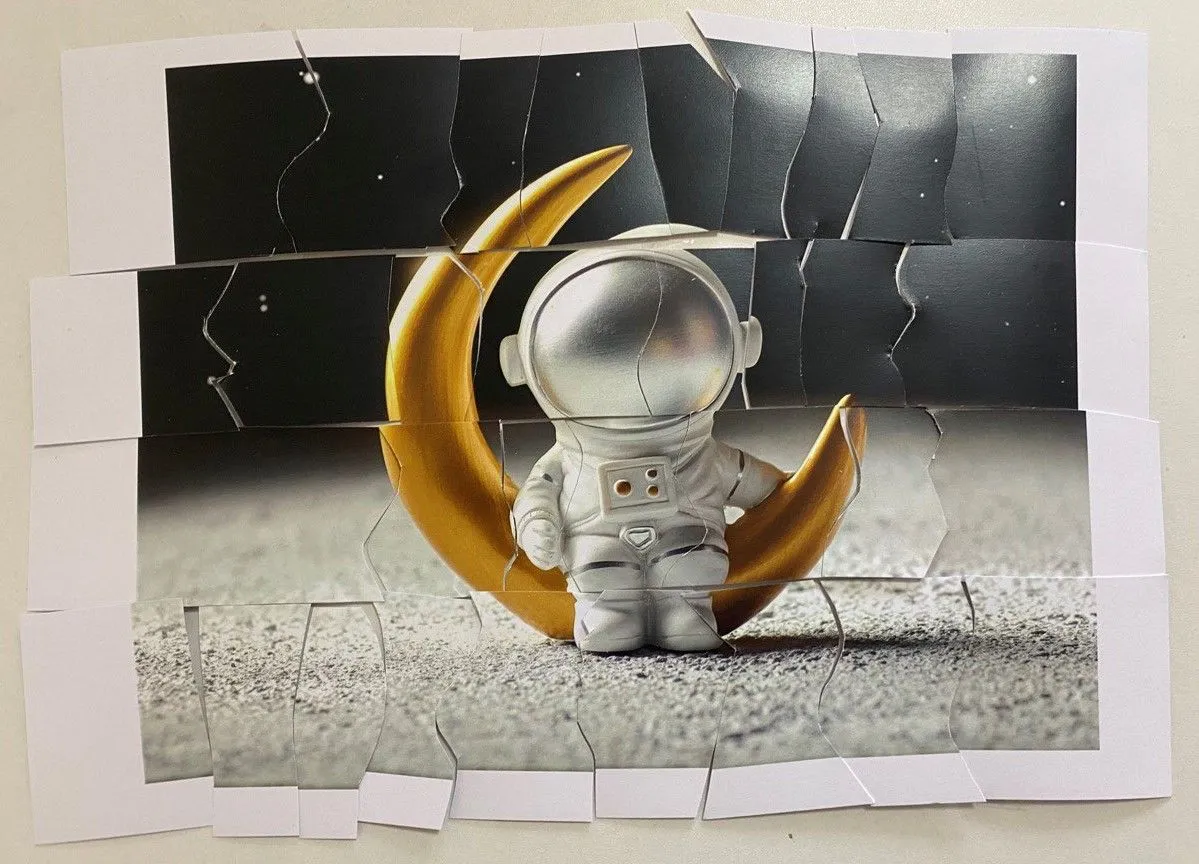
Download and print on a color printer drawings [ link ]. Each drawing contains lines on the reverse side.

Step 2
Divide the students into groups of 4-5 and give each group one picture.
Step 3
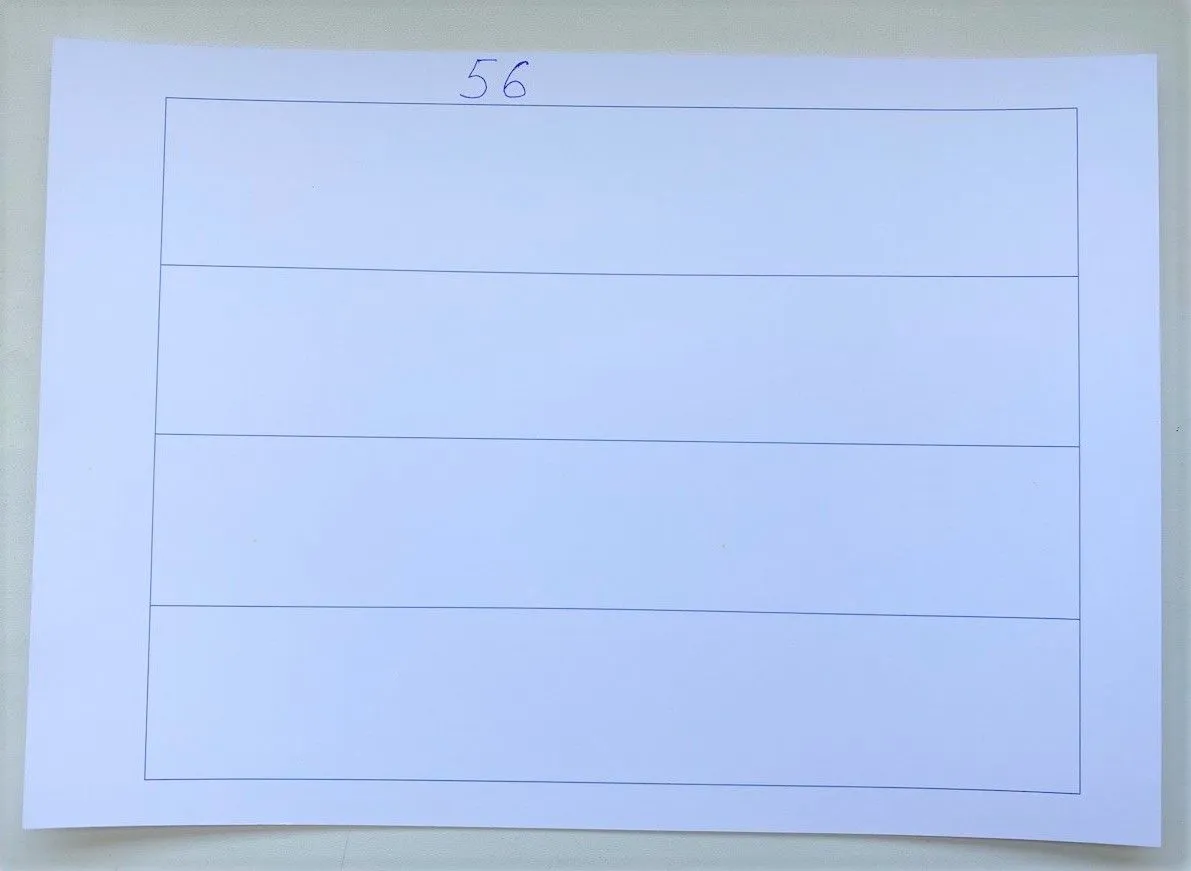
On the back of each picture, write the numbers the students worked with in the previous lesson. The figure below shows an example with the number 56. Write a different number for each group.
Step 4
Tell each group of students to write four expressions to get the number that is written on the top of the sheet.
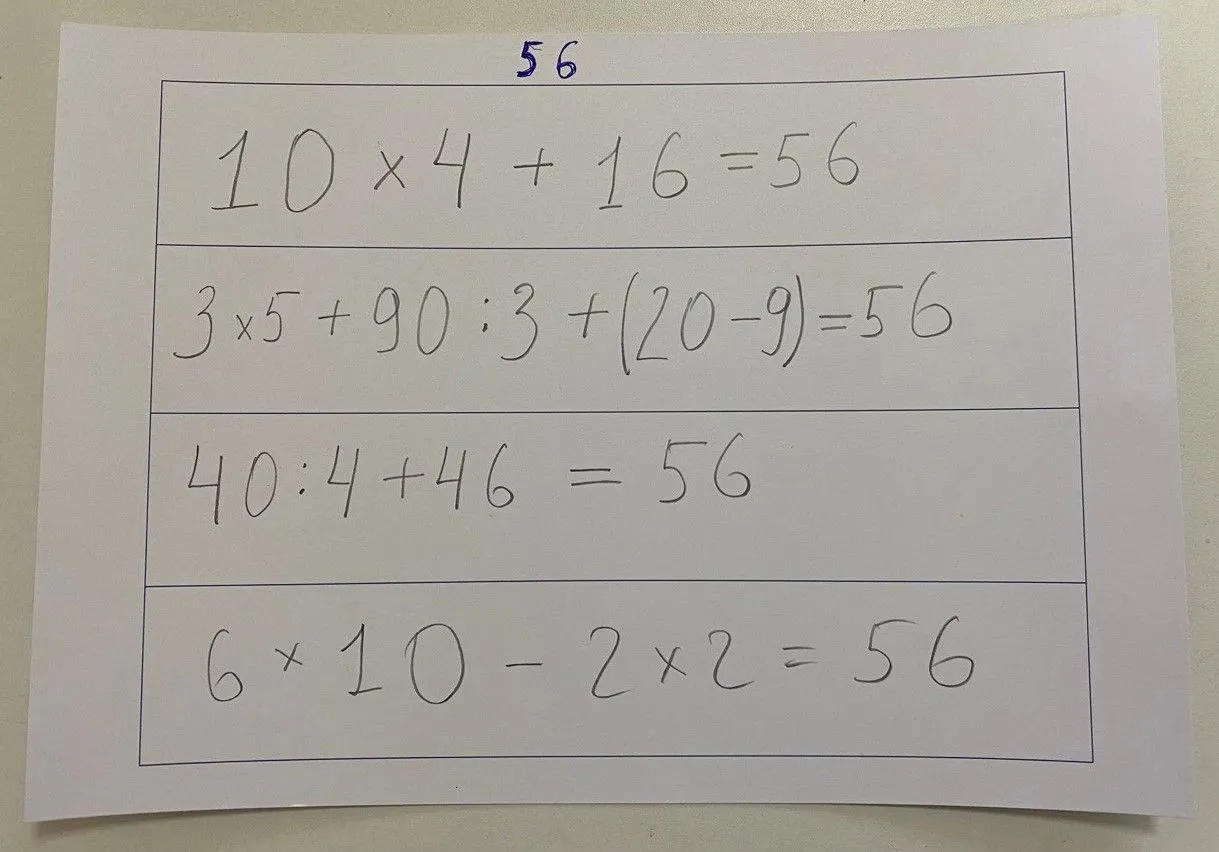
Next, students have to draw lines around the numbers to build the puzzle
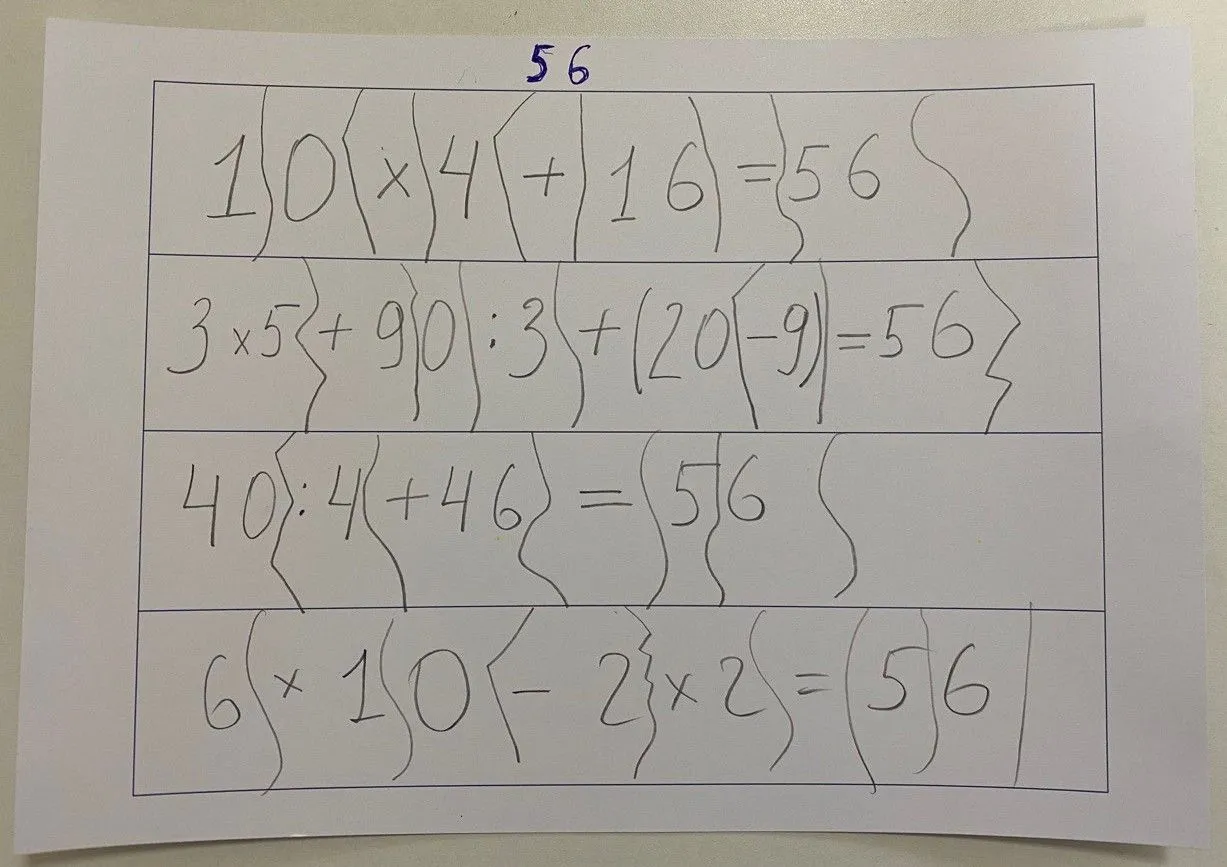
Step 5
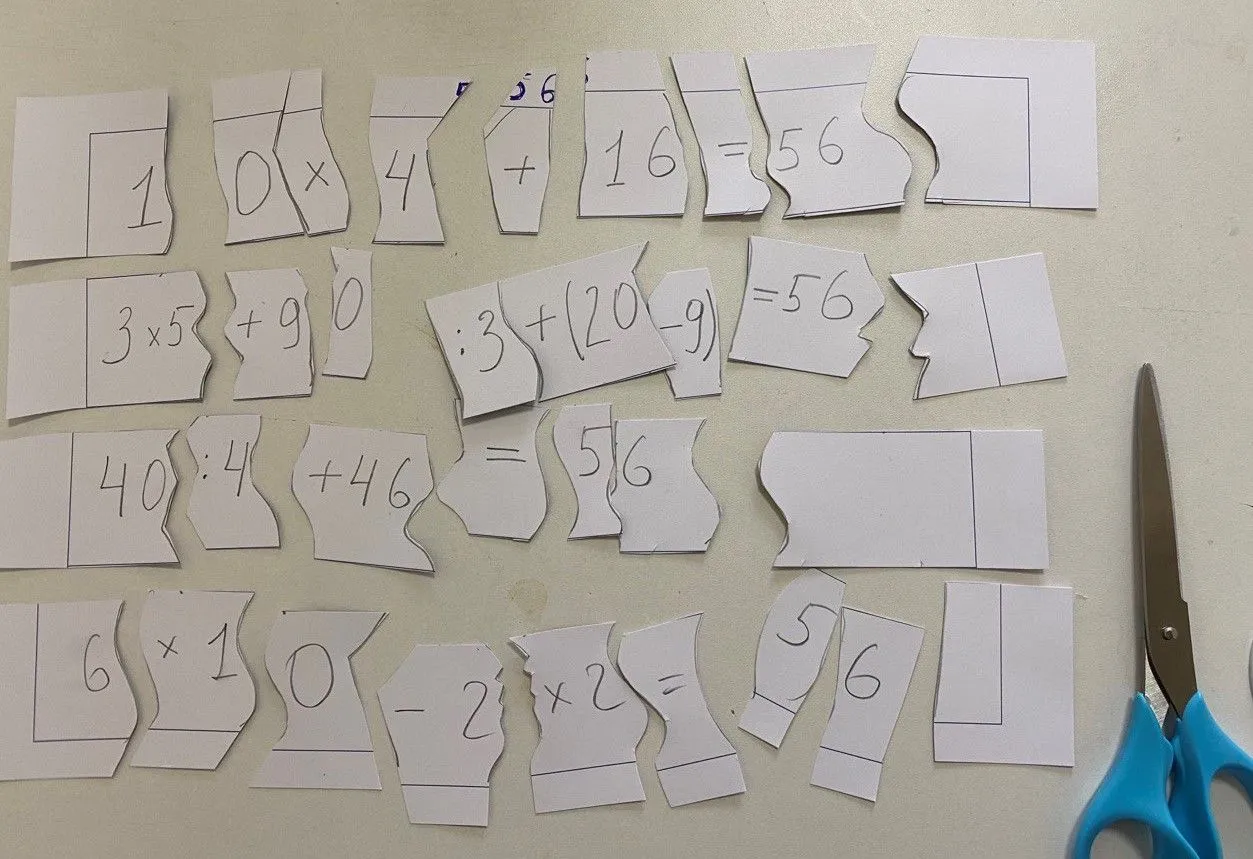
Students should cut the drawing along the lines they drew.
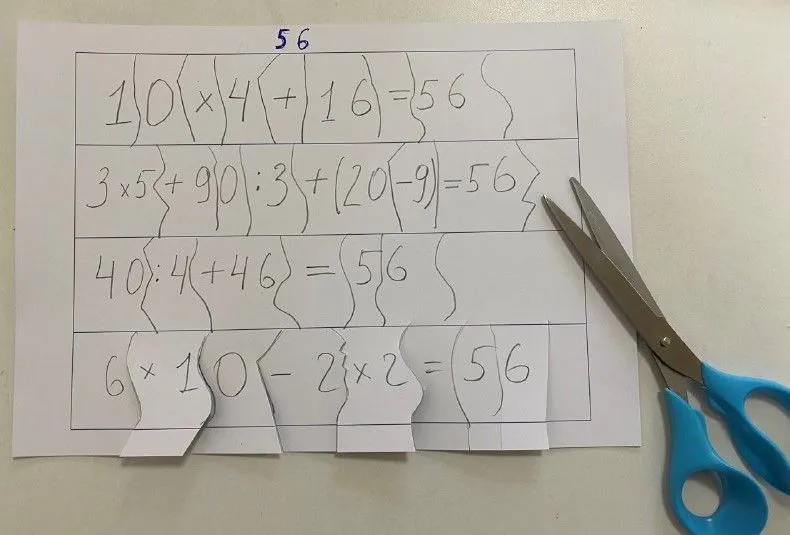
Step 6
Have each group exchange puzzles. Now the task of each group is to assemble the puzzle without turning the elements over to the other side (students should not see the backside with the picture). Adhesive tape can be used to connect the parts.
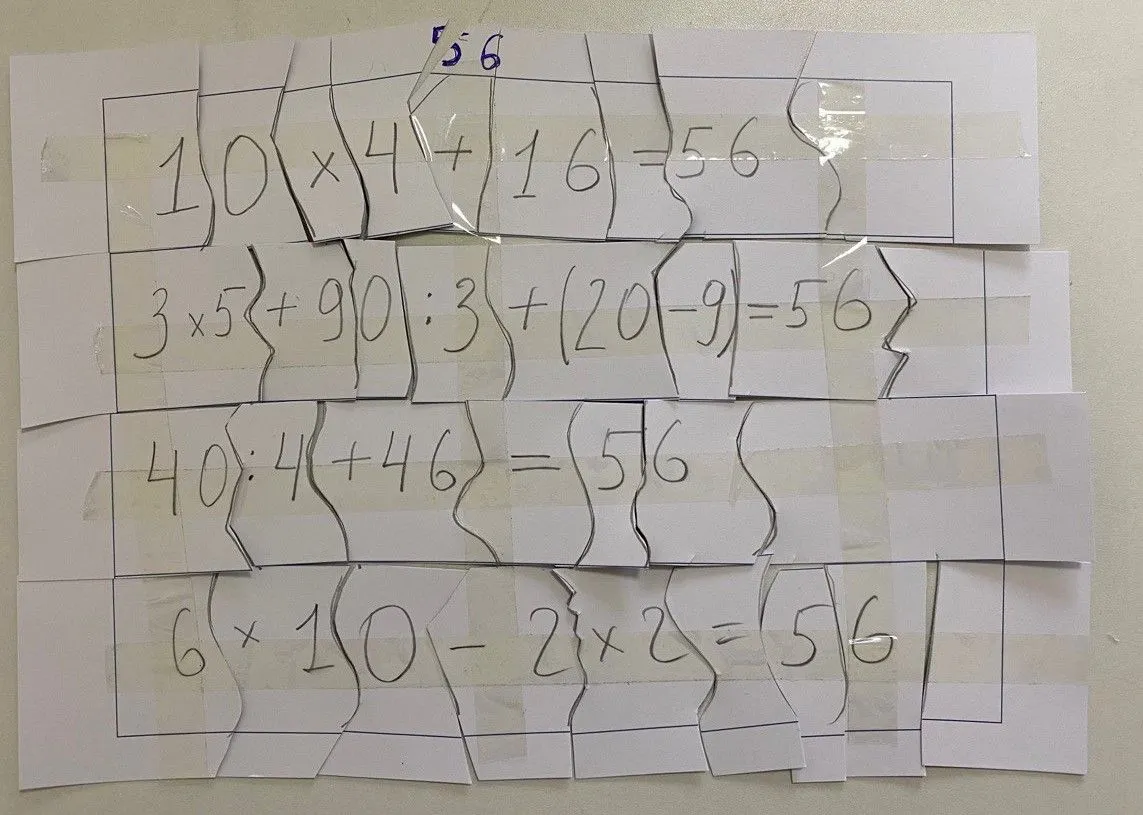
In the end, each group should receive the original drawings.
Conclusion
On this project, students consolidated the topic of performing operations on numbers. The students also made a puzzle of numbers and developed imaginative and logical thinking.