
Lesson
Project objective
– to show the importance of sources and receivers of information for human beings;
– to develop the child’s curiosity and observation and to develop an information culture;
– to develop the ability to work with the information that comes to us.
Teacher’s guide
– In the practical part, students work in pairs.
– Explain what information/transfer of information is.
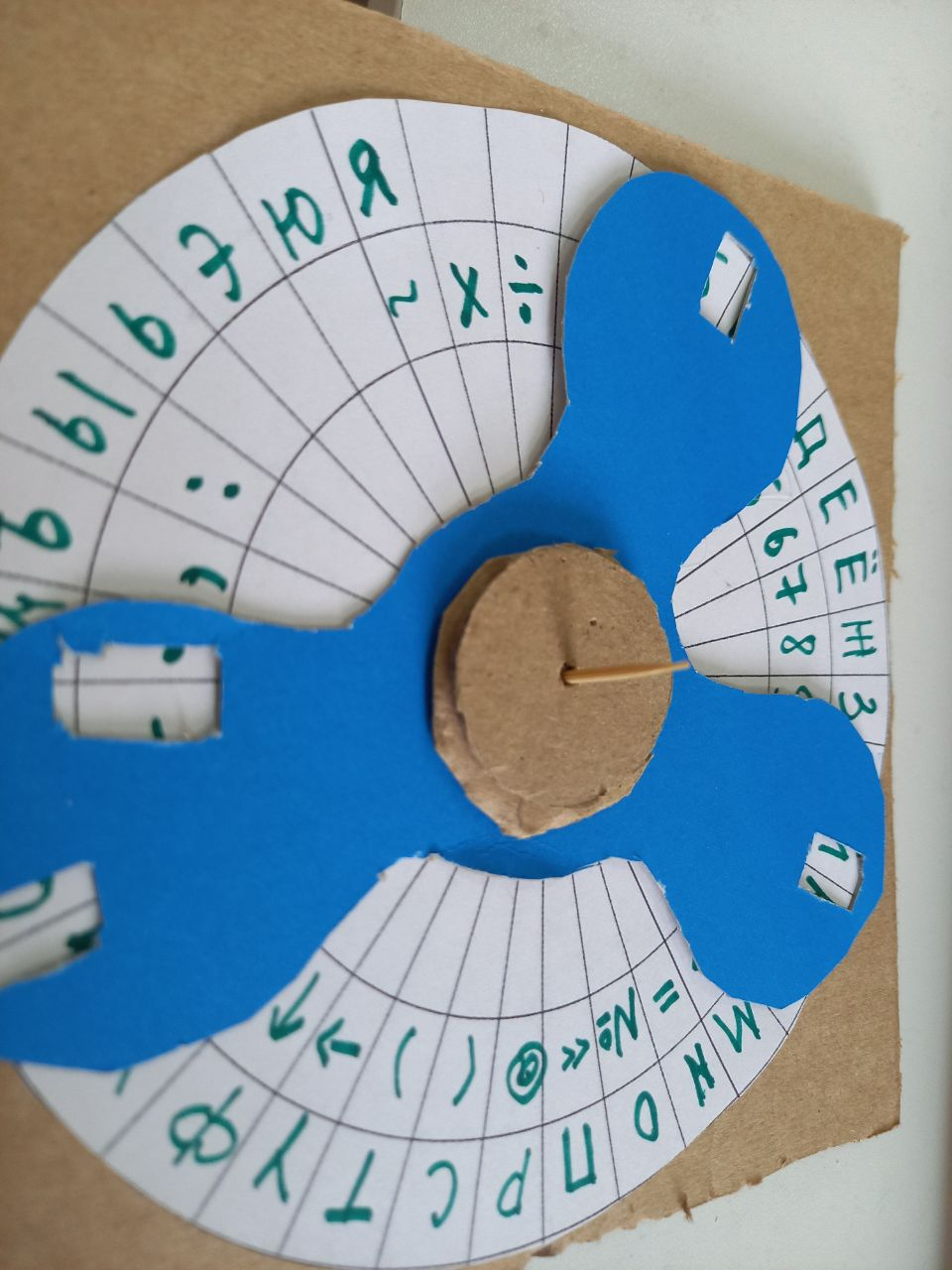
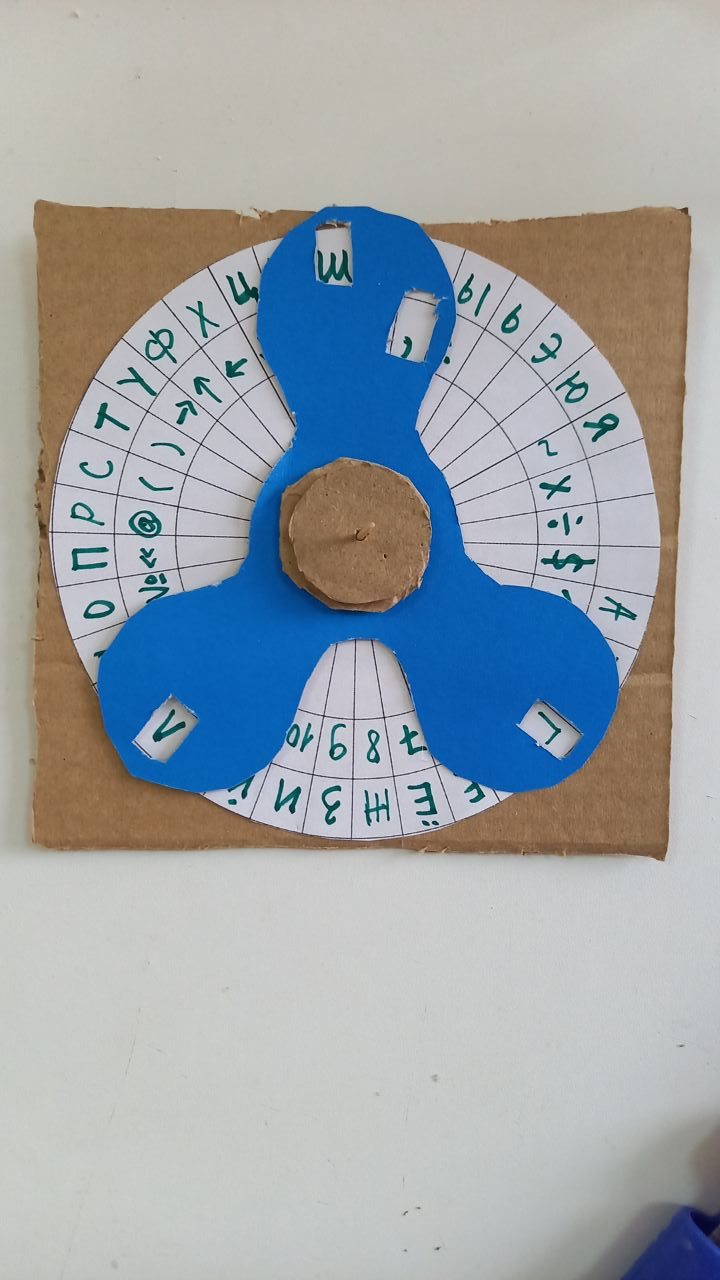
– In this lesson pupils will be making a spinner coder
– Before beginning the experimental part, familiarise and provide pupils with all the necessary materials.
Safety precautions in Steam lessons
Before the lesson begins, the teacher is advised to familiarise the students with the safety procedures. If necessary (in the case of items specified in the PPE), brief the students. Go to Safety in Steam lessons
Theoretical part
A source of information is what brings any information to a person. Any object, phenomenon or living being can be a source of information if we pay attention to it. In this lesson, Professor Connoisseur will help us to identify and name sources of information of different kinds. He will talk in detail with illustrations about visual, auditory, gustatory, olfactory and tactile sources of information. And at the end of the lesson, the children will have fun tasks to repeat and reinforce the material.
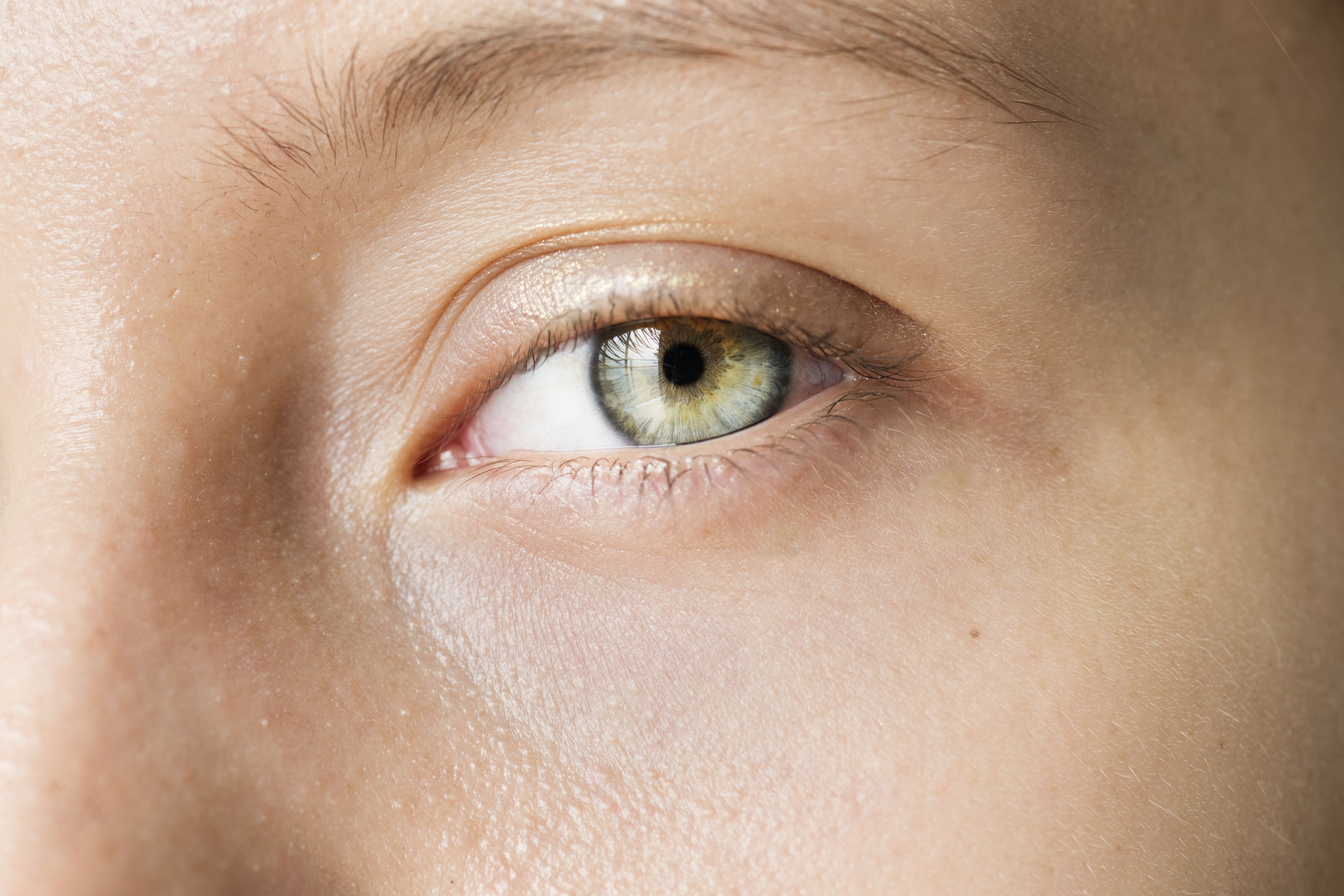
Visual information – seen through the eyes.

Auditory (sound) information – we hear with our ears.

Taste information – we taste with our tongue.

Olfactory information – we smell, that is, we smell with our nose.

Tactile (haptic) information – we touch, that is, we feel with our skin.
Have you guys ever had that? Walk into a shop and you can smell the bread and rolls so good? Or at the cottage, when Mum and Dad are barbecuing, first you can smell the firewood and then the delicious smell of grilled meat, which makes you want to eat it all at once.This information is olfactory. We perceive it through our nose. Bread, buns, burning logs, and kebabs are sources of olfactory information.
And when we eat or drink, our tongue tastes. So the information we get is taste information. And food and drink are sources of gustatory information. As you have already guessed, next we will talk about a tactile source of information. It can be a bug that sits on your hand or foot, a cat that we pet, a bun when we touch it with our hand, and so on. All this information is perceived through the skin. Therefore, the beetle, the cat and the bun in these situations are sources of tactile information.
Practical part of the work
Step 1. Take a white paper with 36 sectors and cut it out. Now fill in the sectors with letters, numbers and signs.
The drawing of the circle and the spinner can be downloaded from the link
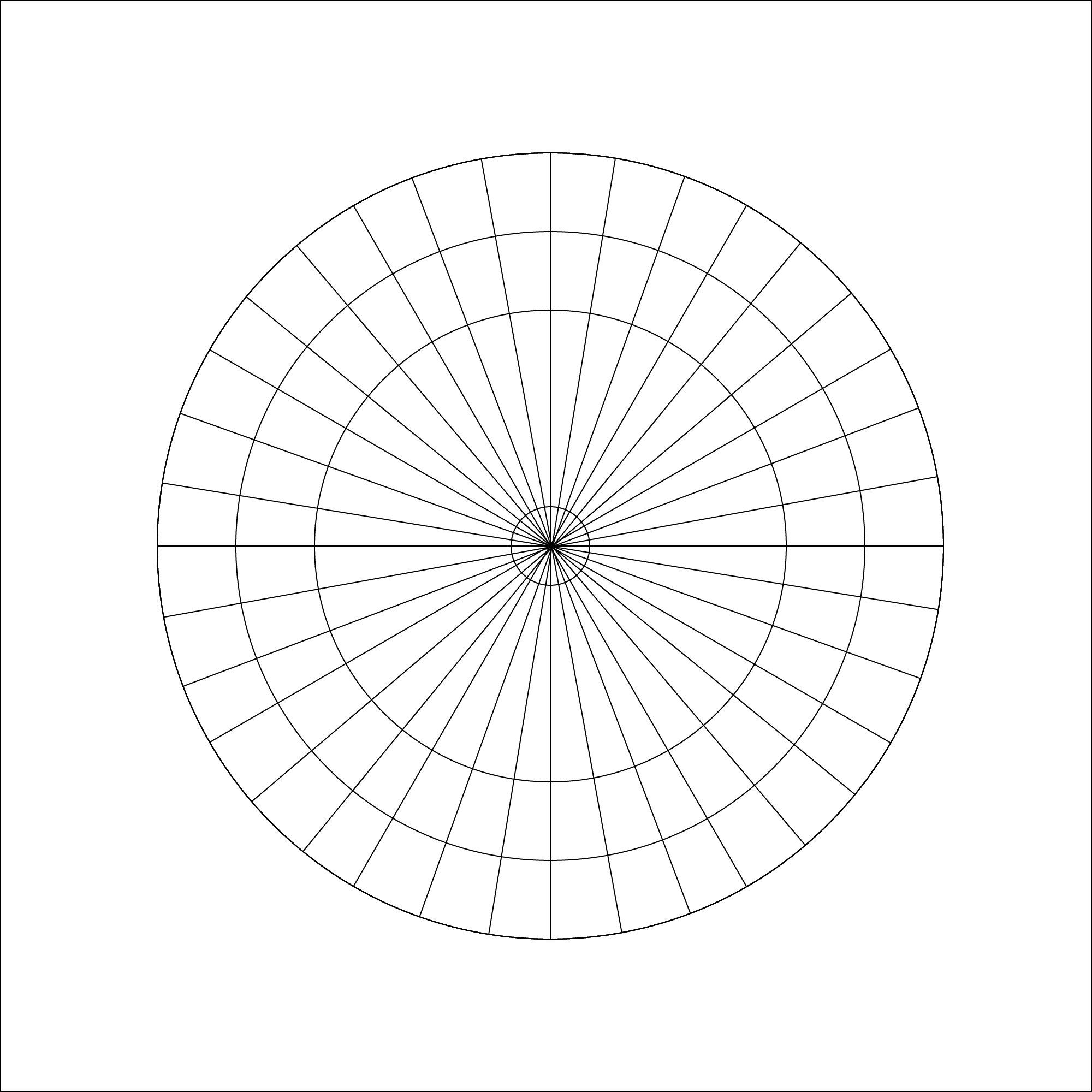
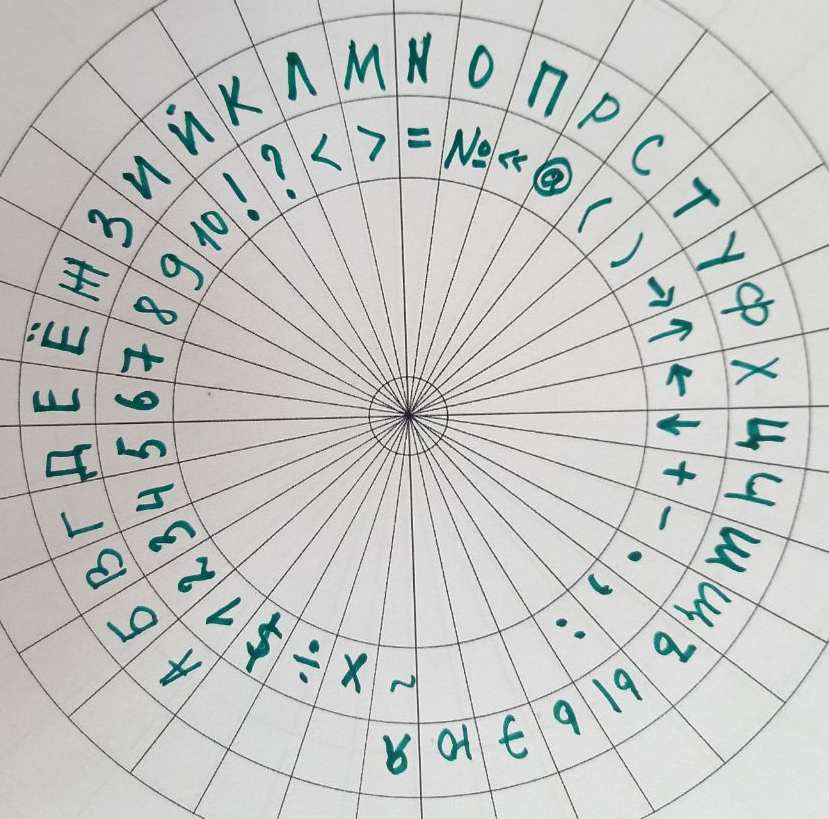
Step 2. Cut out a 15x15x15cm square from cardboard. Glue our circle and sectors onto this cardboard
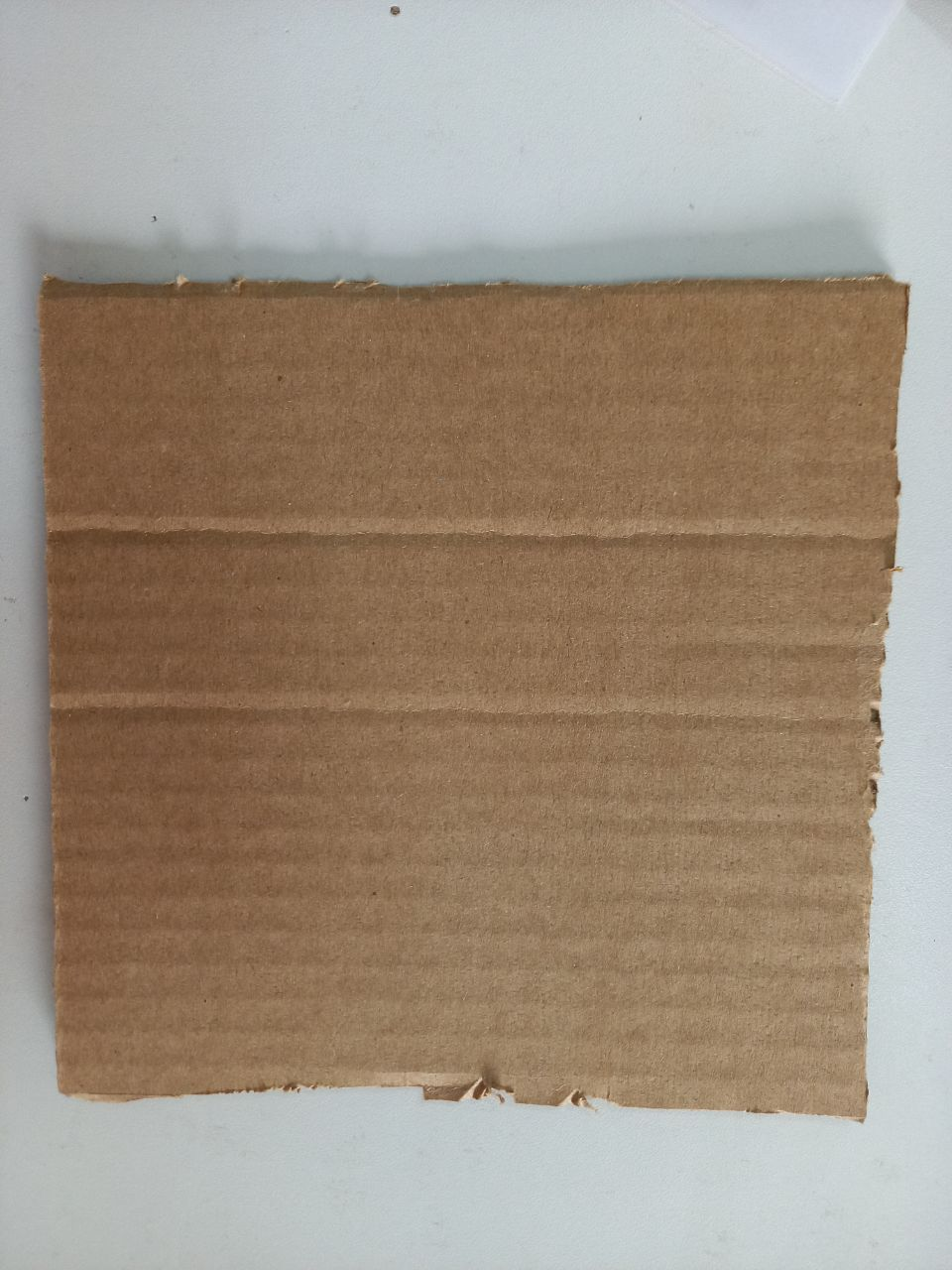
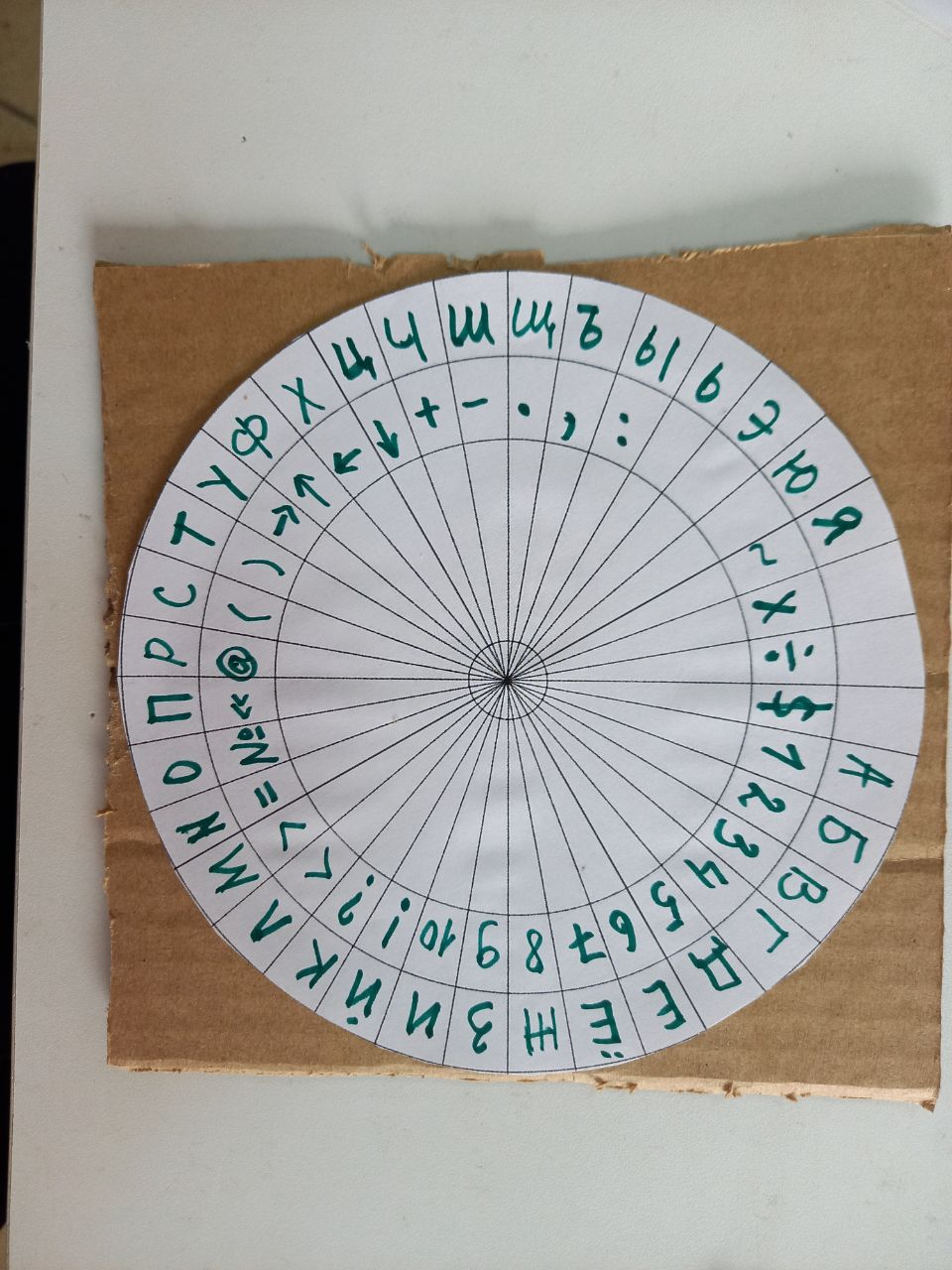
Step 3. Take the finished drawing of the spinner and glue it onto cardboard paper and cut out the spinner and the windows in it (the windows are cut out with a box cutter, only the teacher can use a box cutter)
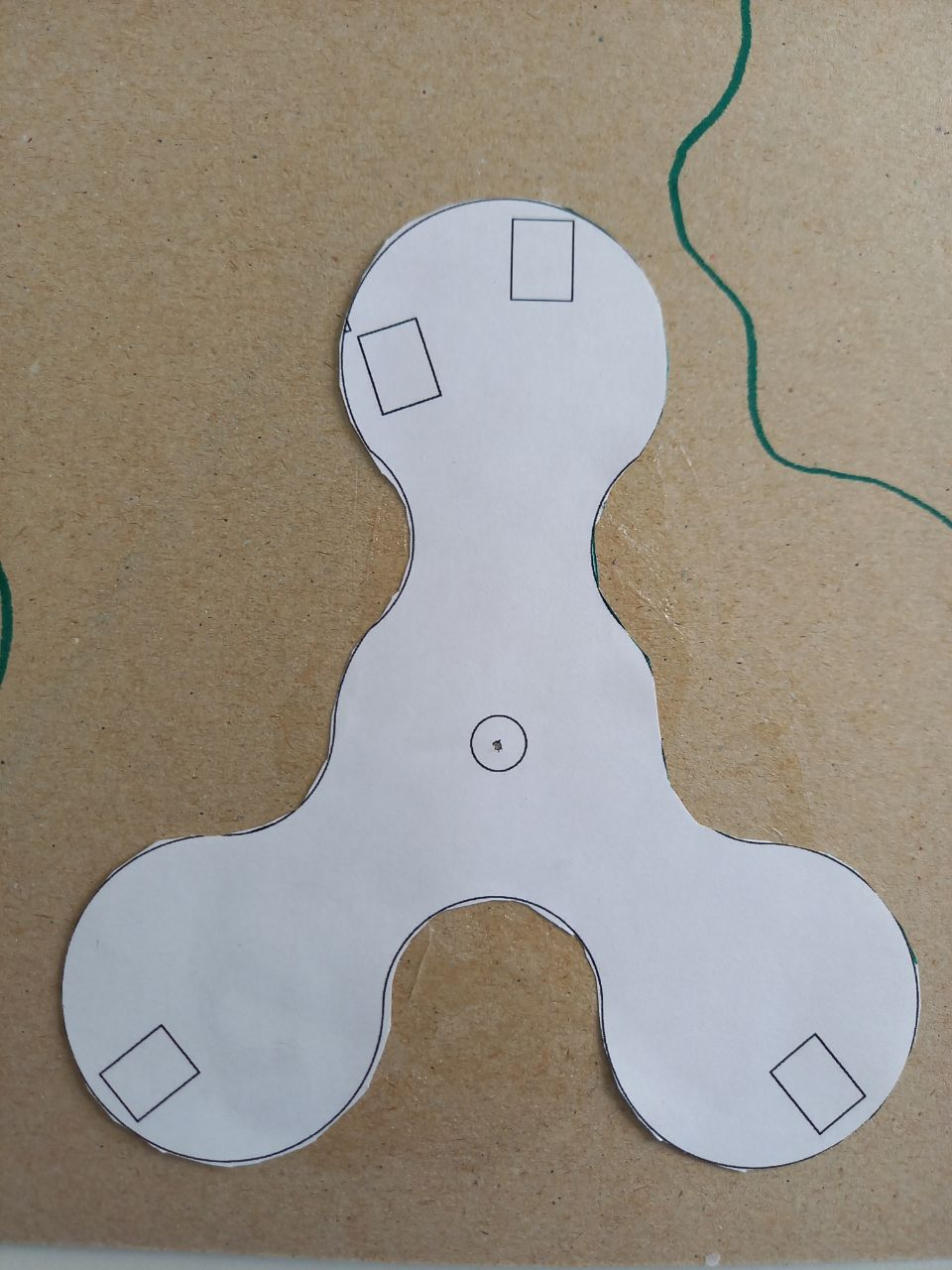
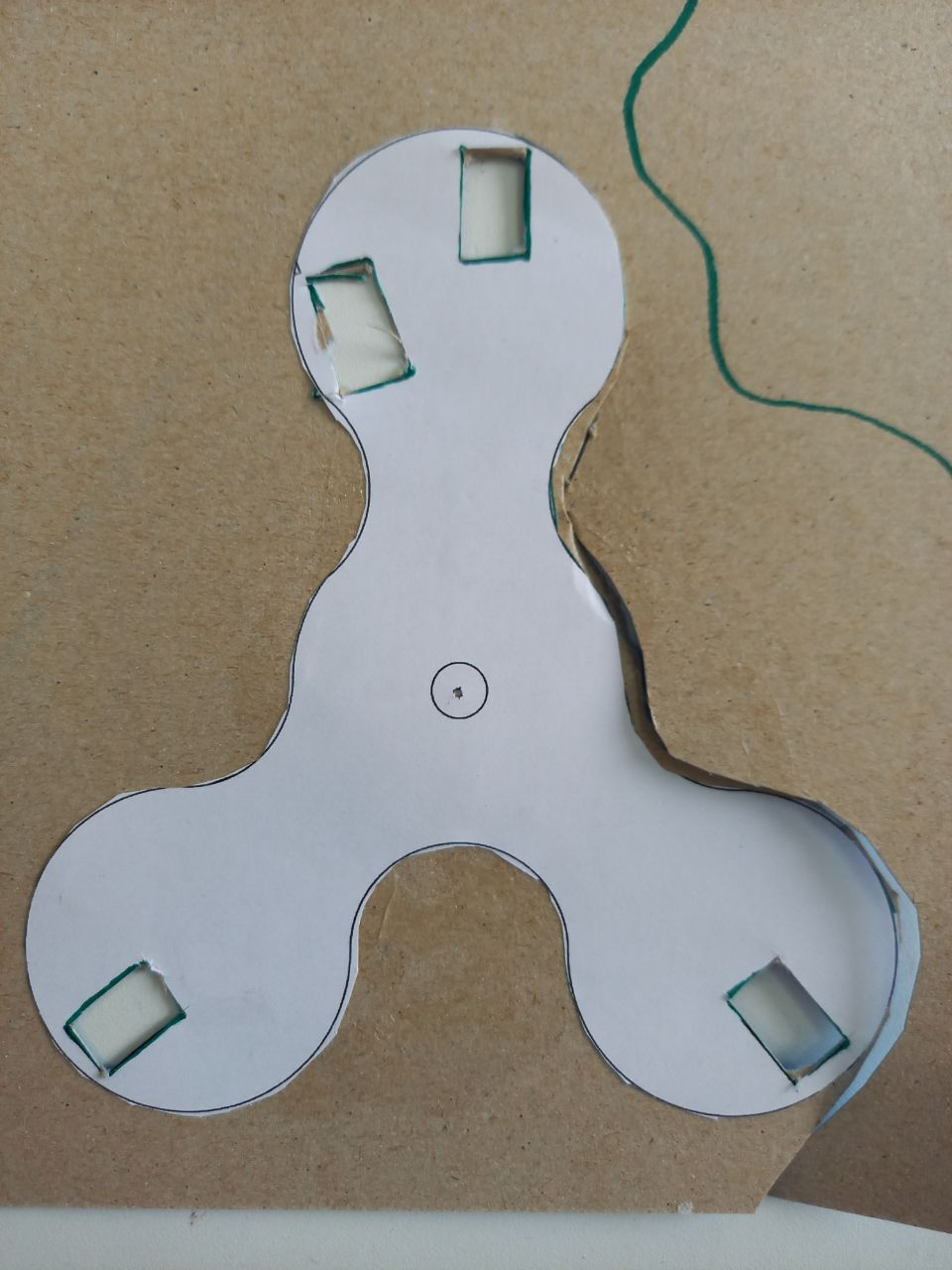
Step 4. Cut two circles with a diameter of 3 cm out of cardboard
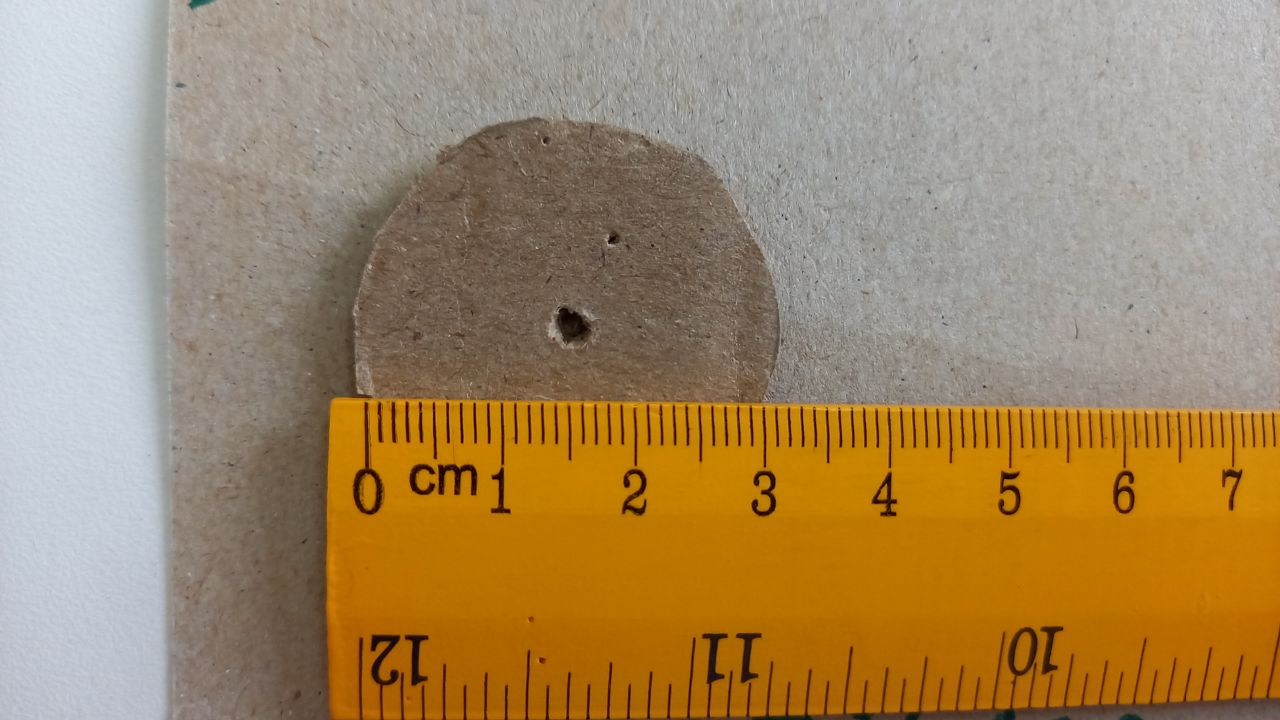
Step 5. Using a wooden stick, assemble everything so that the spinner grows
Conclusion
In this project, the students have learned how sources of information are distributed and how ancient people exchanged information and created a word scrambler.

In this project each pupil will be awarded a STEAM title in the category:
– You yourself, have studied the exchange of ancient people, created a cryptographer and managed to decipher the hidden words – you are a real scientist !
– You have developed teamwork skills by working in pairs
Evaluation

