
Lesson
Project Objective
– To explain what an earthquake and a seismograph are;
– To develop students’ 4K skills;
– To make a mock-up of a seismograph.
Teacher’s guide
– For the practical part of the project, students work in groups of 3-4 students.
– Pupils should be introduced to topics like earthquake/seismograph.
– Before starting the experimental part, introduce and provide students with all the necessary materials.
– Provide brief instructions on how to use the scissors.
– Explain the PBL (project based learning) rubric to the students at the beginning of the lesson. Skills 4K (critical thinking, collaboration, creativity, presentation)
Safety in Steam lessons
Before we begin the lesson, teachers are advised to familiarise themselves with the safety procedures. If necessary (if using items specified in the PPE), brief the students. Go to Safety in Steam lessons
Theoretical part

EARTHQUAKE is the ground shaking and vibration of the earth’s surface caused by sudden movements and ruptures in the earth’s crust or upper mantle, and transmitted over long distances as an elastic oscillation. The point in the earth’s crust from which seismic waves propagate is called the earthquake hypocenter. The point on the earth’s surface that is closest to the earthquake’s hypocenter is called the epicenter.
The intensity of an earthquake is rated with a 12 point seismic scale (MSK-86), and for energy classification of earthquakes the magnitude is used. Earthquakes are conventionally divided into weak (1-4 magnitude), strong (5-7 magnitude) and destructive (8 magnitude or more) earthquakes.
Earthquakes cause glass to break and fly off, objects on shelves to fall, bookcases to shake, chandeliers to sway, whitewash to fall from ceilings, and cracks to appear in walls and ceilings. All this is accompanied by a deafening noise. After 10 or 20 seconds, the tremors intensify, and the buildings and structures collapse. Just a dozen or so strong shaking destroys the whole building. The average duration of an earthquake is 5 to 20 seconds. The longer the shaking lasts, the more severe the damage.
Causes of earthquakes
There are several types of earthquake, with tectonic, volcanic and human-induced earthquakes being the main types. Tectonic earthquakes are caused by a sudden release of stress, such as a fault fault movement in the Earth’s crust (recent research suggests that deep earthquakes can also be caused by phase transitions in the Earth’s mantle, occurring at certain temperatures and pressures). Deep faults sometimes extend to the surface.

WHAT TO DO DURING AN EARTHQUAKE?!
- If you feel a building shaking, if you see lights swinging, objects falling, if you hear a rumble and the sound of breaking glass, do not panic (you have 15 to 20 seconds from the time you feel the first tremor to the dangerous shaking of the building).
- Get out of the building quickly, taking your documents, money and other essentials. Take the stairs, not the lift, to leave the building.
- Once outside – stay there, but don’t stay near buildings and move to an open area.
- Stay calm and try to reassure others!
- If you are forced to stay indoors, stand in a safe place: against an inner wall, in a corner, in an inner wall opening or against a support structure. If possible, hide under a table – it will protect you from falling objects and debris. Stay away from windows and heavy furniture.
- If you have children with you, cover them.
- Don’t use candles, matches or lighters as a gas leak can cause a fire.
- Stay away from overhanging balconies, ledges, parapets and broken wires.
- If you are in a vehicle, stay in an open area, but do not leave the vehicle until the shocks have stopped. Be on standby to assist in rescuing other people.
HOW TO ACT AFTER AN EARTHQUAKE?!
Provide first aid to those in need. Relieve those trapped in easily removable rubble. Be careful! Ensure the safety of children, the sick, the elderly. Keep them calm. Do not use the phone unnecessarily. Turn on the radio broadcasting. Obey instructions from local authorities, disaster management headquarters. Check for damage to electrical wiring.
Repair the fault or switch off the electricity in the flat. Remember that during a major earthquake, the city’s power goes out automatically. Check for damage to the gas and water mains. Repair the fault or disconnect the mains. Do not use an open fire. When climbing down stairs, be careful to make sure they are secure. Stay away from visibly damaged buildings and do not enter them. Be prepared for strong aftershocks as the first 2 to 3 hours after an earthquake are most dangerous. Do not enter buildings unless absolutely necessary.
Do not make up or pass on any rumours about possible aftershocks. Use official information. If you are trapped under rubble, calmly assess the situation and get yourself medical attention if possible. Try to communicate with people outside the rubble (by voice, knocking). Remember that you should not light a fire, you can drink water from the cistern and that pipes and radiators can be used as a signal. Save your energy. A person can go without food for more than half a month
Seismograph

Instruments called seismographs are placed in different places around the world to record the vibrations of the earth’s crust every day because it is never at rest. Records from two or more seismographs help seismologists locate where an earthquake has occurred.ді.
A seismograph is a carefully suspended weight that remains stationary when the rest of the instrument is shaken by an earthquake. In other words, this weight, hanging from a fixed pole, remains stationary during an earthquake. But the post on which it is fixed moves, and a paper tape is attached to the post, underneath the weight. As the tape moves, the weight leaves a record on the tape. The tape records the time of arrival of the wave, the strength of the oscillation, and can even tell you the direction from which the wave came.

Who invented the seismograph?
The first known device capable of picking up vibrations from the Earth’s surface was invented in 132 by the Chinese astronomer Zhang Heng. The device was made of a large bronze vessel, about two meters in diameter, with eight dragon heads resting on its outer walls. The jaws of the dragons opened and each one had a ball in its mouth. Inside the vessel was a pendulum with rods, each attached to a dragon’s head.
When the underground shock set the pendulum in motion, the rod, attached to the head facing the shock, opened the dragon’s mouth, the ball rolled out of it and fell into the open mouth of one of the 8 toads that sat at the base of the vessel. The apparatus was very sensitive: it detected underground shocks, the epicentre of which was 600 km away.
The Vesuvius Observatory did not have a seismograph capable of recording the passage of seismic waves, their amplitude, direction and timing.
Since the establishment of the World Reference Seismographic Network in 1960, stations equipped with standard instruments and operating at a uniform time have been established in almost every corner of the globe.

Practical part
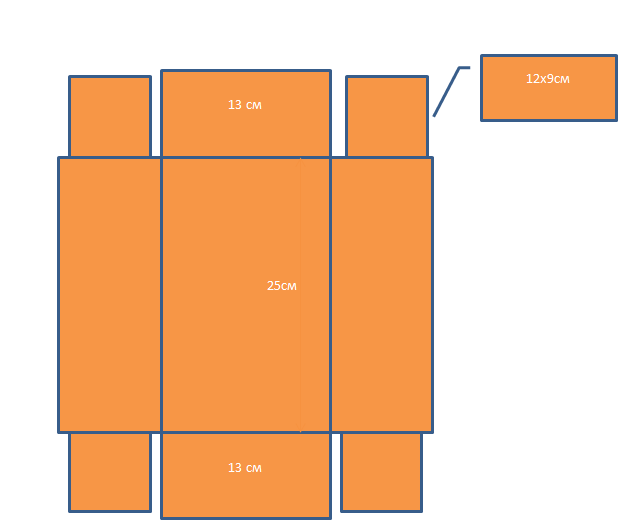
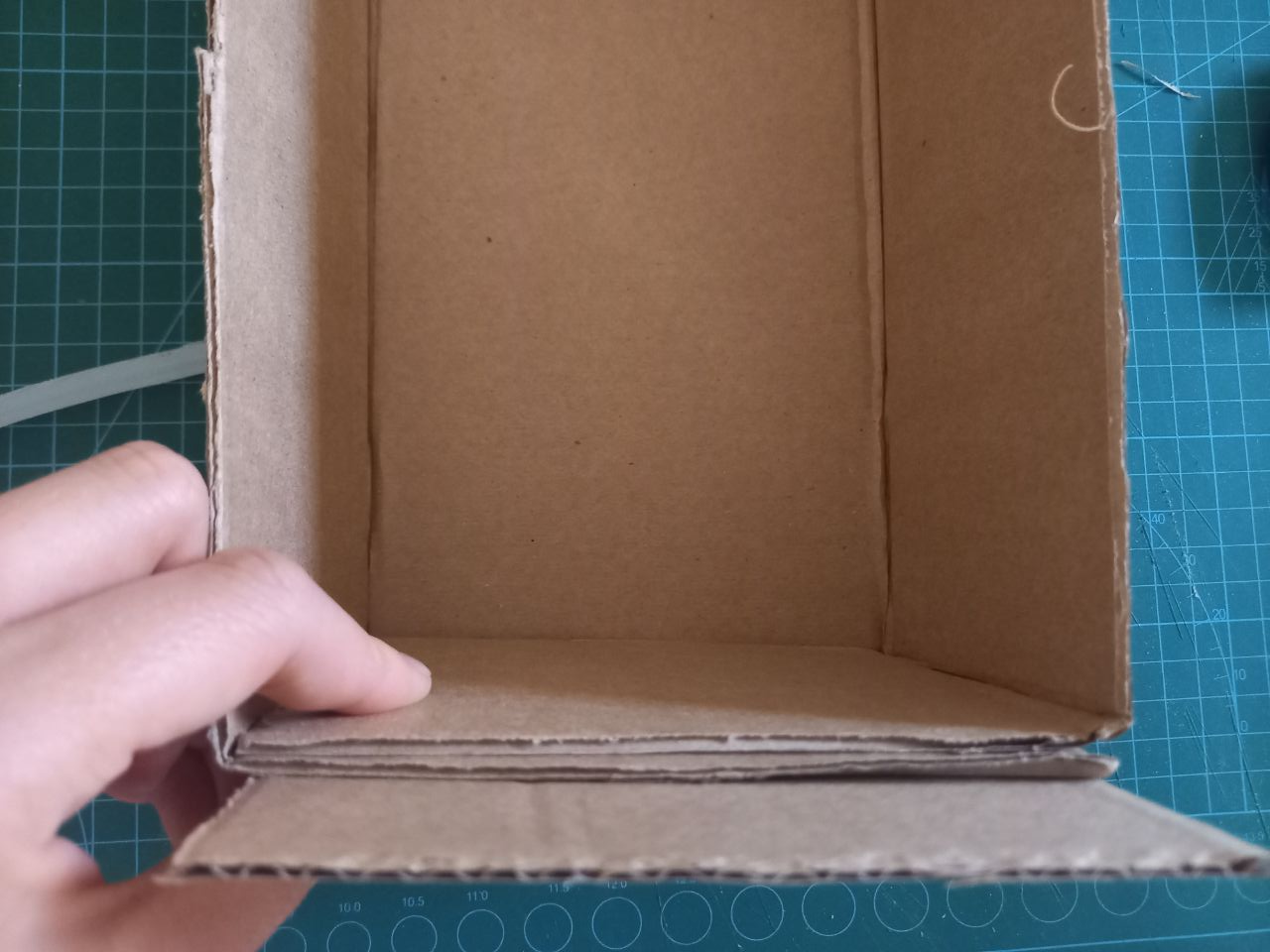
Step 1. Make a box out of cardboard according to the diagram in the drawing. Join the cardboard together using hot glue
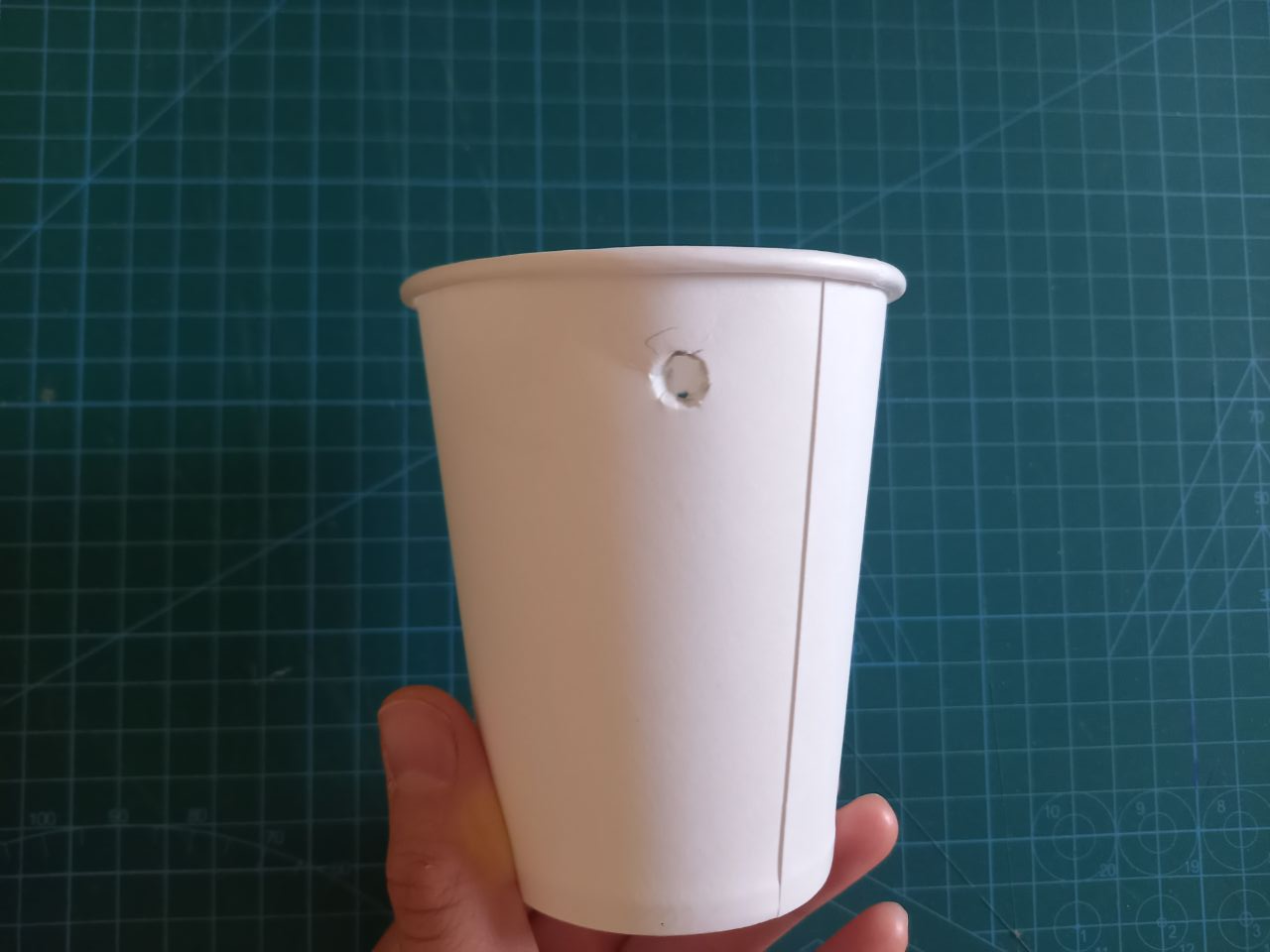
Step 2. Take the glass and make two holes in it, opposite each other
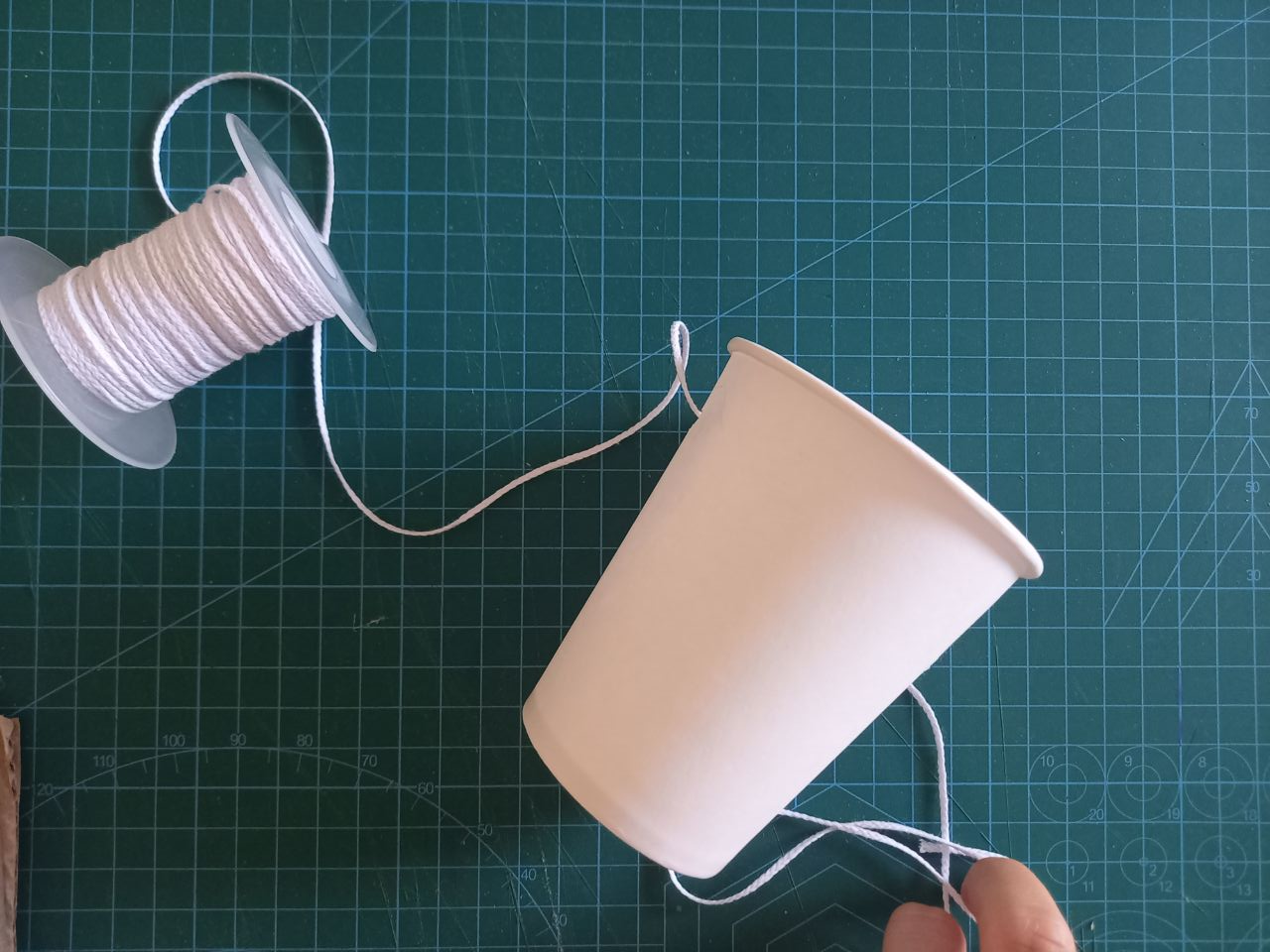
Step 3. Pass the thread through the two parts of the holes and tie it to the top of the box, The glass should hang inside the box. The bottom of the glass should be about 3 cm above the bottom of the box
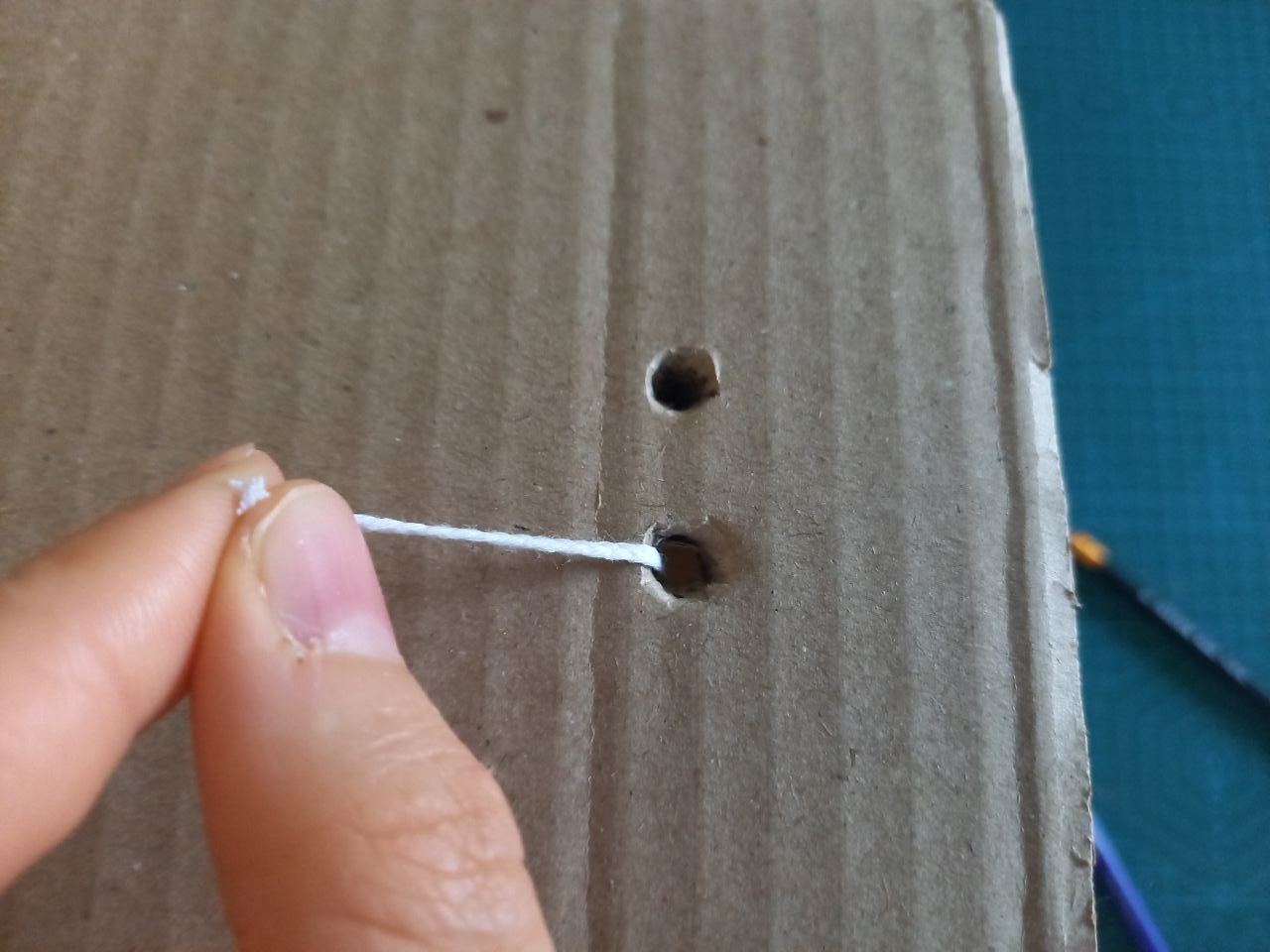
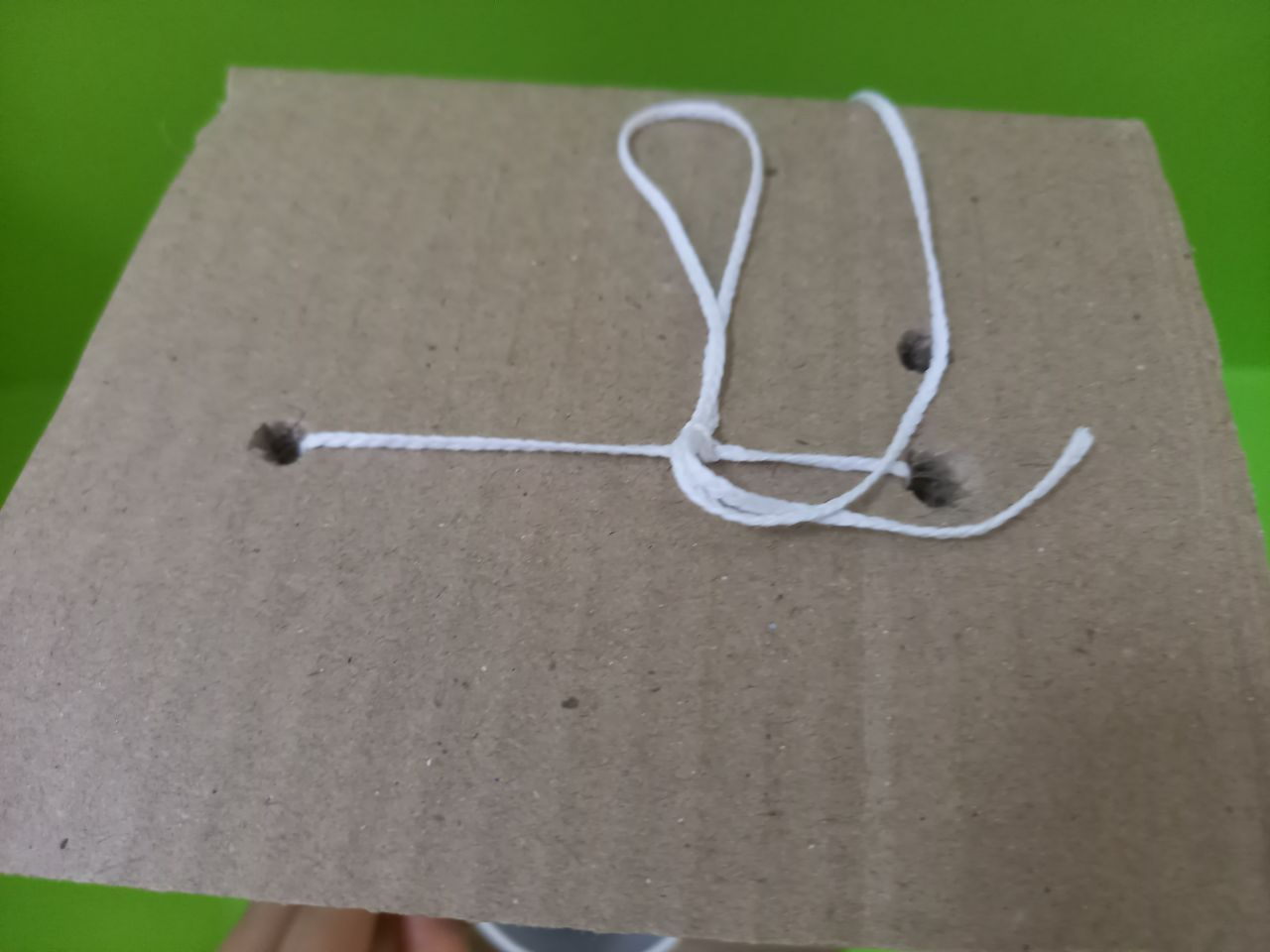
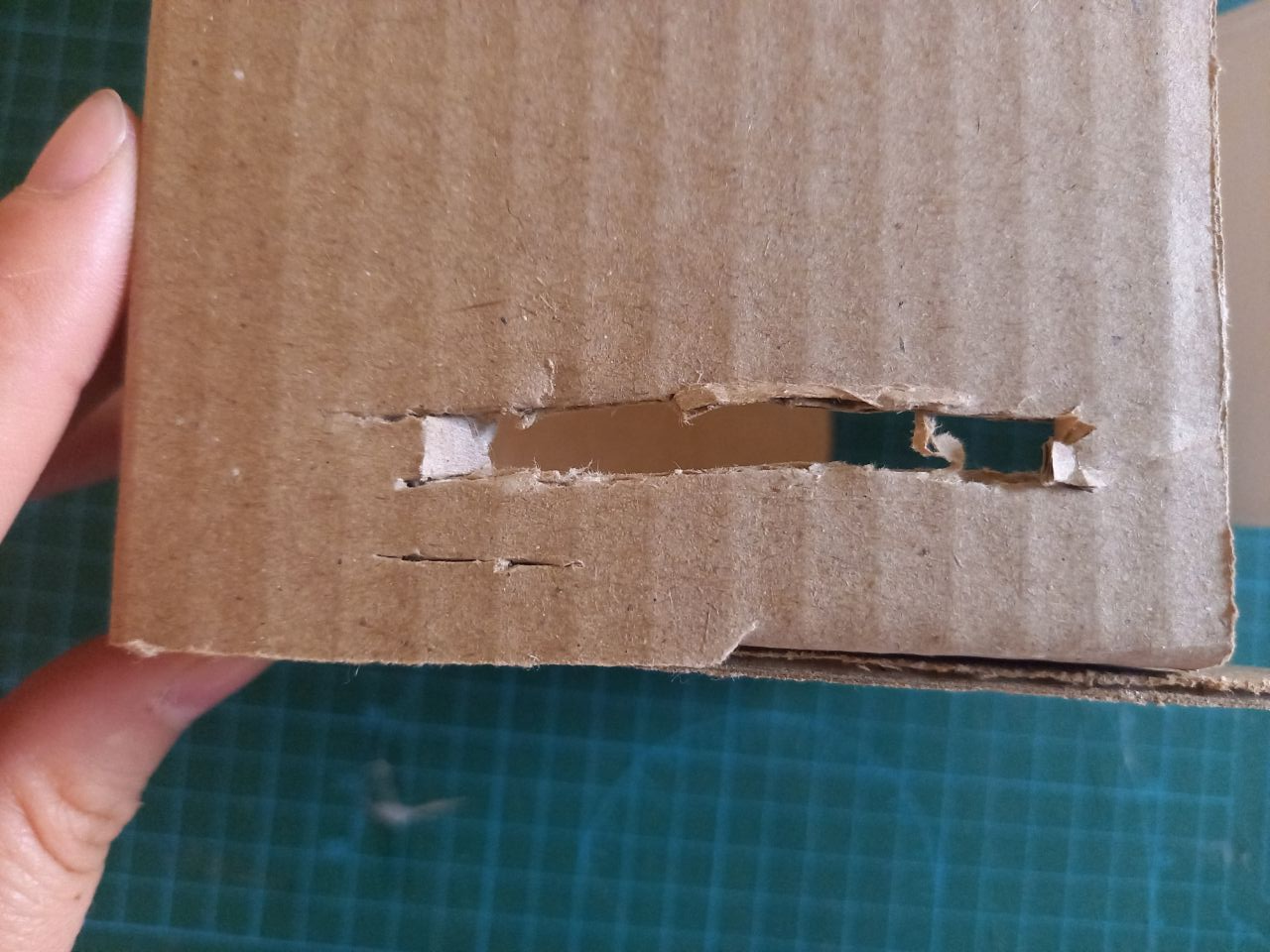
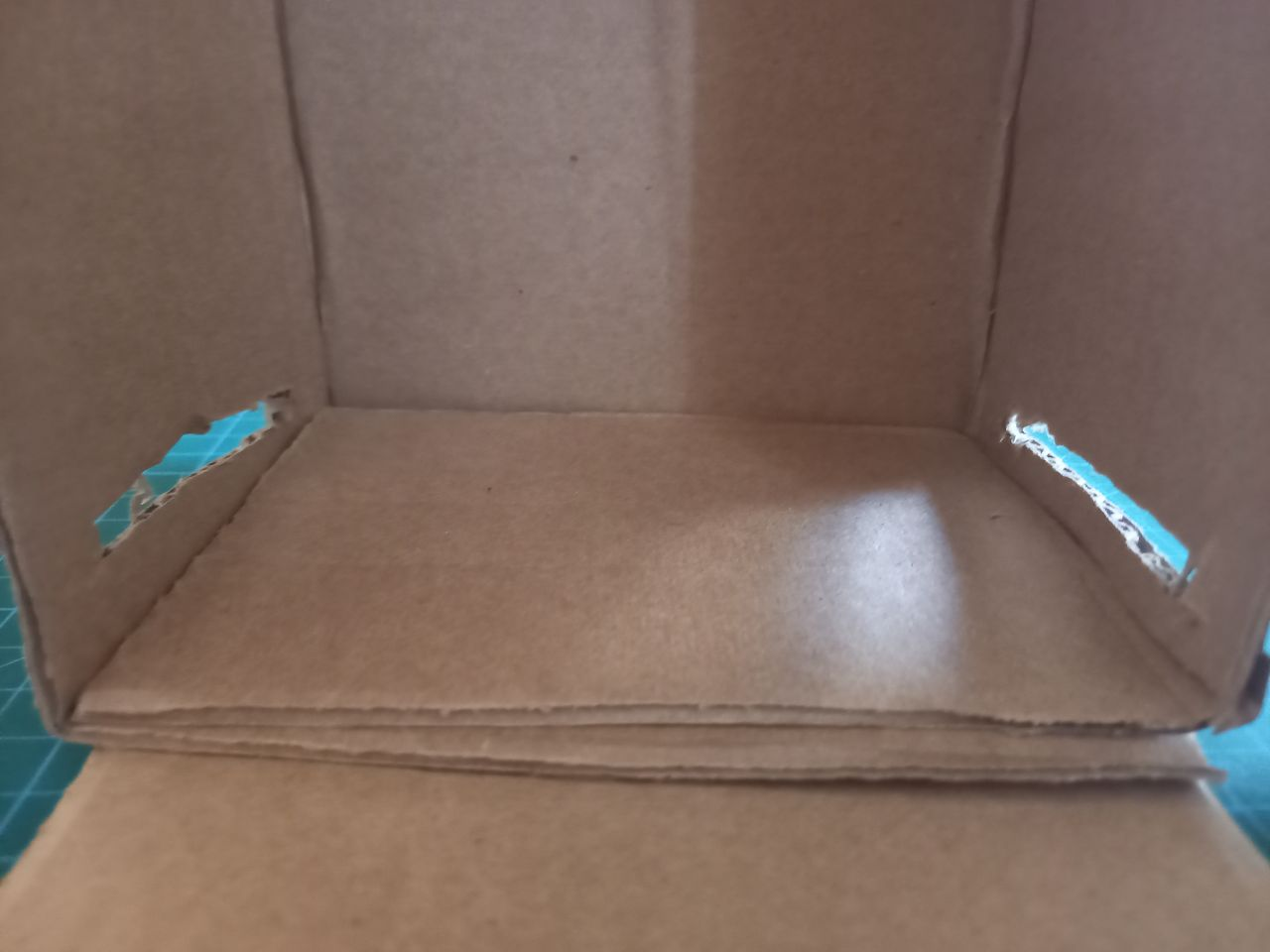
Step 4. Cut two holes on opposite sides of the cardboard box as close to the bottom edge as possible. The holes should be wide enough to allow a strip of paper to pass through on one side, from the centre of the box and out the other side
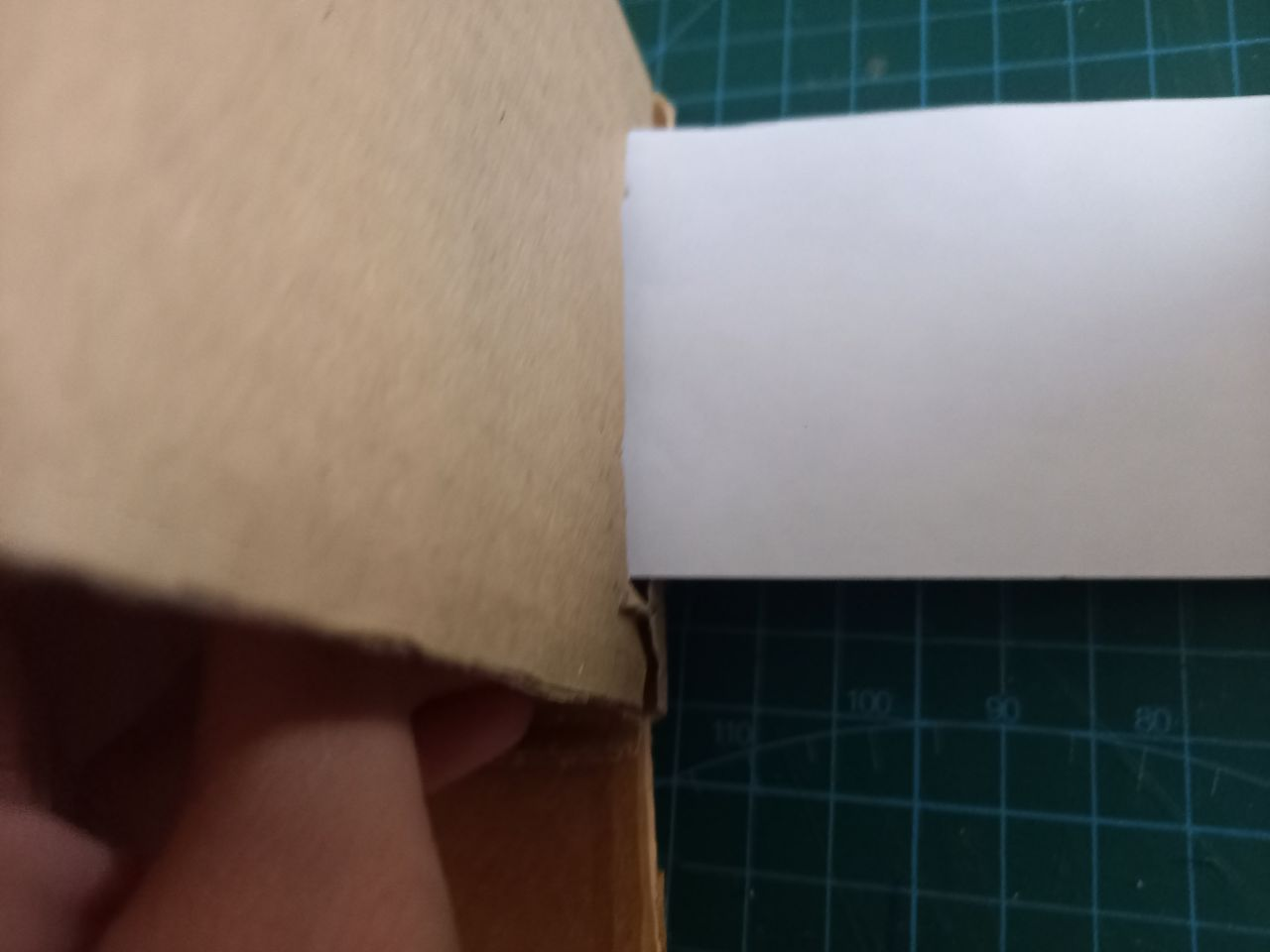
Step 5. Make a hole in the centre of the bottom of the glass. Pass a pen or felt-tip pen through the hole so that the vertical end touches the cardboard. Make sure the felt-tip pen is upright and fill the glass with coins, beads or other scales
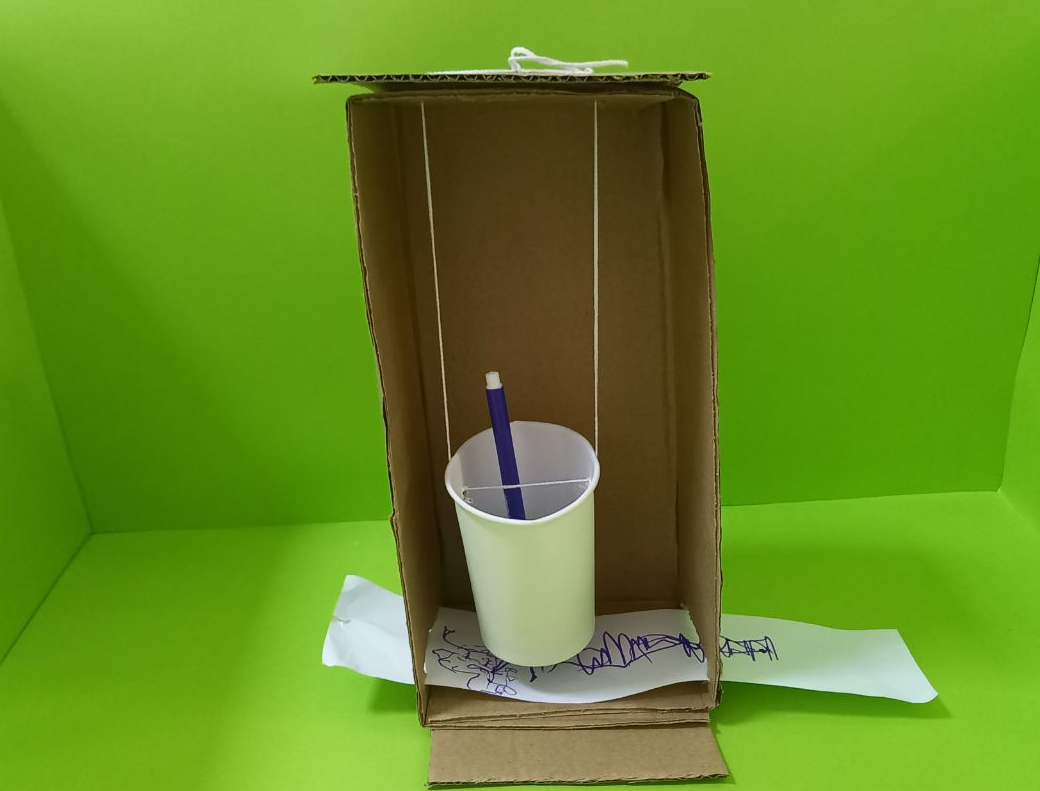
When your helper stretches the paper without shaking it through the box, the marker should draw a straight line on the paper. When you shake the box, it moves back and forth and the paper moves with it. Because of the great mass of the cup and its suspension on a rope, the cup is not very mobile. This means that the paper moves the moving marker (mostly) back and forth, resulting in a wavy line. The size of these shocks (their amplitude) corresponds to how hard you shake the box, it is the line this seismograph draws that corresponds to the strength of the earthquake. Read the section in more depth to learn more about seismographs.
Conclusion
In this lesson students learned about earthquakes and the seismograph. They learned why earthquakes occur in the world. They made a model of a seismograph.

In this project, each student will be awarded a STEAM category title:
– You, researched about earthquakes and the factors that cause earthquakes, and made a model seismograph you are a real seismologist !
– Working in a group, you listened to your partner and worked together to develop group work skills. During the practical work you showed your creativity and skills.
Evaluation

