
Lesson
Project objective
– To build students’ knowledge about Archimedean force;
– Identify the role of Archimedes’ force in life;
– To make a rowing boat.
Teacher’s guide
– In the practical part of the project, the pupils work in a group of 3-4 pupils.
– Pupils should be introduced to the themes of Archimedes’ force.
– Before beginning the experimental part, familiarize and provide the students with all the necessary materials.
– Give brief instructions on how to work with hot glue.
– Explain the PBL (project based learning) rubric to the students at the beginning of the lesson. 4K skills (critical thinking, collaboration, creativity, presentation)
Safety in Steam lessons
Before we begin the lesson, teachers are advised to familiarise themselves with the safety procedures. If necessary (if using items specified in the PPE), brief the students. Go to Safety in Steam lessons
Theoretical part
Any object submerged in water has a pushing force equal to the weight of the liquid it displaces. Therefore, the weight of an object submerged in water will differ from its weight in air by a smaller amount. The difference will be equal to the weight of the water displaced.
The greater the density of the medium, the lower the weight. This is why being submerged in water can easily lift another person.
The expulsive force depends on three factors:
- the density of the liquid or gas (p);
- the acceleration of gravity (g);
- the volume of the submerged part of the body (V).
Pressure forces act on the surface of a solid immersed in a liquid or gas. These forces increase with the depth of immersion, and a larger force will act on the lower part of the body from the liquid than on the upper part. The equal result of all the pressures exerted on the surface of the body by the liquid is called the expulsive force or Archimedes’ force. The true cause of the expulsion force is the presence of different hydrostatic pressures at different points in the liquid.
Why don’t ships sink?
A ship is made of metal, which has a density greater than water. And supposedly, it should sink. But the thing is that the hull of the ship is filled with air, so the total density of the ship is less than the density of water, and Archimedes’ force pushes it to the surface. If the ship gets a breach, the space inside will fill with water – hence the total density of the ship will increase. The ship will sink.
Submarines have special tanks filled with water or compressed air. If you have to go deep – water, if you have to go up – compressed air. Fish use the same principle in their swim bladder – they fill it with air to go up.
A man also needs only to fill his lungs with air and stay still to avoid drowning – the water will push his body to the surface. This is why it is important not to waste energy and oxygen in our lungs on panic and struggle, but to relax and let the physical laws do everything for us.

Shiplifting
Many professions have taken advantage of the pushing power of water. For example, searchers and rescuers have used Archimedes’ Law to lift sunken ships and other heavy objects from the seabed. Ship-lifting is used to recover wrecks; to clear port, roadstead or fairway; to retrieve scrap metal; to recover valuables and documents; and to find out why the wreck was wrecked. Lifting a sunken submarine is one of the ways of rescuing its personnel. The recovery methods include restoring the buoyancy of the vessel by pumping water out of the compartments or by displacing water from the compartments with compressed air (gas), polyurethane foam, inflatable soft pontoons, etc.
Practical part
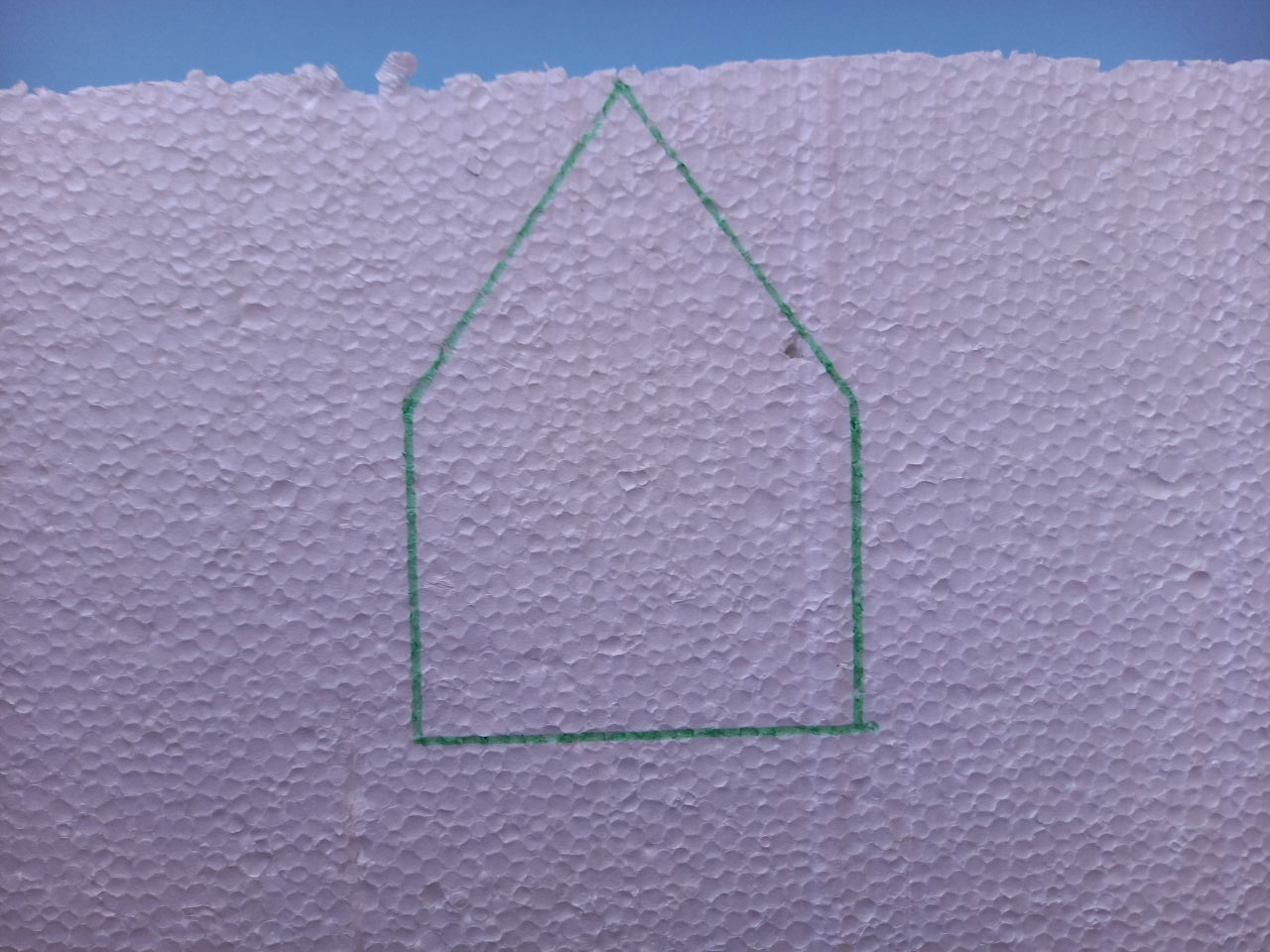
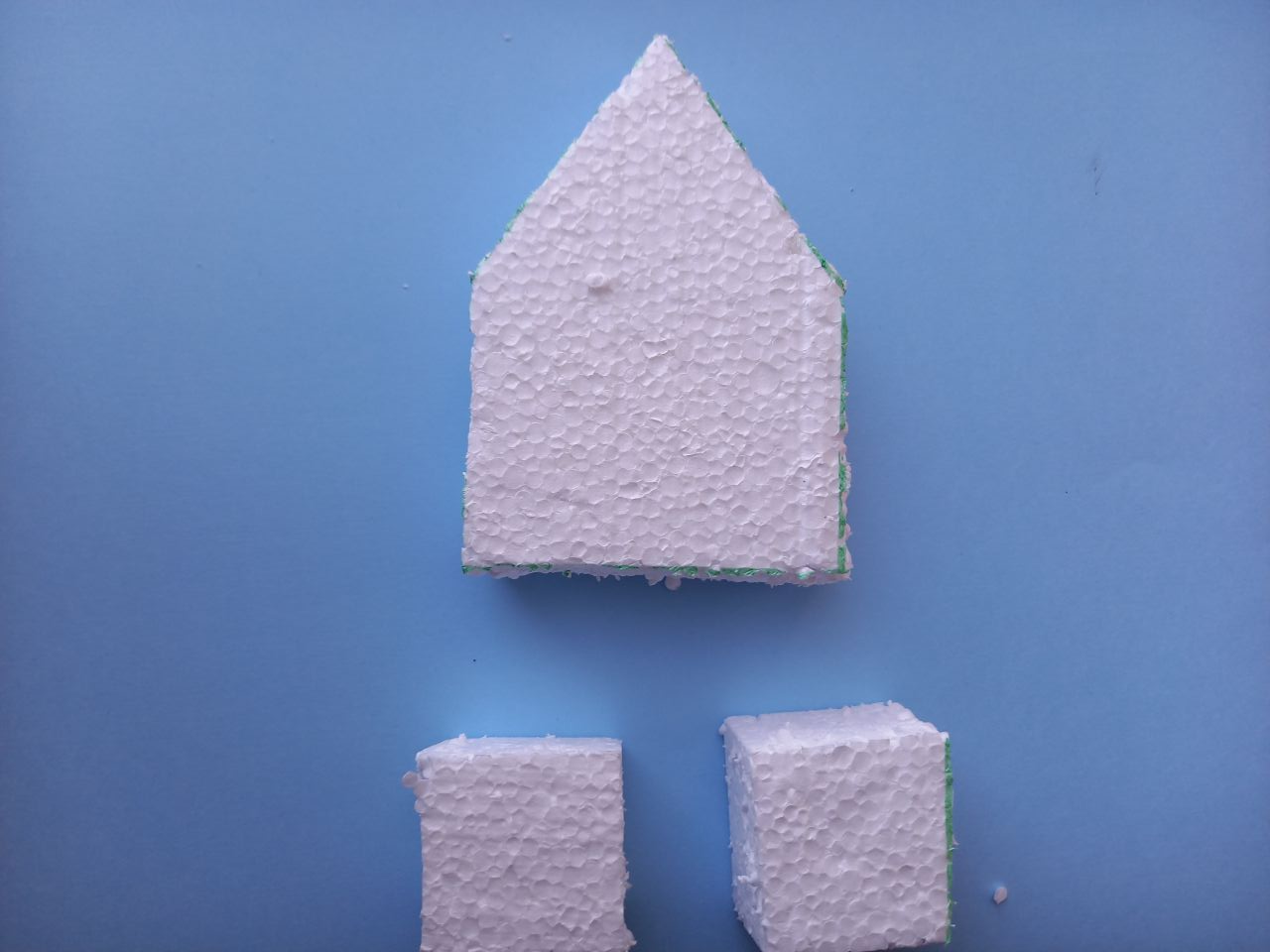
Step 1. Сut out boat parts from foam plastic according to the dimensions shown in the picture
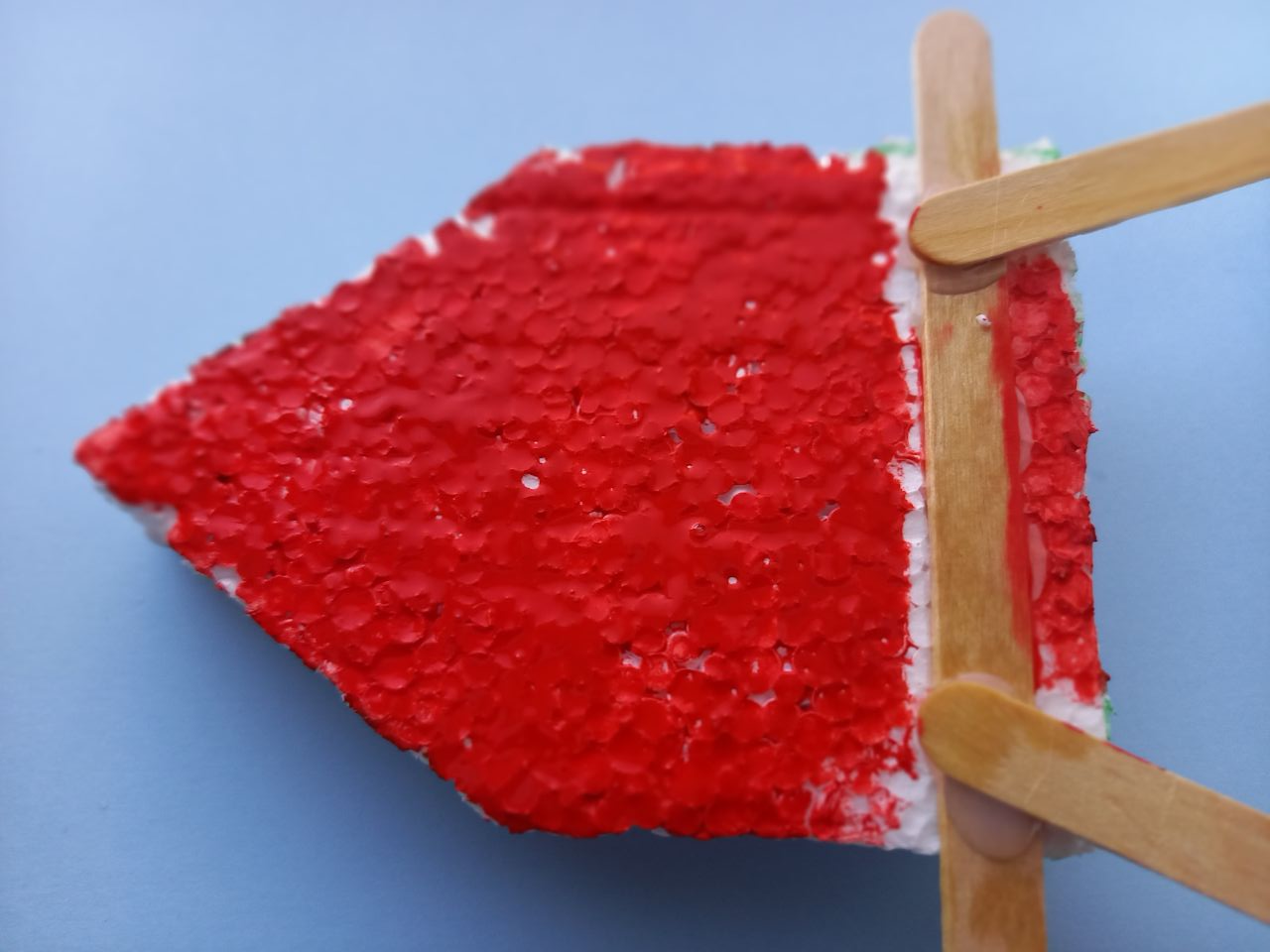
Step 2. Glue the ice-cream sticks to the first part of the boat with hot glue. If you like, you can paint part of the boat with gouache
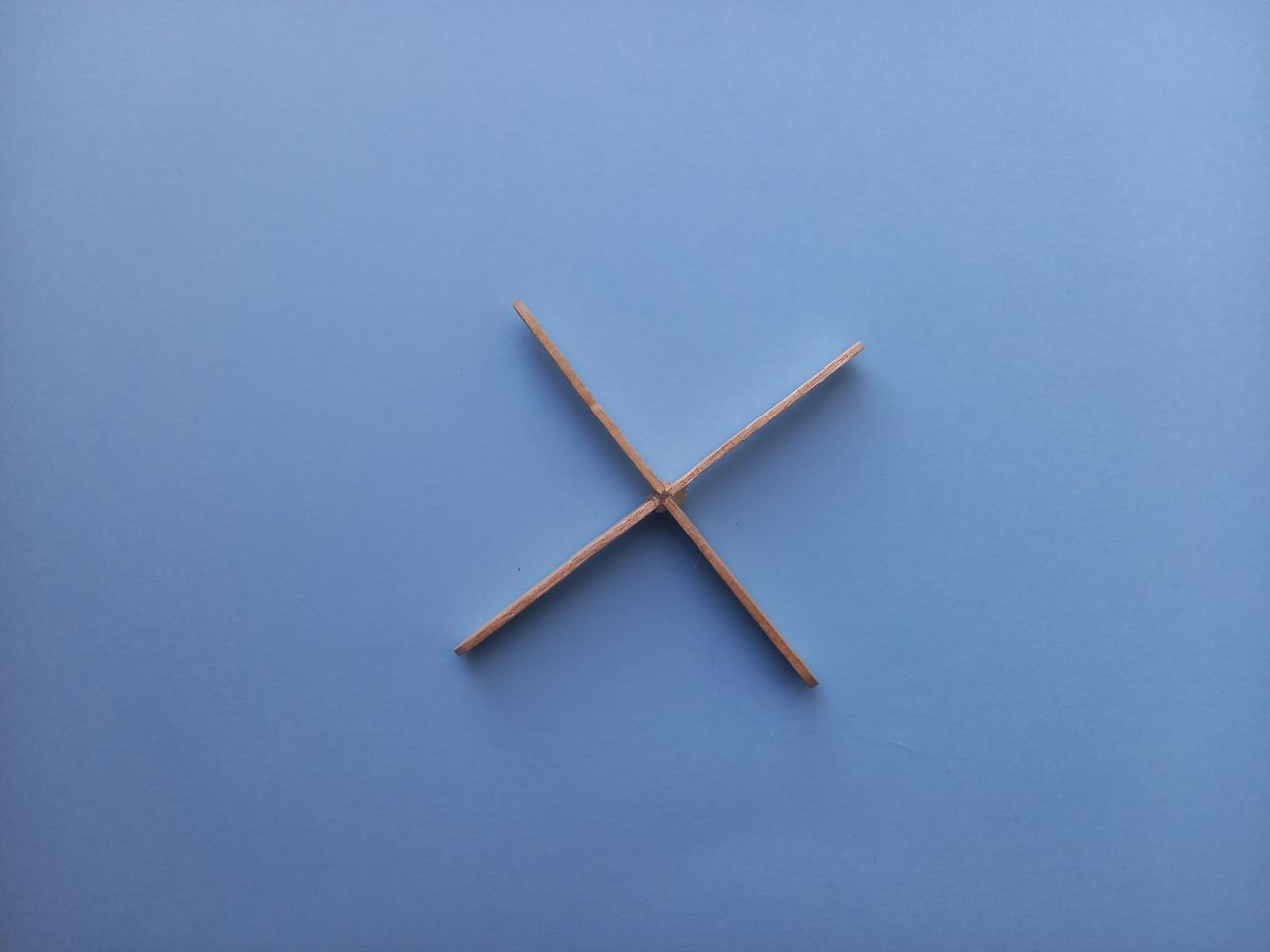
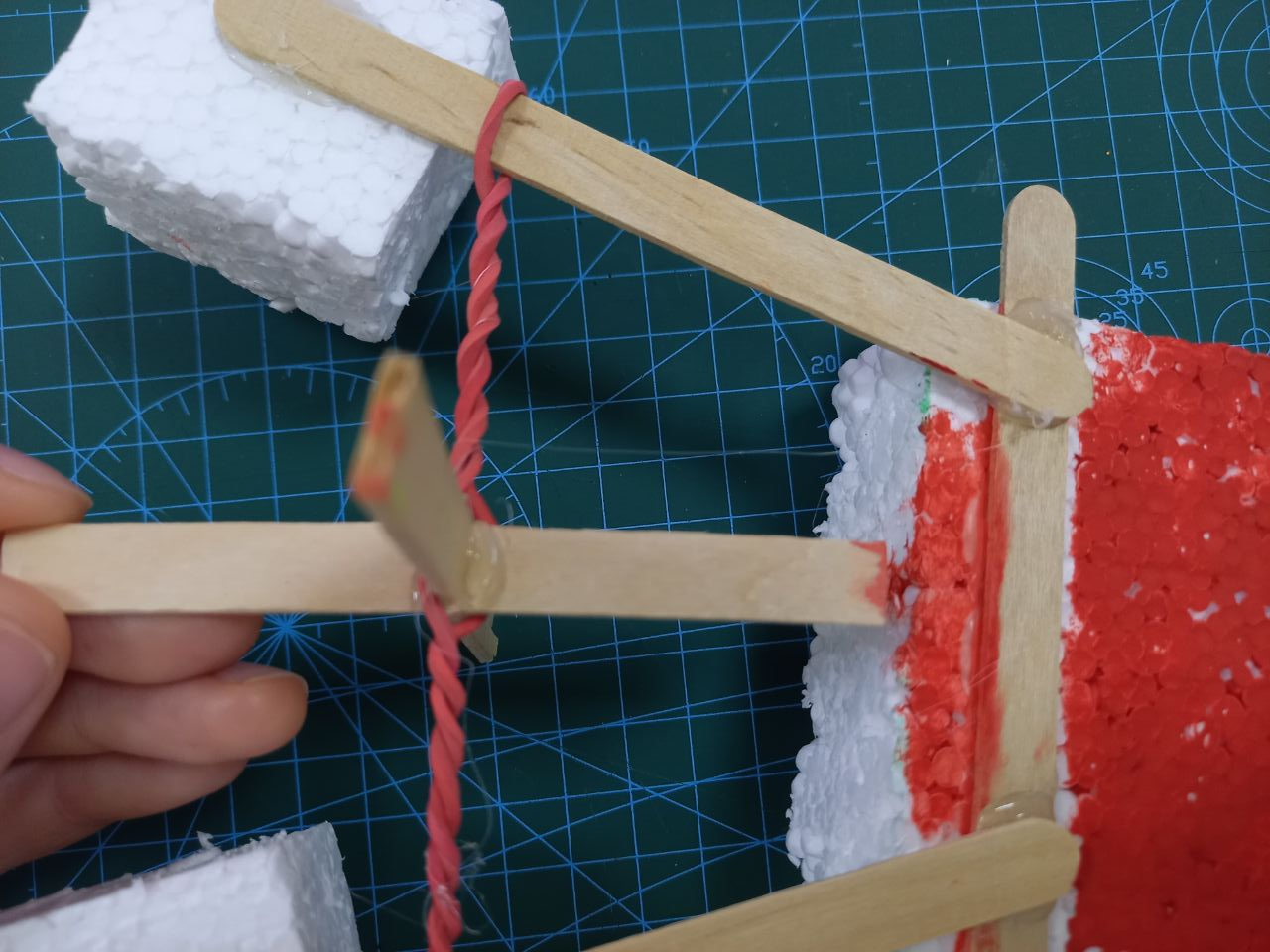
Step 3. Use 4 popsicle sticks to make an oar for the boat. Cut out the sticks to a length of 4 cm and glue them together to form an X
Step 4. Glue the popsicle sticks to the small square parts of the boat and connect to the first part. Thread a rubber band through the middle of the two boat parts
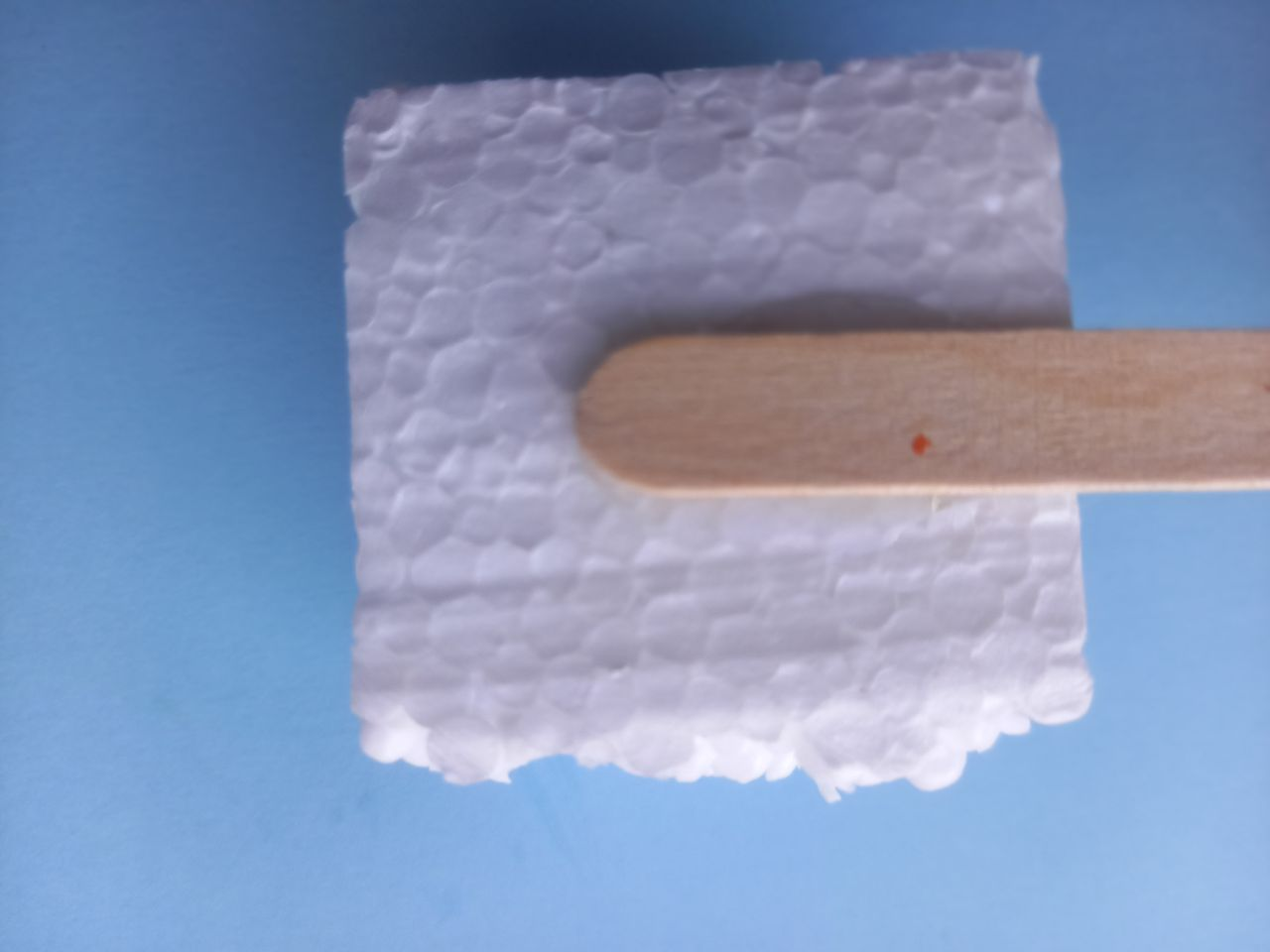
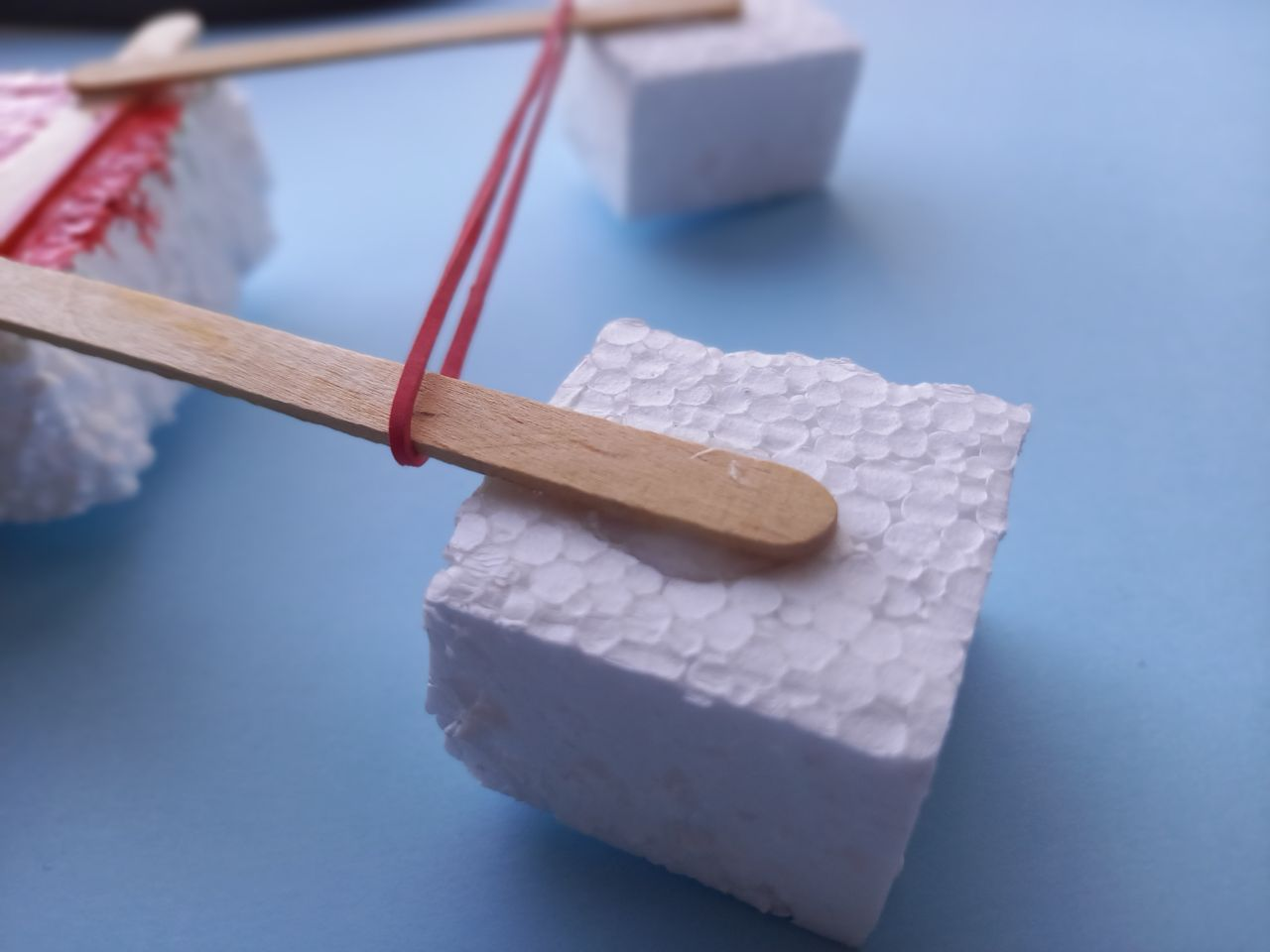
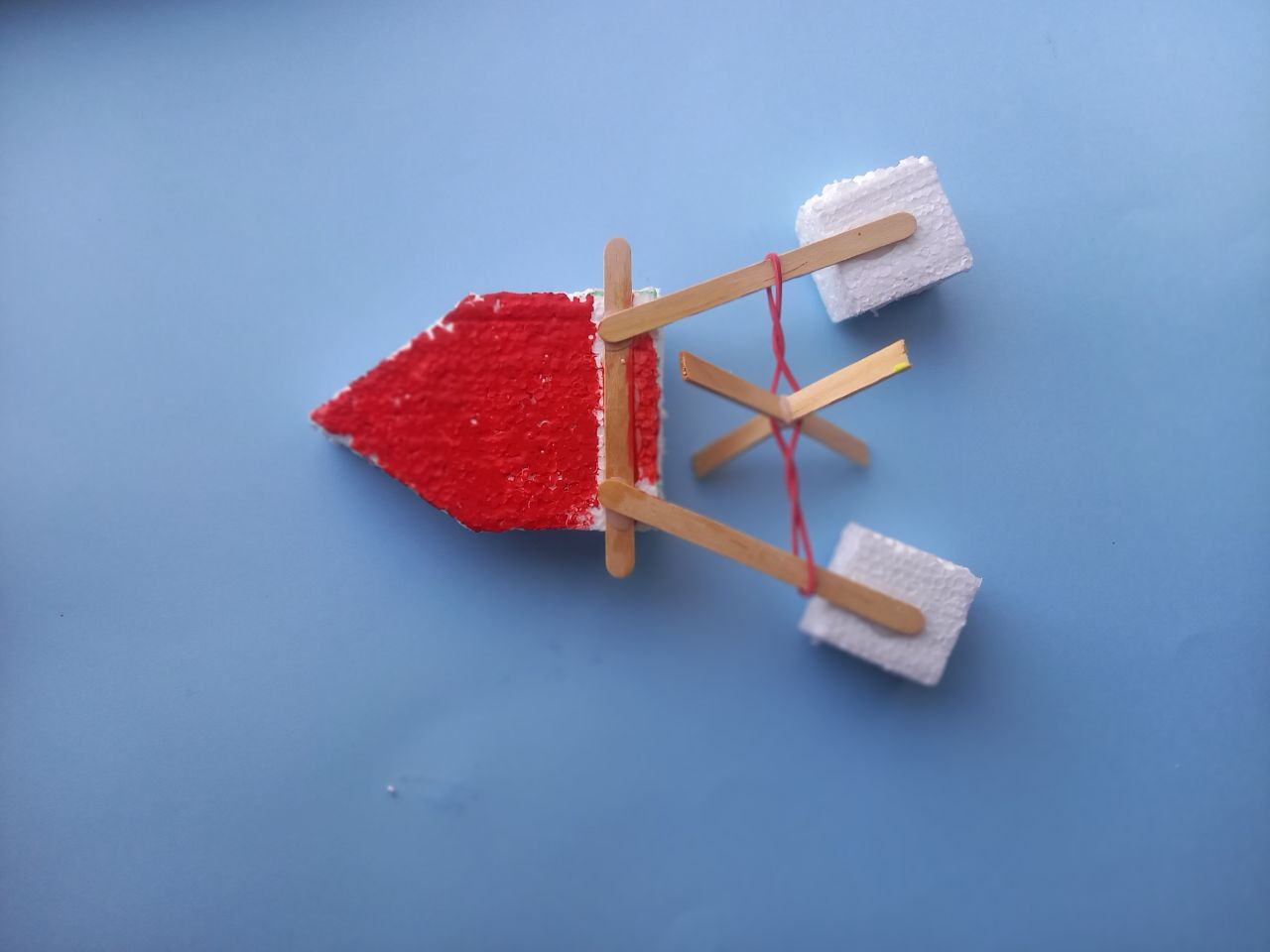
Step 5. To make the boat float in the water, spin the oar in the middle and send it into the water
Conclusion
In this lesson, the students added to their knowledge of Archimedean force and the conditions of bodies floating, and made a rowing boat with their own hands.

On this project, each pupil is awarded a STEAM title, by category:
– You yourself, have studied the conditions of bodies floating and Archimedes’ law, you are a real physicist!
– You have developed teamwork skills by working in groups. In the practical work you have shown your creativity and cohesion.
Evaluation

