Week 1
The aim of the project is to
To explore the stages of human life from infancy to old age.
2. To make a wheel (stages) of human life cycle.
Teacher’s manual
– For the experimental part of the project, students will work in groups of 4-5.
– Pupils should be introduced to the topics covering the purpose of the project.
– Before beginning the experimental part, familiarize and provide the students with all the necessary materials.
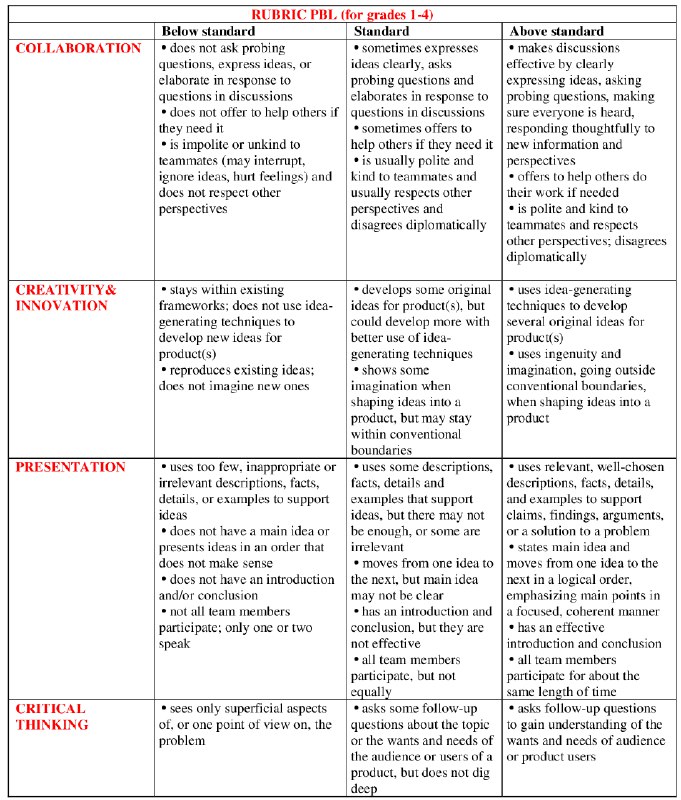
– At the beginning of the lesson explain the PBL (project based learning) rubrics to the students. Skills 4K (critical thinking, collaboration, creativity, anticipation)
Safety in Steam lessons
It is recommended that teachers are fully aware of the safety procedures before the beginning of the lesson. If necessary (if they are using items specified in the PPE guidelines), brief the students. Visit Safety in Steam lessons: Safety rules
Theoretical Part
Introduction
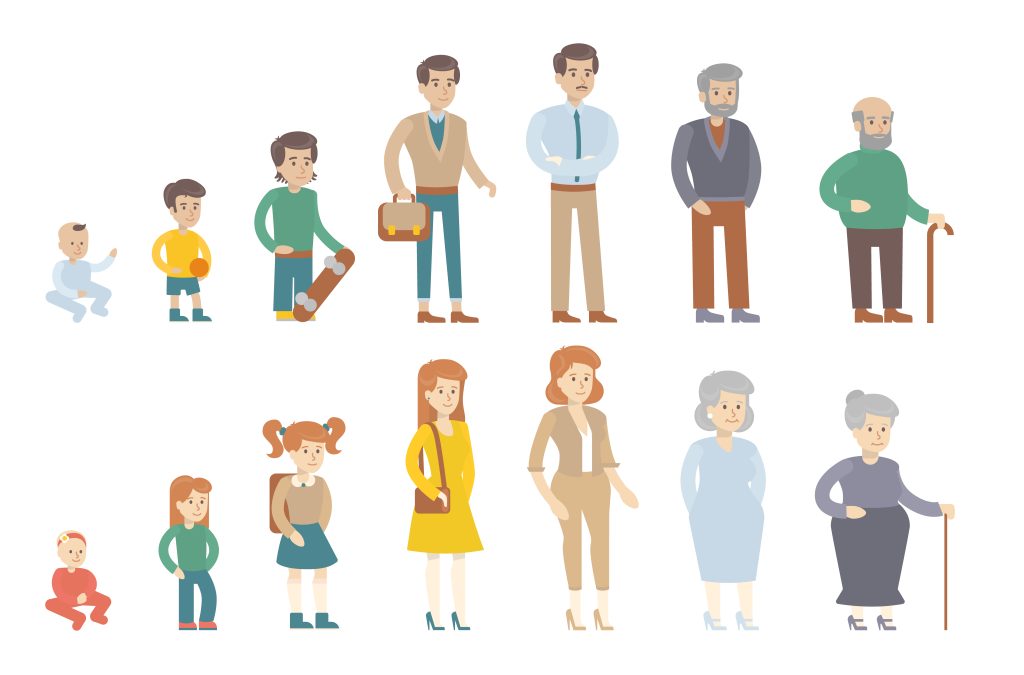
Like all living things, humans (i.e. us) have a life cycle. Each person goes through the same life stages in the same order. Most people living in rich countries live from 60 to 90 years, although some people live to be 100 or more!
Fetus
All human beings start life as a fetus in the womb. And the foetus grows in the womb surrounded by fluid and receives its nourishment through a tube called the umbilical cord. When
a fetus grows inside a woman, we say she is pregnant. Doctors can take a picture of the foetus with an ultrasound machine (ultrasound).
Infant
After about nine months, the mother gives birth to us. From birth until about two years of age we say baby (we count the age of people from the day they are born). Babies have little to do by themselves and need to be fed (milk first, then food) and nappies changed.
Baby
From the age of three to ten, you are a ‘baby’. Children are more independent than infants and they continue to become more independent as they get older; for example, they can eat food and dress themselves. Between the ages of three and five, children start kindergarten and school.
Adolescent
The World Health Organisation defines an adolescent as a young person between the ages of 10 and 19. During this period, changes in the body take place at this stage of the life cycle. During this time, more brain development takes place. Adolescents are more independent than children; for example, they can get a job to earn money for themselves. However, teenagers still live with their parents and rely on them to pay the bills!
Adulthood
Although eighteen and nineteen end in ‘teenager’, people of this age are actually adults. The human body is at the peak of physical fitness and strength between 18/19 and 39.
Adults usually live independently in their own homes. Most adults get a full-time job to pay for their own food, bills and other things they buy. Adults can have children too!
The elderly
By the age of 67, most people have worked hard throughout their lives and have saved enough money to retire (stop working). Older people are not as strong as when they were young and get tired faster. However, they can still have fun and stay active. If their children have children, they will be grandparents.
Practical part
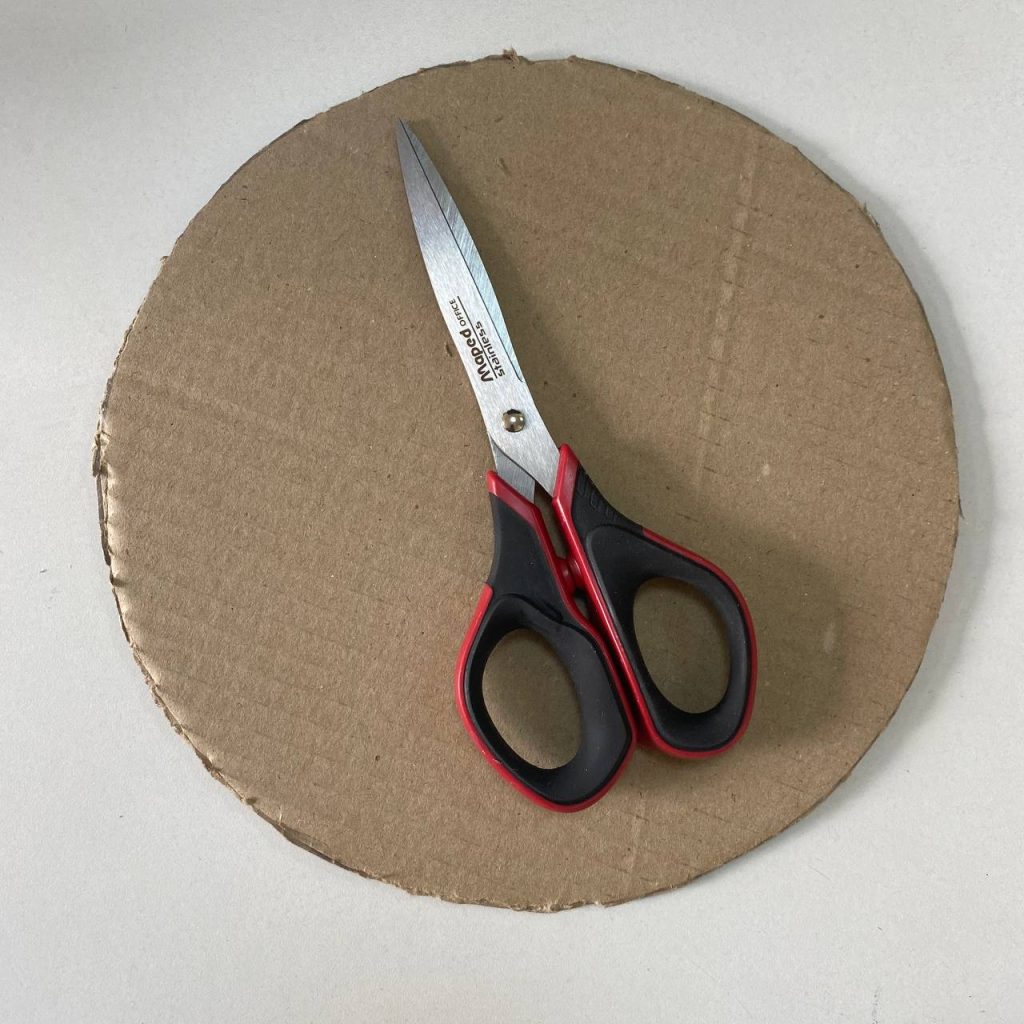
Step 1: Prepare cardboard and cut out a circle using a compass or round objects. The diameter is about 20-21 cm.
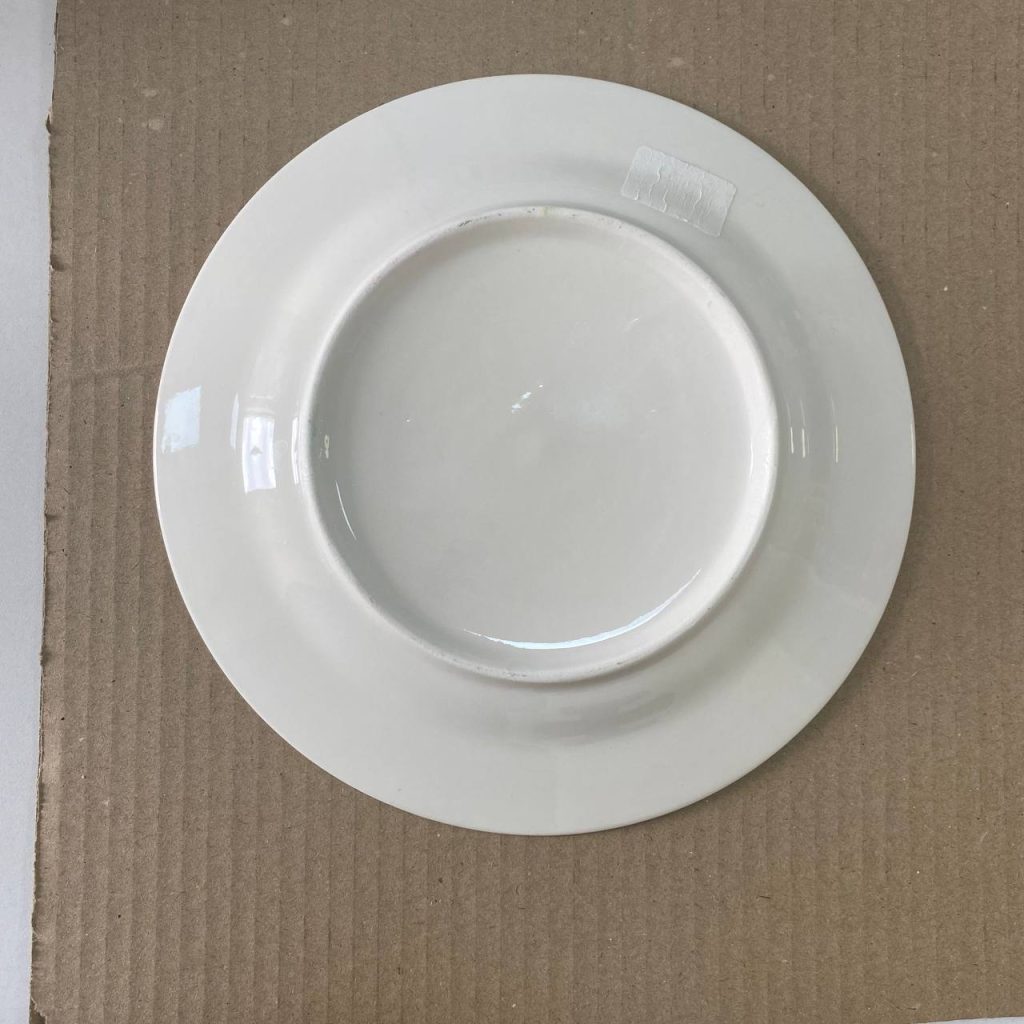
Step 2: Then cut out a circle.
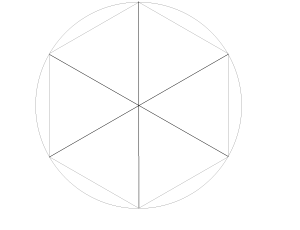
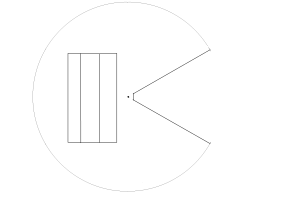
Step 4: Glue the hexagon to the cardboard.
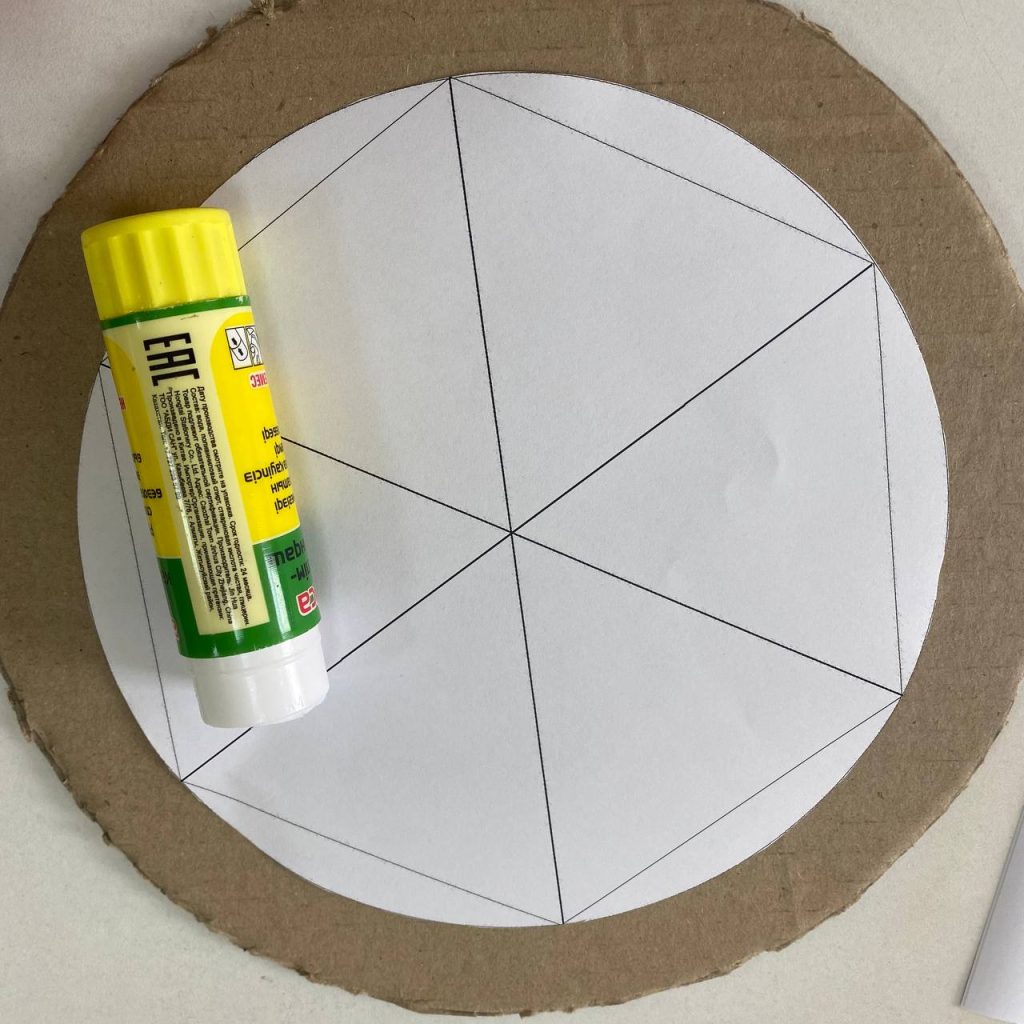
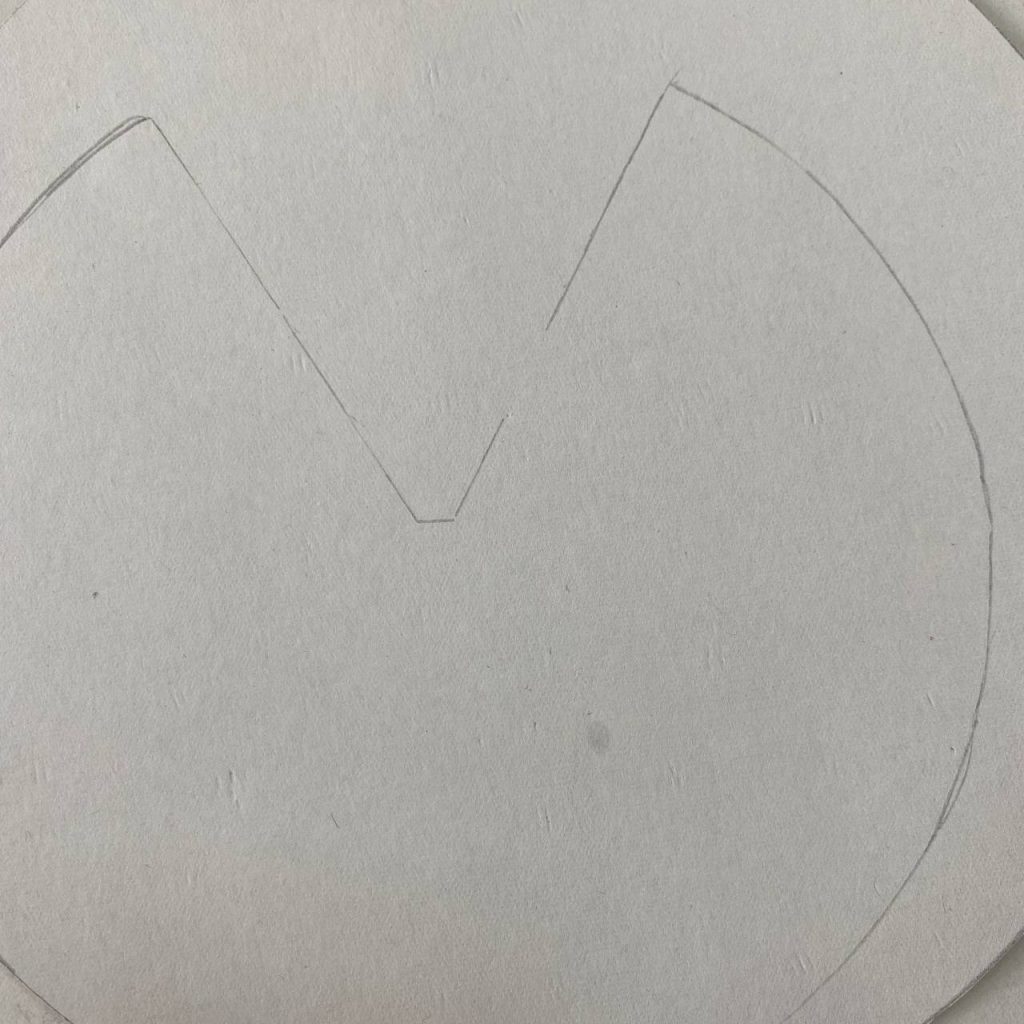
Step 5: Then prepare A4 cardboard (in any colour). Using the printed piece (as shown), trace the outline onto the cardboard.
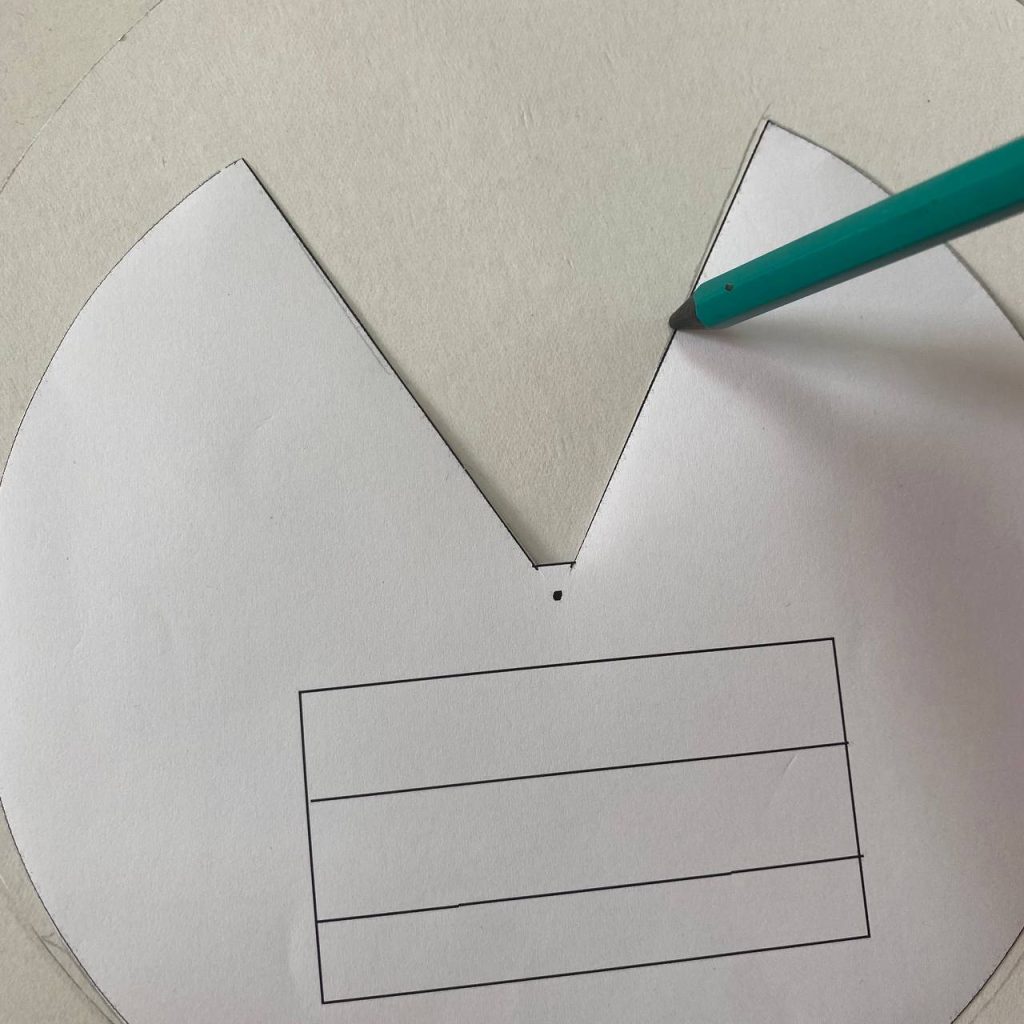
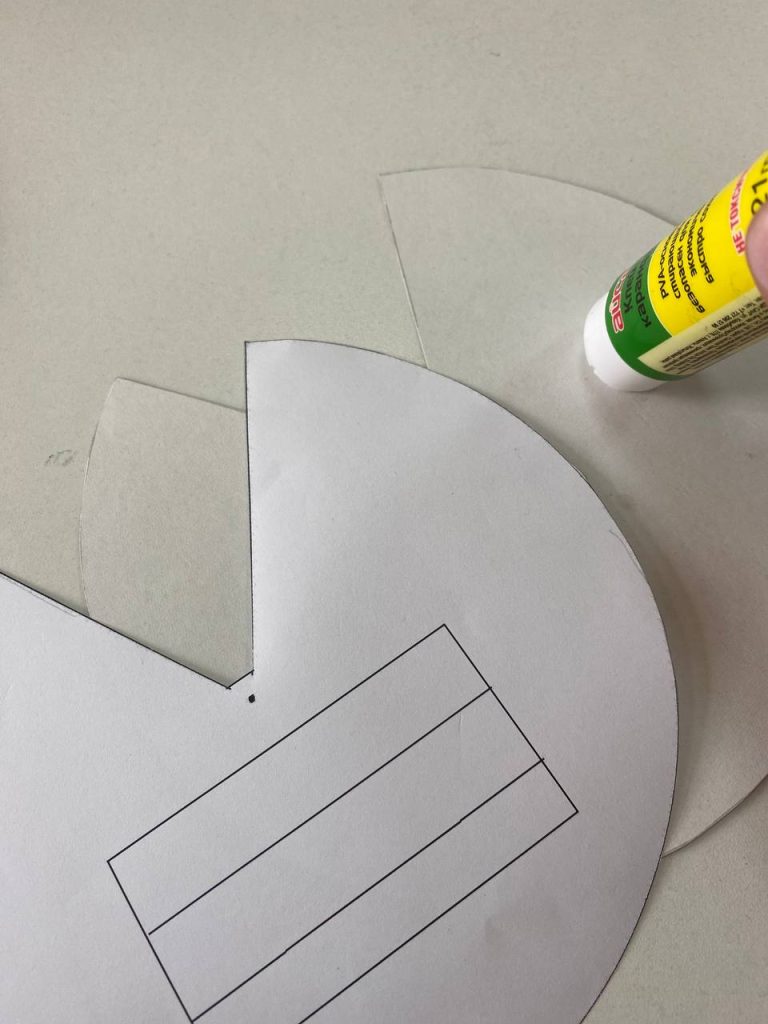
Step 6: Then cut it out and glue the cardboard and paper together.
Step 7: Print out these samples. link
Or you can draw them yourself.
Optionally there are male or female swatches.
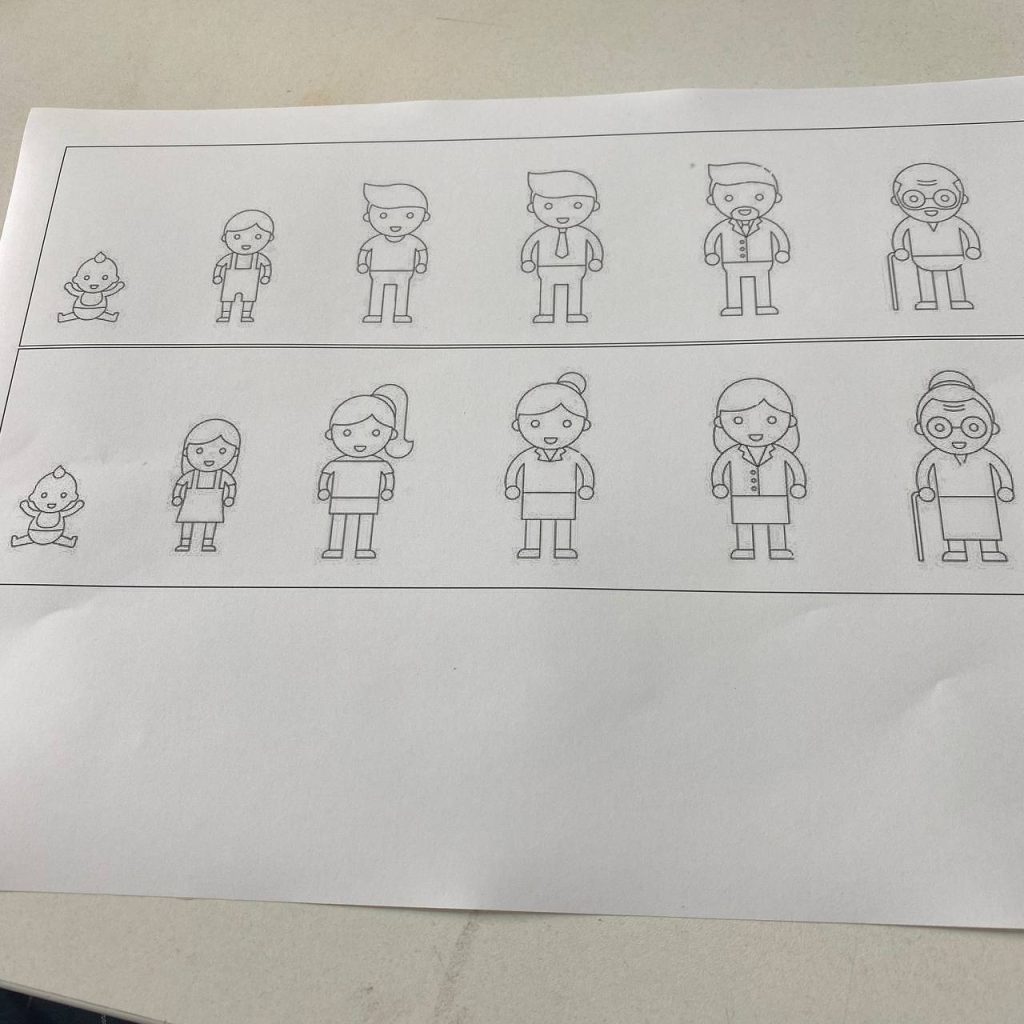
Step 8: Cut out the samples and colour them.
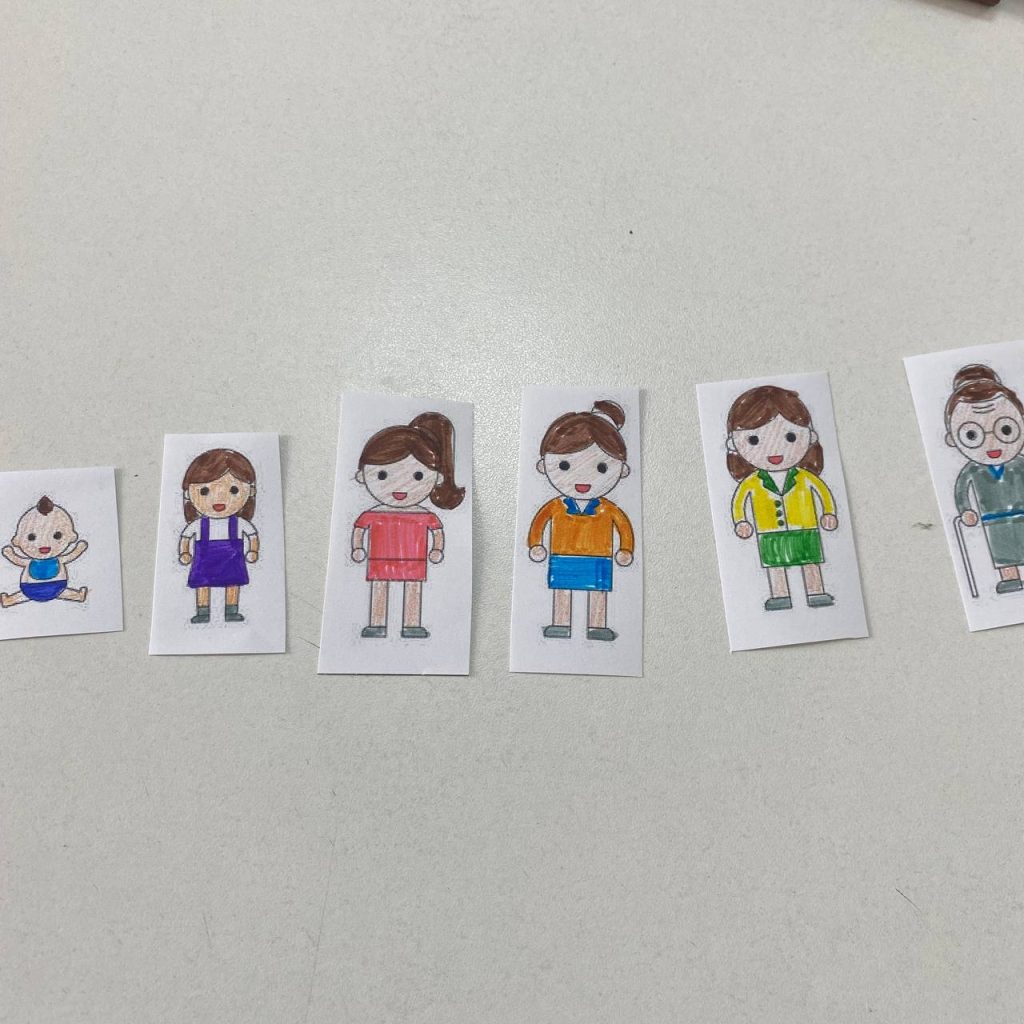
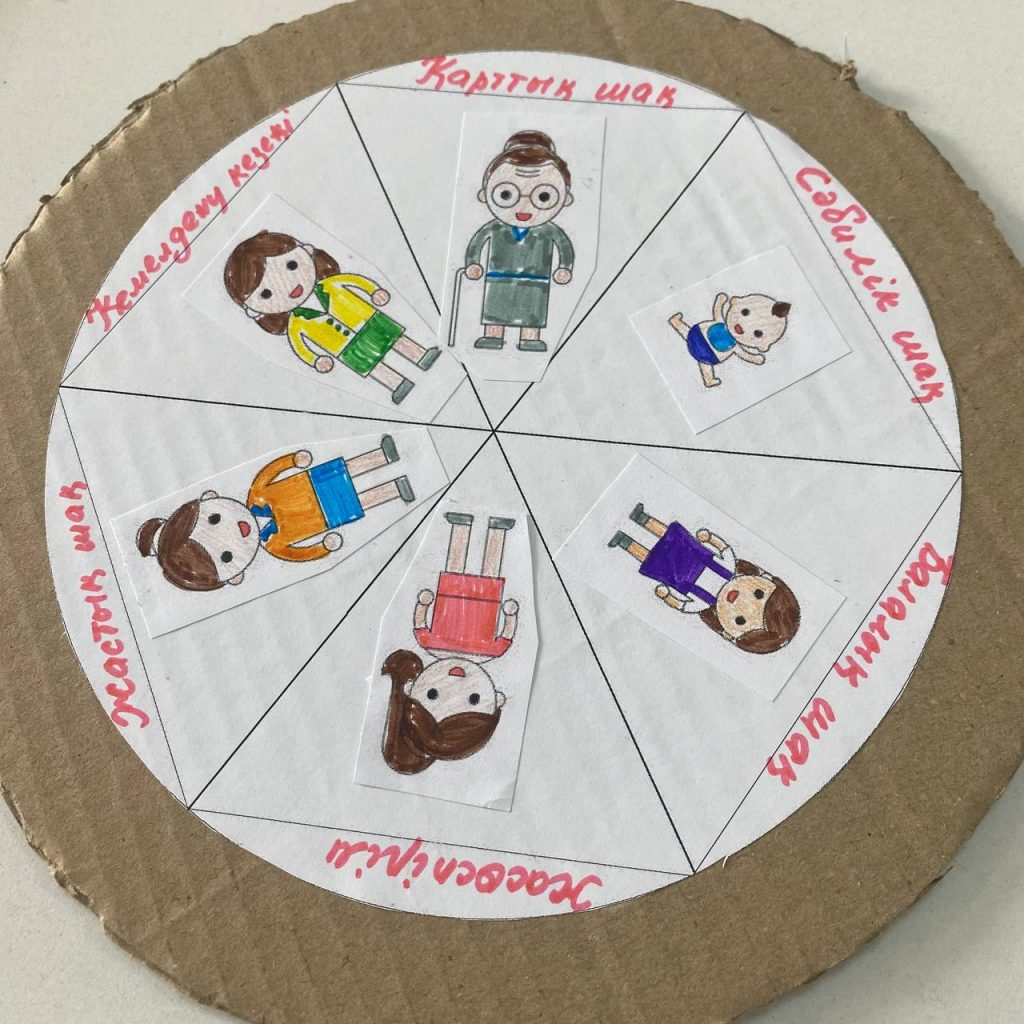
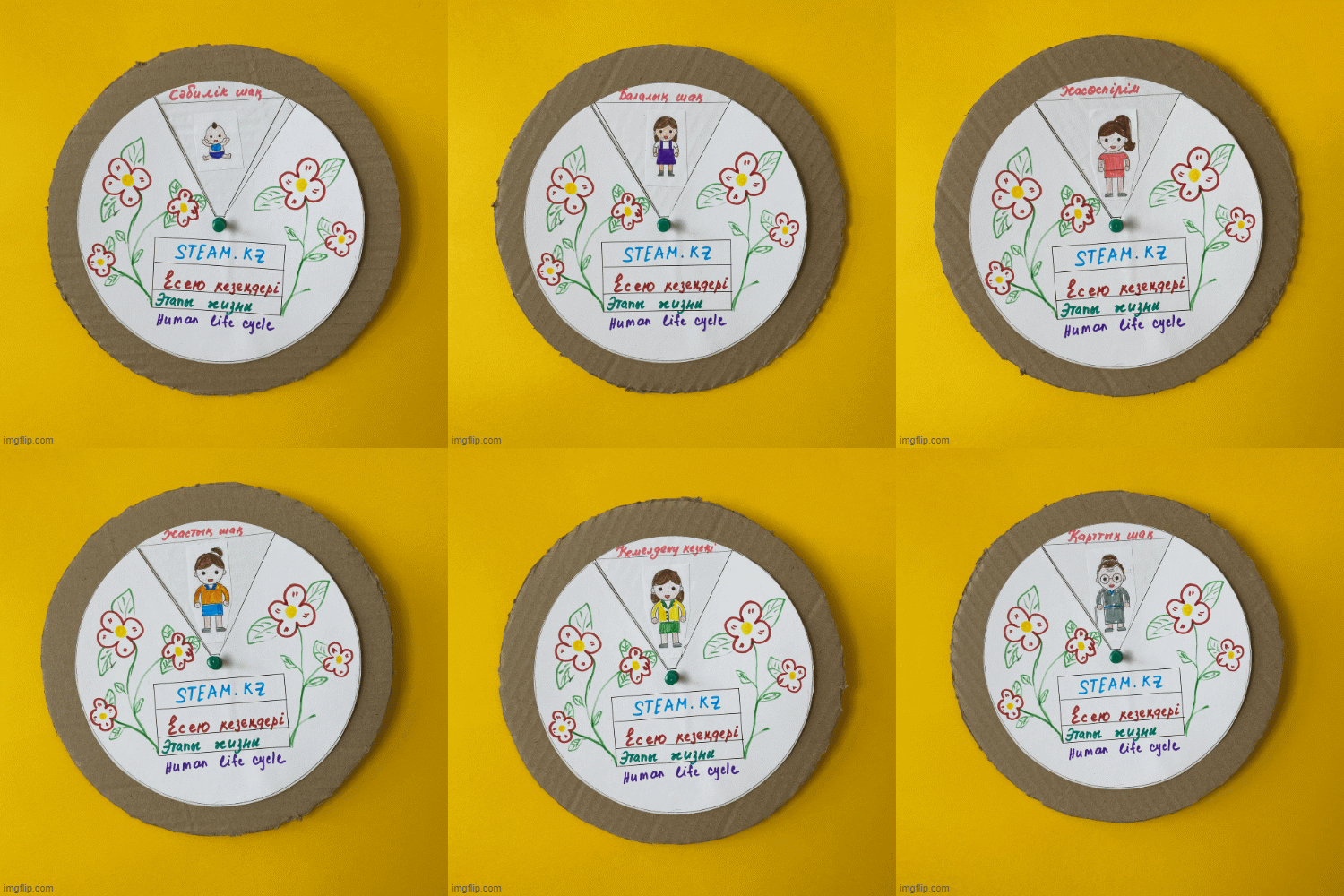
Step 9: Glue the samples to the hexagon cardboard in order (clockwise and increasing in age)
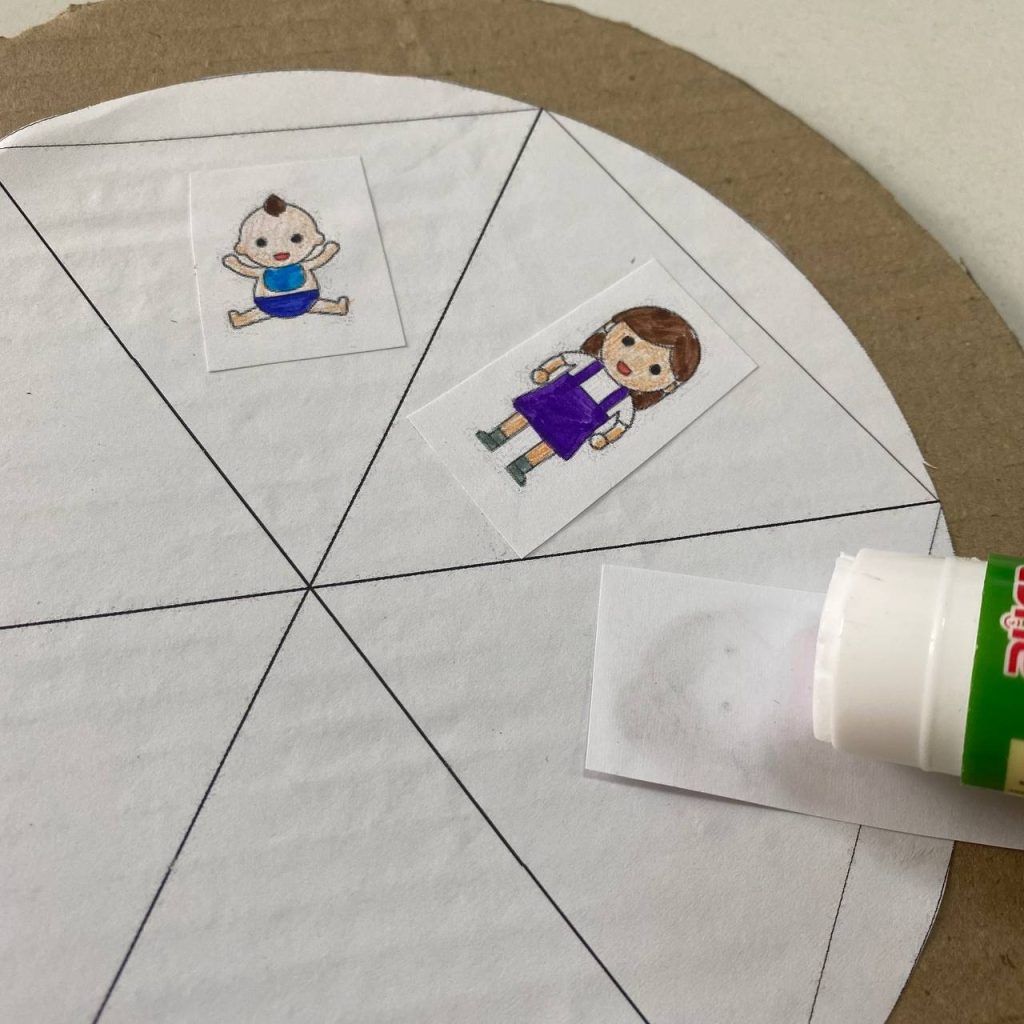
Step 10: Then sign them
Step 11: Join the second piece and secure in the middle with the button
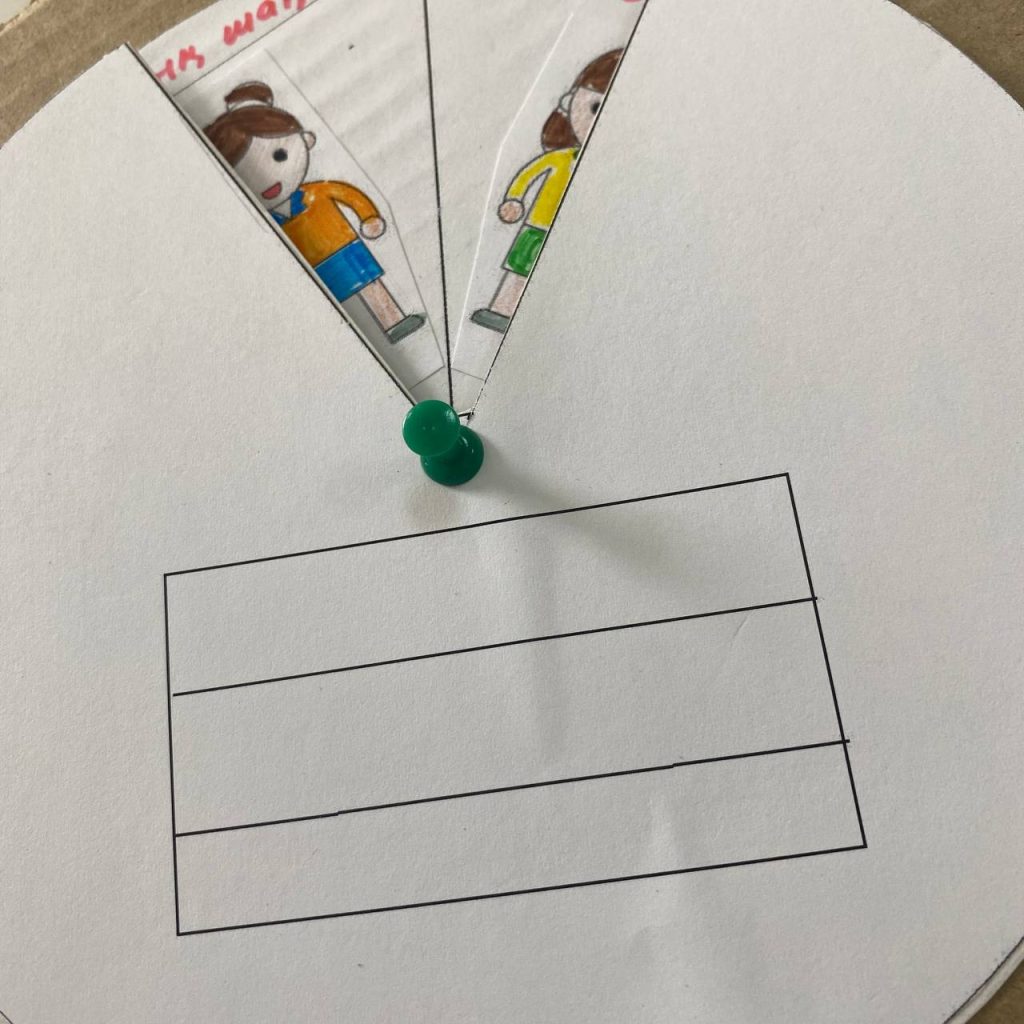
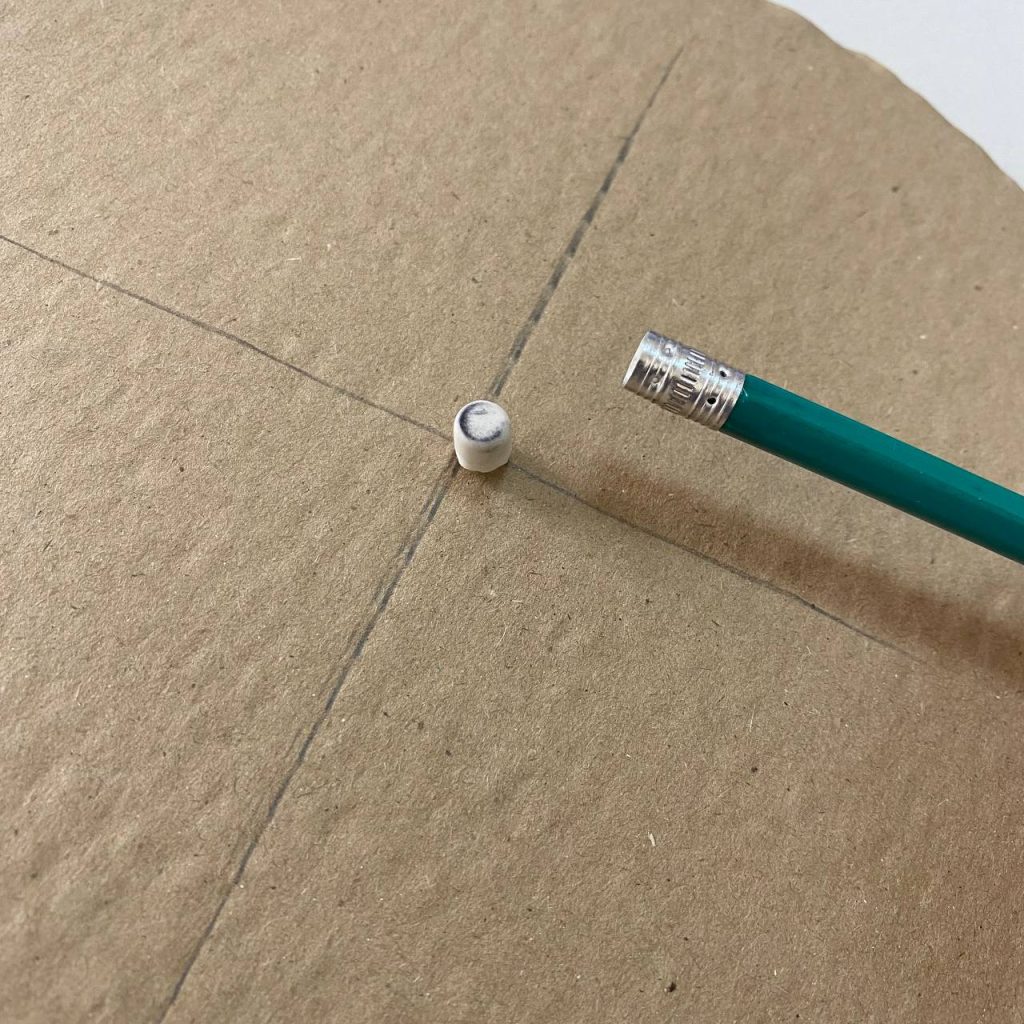
Step 12: And on the backside of the plasticine with an eraser (eraser)
Step 13: You can decorate your project. Draw or add some details.
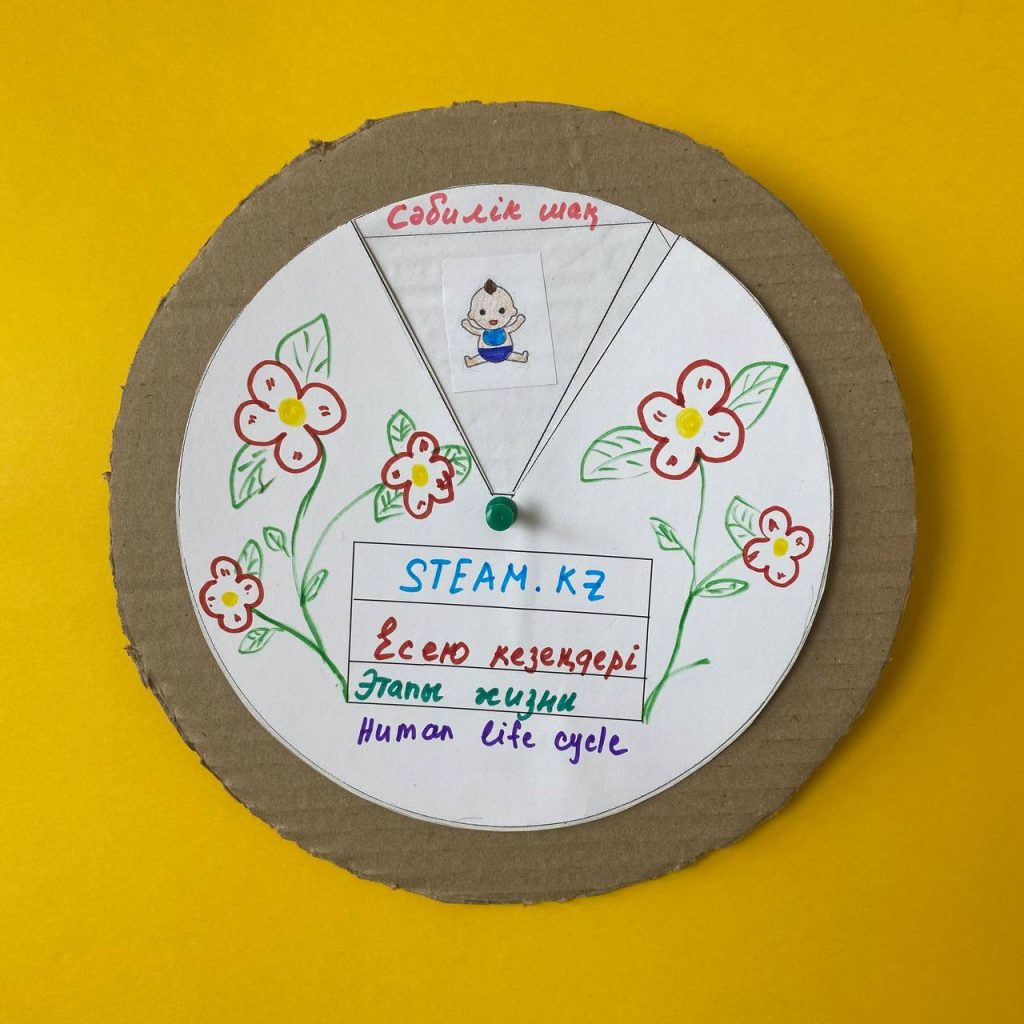
Congratulations, your project is ready!
Conclusion
In this project, the students have mastered the stages of human life. They identified each stage and based on their theoretical knowledge made a project describing the stages of human life.
On this project, each pupil is awarded a STEAM title, in several categories:
You are a young explorer and an animation artist!
Evaluation