Lesson 1
Project objective
To study the function of the human musculoskeletal system
Constructing an anatomical leg model
Guidance for the teacher
– For the experimental part of the project, students work in groups of 4-5.
– Before beginning the experimental part, familiarize and provide the students with all the necessary materials.
– Give a brief instruction on how to use the hot melt glue (only the teacher uses it)
– Explain the PBL (project based learning) rubrics to the students at the beginning of the lesson. Skills 4K (critical thinking, collaboration, creativity, presentation)
Safety in Steam lessons
It is recommended that teachers are fully aware of the safety procedures before the beginning of the lesson. If necessary (if they are using items specified in the PPE guidelines), brief the students. Visit Safety in Steam lessons: Safety rules
Theoretical Part
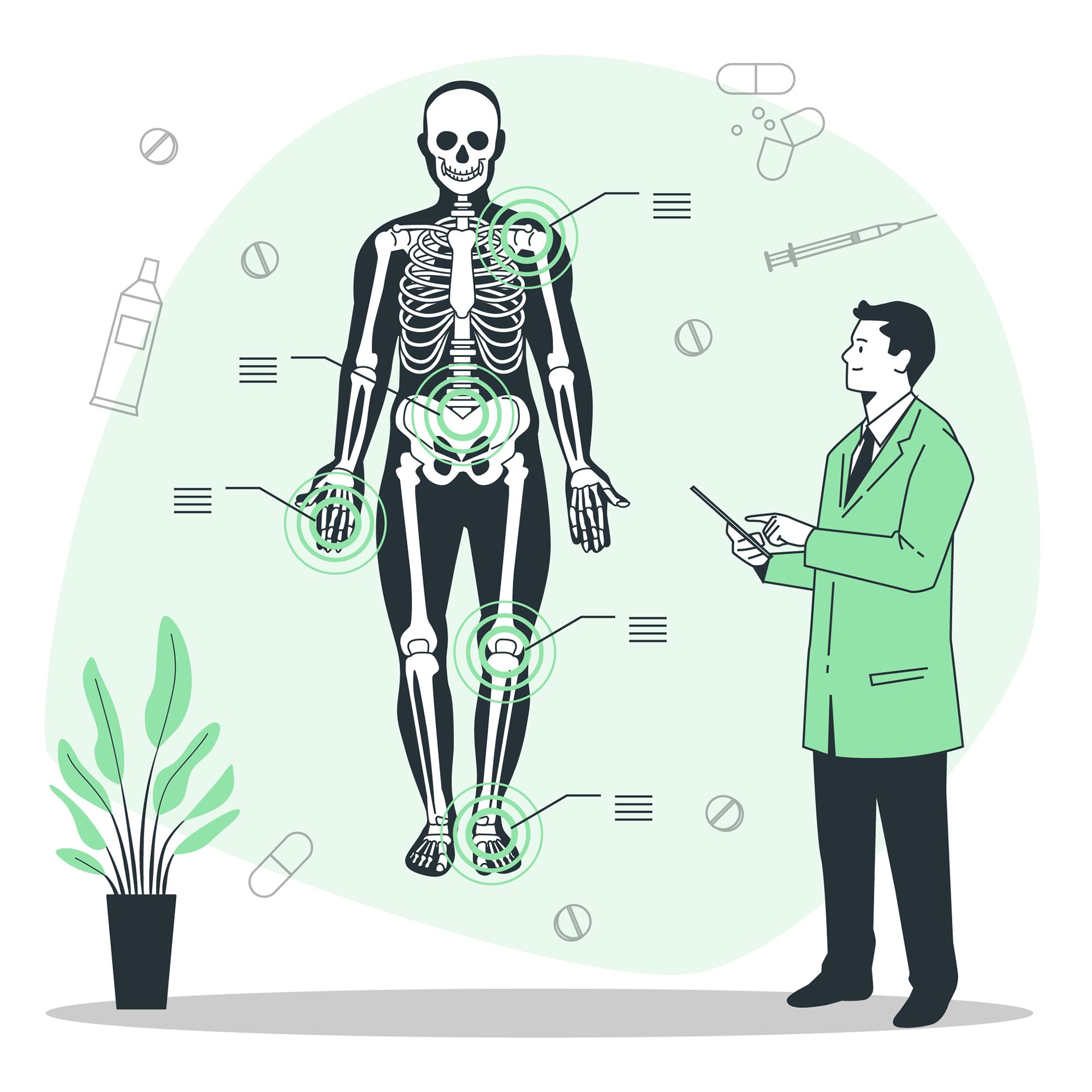
The human body can be compared to a very complex machine. It consists of many different systems, such as the musculoskeletal system (muscles and bones) and the nervous system (brain and nerves). Each system has its own functions and together they provide everything needed for a person to live.
Musculoskeletal system
The musculoskeletal system consists of bones (adults have up to 206 of them) and muscles. The skull and spine give our bodies their shape, and our arms and legs allow us to move around.
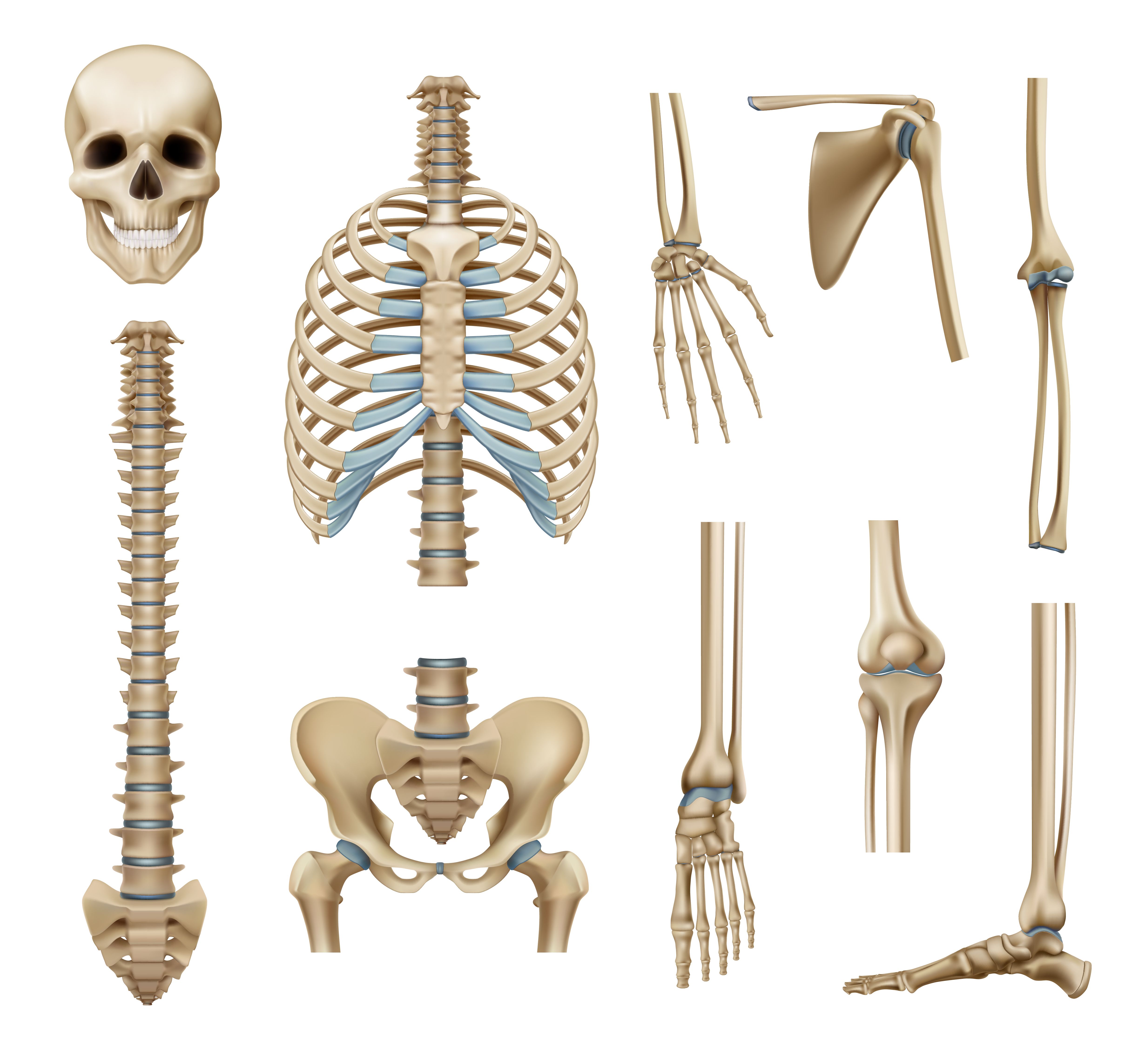
The human body is made up of soft tissues, muscles, organs and tendons, all of which need strong support to function properly. This support is our skeleton, which is made up of strong but very lightweight bones. Although our bones are very strong, our skeleton is very mobile.
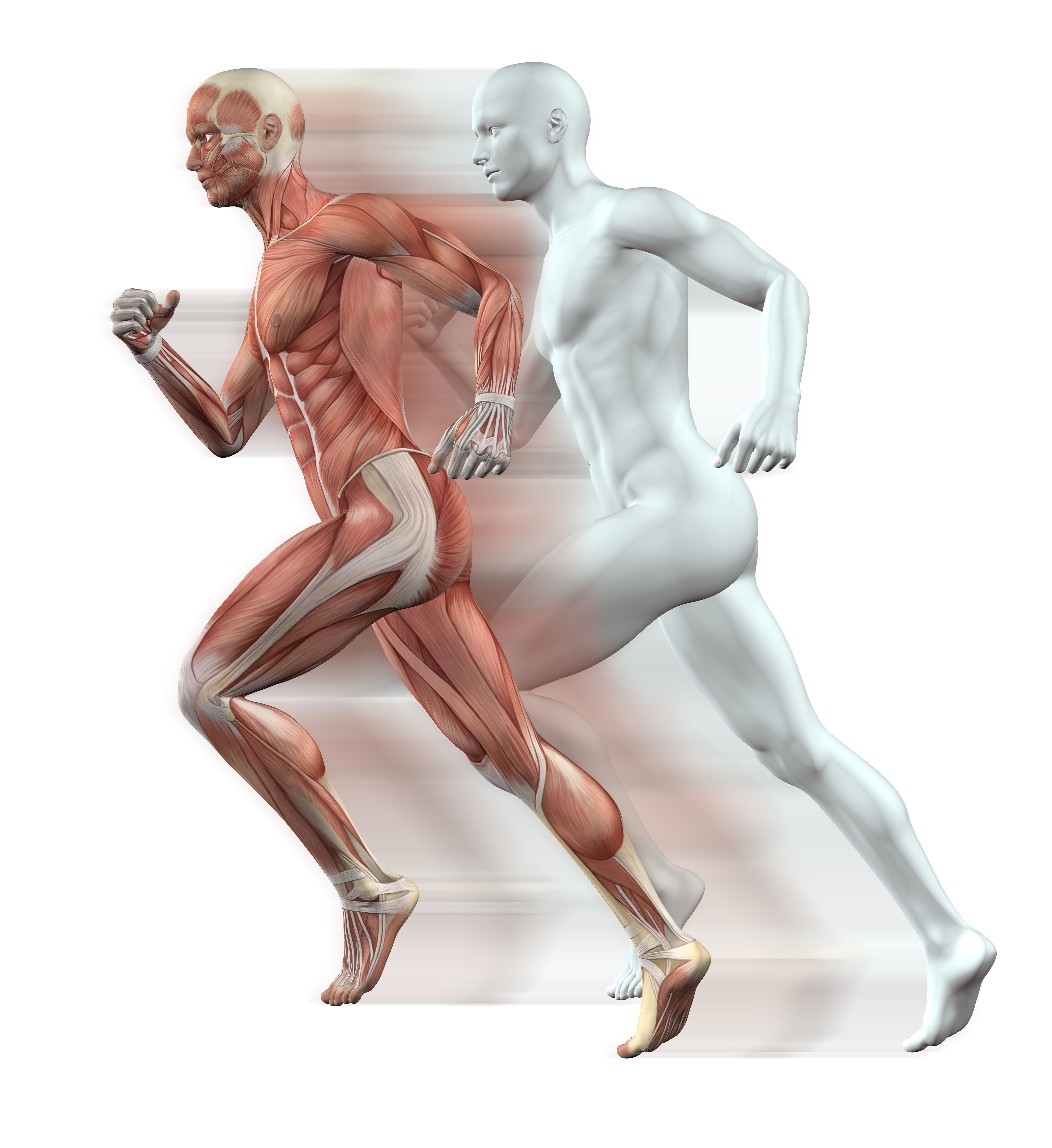
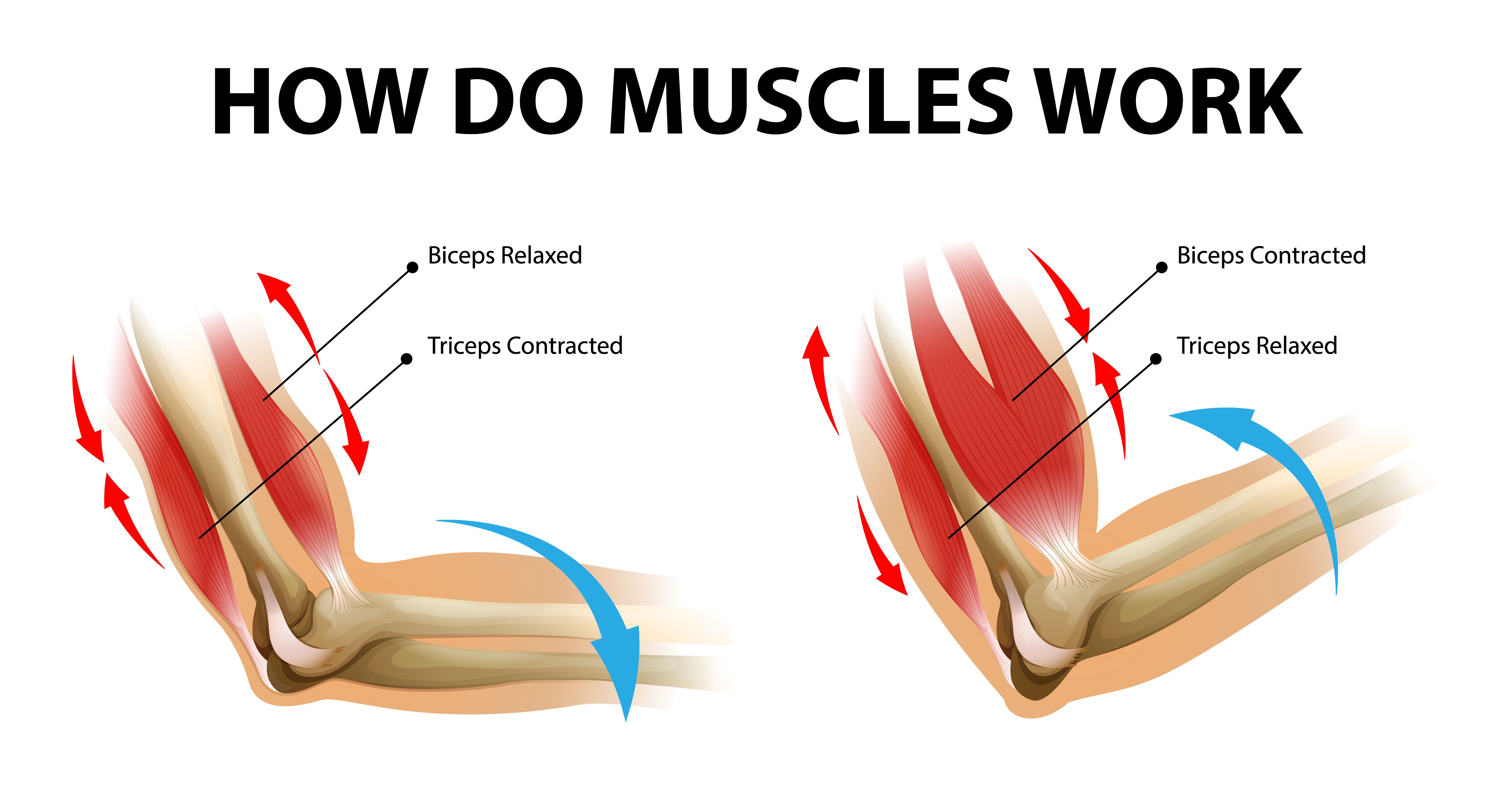
Muscles work together with bones to make up the musculoskeletal system of the human body. Skeletal muscles are attached to bones to move them.
 Look at the picture below and discuss as a class how muscles and bones work
using human hands as an example.
Sources:
1. the human body / E. McRae, S. Morgan; translated from English by Balkova E.A. – Moscow: AST Publishing House, 2022. – 31, [1] p.: ill. – (Children’s Encyclopedia)
2. https://ru.freepik.com
3. https://gdemoideti.ru/blog/ru/kak-rasskazat-rebyonku-ob-ustrojstve-tela
The practical part
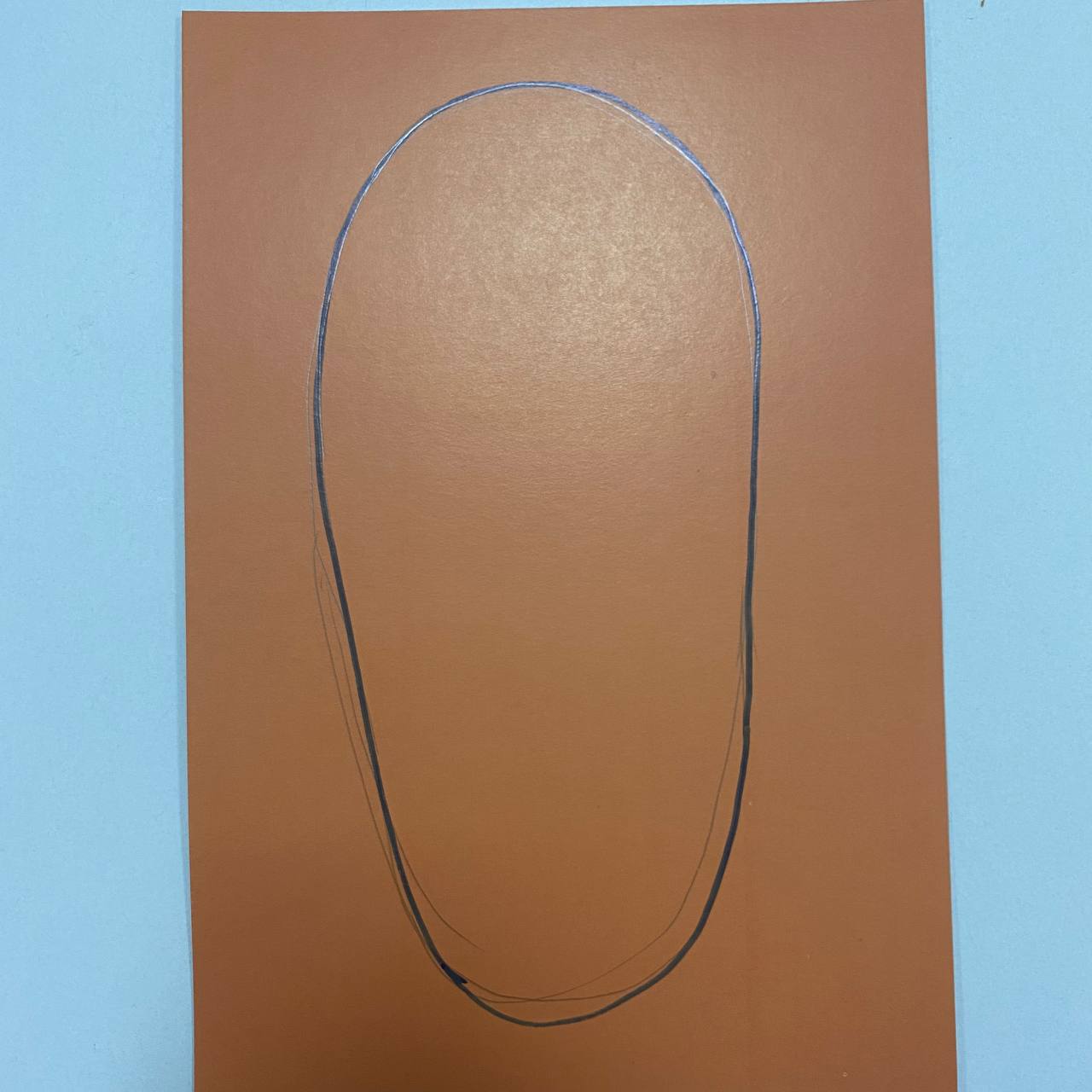
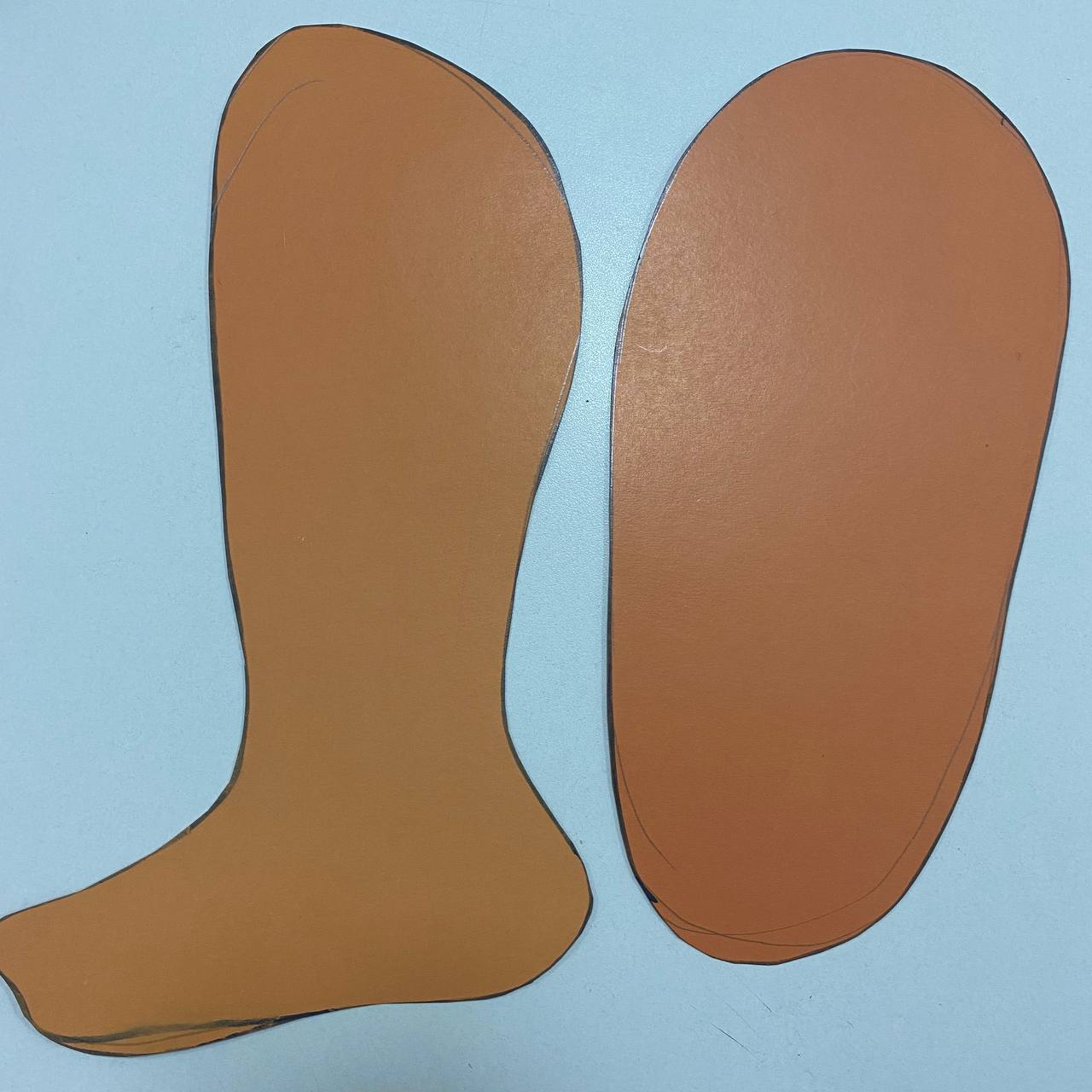
Step 1: Prepare two pieces of A4 board and draw the top and bottom of the leg
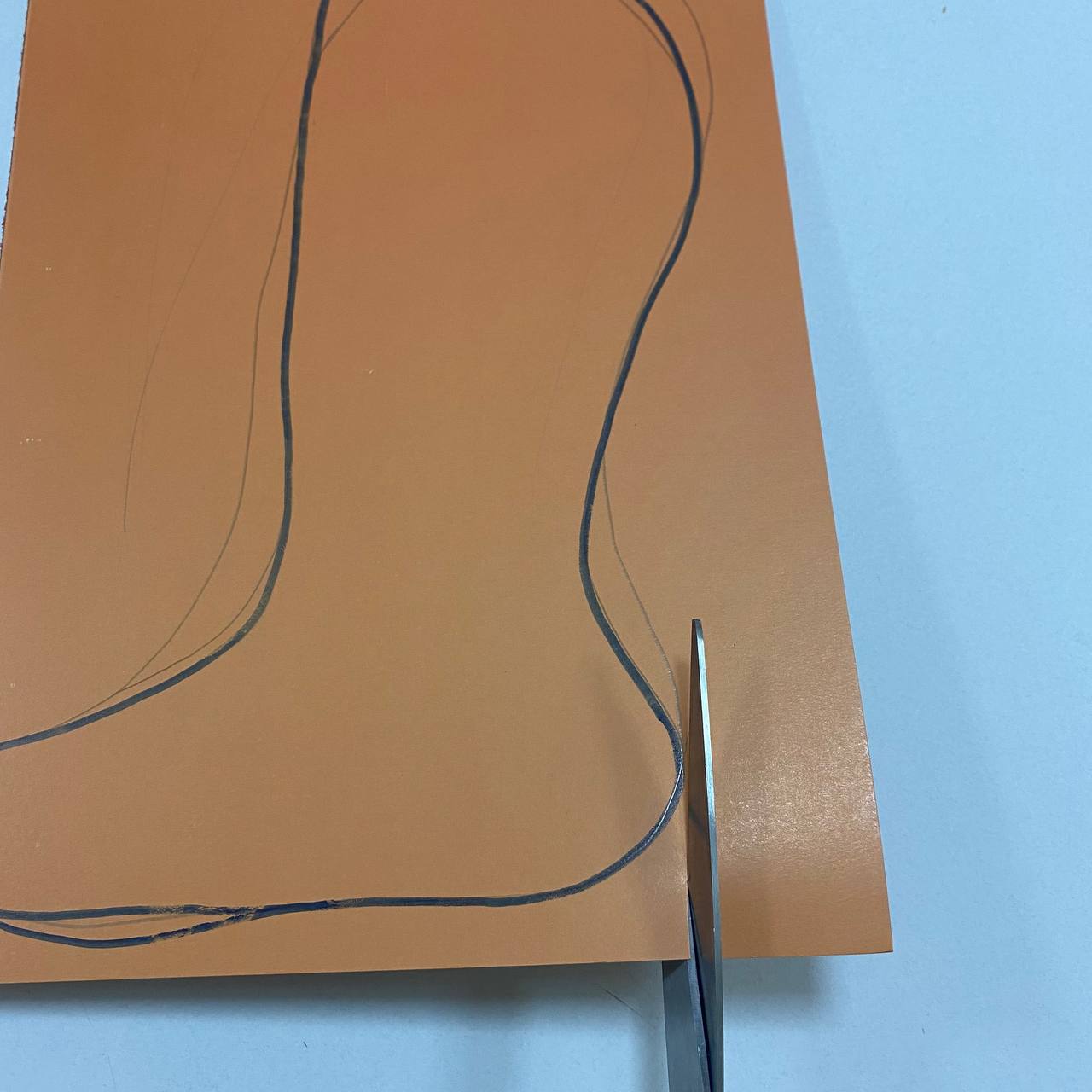
Step 2: Then cut out the pattern
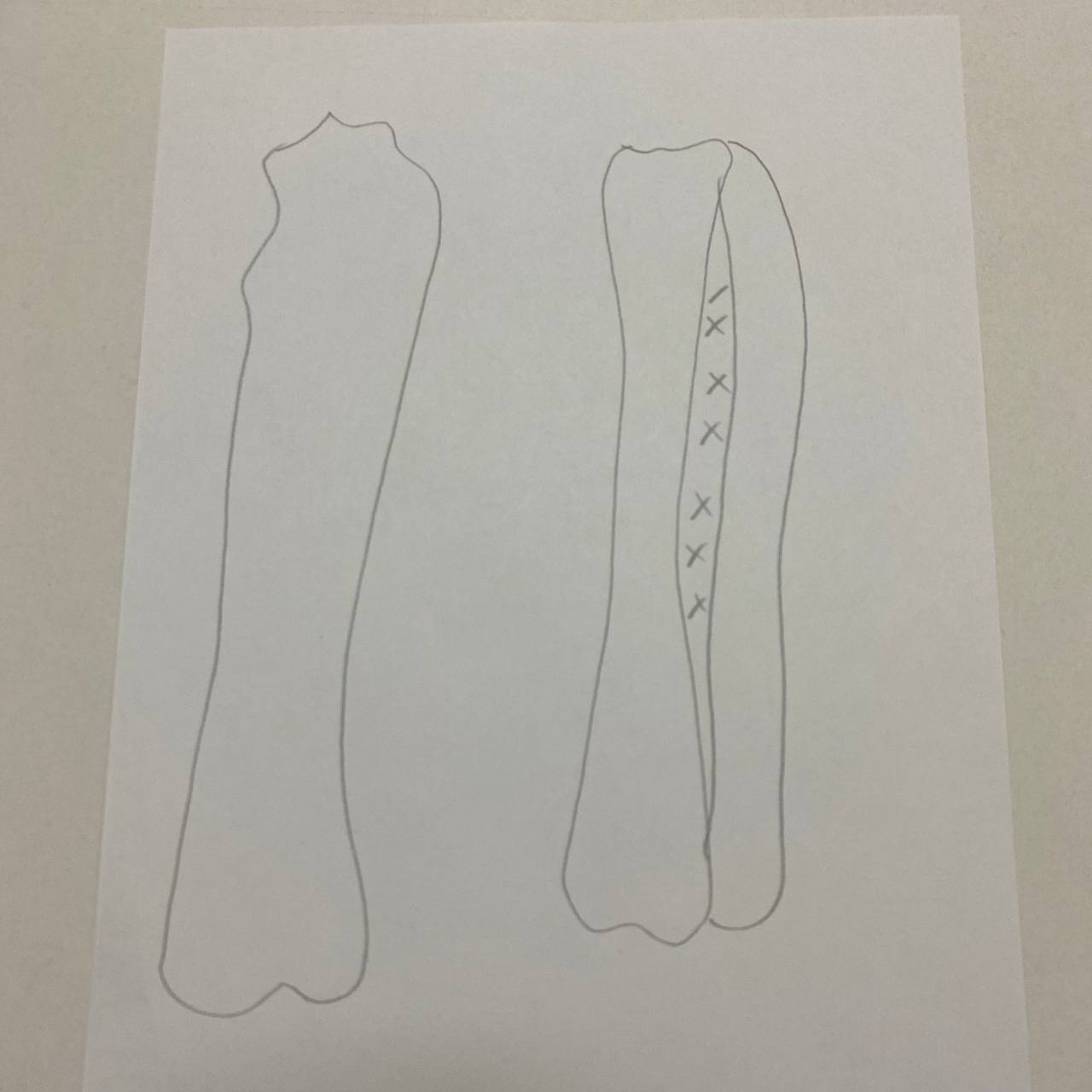
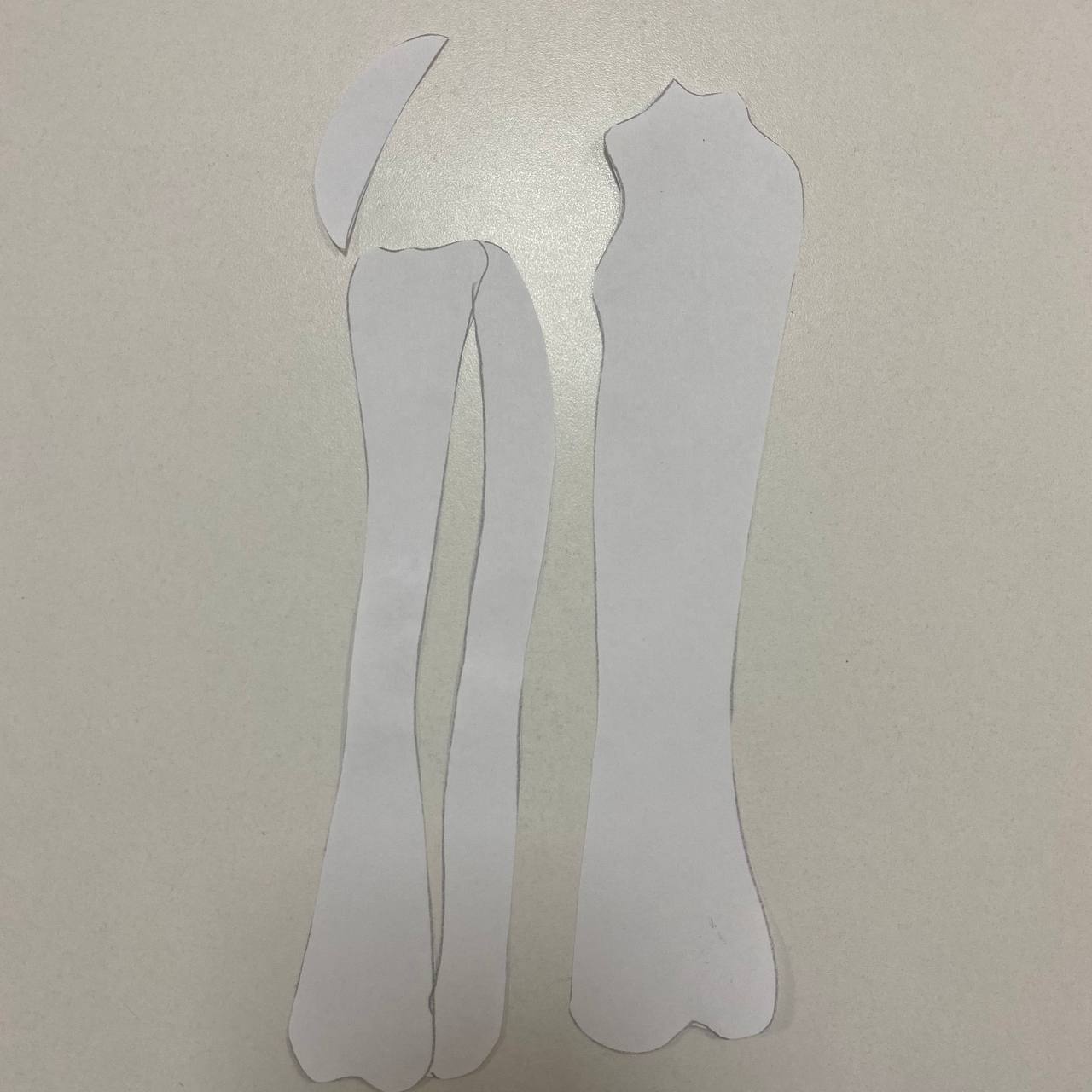
Step 3: Take A4 paper and draw the bones for the top and bottom of the leg and cut out
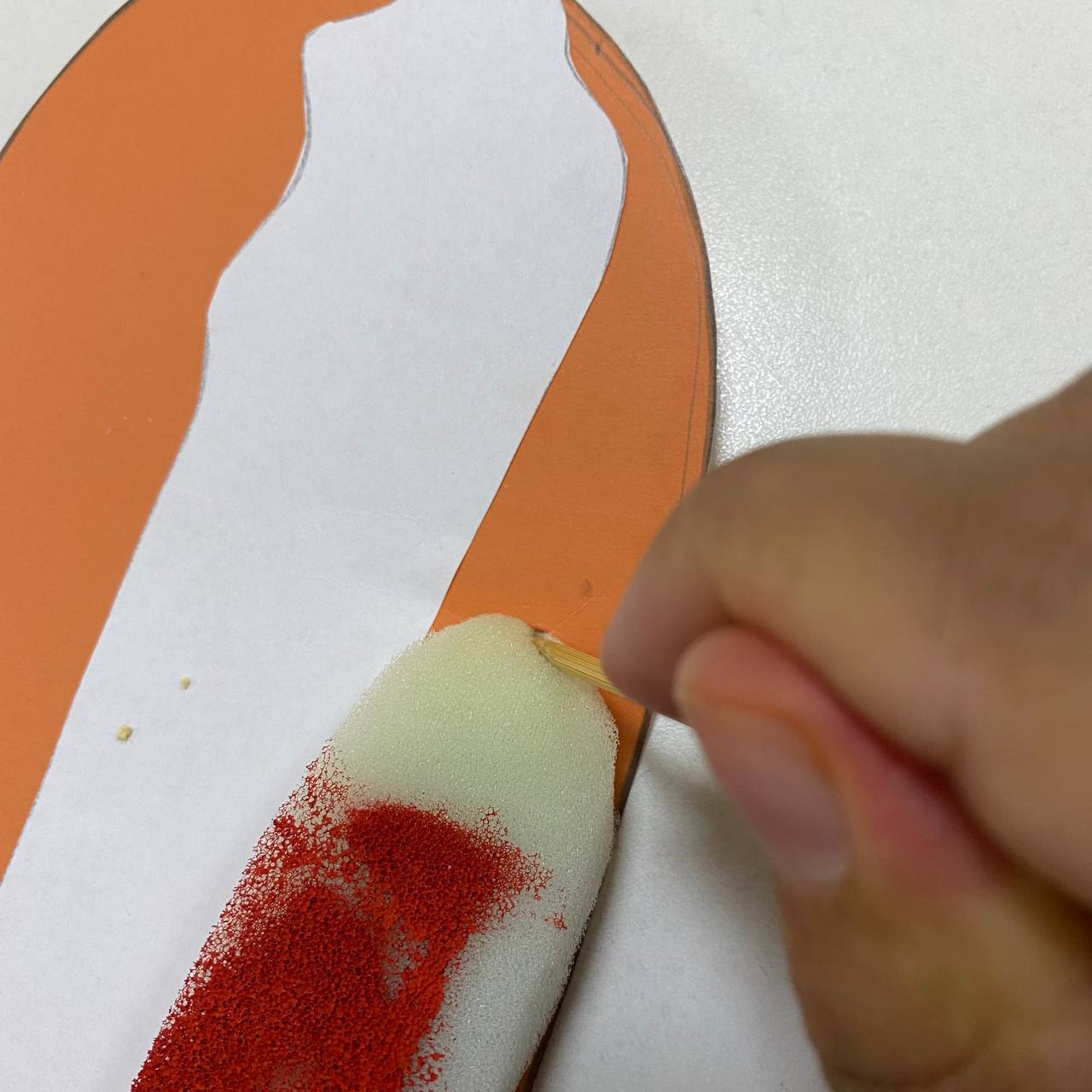
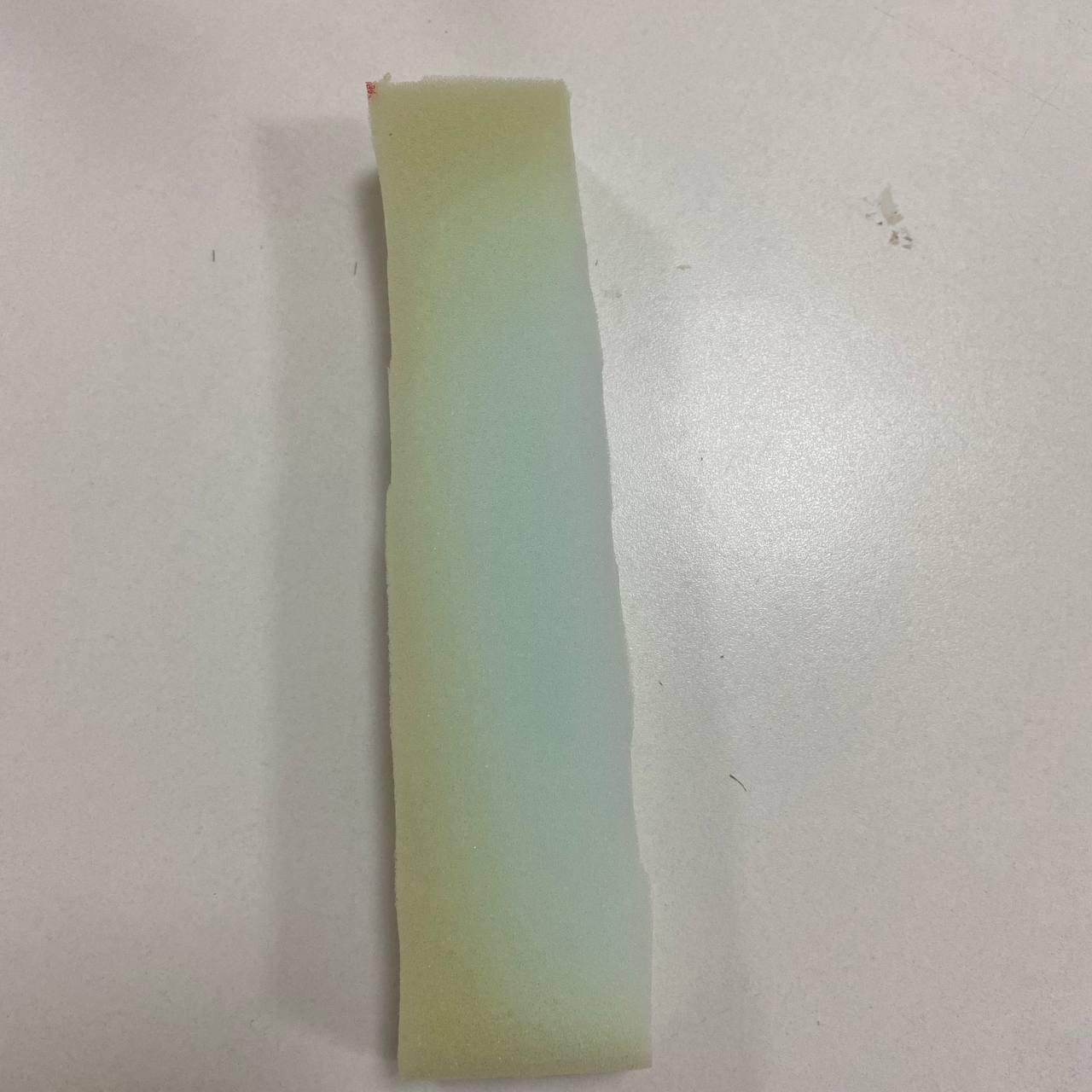
Step 4. Prepare long sponges, they will act as muscle and tendon
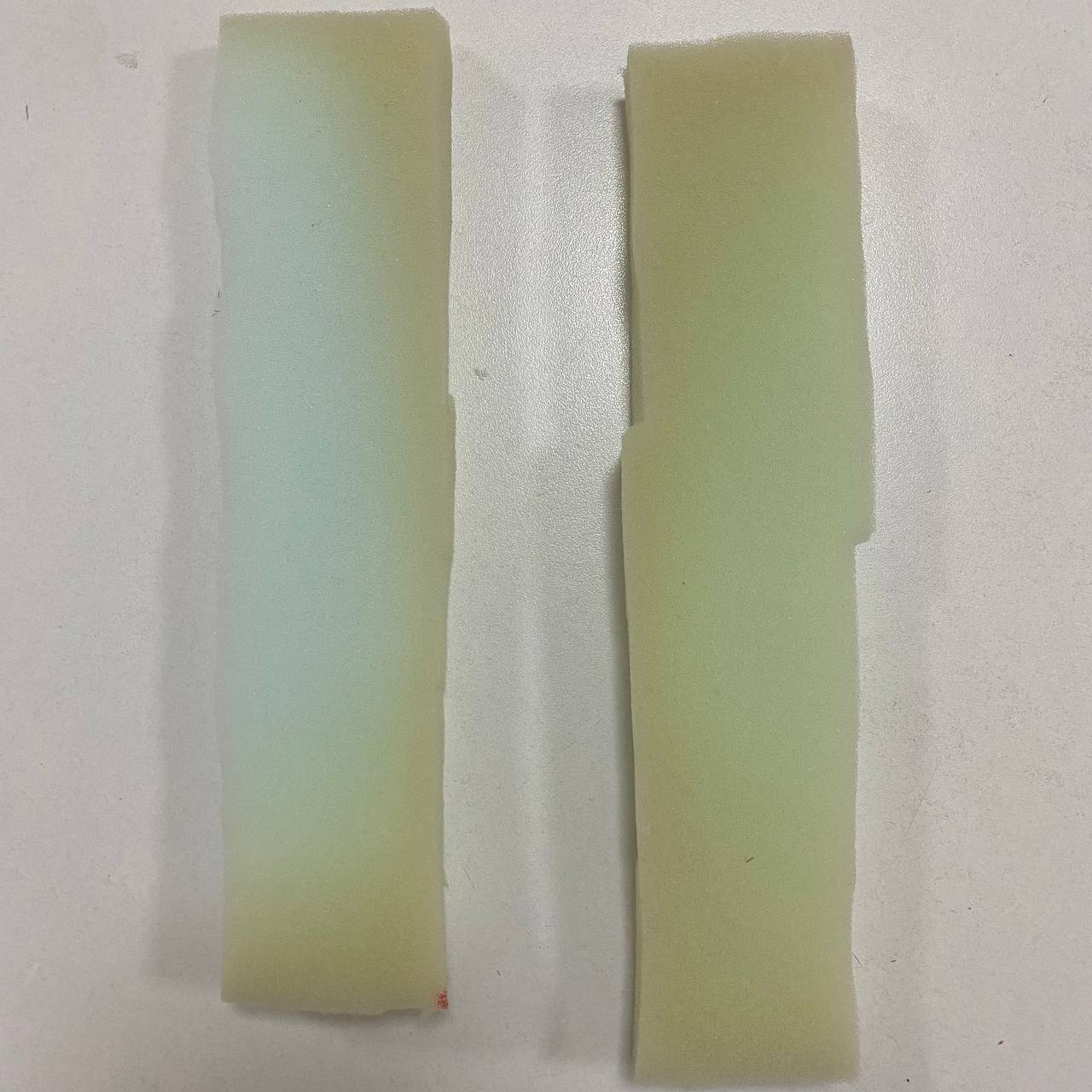
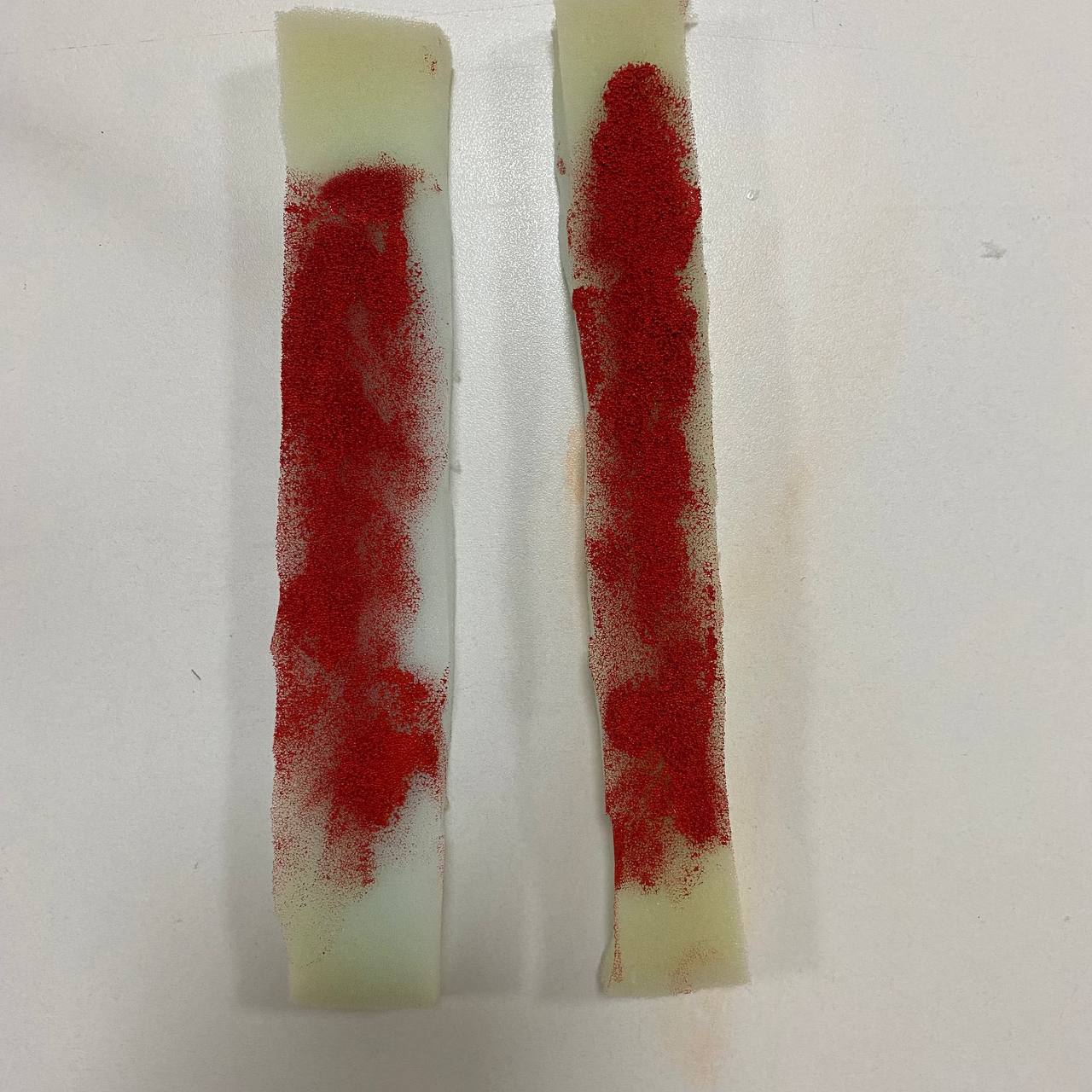
Step 5: Paint them red or pink, using paint
.jpg)
Step 6: Glue the bones to the legs. Then make a hole for the sponges using skewers
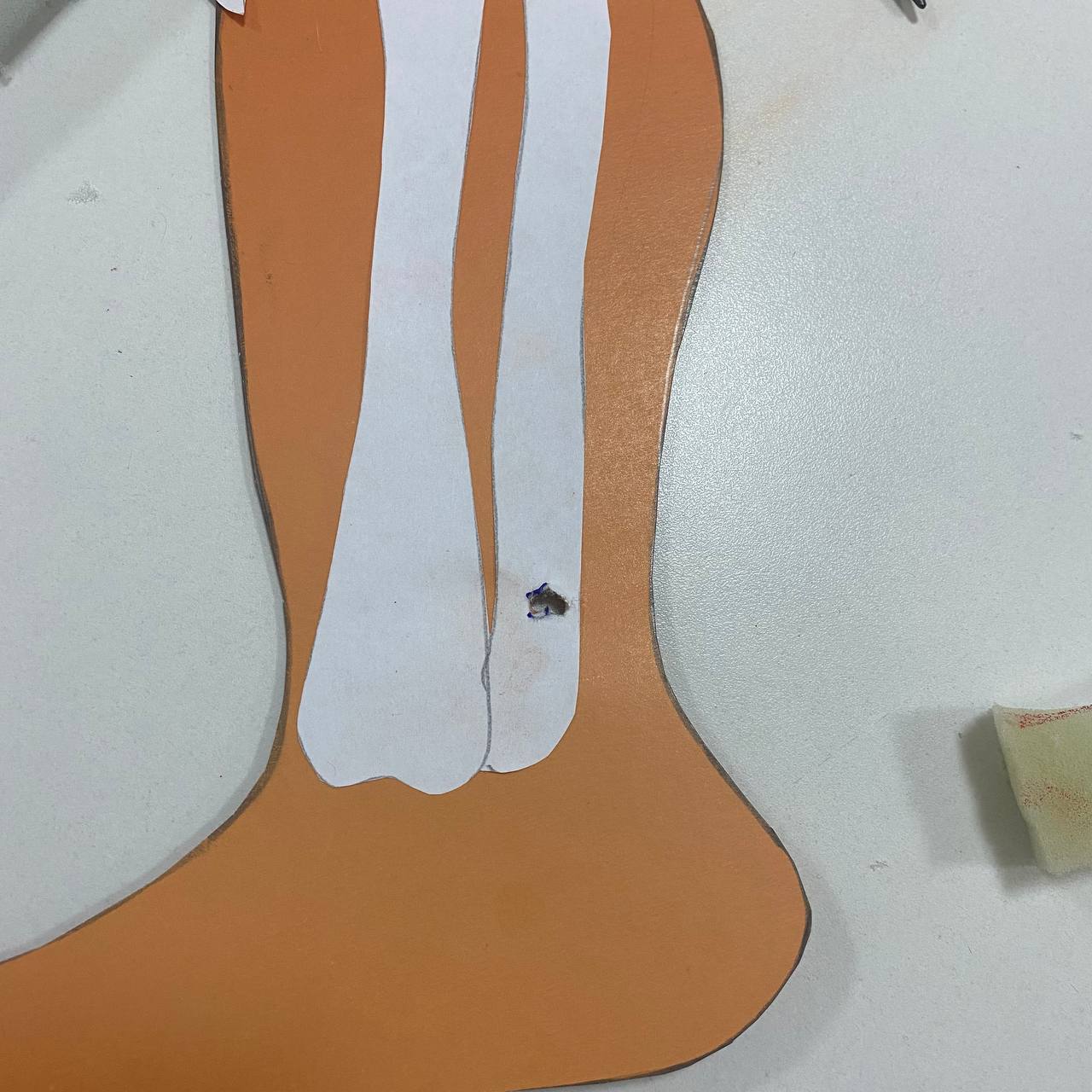
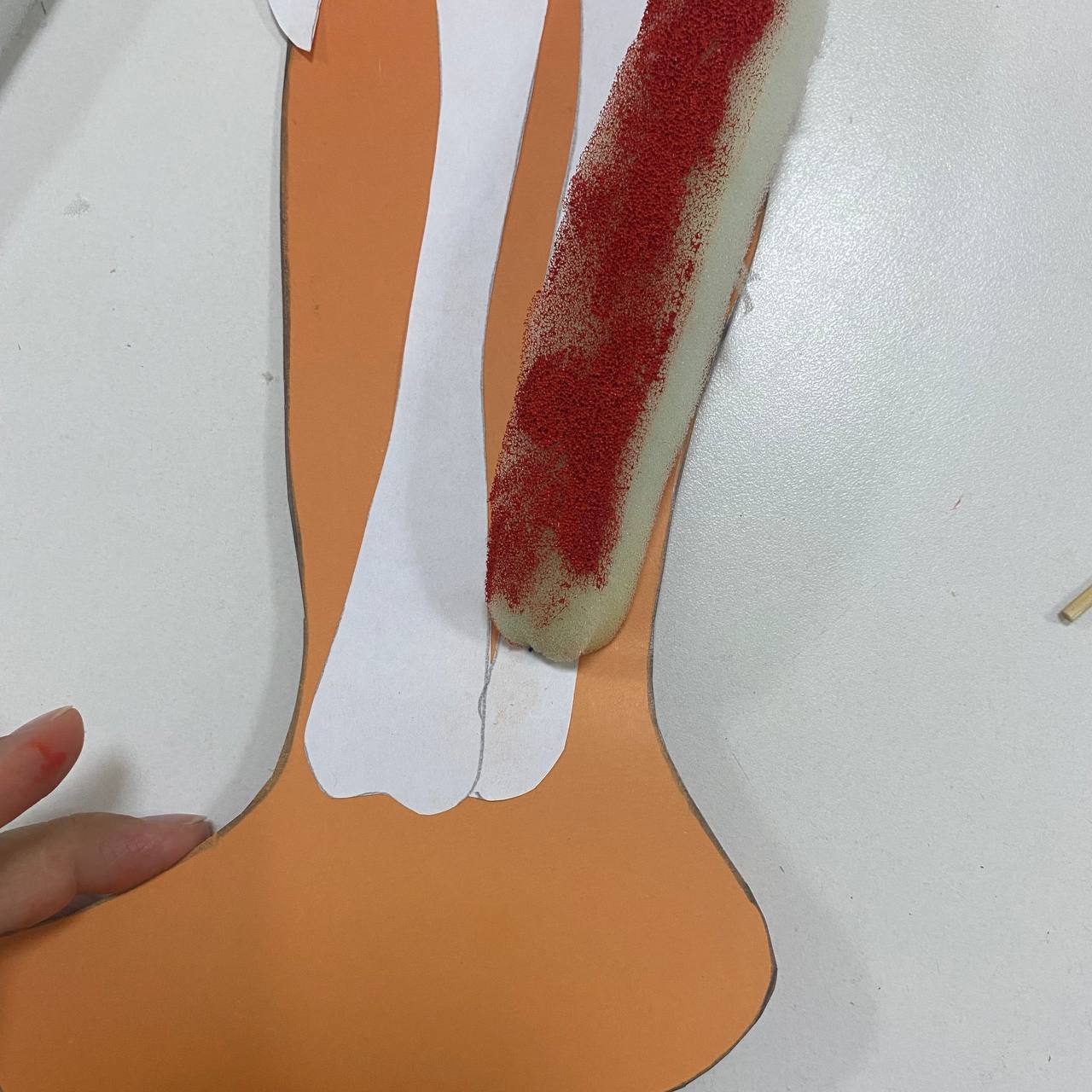
Step 7: Join the leg pieces together using a skewer and seal on both sides with hot-melt glue
.jpg)
Step 8: Make a hole in 2 places for the sponge
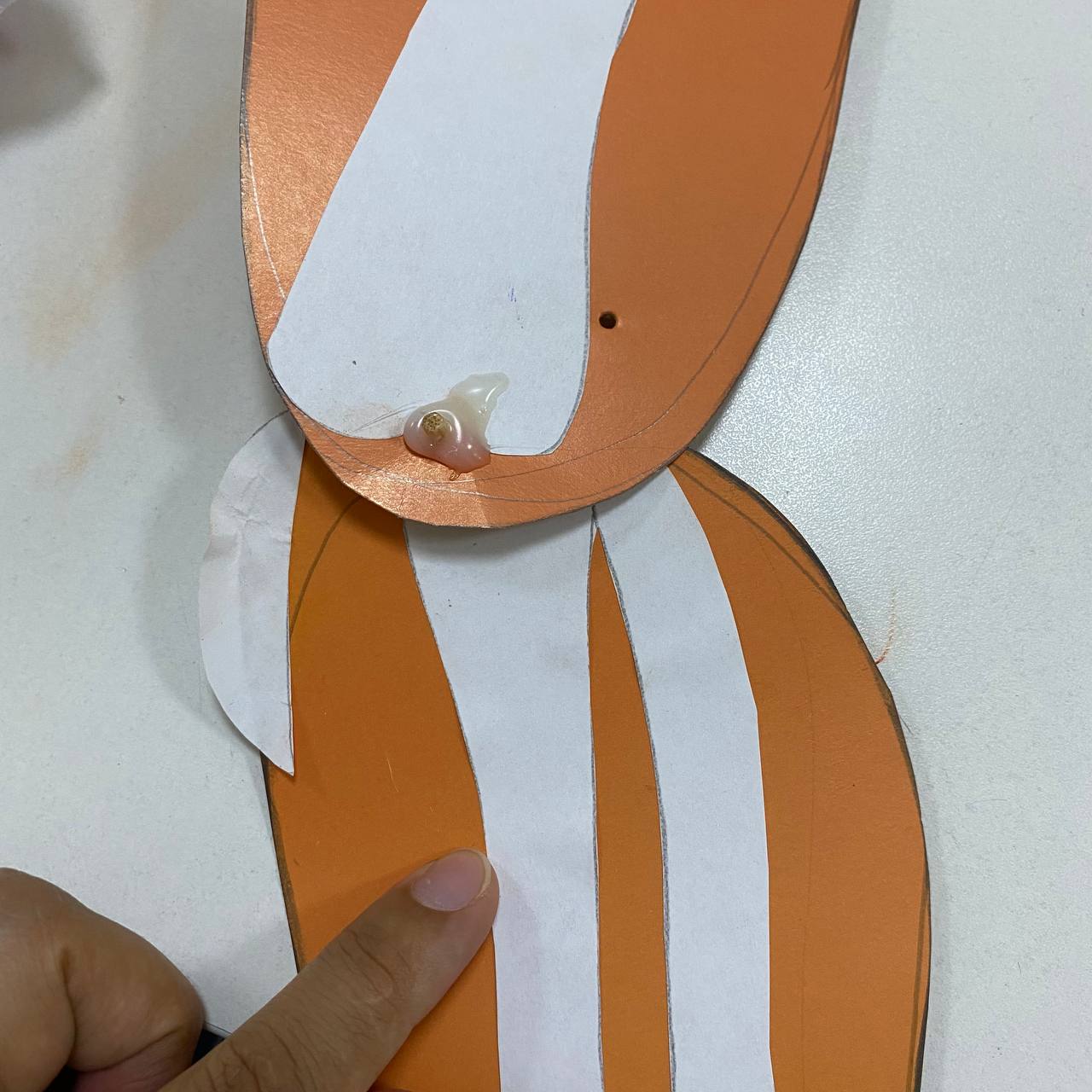
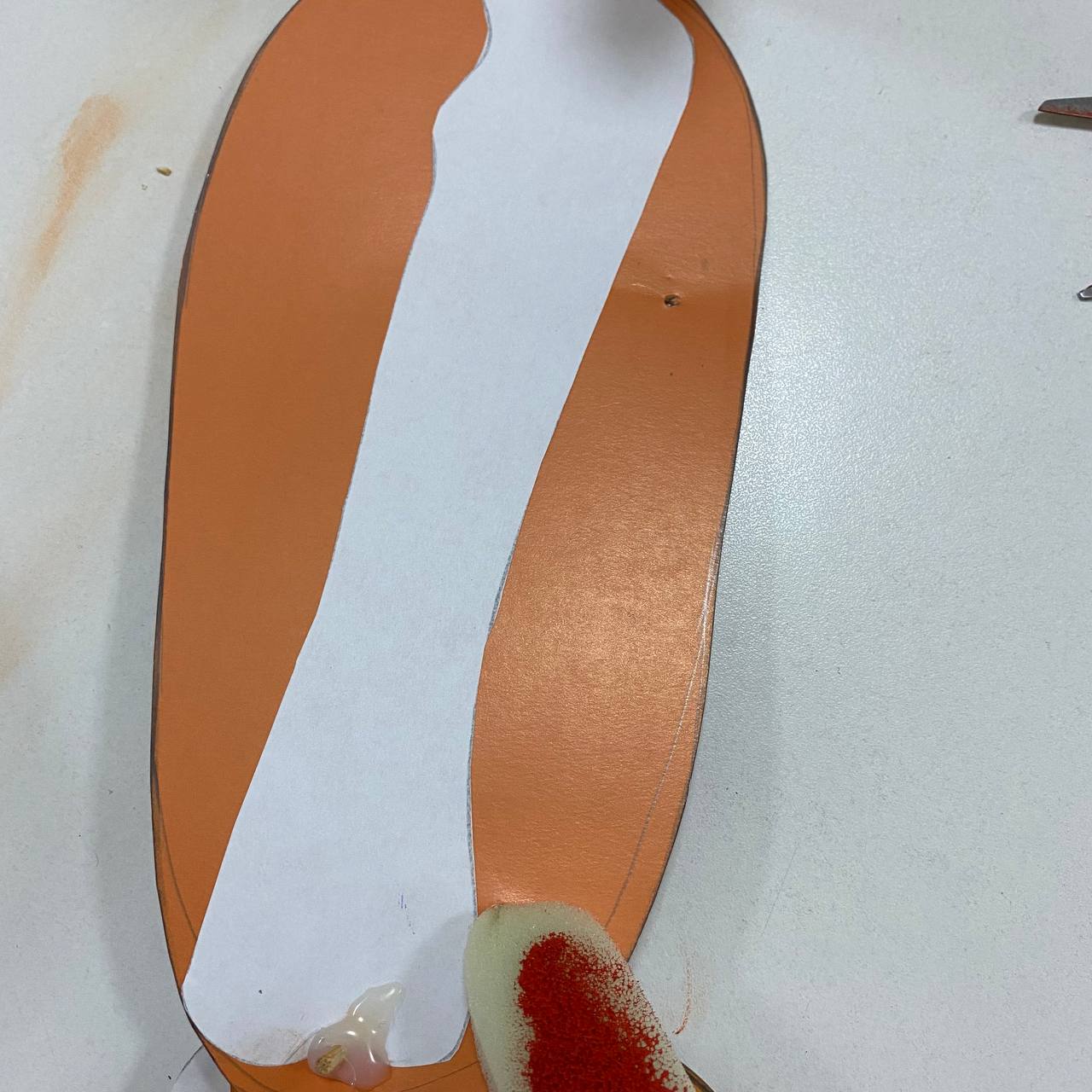
Step 9: Guide the sponge into the hole using a spatula