Week 1
Project objective
1. to study the hourglass and, based on this, to study the principle of the liquid hourglass.
2. Make their own model of a liquid hourglass.
Guidelines for the teacher
– For the experimental part of the project, the pupils work in groups of 4-5.
– The students should be introduced to topics like clocks, measuring time, types of measuring devices, hourglasses and liquid hourglasses.
– Before starting the experimental part, familiarise and provide the students with all the necessary materials.
– Give a brief instruction on how to use the hot glue (only the teacher uses it)
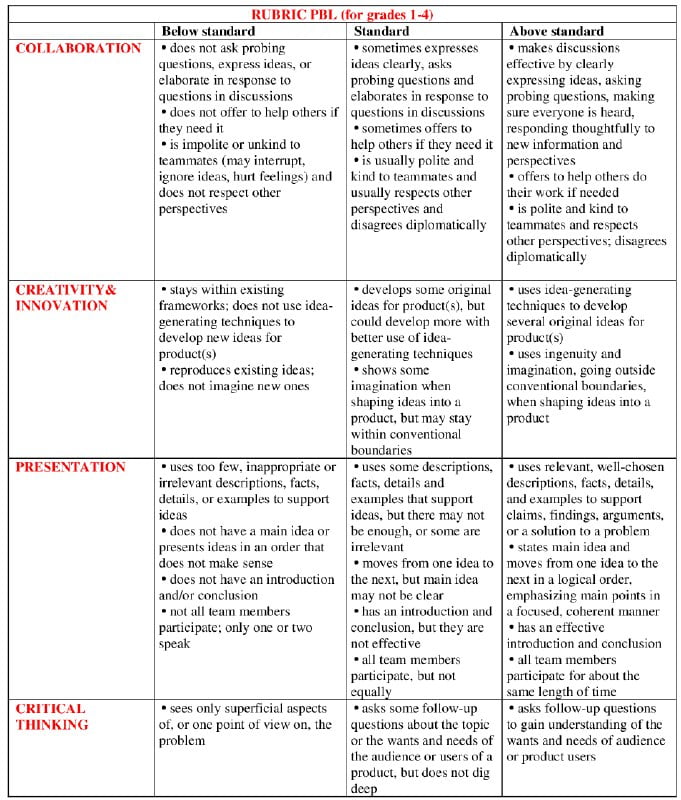
– Explain the PBL (project based learning) rubric to the students at the beginning of the lesson. Skills 4K (critical thinking, collaboration, creativity, presentation)
Safety in Steam lessons
It is recommended that teachers are fully aware of the safety procedures before the beginning of the lesson. If necessary (if they are using items specified in the PPE guidelines), brief the students. Visit Safety in Steam lessons: Safety rules
Theoretical part
What is an hourglass?
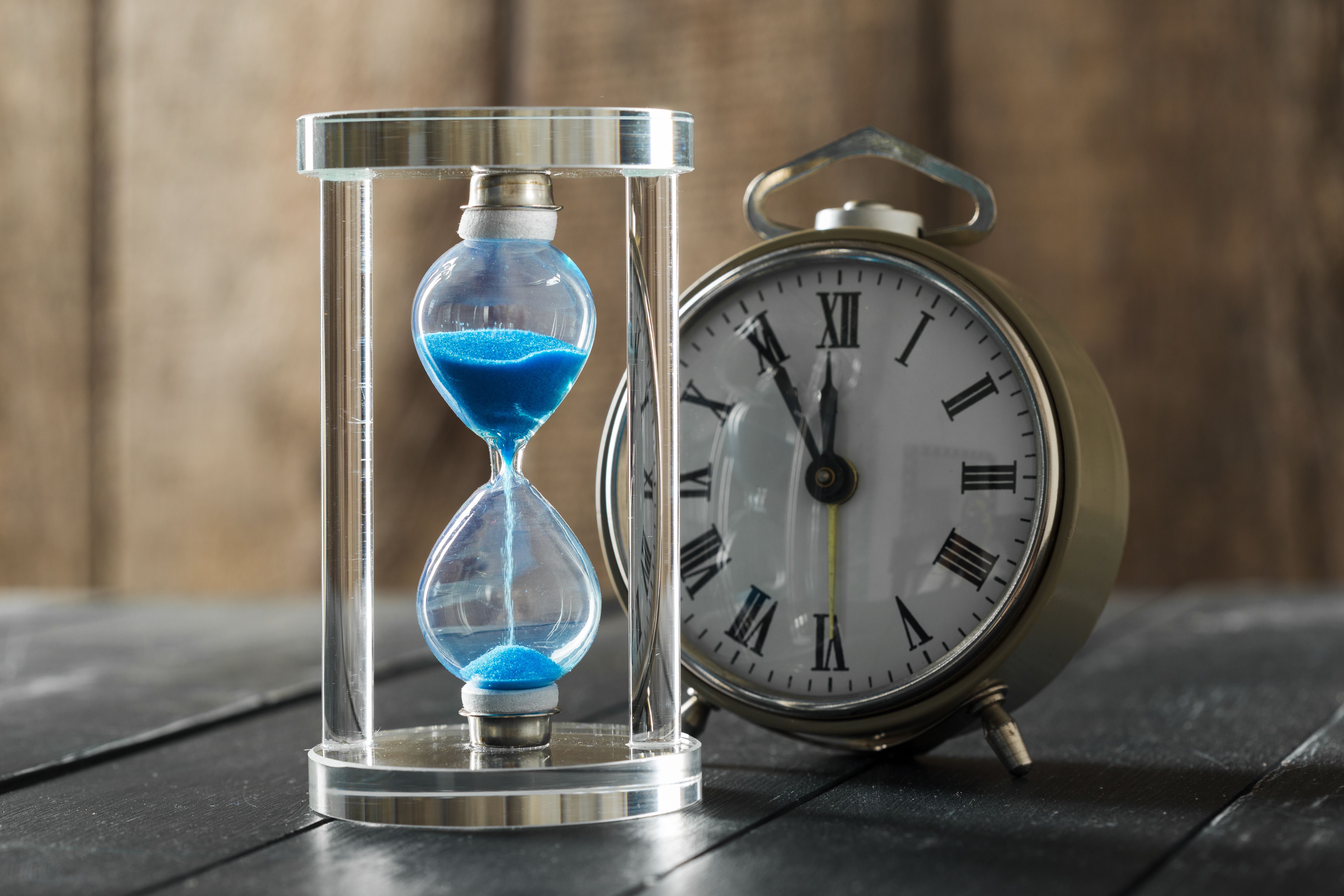
The hourglass appeared about a thousand years ago. History knows many loose indicators of time, but only the development of glassblowing craftsmanship has made it possible to create a relatively accurate device. However, the hourglass could only be used to measure small periods of time, no more than half an hour. Ordinary clocks were made for half an hour or an hour, less frequently for three hours, and only in very rare cases were huge sandglasses built for 12 hours. Combining several hourglasses into a single whole did not improve either. An hourglass is a structure of two vessels which are connected by a narrow neck. It is in the shifting of sand from one flask to another that the hourglass works. Sand of different flowability is used for the construction of the sand glass.
What is an hourglass?
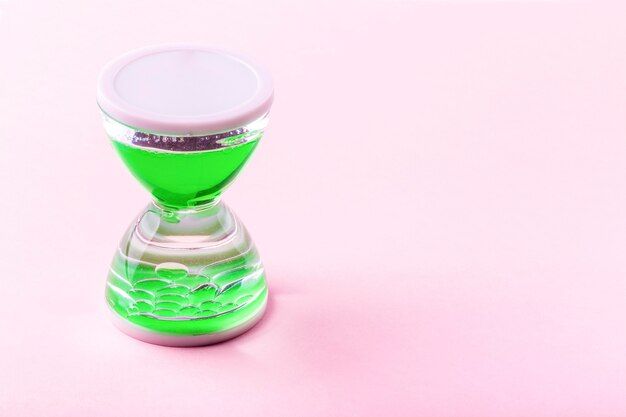
The liquid clock works on the principle of an hourglass, only more colourful and engaging. Here, instead of sand, two different liquids are used, such as OIL and WATER. They are different from each other in terms of their properties. They have different densities, viscosities etc.
The practical part
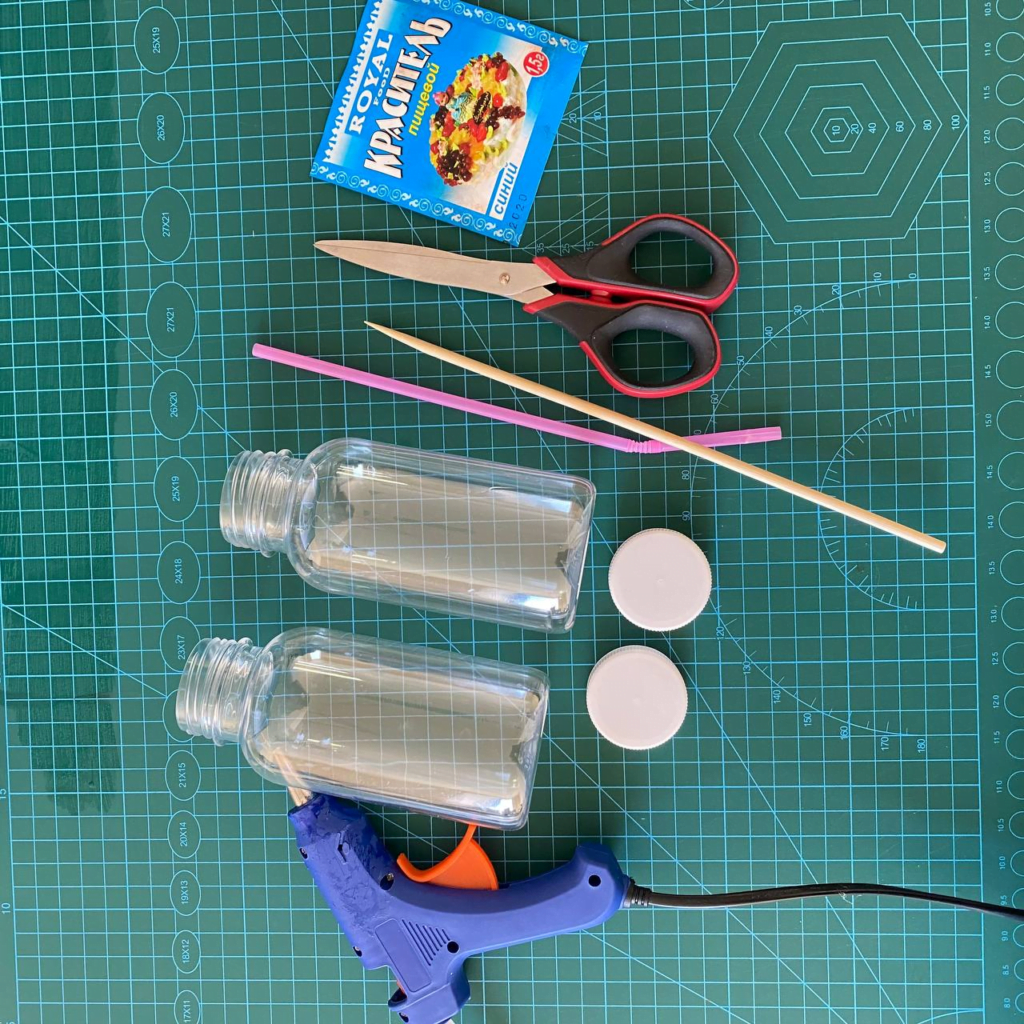
Step 1: Prepare all the necessary materials. And familiarise yourself with them beforehand.
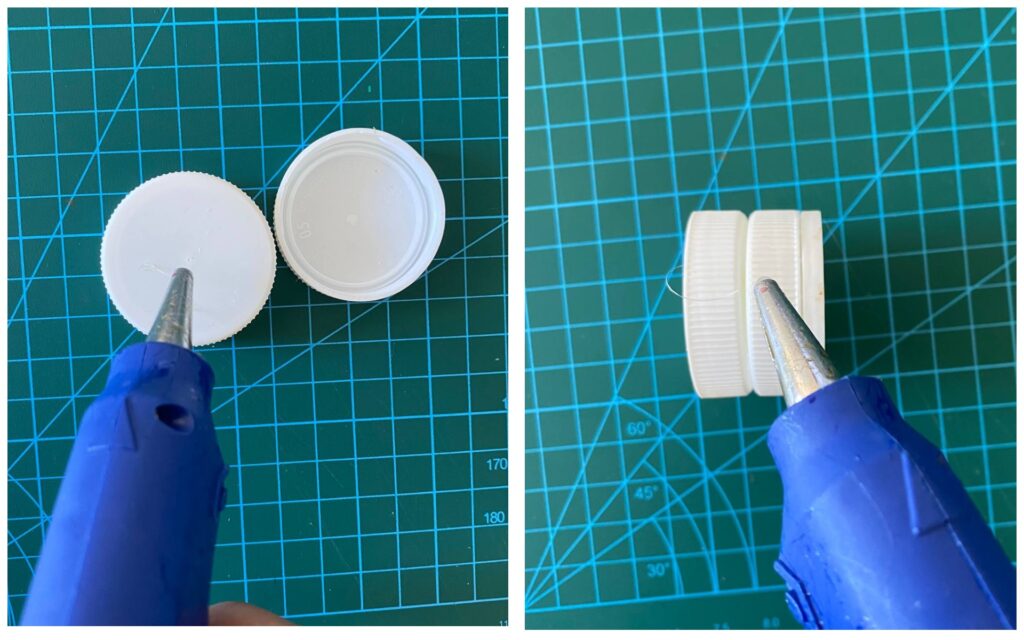
Step 2: Join the 2 lids together, flat-faced, using hot-melt glue. Then trim the edges and wait for the hot-melt to dry.
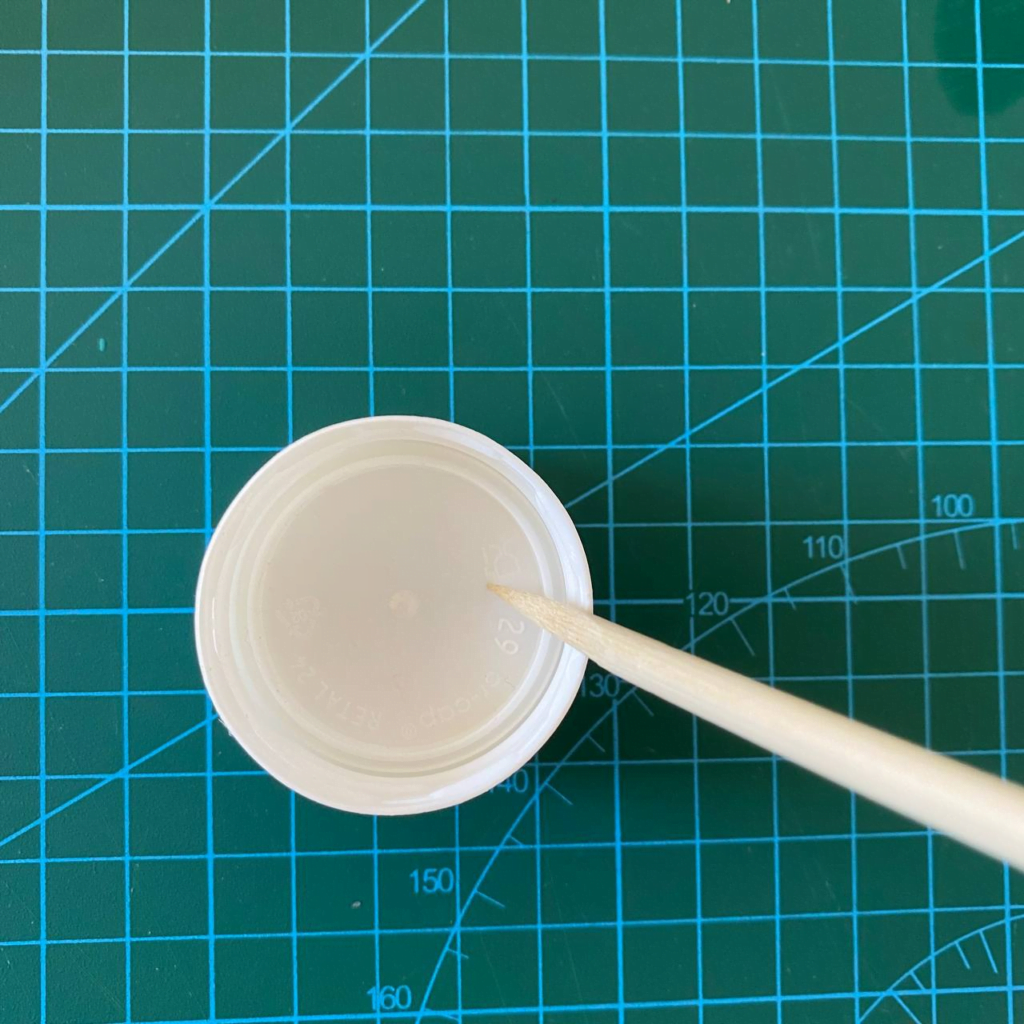
Step 3. Then make a hole in the lid using the sharp end of a skewer.
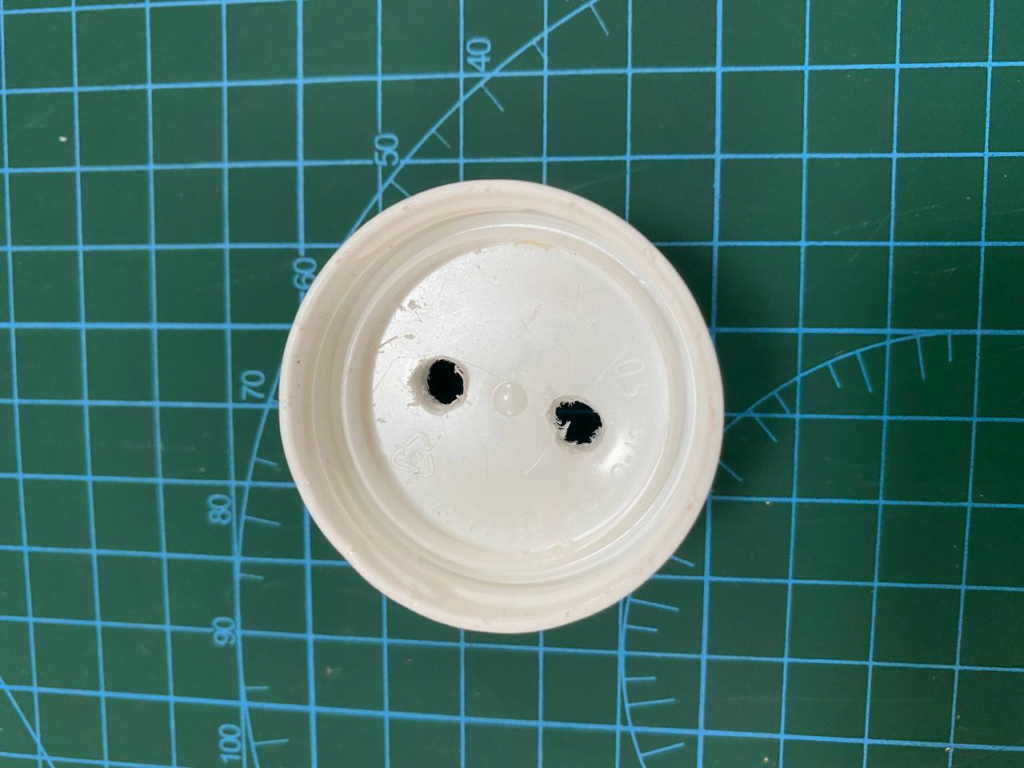
Step 4. You should be able to make these 2 through-holes.
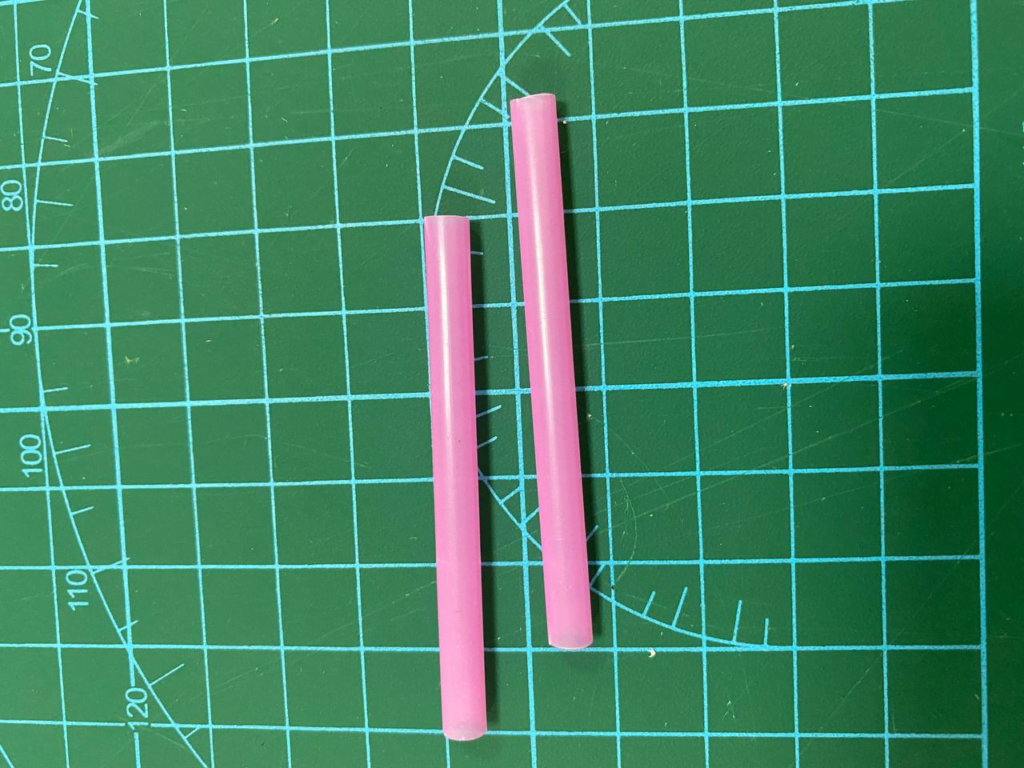
Step 5: Cut 2 identical tubes, no more than 6 cm long.
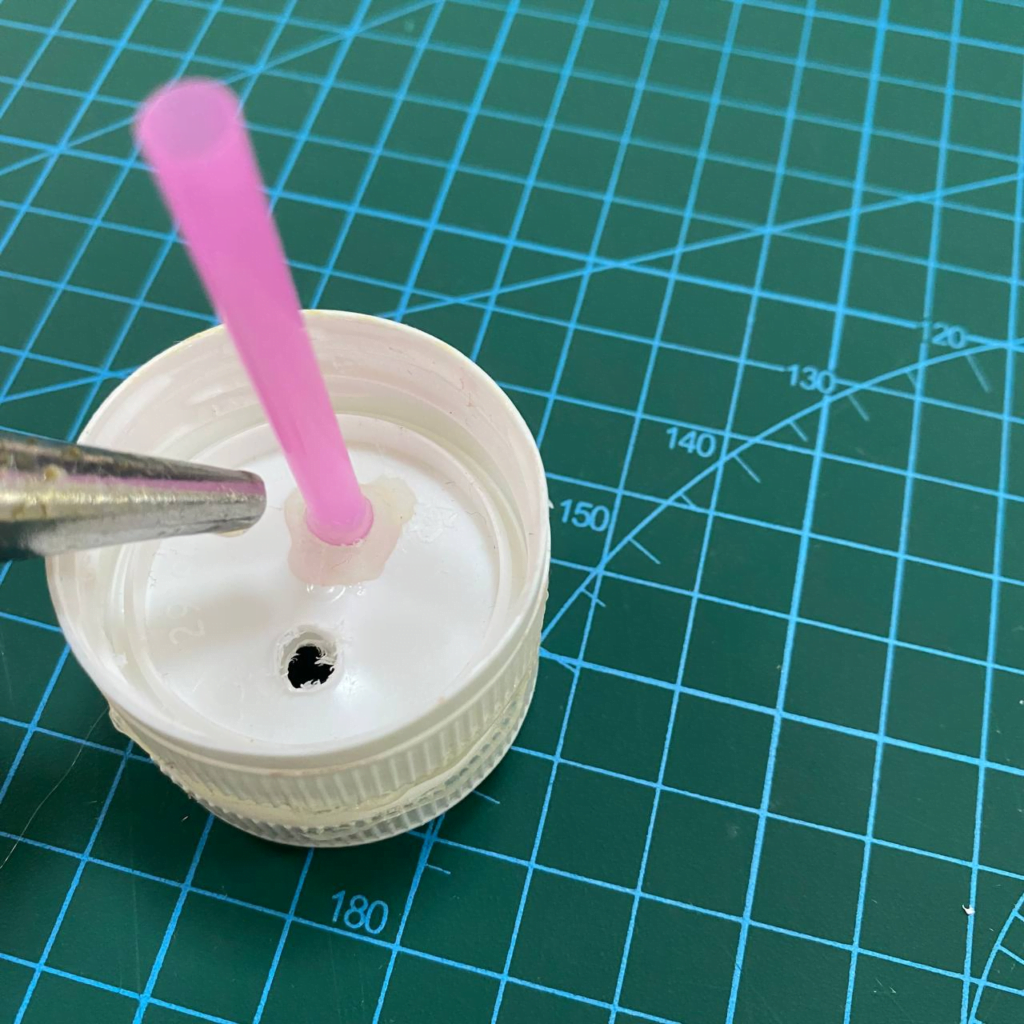
Step 6. Then guide the tip of one tube through the hole in the lid and fix with hot-melt glue on both sides of the lid.
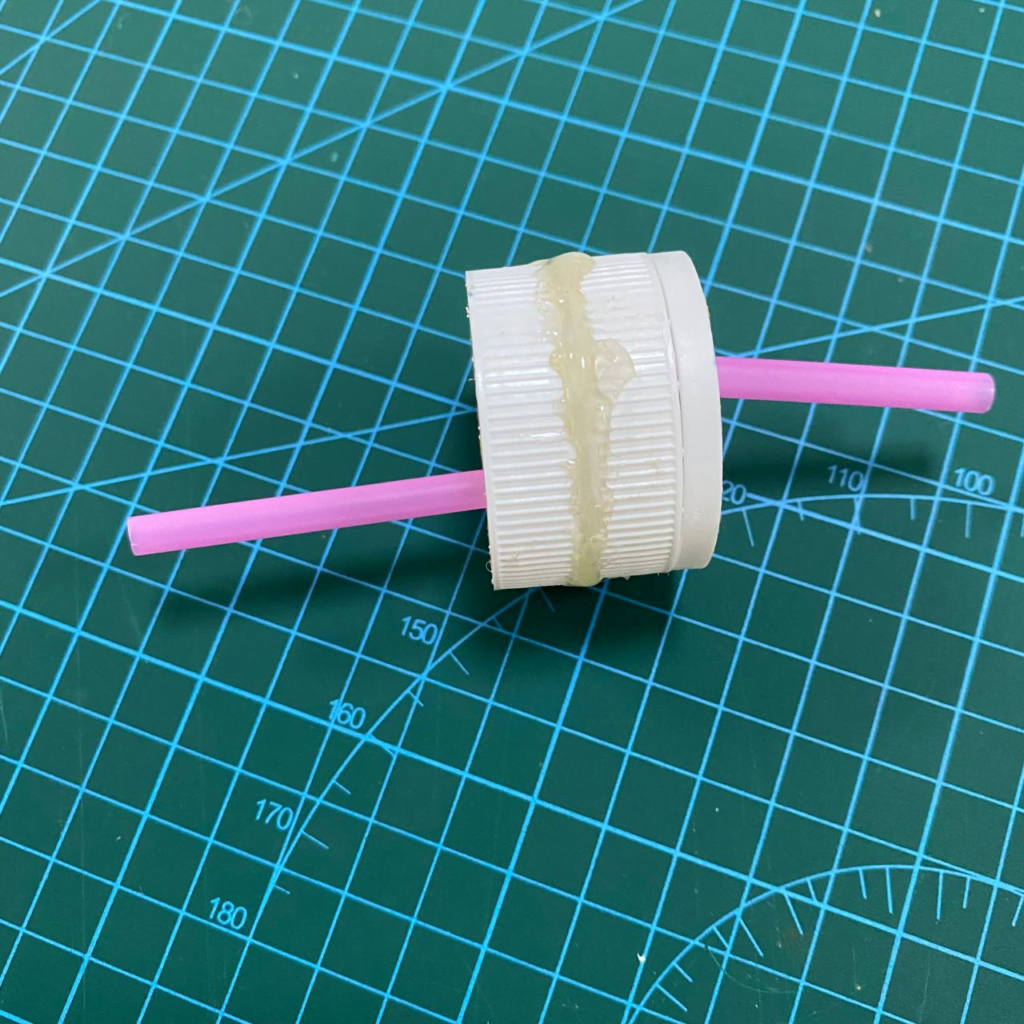
Step 7: Repeat the same operation with the second tube. The construction should come out as shown in the picture. The tubes should protrude from different sides.
Then heat seal all the holes in the lid with hot melt glue as well.
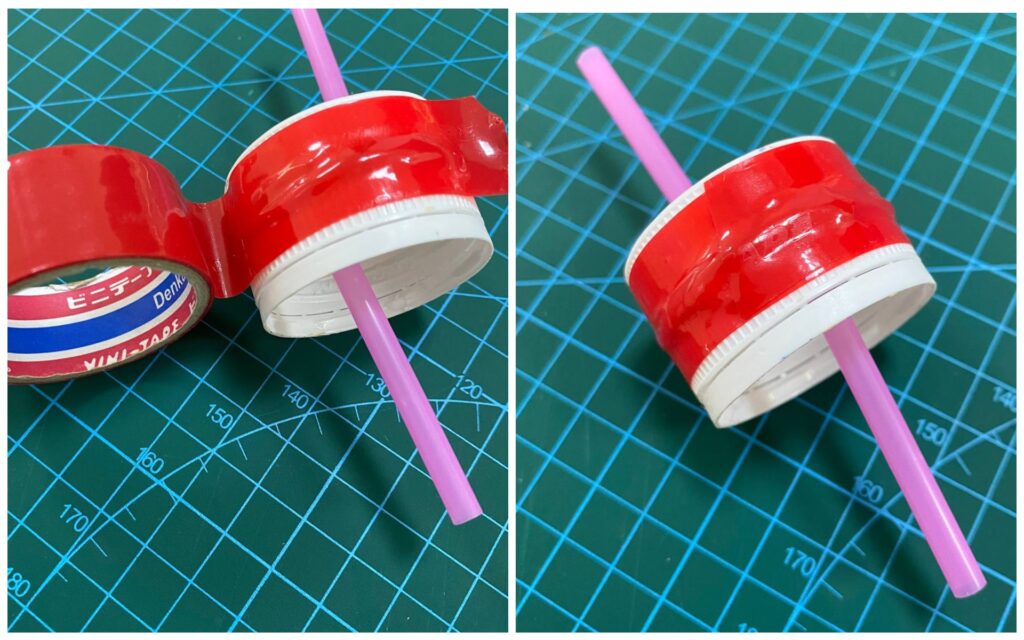
Step 8. Using scotch tape, wrap several times around the connecting pieces of the two covers.
Step 9: Take identical bottles. Pour sunflower oil down the neck of one bottle and plain tap water into the other.
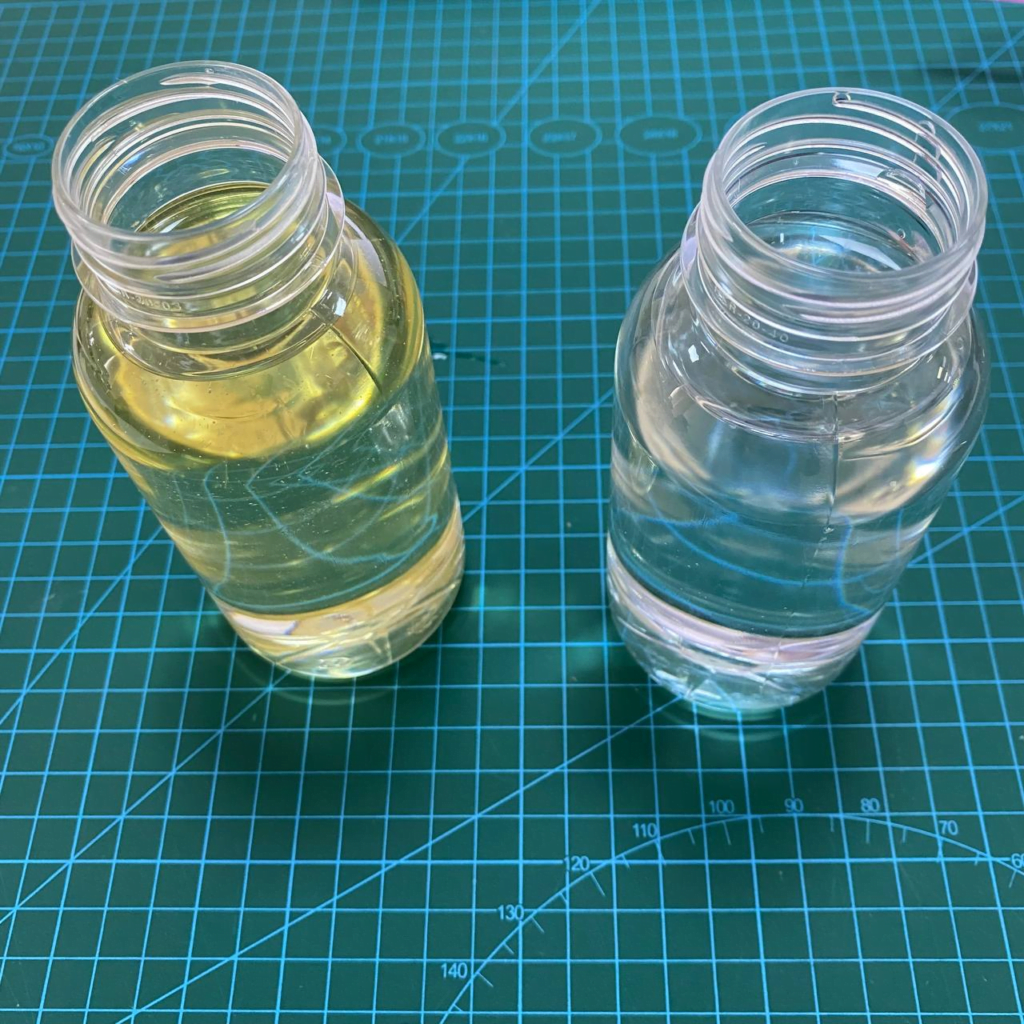
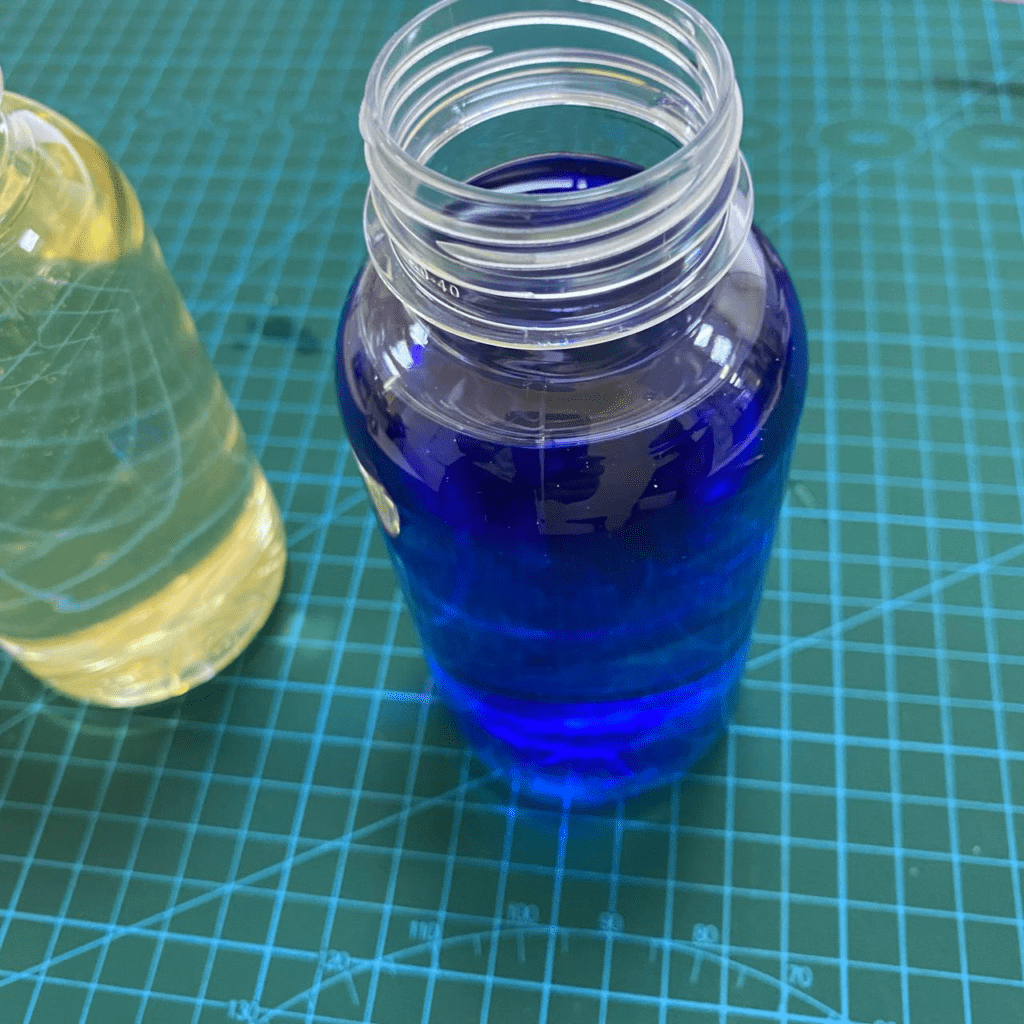
Step 10. Pour some dye into a bottle of water. any colour
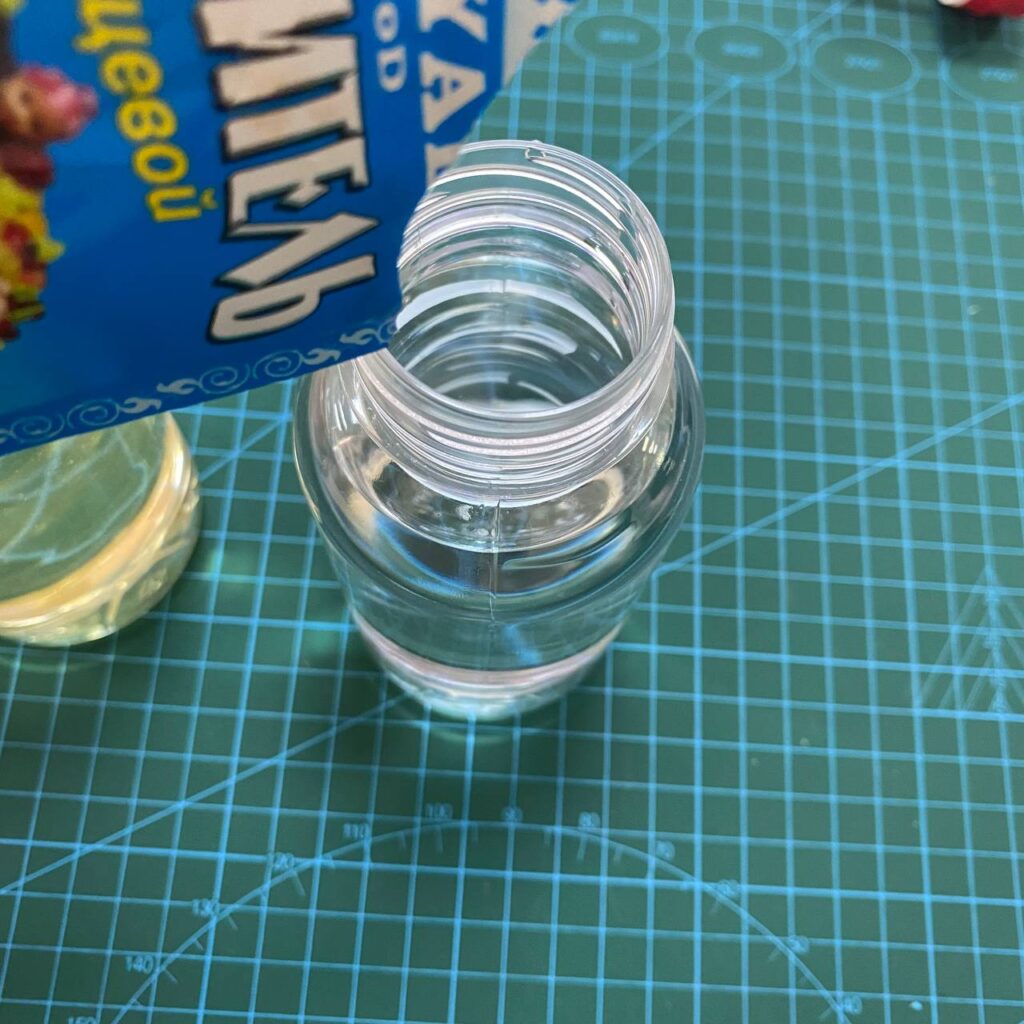
Step 11. In this project we used blue dye.
Step 12. Close tightly with the prepared lid (with tubes on both sides) on the oil bottle.
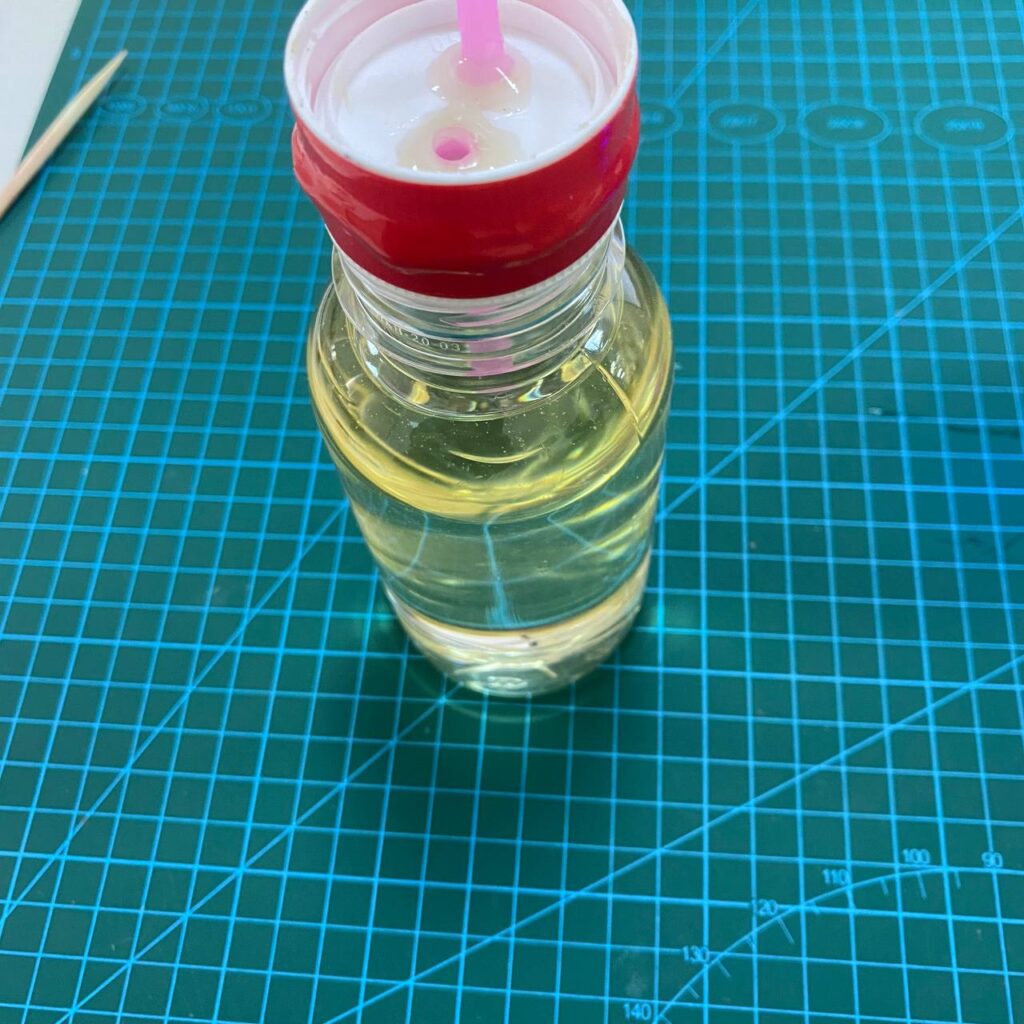
Step 13. WARNING!!! you must act quickly and swiftly!!!
DO NOT get dirty or spill on yourself.
Quickly turn the oil bottle over and fasten the back side of the cap to the water bottle. Also close the cap tightly.
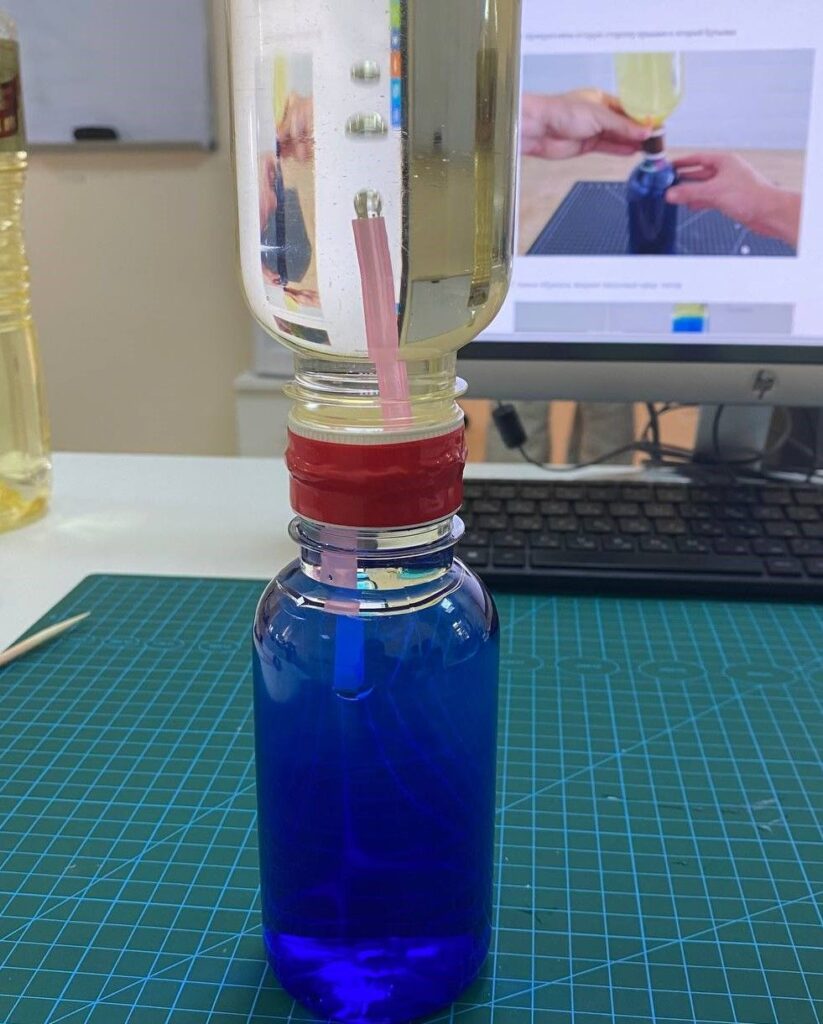
Step 14. Once you have completed the project, i.e. joined the two bottles together, it is advisable to wrap the two caps again with tape, so that no liquid leaks out.
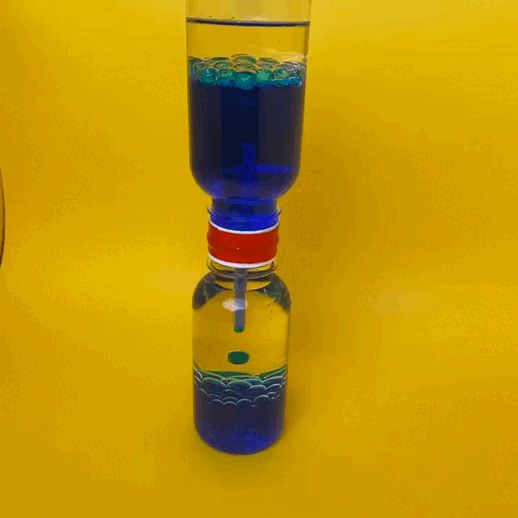
Congratulations!!!
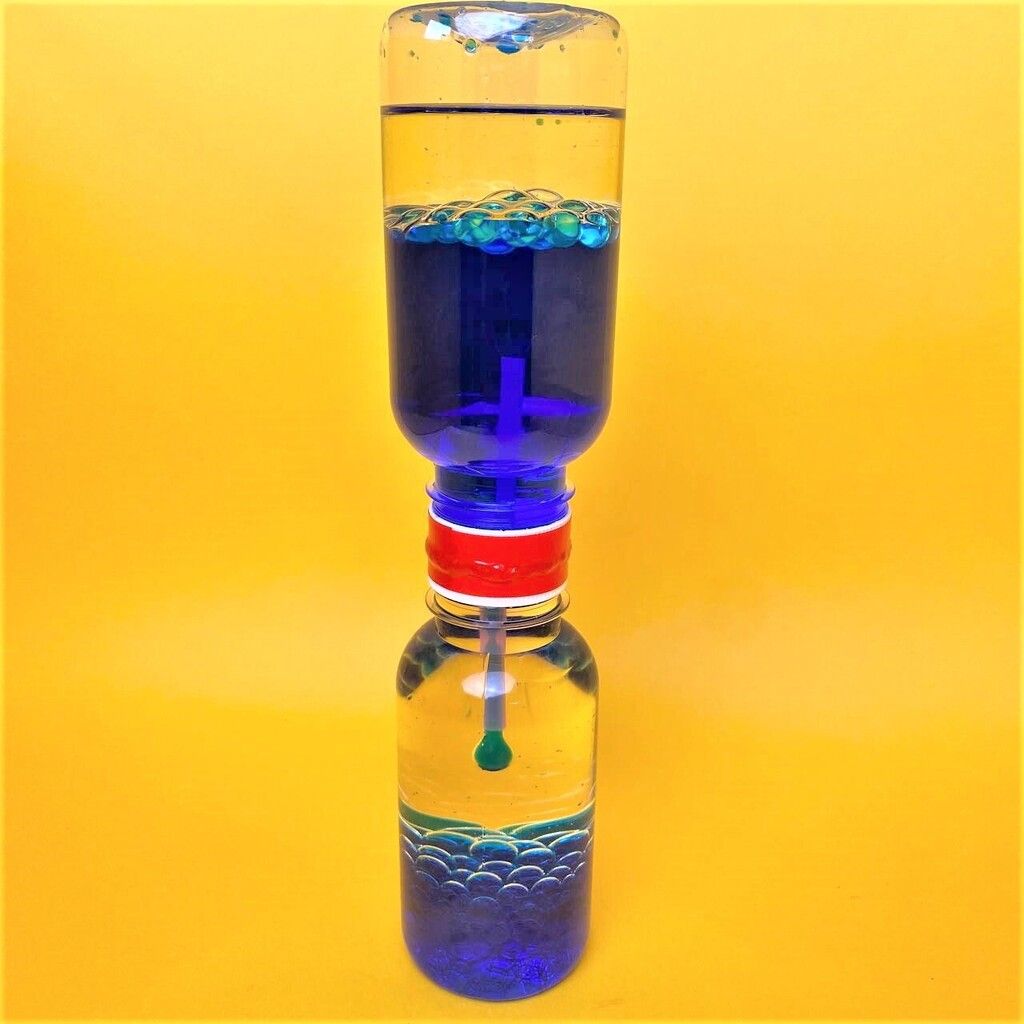
The liquid hourglass is ready!!!
Research part
Watch the droplets drip down from the upper water container in exchange for the rising oil droplets. This is beautiful. They have equal volumes and fall and rise at the same rate as the two bottles will eventually swap all their liquids. Interestingly, the timing in this case will not be completely linear as the pressure will change over time. It is still beautiful to watch the droplets collect from above and below, held together by surface tension, until they all come together. This is a great primer on density and viscosity and much more on states of matter, droplets versus bubbles and pressure.
Pupils need to count down the time on a liquid hourglass. Count how many seconds or minutes it takes for all the liquid to flow out. And you can use this time as a stopwatch for intellectual competitions.
– Why don’t oil and water mix?
– Because they have different densities and viscosities!!! Most of the vegetable oils are soluble in petrol, etc. but do not dissolve in water, because the density of the oil is less than that of water, so the oil floats on the surface of the water! And there are many other scientific explanations for this phenomenon which you will learn about in the future in subjects such as chemistry and physics.
Conclusion
In this project, the students studied timekeeping devices such as an hourglass. And based on the hourglass, they made a “liquid” hourglass out of water and oil. They measured the time. They understood how the hourglass worked.
On this project, each pupil is awarded a STEAM title, in several categories:
– You have independently researched time-measuring devices, you have also done a mini research paper, you are a real scientist!
– You independently produced a liquid hourglass. This, in turn, is a technological process. Congratulations, you are a young design engineer!
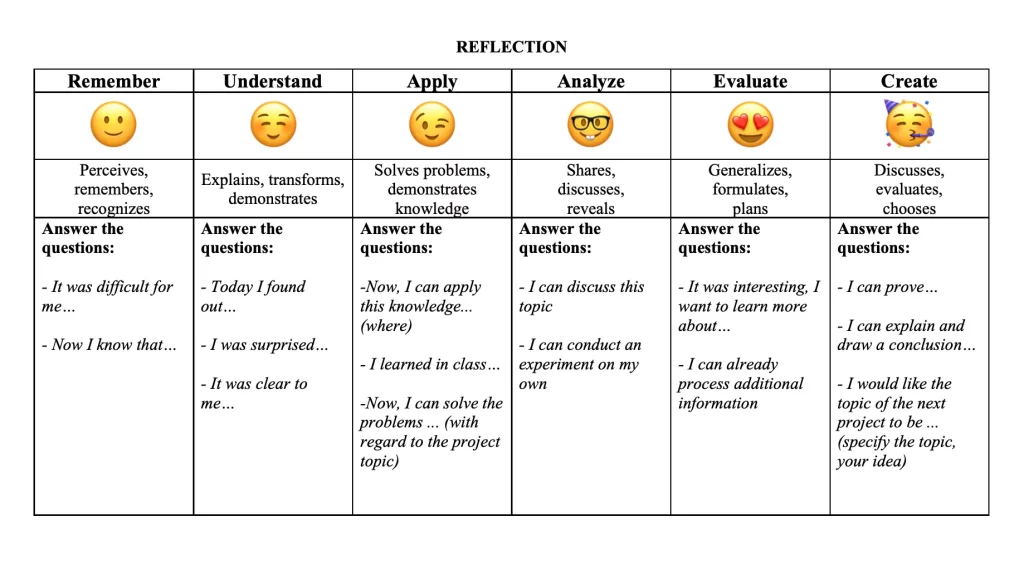
Evaluation