
Lesson 1
Teacher’s Guide
– Divide students into groups;
– Make a brief overview of the theoretical part and start the practical part.
Safety in Steam Lessons
Before starting a lesson, the teacher is advised to familiarize himself with the safety precautions. If necessary (in the case of using the items specified in the TB), conduct a brief briefing for students. Follow this link Safety in Steam Lessons
Theoretical part
Magnets can attract iron objects and are attracted to each other. They have magnetic properties. Magnets act even through various barriers, for example, from paper, glass, fabric, and wood. A magnet has two poles: south and north. If you divide the magnet in half, then both halves will have two poles. Sides with different poles attract each other, while sides with the same poles repel each other. Objects like plastic, wood, fabric, and glass are not attracted to a magnet, they do not have magnetic properties. Magnets are used very widely. They can be used to lift, hold and move metal objects. Magnets are found in almost all electronic devices that we use every day. If you disassemble, for example, headphones, mobile phones, refrigerators, and TVs, you can find magnets there. Using magnets make different toys. Today we will make one of these toys.
Practical part
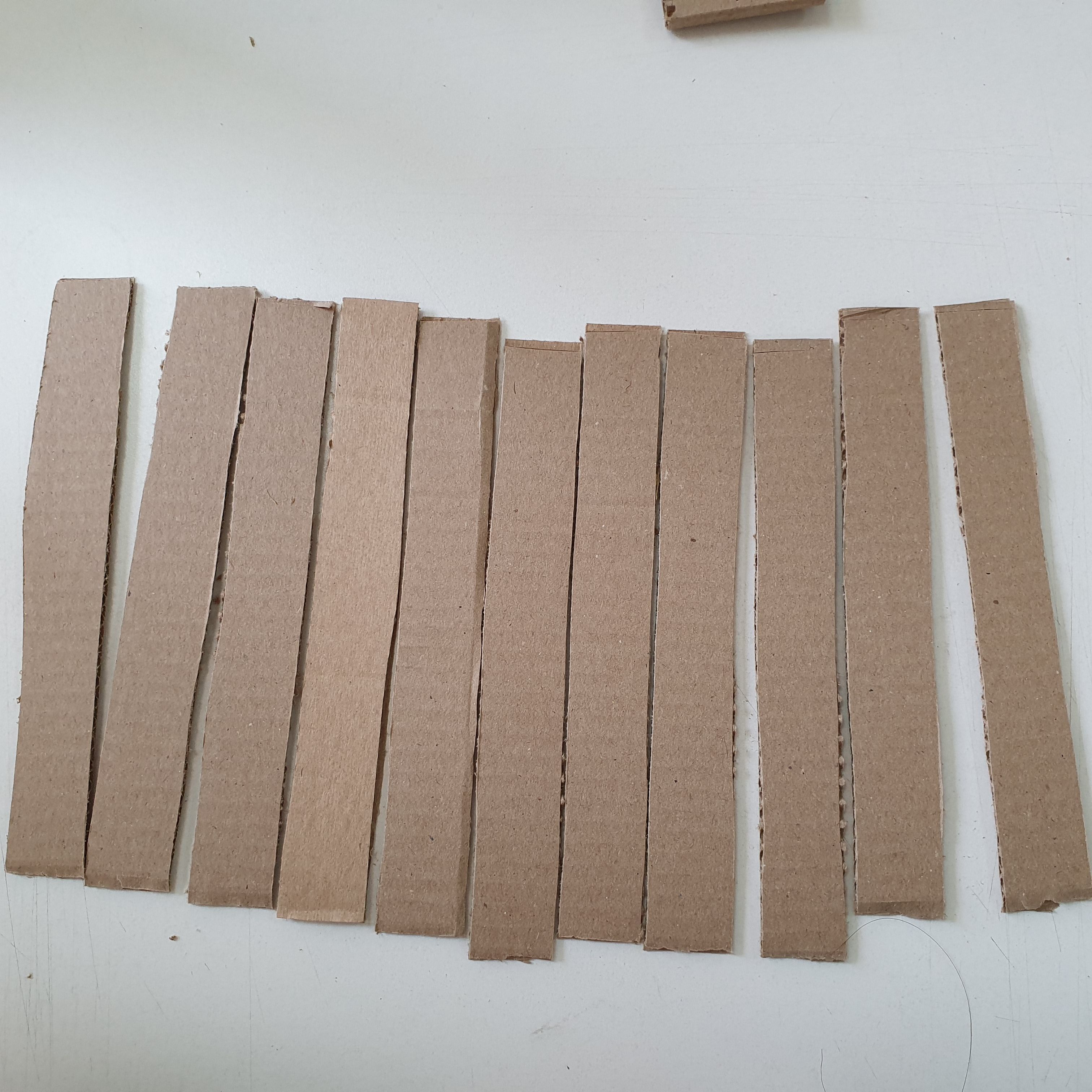
Step 1. First, let’s prepare figures for the magnetic designer. Take the cardboard and cut out a few pieces with ribbons.
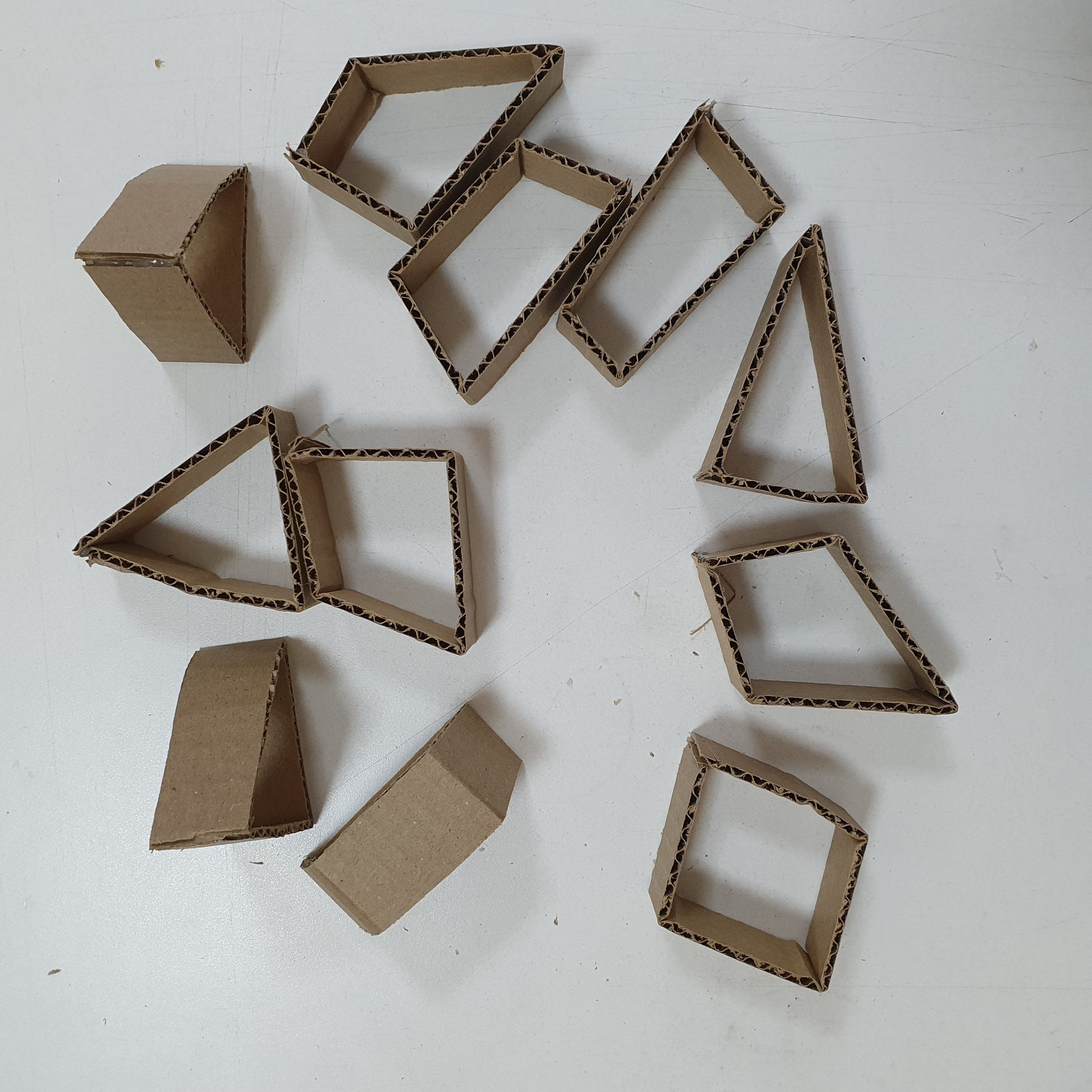
Step 2. Bending each ribbon and using glue, shape them into different shapes.
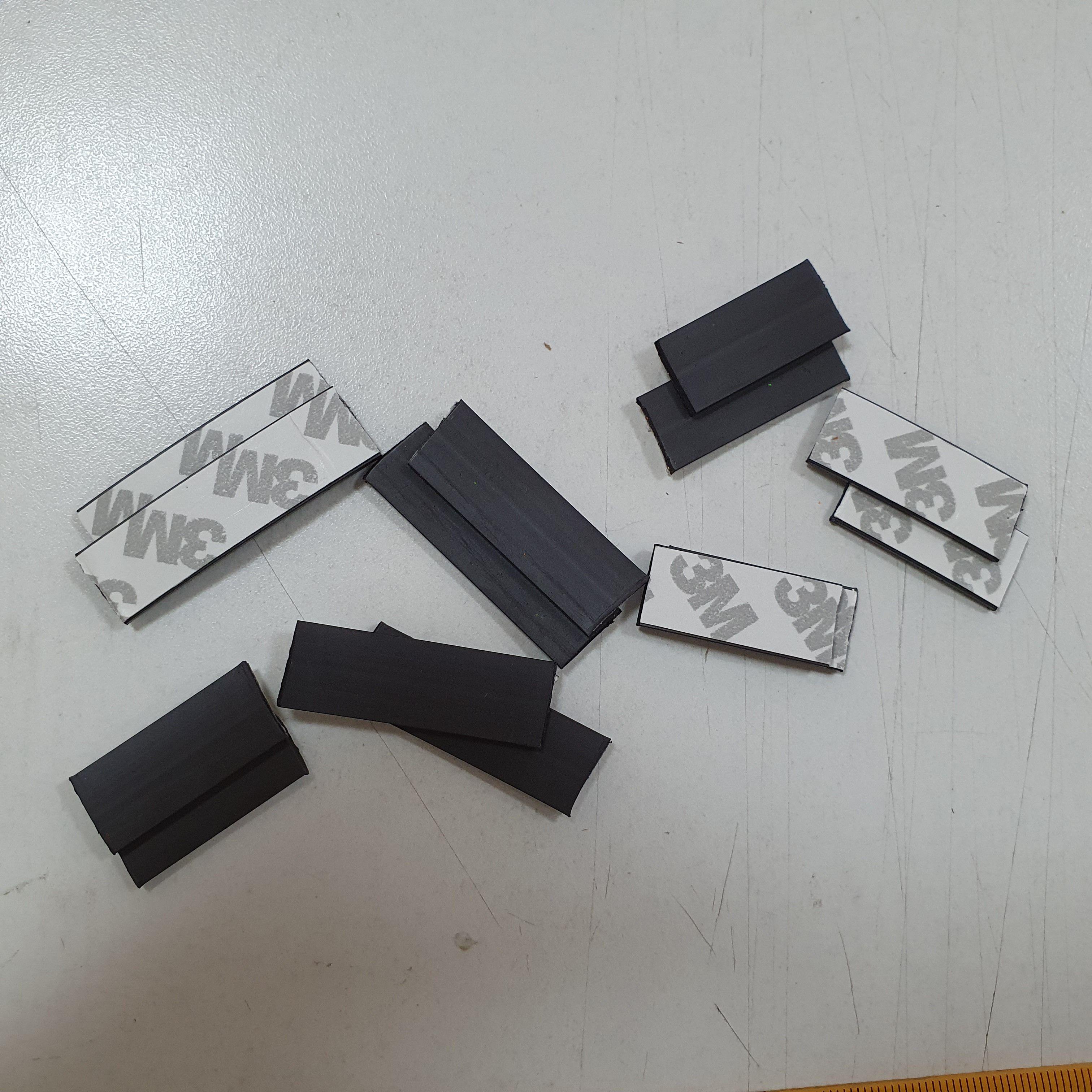
Step 3. Cut the magnetic tape into small pieces with scissors. Count how many shapes you have and divide the magnet by about twice as many. For example, if you have 6 figures, divide the magnet into 10-12 pieces. Each figurine has two magnets.
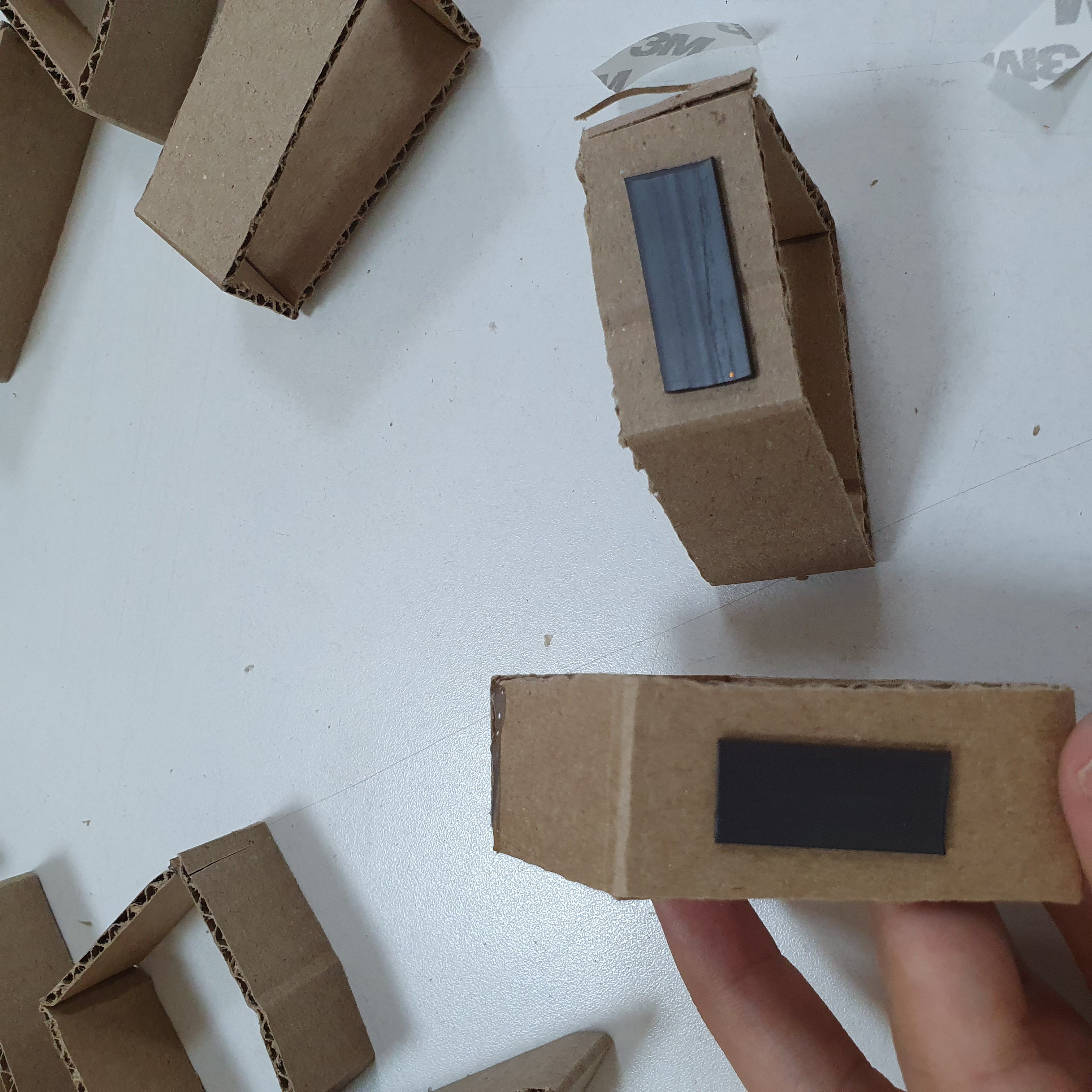
Step 4. Now glue the magnets on different sides of the figures. There are approximately 2 magnets per figure. It can be more or less.
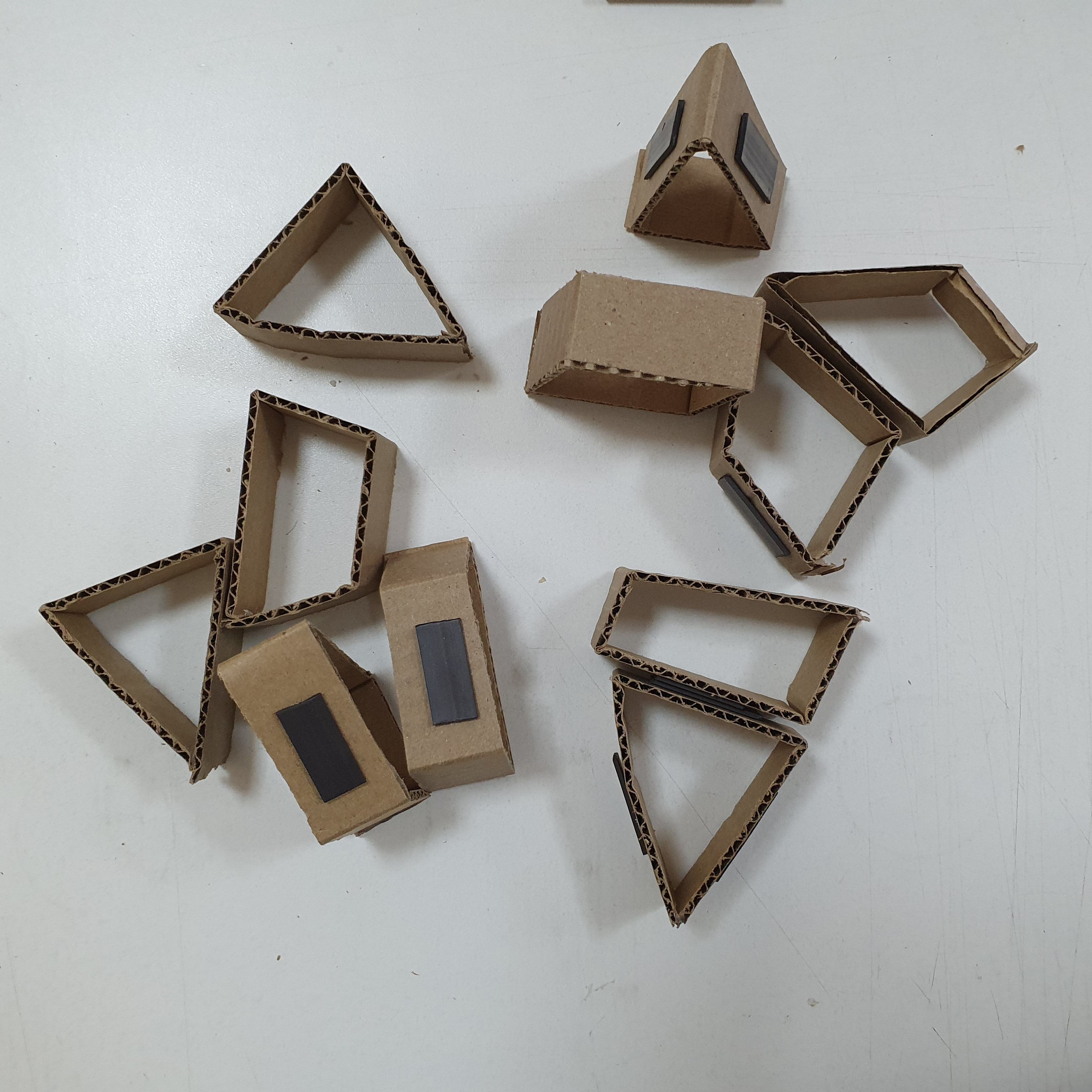
Step 5. You can color the figurines as you wish. Ready. Now you can design different large shapes.
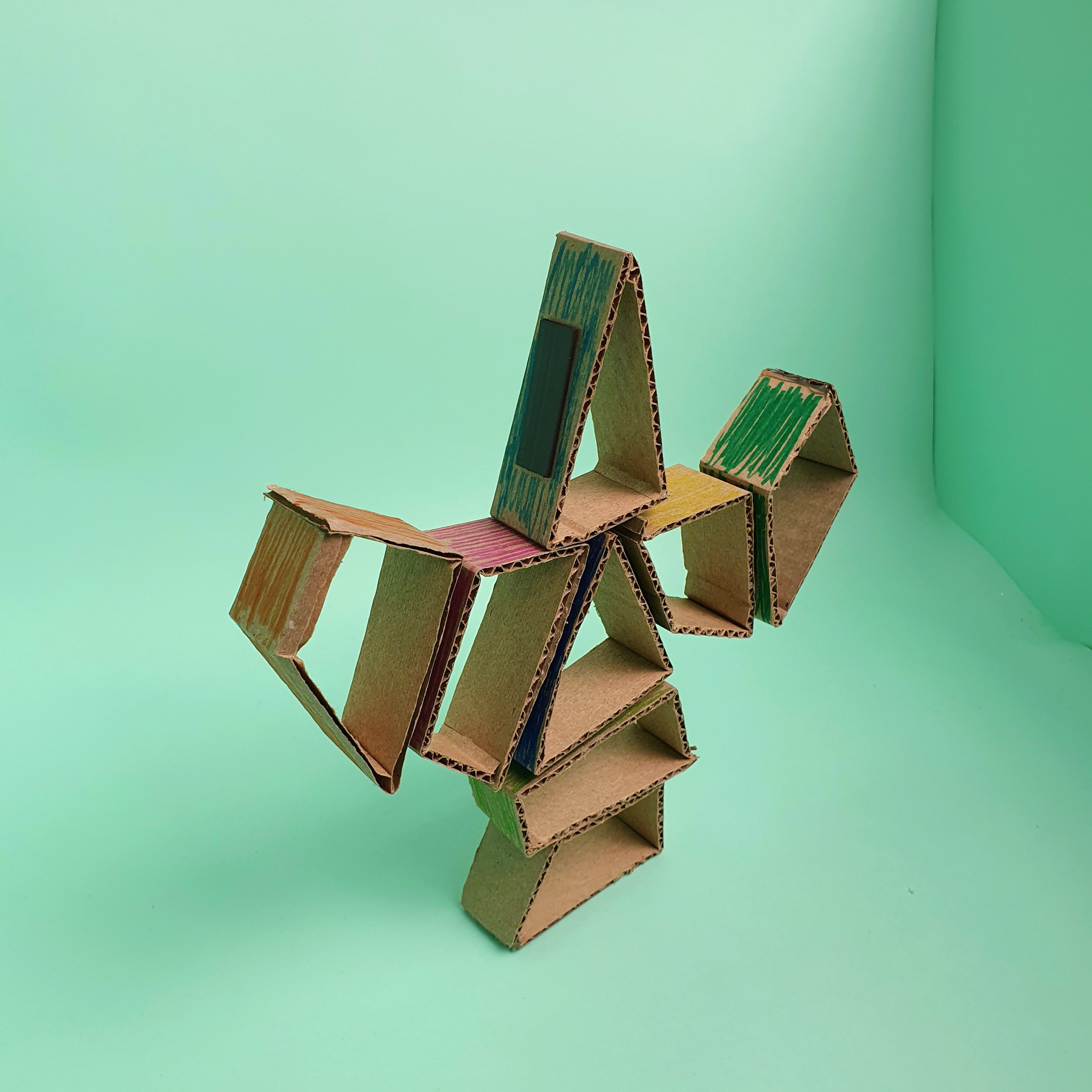
 Conclusion
In this project, students learned about the properties of a magnet. We learned where and how to use magnets and made a do-it-yourself constructor with the help of magnets.
Evaluation
PBL grading criterion:
Project-based learning is a learning method in which students acquire knowledge and skills by working on a single project to explore and find an answer to a genuine, interesting, and complex question, problem, or challenge.

