
Lesson 1
Objective of the project
1. to investigate the ability of certain bodies to transmit, absorb and reflect light.
2. To make a solar oven and apply it in real life.
Teacher’s guide
– In the experimental part of the project, pupils work in groups of 4-5.
– The students should be familiar with the topics of the ability of bodies to transmit light, etc.
– Before starting the experimental part, familiarise and provide the students with all the necessary materials.
– Give a brief instruction on how to use the hot melt glue (only the teacher uses it).
– At the beginning of the lesson explain the PBL (project based learning) rubrics to the students. 4K skills (critical thinking, collaboration, creativity, presentation).
Safety in Steam lessons
It is recommended that teachers are fully aware of the safety procedures before the beginning of the lesson. If necessary (if they are using items specified in the PPE guidelines), brief the students. Visit Safety in Steam lessons
Theoretical Part
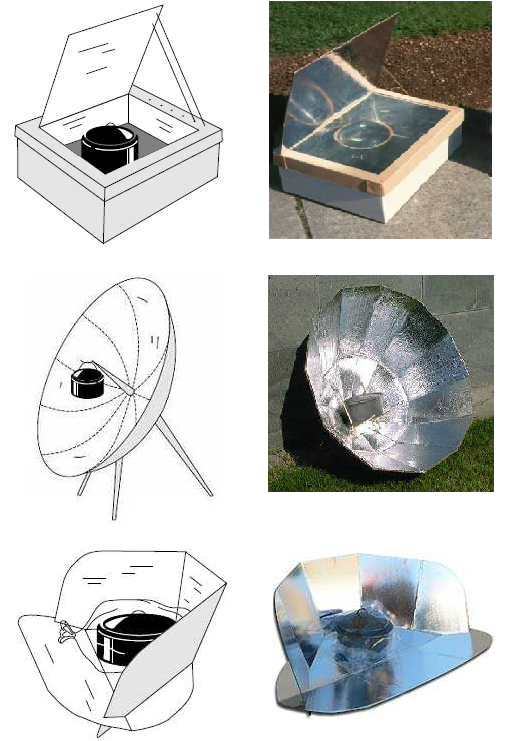
Think about how the sun’s rays (light) can be used in human life.
Light interacts with matter. Different materials can reflect, transmit or absorb light of different amounts and wavelengths.
When electromagnetic waves transmit energy, they generate light. They are measured in wavelength, frequency and speed. For example, each colour in the spectrum of visible light – red, orange, yellow, green, blue, indigo and violet – corresponds to a different wavelength and frequency.
Gamma rays, X-rays, ultraviolet radiation, infrared radiation, microwaves, radio waves and visible light make up the electromagnetic spectrum. They all travel at the same speed – the speed of light – in a vacuum, but when they come into contact with matter, they slow down.
All objects reflect and absorb some amount of light. Some also emit their own visible light, but most are visible because they reflect light into our eyes. The colour of an object depends on which wavelengths of light it absorbs and which it reflects.
Some objects let light through, meaning light passes through them. Opaque objects let little or no visible light through, translucent objects let some light through, and transparent objects let almost all light through, so we can see through them.
Some objects that transmit visible light absorb other wavelengths of light. For example, sunglasses are designed to let in visible light and absorb ultraviolet light, protecting your eyes.
By researching light absorption, transmittance and reflection you will make a solar oven from materials such as, black paper – to absorb light; foil – to reflect; and film to transmit light.
The cartoons show different kinds of homemade solar cookers.
1. https://eurosamodelki.ru/katalog-samodelok/alternativnaja-energetika/solnechnaja-pech-svoimi-rykami
Practical part of the work
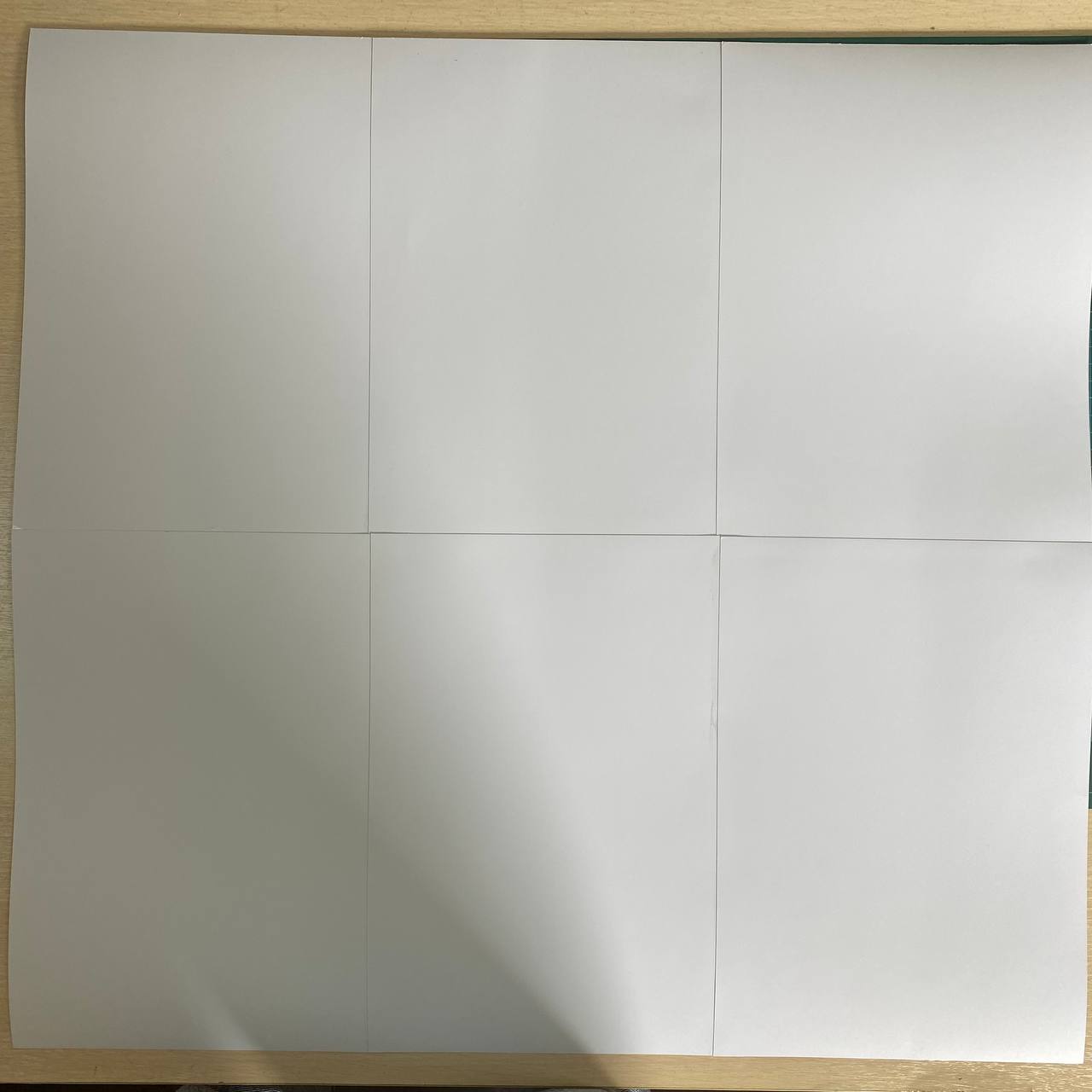
Step 1. Prepare an A1-sized piece of felt paper. Or join 6 pieces of cardboard paper (colour doesn’t matter) using paper glue.
Or you can bring any box from home and go to step 5.
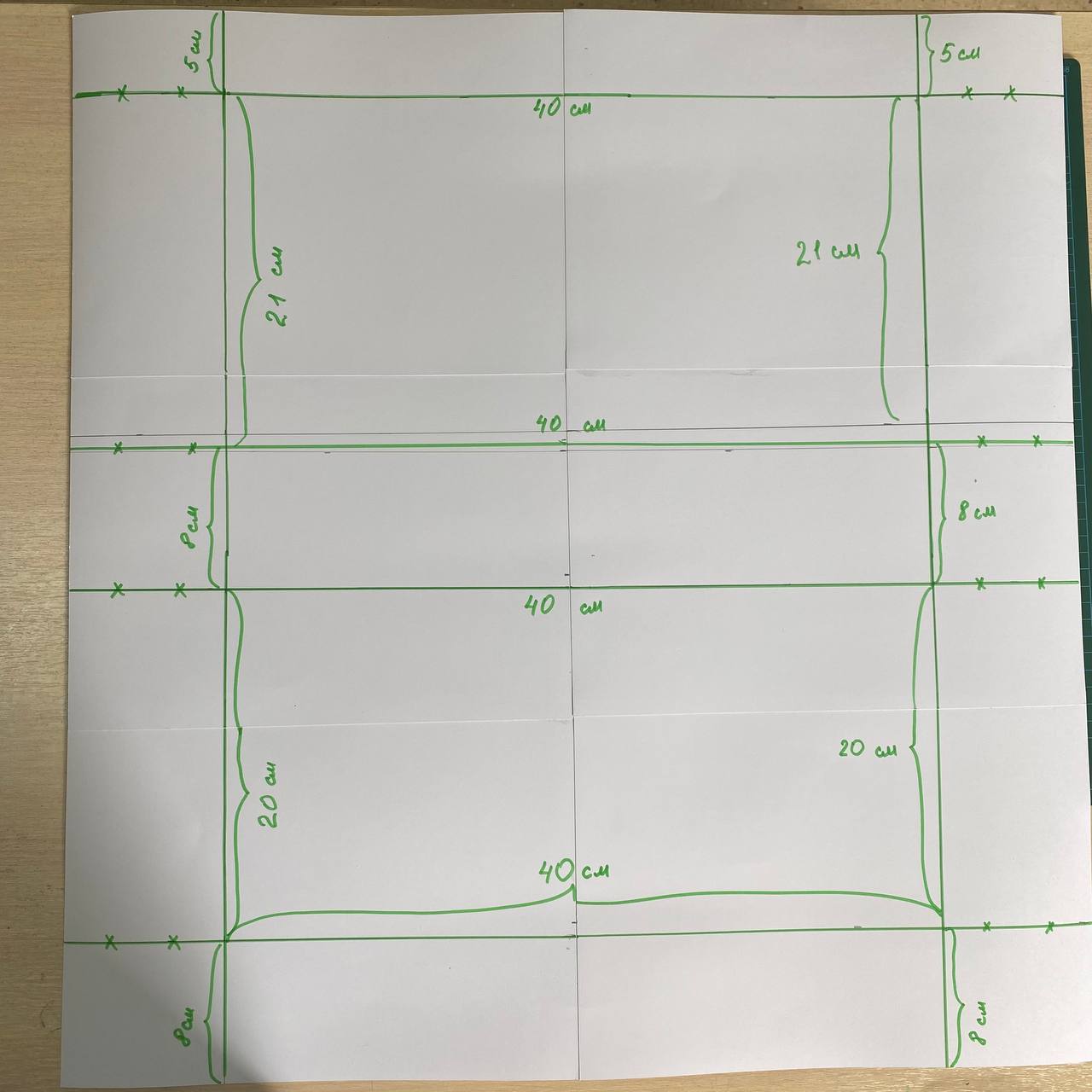
Step 2: Draw the dimensions as shown
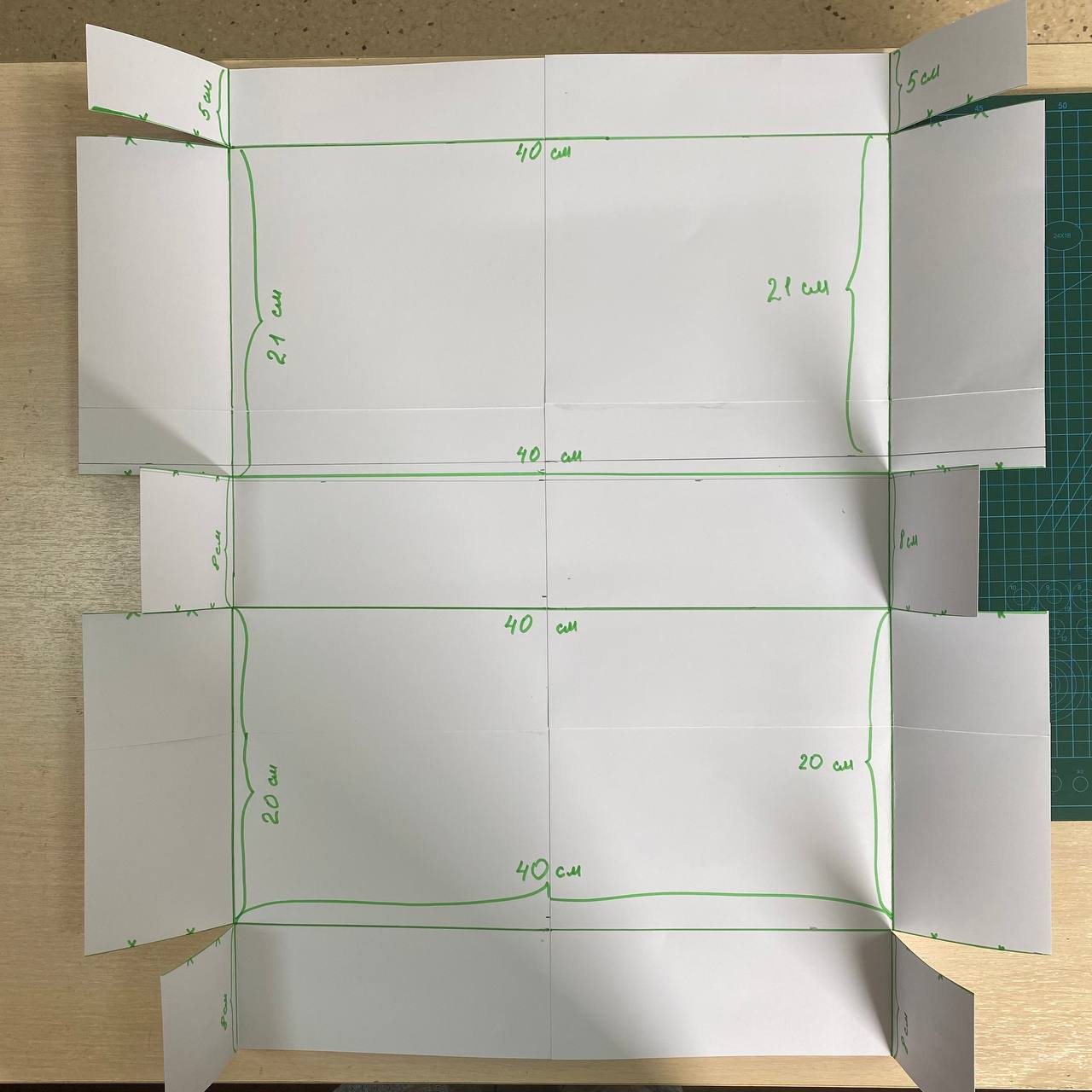
Step 3: Cut out the side cut-outs only
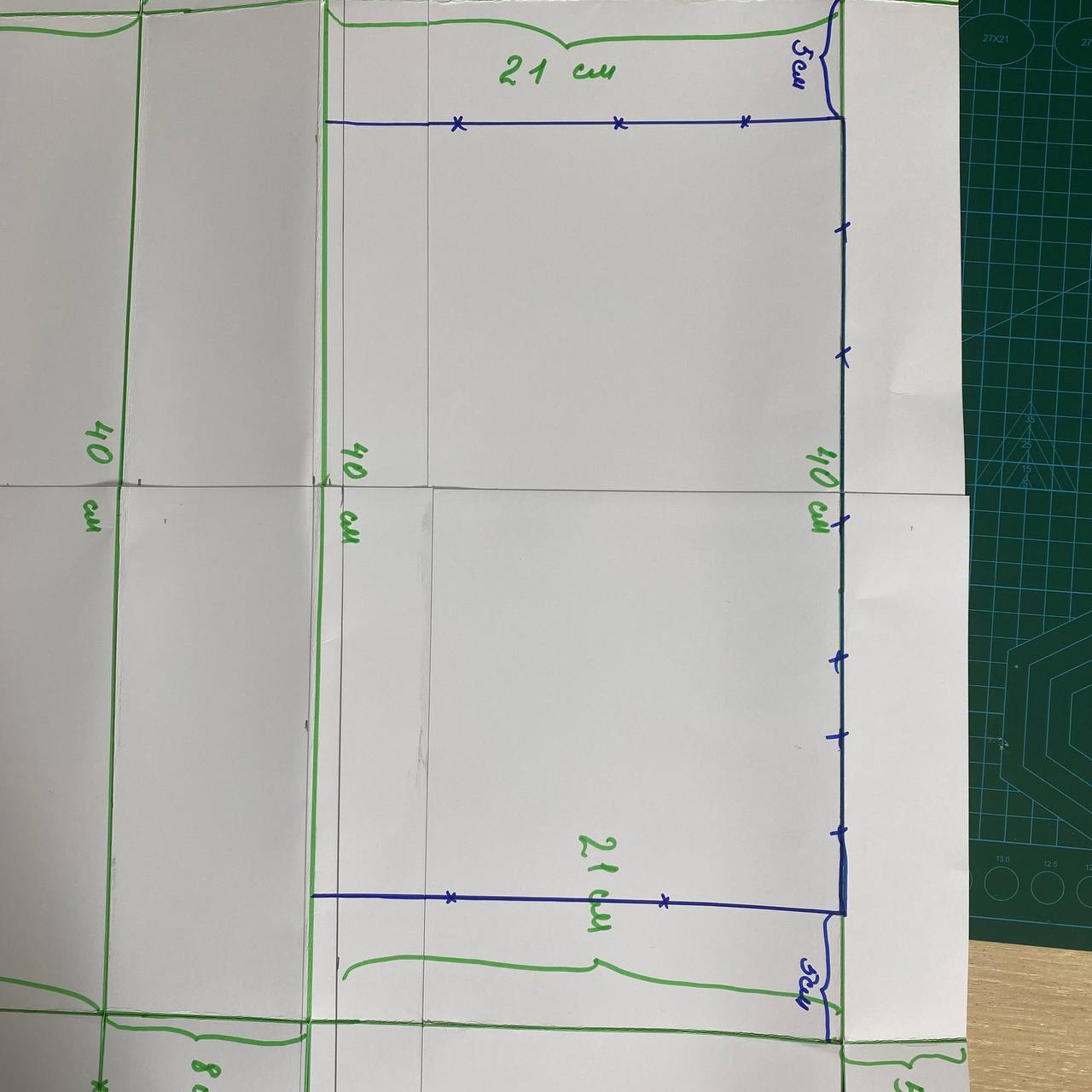
Step 4. Then draw a notch on the front side, leaving 5 cm on each side
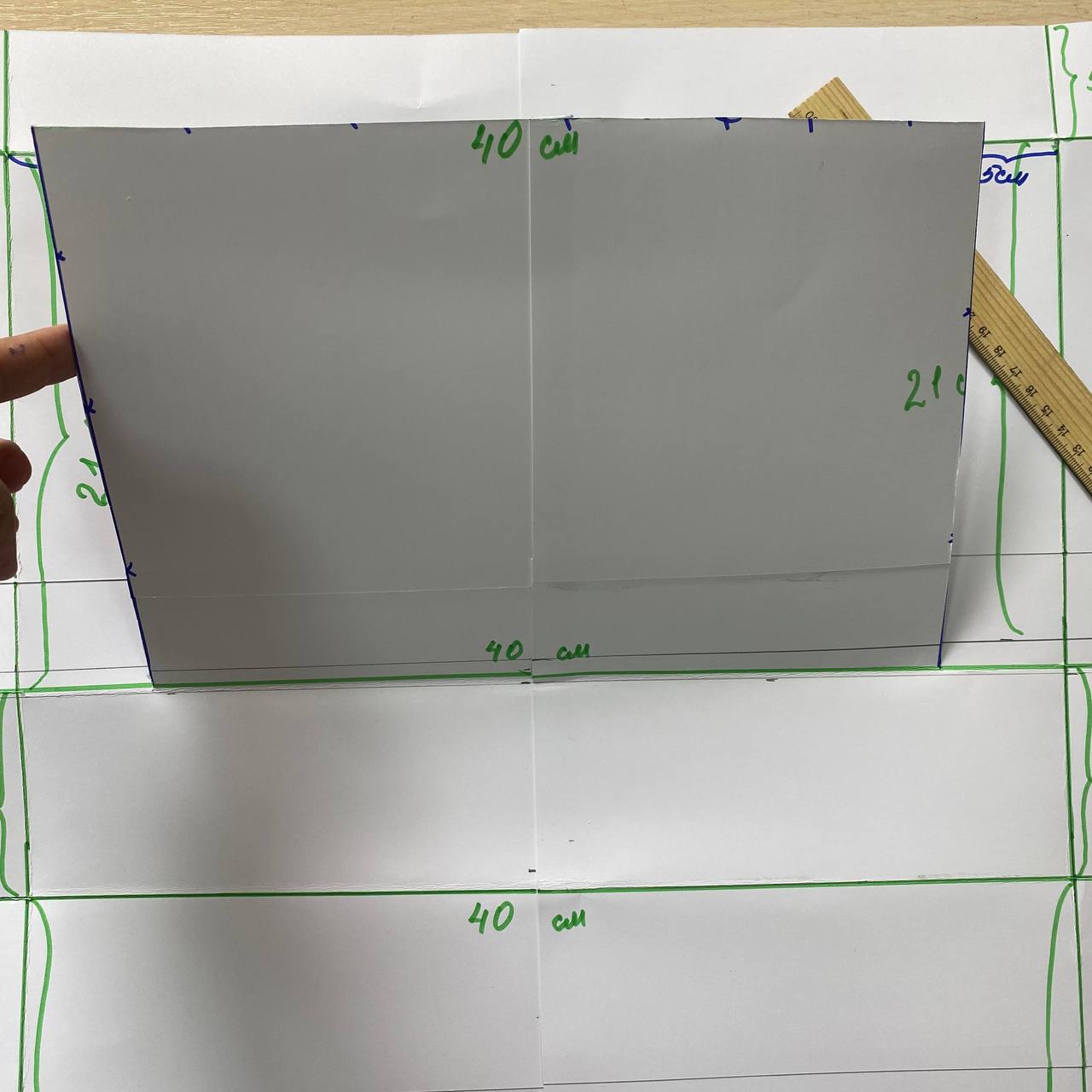
Step 5: Cut out three sides only
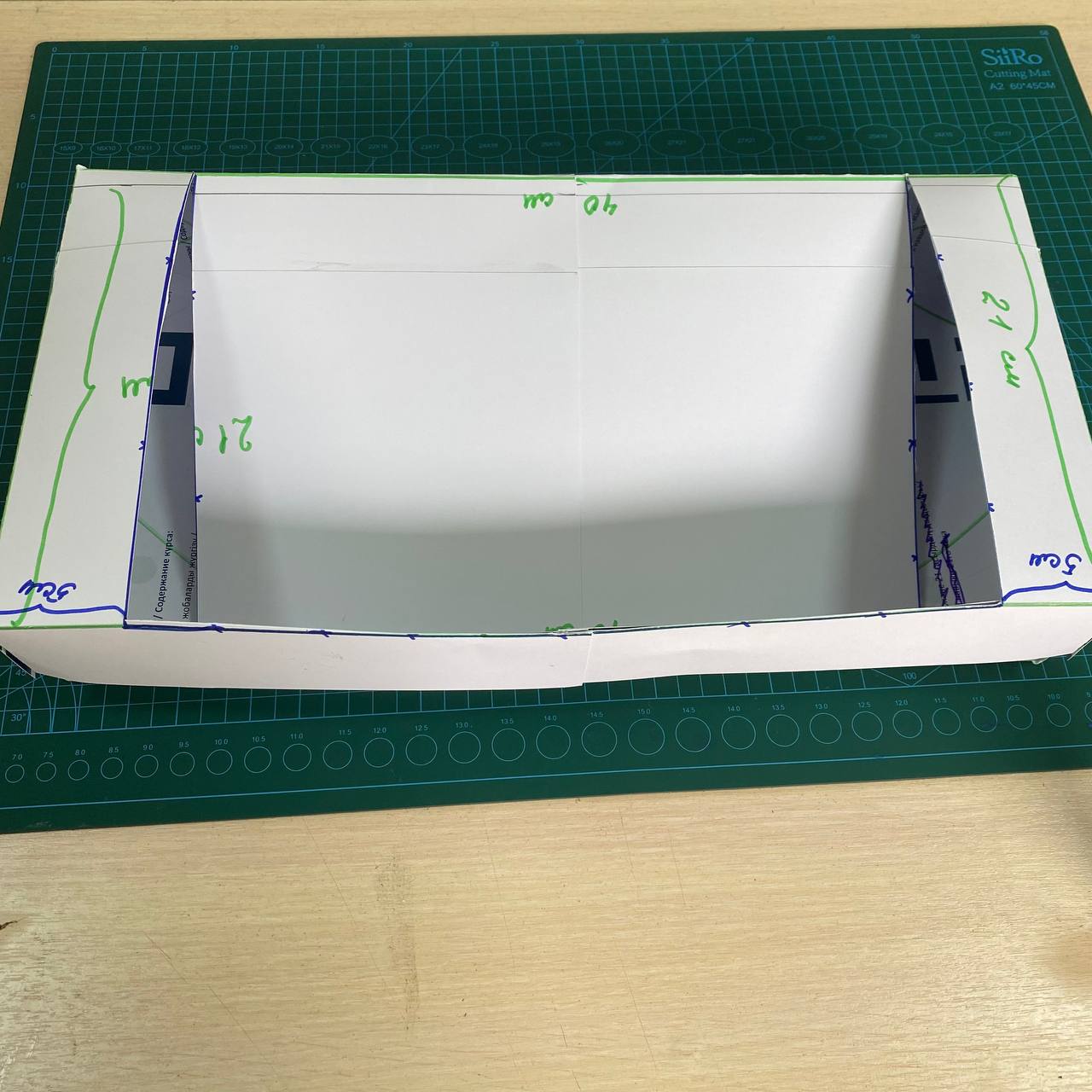
Step 6: The box with the lid cut out should come out
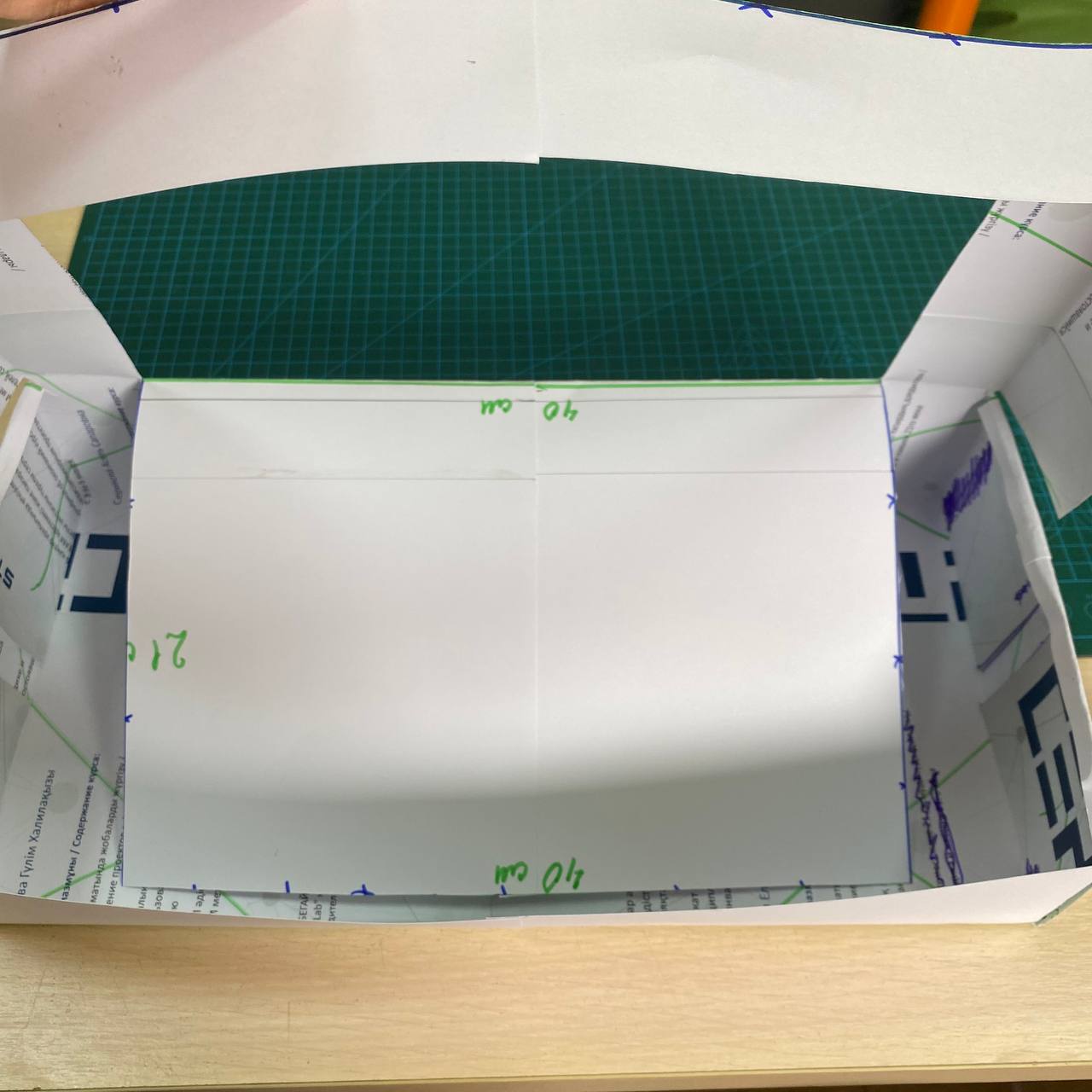
Step 7: This is the opening lid.
Homework
1. Bring to the next activity: biscuits, marshmallows and milk chocolate bars. Divide into groups.
2. These foods are needed to investigate the performance of the solar oven.