
Lesson 1
Teacher’s Guide
– Divide students into groups;
– Introduce students to the theoretical part;
– Then proceed to the practical part.
Project Goals
– Make a lightbox and develop creative skills;
– Explore the ability of different bodies to transmit light.
Theoretical part
Every day we can observe that different things transmit light in different ways. For example, a glass of water and a glass of cola. Which of them transmits light and which does not? Transparent objects transmit light, but non-transparent objects do not. Some objects do not conduct light well. Such objects are called translucent. If you look through them, things are not visible.

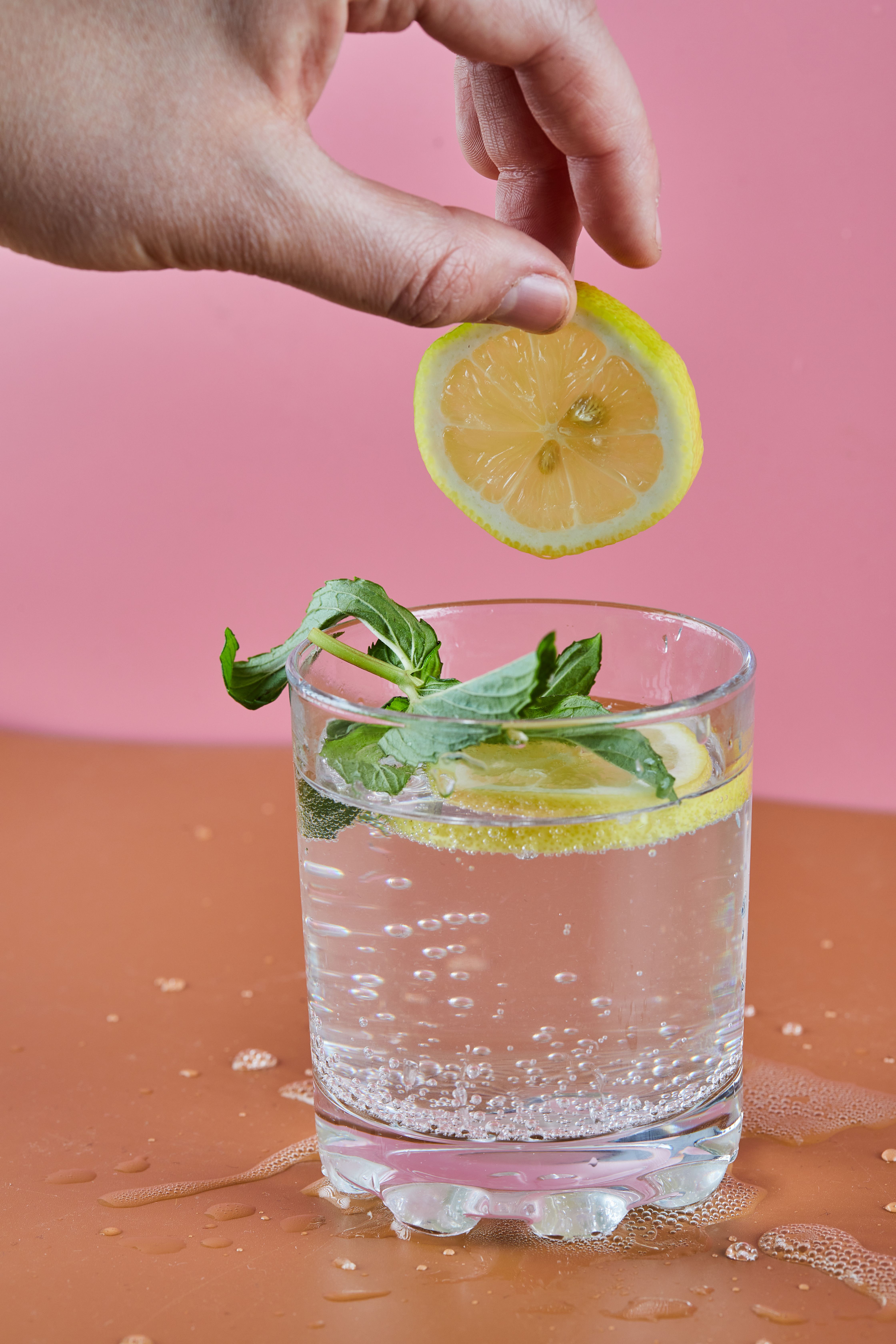
<a href=’https://www.freepik.com/photos/lemon-drink’>Lemon drink photo created by azerbaijan_stockers — www.freepik.com</a>
<a href=’https://www.freepik.com/photos/lemon-water’>Lemon water photo created by azerbaijan_stockers — www.freepik.com</a>
If you need to view the space around, use transparent materials such as glass, polyethylene, or crystal. Opaque materials are needed to limit the visibility of spaces. For example, brick walls, and wooden and metal doors.
Practical part
Step 1. Prepare cardboard papers approximately according to these dimensions. On one, make a cutout as in the picture.
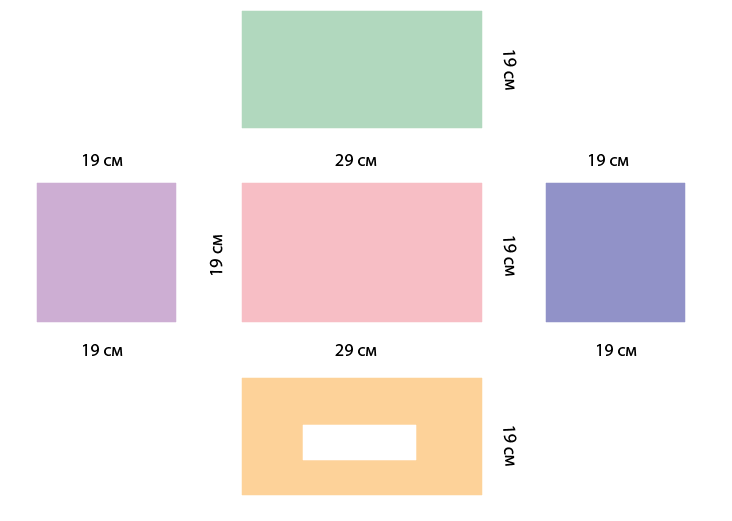
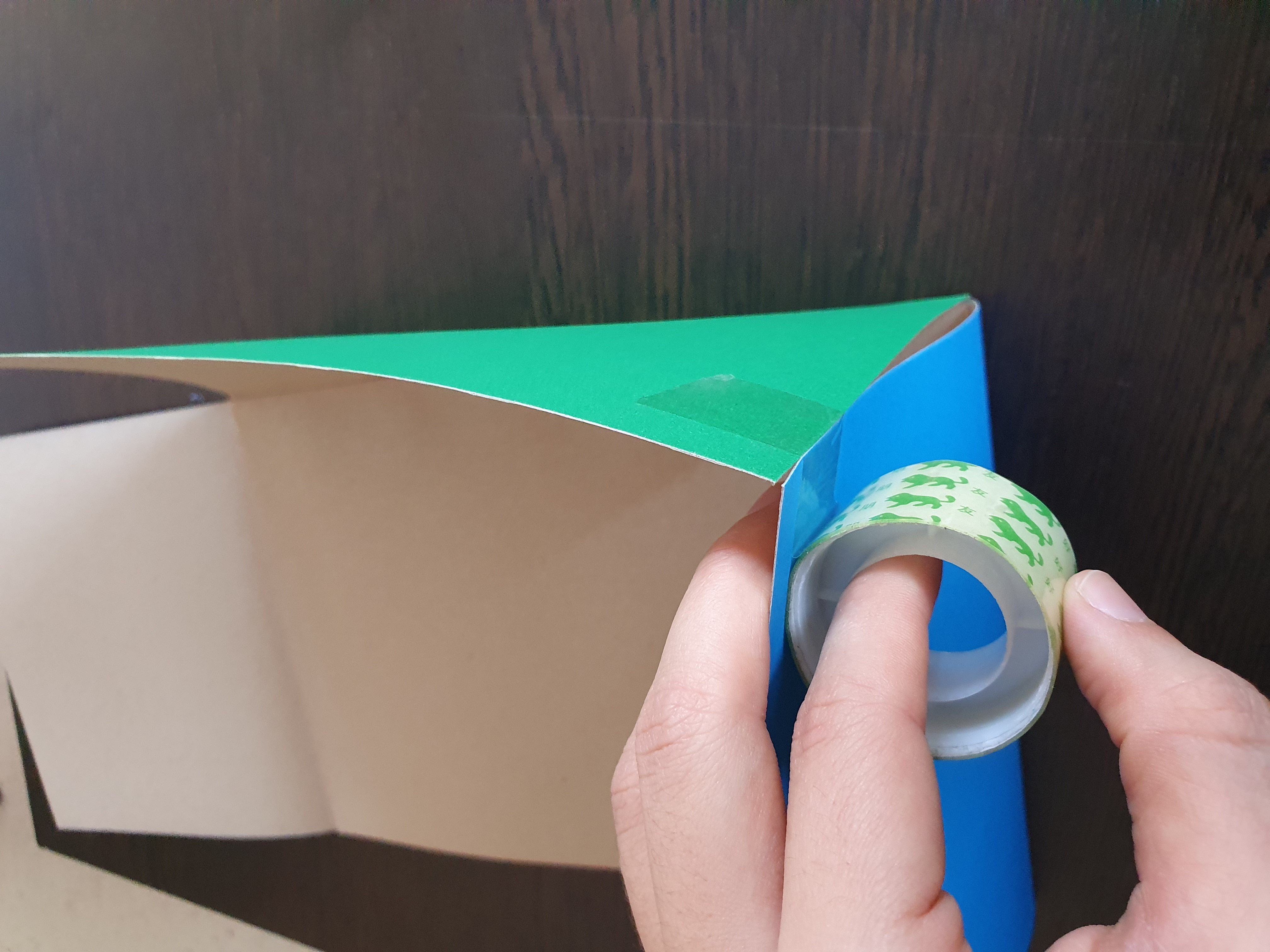
Step 2. Connect the parts with duct tape and glue to make the box come out.
Step 3. Take a stationery file, open and close it at the top. Tape it around with duct tape to keep it tight.
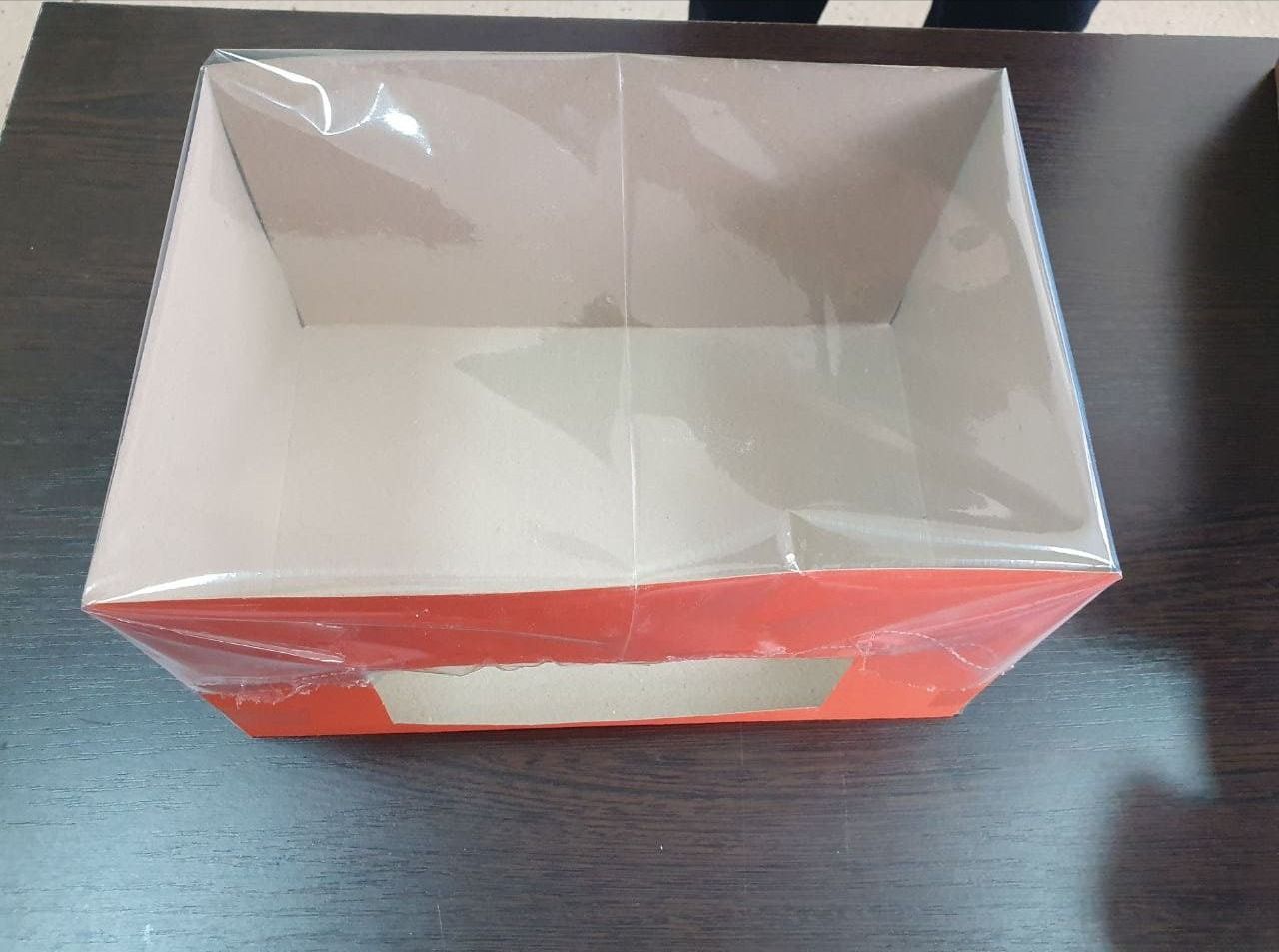
Our box is ready. Now we will see how different objects transmit light. To do this, we will continue to make our lightbox.

Step 4 Sprinkle semolina or sand over the film.
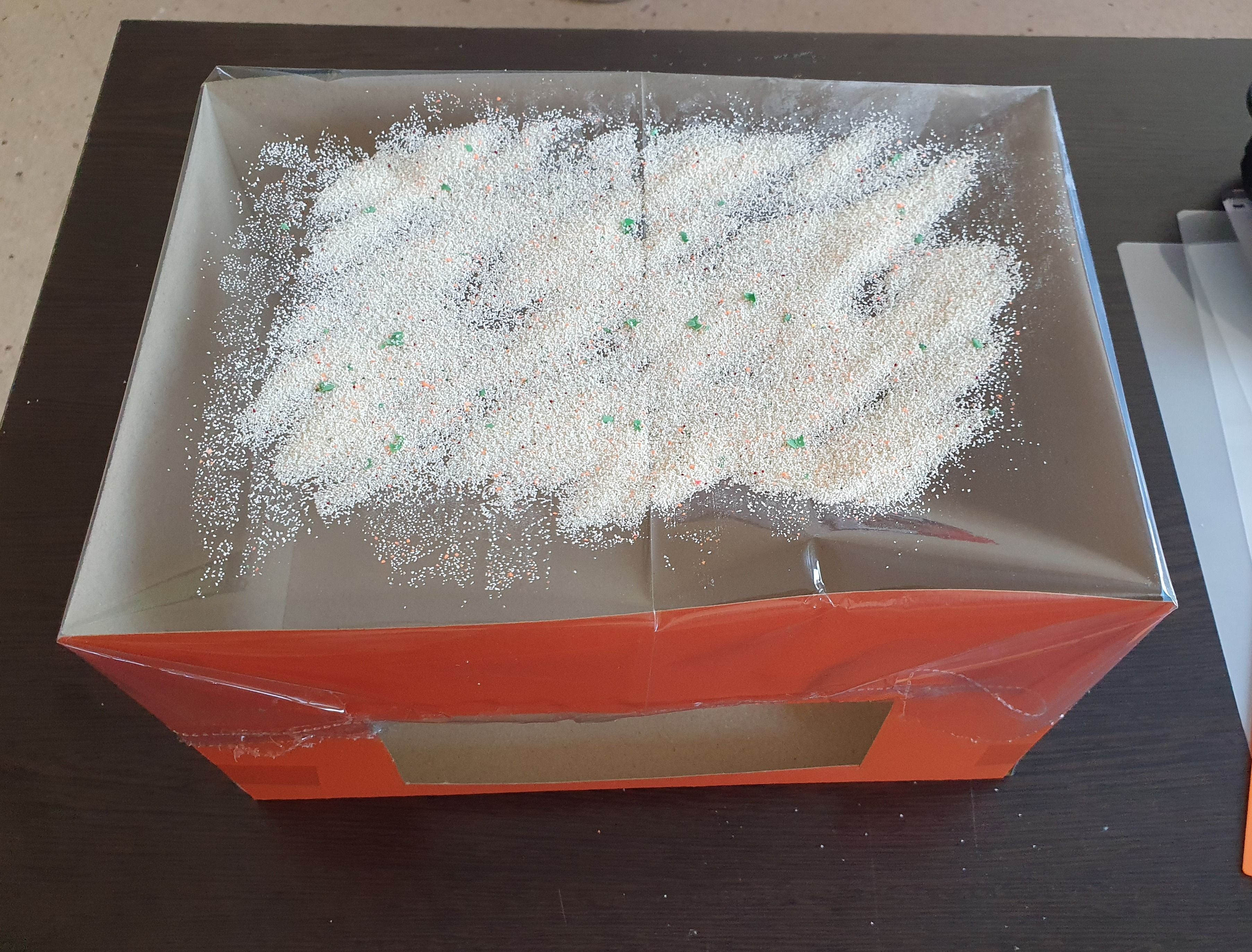
Step 5. Turn on the flashlight from the phone and place it inside the box through the hole.
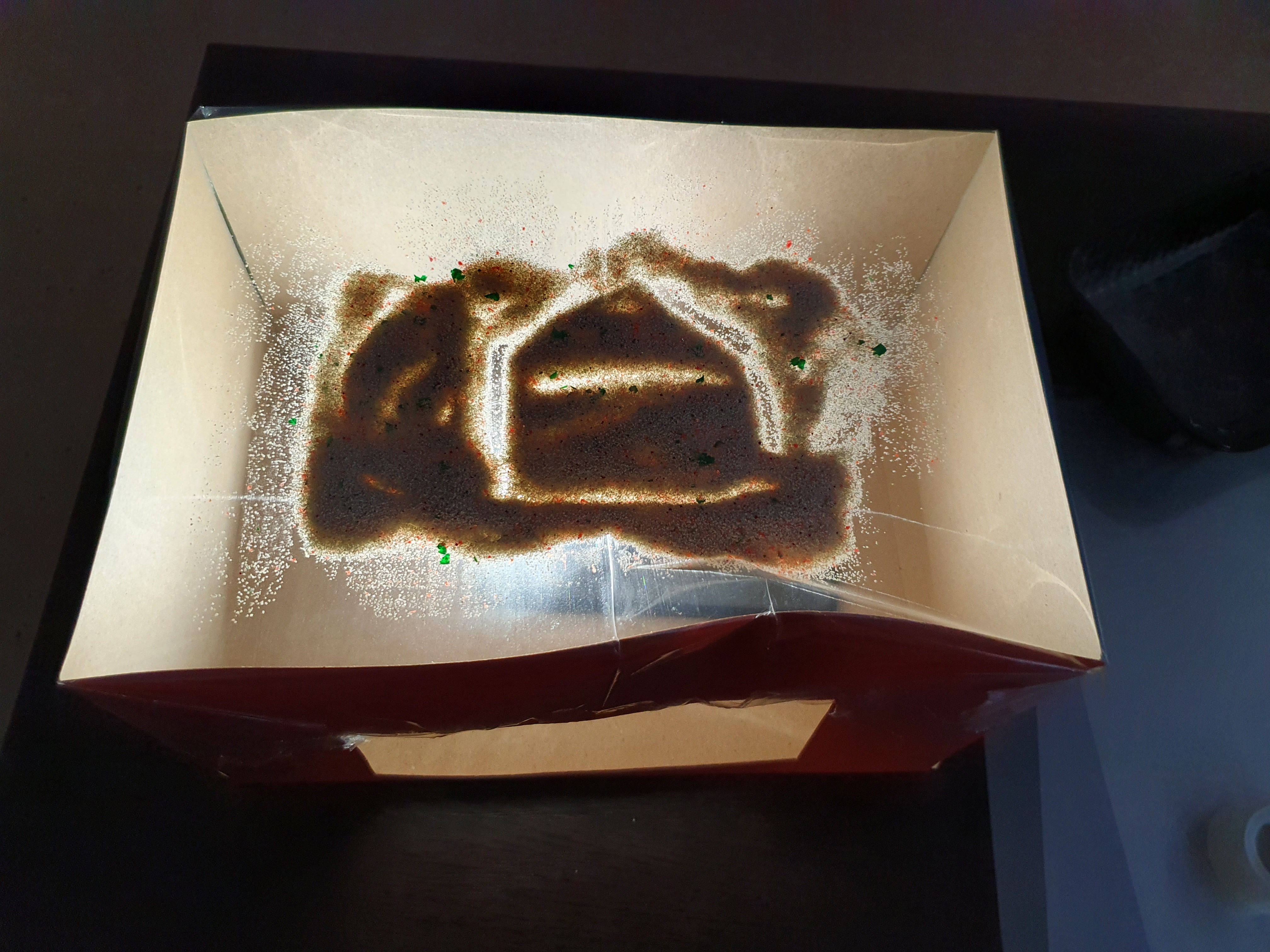
Done, you can draw in the sand. As you can see, the transparent film completely transmits light, and light does not pass in places of a dense accumulation of sand. Therefore, we can create such beautiful drawings with sand and light.
Conclusion
In this project, the students saw that light passes through different objects in different ways. To see this and at the same time have a fun lesson, they made a lightbox.
Evaluation
PBL grading criterion:
Project-based learning is a learning method in which students acquire knowledge and skills by working on a single project to explore and find an answer to a genuine, interesting, and complex question, problem, or challenge.

