
Lesson 1
Teacher’s Guide
– Tell the students about the topic of the lesson;
– At the beginning of the lesson, play a game with students guessing the sources of sounds;
– Then make a musical instrument;
– Each student will work individually.
Project Goals
– Distinguish between natural and artificial sources of sound.
Theoretical part
Sound is waves propagating from a source in different directions. It comes from vibrations of the source. For example, when we touch the strings of a guitar, they vibrate and make a sound. And if you stop the oscillation with your hand, then the sound will stop. Listen, there are many different sounds around us. What do you hear? What makes these sounds? The sources of sounds are natural and artificial.
Sounds of nature refer to natural sounds. Sounds made by people, animals, band birds, the sound of water in the sea, the sound of rain, and all other sounds of nature are natural sources of sound. Man invented artificial sound sources. These include the sounds of cars, telephones, the sounds of coins, the rustling of a package, the sound of glass glasses, the sounds of rattles and musical instruments, etc.
And now let’s play a game and guess the sources of sounds. (Click on sound numbers to open)
| Sound | Source | Natural/Artificial |
| Sound №1 | ||
| Sound №2 | ||
| Sound №3 | ||
| Sound №4 | ||
| Sound №5 | ||
| Sound №6 | ||
| Sound №7 | ||
| Sound №8 | ||
| Sound №9 | ||
| Sound №10 | ||
| Sound №11 | ||
| Sound №12 | ||
| Sound №13 | ||
| Sound №14 | ||
| Sound №15 |
Practical part
To consolidate the theme, we will make a musical instrument from improvised means.
Step 1. Take 6 tubes and cardboard paper.
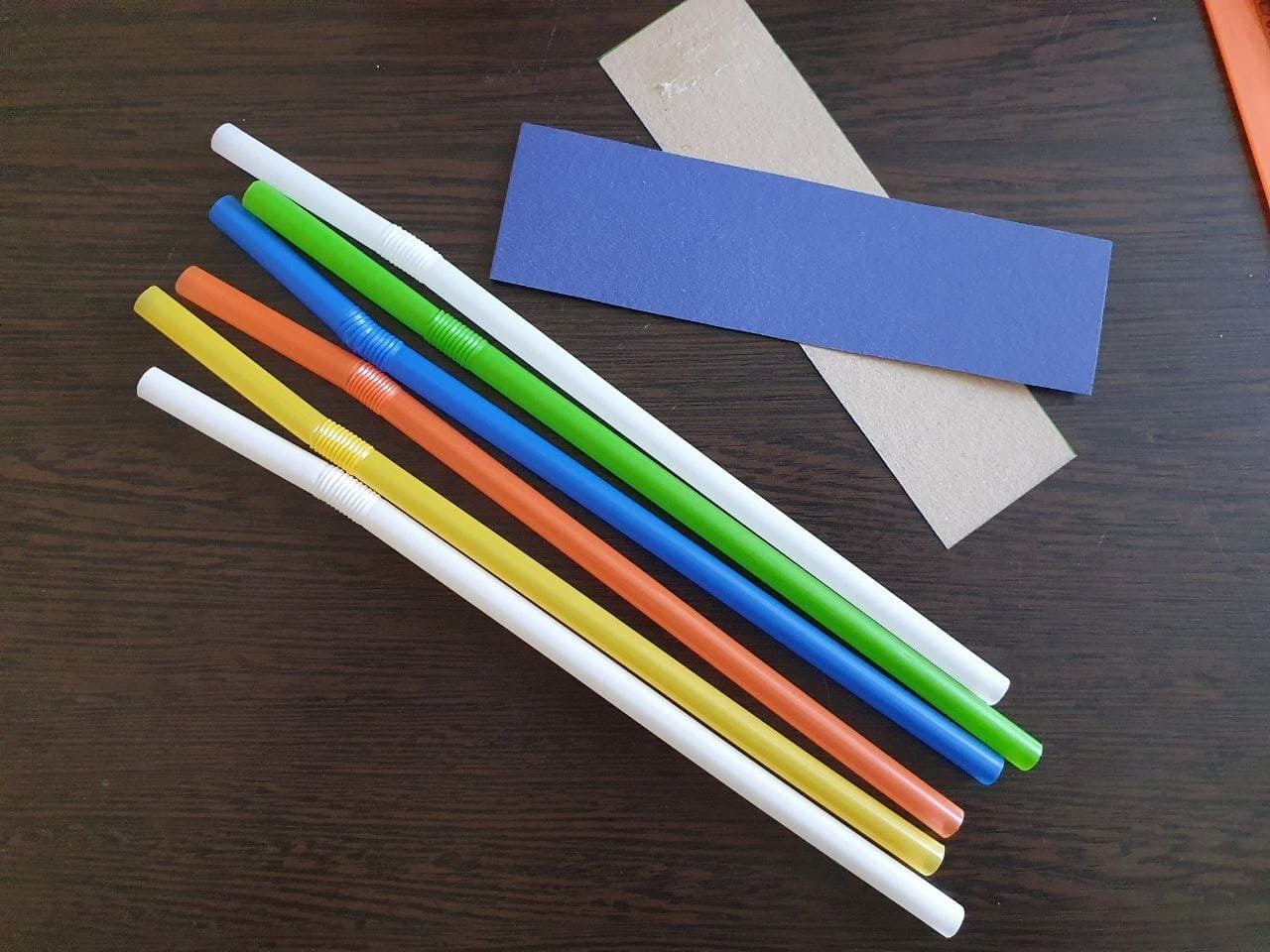
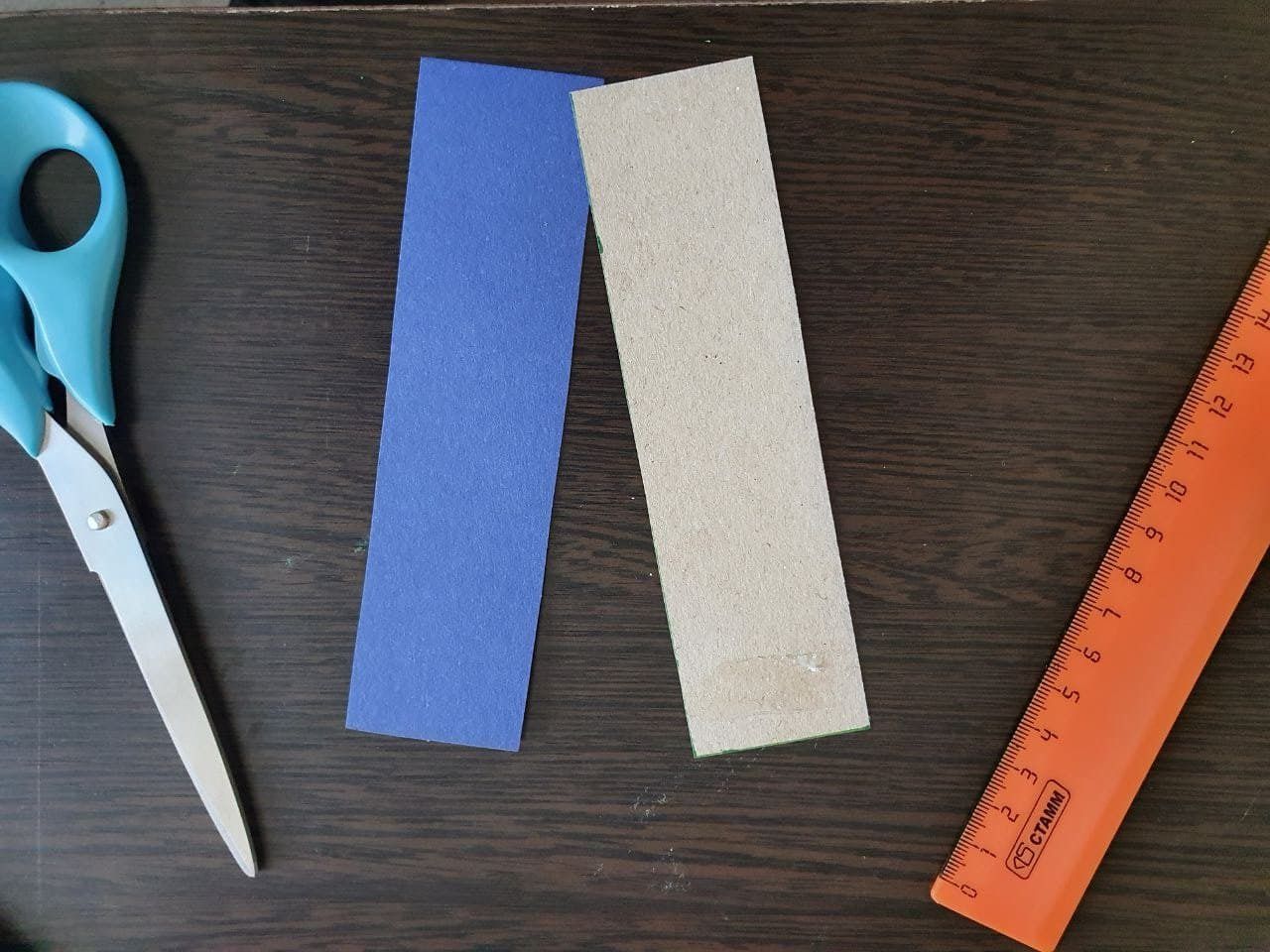
Step 2. Cut out 2 rectangles from cardboard measuring approximately 20cm by 4cm.
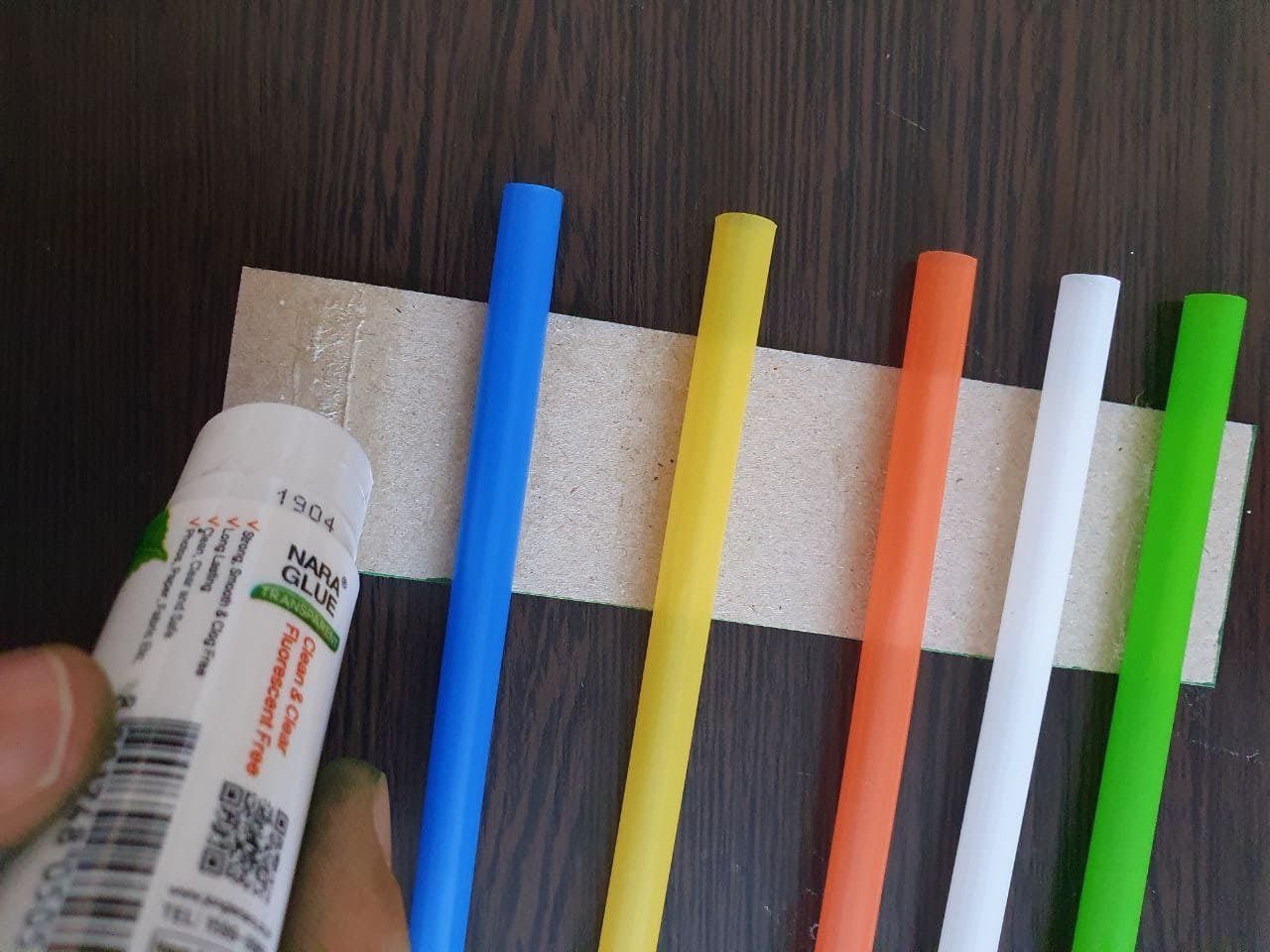
Step 3. Glue the tubes on the paper leaving an approximately even distance between them.
Step 4 Glue the second prepared paper on top. The tubes will be between two pieces of cardboard.
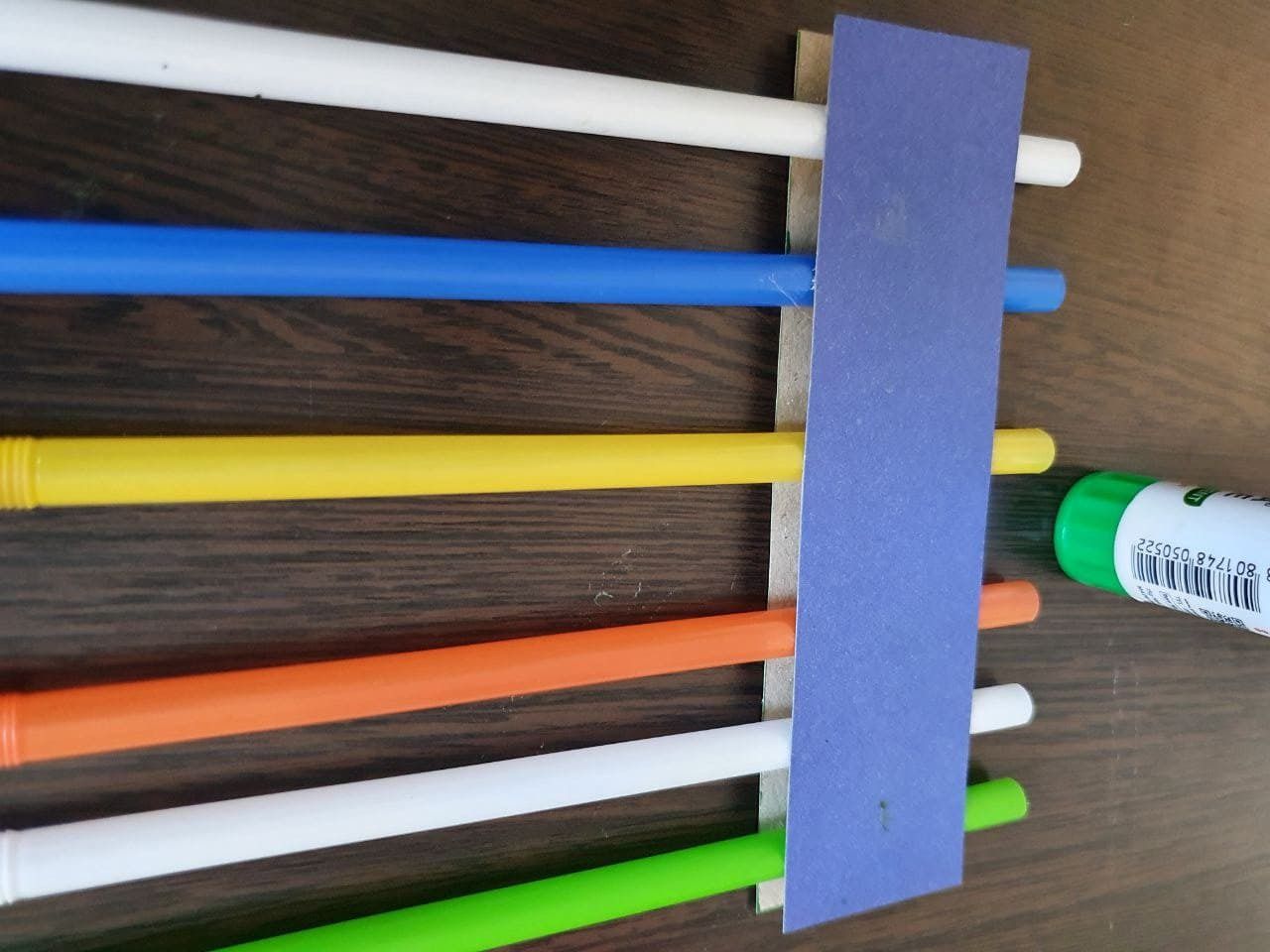
Step 5. Cut the long ends of the tubes with scissors so that each one is slightly longer than the previous one, as in the photo.
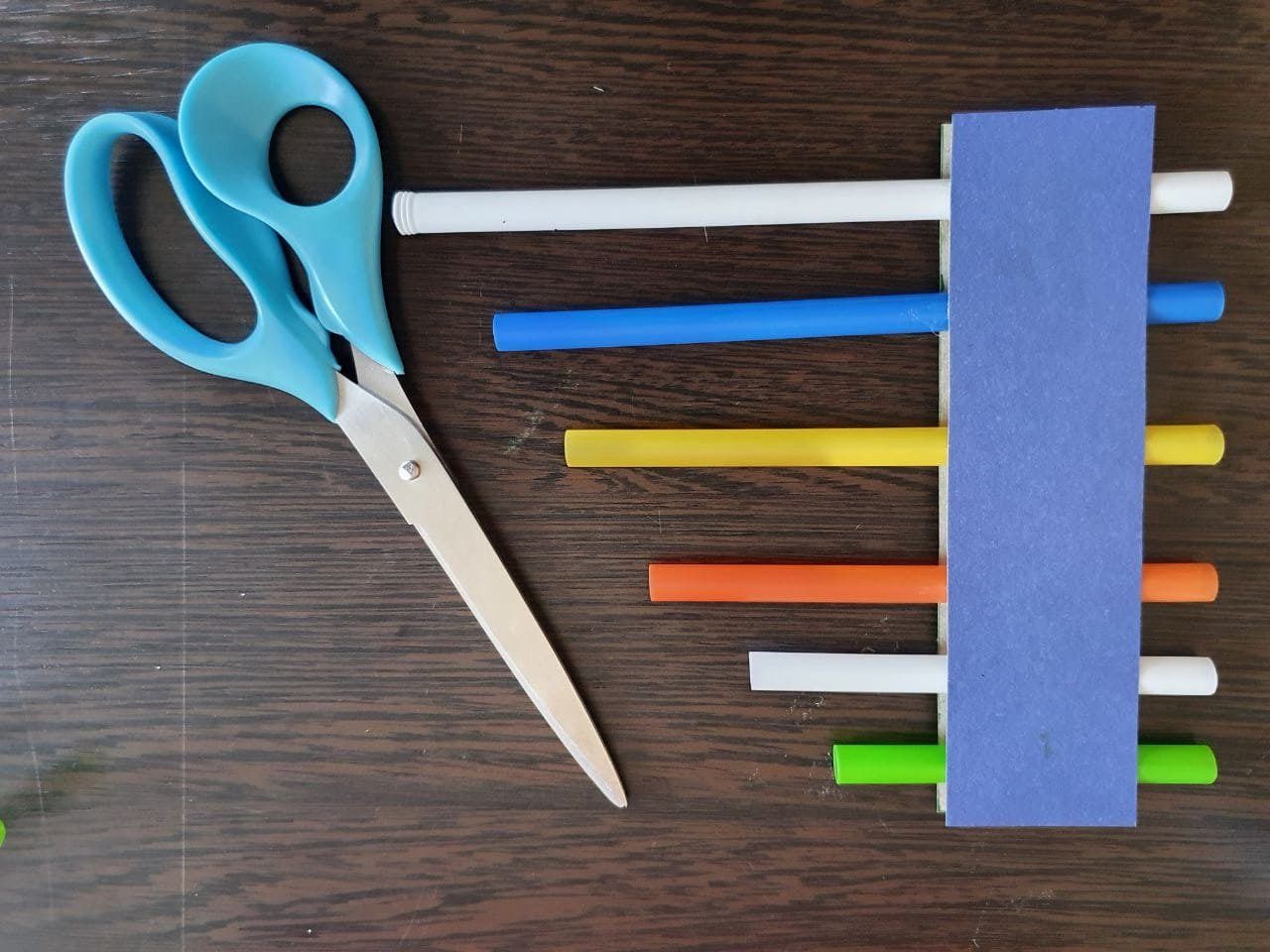
Our wind instrument is ready. Now take the tool pointing down and blow from above as in the photo. Try to blow into all the tubes in turn. You will hear different sounds. The longer the tube, the higher the tone. If the tube is shorter, then the tone is correspondingly lower.
Conclusion
In this project, students learned how sound travels. We learned to distinguish between natural and artificial sources of sound and made our wind instrument to make sure that sound propagates differently under different obstacles.
Evaluation
PBL grading criterion:
Project-based learning (project-oriented learning) is a teaching method in which students acquire knowledge and skills while working on one project, for research and searchbut the answer to a genuine, interesting, and challenging question, problem, or challenge.

