
Lesson 1
The purpose of the work:
- Learn how to determine and calculate the pH of solutions
- 9.4.1.5 Determination of pH of acids and alkalis
Teacher’s Guide
- Prepare 0.01 M sodium hydroxide solution in advance. Each group will need 50 ml of the solution. To prepare 1 liter of solution, dilute 0.4 g of sodium hydroxide in 1 liter of water;
- Children should do the in groups of 2-3;
- The workplace must be cleaned and put in order;
- Safety precautions.
Theoretical part

pheng2min
pH is a value that determines the acidity or alkalinity of a solution. It is measured on a scale from 0 to 14, where 0 is the most acidic solution, 14 is the most alkaline, and 7 is a neutral solution.
pH can be determined using various methods. For example, indicators that can change color depending on the pH of the medium. The most basic indicator is litmus paper, which can determine the pH from 1 to 14, as shown in the picture.
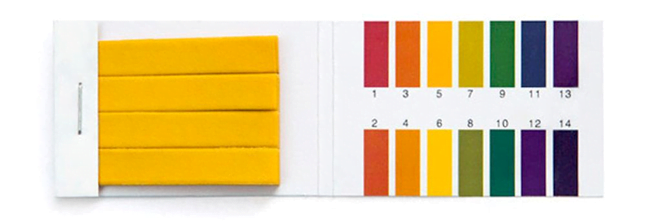
Knowledge of pH is important for many fields of science and technology, for example, for chemical reactions, for biological processes in the body, for food production and much more. For example, in the production of cheeses, it is important to control the pH to get the desired consistency and taste.
Also, knowledge of pH can help in everyday life. For example, when choosing cosmetics and soaps, knowing the pH can help you choose products that are suitable for your skin type.
Practical part
List of necessary equipment:
- Litmus paper (universal indicator)
- Water
- Hydrochloric acid
- Sodium Hydroxide
1. Make calculations for the pH of 0.001 M sodium hydroxide solutions according to the following formula: pH = 14 – log [NaOH]
2. Now take 0.01 M sodium hydroxide solution and mix 5 ml of the solution with 45 ml of water. Stir well. You have received 0.001 M solution.
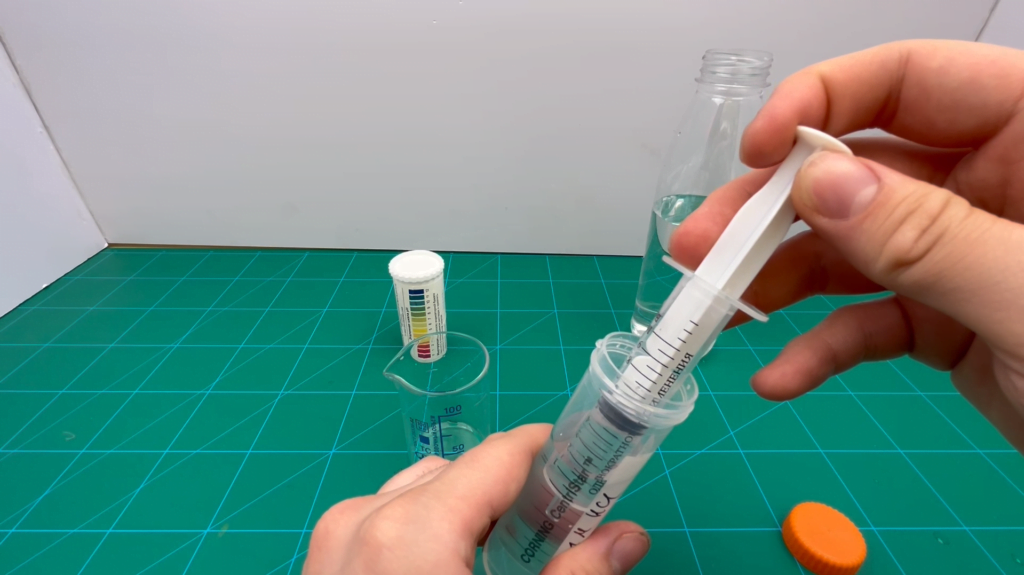
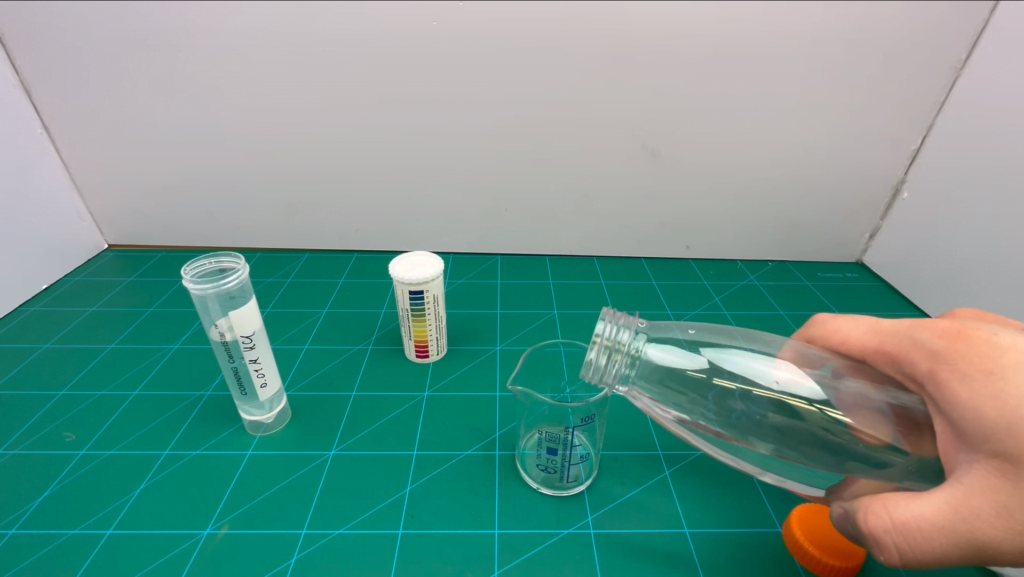
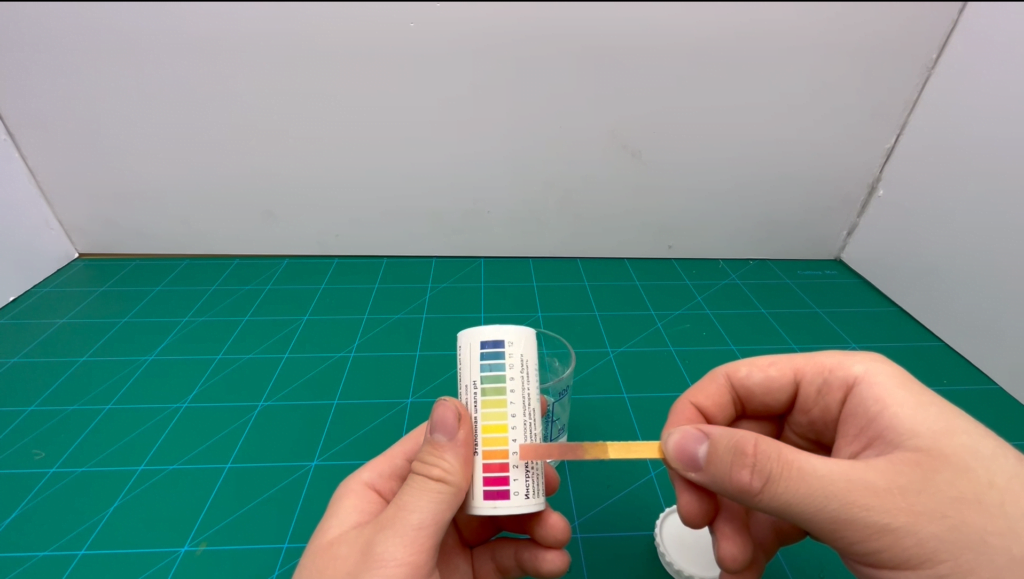
3. Measure the pH of the solution using litmus paper and determine the pH by its color.
4) Now do the calculations using the formula: pH = – log [HCl]
5) Now take 0.01 M hydrochloric acid solution and mix 5 ml of the solution with 45 ml of water. Stir well. You have received 0.001 M solution.
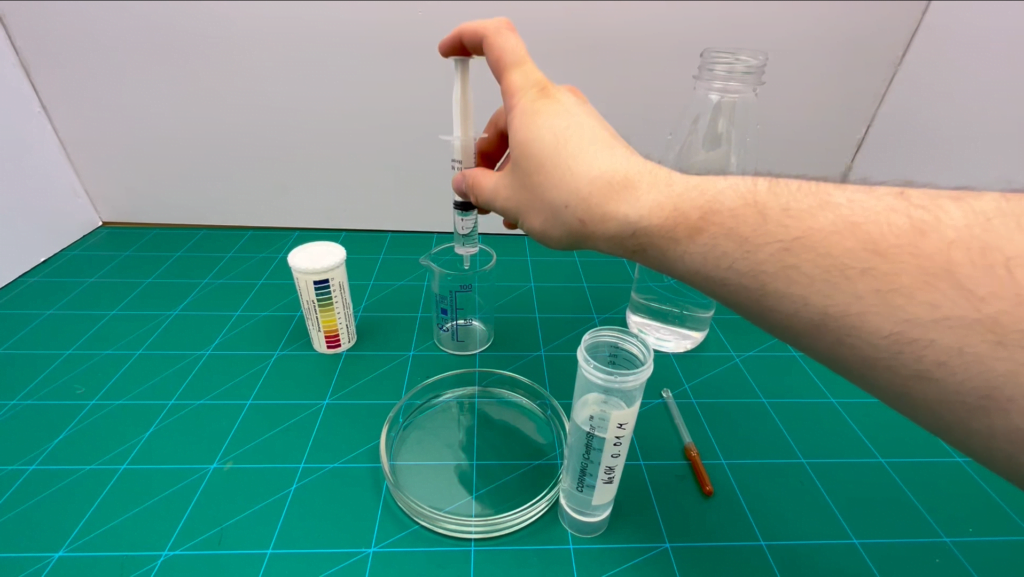
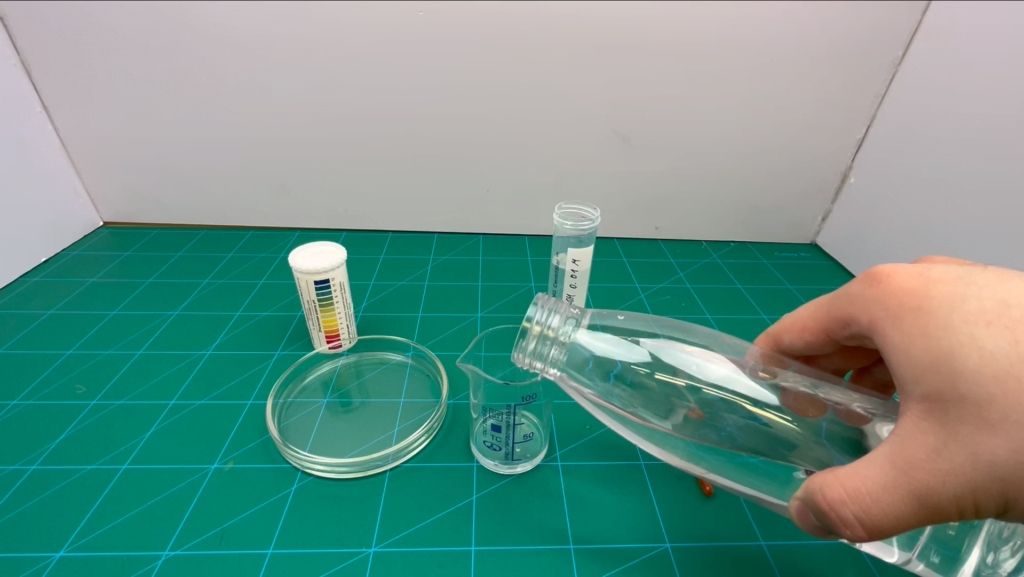
6) Measure the pH of the solution using litmus paper and determine the pH by its color
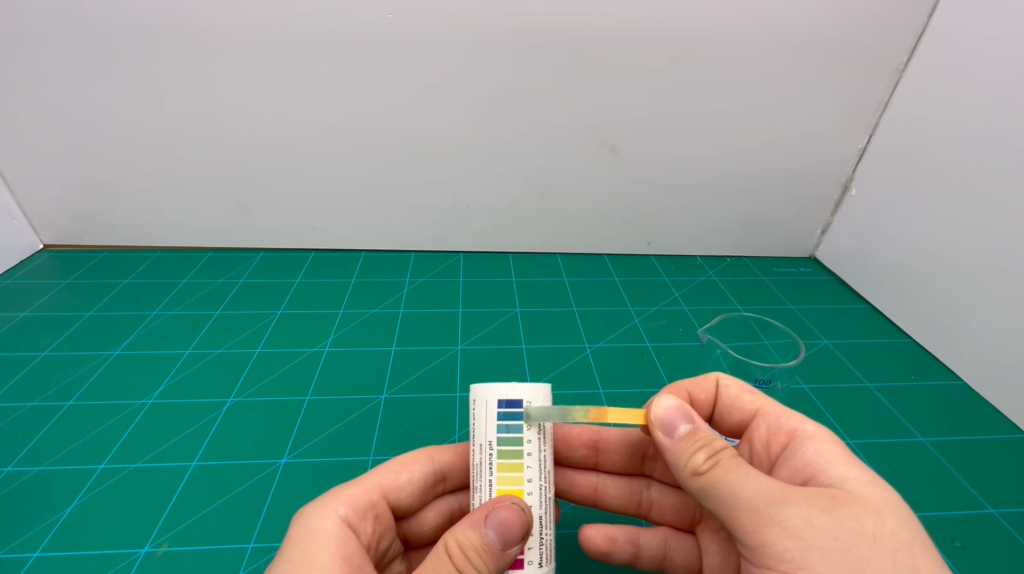
Compare the conclusions with the hypothesis of the experiment.