Lesson 1
Study of the effect of physical exercise on the work of the heart
Purpose of the work:
- To investigate the effect of physical exercise on the work of the heart
Teacher’s Guide
- Children should do the work on their own in groups of one
- The workplace must be cleaned and put in order
Safety precautions:
Worksheet:
Description
Physical activity has a significant impact on the work of our heart. When we exercise or exercise, our muscles need more oxygen. In response to this, the heart begins to contract faster and harder in order to pump more blood to the active muscles. This allows them to get enough oxygen and nutrients.
Physical activity also helps strengthen our heart. Regular workouts help improve the functioning of the cardiovascular system, increase its efficiency and improve heart function. They also increase blood flow and improve blood composition, which reduces the risk of cardiovascular disease.
It is important to remember that physical activity should be reasonable and safe. Before starting a new training program, it is recommended to consult with a trainer or a doctor. They will help you choose the appropriate exercises and determine the optimal intensity of training.
In general, physical activity has a positive effect on the work of our heart. Properly organized physical activity helps to strengthen the heart and improve its work, contributing to the overall health of the body. Therefore, do not forget about regular workouts and taking care of your heart.
Low exercise: Low physical activity, such as slow walking or light exercise, has a mild effect on the heart. During low exercise, the heart begins to contract a little faster to ensure sufficient blood flow to the muscles, but the load on it remains relatively small. Such exercises are a great way to maintain overall fitness and heart health.
Moderate exercise: Moderate physical activity, such as intensive walking, running or aerobic exercise, has a more noticeable effect on the heart. During moderate exercise, the heart begins to contract faster and harder to meet the increased oxygen and nutrient needs of the muscles. This improves the functioning of the cardiovascular system and contributes to its strengthening.
High load: High physical activity, such as intensive training, long-distance running or high-intensity cardio exercises, has a strong effect on the heart. During a high load, the heart contracts very quickly and with great force to provide the muscles with oxygen and energy. This requires considerable effort from the heart and can lead to a temporary increase in blood pressure. Regular high physical activity can strengthen the heart and increase its endurance.
Practical part
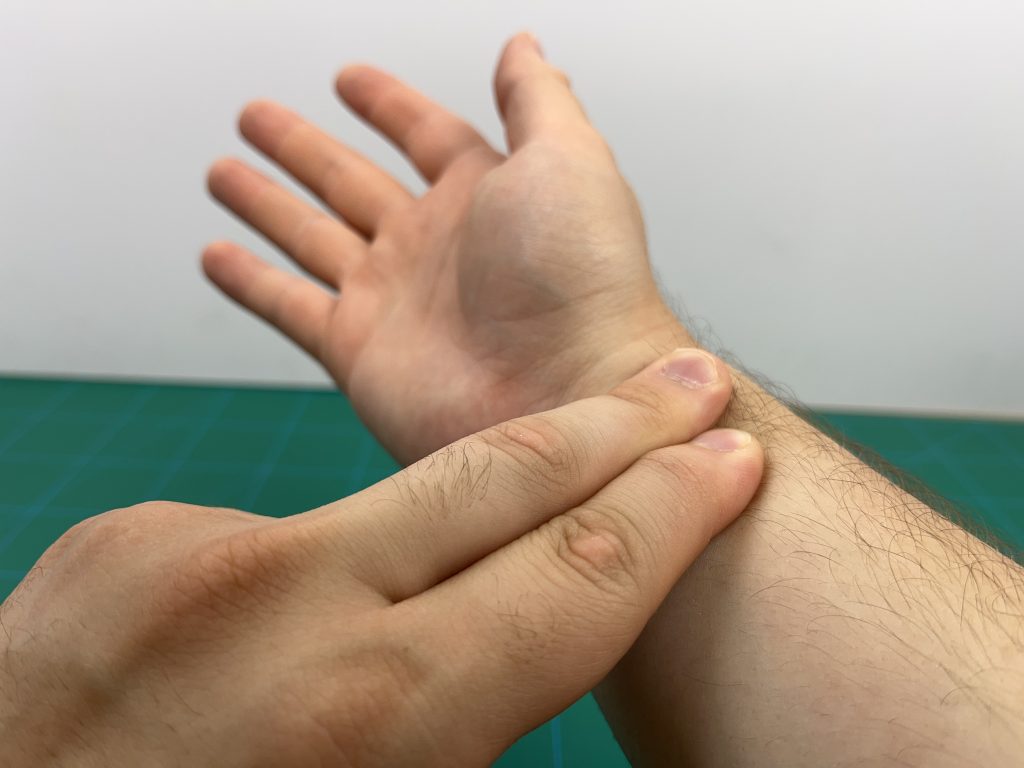
1) To begin with, we will measure the heartbeat at low loads. Each measurement will require three repetitions to obtain more reliable data. Since you are sitting, put your finger on your partner’s wrist and count the number of knocks for a minute. To control the time, you have a stopwatch. After that, repeat the measurement two more times. An alternative way is to attach a finger to the carotid artery as shown in the figure.
2) Write down all the data in the table and calculate the arithmetic mean.
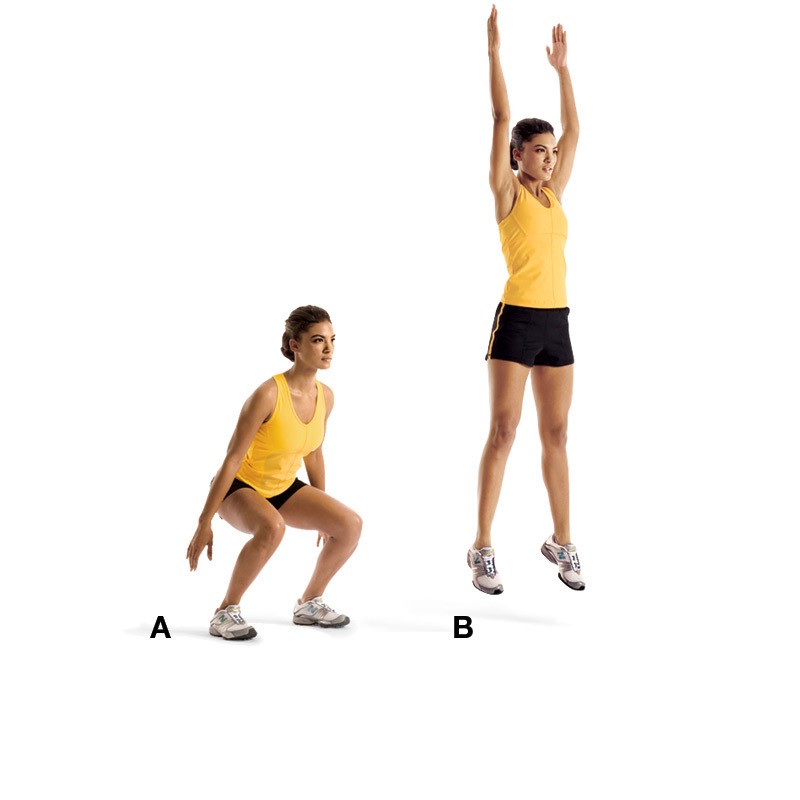
3) Now we will measure the pulse at medium loads. To do this, jump on the spot for a minute. After that, start measuring your pulse as in step number 1. Rest for another minute after that. Repeat the process two more times.
4) Write down all the data in the table and calculate the arithmetic mean.
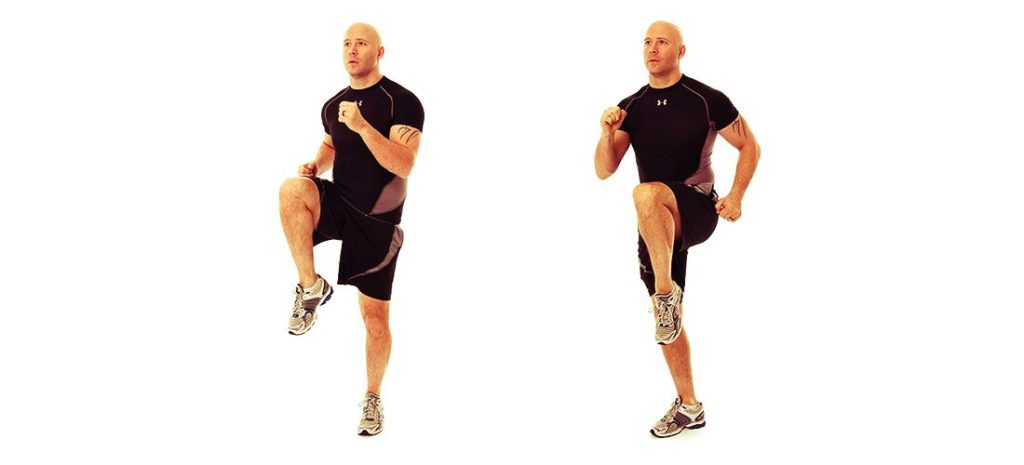
5) Now we will measure the pulse at high loads. To do this, run on the spot as fast as possible for a minute. After that, start measuring the pulse as in step number 1. Rest for 2-3 minutes after that. Repeat the process two more times.
6) Write down all the data in the table and calculate the arithmetic mean.
7) Draw conclusions and explain the observations.