Lesson 1
Project Goals
– Make a Goldberg machine;
– Explore the force of elasticity and give examples of its manifestation;
– Explore the force of gravity and give examples of its manifestation;
– Investigate the force of friction and give examples of its manifestation.
Teacher’s Guide
– Divide students into groups;
– Tell us what forces act on objects;
Make a Goldberg machine according to the instructions.
Safety in Steam Lessons
Before starting a lesson, the teacher is advised to familiarize himself with the safety precautions. If necessary (in the case of using the items specified in the TB), conduct a brief briefing for students. Follow this link Safety in Steam Lessons
Theoretical part
When bodies interact with other bodies, several forces act on them. According to the nature of the interaction, three types of forces are distinguished: elastic forces, friction forces, and gravity forces.
The elastic force occurs when the body is deformed, that is when the shape and size of the body change with the application of force. The elastic force tends to return the body to its original state. An example is a spring, the rubber of a slingshot, the bowstring of an arrow, etc.
The force of friction occurs when two bodies come into contact. It prevents the relative motion of bodies. This force depends on the material of the surface and the speed of movement. We can feel the force of friction when one object slides on another. And the difference in the effects of the friction force when sliding different bodies on different surfaces.
Gravity is the force with which the Earth attracts all bodies.
Let’s look at the action of different forces on bodies in practice. To do this, we will make a Goldberg machine.
media files: <a href=’https://ru.freepik.com/photos/background’>Background фото создан(а) atlascompany — ru.freepik.com</a>
Practical part
First, let’s draw a diagram of how it will all work, develop an action plan, and select materials. Take a sheet of paper, and a pencil and draw a diagram. You can use your colored pencils or felt-tip pens.
1. There will be a ball on the cardboard tower. And next, we will install a slingshot of buttons and rubber bands. Under the force of elasticity, the rubber is released and hits the ball. Let’s see how the elastic force acts on the rubber band. Take a rubber band, stretch it and release. Under the action of the elastic force, the elastic should return to its original position.
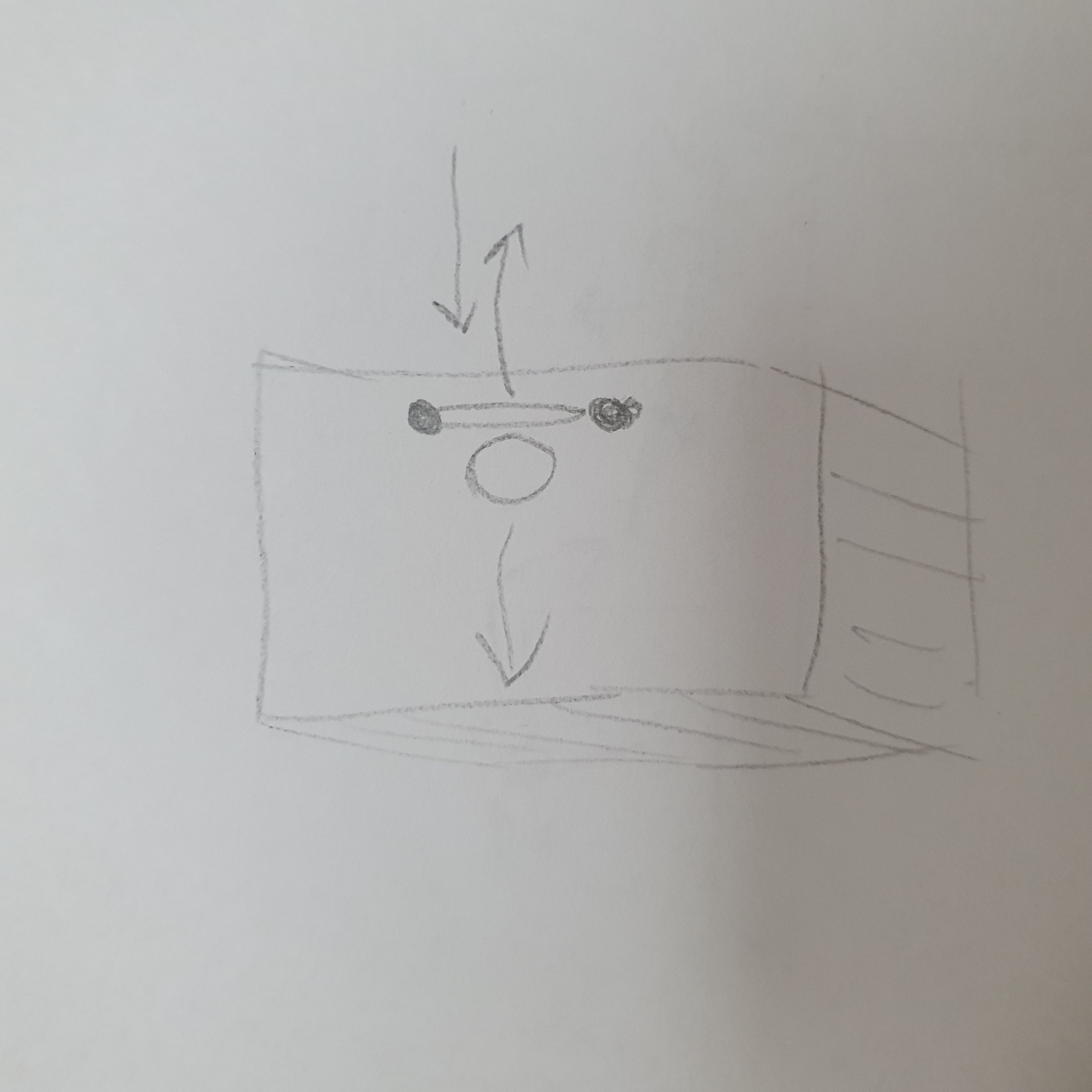
2. The ball rolls down the tower and falls onto the swing from the ruler. When moving on a surface, a friction force acts on the ball.
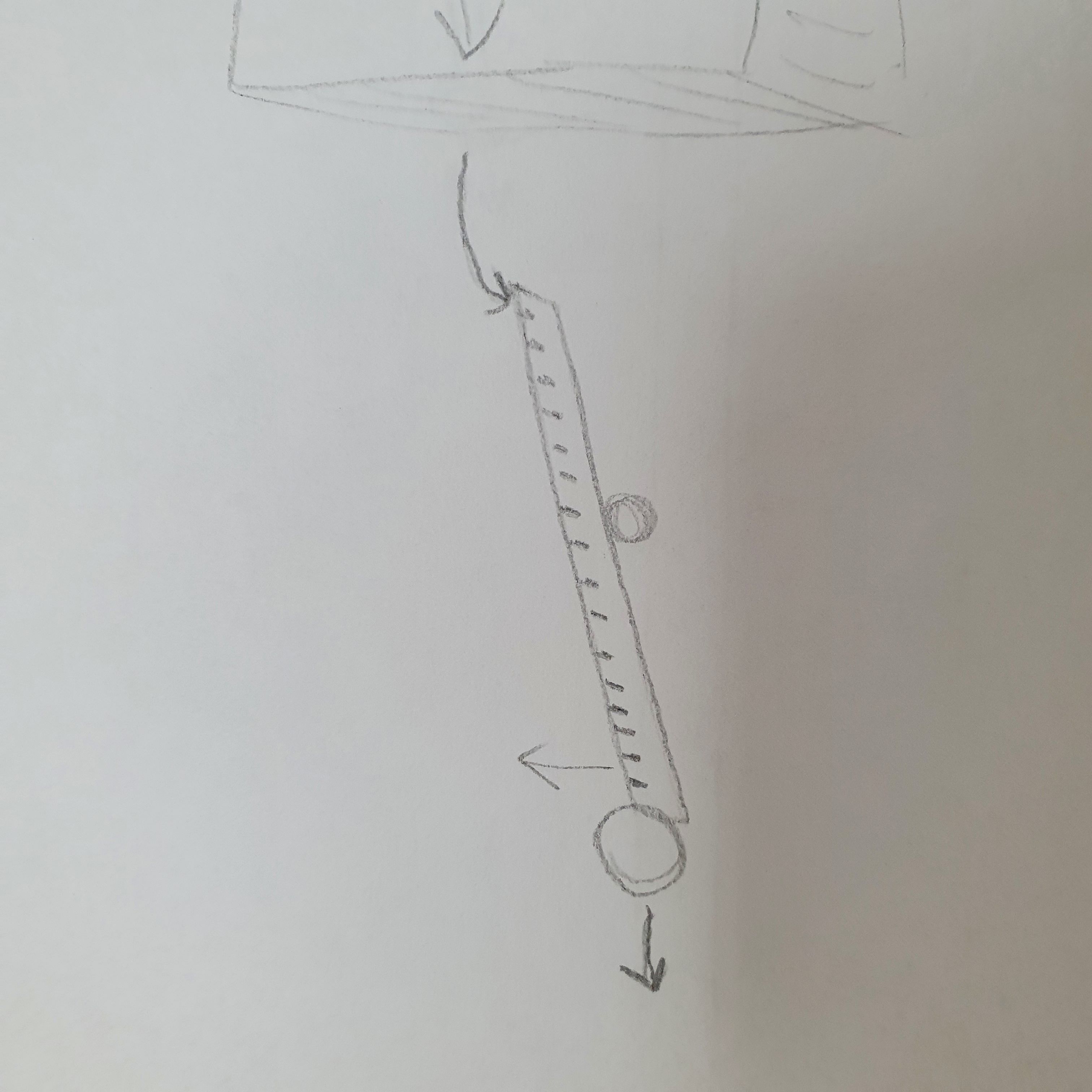
3. The swing rises and pushes the second ball. The ball rolls and falls onto one of the mugs. One mug goes down by gravity, and the second mug at this moment rises.
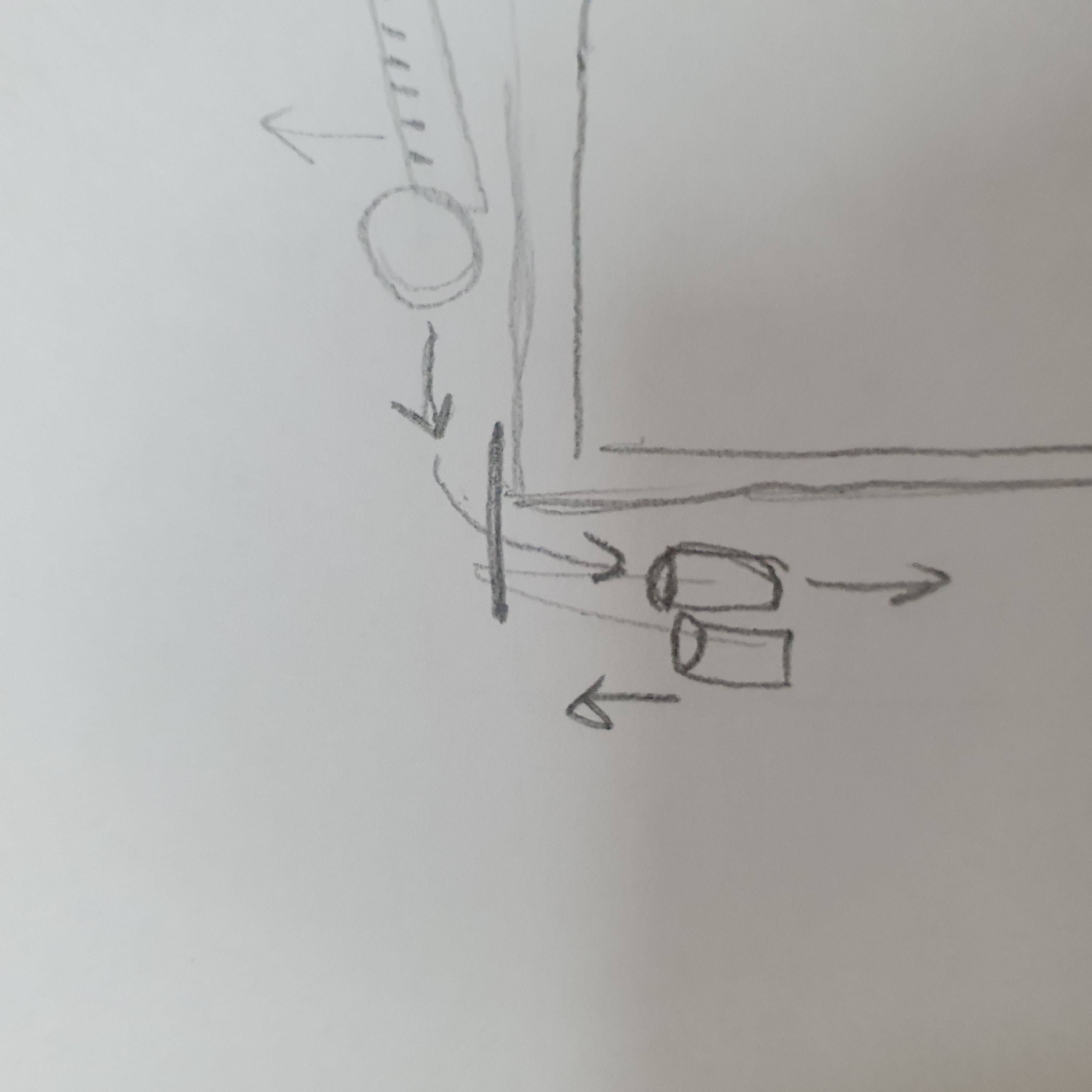
4. The second mug touches the poster and it opens up.
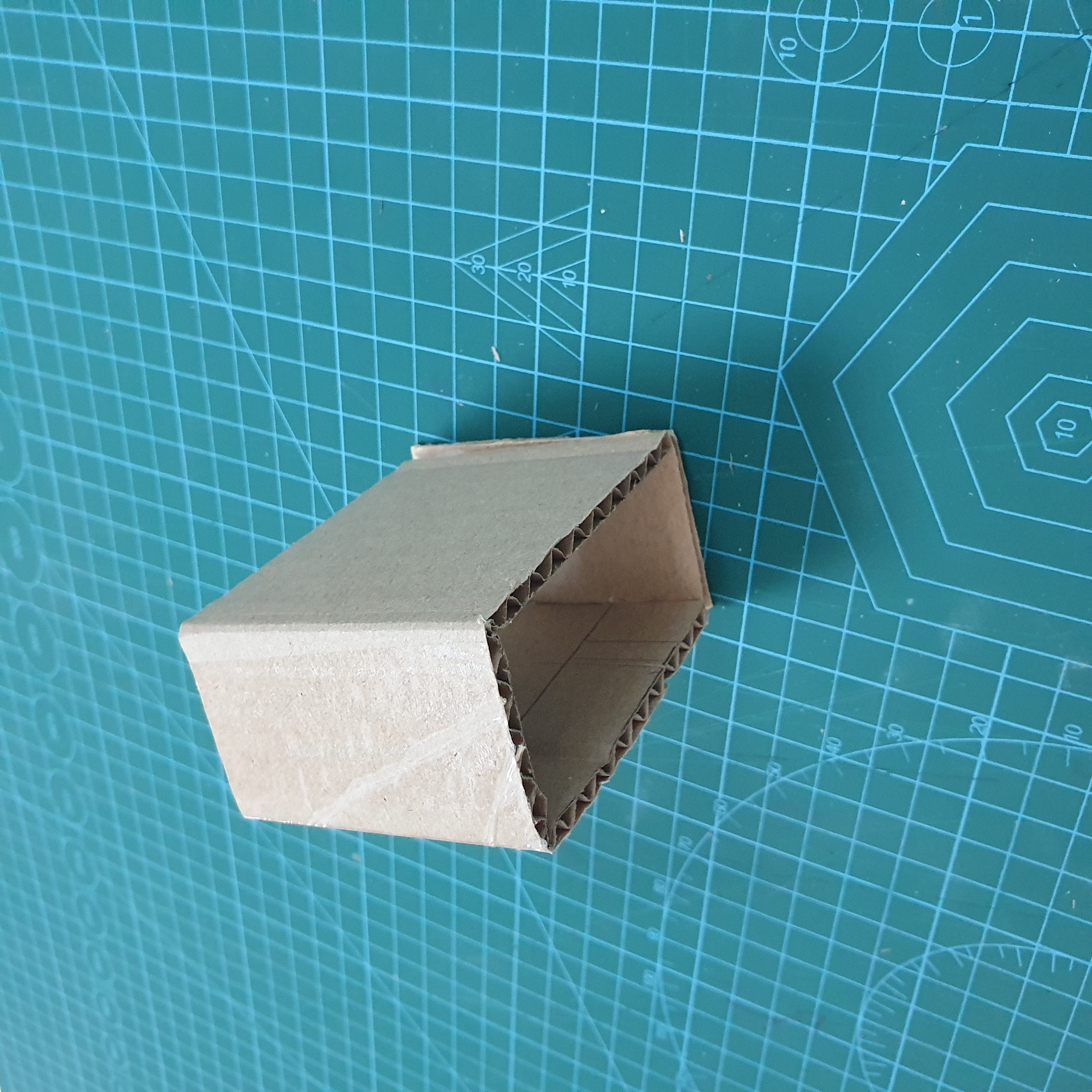
5. Now let’s take the materials and do all this in an experiment. First, we will make a tower out of cardboard.
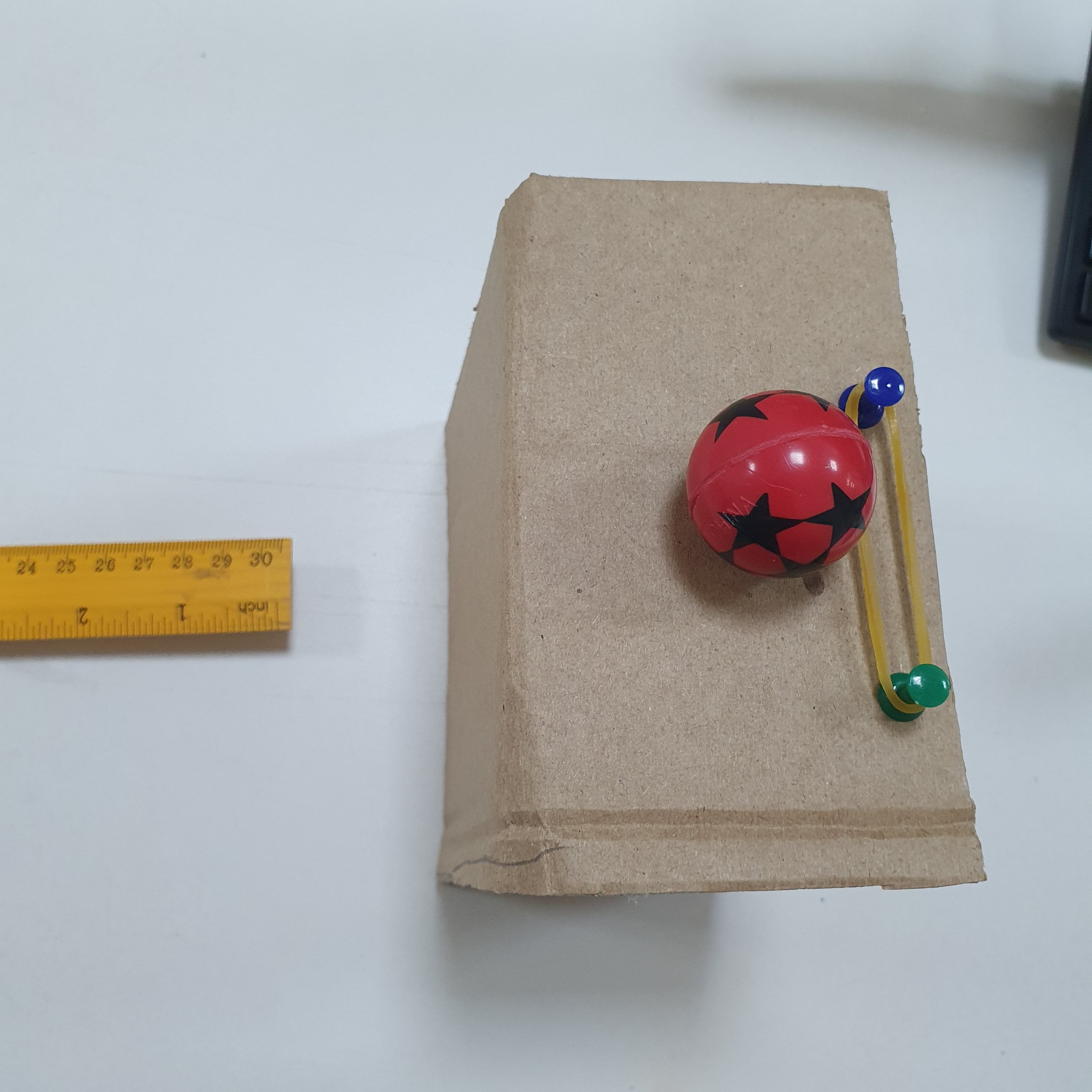
6. Install a slingshot of buttons and rubber bands on top of the tower. And put a ball next to it.
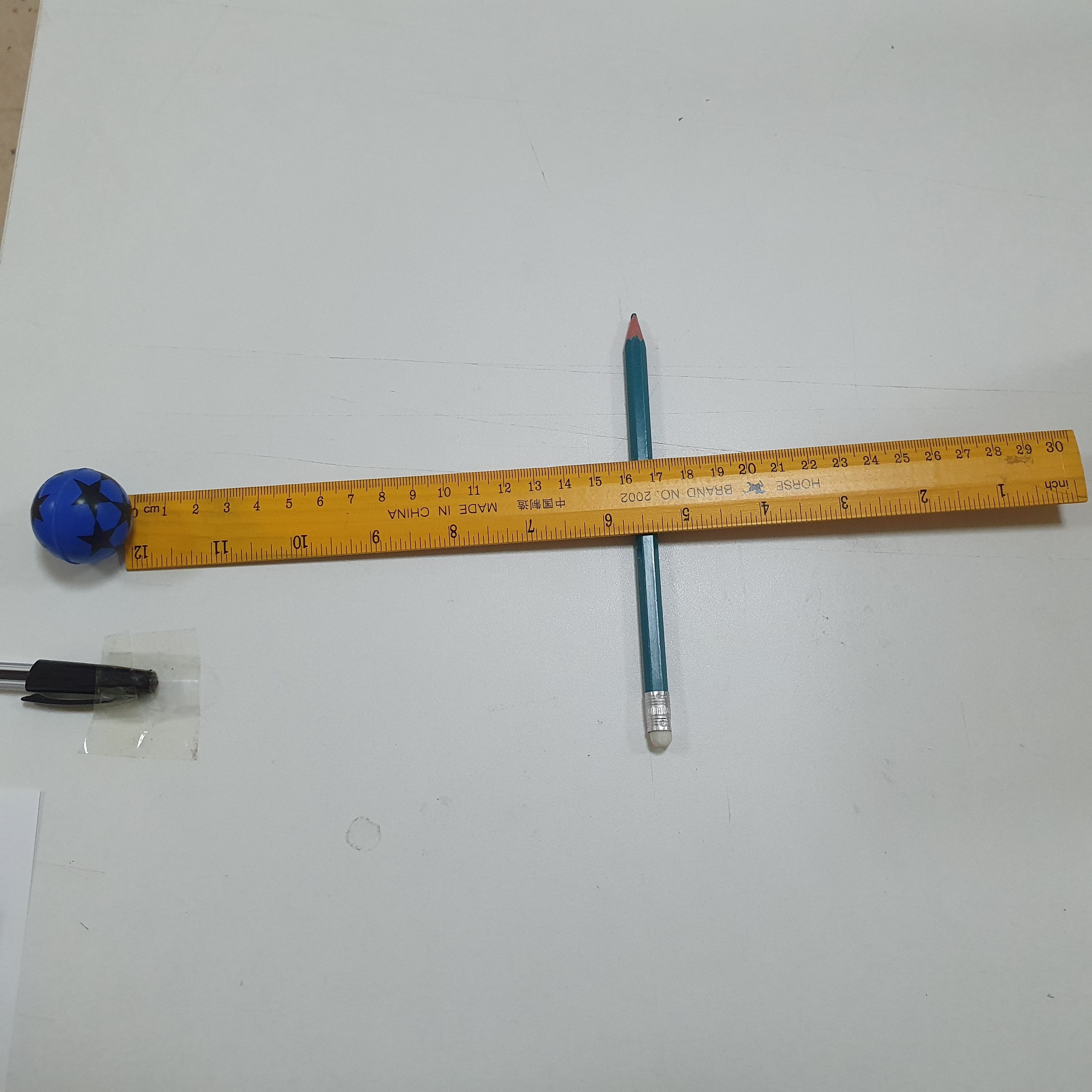
7. Under the tower, immediately install a swing from a pencil and a ruler. And put a ball on the other end.
8. Take another pencil and put it on the edge of the table with tape and hang two mugs on it, connecting them with a rope. The ball should land directly on the mug.
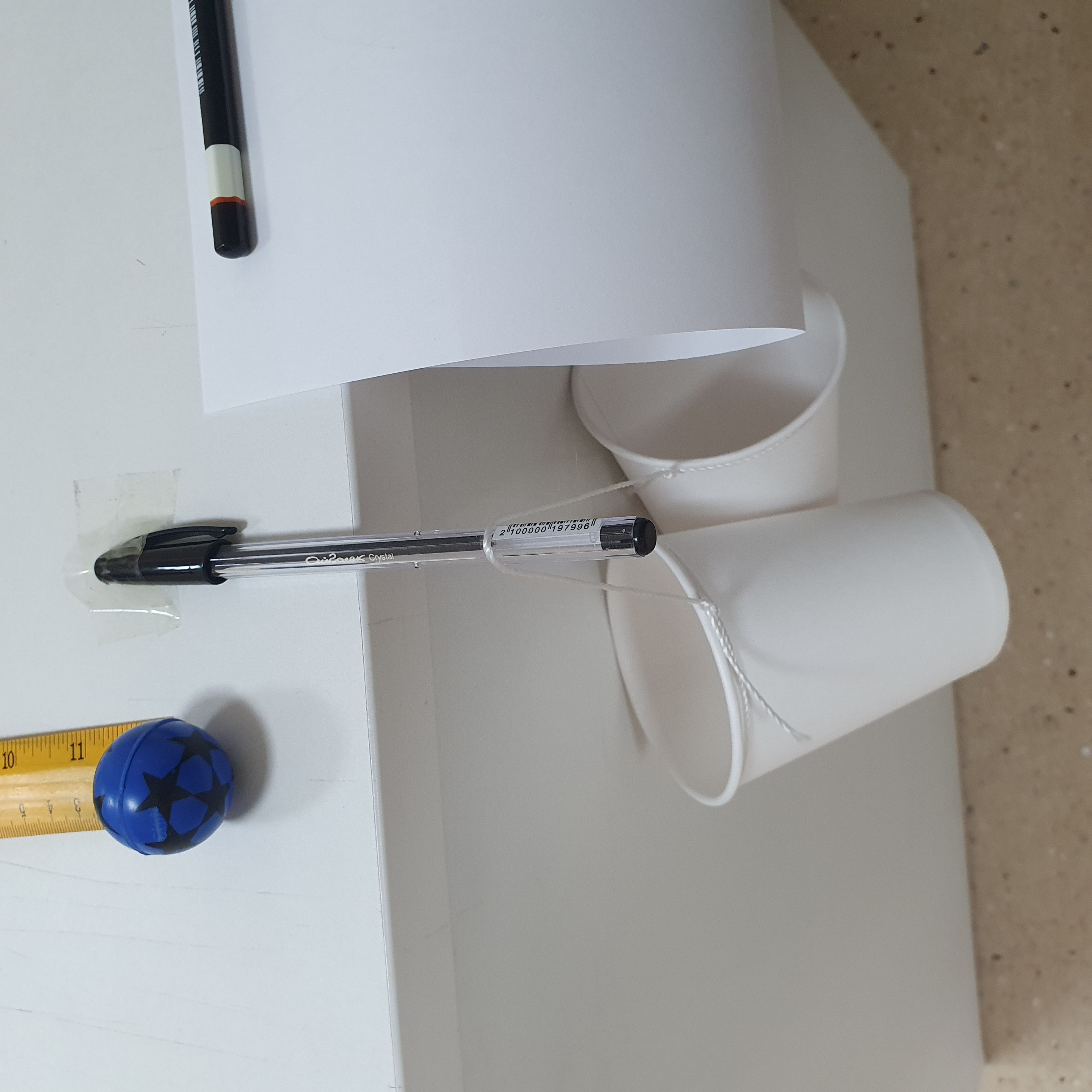
9. Tape one edge of the poster onto the table with adhesive tape, bend the other end, and place a light object so that the poster does not open. Decorate the poster as you wish.
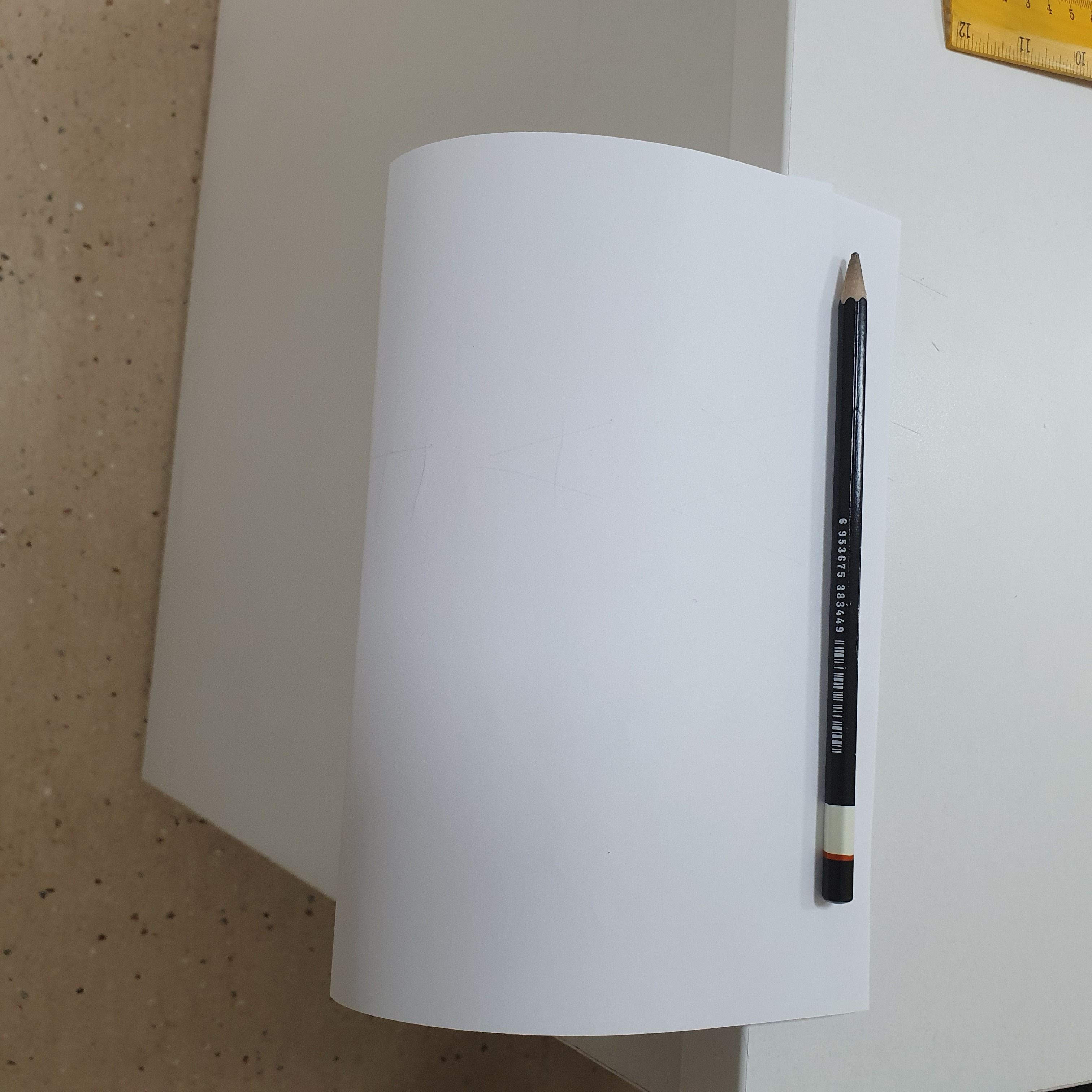
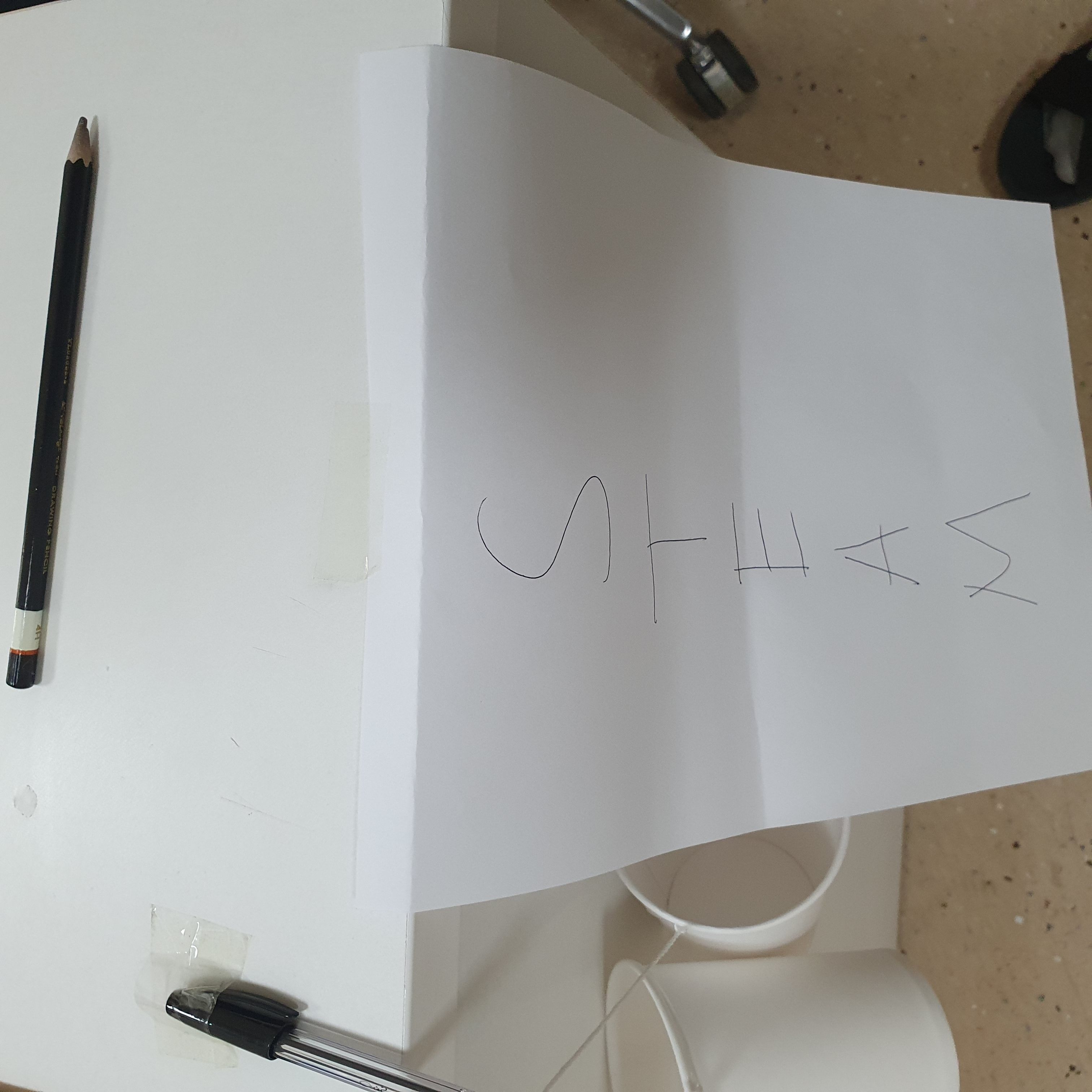
Ready. Start with a slingshot. Pull the elastic band and let go, and then everything will go by itself. You can make a variety of machines from simple materials.
So what forces acted on each object at each stage of the journey?
 Conclusion
In this lesson, we got acquainted with the main forces acting on us and all objects around us. We drew a diagram of the Goldberg machine and analyzed by example all the forces acting on the bodies. Then they designed the Goldberg machine and saw how forces act on bodies. Goldberg’s machine clearly shows how bodies move and what forces act on bodies during movement.
Evaluation
PBL grading criterion:
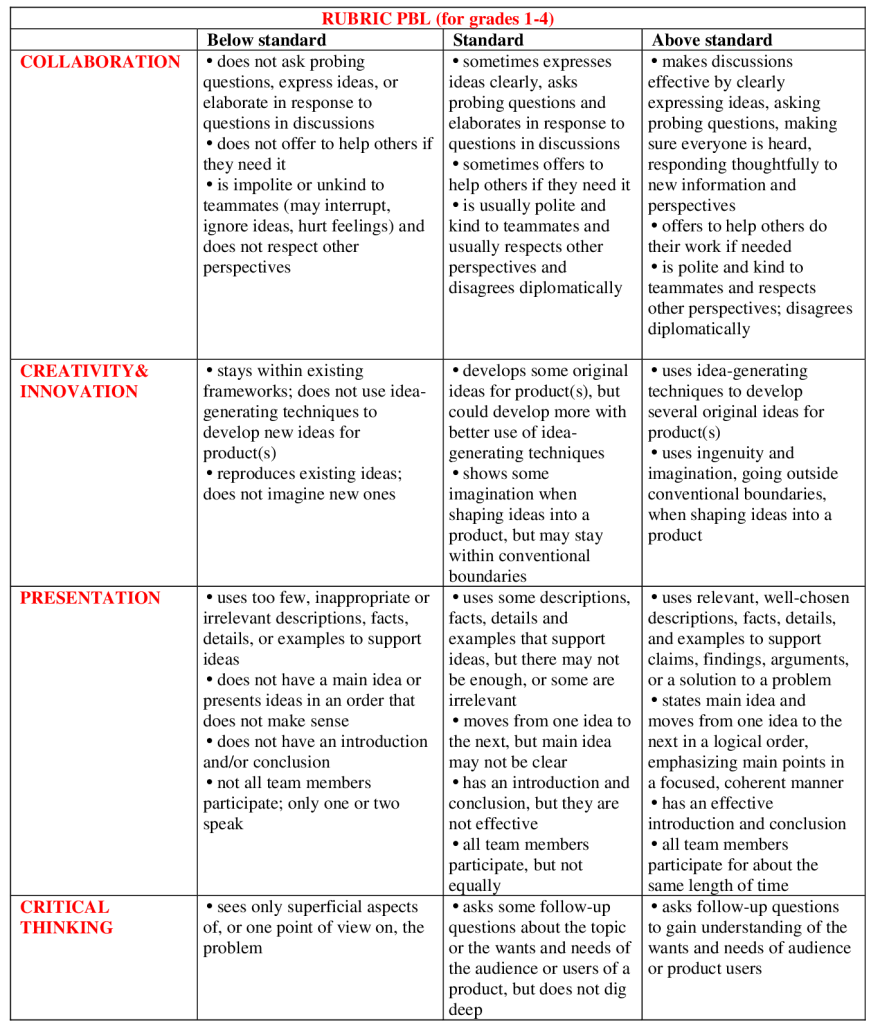
Project-based learning is a learning method in which students acquire knowledge and skills by working on a single project to explore and find an answer to a genuine, interesting, and complex question, problem, or challenge.