
Lesson 1
Goal
1. Build a working model of a wastewater treatment plant
2. Demonstrate the wastewater treatment process and study the chemical reactions that occur during water purification
3. On the basis of experimental work to study and determine the indicators of the quality of clean water
Expected results
After studying the project, students will be able to:
– to acquire the skill of cooperation with a teacher and work in a group, in pairs
– analyze and summarize the information received
– communicative competence will be formed in the course of educational activities
– learn how to conduct a questionnaire (survey)
– based on the survey data, they will learn how to make graphs (charts, etc.)
– independently build logical reasoning and draw conclusions
– study water quality by chemical analysis
– to form a value attitude to your health
– demonstrate the process of wastewater treatment
Interdisciplinary communication:
– Chemistry (experiments, chemical reactions)
– Engineering/physics (principle of operation of water treatment plants, work with electronic devices and pumps)
– Artistic work (development of the layout of treatment facilities, design)
Teacher’s Guide
1. To evaluate the project, in the first week, provide this material (PBLrubrics) to students in order to:
– the students understood in advance what criteria they needed to prepare for,
– students were able to independently give an appropriate assessment to their colleagues.
2. At the beginning of the lesson, it is recommended to ask a few “leading questions” in order to arouse interest in the project:
– What kind of water do you use?
– What is a water supply system? An organization that provides you with (clean) water? / in your city.
– What is a drainage system?
– Have you thought about where the waste water goes and what they do with it, where they drain it?
– Watch the video and answer the question: how is drinking water purified and how is wastewater treated? Do they mix?
Watch the video, then study the description of the project:
Useful links:
https://vodproektstroy.ru/ochistnye-sooruzheniya/
https://youtu.be/KsVfshmK0Ak?list=PLIlBnumqqiAWzaHJMZVLokMzgUJVFNa0I
https://www.youtube.com/c/WisconsinRapidsCommunityMedia
https://youtu.be/XjEuWLr78b8?list=PLIlBnumqqiAWzaHJMZVLokMzgUJVFNa0I
https://www.astanasu.kz/
Description
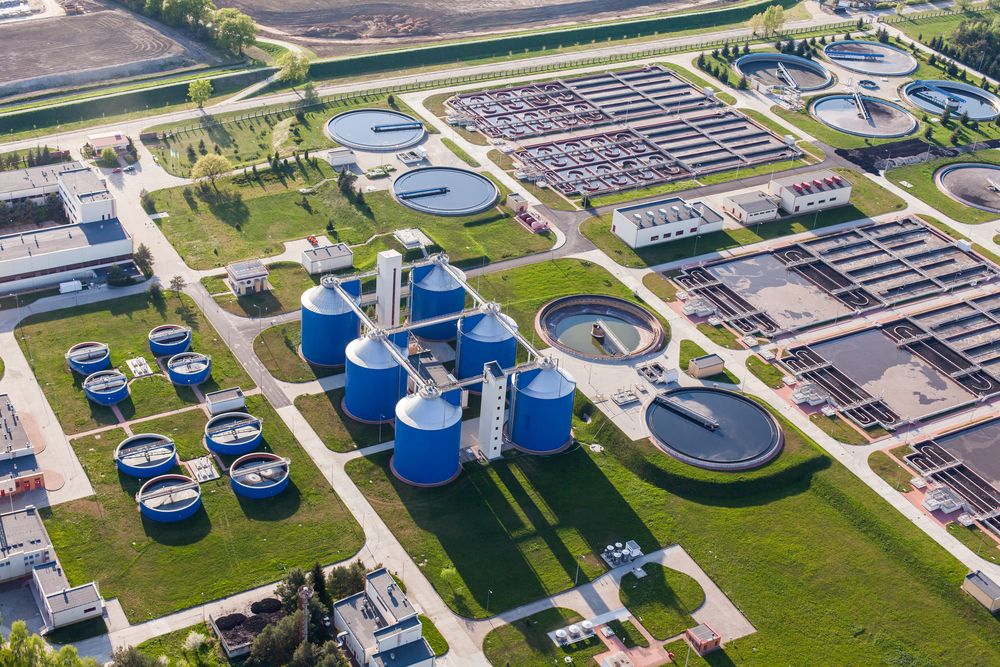
Wastewater treatment is a set of measures to remove pollutants contained in domestic and industrial wastewater before releasing them into reservoirs. Wastewater treatment is carried out at special treatment facilities.
The cleaning process is divided into 4 stages:
– mechanical
– biological
– physico-chemical
– disinfection of wastewater.
Technological scheme of production:
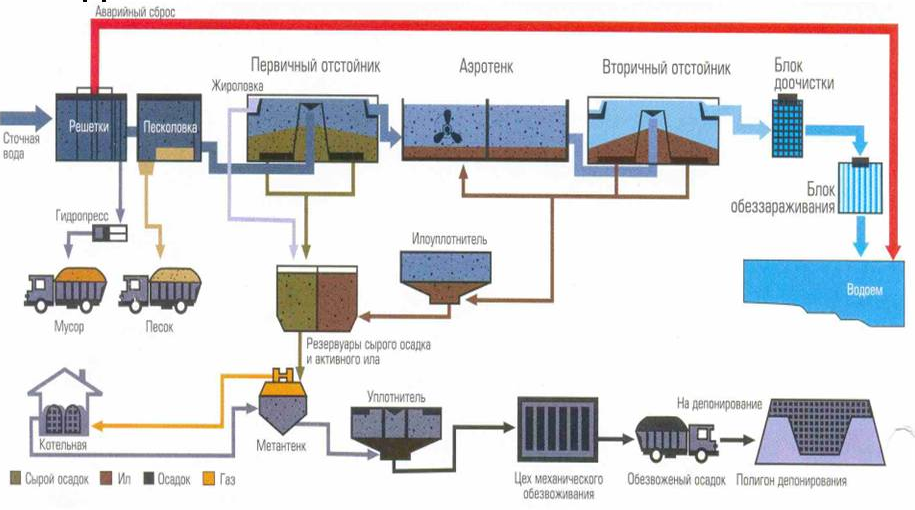
| The main stages of cleaning | Equipment | Definition |
| Mechanical purification | Gratings and sieves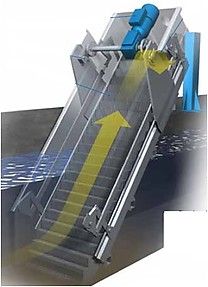 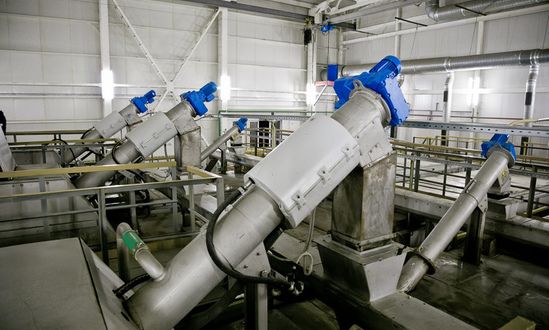 | Grates and sieves – catch large debris over 16 mm – cans, bottles, rags, bags, food, plastic, etc. In the future, this garbage is either processed on site, or exported to places where solid household and industrial waste is processed. |
Grit chamber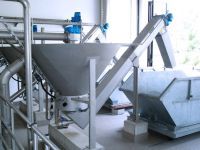 | In fact, they catch not only sand, but also small stones, glass fragments, slag, etc. The sand settles to the bottom pretty quickly under the influence of gravity. Then the settled particles are raked by a special device into a recess at the bottom, from where it is pumped out by a pump. The sand is washed and disposed of. | |
Grease trap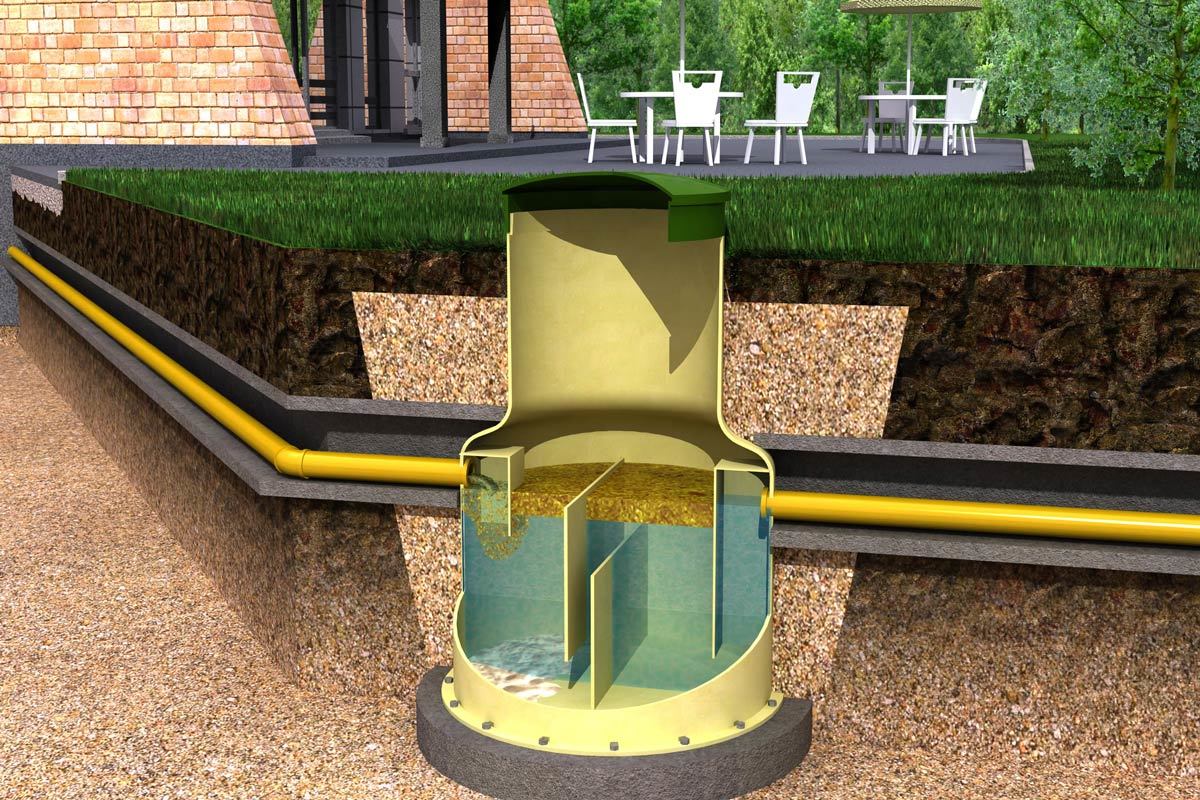 | Here, all impurities that float to the surface of the water (fats, oils, petroleum products, etc.) are removed by analogy with a sand trap, they are also removed with a special scraper, only from the surface of the water. | |
Sedimentation tank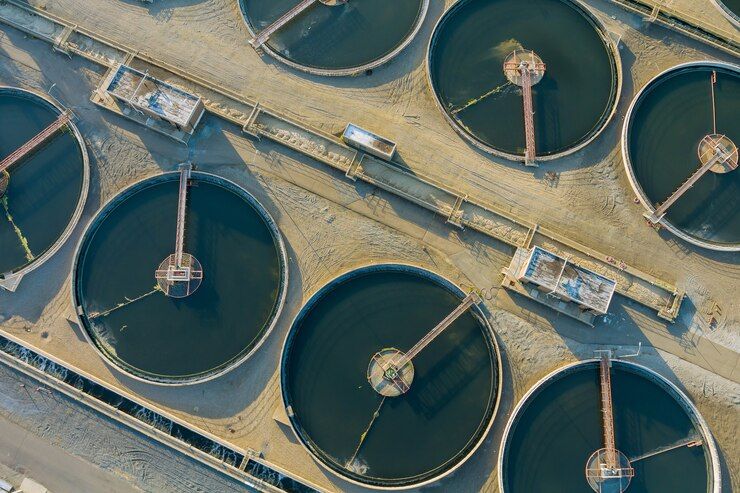 | Sedimentation tanks are an important element of any line of treatment facilities. They release water from suspended substances, including helminth eggs. Sedimentation tanks are large tanks of round or rectangular shape, where substances are deposited under the influence of gravity.To speed up this process, you can use special additives – coagulants or flocculants. | |
| Biological purification | Aeration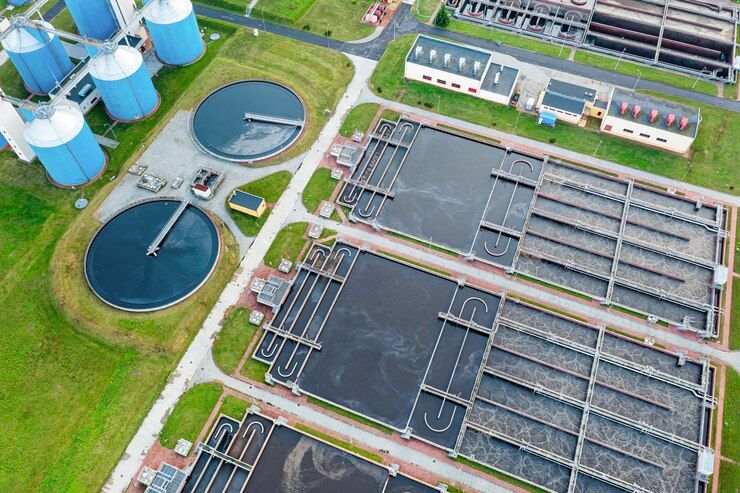 | An aerotank is a rectangular tank where water after mechanical purification is mixed with activated sludge (special microorganisms), which cleans it. There are 2 types of microorganisms:Aerobic – using oxygen to purify water. When using these microorganisms, the water must be enriched with oxygen before entering the aeration tank.Anaerobic – do NOT use oxygen for water purification. |
Air purification workshop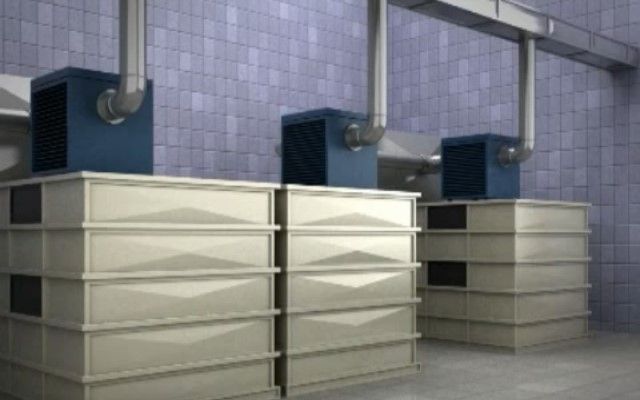 | The workshop is necessary to remove unpleasant-smelling air with its subsequent cleaning. This workshop is necessary when the volume of wastewater is large enough and/or treatment facilities are located near populated areas. | |
Secondary sedimentation tanks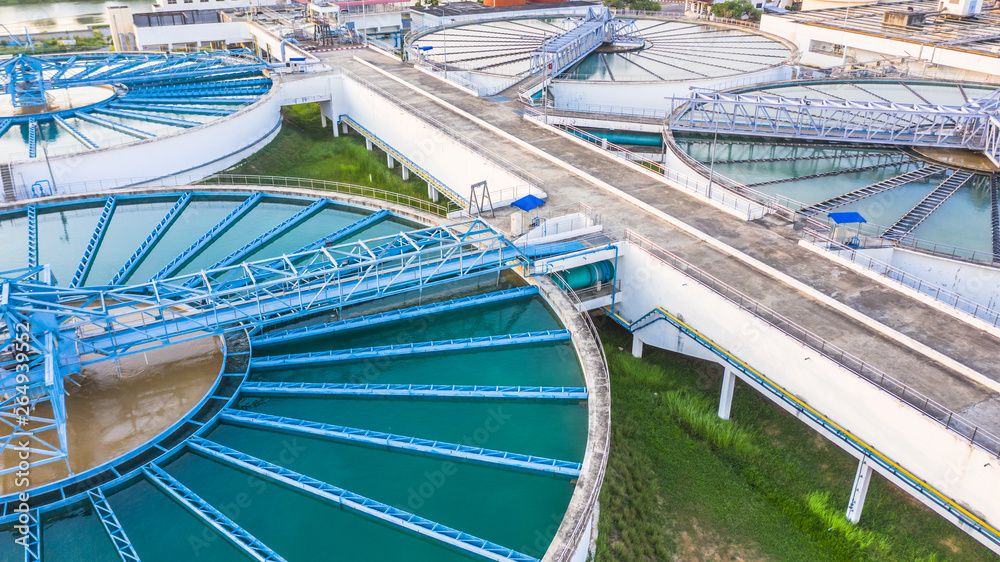 | Here the water is purified from the active sludge by settling it. Microorganisms settle to the bottom, where they are transported to the pit with the help of a bottom scraper. A surface scraper mechanism is provided to remove the floating sludge. | |
| Physico-chemical cleaning | Filtration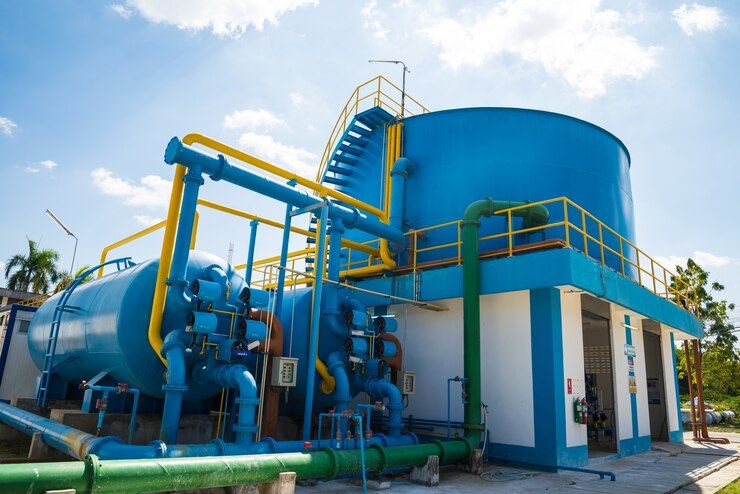 | After the sedimentation tanks, the filtration process begins, which is carried out mainly in biofilters. The mechanism of action of the biofilter is based on the action of bacteria that destroy organic substances. |
| Disinfection of waste water | 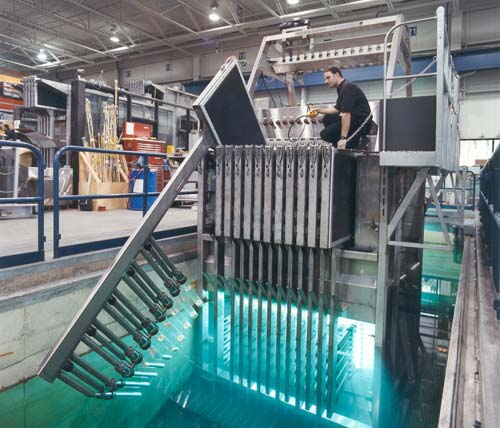 | Disinfection of water is an important component that ensures its safety for the reservoir into which it will be discharged. Disinfection, that is, the destruction of microorganisms, is the final stage of purification of sewage drains. A wide variety of methods can be used for disinfection: ultraviolet irradiation, AC action, ultrasound, gamma irradiation, chlorination. |
Resources:
1. Waste water // The Great Soviet Encyclopedia: [in 30 t.] / ch. ed. A.M. Prokhorov. – 3rd ed. – Moscow: Soviet Encyclopedia, 1969-1978
2. Water management dictionary / SEV— – M., 1974
3. Voronov Yu. V. Drainage and wastewater treatment : textbook. – ed. 4th, add. and reprint.. – Moscow: Publishing House of the Association of Construction Universities, 2006. – 702 p.
4. Wastewater treatment from suspended solids and inorganic impurities. – Moscow: SIC “Globus”, 2007. – Vol. 1. – 81 p.
5. Gorshenov N. Ya. Review and results of the Russian literature on the issue of artificial biological wastewater treatment (until the middle of 1908) // Izvestiya Tomsk Technological Institute [Izvestiya TTI]. – 1909. – Vol. 14, No. 2. – pp. 1-12.
6. Savichev O. G. Biological wastewater treatment using swamp biogeocenoses // Izvestiya Tomsk Polytechnic University [Izvestiya TPU]. – 2008. – Vol. 312, No. 1 : Earth Sciences. – pp. 69-74.
In the photo, the water treatment facilities of the city of Nursultan (Astana Su Arnasy):
.jpg)
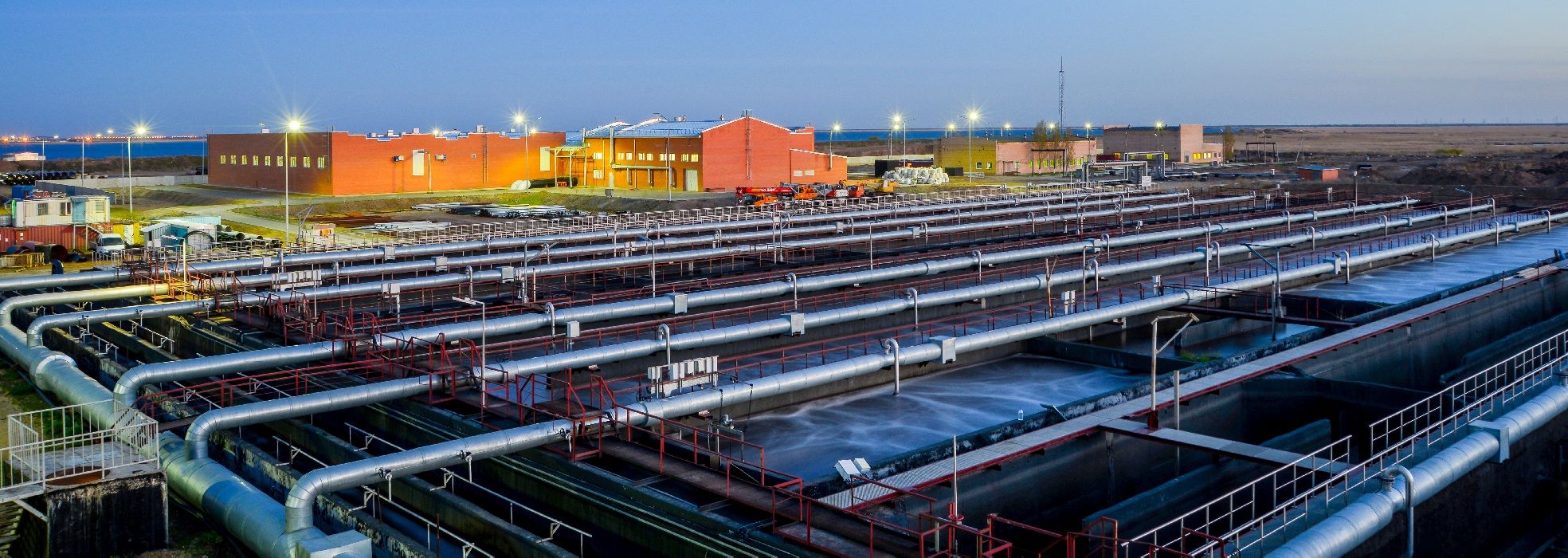
So let’s make a working model of water treatment facilities ourselves and study the stages of purification in detail!
The practical part
Step 1. Familiarize yourself with the necessary materials:For water treatment plant:
Step 2. The basis for water treatment plants made of cardboard– take a sheet of cardboard, draw a layout- cut out the required dimensions as indicated in the figure- using hot glue, connect the edges of the cardboard- we connect the bottom of the basics at the end of the lesson
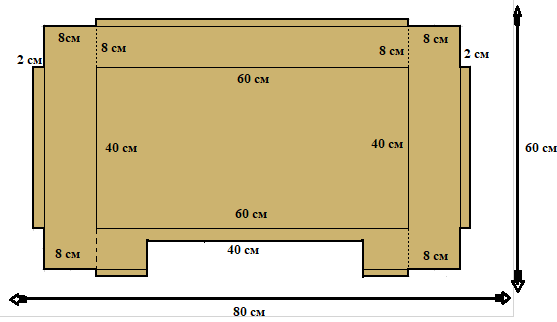
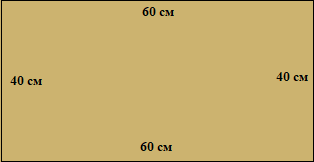
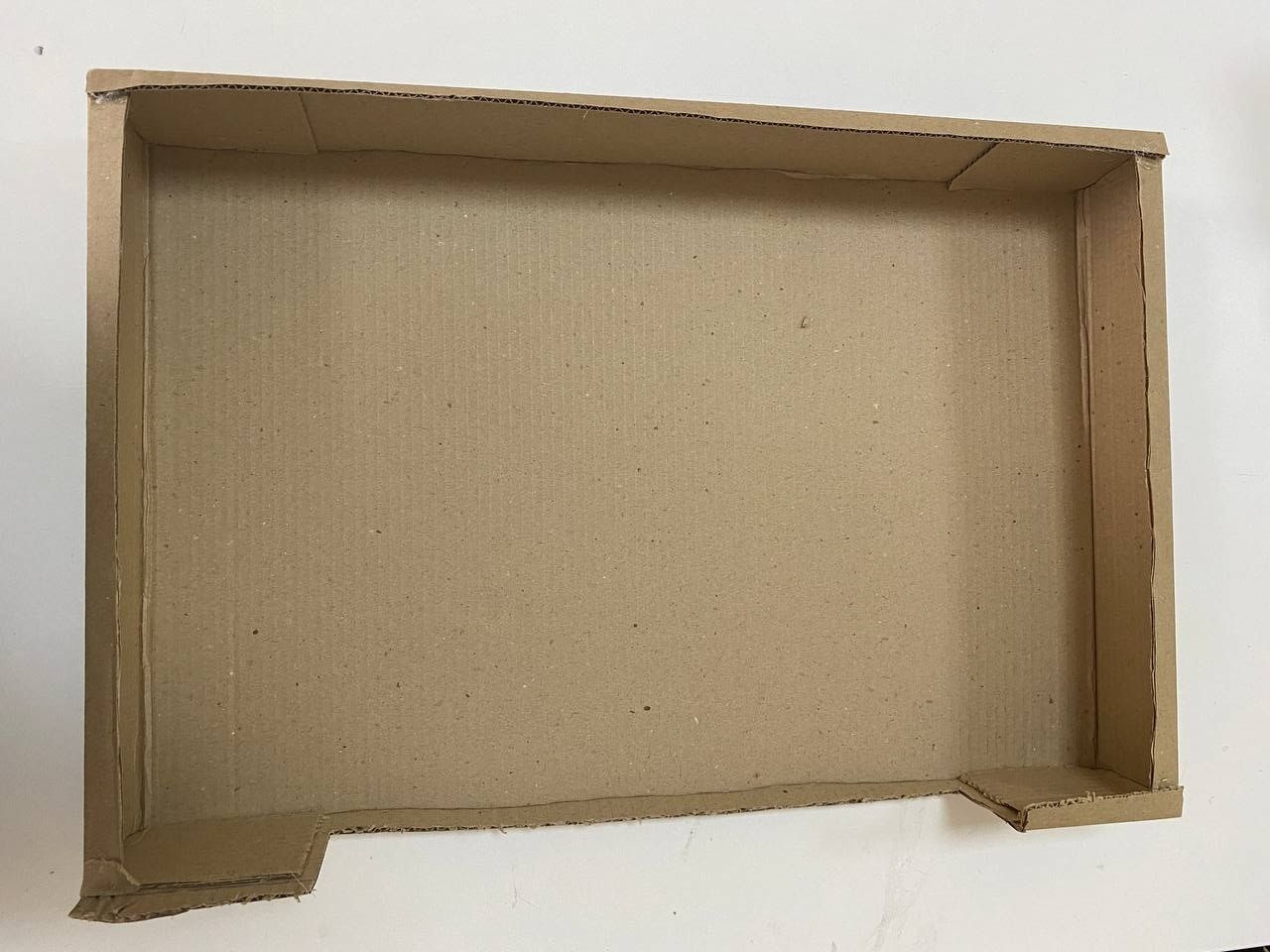
Step 3. Layout of the house and bathroom– download the layouts of the house and bathroom from the link: layout– print it out- then cut to the specified sizes- make incisions along the dotted lines- glue the paper layout to the cardboard of the appropriate size
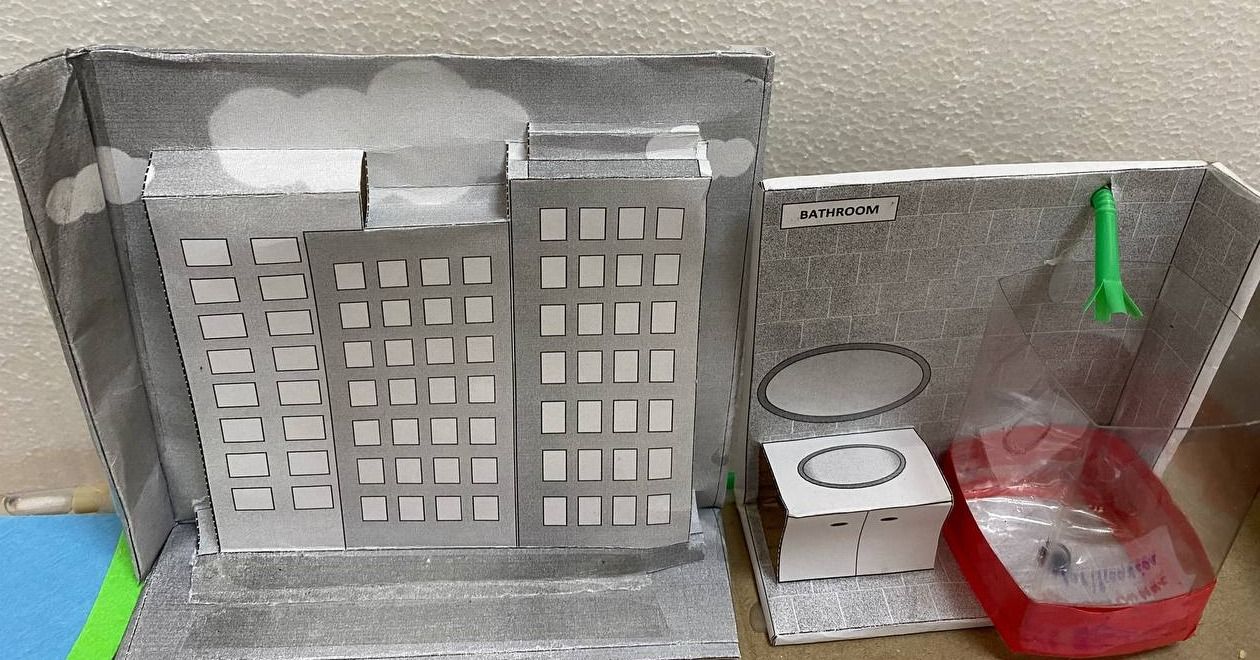
Step 4. For the layout of the shower stall:– take a plastic bottle cut out the bottom and top- then make a rectangle by bending the sides of the bottle- after that, take the film and cut out the appropriate bottom for the bottle with a margin of 1-2 cm on all sides- secure the film with duct tape.- then attach the already prepared plastic bottle to the cardboard- using a skewer, make a through hole on the film and on the cardboard – guide the silicone hose to the bottom of the base of the layout, and fix it using hot glue- put 200ml disposable tableware under the hose- make sure that the film and hose are tight
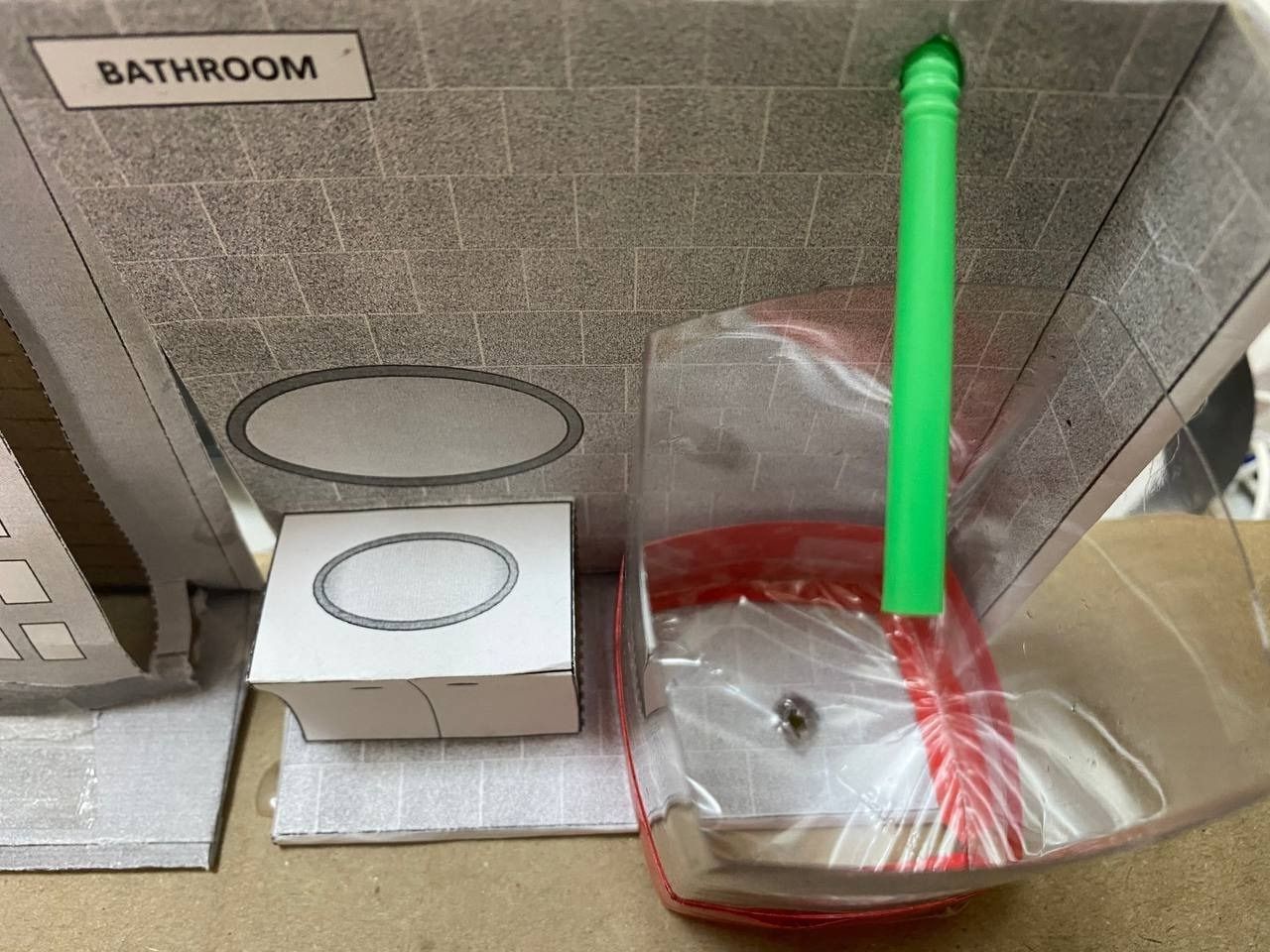
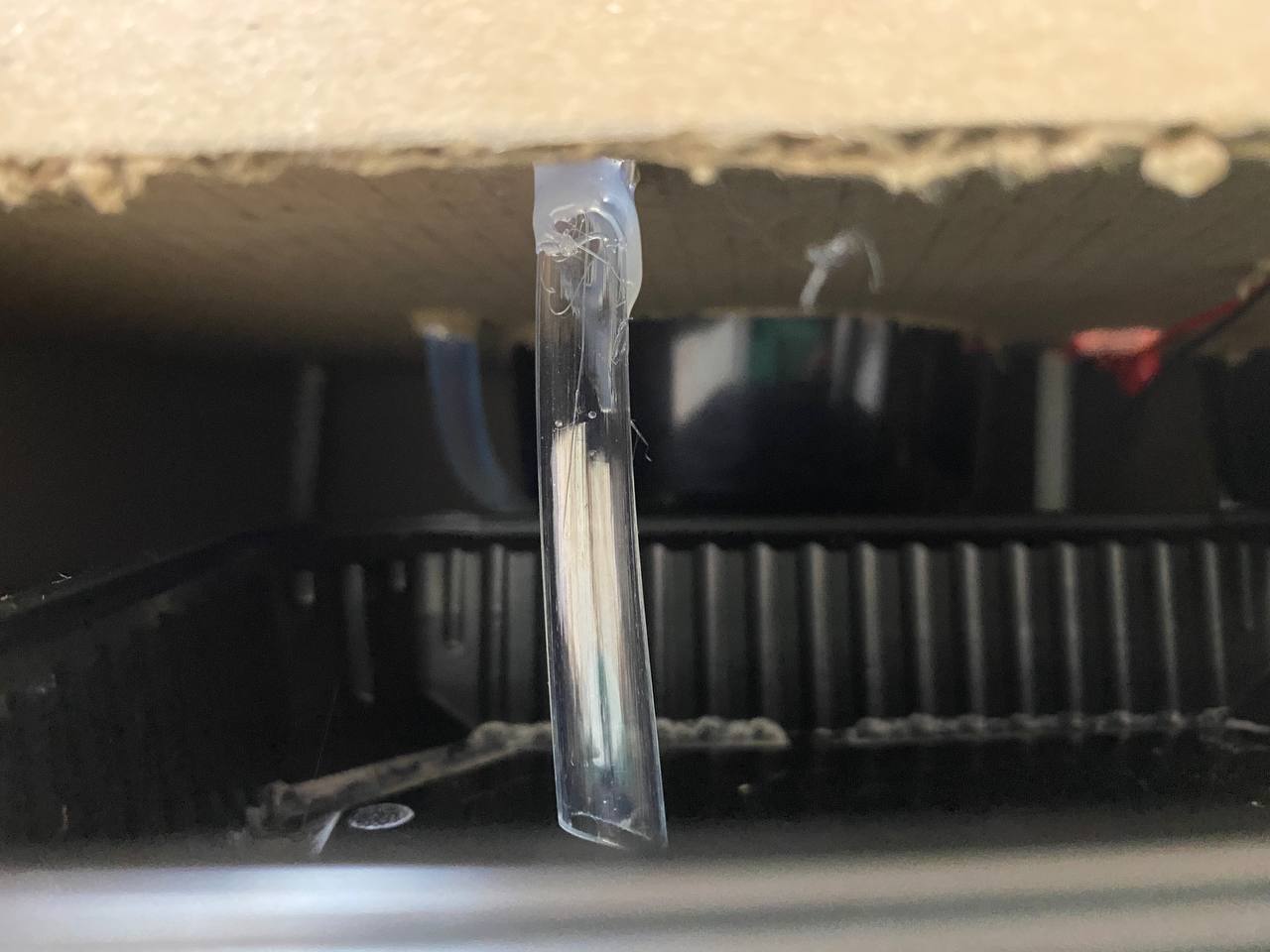
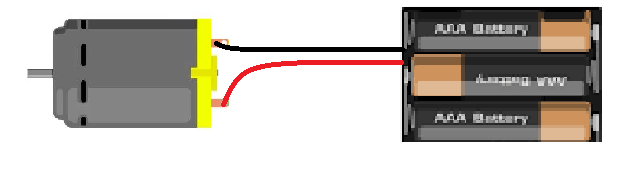
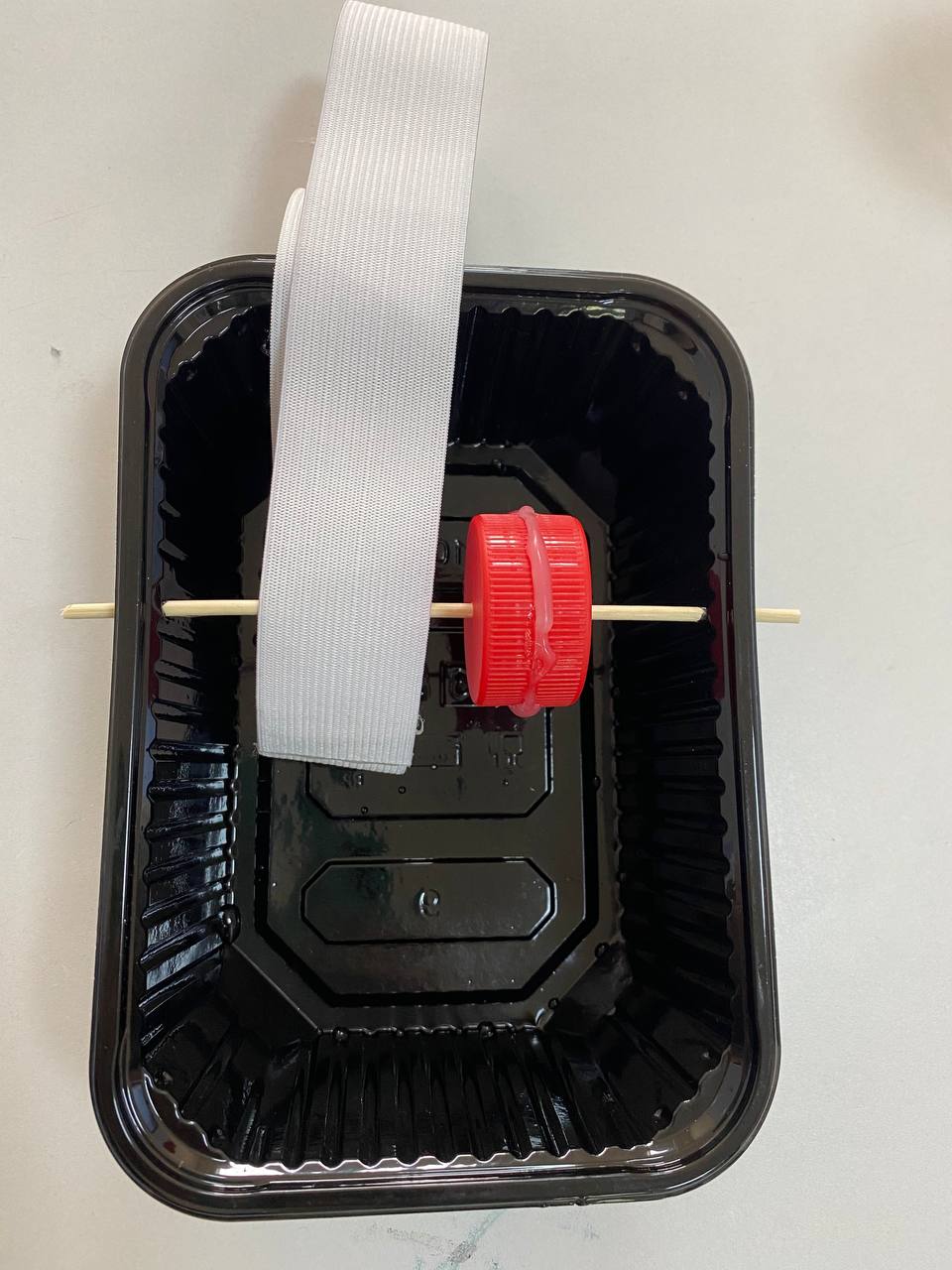
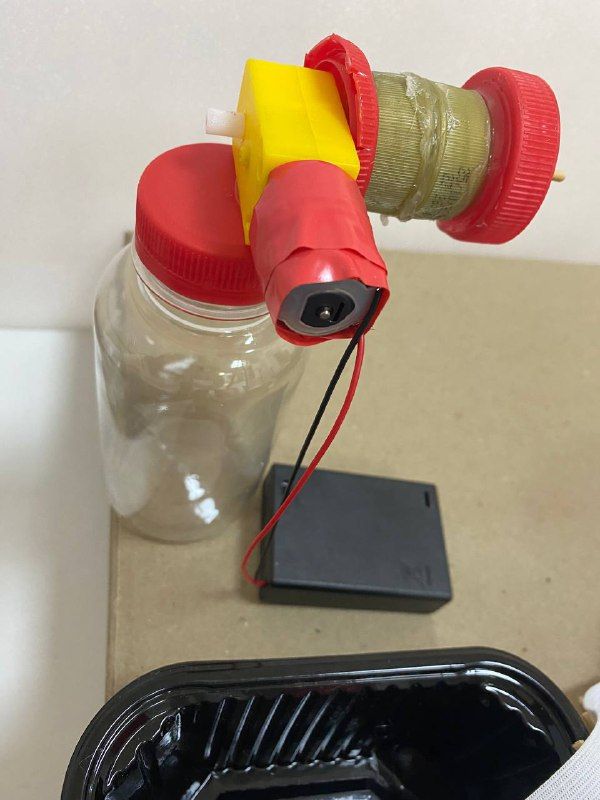
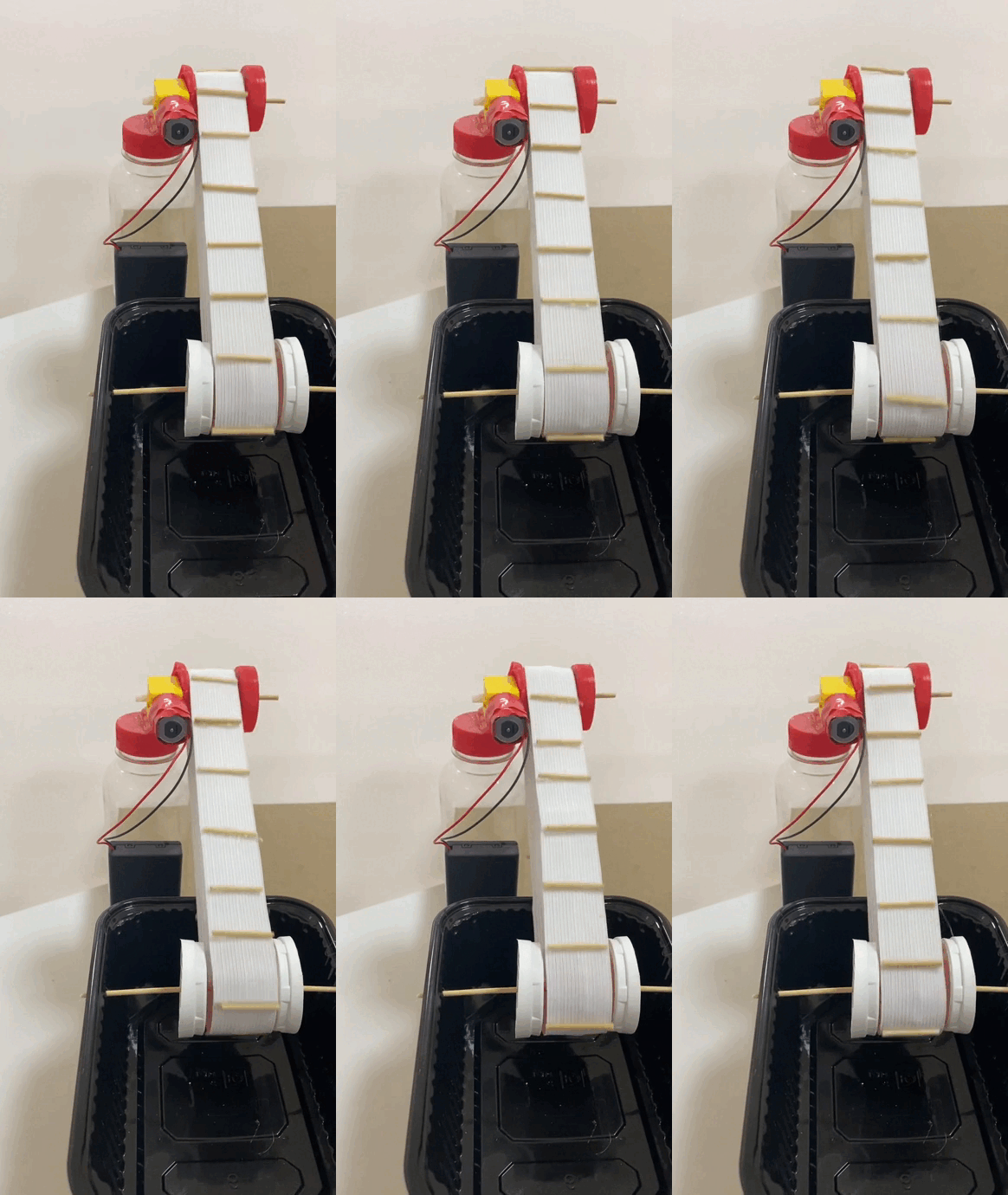
Step 5. Installation of motor and conveyor for solid waste.– take the gear motor, examine it, then connect the motor contacts to the battery compartment (1). Isolate the connections with electrical tape- take 2 lids of the same size and make a hole corresponding to the diameter of the skewer-the lids should rotate freely and connect the lids with hot glue (2)- take a 500ml rectangular container, carefully draw the skewer, lids and pre-prepared rubber (connect the ends) (2)- then glue the container on the upper right corner of the cardboard using hot glue (2)- after that, take 4 more covers (of different sizes 2 small and 2 large), make a hole in the center corresponding to the size of the motor shaft (end-to-end) – the cover turns with the shaft (3)- Then attach the motor to the bottle cap, and the bottle to the cardboard using hot glue. (before doing this, make sure that the rubber (conveyor) rotates freely (4)- take skewers and cut 2-3m into 8-10 pieces and glue on rubber using hot glue (4)
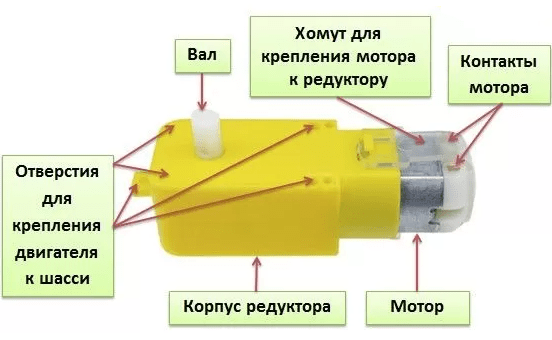
Step 6. Installing the crusher grate.– cut a sheet out of a round container measuring 15 cm*4 cm- make several through holes- install the grate inside the container by fixing it with hot glue on both sides
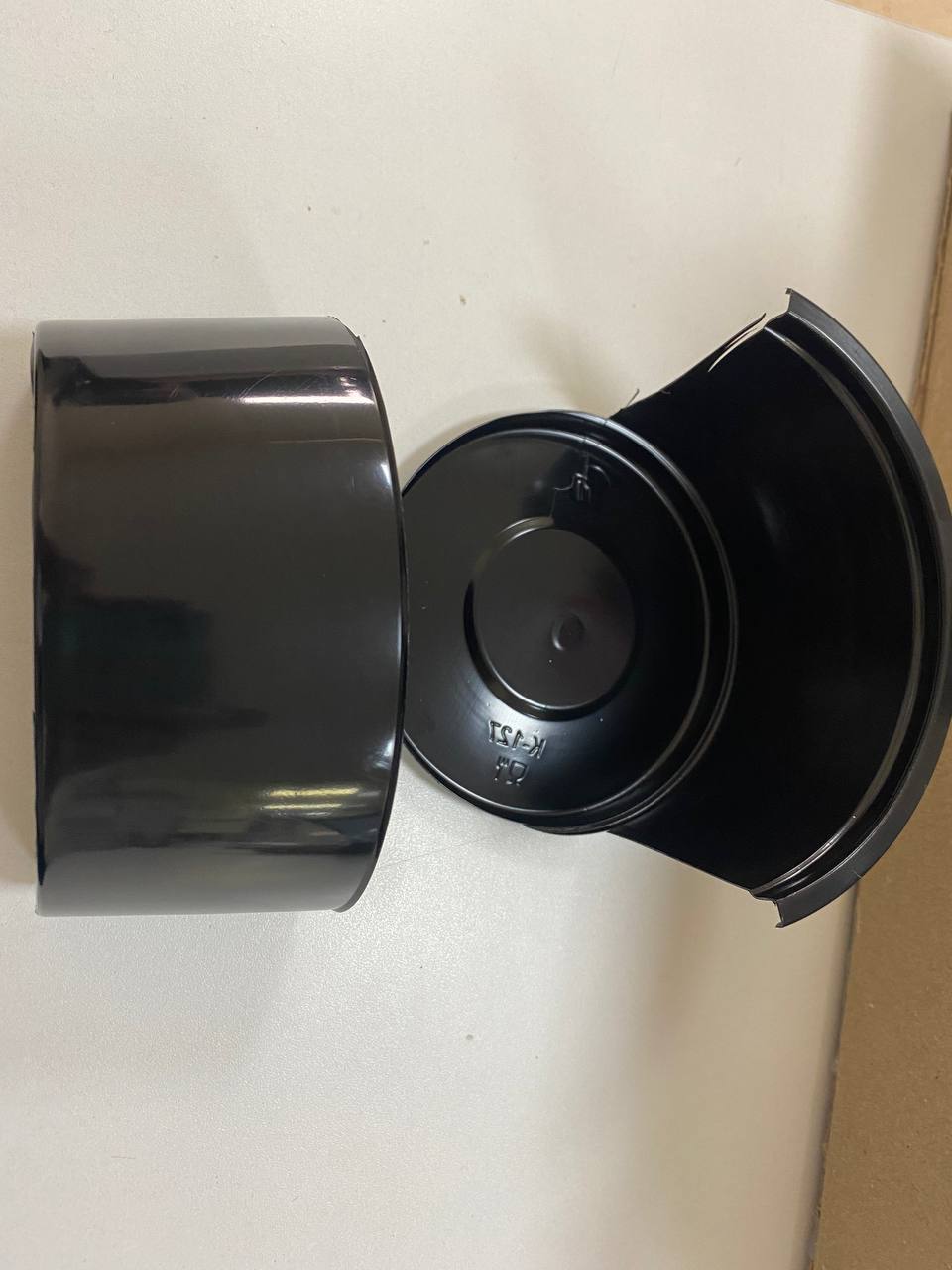
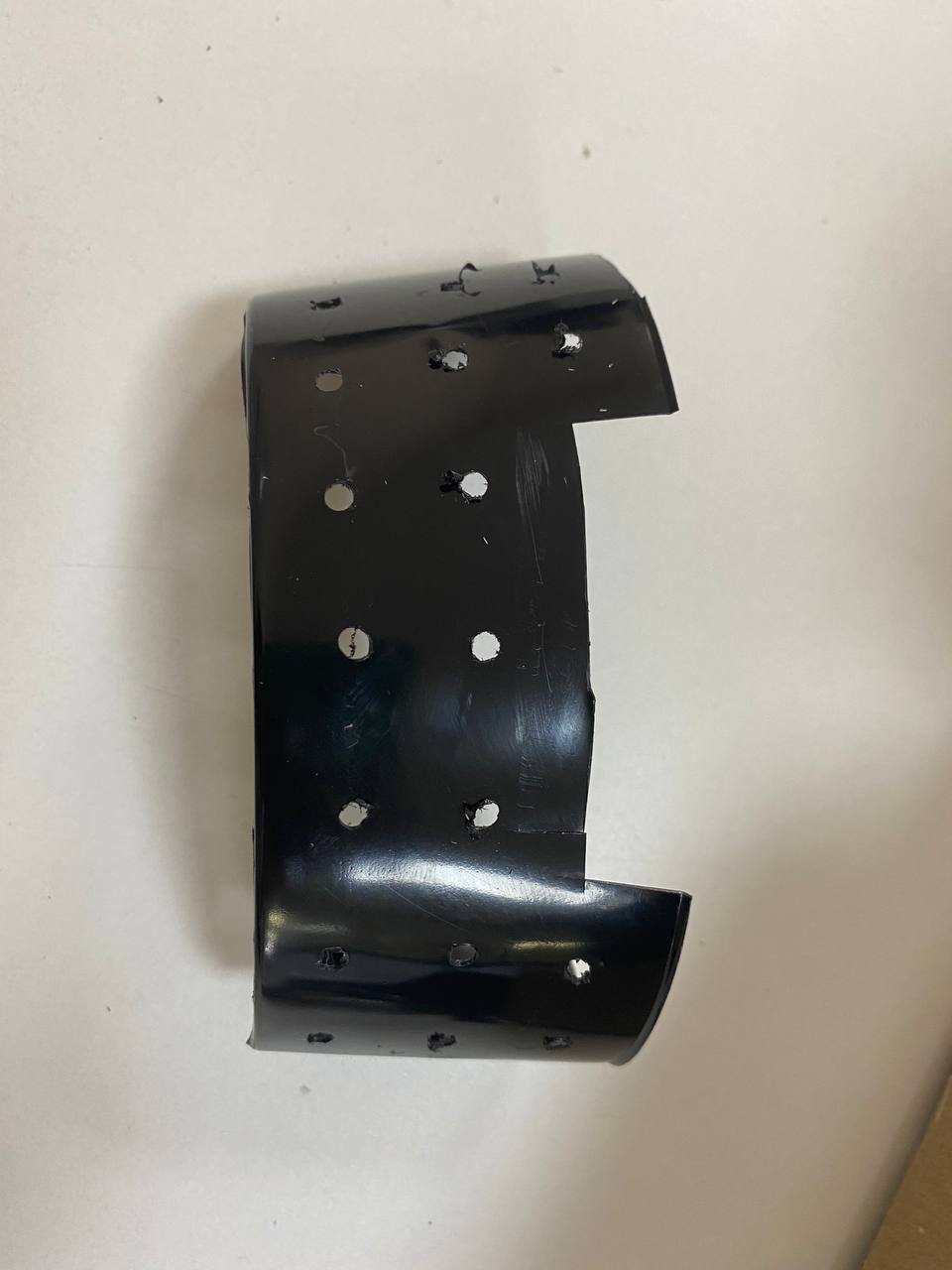
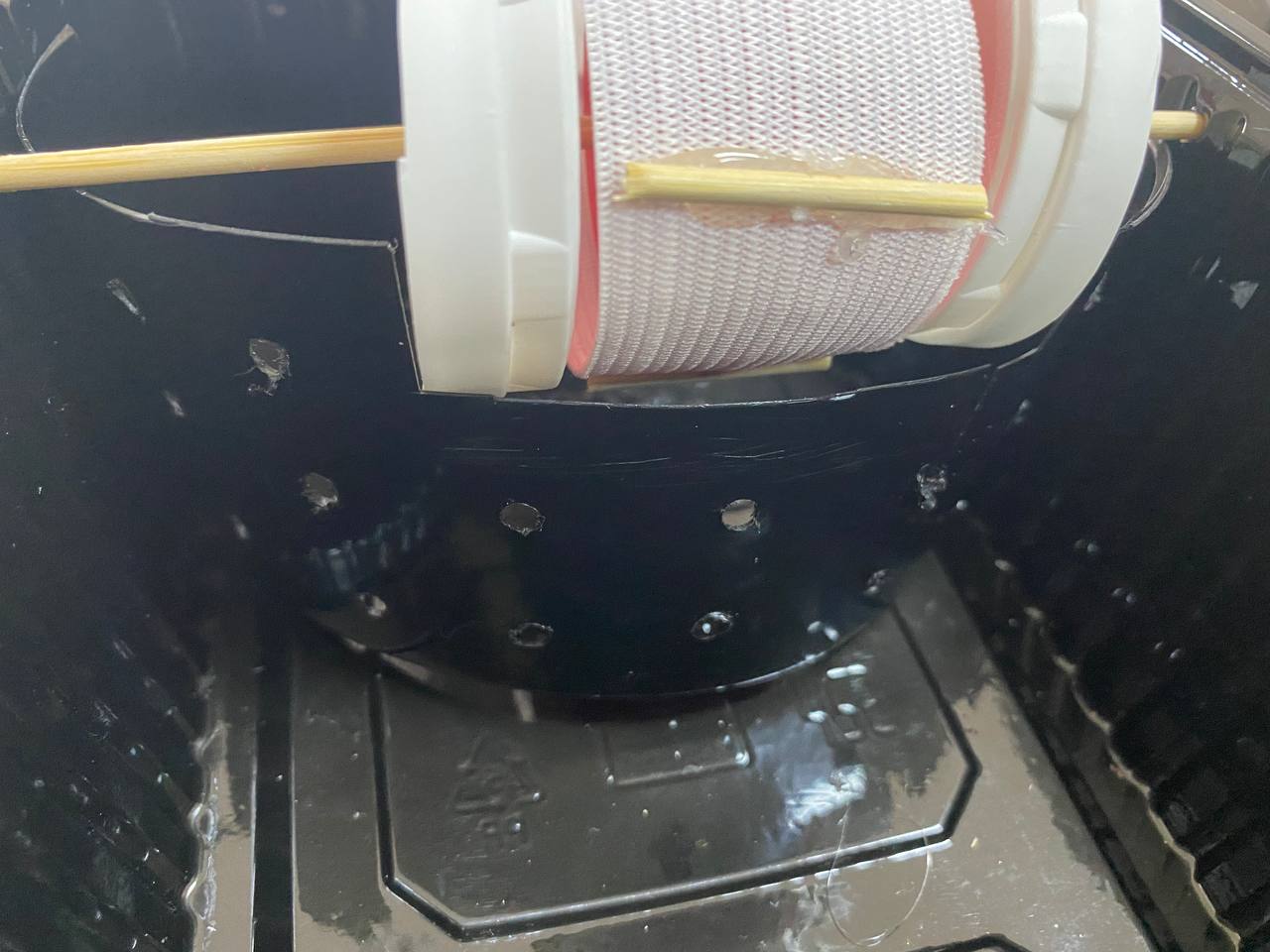
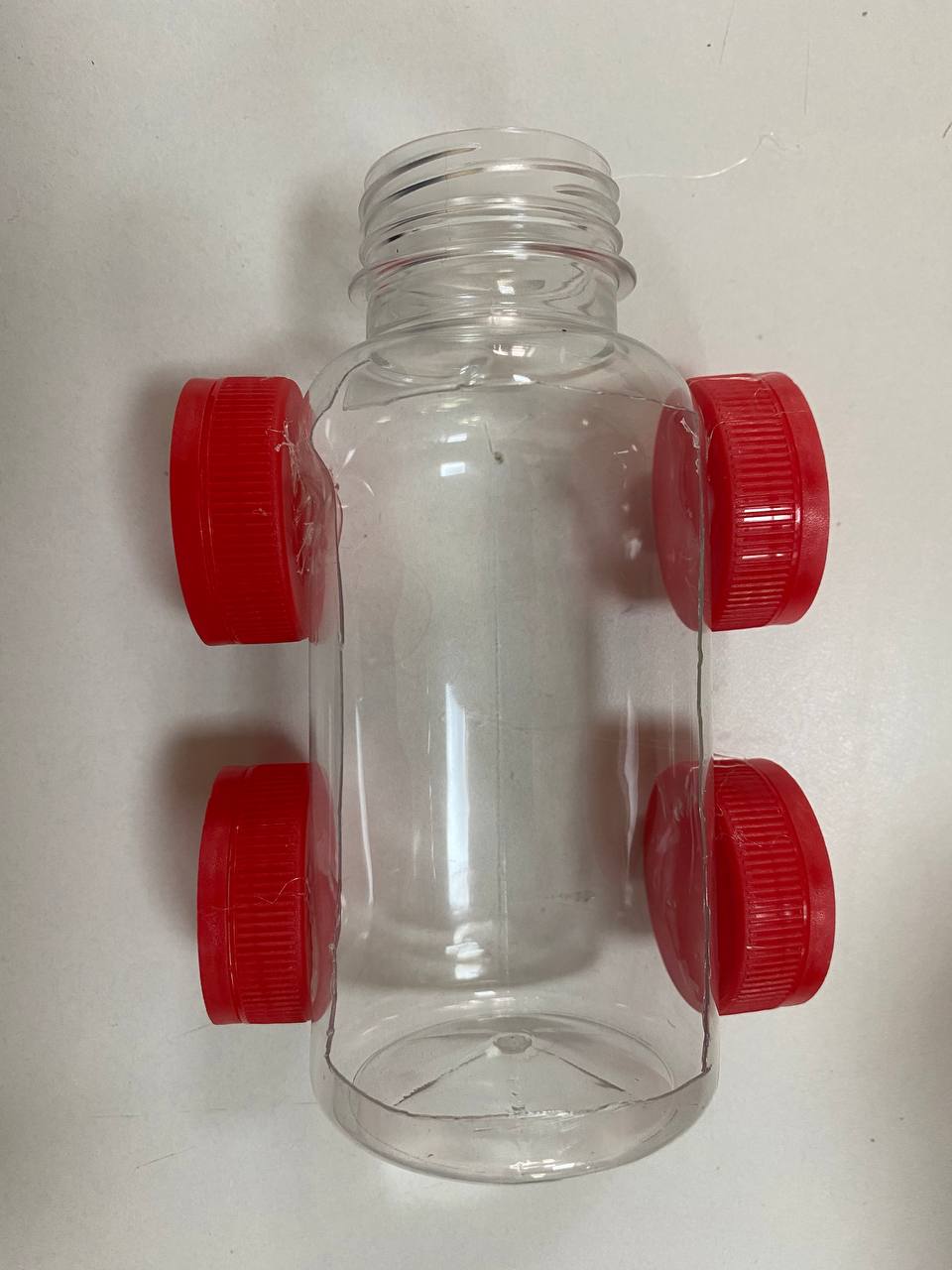
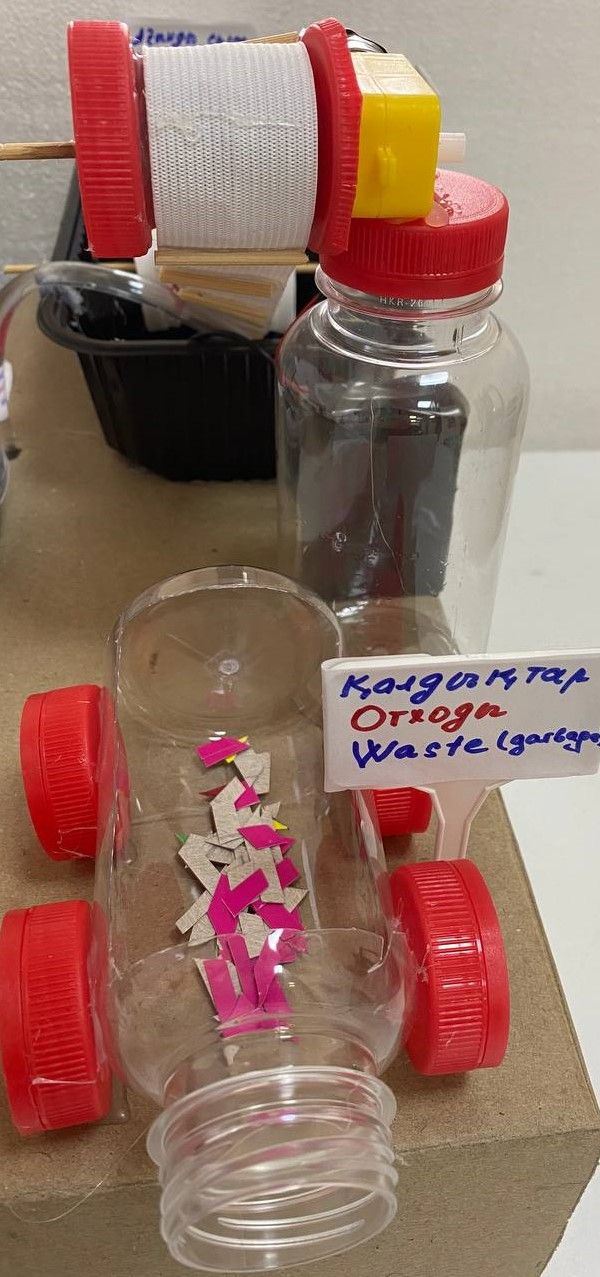
Step 7. Dumping of solid household waste (MSW)– take the bottle and cut out the wall- install the wheel covers on four sides-then I use hot glue, fix it on cardboard so that the waste from the conveyor falls into the bottle
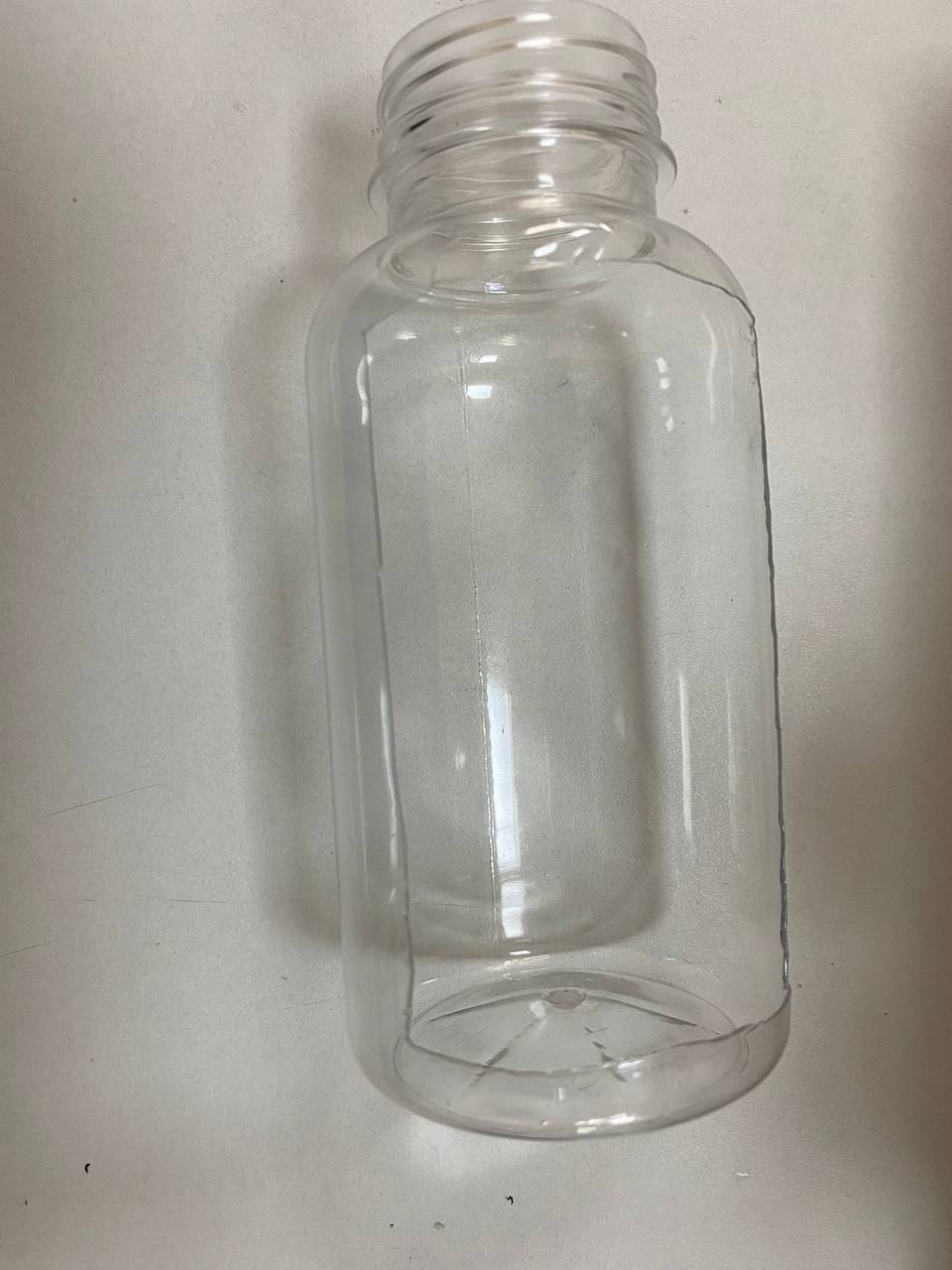
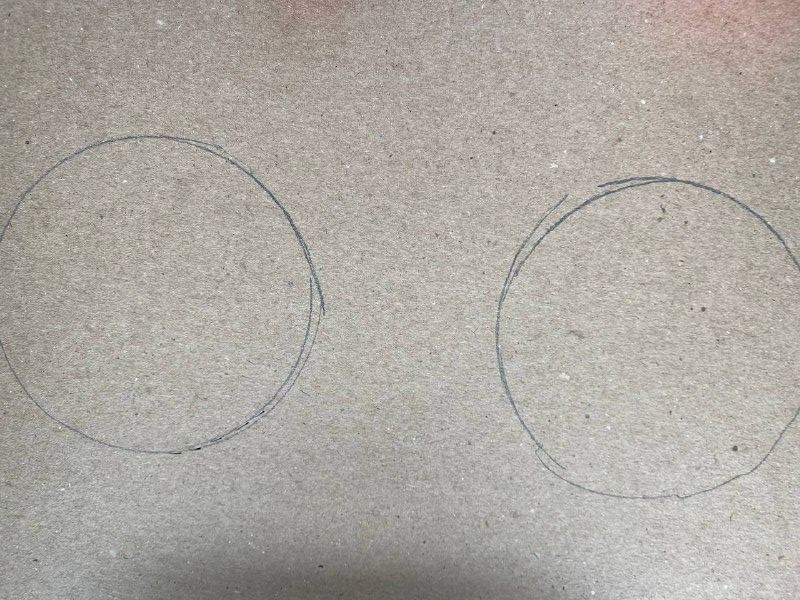
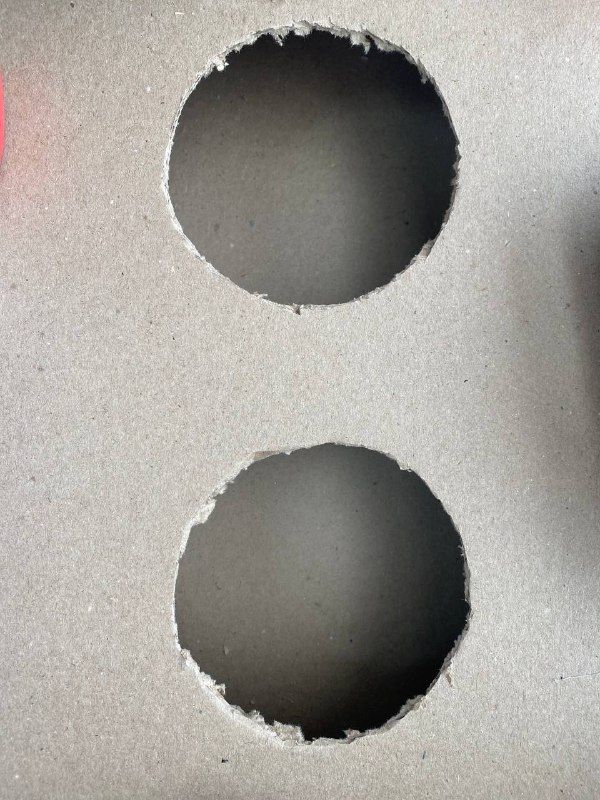
Step 8. Using the bottom of a round container, make a circle based on cardboard and cut out using a stationery knife. Then make a hole between the circles suitable for the size of the motor.
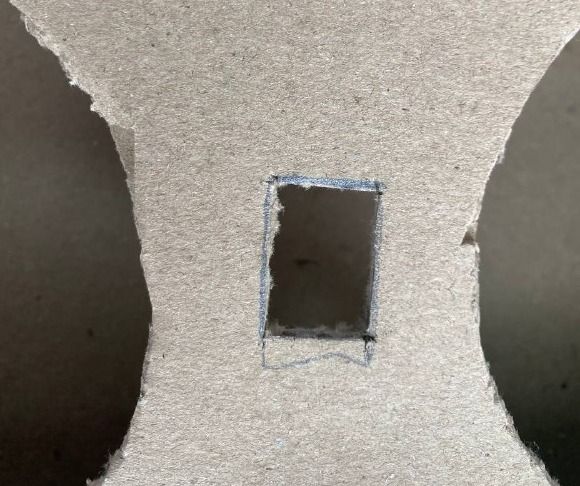
Step 9. Installation of sedimentation tanks– Take the second gear motor and also connect it to the battery compartment – then install the wheels to the shaft (you can use the same covers instead of the wheels) – Cut out 2 pieces of the filter unit of the system – leave 1-1.5cm on the tip and cut out the hose of the system -then make incisions on both sides and using hot glue connect the blades inside the dropper (plastic landing plates are used as blades) – 2 identical parts – after make a hole in the center of the lid from the container corresponding to the tip of the filter unit and connect the parts (lid + dropper with blades) – there should be 2 lids – now install 2 containers, close the loosely finished lids -the lids should rotate freely – – then install the motor in the middle and fix it with hot glue, make sure that when the wheels rotate, the container lids should rotate accordingly
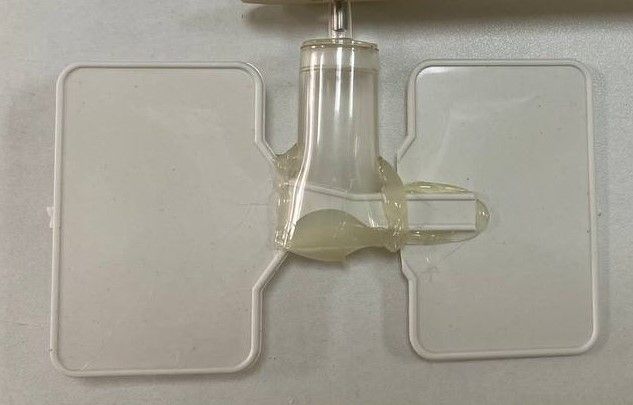
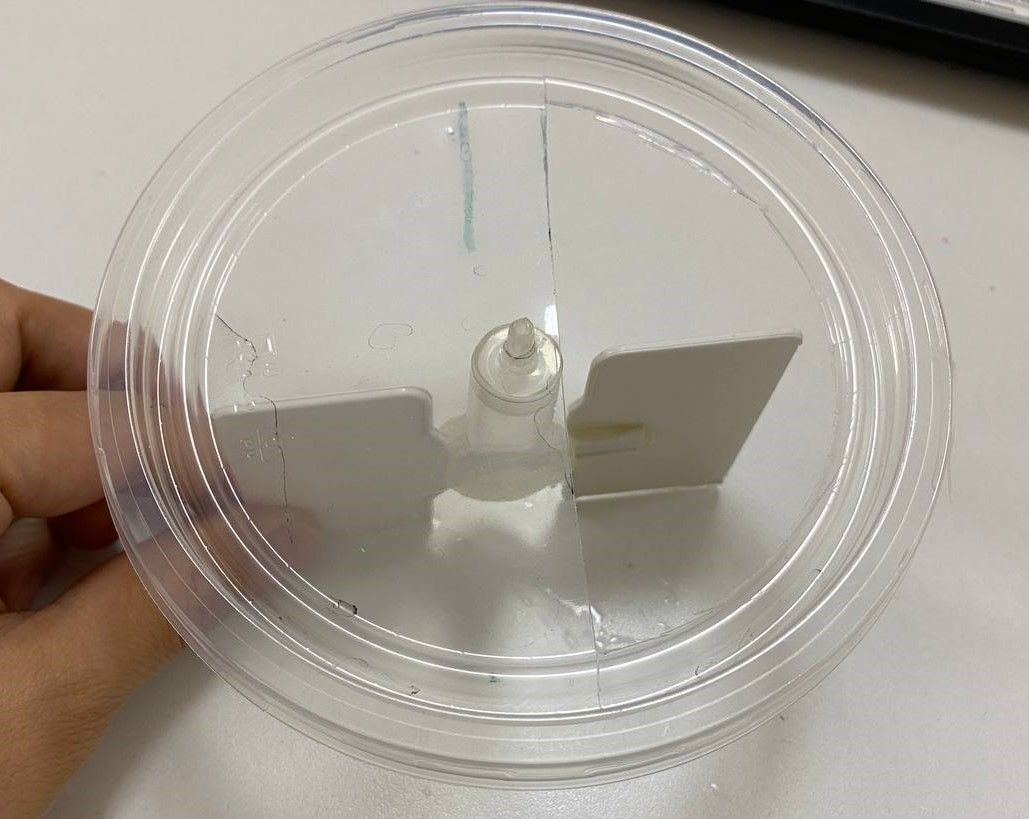
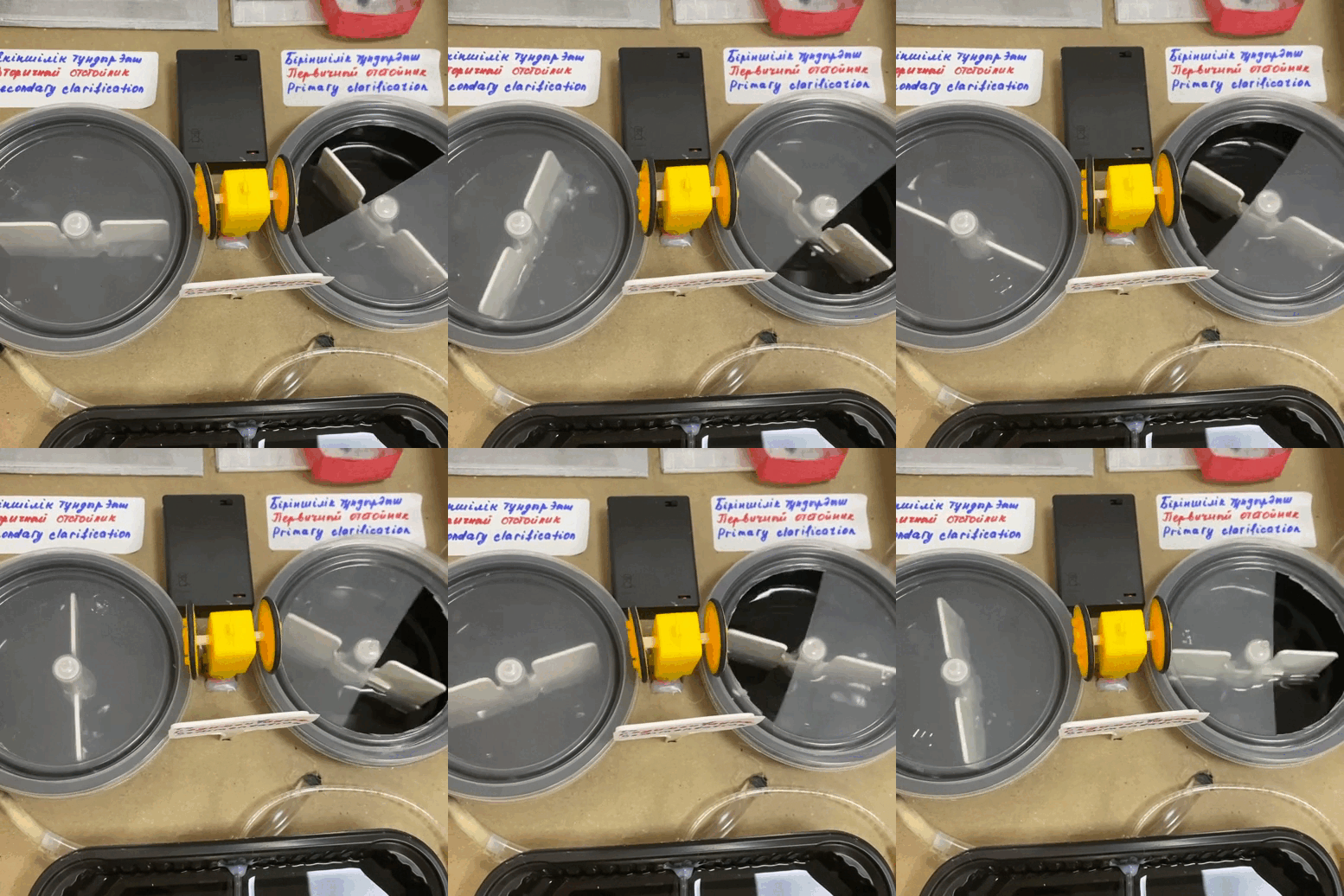
Step 10. Installation of aeration – connect the syringe to the system- take a rectangular container of 200 ml and make a hole in the center (closer to the bottom) using the sharp part of the skewer- then run the hose of the system and seal the container with hot glue- fix the container and the syringe on the cardboard
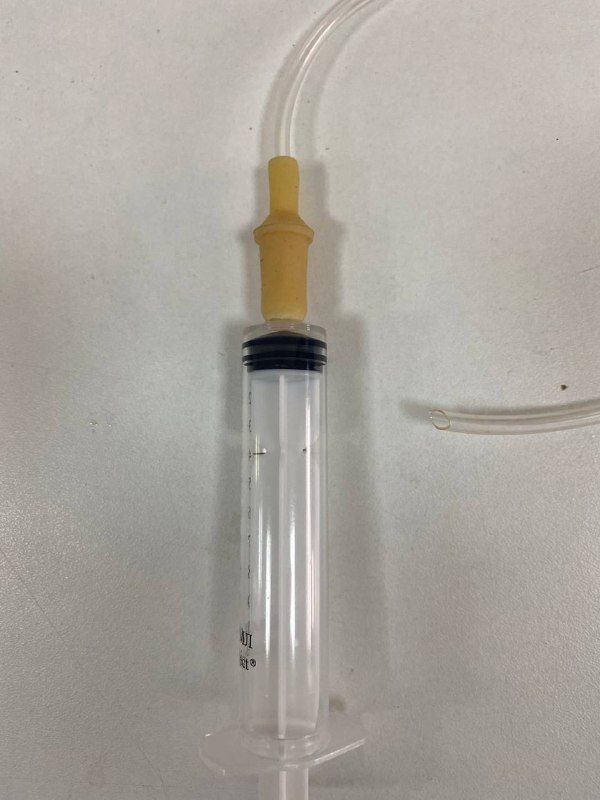
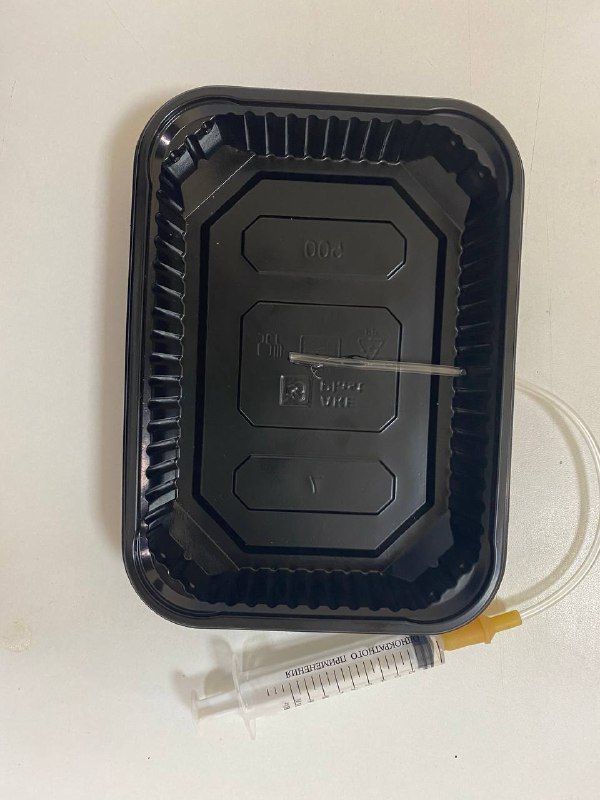
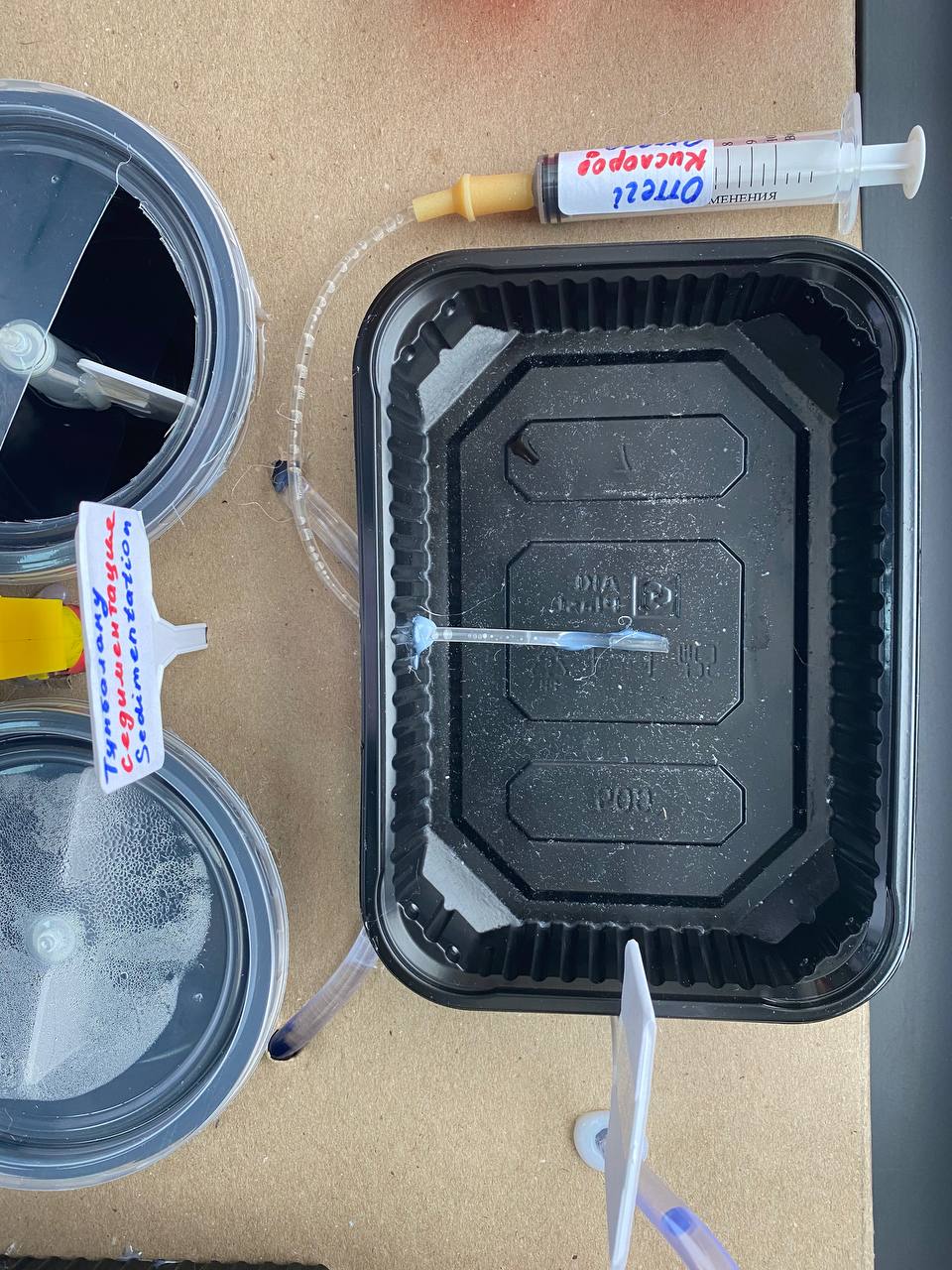
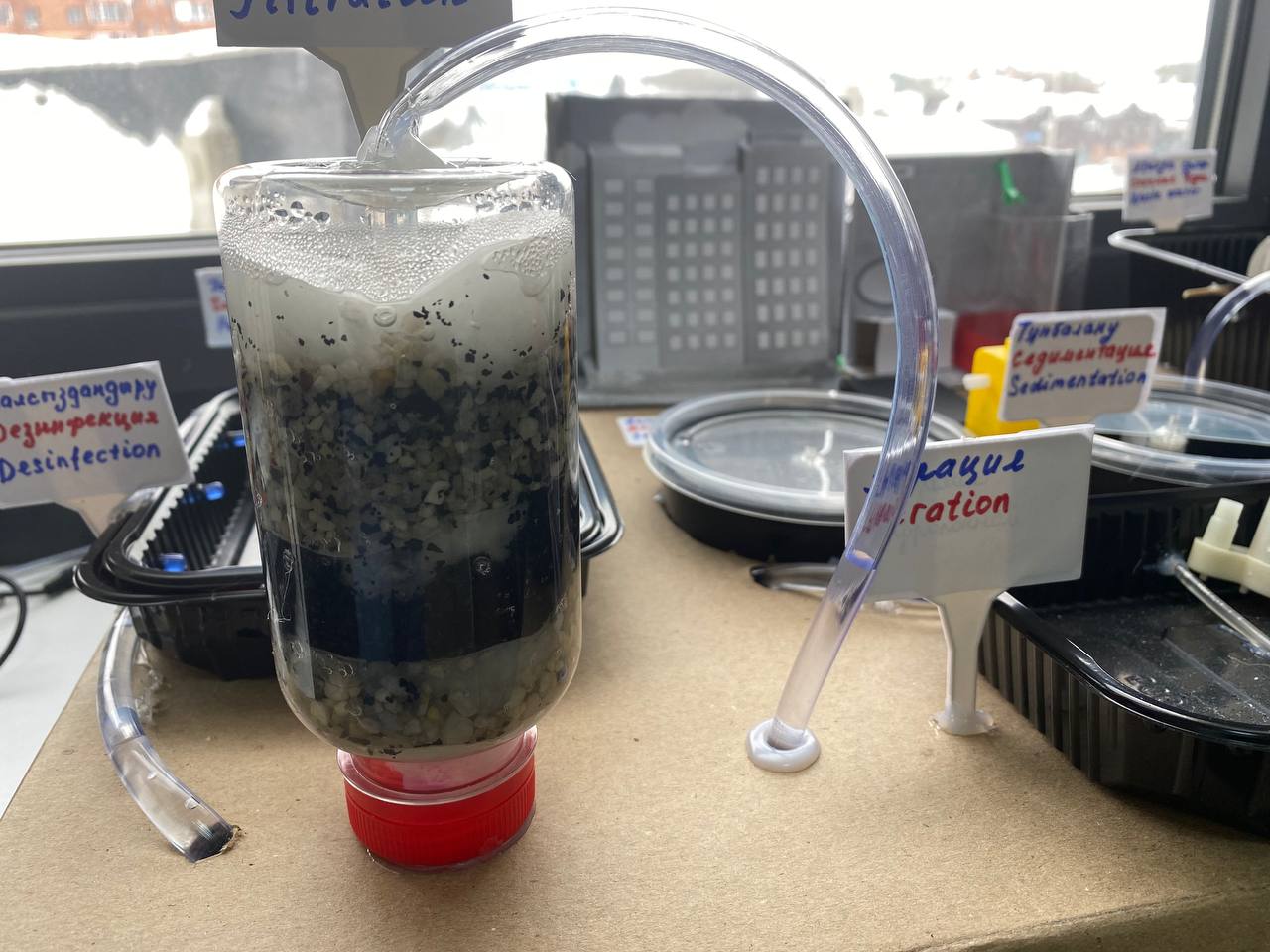
Step 11. Setting up filtering– take a 250ml plastic bottle and make a hole on the bottom and on the lid (in the center) corresponding to the diameter of the silicone hose- prepare filter materials in advance: gravel, activated carbon, cotton wool, filter paper (or gauze)– open the lid, then immerse all materials into bottles strictly according to the system:– filter paper – cotton wool – gravel – cotton wool – filter paper – activated carbon – filter paper – cotton wool – gravel – cotton wool – filter paper – close the lid tightly – after everything is prepared, run 2 different silicone hoses on both sides and fix it with hot glue – then make a through hole (with the diameter of the hose) on the cardboard to the left of the aeration and run the hose from the side of the lid and fix it all with hot glue, – and run the second hose next to it, also making a hole
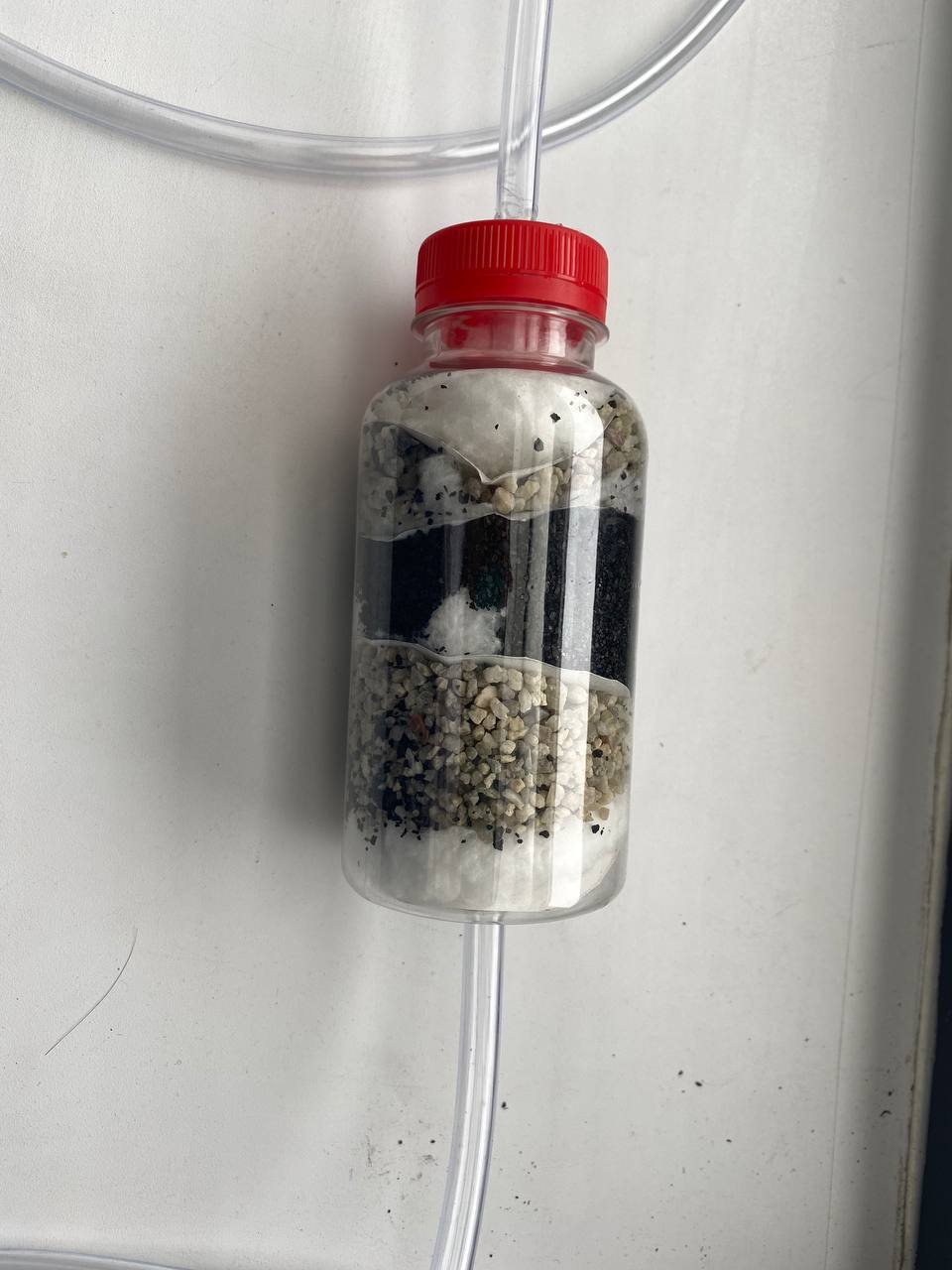
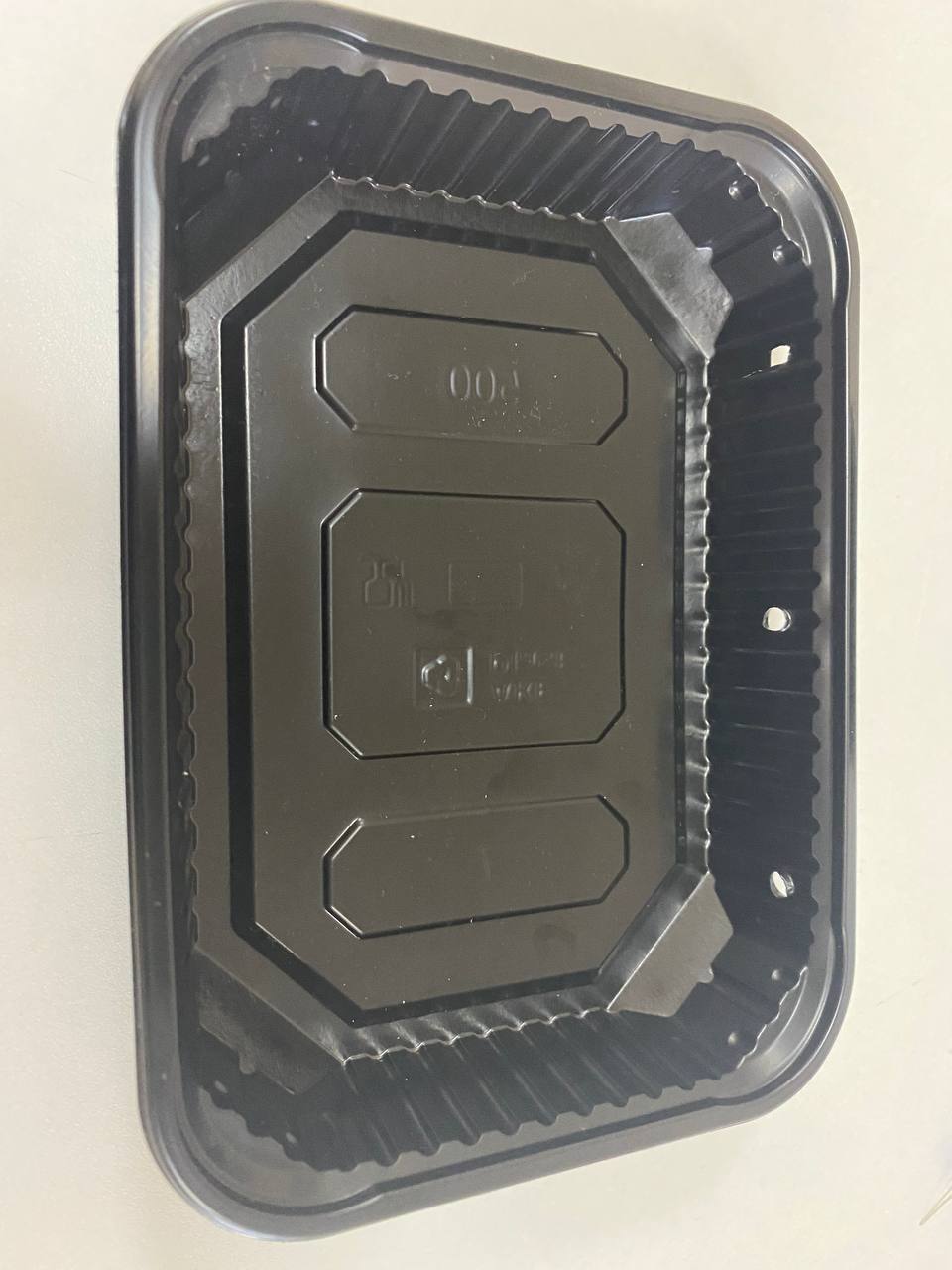
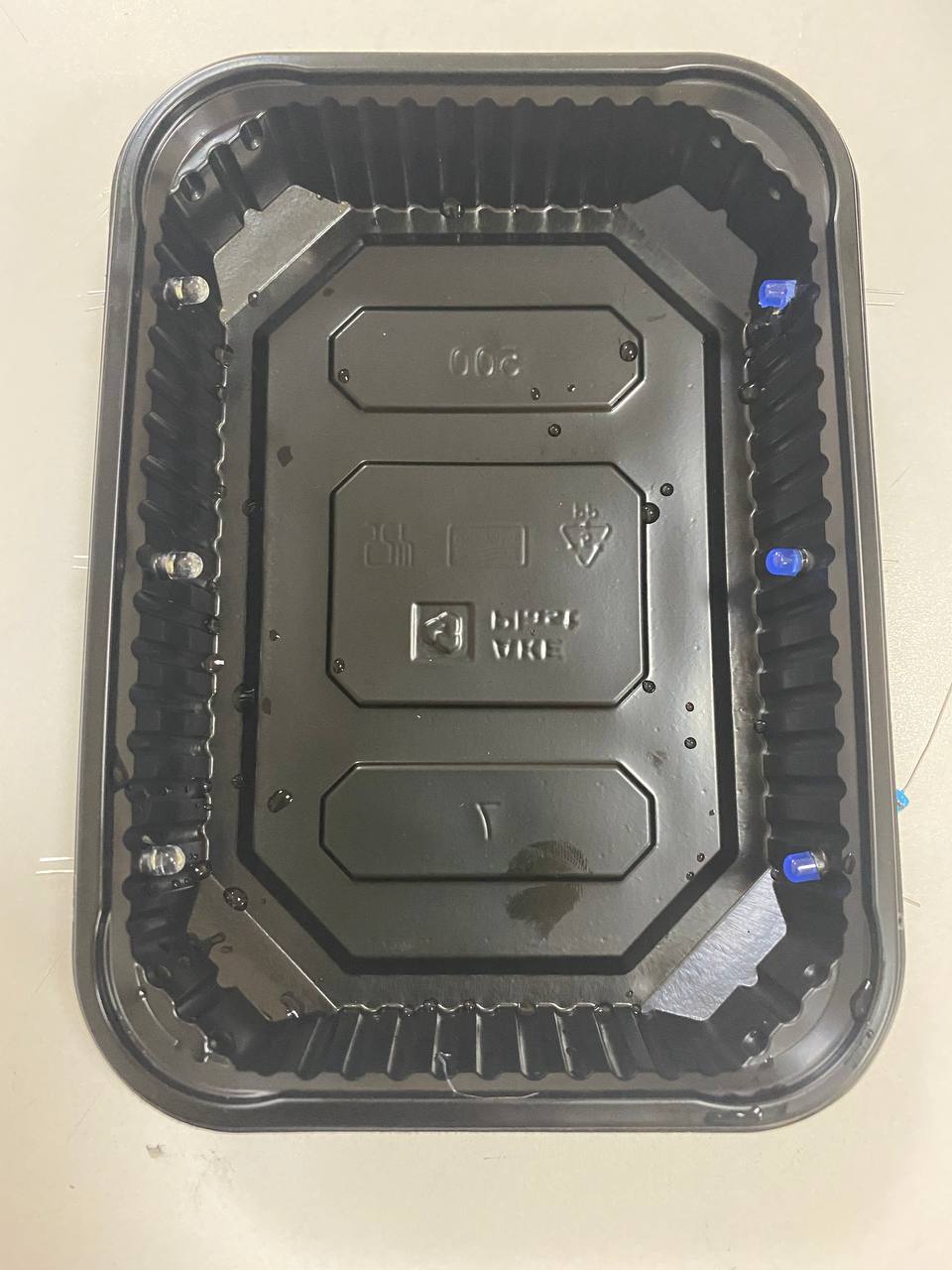
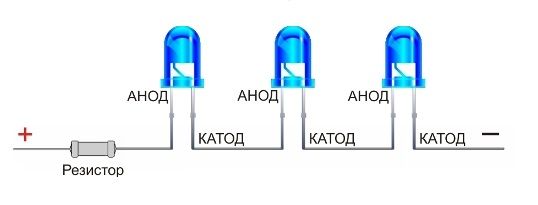
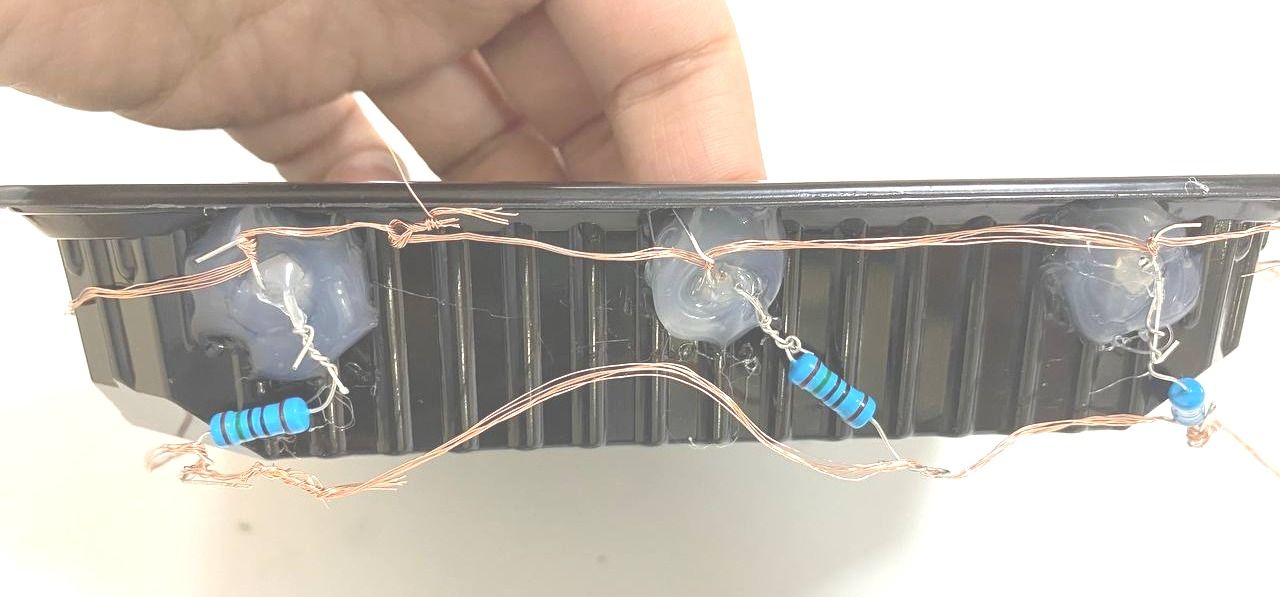
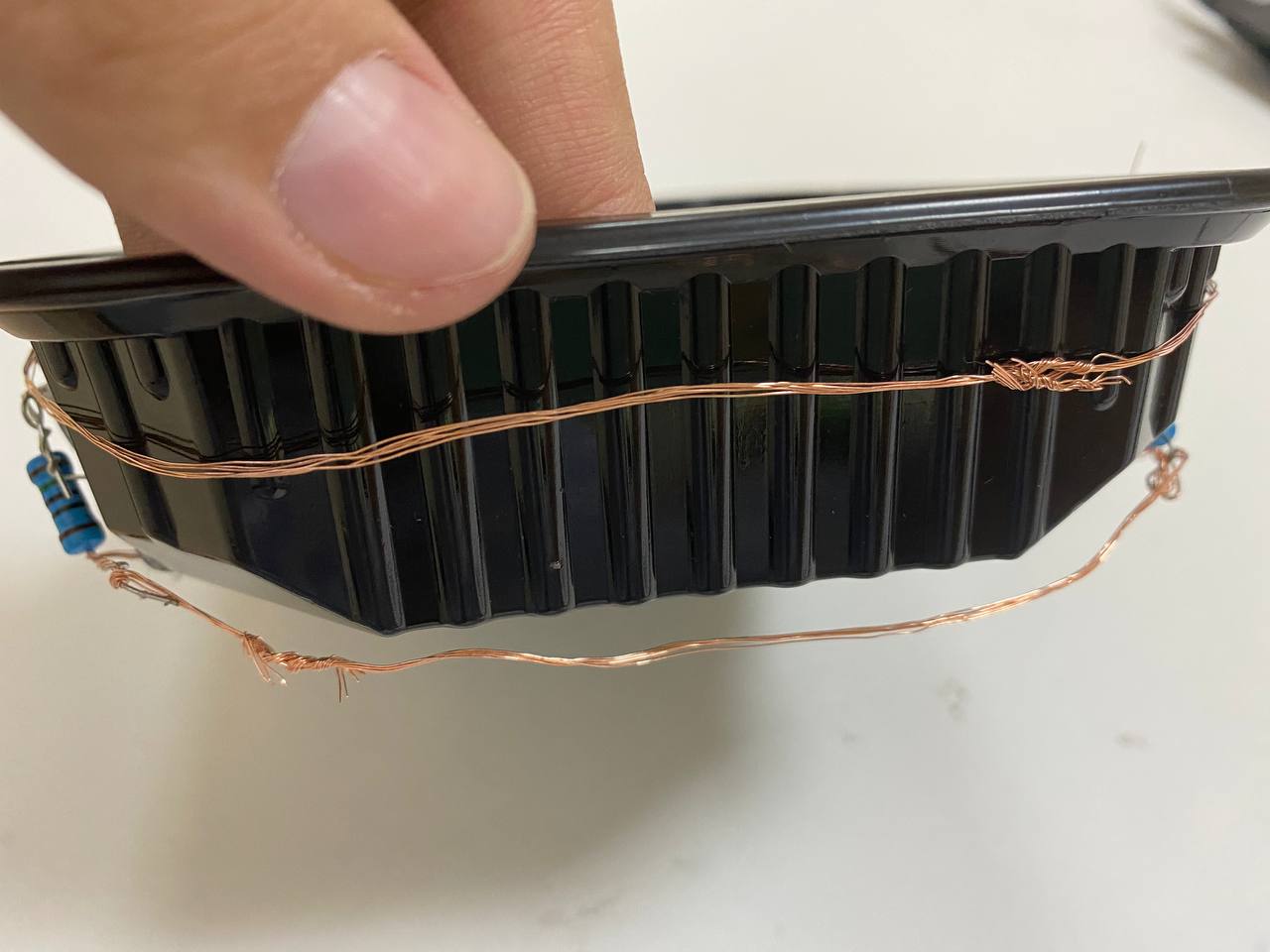
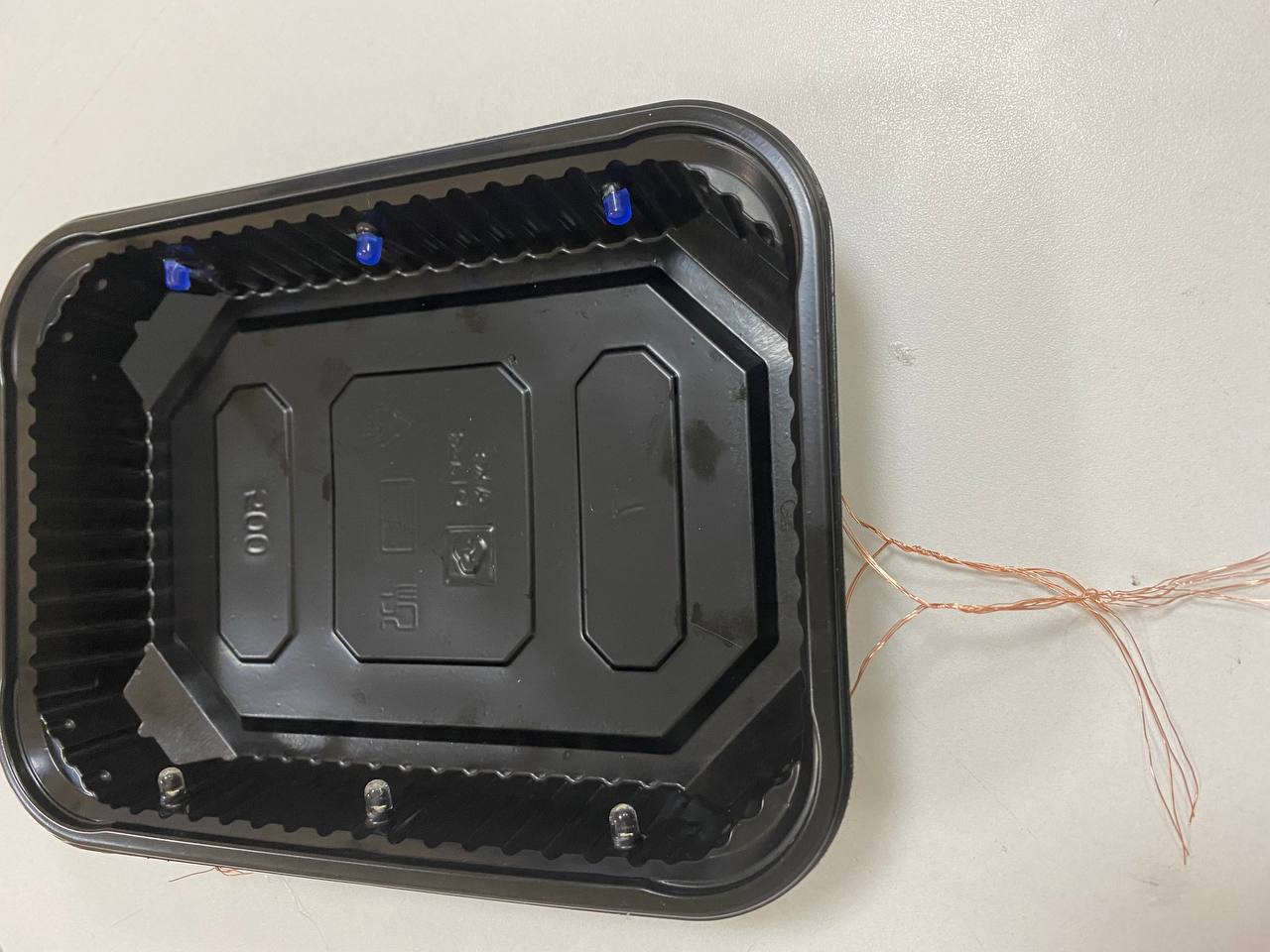
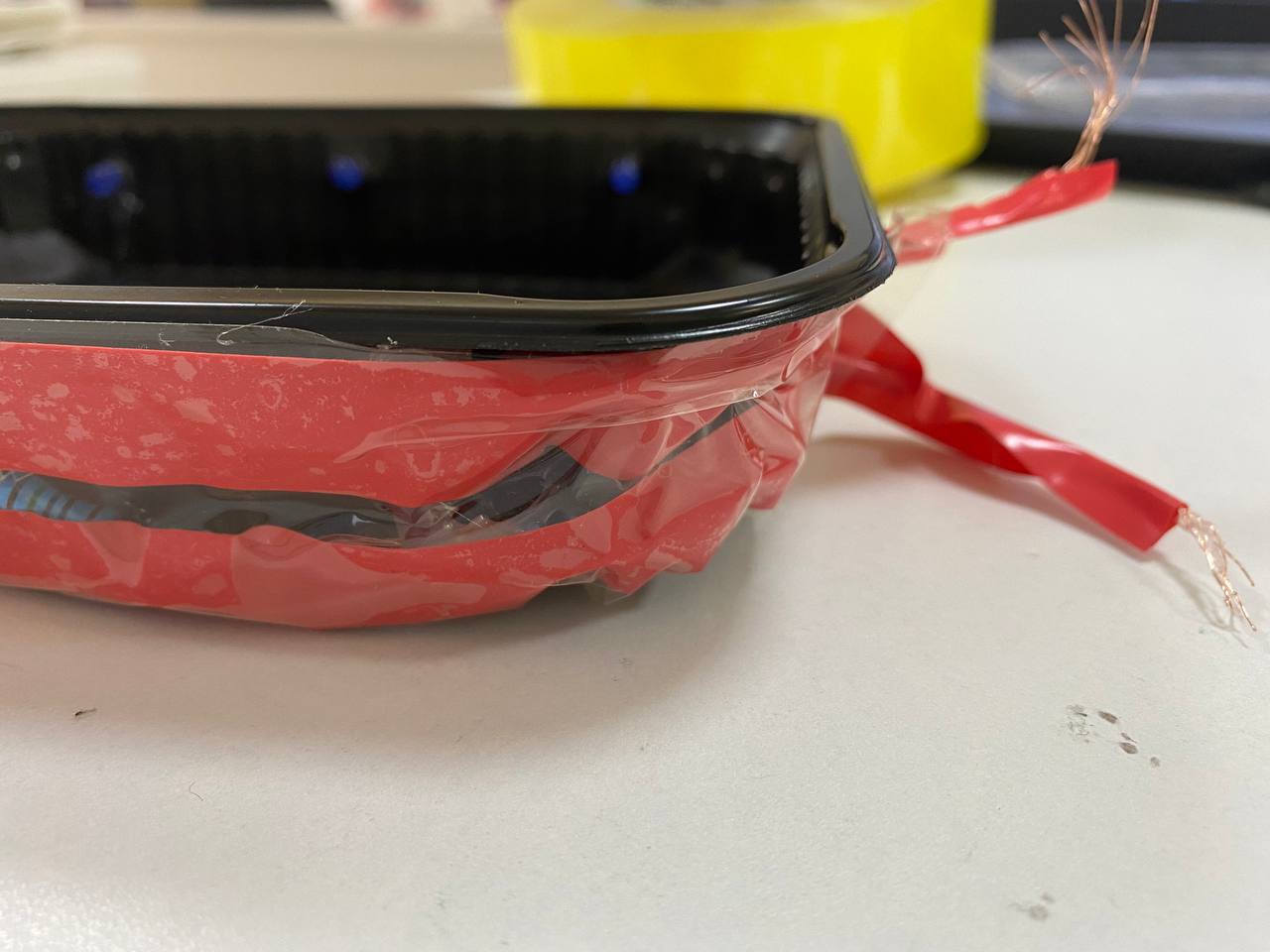
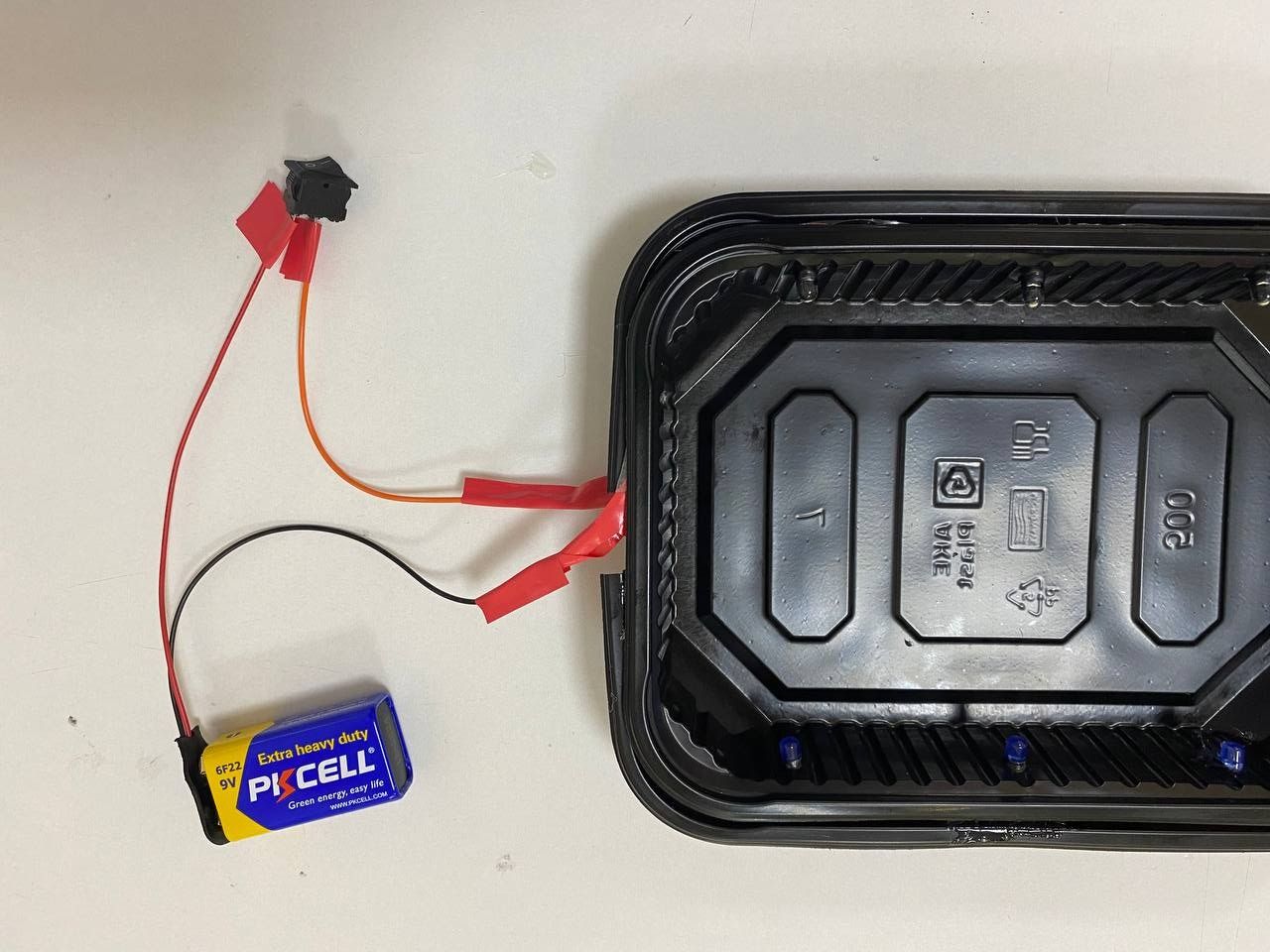
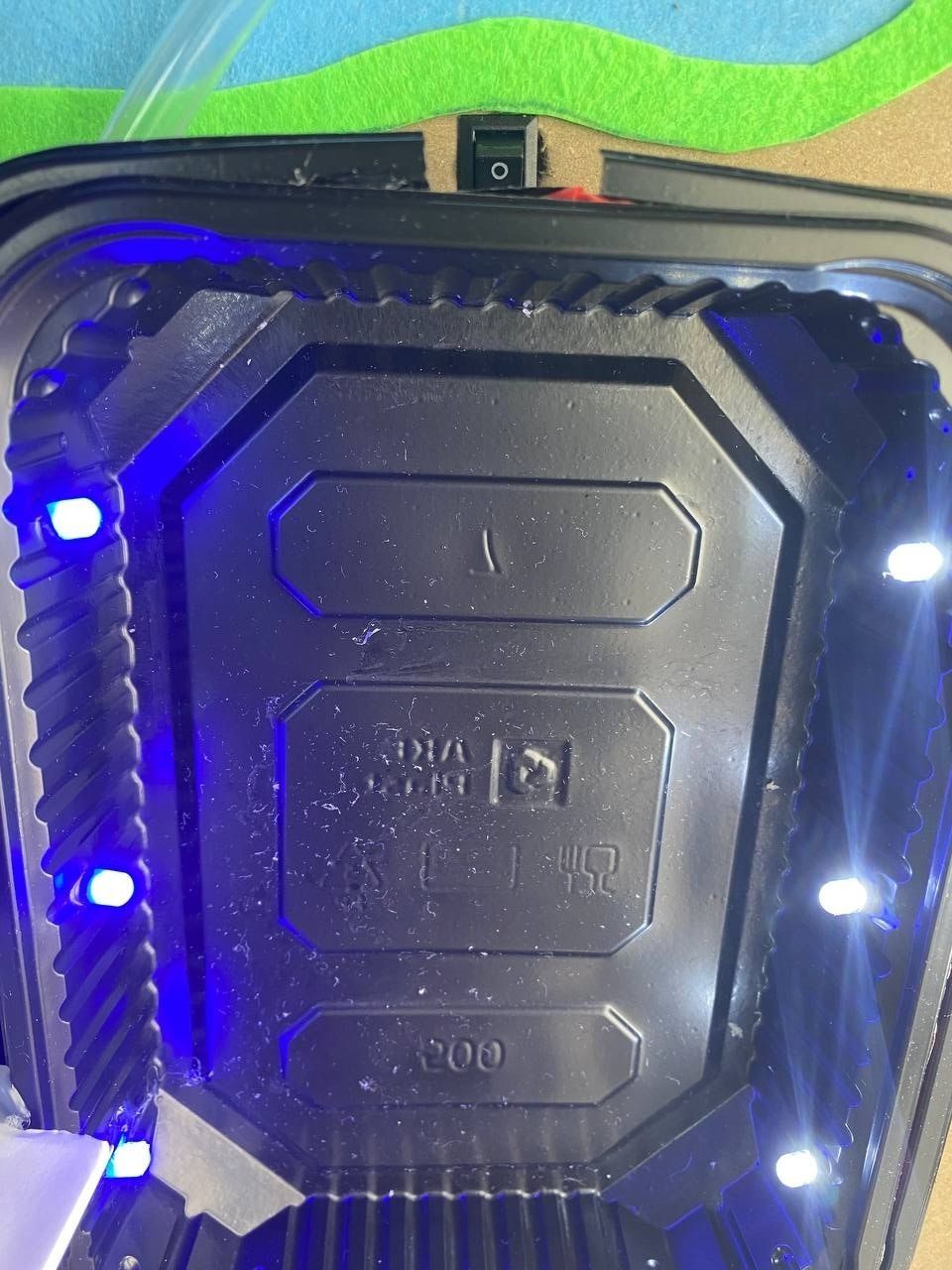
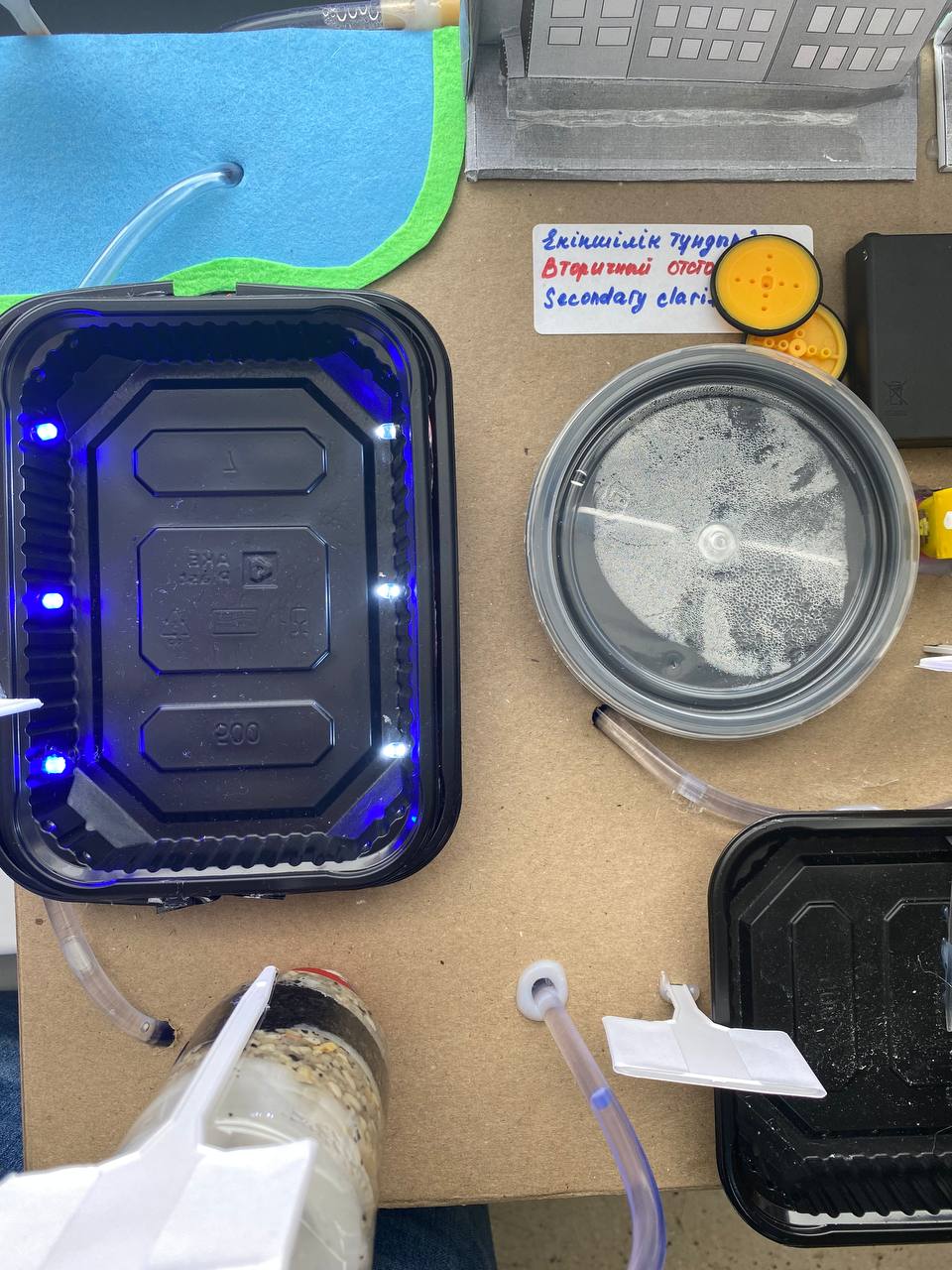
Step 12. Disinfection installation. – prepare 6 LEDs and 6 resistors, copper wires and a battery compartment with a switch- carefully make 6 holes on the 200 ml container (symmetrically 3 on both sides) using the sharp part of the skewer- then pass the LEDs through the hole – after that, connect the resistors to the LEDs according to the scheme: the anode (+) of the LED (the anode is longer than the cathode) is connected to the resistor (either side)- then we wire the other part of the resistor, respectively, we connect all the anodes (+) in one line- accordingly, we connect all the cathodes (-) from the LEDs also to another line using wires- and so after doing all the actions in a circular output 2 wires: anode (+) and cathode (-)– then seal the hole with hot glue from the outside and inside of the LEDs, without connecting the LEDs, check for tightness – the hole should not let water through– using electrical tape, it is necessary to isolate the wires (+ and -) so that they do not touch- connect the battery compartment to the switch according to the scheme: red wire (+) of the battery compartment – switch – anode (+) from the LEDs (resistors) ////// black wire (-) – to the cathode (-) from the LED- then turn on to check,the LEDs should light up, if there are signs of a malfunction, then find the cause and eliminate – to hide the working area (wires from LEDs), you can put another container (by cutting in half in advance) on your container- install a thermoclue container with cardboard-based LEDs behind the filtration – make a small hole (1-1.5 cm) next to the switch container – the entire battery compartment remains inside the cardboard (base)
Homework
1. In the next lesson, you will continue to design water treatment facilities: connecting pumps, water pipes (hoses) and start the system
2. Conduct laboratory work to determine the quality of water before and after purification.