Lesson
Project objective
– To name and distinguish the main parts of a plant;
– To talk about the necessity of each part of a plant;
– To develop students’ 4K skills .
Teacher’s guide
– In the practical part of the project pupils work in groups of 3-4 pupils.
– Pupils should be introduced to the topics as the main parts of a plant.
– Before starting the experimental part, familiarise and provide the pupils with all the necessary materials.
– Give a brief instruction on how to work with scissors.
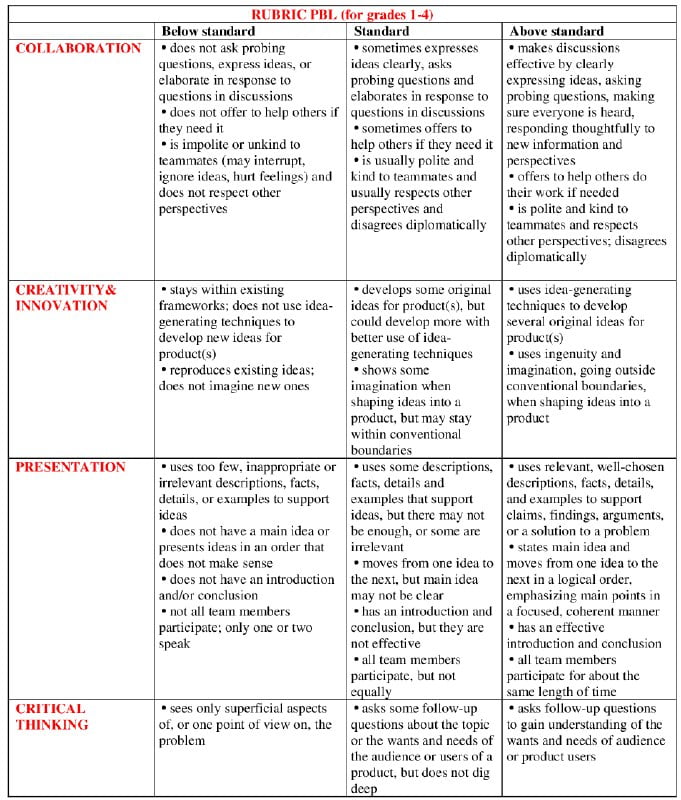
– Explain the PBL (project based learning) rubric to the students at the beginning of the lesson. Skills 4K (critical thinking, collaboration, creativity, presentation)
Safety in Steam lessons
It is recommended that the teacher is familiar with the safety procedures before the start of the lesson. If necessary (in the case of items specified in the safety rules), brief the students. Visit Safety considerations for Steam lessons
Theoretical part

Plants are living organisms which are very important for life on Earth. They provide food for humans and other animals, and also allow us to breathe by converting the carbon dioxide we exhale into oxygen. How many plants do you eat as food? You may be surprised, but there are over 80,000 species of edible plants on Earth! They are made up of many different parts and each part plays a vital role for the plant. Let’s look at each of these parts in more detail.
Roots are the lower part of the plant and are usually found in the soil. They hold the plant in the ground and support the above-ground parts. They also absorb water and nutrients from the soil that are essential for the growth and health of the plant.
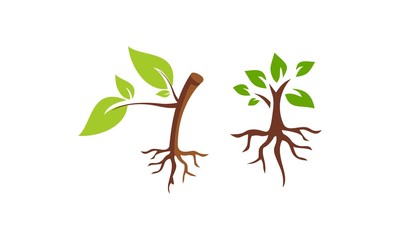

The stem is the main above-ground part of the plant. It supports the leaves as well as the flowers or fruit, if the plant has any. The stem carries water and nutrients from the roots to the rest of the plant. The stems can be flexible and delicate, like herbaceous plants, or hard and woody, like the trunk of a tree. The main stem of a plant may have smaller stems or branches that grow from it. People also eat some types of plant stems, such as asparagus.
The leaf is a very important part of the plant, participating in processes such as photosynthesis, gas exchange and transpiration. Photosynthesis converts sunlight into nutrients that provide energy for plant life. Carbon dioxide is also absorbed and oxygen is released, which humans and animals breathe. Leaves not only provide us with oxygen, they can also serve as food. You have probably eaten lettuce, basil, parsley, rucola or spinach.

Most (but not all) plants flower. Flowers grow at the ends of stems. Their beauty and fragrance often attract insects or animals. The flower can give them nectar, and they in turn help the plant by pollinating it to form fruit and seeds.

Some plant species have flowers that produce edible fruit, such as apples, pears, cucumbers, tomatoes, aubergines, peppers, strawberries, currants and others. This is very important as humans and many animals use the fruits of plants as food. Flowers and fruits allow plants to create new plants with the seeds that form in them. Seeds can fall near the plant or be spread by wind, water and animals.

Sources: https://natworld.info/o-prirode-dlja-shkoly/chasti-rasteniya-okruzhayushhij-mir-1-2-3-klass
Practical part
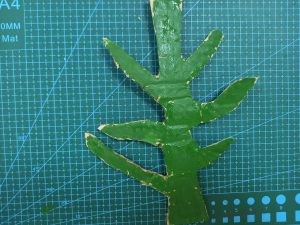
Step 1. Draw and cut out a plant on cardboard. Paint with green gouache
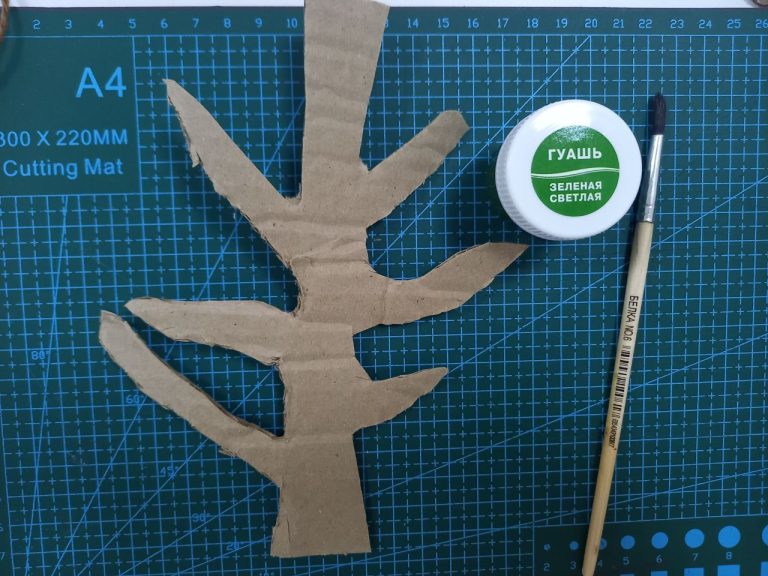
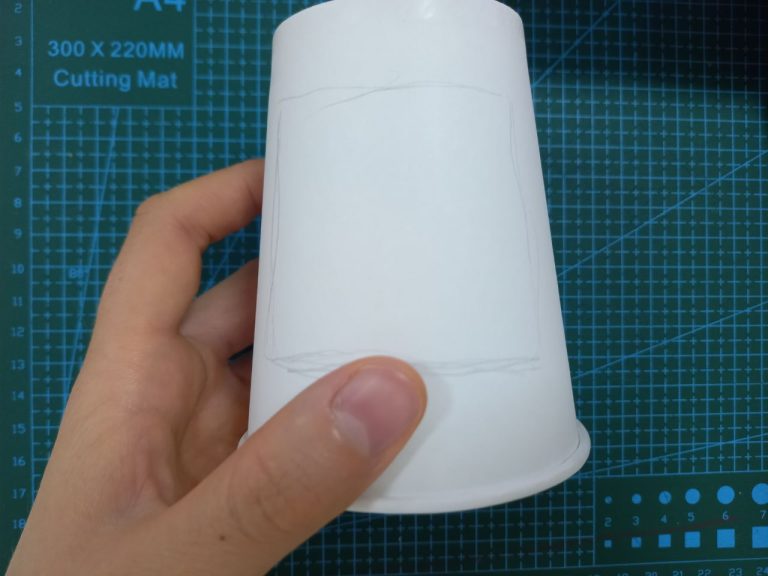
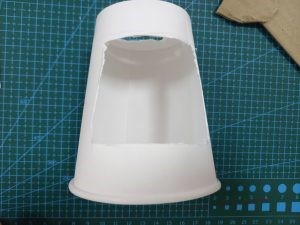
Step 2. Take the glass and cut out the centre of the square
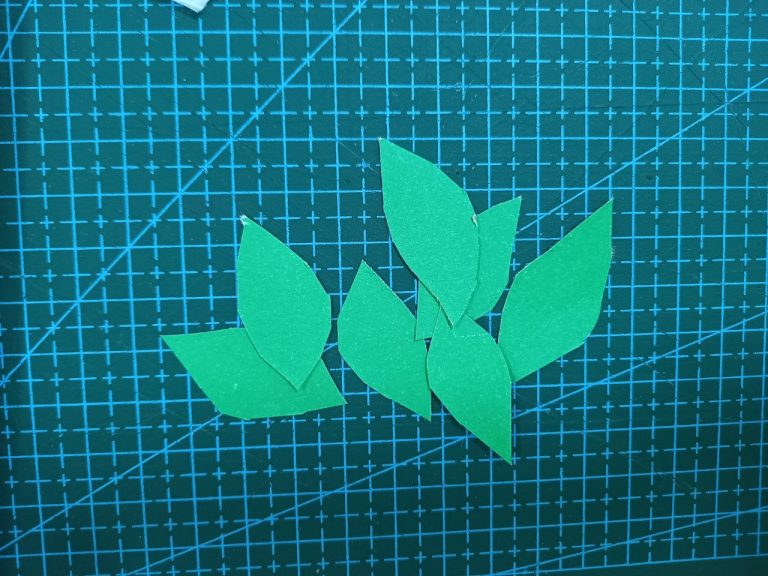
Step 3. Draw a leaf on green cardboard and cut out a fruit on another colour
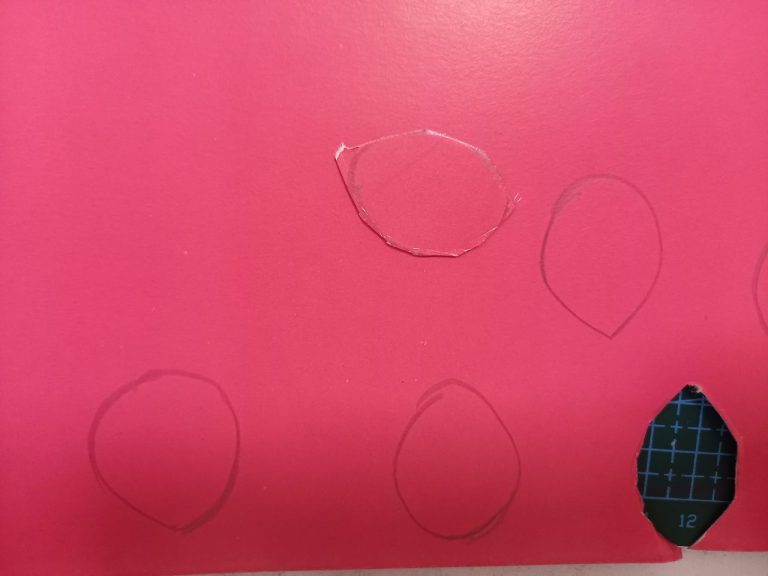
Step 4. Cut out an image of a flower from a small piece of cardboard and glue it to the branch with paper glue
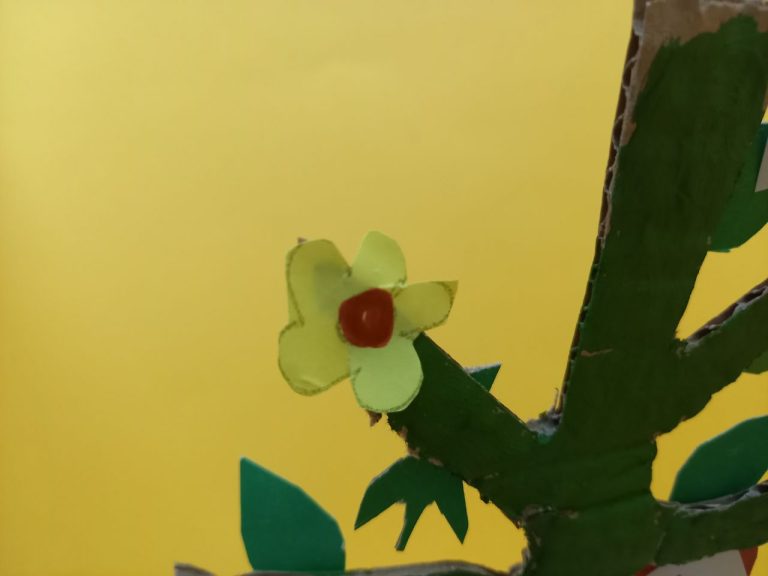
Step 5. Attach a thread to the stem of the branch using scotch tape, which will be the root of the plant. Then make a hole in the bottom of the cup and fix the branch with hot glue
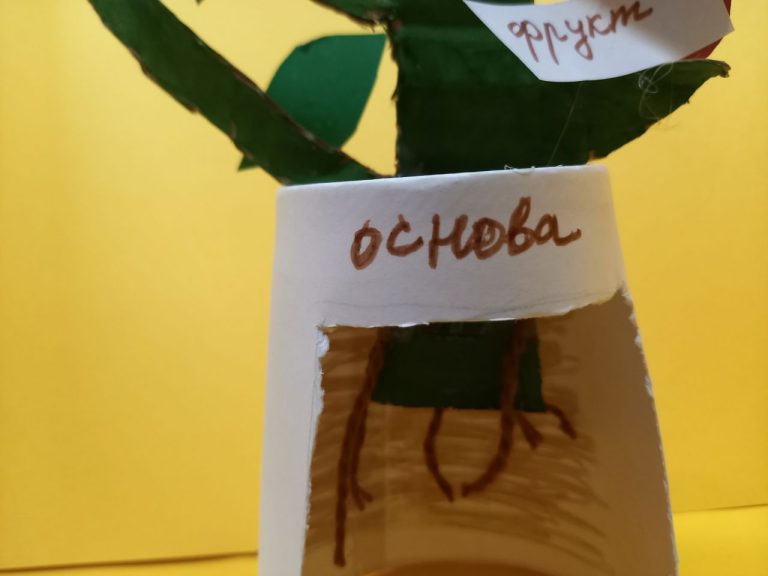
Step 6. Glue the flower, leaf and fruit to the branch. Then write out the parts of the plant in order
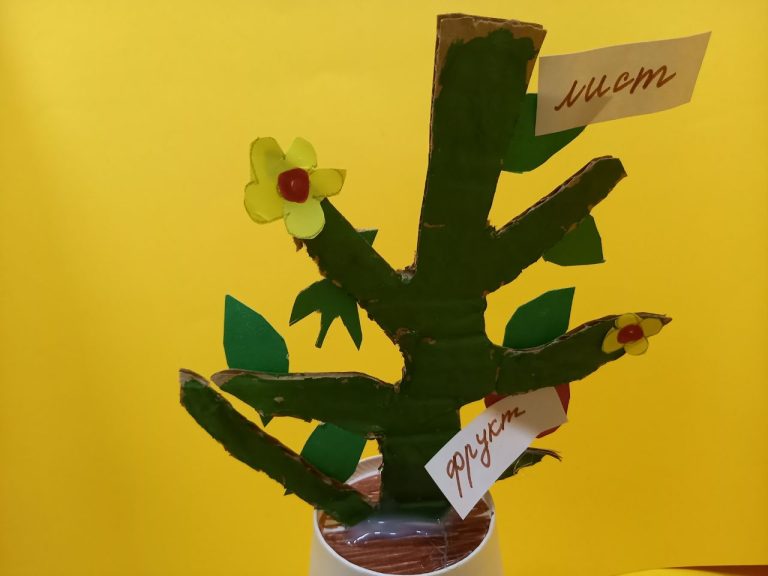
Корень – root – түбір,
стебель – stem – сабақ,
лист – sheet -жапырақ,
цветок – flower – гүл,
плод – fetus – жеміс,
семена – seeds – тұқым.
Conclusion
In the lesson the students developed a model of the parts of a plant. They have learned about the necessity of each part of a plant.

In this project, each pupil will be awarded a STEAM title in the category:
– You, having studied plant parts, created a model of a plant you are a true – researcher!
– You, through practical work, have shown your creativity and qualifications.
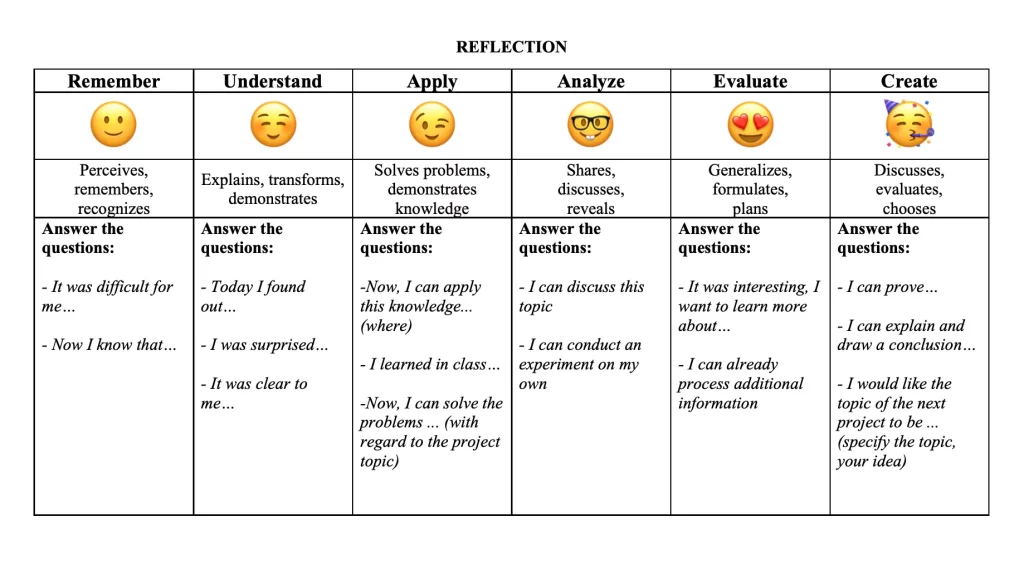
Evaluation