Lesson 1
Topic of laboratory work: Exothermic and endothermic reactions
The purpose of the work:
- To study endothermic reactions on the example of the reaction of acetic acid and soda
- Learn to identify endothermic reactions
Teacher’s Guide:
- Tasks are performed in groups of 2-3 people
- Students must wear gloves
Expected results
- Students are able to distinguish between endothermic and exothermic reactions
Description:
Thermochemistry is a branch of chemistry that studies the thermal effects associated with chemical reactions. It explores the energy change associated with the formation or destruction of chemical bonds of a substance.
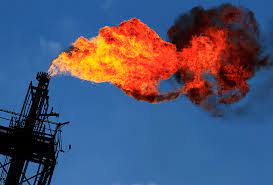
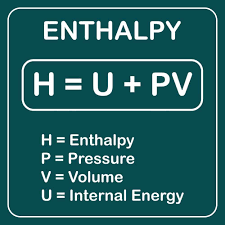
The enthalpy of a reaction is a measure of the change in thermal energy in a chemical reaction at constant pressure. It characterizes the amount of heat absorbed or released as a result of the reaction. A positive enthalpy value indicates heat absorption, and a negative value indicates heat release.
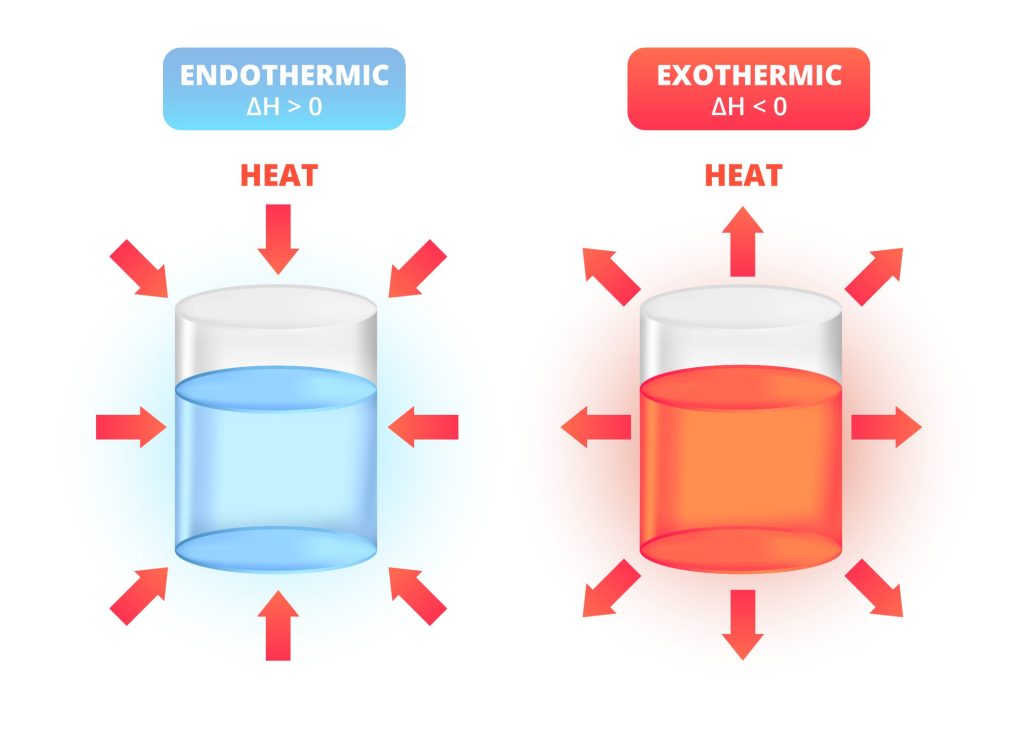
Endothermic reactions are reactions in which heat is absorbed from the environment. As a result of such reactions, the system receives thermal energy. The energy of the reaction products becomes higher than the energy of the reagents, so the enthalpy of the reaction is positive.
Exothermic reactions, on the contrary, release heat into the environment. In such reactions, the system loses thermal energy, and the enthalpy of the reaction is negative. Exothermic reactions are usually accompanied by the release of heat or light and are felt as heating or glow.
List of necessary equipment
1. Baking soda
2. Acetic acid
3. Water
4. Thermometer
Practical part
1. Mix 5 ml of acetic acid in 45 ml of water
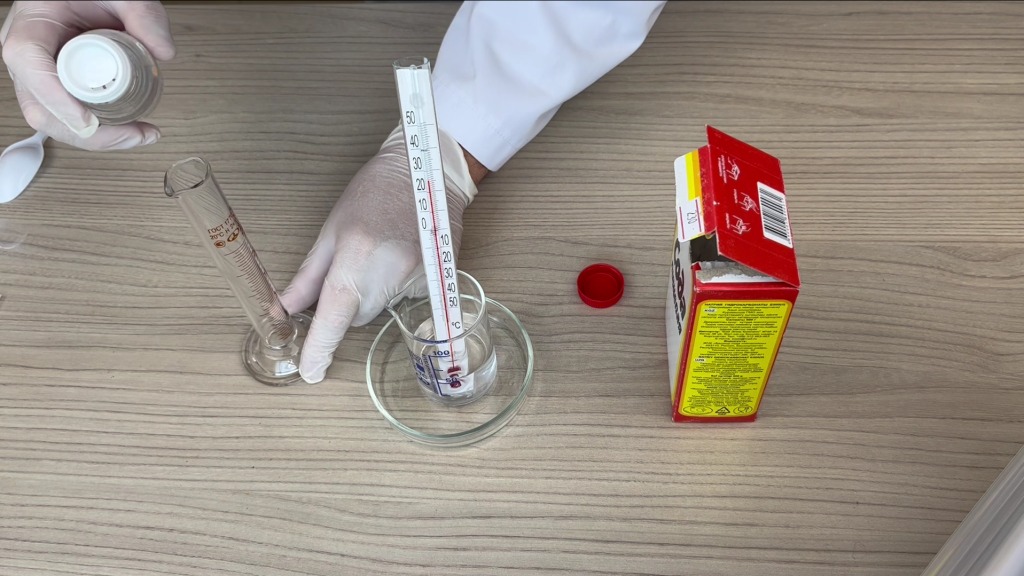
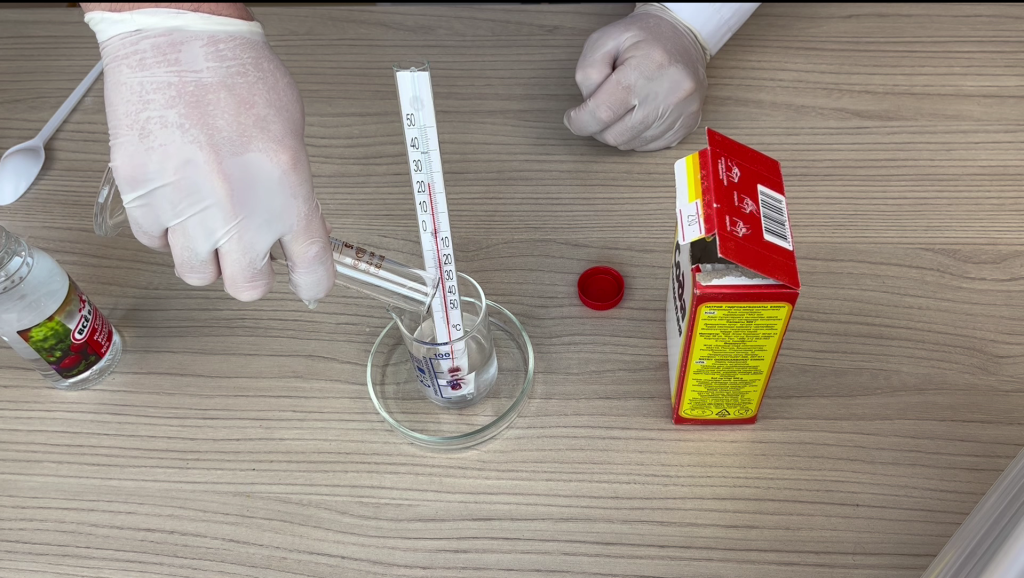
2. Place the thermometer in the solution and measure the temperature of the solution
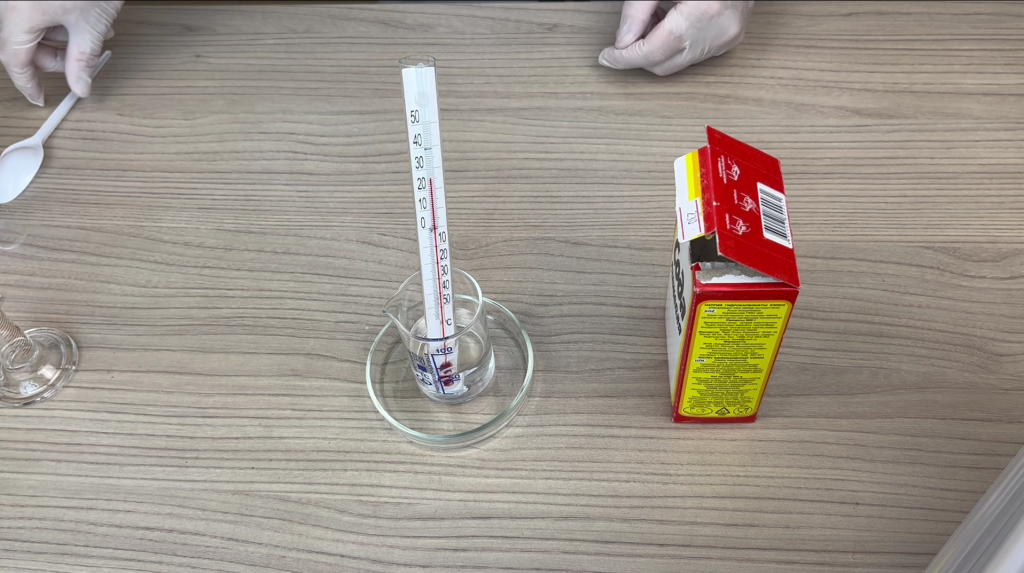
3. Add 1 spoon of baking soda
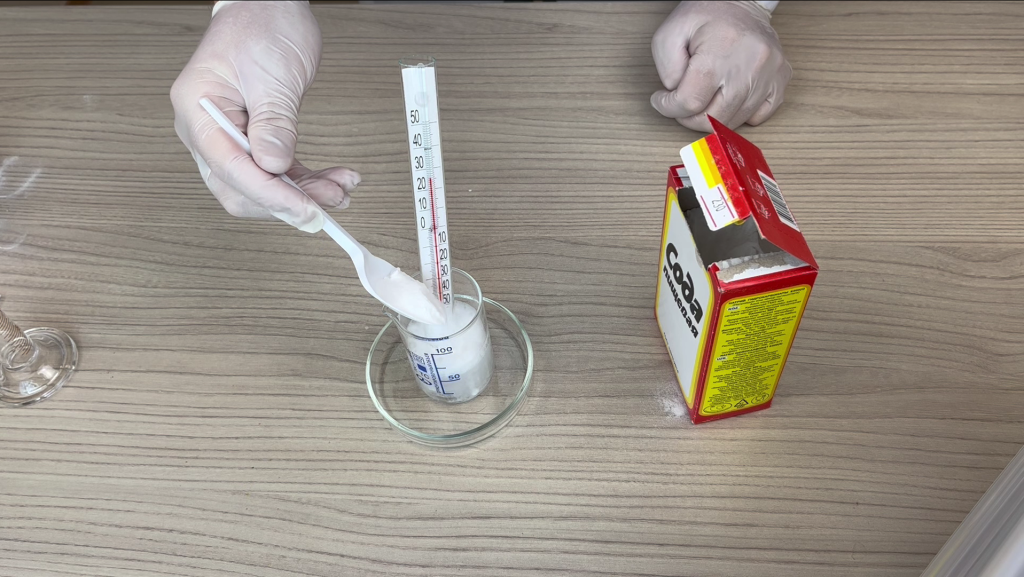
4. Measure the minimum temperature of the solution after the reaction has completely
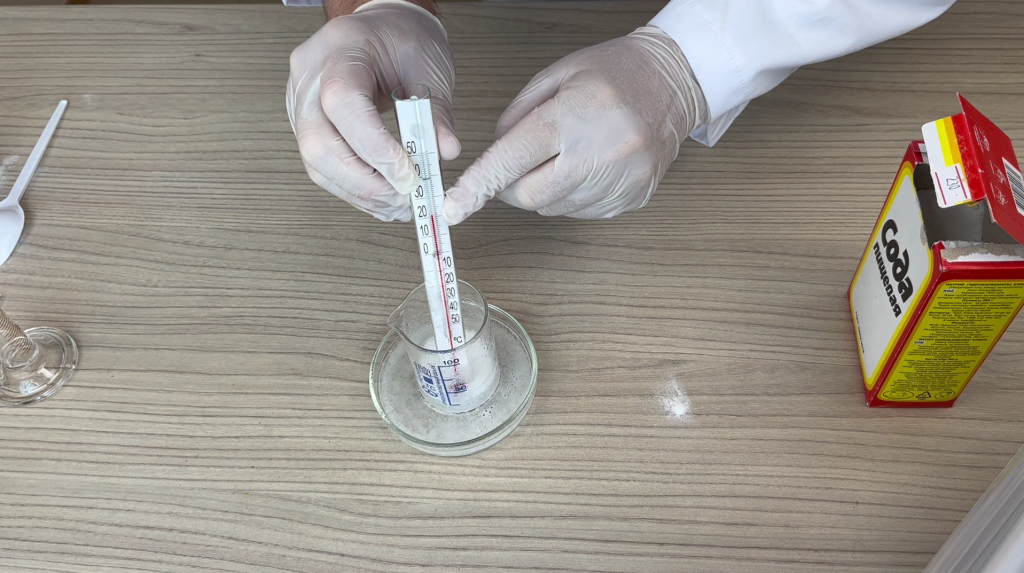
passed
Requirements for the design of laboratory work:
• Laboratory work must contain items in the following order:
- Laboratory work number
- Topic name
- The purpose of the work
- Hypothesis
- Brief description of the theoretical part
- Equipment
- Steps in the correct sequence
- Add a photo from experiment (if you can’t insert a photo, you can add a picture)
- Give a brief description
- Write a brief discussion and explanation of the topic covered
- Write the conclusion of the work
• The workplace must be cleaned and put in order