
Lesson 1
Topic of the lesson: Study of solubility of substances
Objectives:
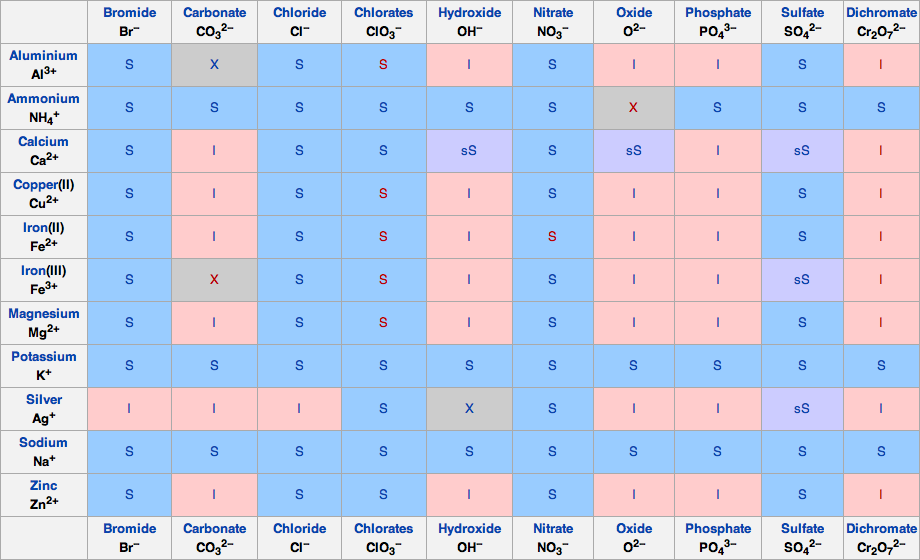
- Learn how to classify salts by their presence in water
- Learn how to conduct reactions to the formation of new salts
- Learn to write ion exchange reactions
Instructions for teacher:
- Tasks are performed in groups of 2-3 people
- Do not let children drink solutions, as iron chloride solution is very toxic
Learning outcomes:
- Students should be able to predict the solubility of salts
- Students should be able to write reaction equations
Theory
Introduction
Hey there, 8th graders! Today, we’re going to dive into the fascinating world of chemistry and explore the solubility of salts in water. Have you ever wondered why some salts seem to disappear completely when you mix them with water, while others just sit at the bottom of the glass? Well, it all comes down to solubility, and we’re here to unravel this mystery.
What is Solubility?
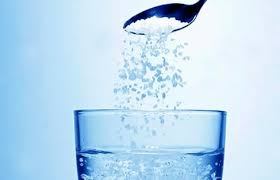
Solubility is a property of substances that determines how well they can dissolve in a solvent, such as water. In our case, we’re focusing on salts dissolving in water. Solubility is often measured in grams of solute (the substance being dissolved) that can dissolve in 100 grams of solvent (usually water) at a specific temperature.
Factors Affecting Solubility
The solubility of salts in water can vary widely based on several factors:
Temperature:
Temperature plays a crucial role in solubility. In general, most salts dissolve better in hot water than in cold water. Think about how sugar dissolves more easily in hot tea compared to iced tea.
Nature of the Salt:
Different salts have different solubilities. Some salts dissolve very well in water, while others barely dissolve at all. Let’s look at some examples.

Examples of Reactions Involving Solubility
Sodium Chloride (Table Salt):
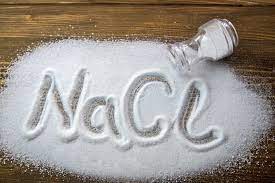
Sodium chloride, which is the salt you probably use at the dinner table, is highly soluble in water. When you stir table salt into a glass of water, it seems to disappear because it dissolves completely. This is an example of a soluble salt.
2. Calcium Oxide (Quicklime) in Water: When you add calcium oxide (quicklime) to water, a highly exothermic reaction occurs. Quicklime reacts vigorously with water to produce calcium hydroxide, releasing a significant amount of heat. The chemical equation for this reaction is:
Calcium Oxide (CaO) + Water (H₂O) → Calcium Hydroxide (Ca(OH)₂)
Calcium oxide dissolves in water to form calcium hydroxide, and this is an example of a soluble compound being produced as a result of the reaction.
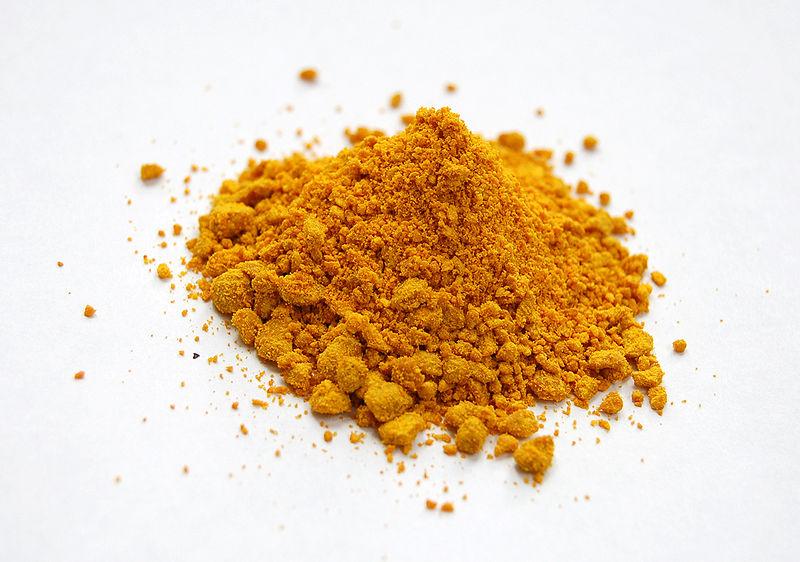
3. Silver Nitrate and Iron(III) Chloride: When you mix solutions of silver nitrate (AgNO₃) and iron(III) chloride (FeCl₃), a chemical reaction occurs. Silver nitrate is soluble in water, and iron(III) chloride is also soluble. When these solutions are mixed, a double replacement reaction takes place, resulting in the formation of silver chloride (AgCl) and iron(III) nitrate (Fe(NO₃)₃). Silver chloride is not very soluble in water, so it forms a white precipitate:
AgNO₃ + FeCl₃ → AgCl (precipitate) + Fe(NO₃)₃
The white precipitate of silver chloride that forms when these two solutions are mixed is an example of an insoluble salt, and it settles at the bottom of the container. This reaction illustrates how the solubility of different compounds can lead to the formation of solids in a chemical reaction.
Reactions Involving Solubility
Understanding solubility is essential in chemistry because it plays a vital role in chemical reactions. Let’s look at a simple example:
Precipitation Reaction: Sometimes, when you mix two solutions containing different ions, a solid can form because the ions combine to create a new compound that is insoluble. This solid is called a precipitate. For instance, if you mix solutions of silver nitrate and sodium chloride, a white precipitate of silver chloride will form because it’s insoluble in water.
Conclusion
In conclusion, the solubility of salts in water is a fascinating topic in chemistry. It depends on factors like temperature and the nature of the salt itself. Some salts dissolve readily in water, while others do not. Understanding solubility helps us predict and explain chemical reactions, making it a fundamental concept in the world of science.
So, next time you sprinkle salt on your fries or see a chemistry experiment, you’ll have a better grasp of why some salts vanish in water while others stubbornly remain as solids. Keep exploring the amazing world of science!
Materials
- Sodium chloride
- Ferrum (III) chloride
- Sodium hydroxide
- Calcium oxide
- Beakers
- Measruing cylinder
- Flask
- Water
Practical part
1) Weigh 10 grams of sodium chloride.
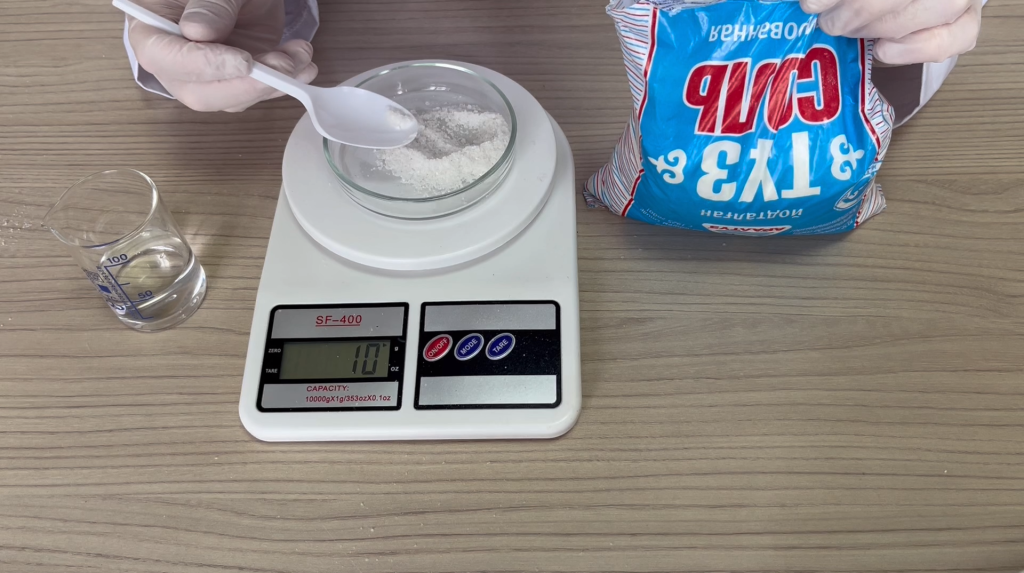
2) Dilute table salt in 50 ml of water. Stir and record the result.
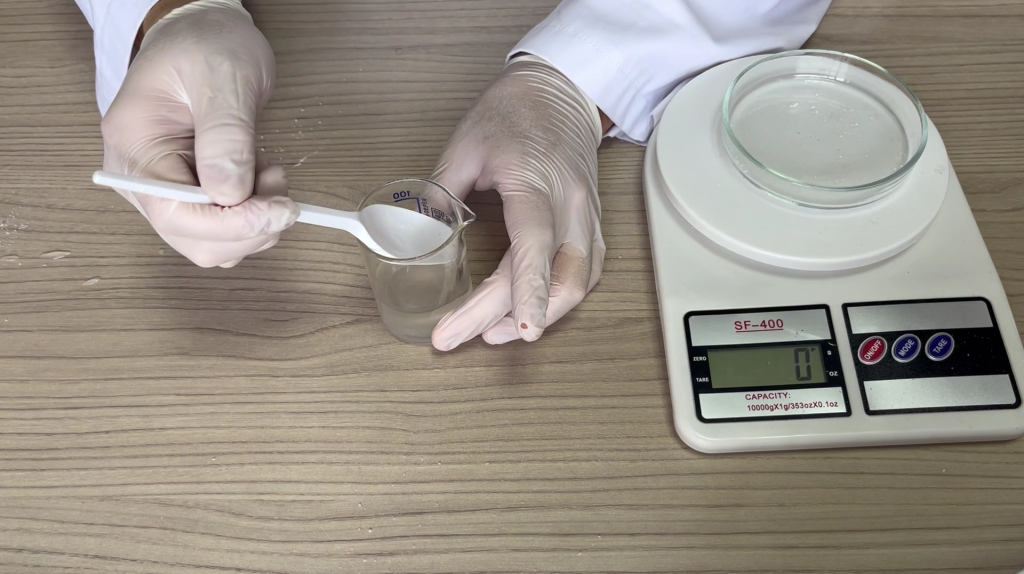
3) Now weigh 30 grams of salt and dilute this salt in water. Stir and record the result.
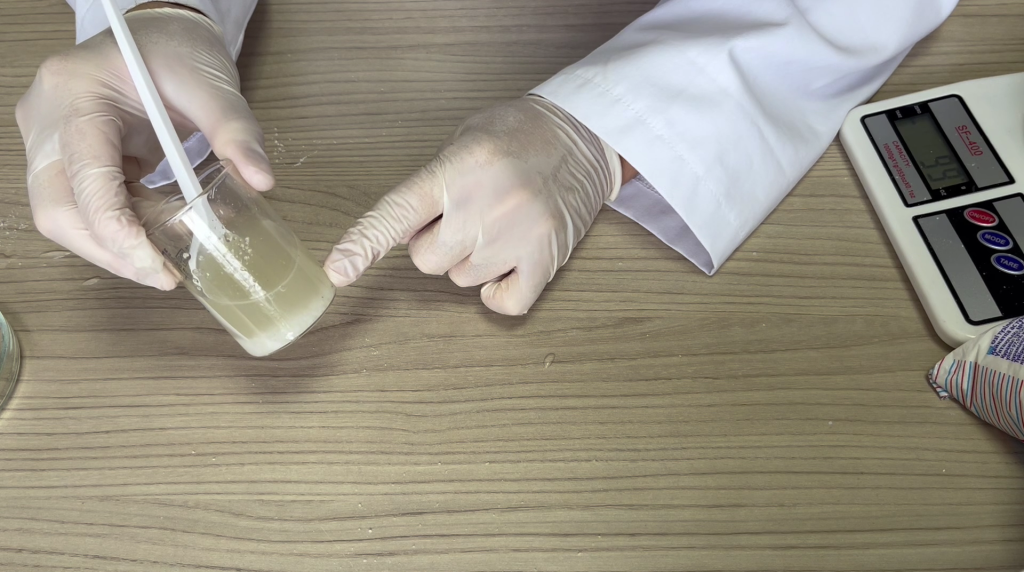
4) Weigh 10 grams of calcium oxide. Dilute in 50 ml of water and record the result.
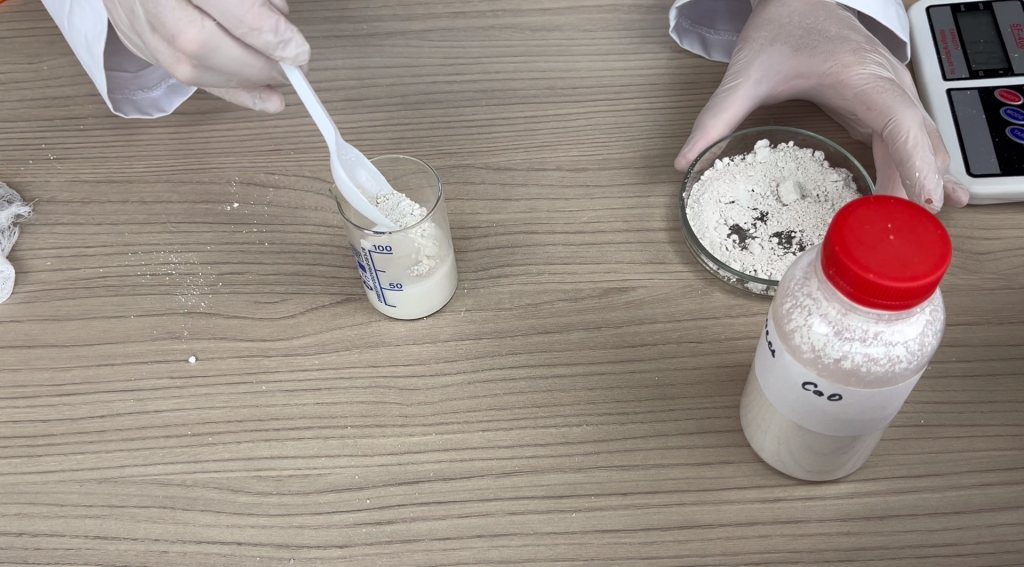
5) Now weigh 5 grams of ferric chloride (III) and dilute in 50 mod.
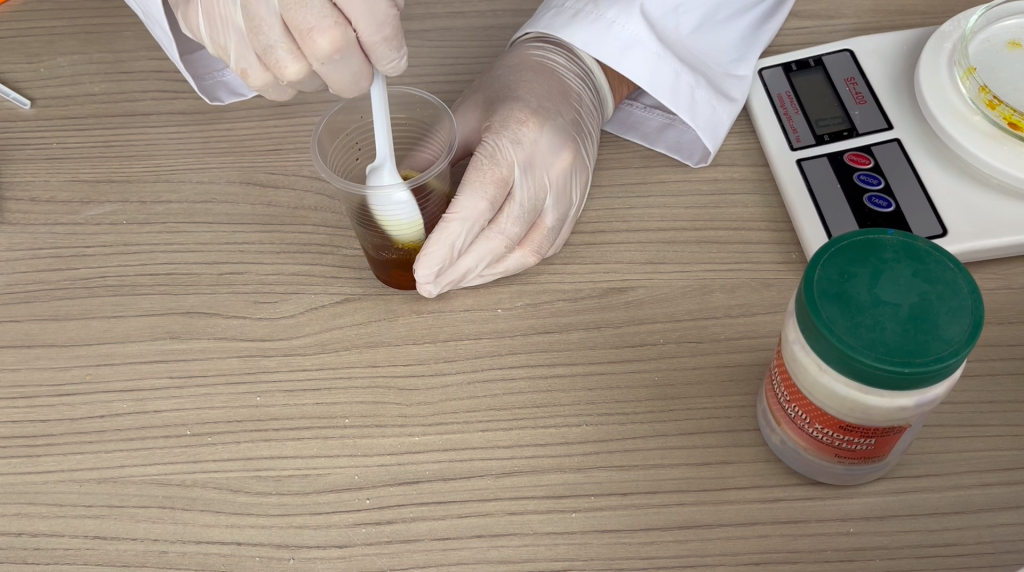
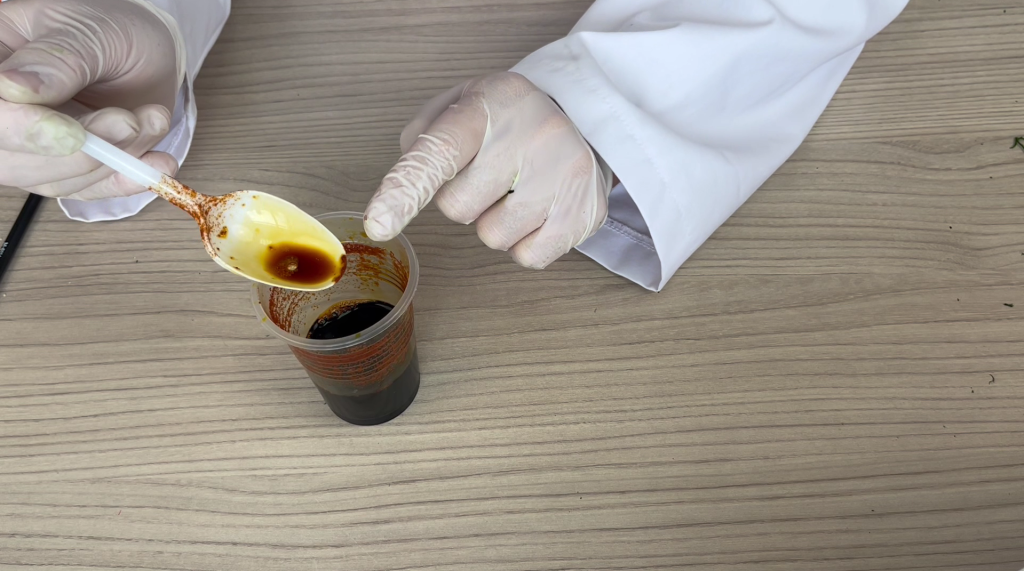
6) Add 8 grams of sodium hydroxide.
7) Observe and record the results.
Rules for designing the laboratory work
The laboratory work should contain items in the following order:
- Laboratory work number
- Topic name
- Purpose of the work
- Hypothesis
- Brief description of the theoretical part
- Equipment
- Steps in the correct sequence
- Add a photo from the experiment (if you can’t insert a photo, you can add a picture)
- Give a brief description
- Write a brief discussion and explanation of the topic covered
- Write the conclusion of the work
- The workplace must be cleaned and put in order
Worksheet
Safety