
Lesson 1
Topic: The study of characterstics of chemical phenomena
The purpose of the work:
- Students should understand the principle of changing the temprature of substances
- Students should understand the mechanism of changing aggregate states
Teacher’s Guide:
- Tasks are performed in groups of 3-4 people
- Working with an electric stove requires increased attention
Expected results:
- Students understand how aggregate states are changing
- Students are able to draw a reverse cooling schedule
Theory
Chemical reactions are dynamic processes that transform one or more substances into entirely new compounds. They are characterized by various attributes and observable changes that provide crucial insights into their nature. Three common attributes of chemical reactions are the formation of precipitate, the production of gas, and changes in color.
1. Formation of Precipitate:
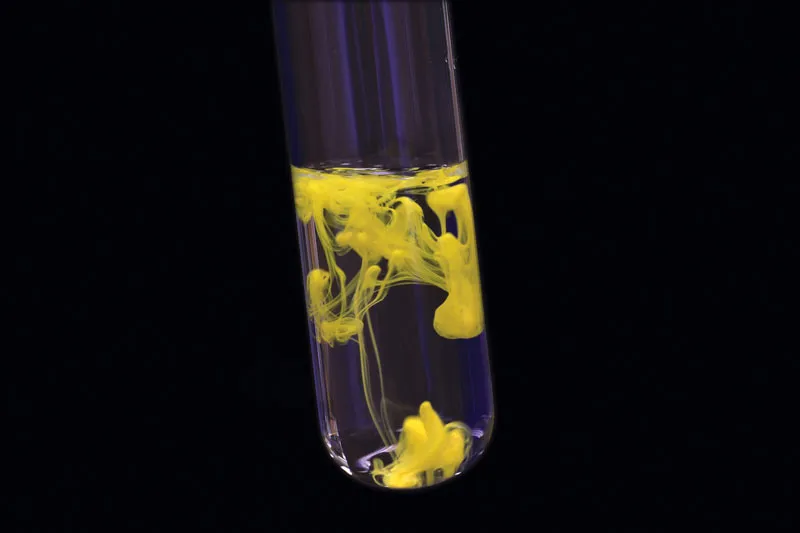
One significant attribute of a chemical reaction is the formation of a precipitate. A precipitate is a solid substance that appears when two soluble substances in a solution react and produce an insoluble product. This occurs when the ions in solution combine to form a compound with limited solubility. The appearance of a precipitate is often seen as the solution turning cloudy or the formation of solid particles at the bottom of the container. This phenomenon is particularly important in various analytical chemistry and qualitative analysis procedures.
2. Production of Gas:
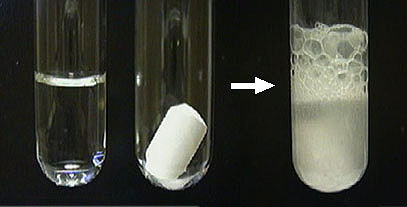
Another characteristic feature of chemical reactions is the production of gas. When certain chemical reactions occur, they release gases as byproducts. This can result in effervescence, bubbling, or the expansion of gases within a closed system. The evolution of gas is often accompanied by changes in pressure or volume, which can be harnessed in various industrial applications, such as the generation of energy in combustion reactions or the production of carbon dioxide in baking.
3. Changes in Color:
Changes in color are a visual indicator of chemical reactions. Some reactions involve the alteration of molecules’ electronic structures, leading to changes in the absorption or reflection of light. This can result in a vivid transformation in the color of the substances involved. For example, the browning of fruit when exposed to air (oxidation) or the color changes that occur in indicators used in titrations are due to chemical reactions. Color changes are often exploited in analytical chemistry to determine the presence or concentration of specific substances.
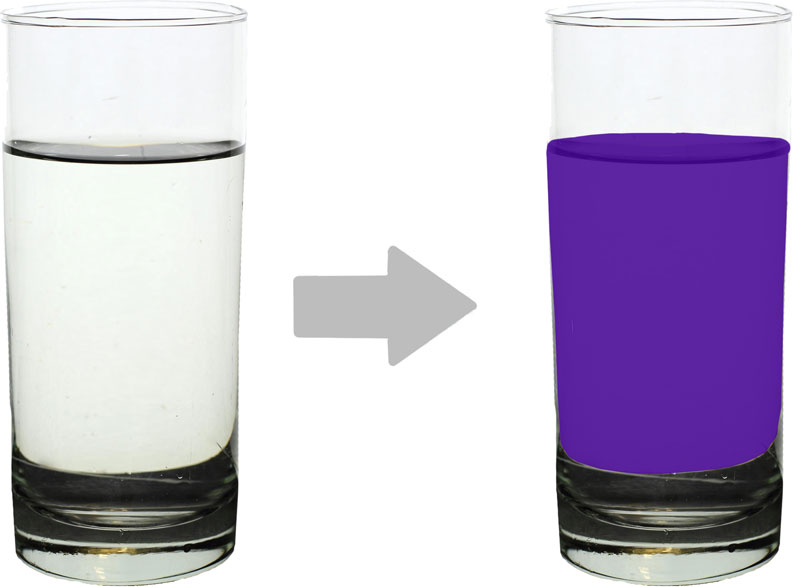
In summary, chemical reactions exhibit various attributes, and the formation of precipitate, production of gas, and changes in color are key indicators of these processes. These observable changes are not only fascinating to witness but also play a crucial role in identifying and understanding the underlying chemical transformations that occur in a wide range of natural and synthetic processes.
Materials
- Iron (III) Chloride
- Baking soda
- Acetic acid
- Water
- Flask
- Glass
- Cylinder
Practical part
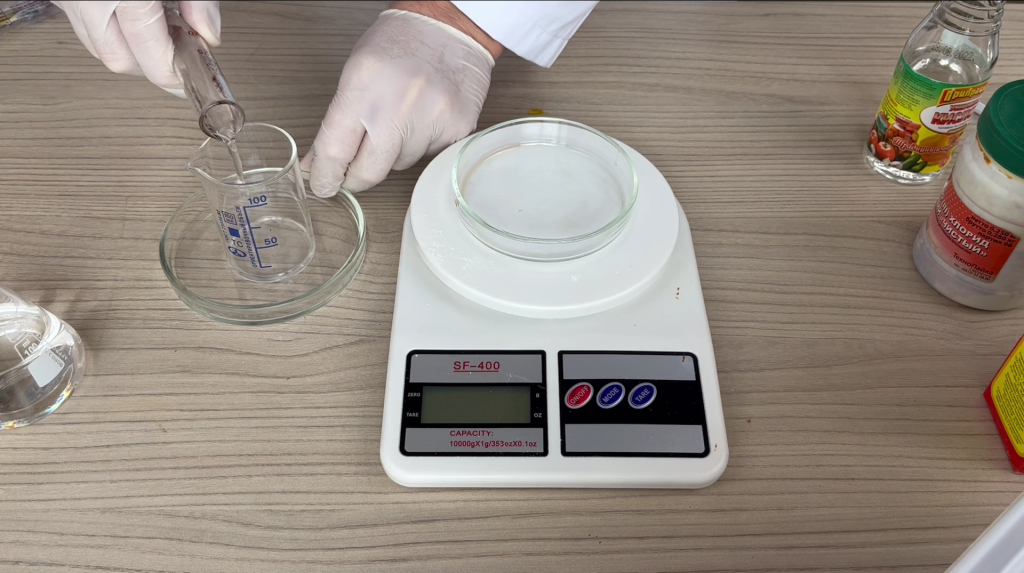
1. First, measure 6 ml of acetic acid using a cylinder
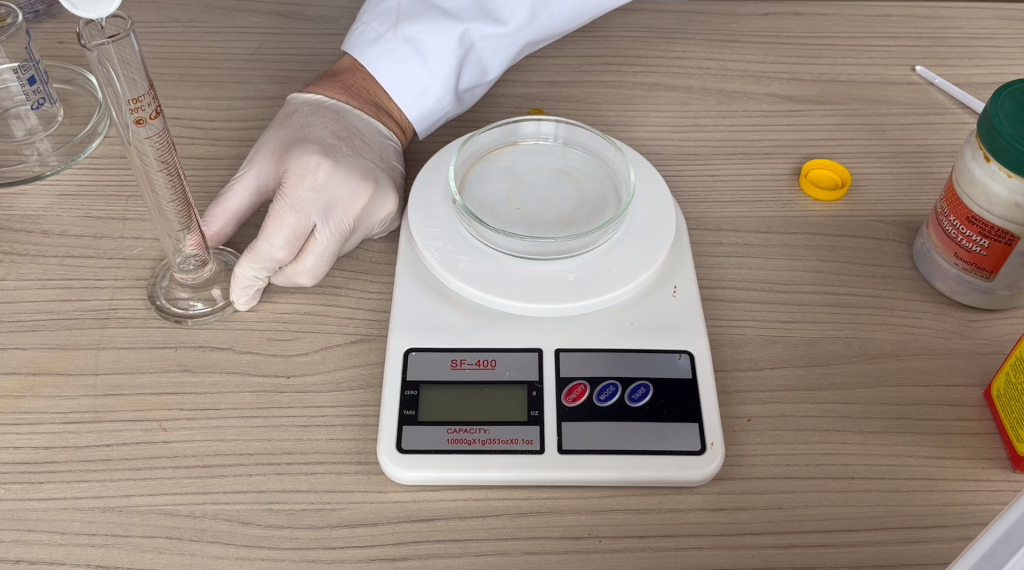
2. Add 25 ml of water to acetic acid
3. Weigh 6 grams of baking soda
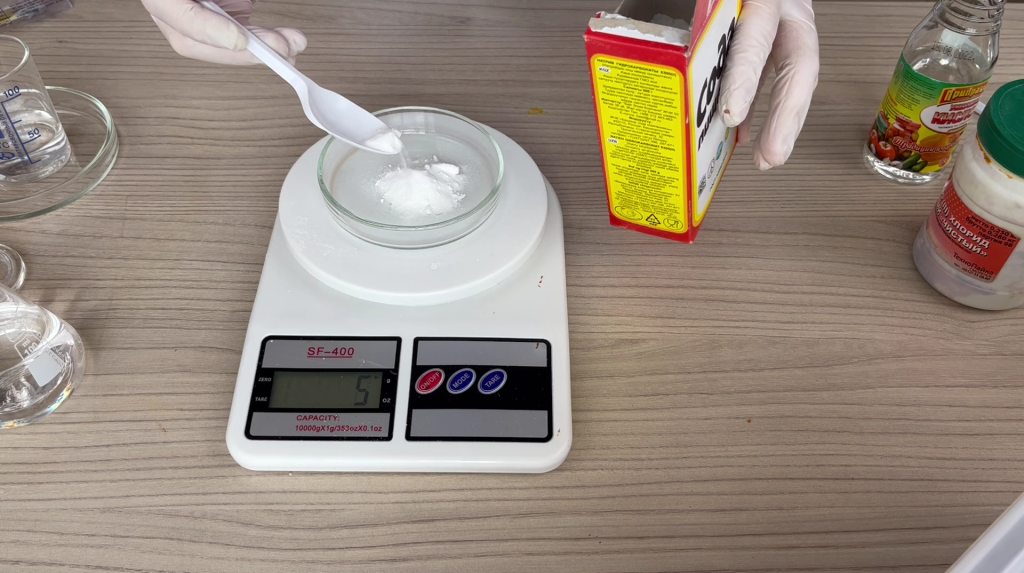
4. Add soda to the acetic acid solution. Observe the release of gas.
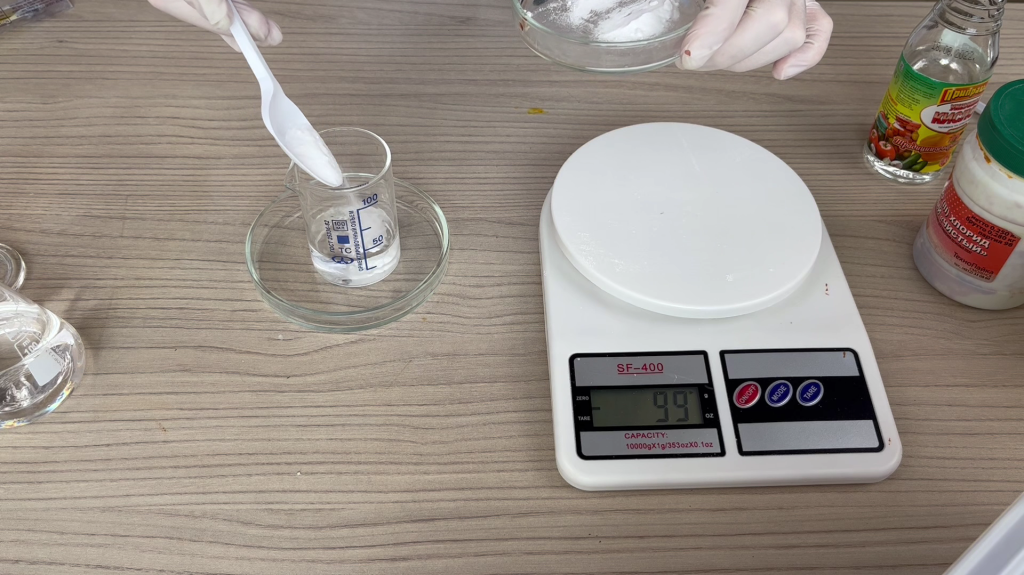
5. Now measure out 5 grams of ferric chloride
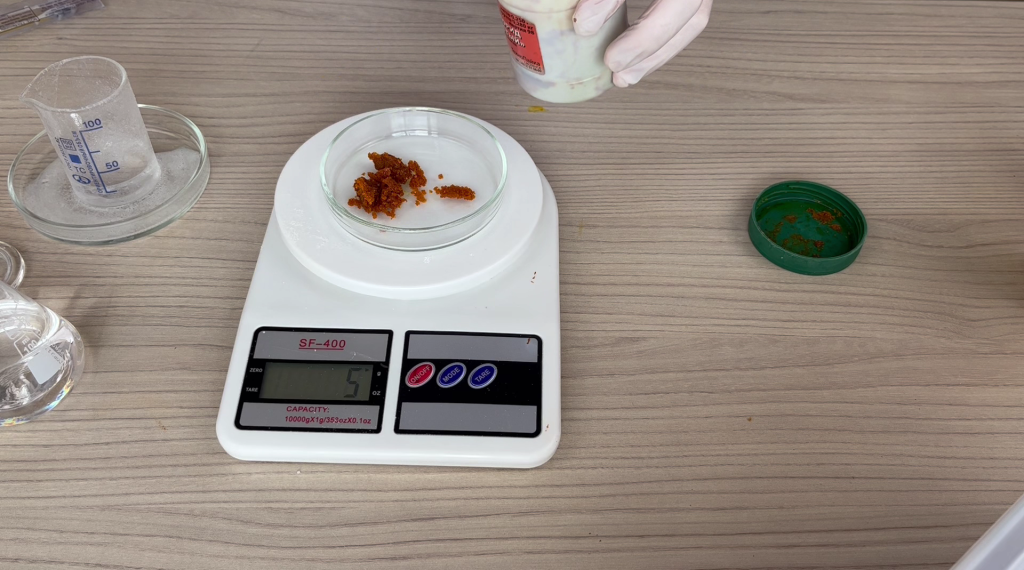
6. Dissolve iron chloride in 50 ml of water
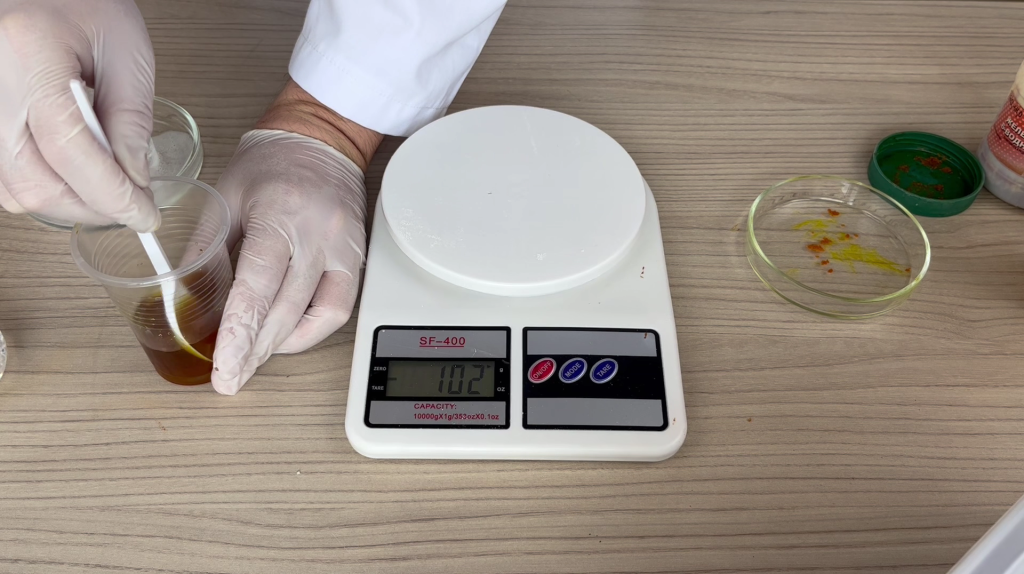
7. Add a solution of ferric chloride to the solution where there was acetic acid and soda
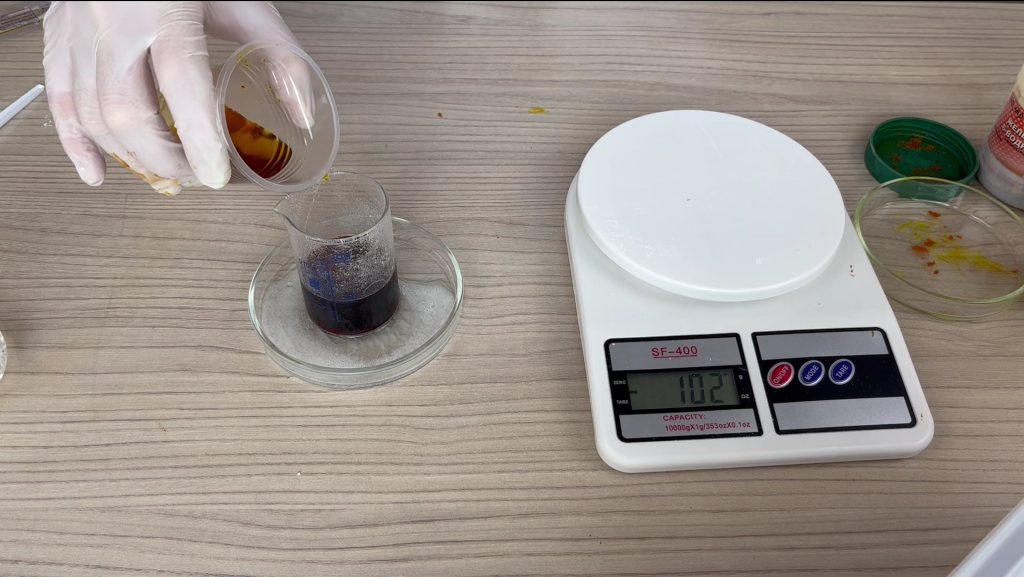
8. Observe the changes
Requirements for the design of laboratory work
Laboratory work must contain items in the following order:
- Laboratory work number
- Topic name
- The purpose of the work
- Hypothesis
- Brief description of the theoretical part
- Equipment
- Steps in the correct sequence
- Add a photo from experiment #1 (if you can’t insert a photo, you can add a picture)
- Give a brief description
- Add a photo from experiment #2 (if you can’t insert a photo, you can add a picture)
- Give a brief description
- Write a brief discussion and explanation of the topic covered
- Write the conclusion of the work
- The workplace must be cleaned and put in order
Work sheet
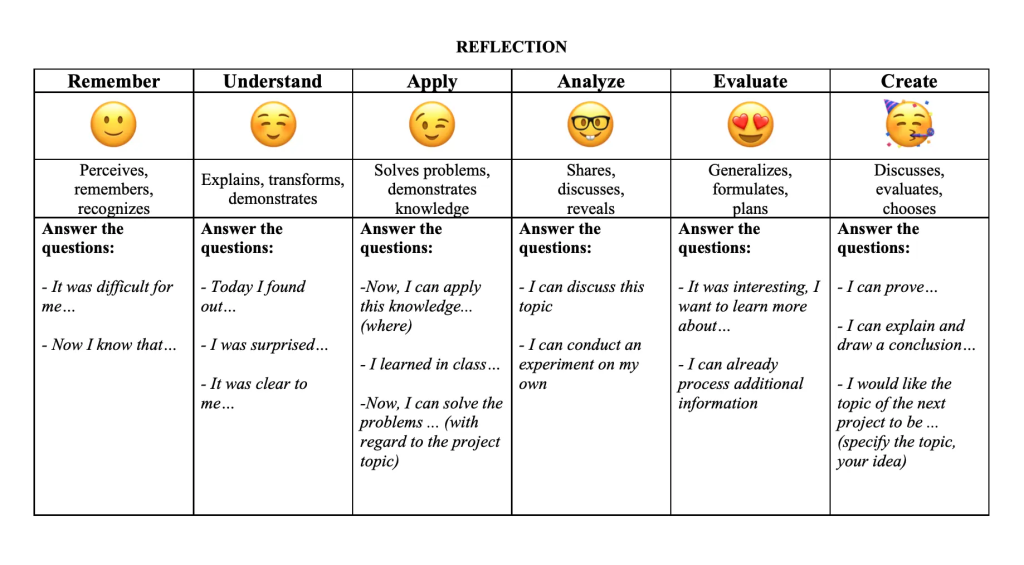
Feedback
Safety rules