Lesson 1
Topic of laboratory work: Factors influencing the rate of a chemical reaction
The purpose of the work:
Understand what factors can influence the rate of a chemical reaction
Carry out a reaction to prove the effect of temperature on the rate of a chemical reaction.
Learning outcomes:
Students know the factors that influence the rate of a chemical reaction
Teacher’s guide:
Tasks are performed in groups of 2-3 people
The room must be ventilated
Worksheet
Safety technique
Description
Chemical reactions are essential processes that occur all around us, shaping the world we live in. The rate at which these reactions occur is a crucial aspect of chemistry, influencing everything from the production of essential materials to the functioning of biological systems. Several factors can significantly affect the rate of a chemical reaction, each playing a distinct role in the process.
1. Temperature:
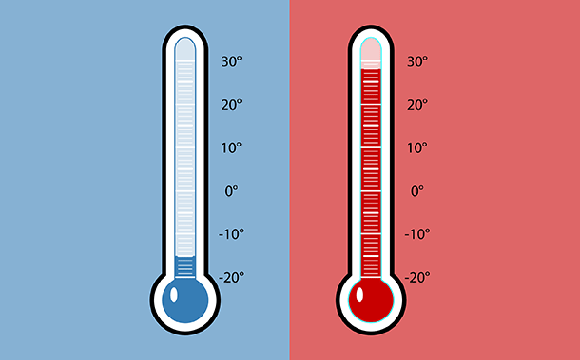
Temperature is one of the most critical factors impacting reaction rates. An increase in temperature generally leads to faster reactions. This is because higher temperatures provide reactant particles with more energy, increasing their kinetic energy. Consequently, particles move faster, collide more frequently, and are more likely to have the energy required to overcome the activation energy barrier for the reaction.
2. Catalysts and Inhibitors:
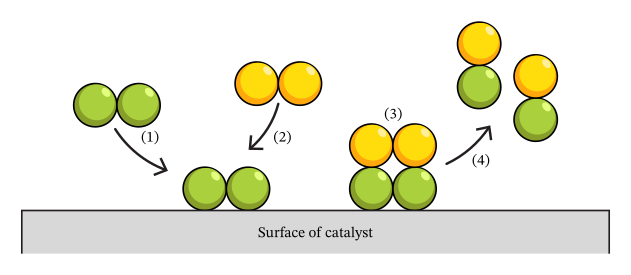
Catalysts are substances that can speed up a reaction without being consumed themselves. They work by providing an alternative reaction pathway with a lower activation energy, facilitating the formation of products. In contrast, inhibitors are chemicals that slow down or hinder reactions. By altering the reaction pathway, catalysts and inhibitors play pivotal roles in controlling the rate of chemical reactions, enabling industries to fine-tune processes and ensure product quality.
3. Concentration:
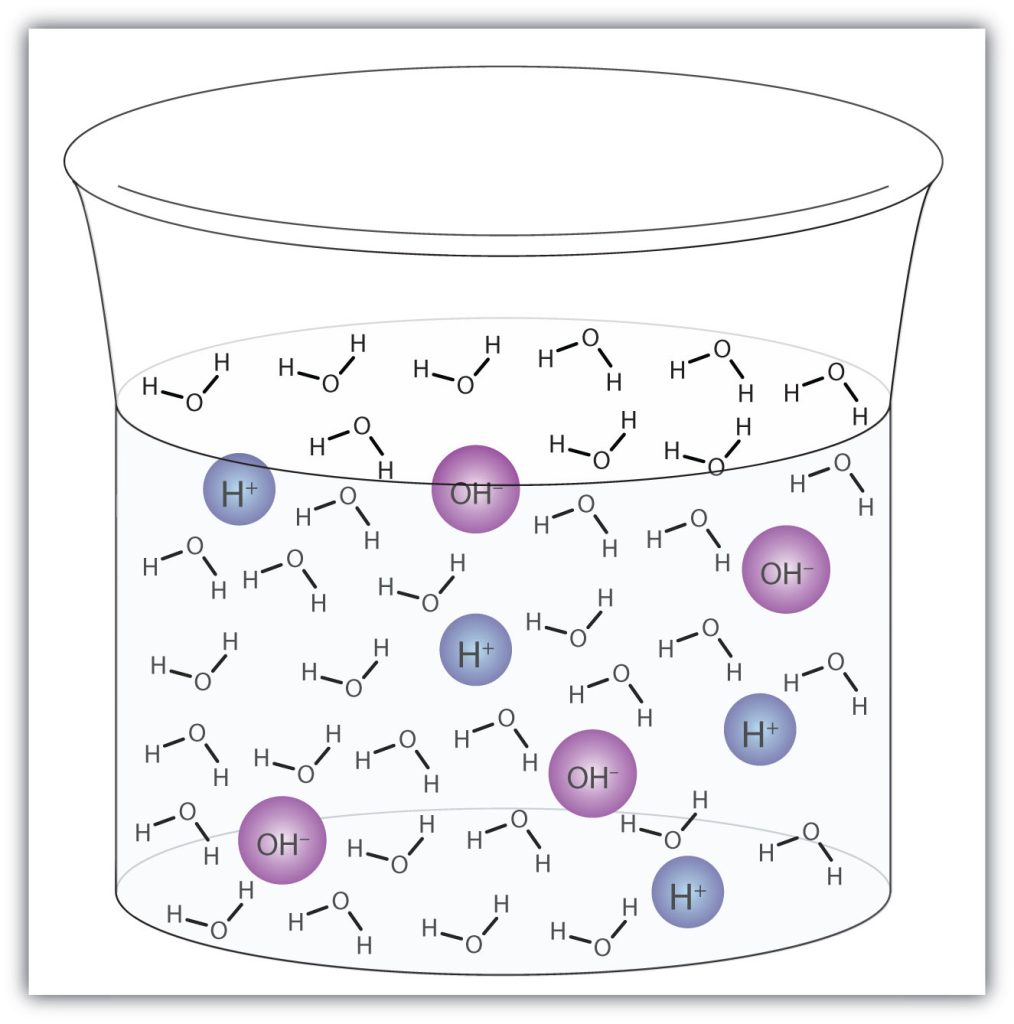
The concentration of reactants in a solution or mixture significantly affects reaction rates. According to the collision theory, the more concentrated the reactants, the more frequent the collisions between particles. Higher concentration increases the chances of successful collisions and therefore accelerates the reaction. Conversely, lower concentrations lead to slower reaction rates due to fewer collisions.
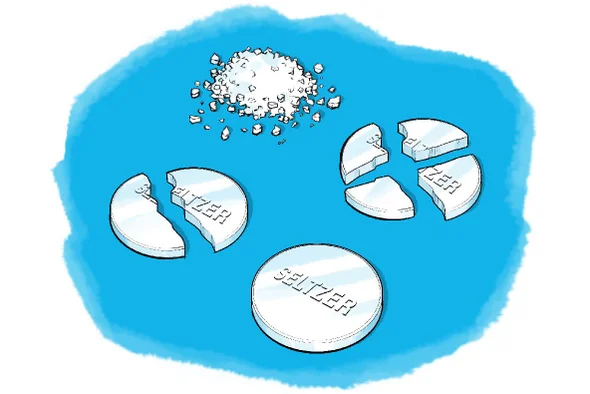
4. Surface Area:
For reactions involving solids, the surface area of the solid can be a crucial factor. Finely powdered or divided substances have a greater surface area, allowing for more contact between reactants. This increased contact leads to a higher frequency of collisions and, subsequently, a faster reaction rate. The surface area factor is particularly important in processes like catalysis, where finely divided catalysts can significantly enhance reaction rates.
5. Nature of Reactants:
The chemical properties of the reactants themselves play a significant role in determining reaction rates. Some substances are inherently more reactive than others due to differences in their chemical structure and the strength of their chemical bonds. Reactants with weaker bonds or greater chemical reactivity generally undergo faster reactions.

List of necessary equipment
- Iron nail
- Acetic acid
- Water
- Sodium chloride
Practical part
1) Pour 10 ml of 70% acetic acid into three glasses.
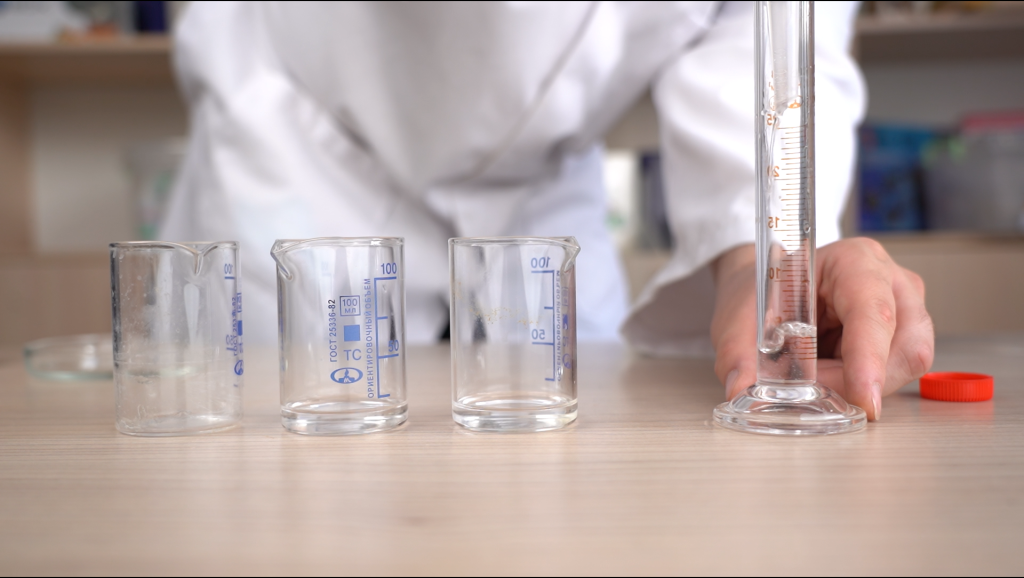
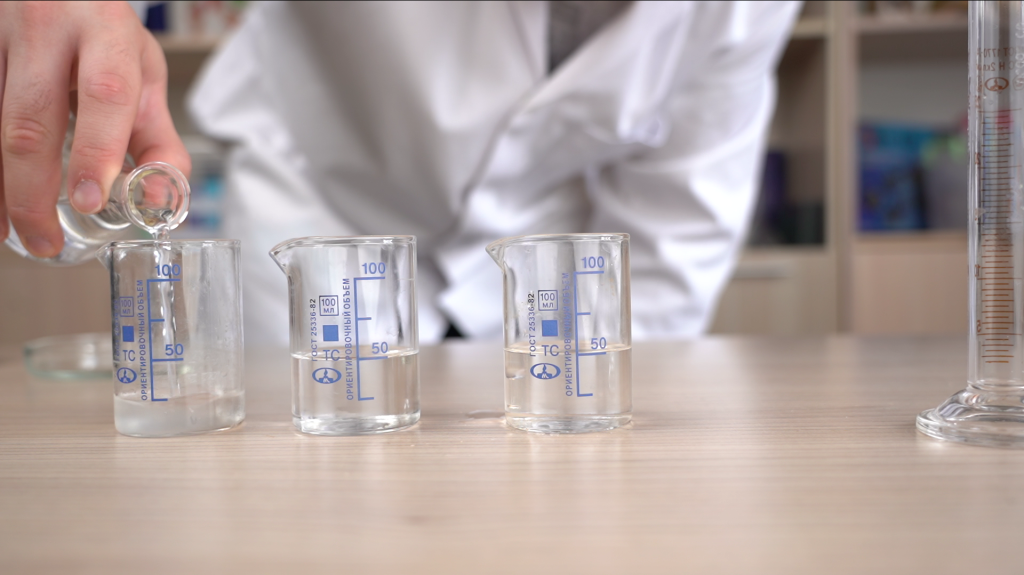
2) Add 40 ml of water to each glass.
3) Place the first glass on the electric stove and start heating it.
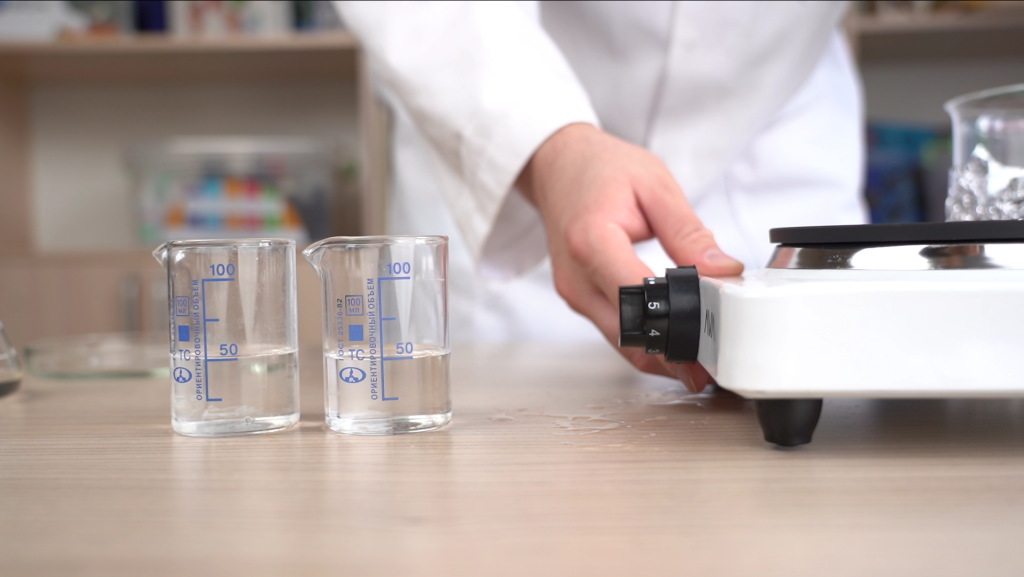
4) Place the second glass in the ice bath.
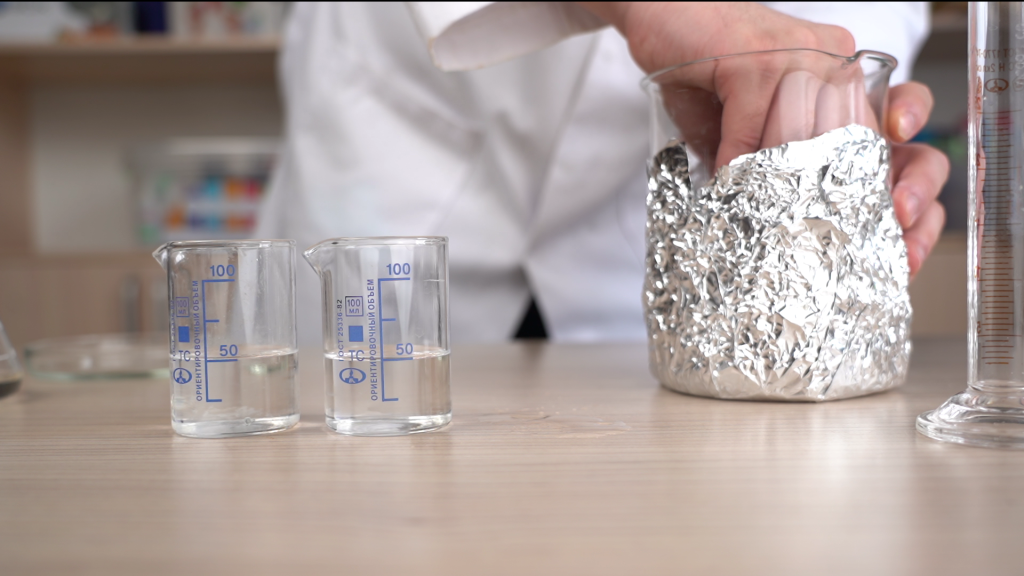
5) Weigh out 10 grams of baking soda.
6) Add baking soda to the third glass and start the stopwatch at the same time.
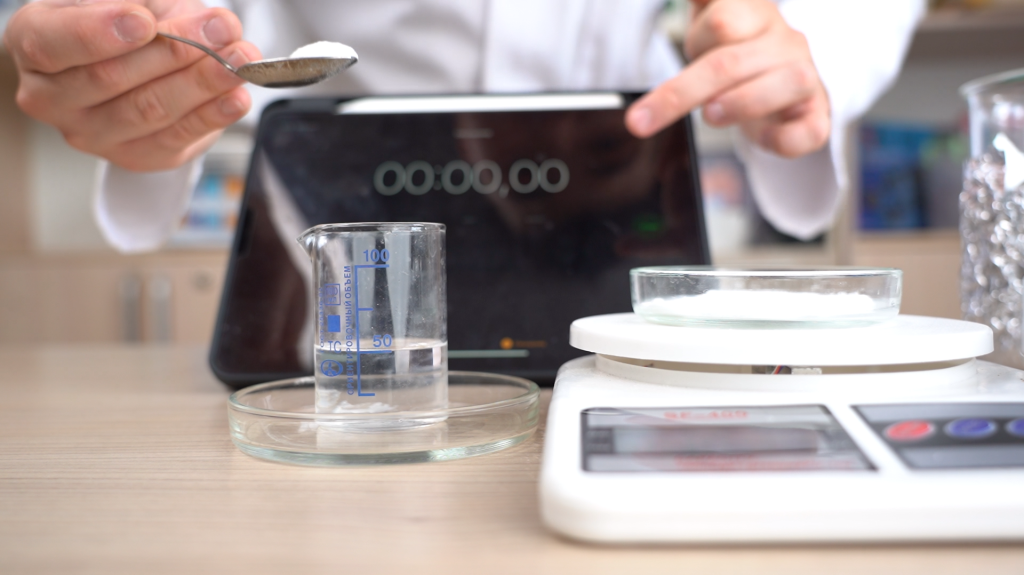
7) Wait for the reaction to finish and turn off the timer. Record the reaction time in the table.
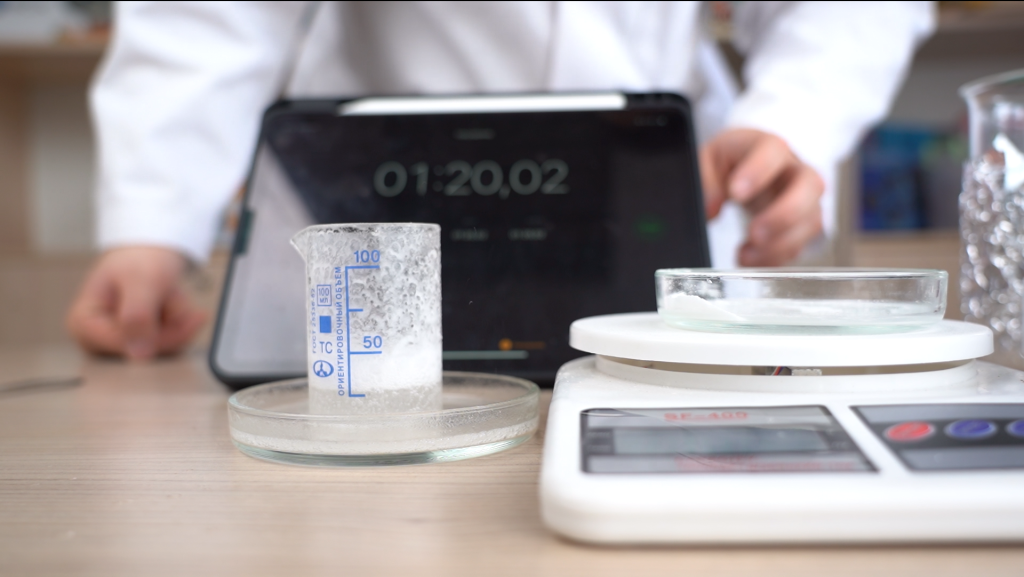
8) As soon as the solution in the second glass heats up to 80 degrees, remove it from the electric stove.
9) Add 10 grams of soda to a glass and start the stopwatch at the same time.
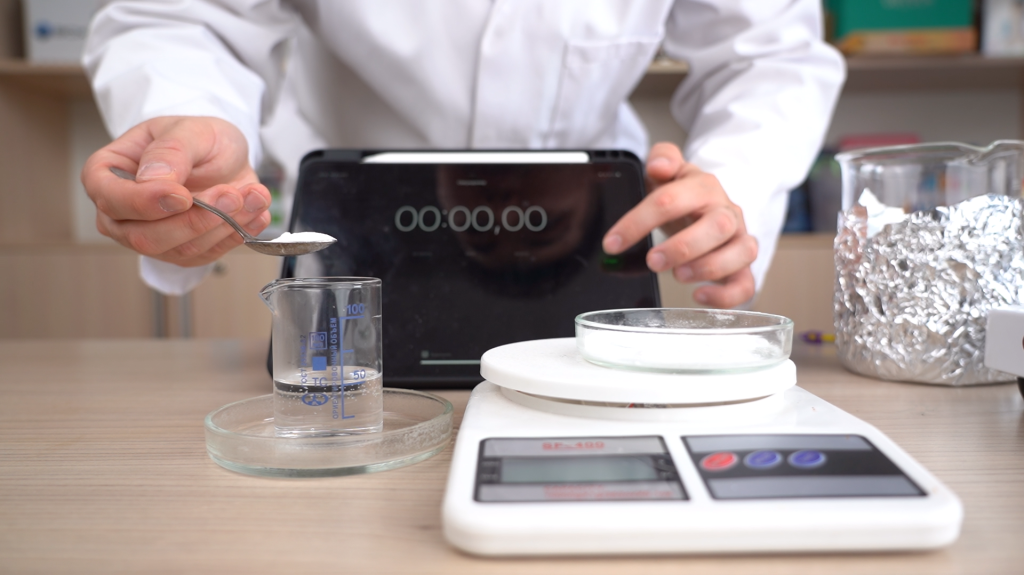
10) Wait for the reaction to complete and record the time.
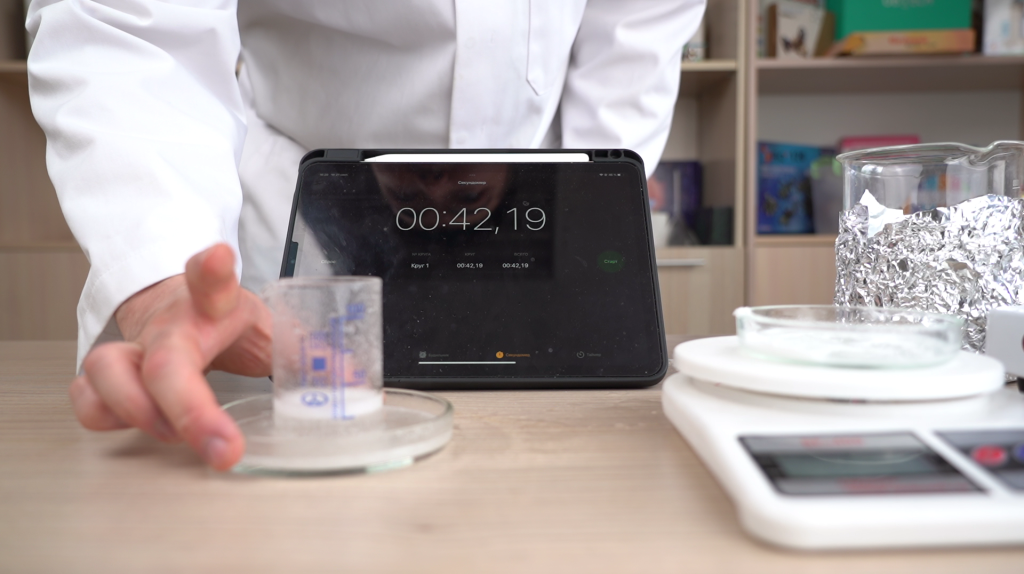
11) As soon as the temperature in the third glass drops to 2-5 degrees, add 10 grams of soda to the glass and start the stopwatch.
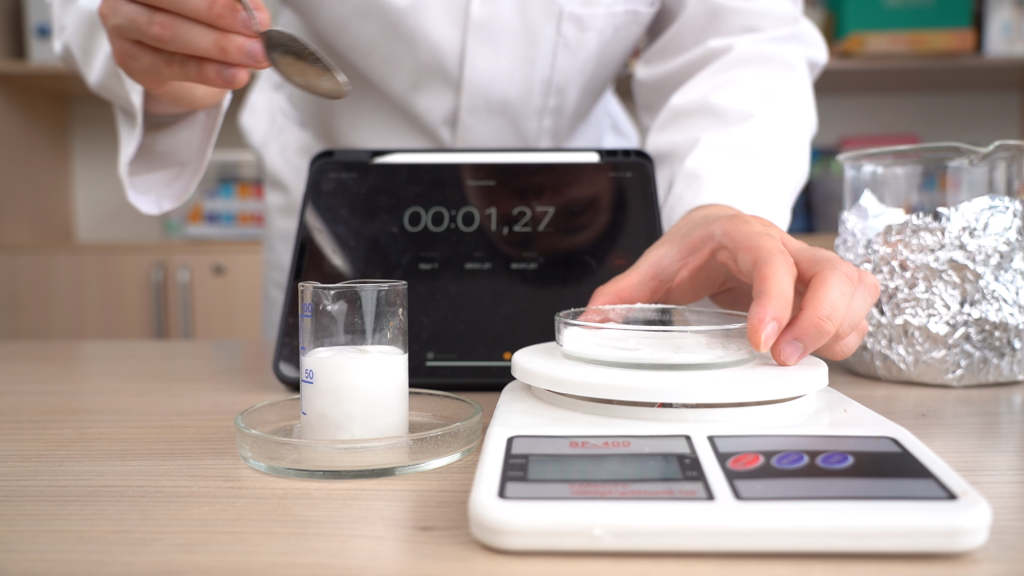
12) Record the time in the table.
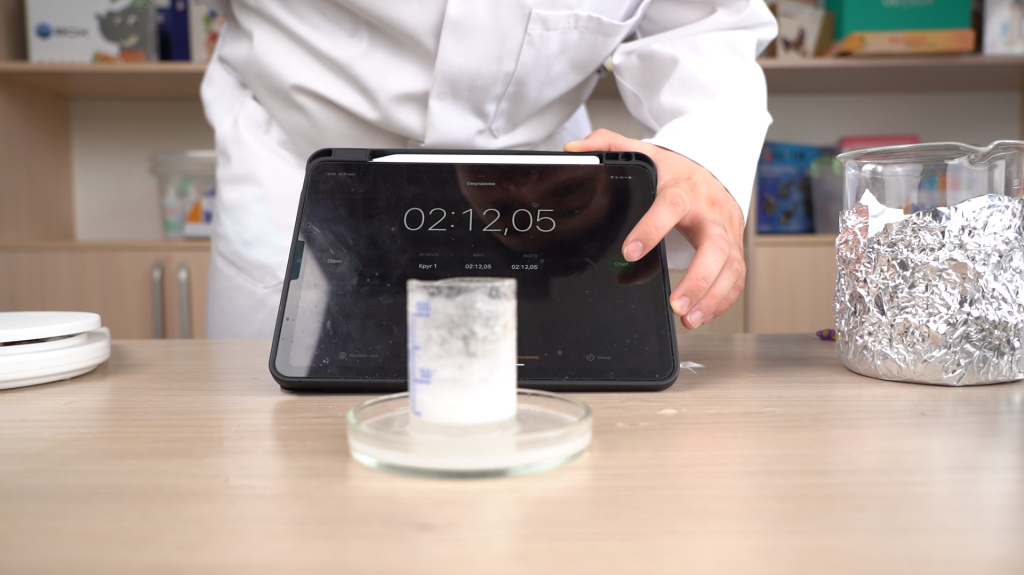
13) Draw conclusions.
Conclusion
Thus, you know how to apply knowledge about factors affecting the rate of a chemical reaction.
Rules for designing the laboratory work
The laboratory work should contain items in the following order:
- Laboratory work number
- Topic name
- Purpose of the work
- Hypothesis
- Brief description of the theoretical part
- Equipment
- Steps in the correct sequence
- Add a photo from the experiment (if you can’t insert a photo, you can add a picture)
- Give a brief description
- Write a brief discussion and explanation of the topic covered
- Write the conclusion of the work
- The workplace must be cleaned and put in order
Feedback