
Lesson
Objective:
- To learn to identify the advantages and disadvantages of natural and artificial materials
- Identify the advantages of natural materials over artificial materials
- Identify disadvantages of natural materials compared to artificial materials
Teacher’s guide:
1. Divide students into groups.
2. To download the worksheet, follow this link:
3. Before beginning lab work, familiarize yourself with the safety rules by following this link:
Theoretical part
Natural fibers
Natural fibers such as cotton, wool, linen and silk have long been used in the textile industry.
The advantages of natural fibers include eco-friendliness, breathability, pleasant tactile experience and biodegradability. For example, cotton is characterized by its tenderness and ability to absorb moisture, making it an ideal material for summer clothing. Wool is incredibly insulating and has the ability to keep you warm even when wet.
But as with any item, there are drawbacks. Natural fibers are often prone to fading, shrinking and warping after washing. Also, their production can require a lot of resources, including water and land.
Artificial fibers
Now let’s move on to artificial fibers such as polyester, nylon and modal. They have been developed to overcome some of the limitations of natural materials.
Artificial fibers have excellent strength, resistance to shrinkage and fading, and they retain their shape for a long time. They can also be created with certain characteristics such as water repellency or heat protection properties.
The production of artificial fibers can be more resource efficient, as it requires less water and land compared to some natural fibers.
However, artificial fibers also have their drawbacks. They can be less breathable, making them less comfortable to wear in hot weather. Also, most artificial fibers are made from petroleum or chemical compounds, which can have a negative impact on the environment.
Practical part
Texture and visual inspection:
Step 1.
Take fabrics of 40*30 cm in size. Examine the surface of the cloth. Which fabric has a shiny surface and which has a matte surface?
Step 2.
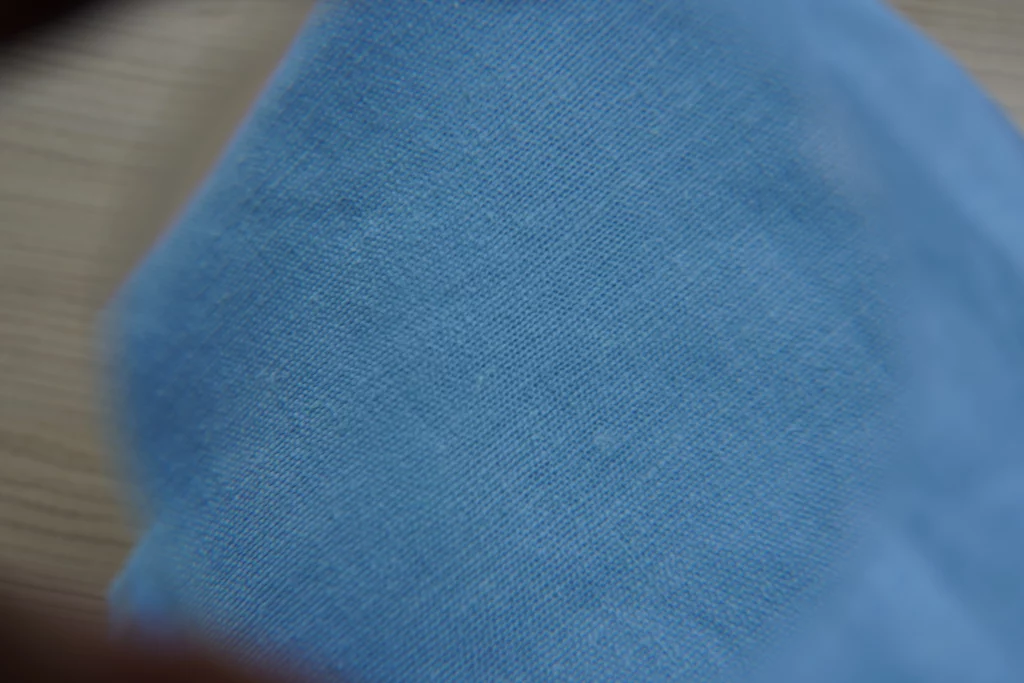
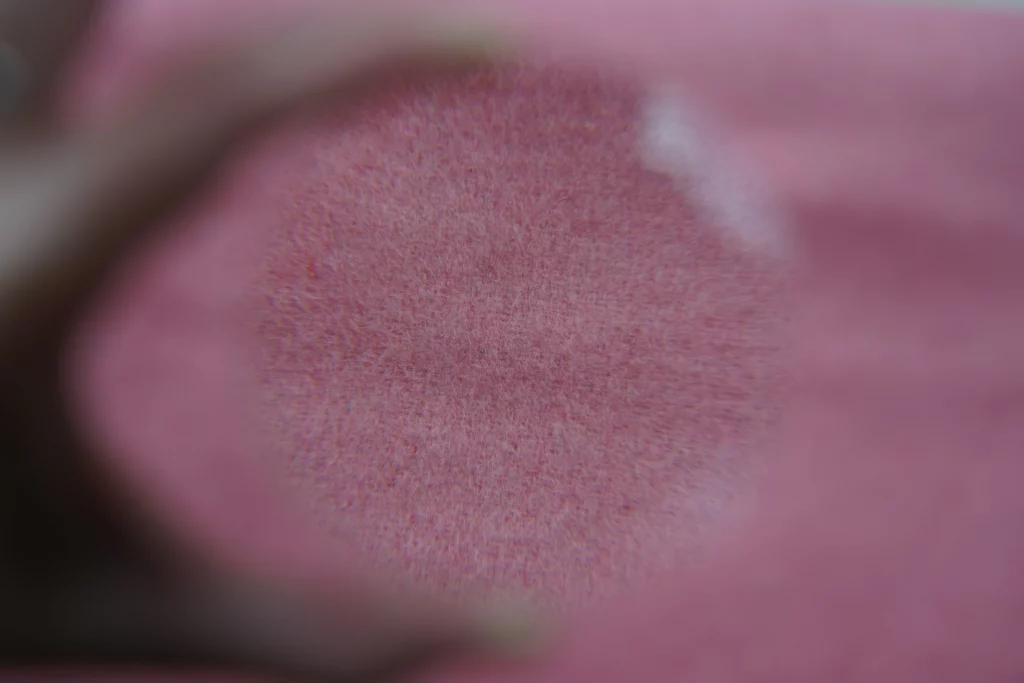
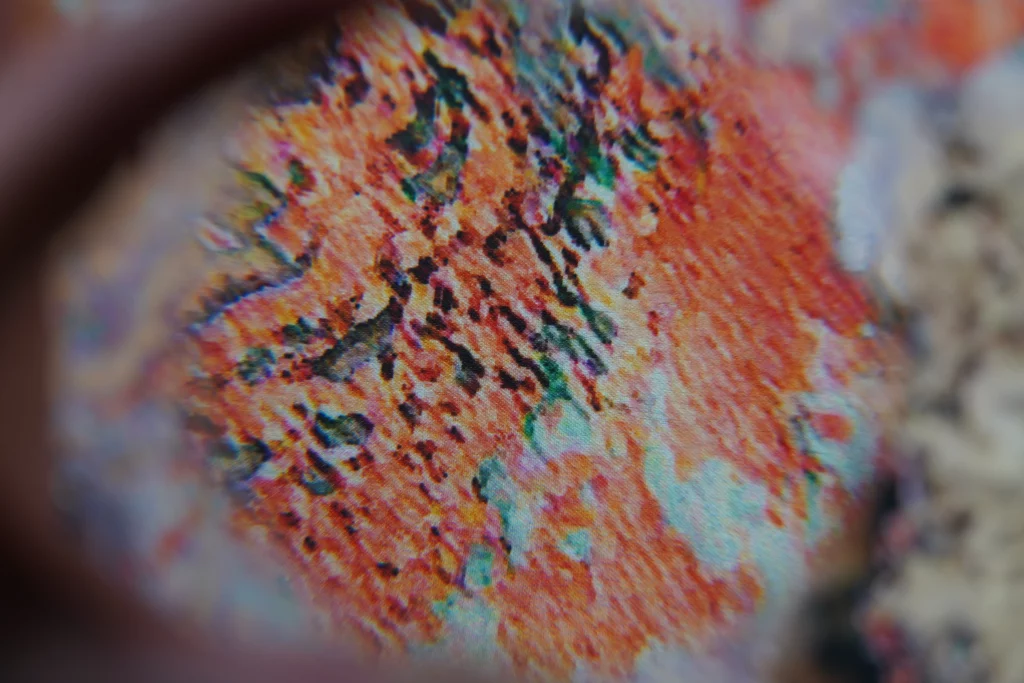
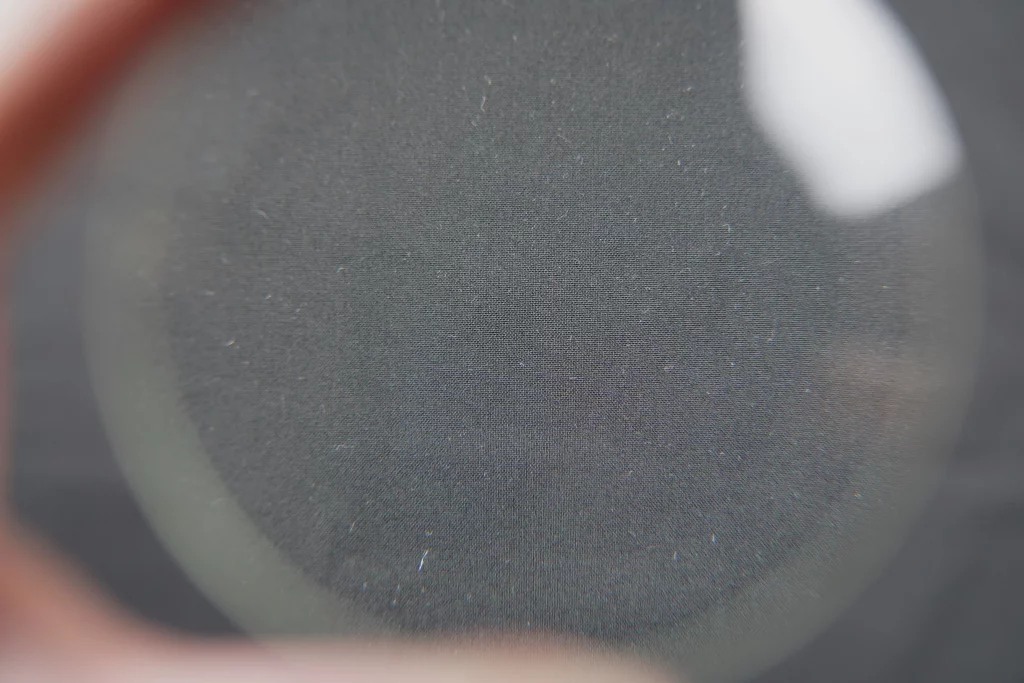
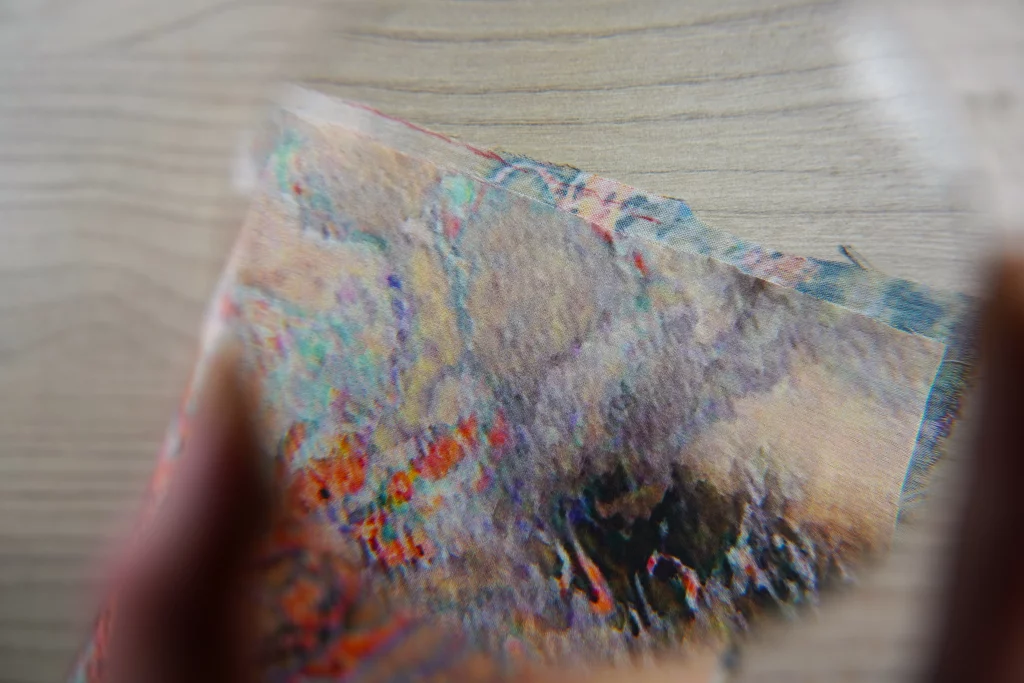
Use a hand lens or magnifying glass to carefully check the texture and appearance of the fibers. Observe the differences in fiber texture, surface patterns and thickness.

Step 3.
Record your observations on your worksheet.
Weight comparison:
Step 4.
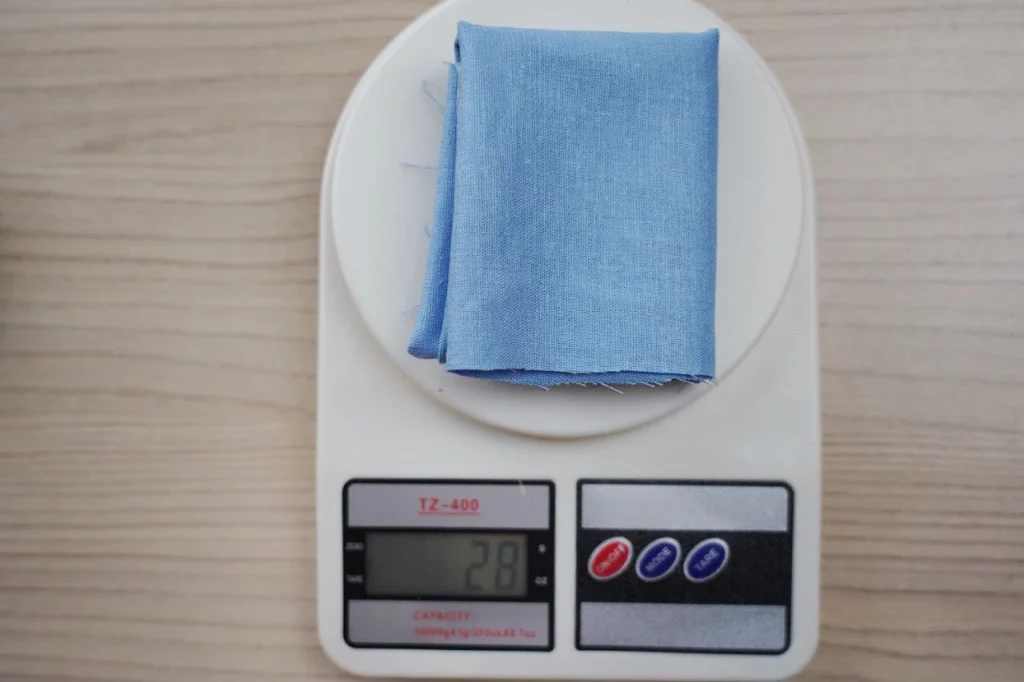
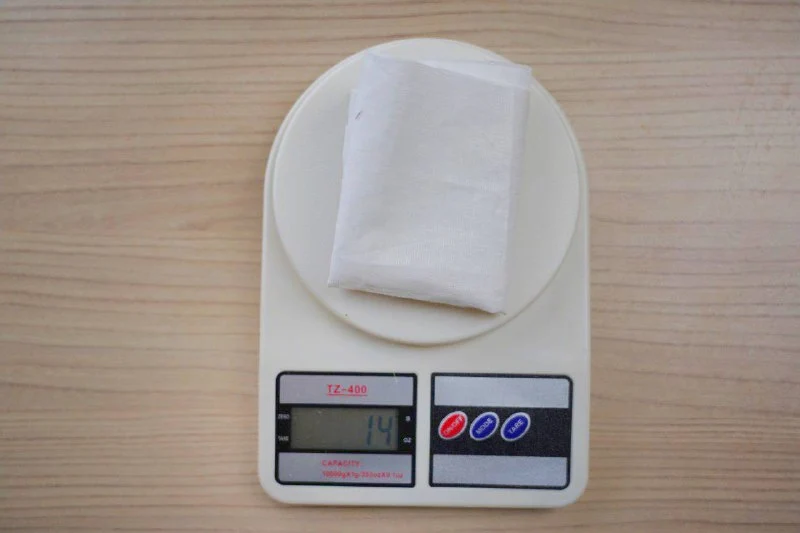
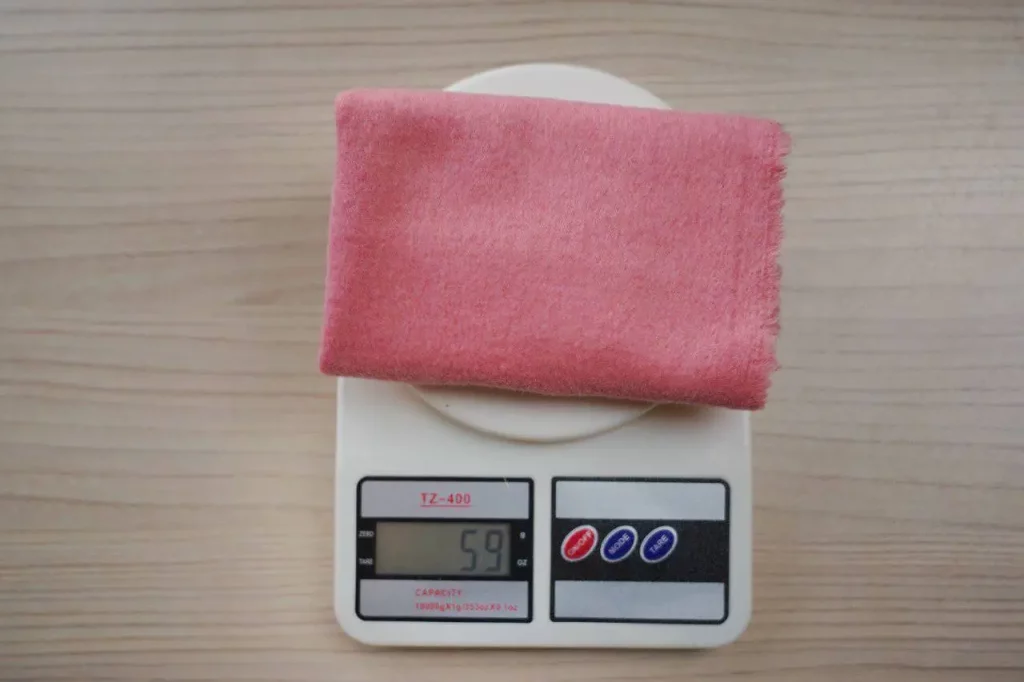
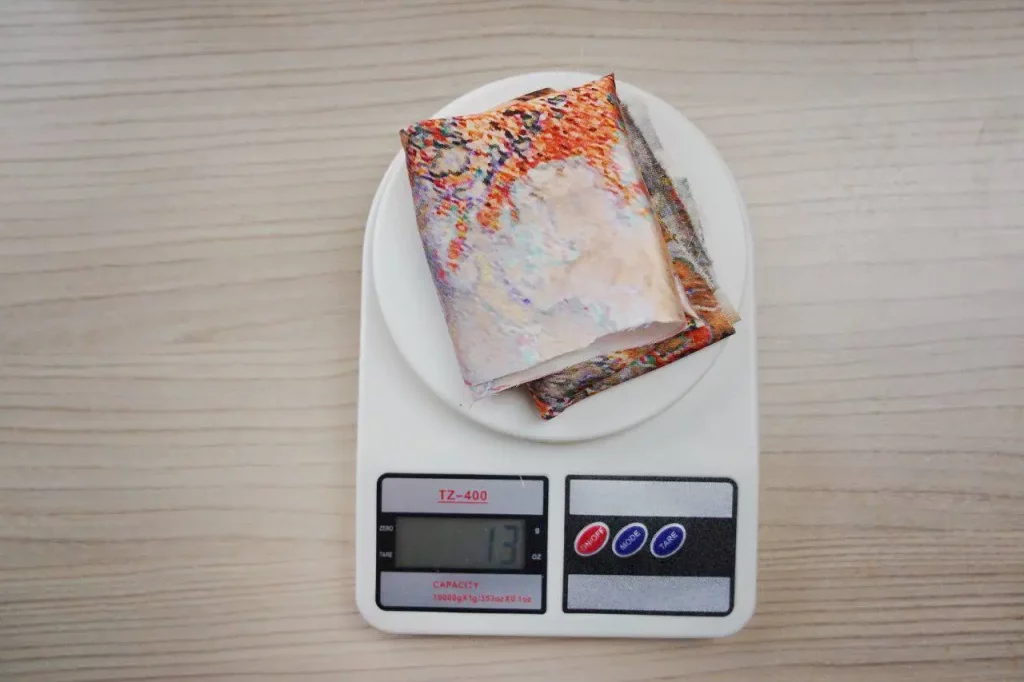
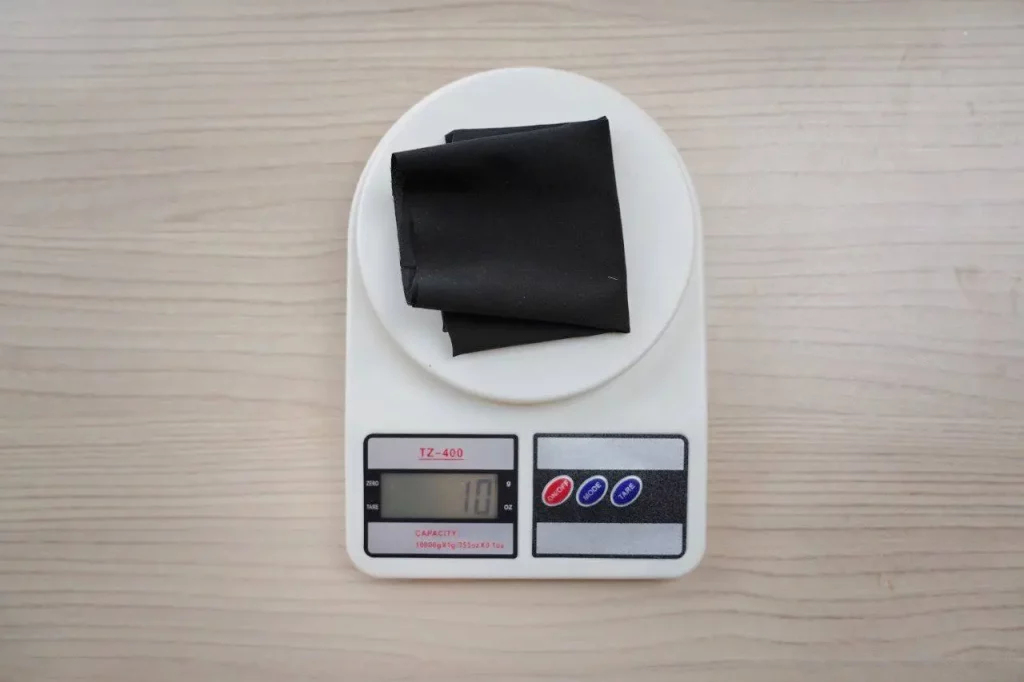
Measure the fabric samples on a scale. You can use a kitchen scale.
Step 5.
Record the weight of each fabric on the worksheet and discuss the implications of the weight difference.
Trim with scissors:
Step 6.
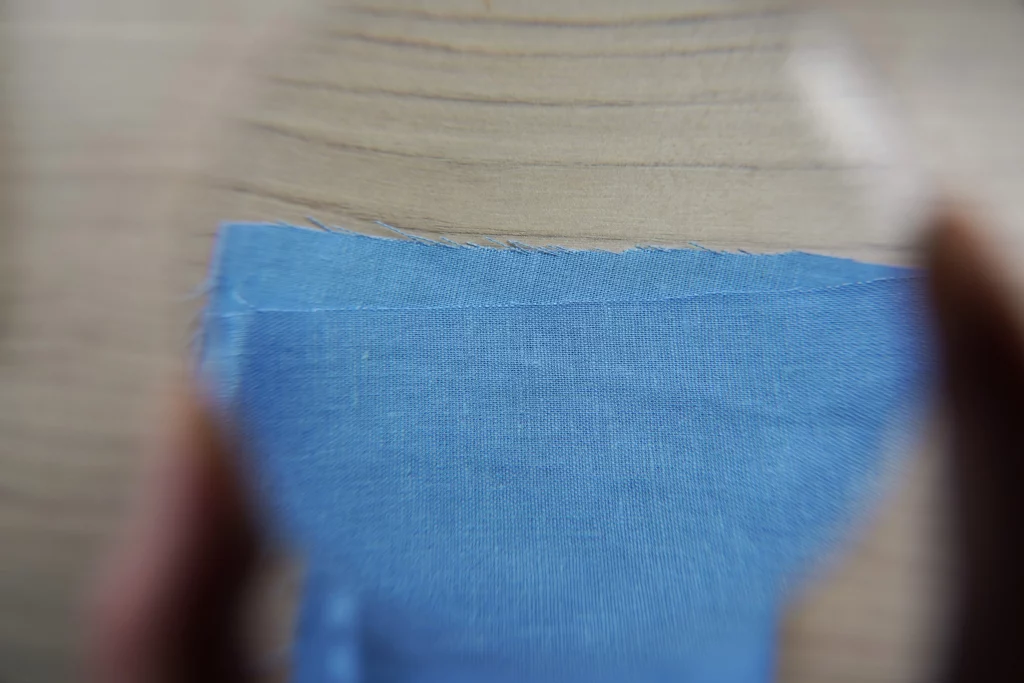
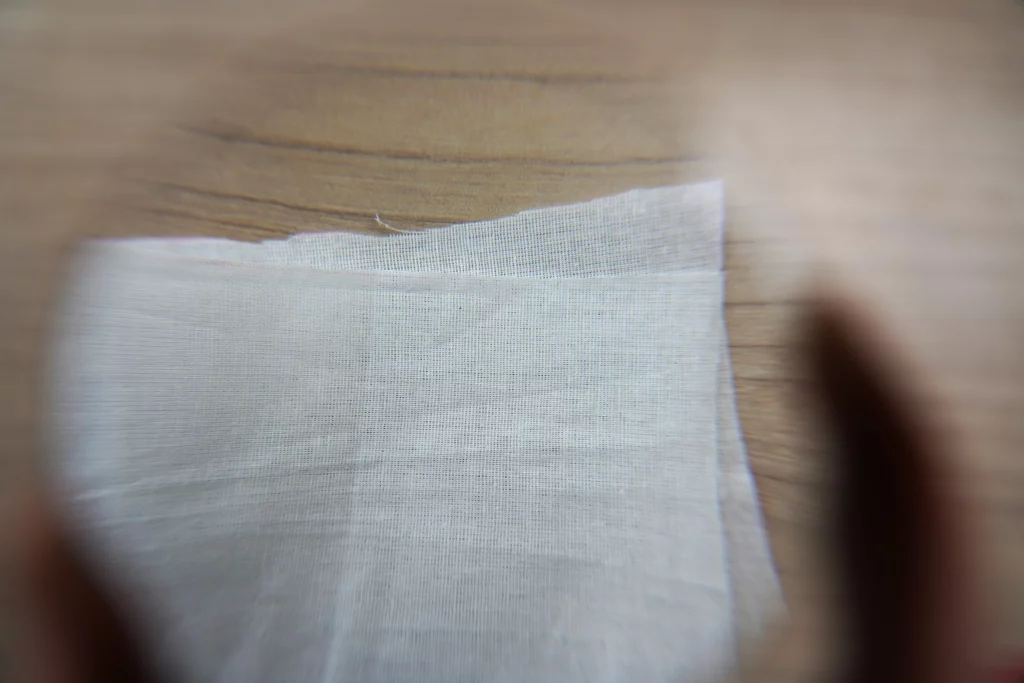
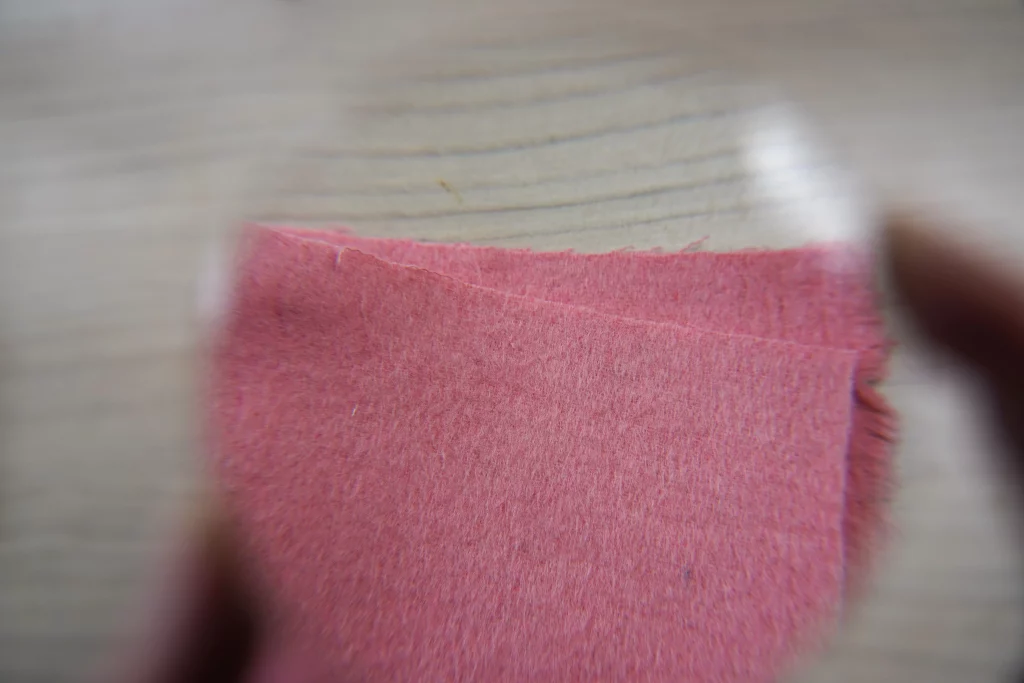
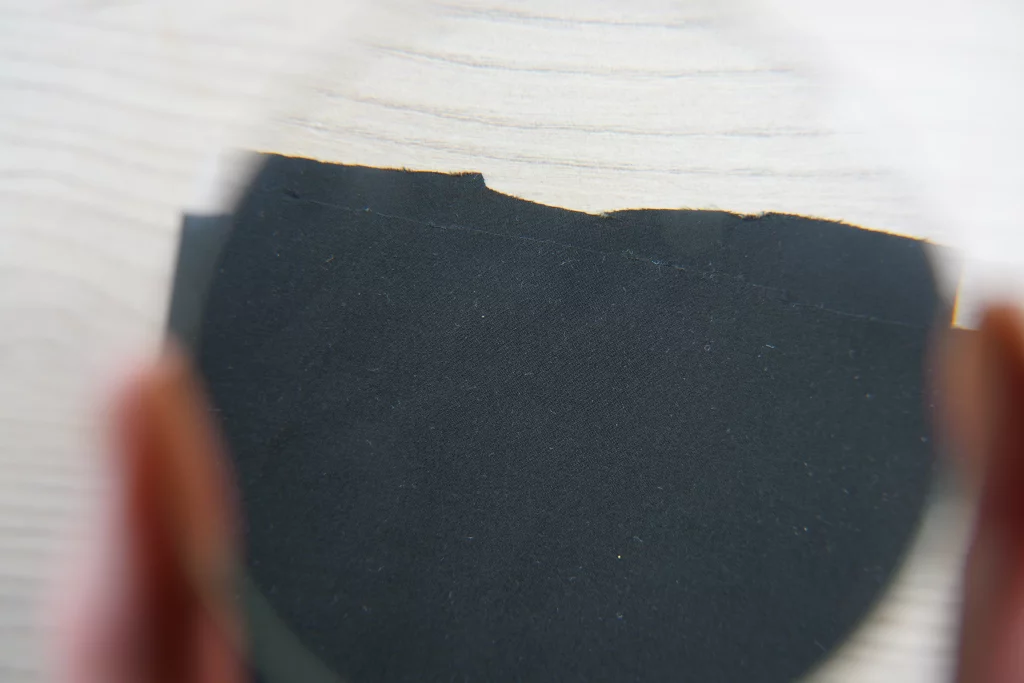
Cut a 30*10 cm piece from each fabric sample with scissors.
Step 7.
Note factors such as unraveling or smooth edges, and record on the sheet how the fibers change when cut.
Test for water absorption:
Step 8.
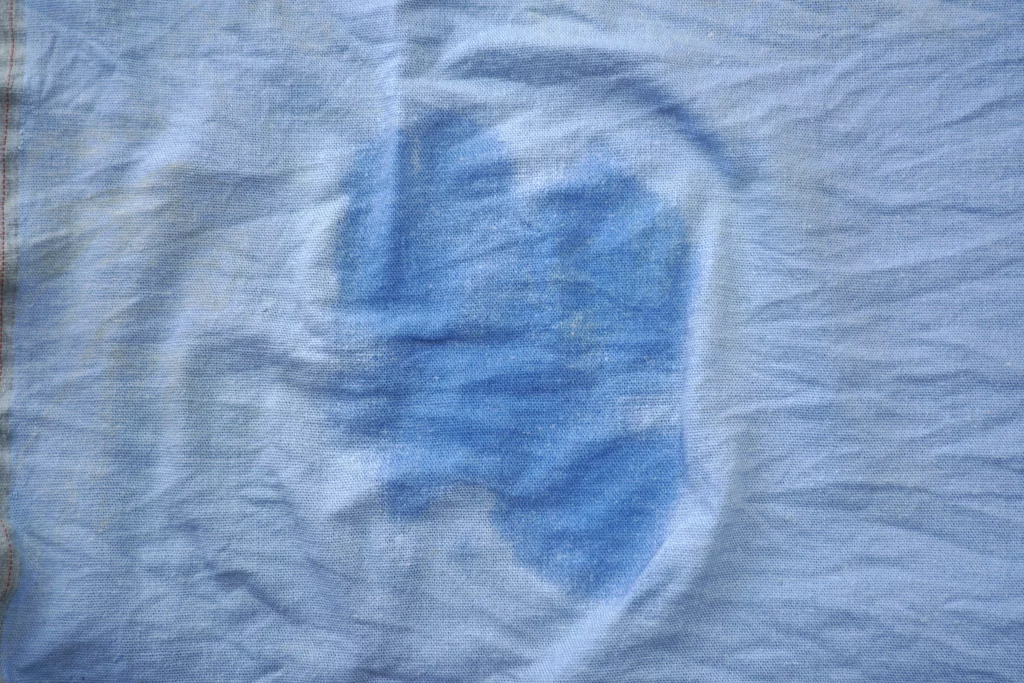
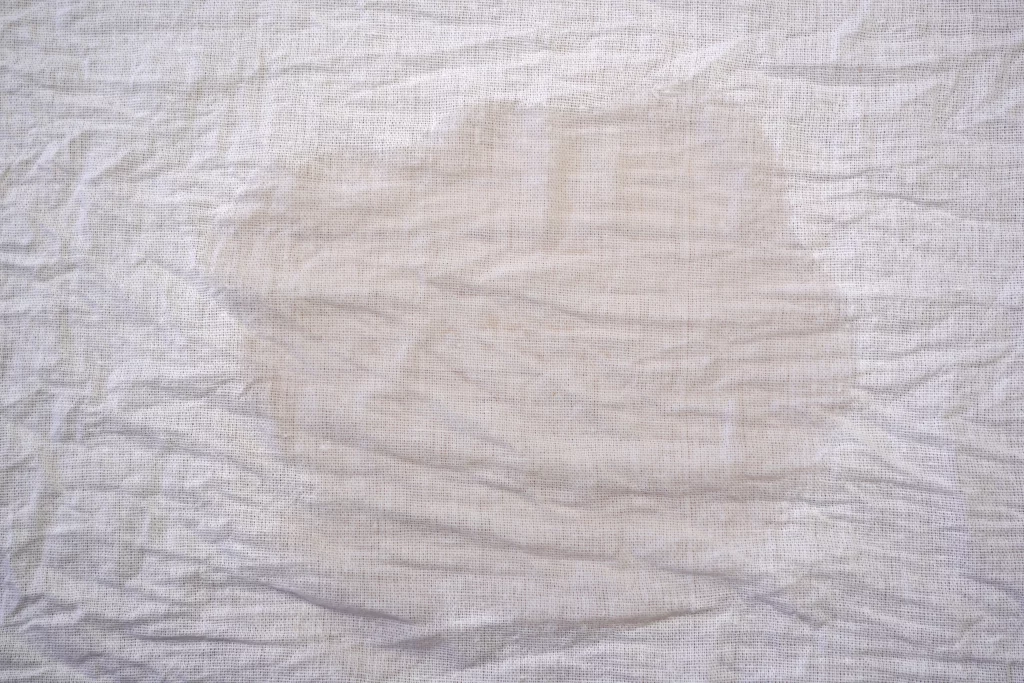
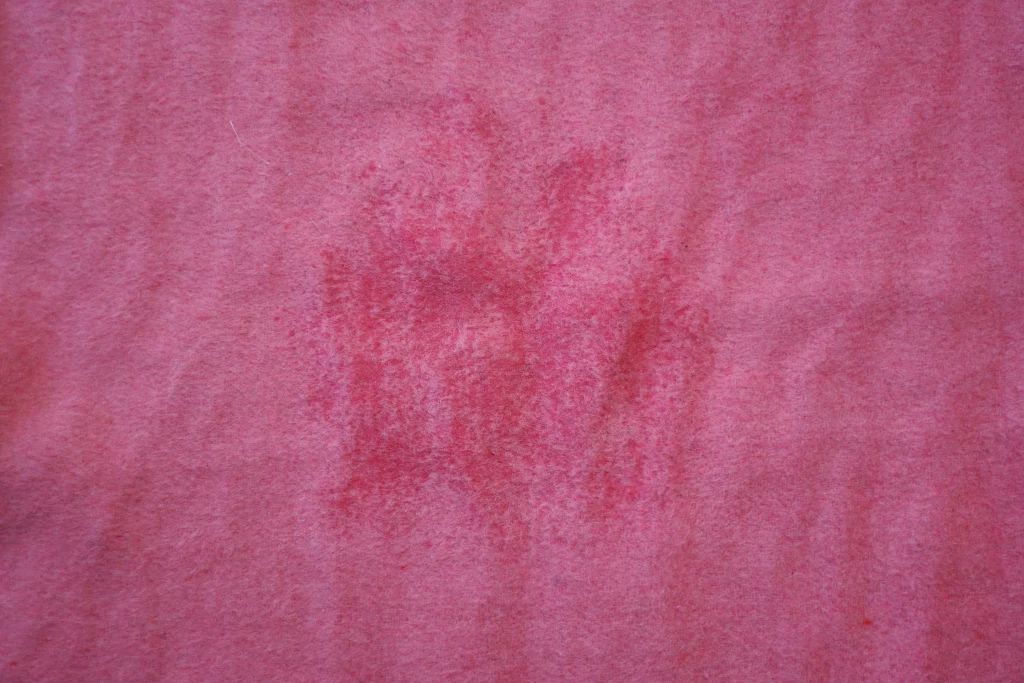
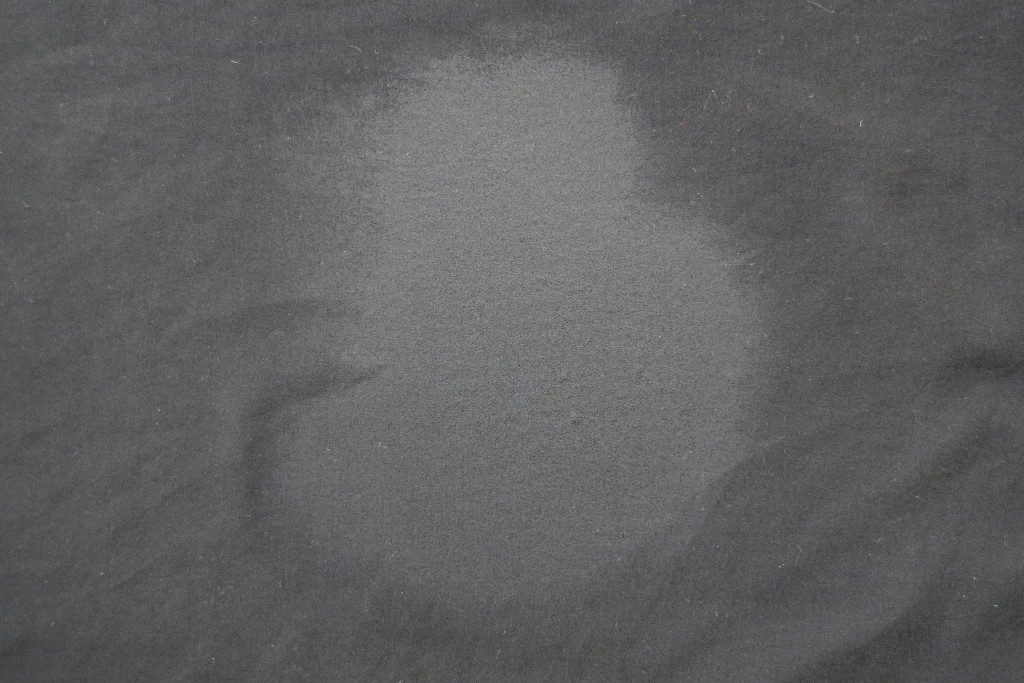
Lay 30*30 fabric samples of each fiber type on a flat surface. Using a water bottle, spray a small amount of water on each fabric sample and see how the fibers react to the moisture.
Step 9.
Do they absorb water quickly or do they repel it? Write on the worksheet.
Testing for resistance to oils and liquids:
Step 10.
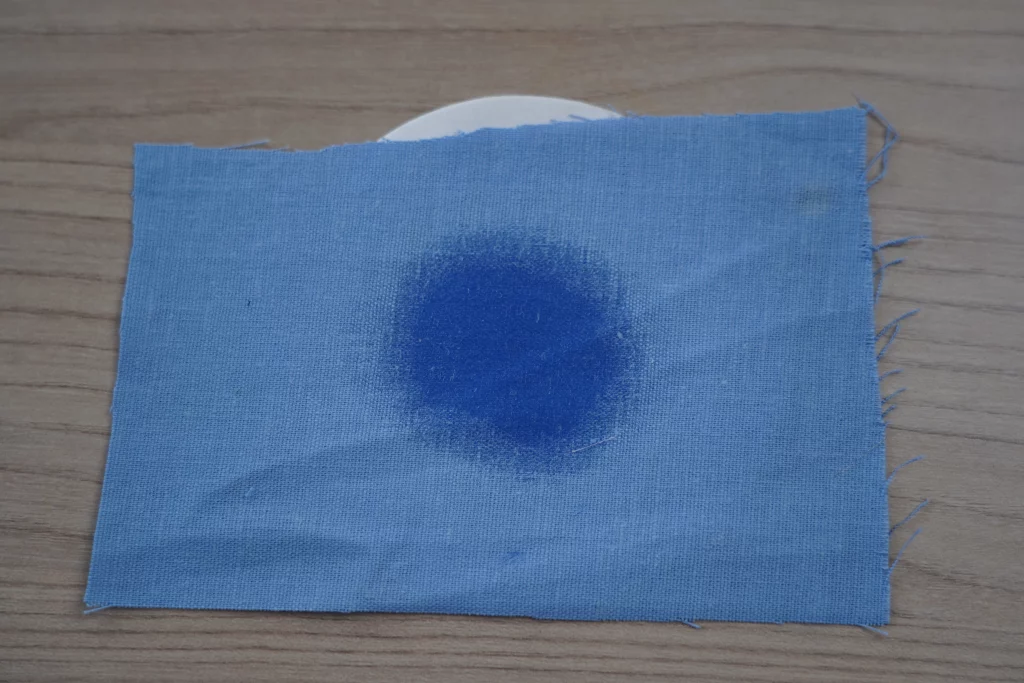
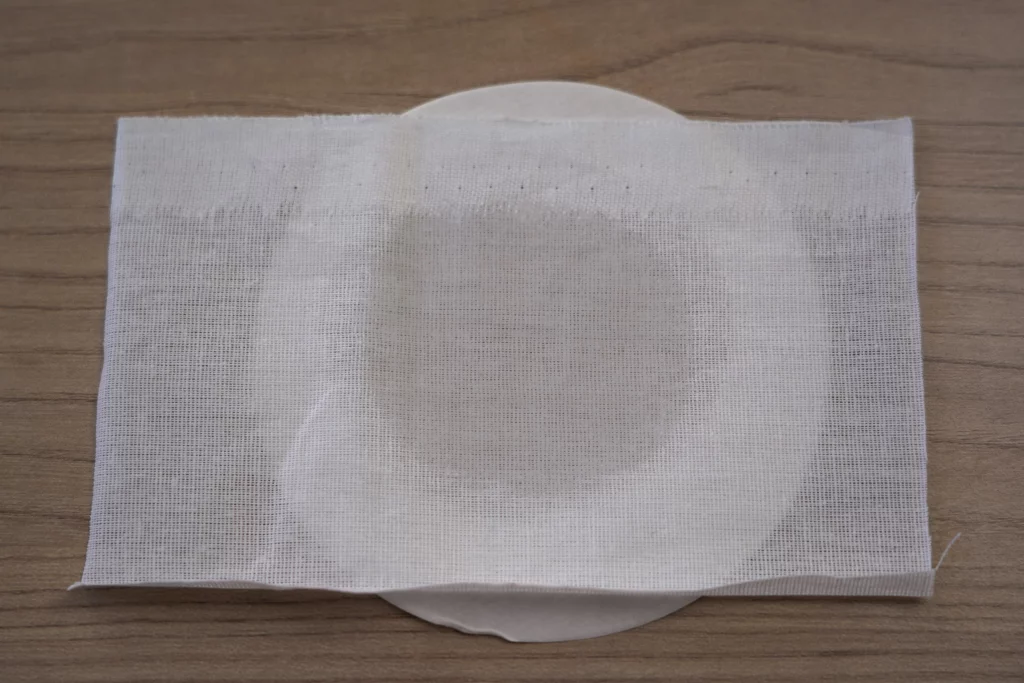
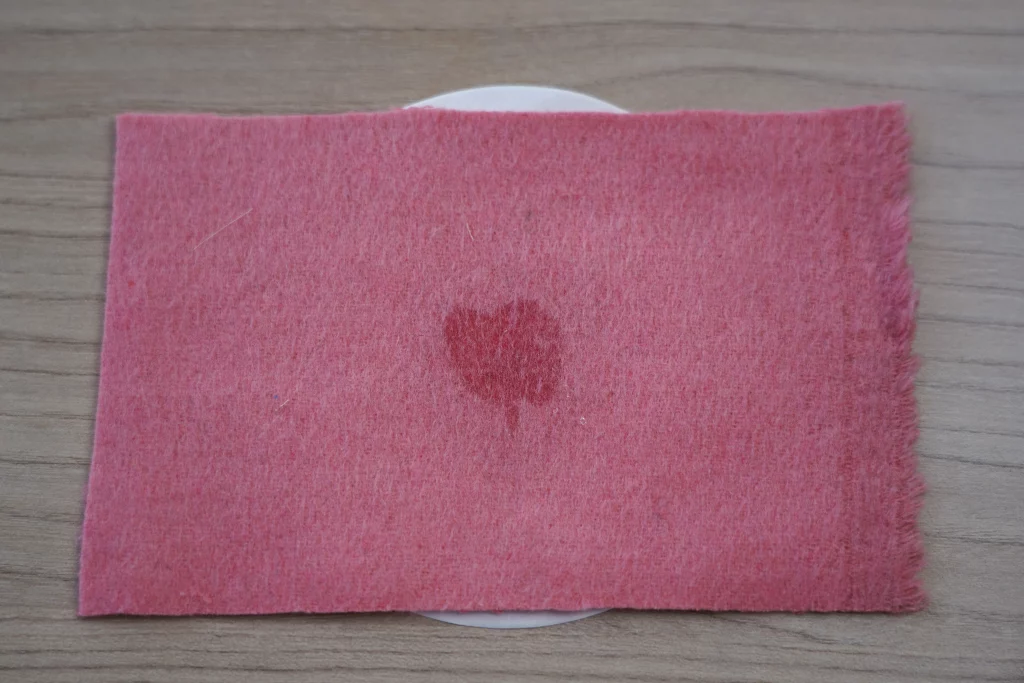
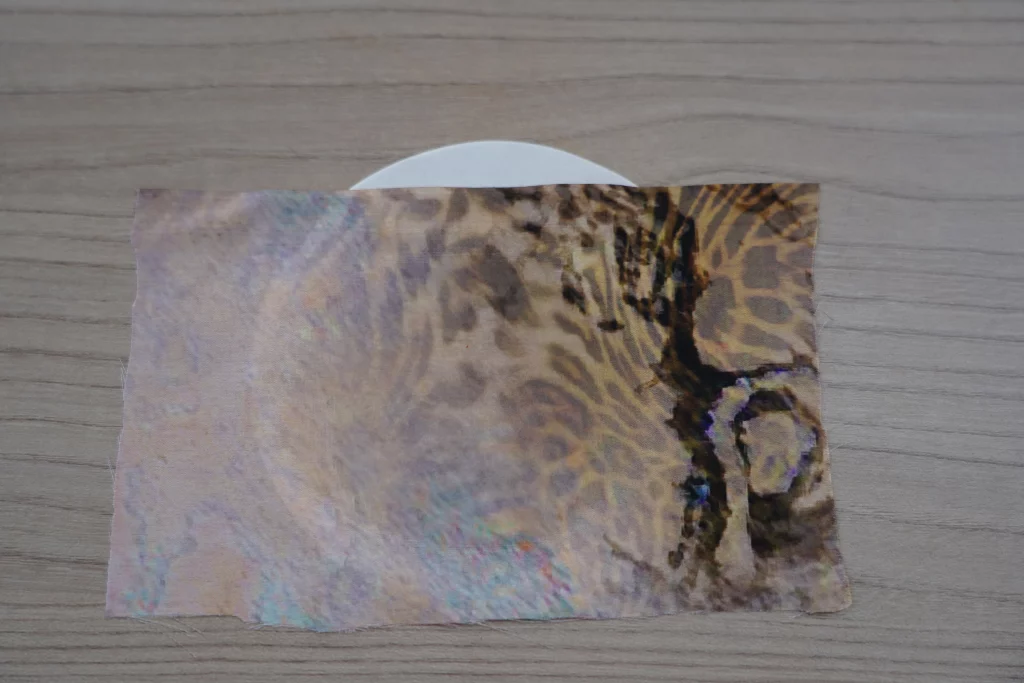
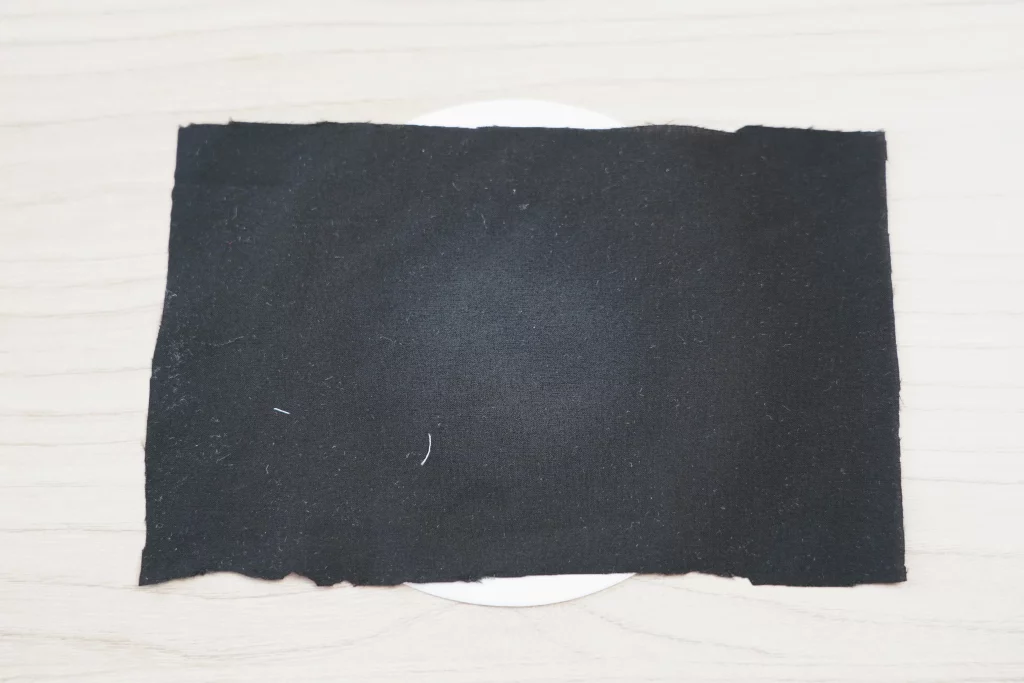
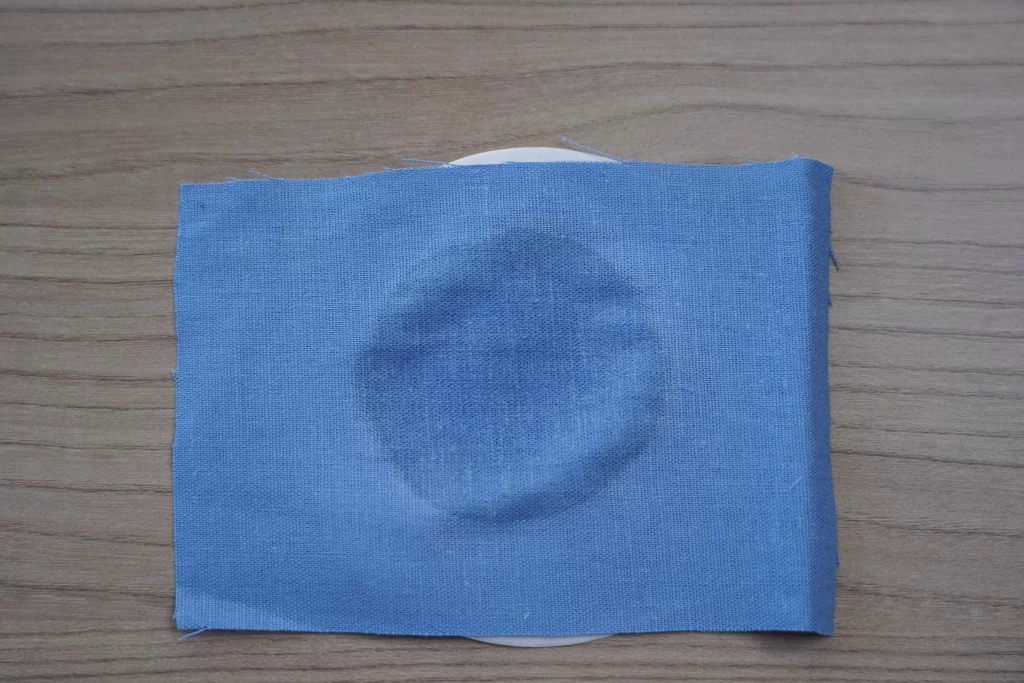
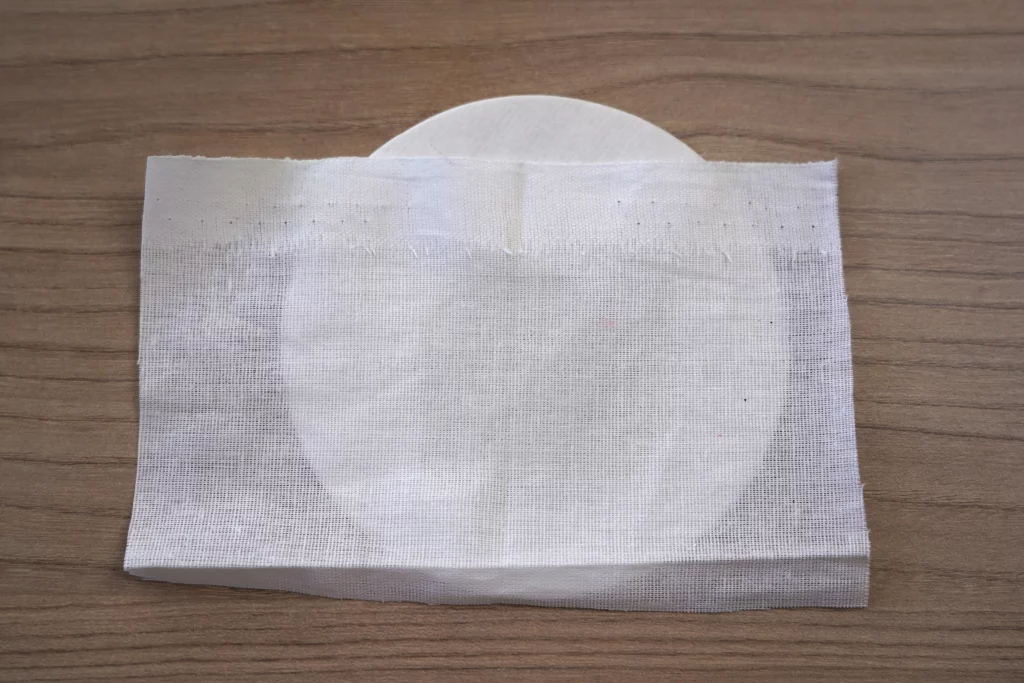
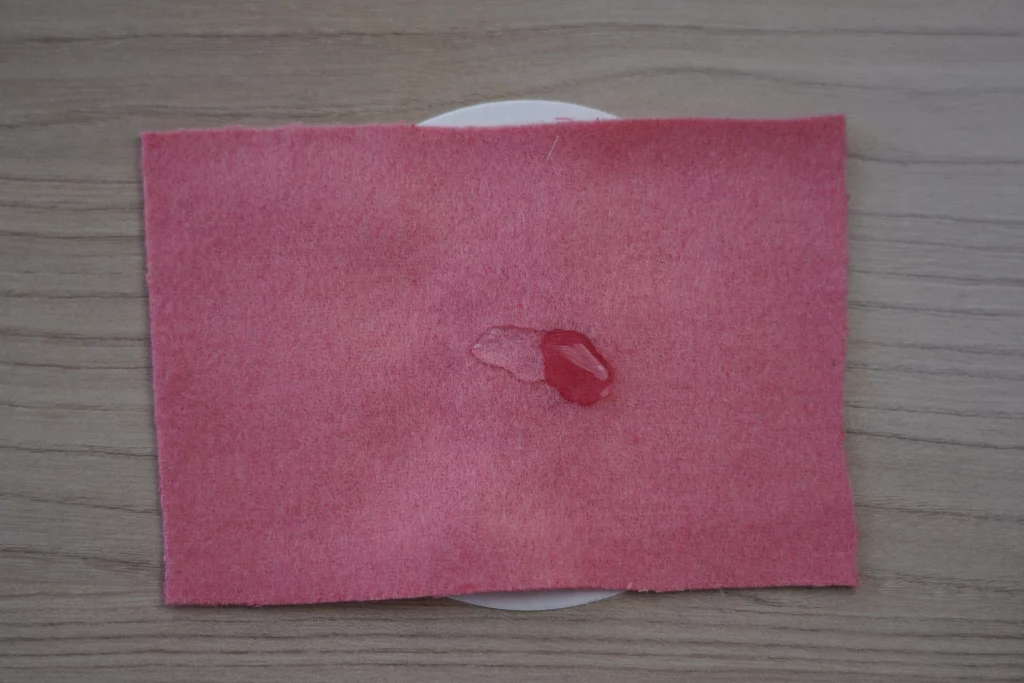
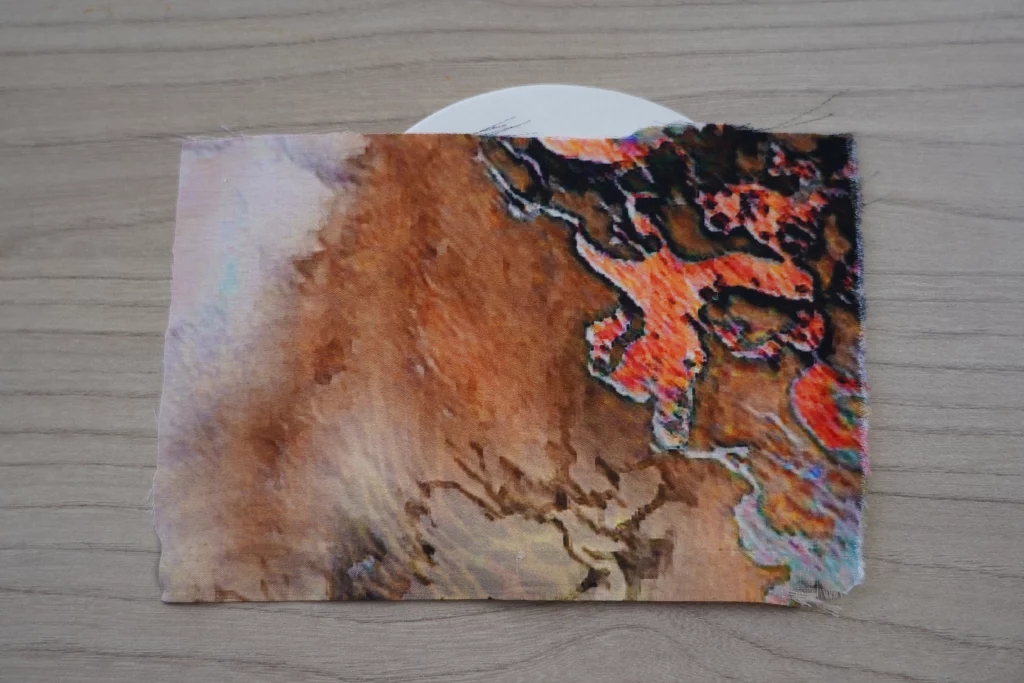
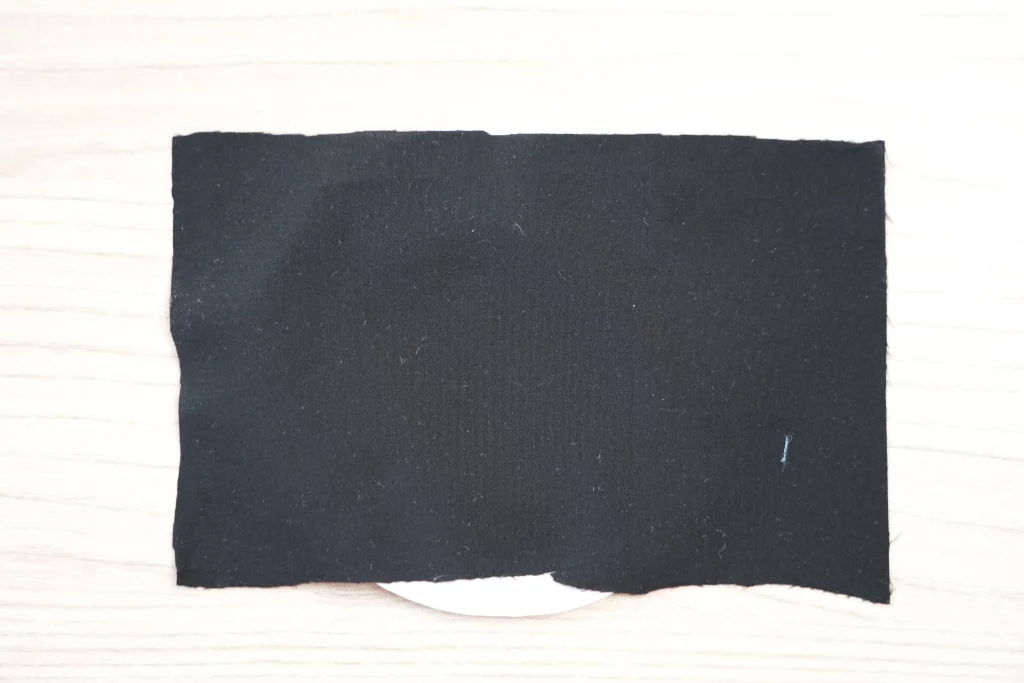
Cut the cut out pieces of 30*10 cm of different fabrics into 15*10 cm halves. Pour sunflower oil on one piece with a pipette.
Step 11.
Pour vinegar with a dropper on the second piece of fabric you cut.
Step 12.
Observe how the types of fibers react to the different liquids. Which fibers repel or absorb liquids better than others? Write on the worksheet.
Combustion of the fabric samples:
Step 13.
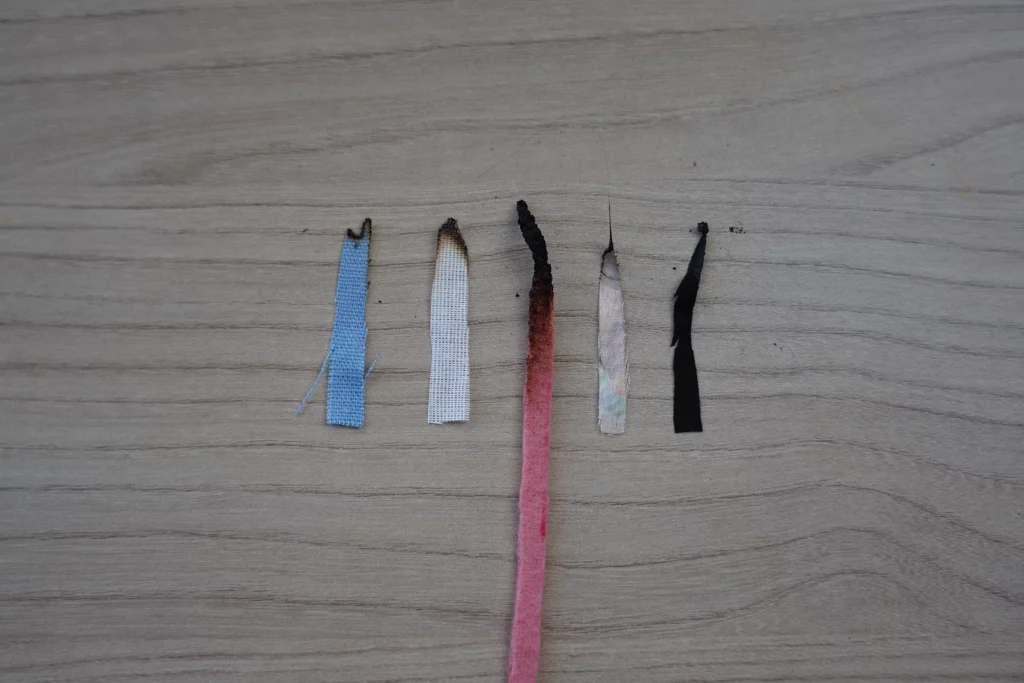
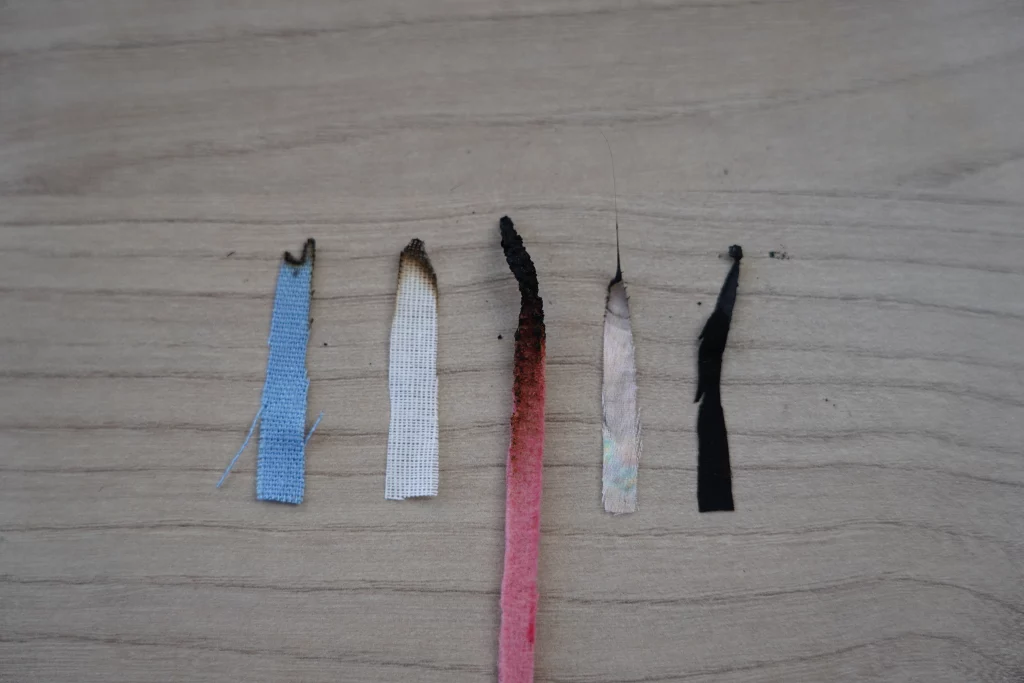
Take a thread from the dry part of the fabric pattern, pinch it with tweezers, and light it with a match.
Step 14.
What does the burning thread look like? What odor was produced when the thread burned? Record your findings on the worksheet.
Washing test:
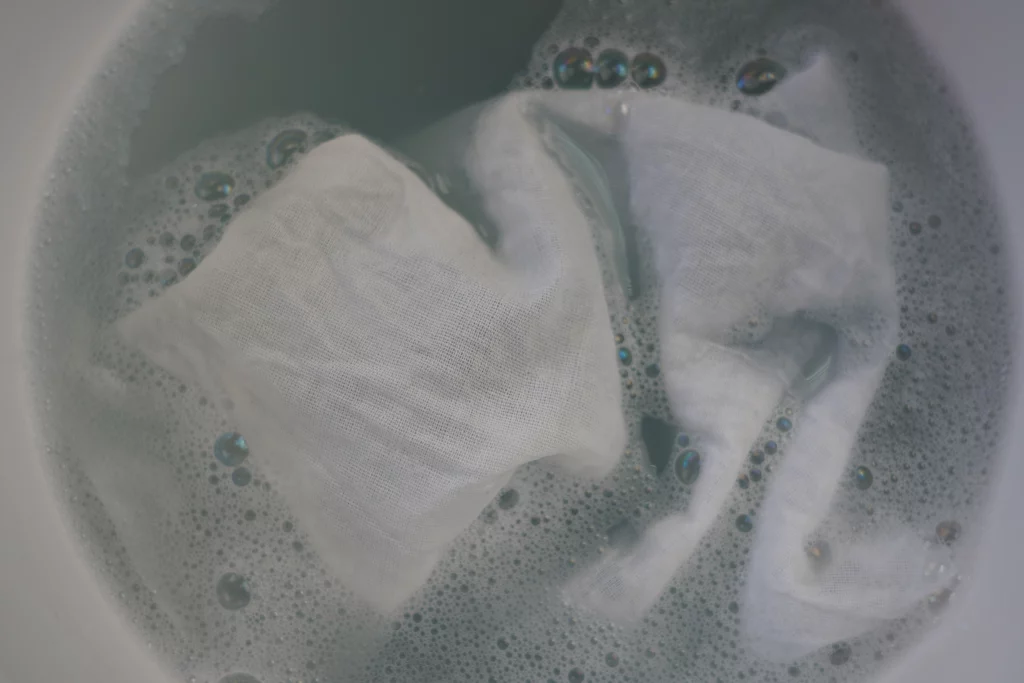
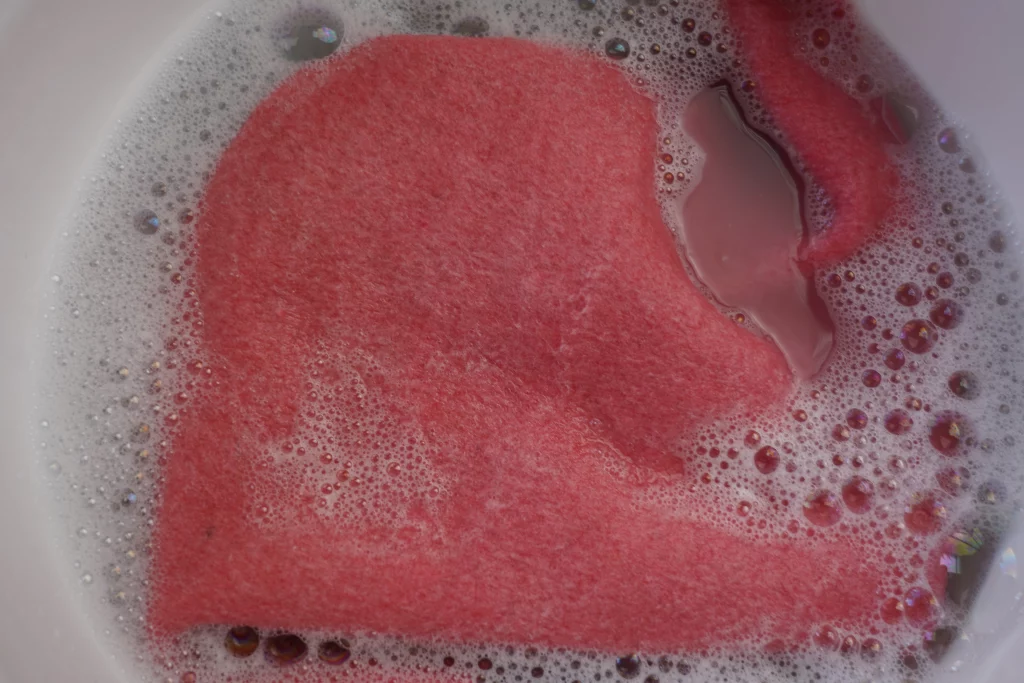
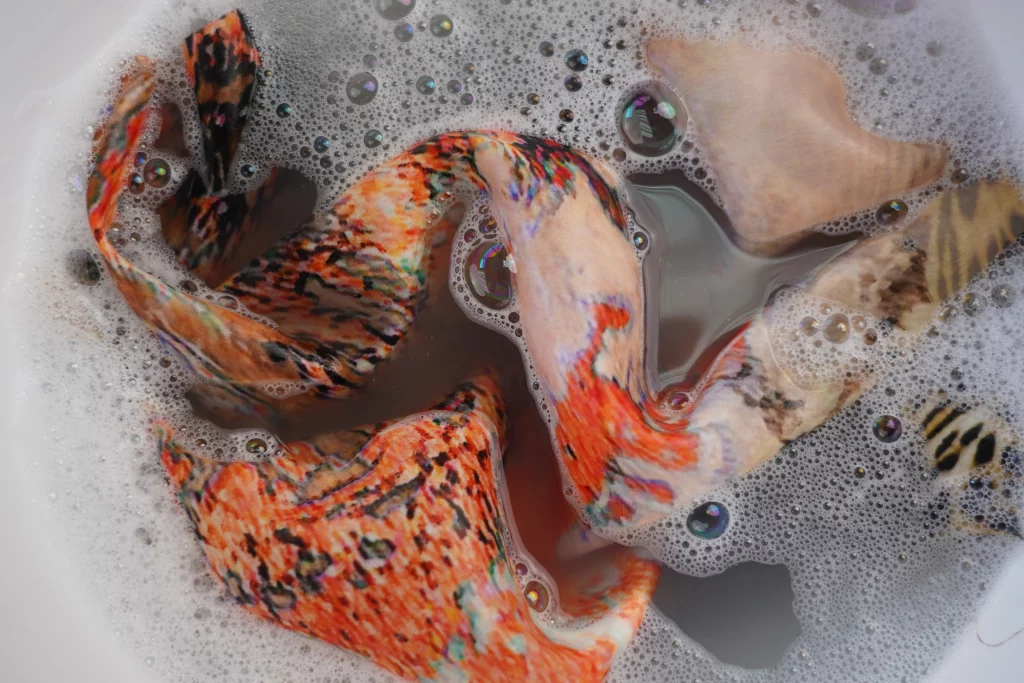
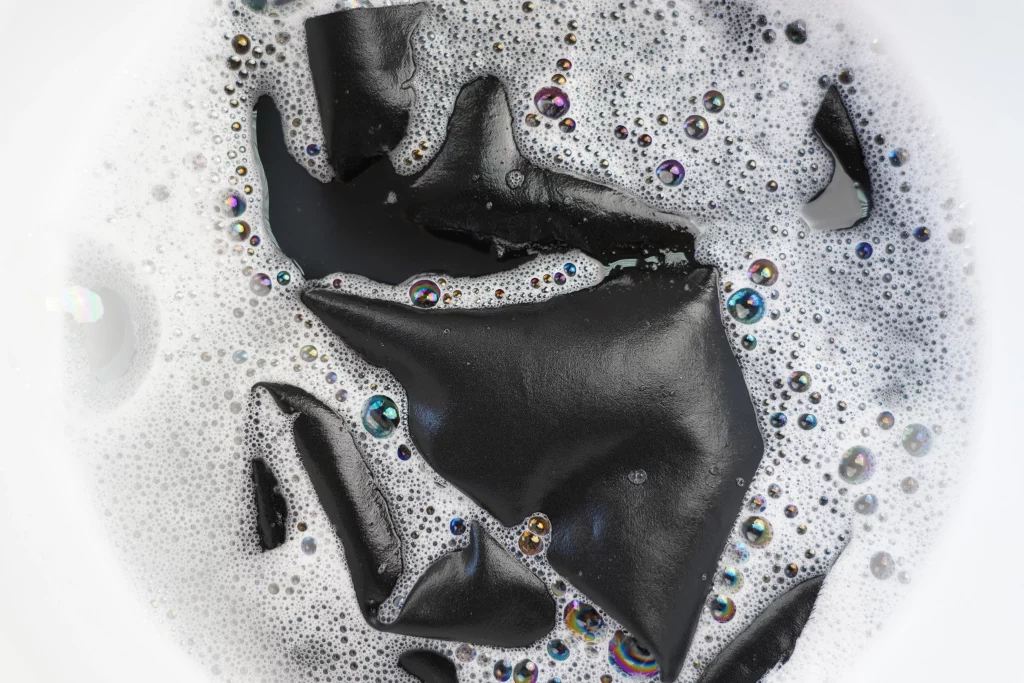
Step 15.
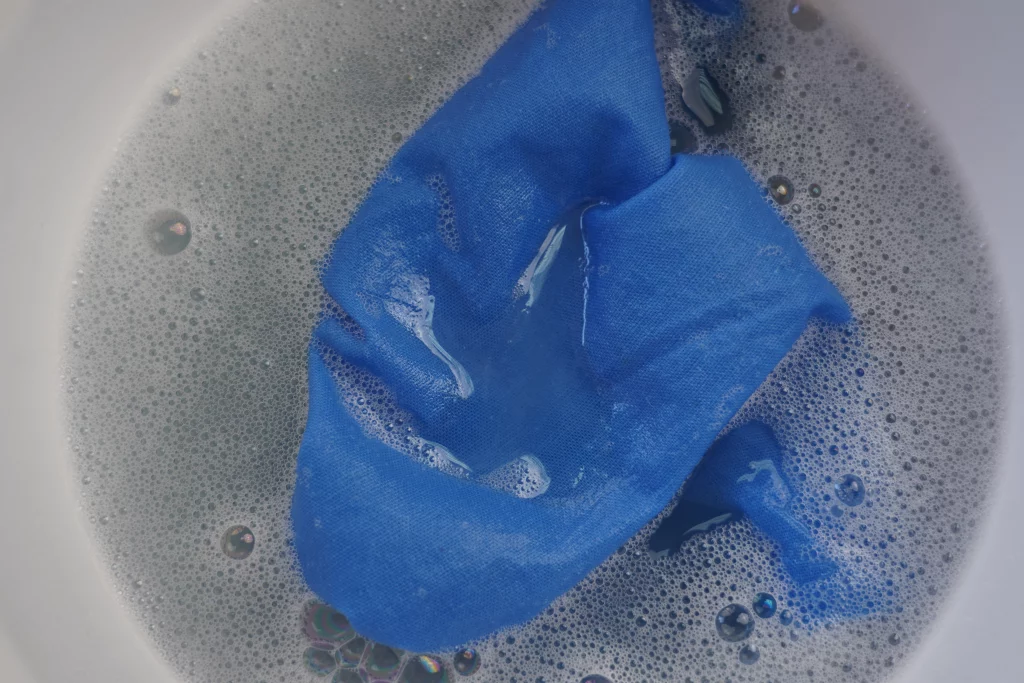
Take a deep bowl, pour water to the middle and add laundry detergent. Simulate the washing process by dipping the 30*30 fabric samples into the bowl of water. Gently shake the samples for a few minutes.
Step 16.
Note down any changes in the appearance and texture of the fabric.
Step 17.
Answer the following questions and draw conclusions:
1. What are the major differences between natural and artificial fibers in textiles?
2. What natural materials are most commonly used to produce natural fibers?
3. What advantages do natural fibers have over artificial fibers in apparel manufacturing?
4. What factors influence the choice between natural and artificial fibers when creating specific types of clothing, such as athletic or workwear?
5. What types of fabrics make up the clothes you wear?
Conclusion
In this practical work, students have looked at the main characteristics, advantages and disadvantages of fabrics and their different uses when studying fabrics.
It was observed that natural and artificial fibers have their own characteristics and limitations that need to be considered when choosing a material for a particular product. It is important to consider the environmental requirement and the resistance of the material to various factors.