Lesson 1
Topic of the laboratory work: “Study of the local ecosystem”
The purpose of the work:
- Understand what surface tension of water is
- Check water tension in practice
- Understand the importance of water tension for living organisms
Teacher’s Guide:
- Tasks are performed in groups of 2-3 people
Expected goals:
- Students understand how to demonstrate the surface tension of water in practice.
Worksheet:
Safety technique:
Description

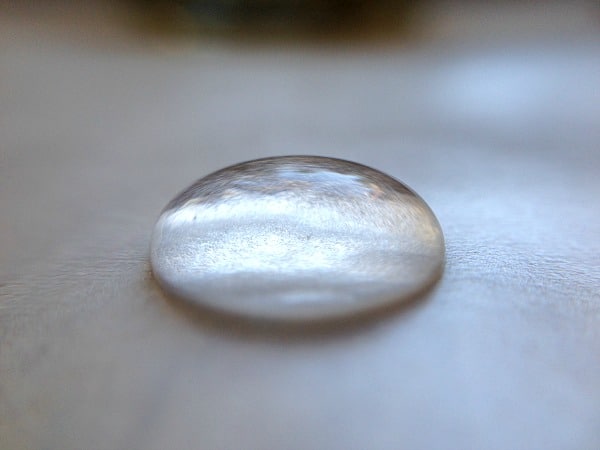
Today, we will study one of the most important properties of water–surface tension. Surface tension is the tendency of a liquid to reduce the area of contact with the gas medium. Water molecules on the surface experience attraction from other molecules, while reducing the attraction from gas molecules around. The water seems to gather in a heap to avoid the air around it. Due to the surface tension of water, water in plants can rise from the roots to the leaves, or it allows stable blood flow in the human body. And yet, some insects like Water meters use the tension of water to skate on the surface of reservoirs as people skate on ice (Figure 1). It also plays an important role in the formation of bubbles and foam.
List of necessary equipment
1) Three coins in denominations of 5, 10, and 50 tenge
2) Pasteur Pipette
3) Water
4) A couple of paper towels
Practical part
1) Put a coin with a face value of 5 tenges on the table
2) Collect a couple of drops of water using a Pasteur pipette
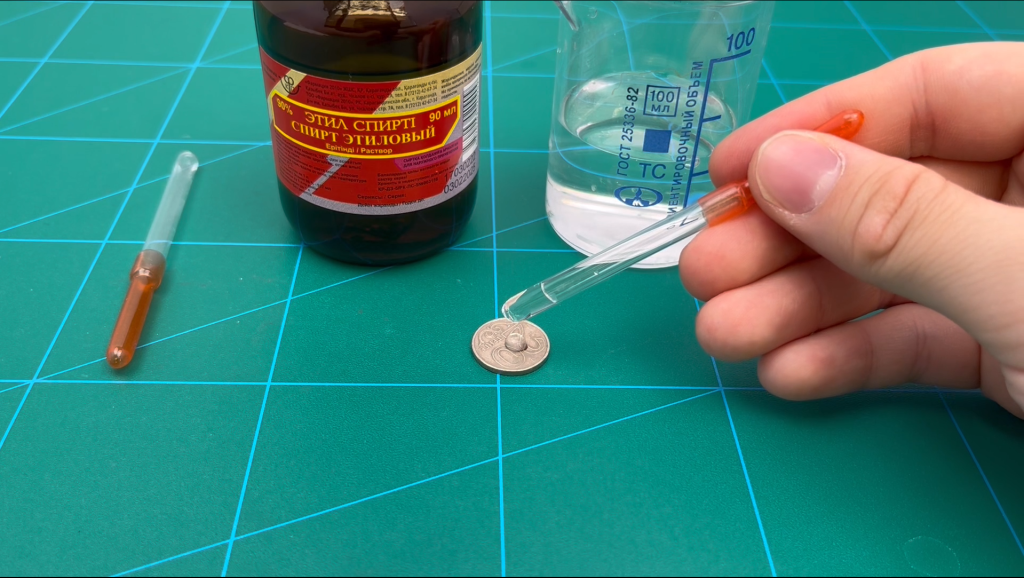
3) Slowly start adding one drop of water to the surface of the coin, count the number of drops and write down the result.
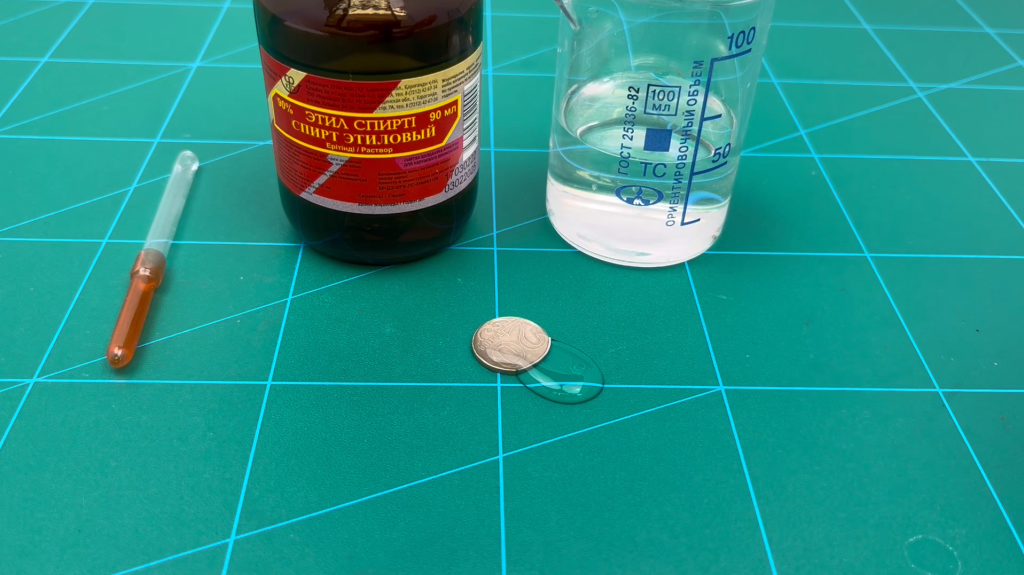
4) Repeat steps 1-3 for ethanol
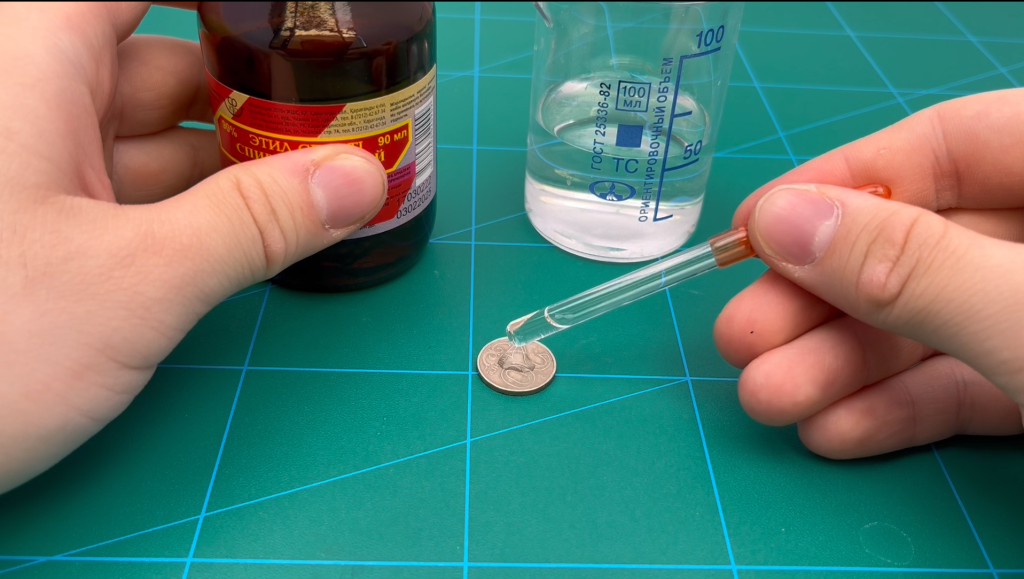
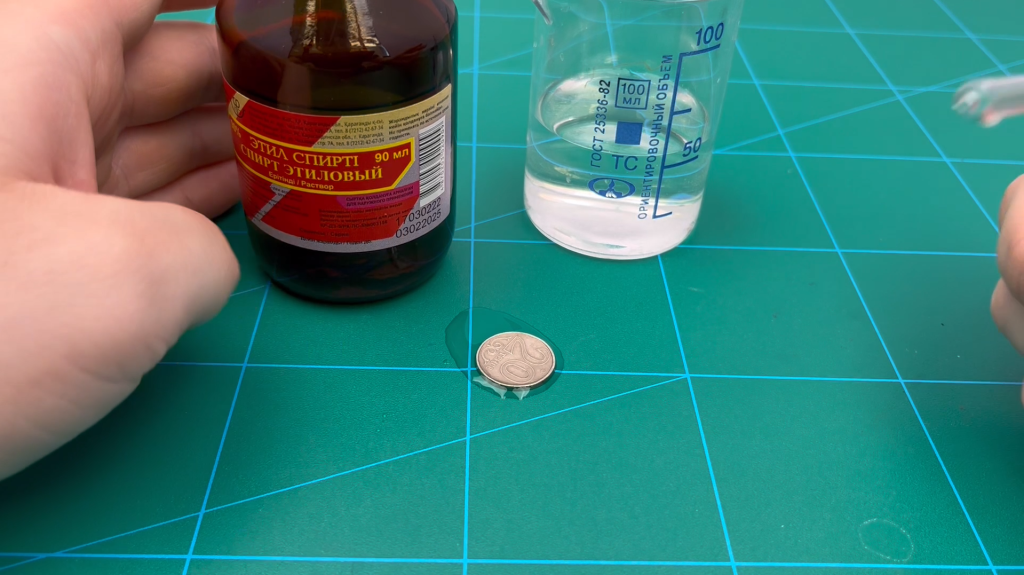
5) Repeat steps 1-4 for 10 and 50 tenge coins
6) Arrange the table in the following form
| 5 tenge coin | 10 tenge coin | 50 tenge coin | |
| Number of water droplets added | |||
| Number of ethanol droplets added |
Conclusion
So you learned what the surface tension of water is.
Rules for designing the laboratory work
The laboratory work should contain items in the following order:
- Laboratory work number
- Topic name
- Purpose of the work
- Hypothesis
- Brief description of the theoretical part
- Equipment
- Steps in the correct sequence
- Add a photo from the experiment (if you can’t insert a photo, you can add a picture)
- Give a brief description
- Write a brief discussion and explanation of the topic covered
- Write the conclusion of the work
- The workplace must be cleaned and put in order
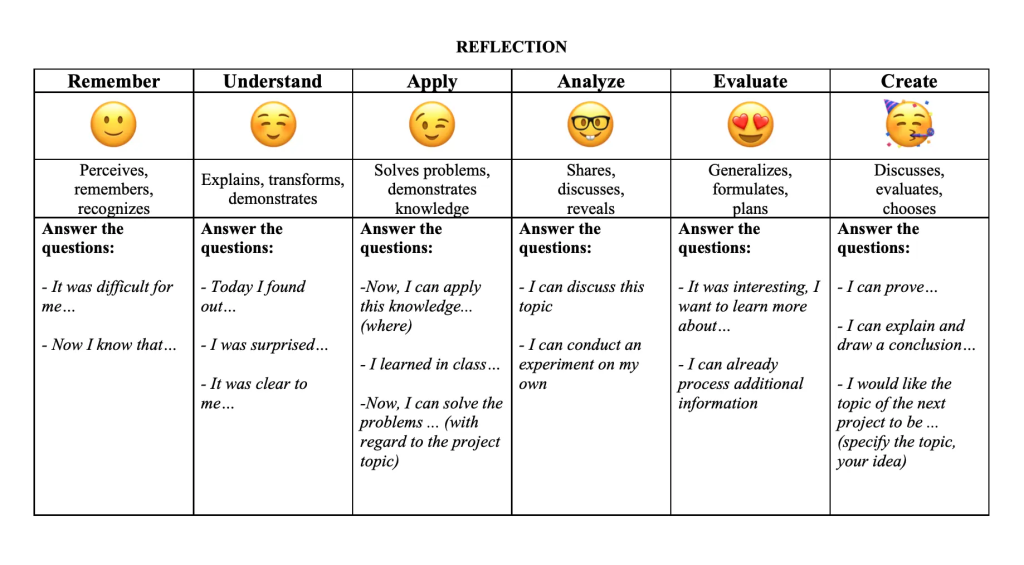
Feedback