Lesson
Project objectives
- Introduce students to the basics of geometry through an exciting lesson on creating 3D shapes from paper.
- Develop spatial thinking, fine motor skills, and creativity.
Teacher’s Guide
– In the experimental part of the project, students work in groups of 4-5 people.
– Before starting experiments, make sure that students are familiar with the basics of 3D geometry.
– Before starting the experimental part, familiarize and provide students with all the necessary materials.
– Give a short briefing on the safety rules when working with scissors, glue and a stationery button.
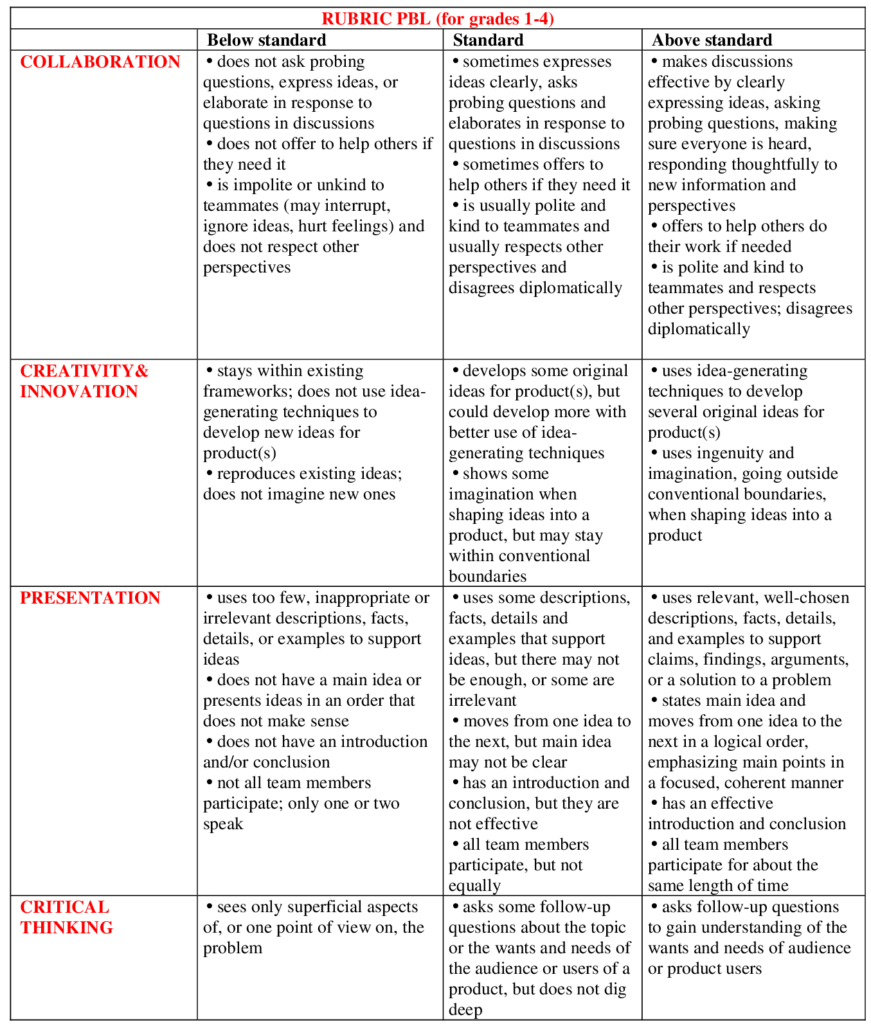
– At the beginning of the lesson, explain the PBL (project based learning) categories to your students. 4K skills (critical thinking, collaboration, creativity, presentation)
Theoretical part
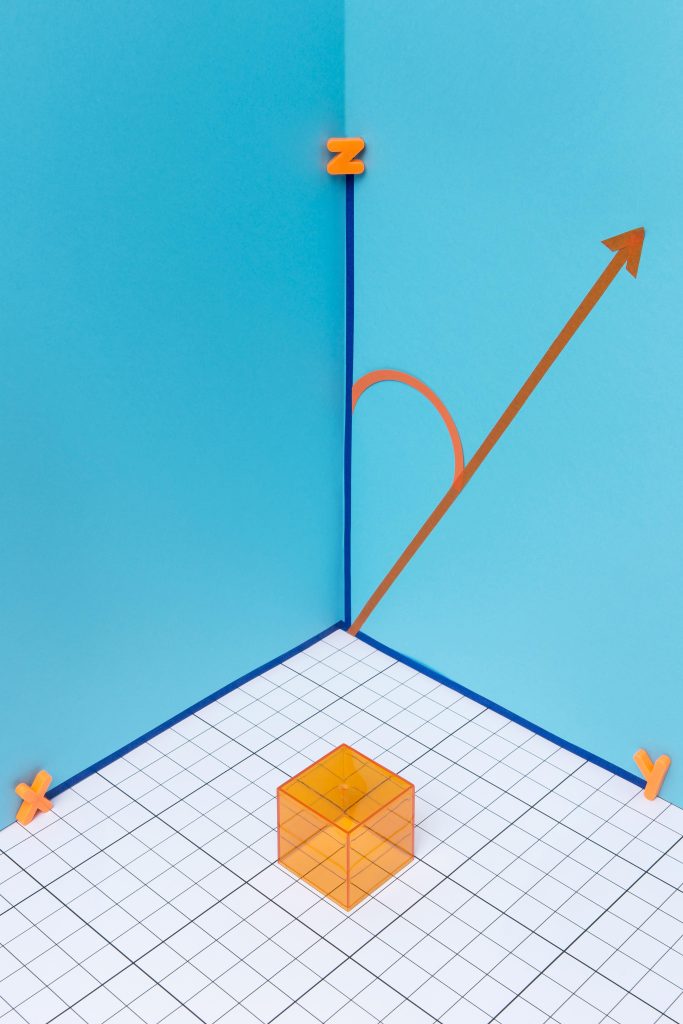
What are 3D shapes?
3D shapes, or spatial shapes, are objects that have three dimensions: length, width, and height. They are not just flat, like drawings on paper, but “jump” out of the plane, becoming three-dimensional.
What are 3D shapes?
There are many different 3D shapes, each with its own unique properties. Here are some of the most common ones:
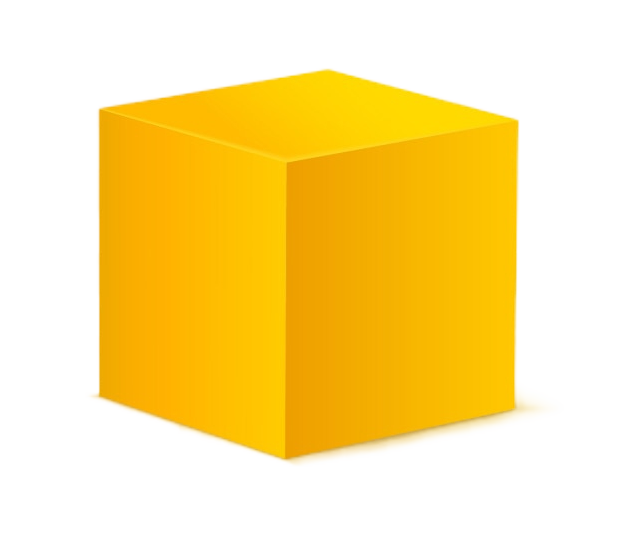
Cube: It has 6 identical square faces, 8 vertices, and 12 edges. A cube is like a building block from which you can create other 3D shapes.
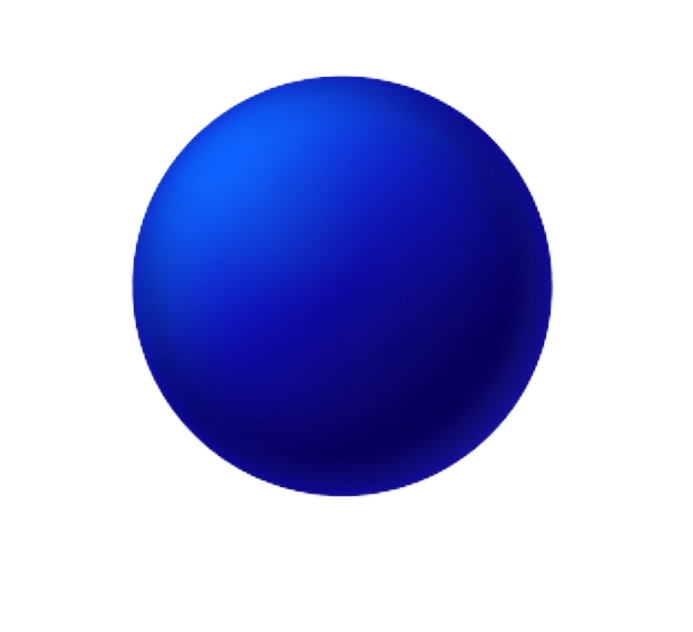
Sphere: It has no faces, vertices, or edges. The sphere is perfectly smooth and symmetrical, and its surface is equally distant from the center at all points.
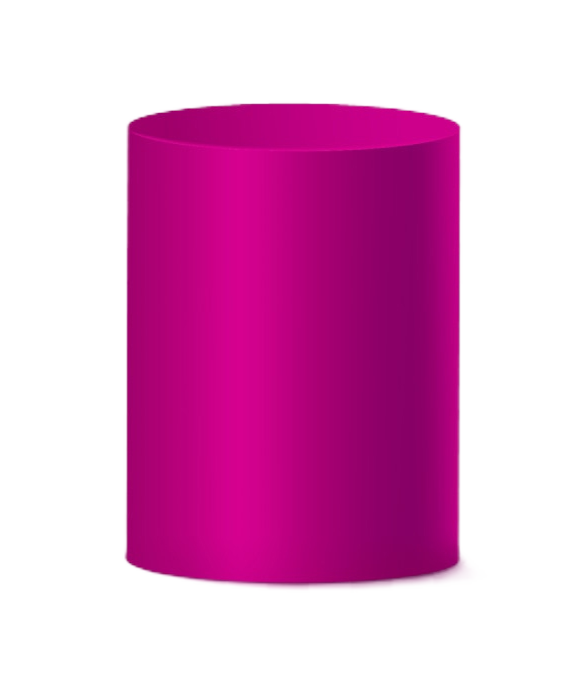
Cylinder: Imagine a soda can. The cylinder has two round bases connected by a side surface. It looks like a pipe or pole.
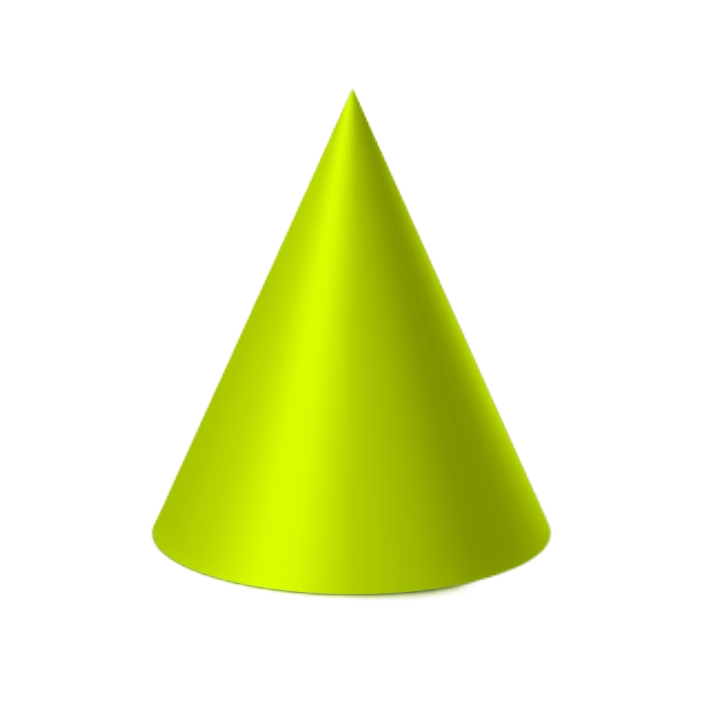
Cone: This is a shape that looks like a pointed cap. It has a round base and a conical side surface that tapers to the top.
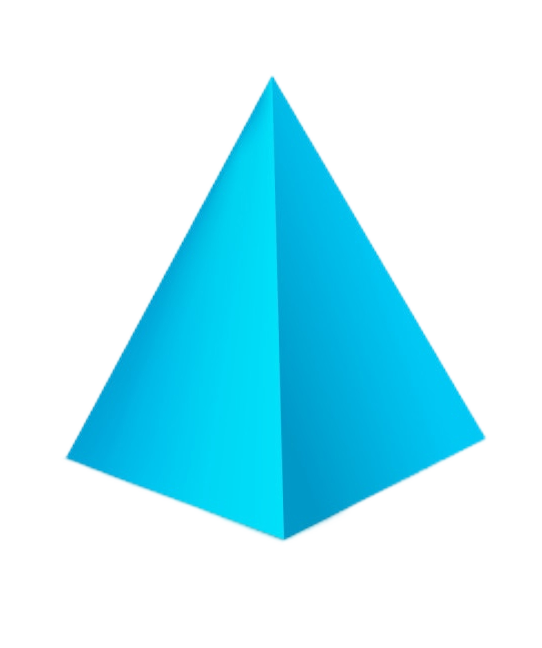
Pyramid: Imagine pyramids in Egypt. The pyramid has a flat base (usually triangular or rectangular) and side faces that meet at the top.
Why do we need to learn 3D shapes?
Learning 3D shapes is not only fun, but also useful. 3D geometry is used in many areas of our lives:
- Architecture and Construction: 3D models of buildings and structures help architects and engineers design and build strong and beautiful buildings.
- Design: 3D models are used in the design of clothing, furniture, cars, and other items.
- Science and Technology: 3D models help scientists and engineers study the structure of complex objects, such as atoms, molecules, planets, and spaceships.
- Art: 3D sculptures, computer graphics, and animation are all examples of the use of 3D figures in art.
Ready for an adventure?
In this project, we will not only get acquainted with various 3D shapes, but also create amazing models with our own hands. We will develop spatial thinking, creativity, teamwork skills and, of course, have a lot of fun!
Practical part
Step 1. Get all the necessary materials. Ask students to choose one of the 3D shapes they want to construct. Print out the templates using the link.
P.S. If you use white paper, children can colorize the template to their liking.
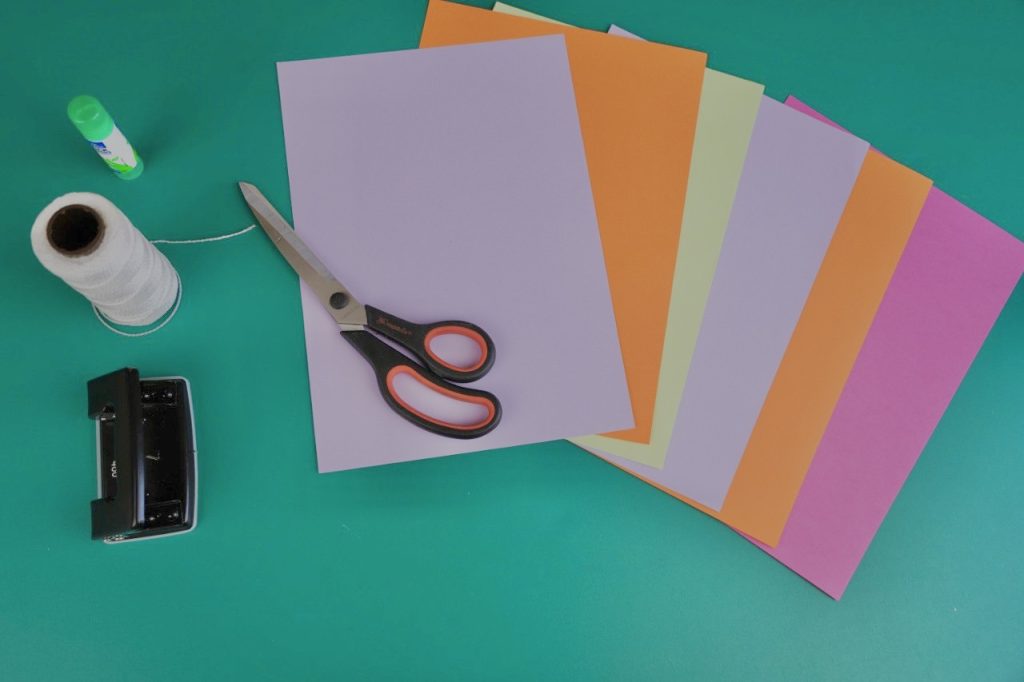
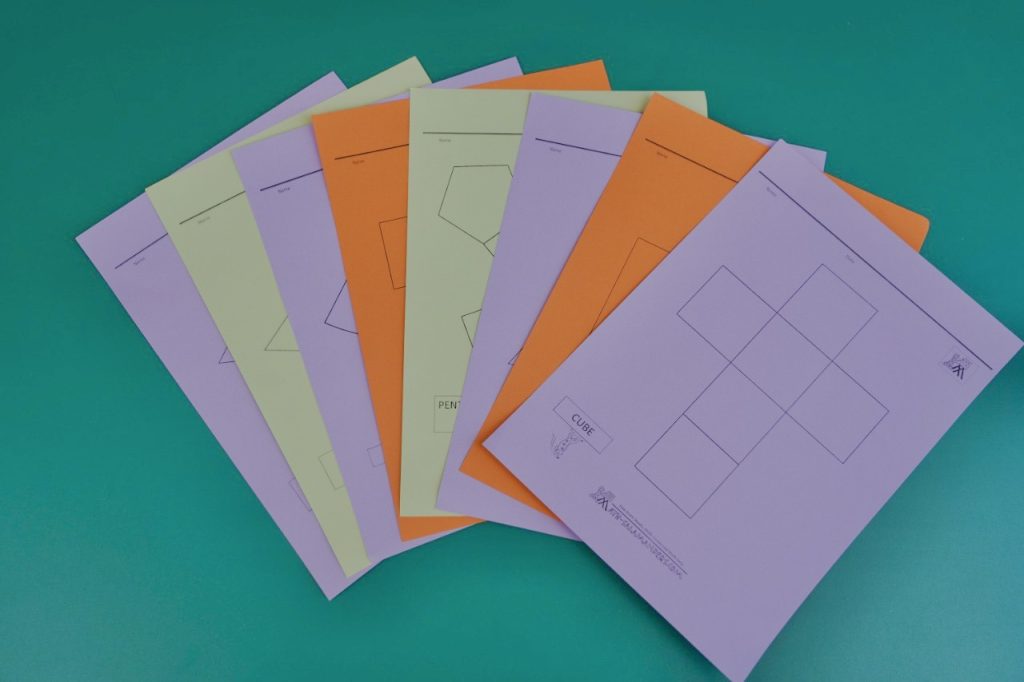
Step 2. Carefully cut out all the details of the template.
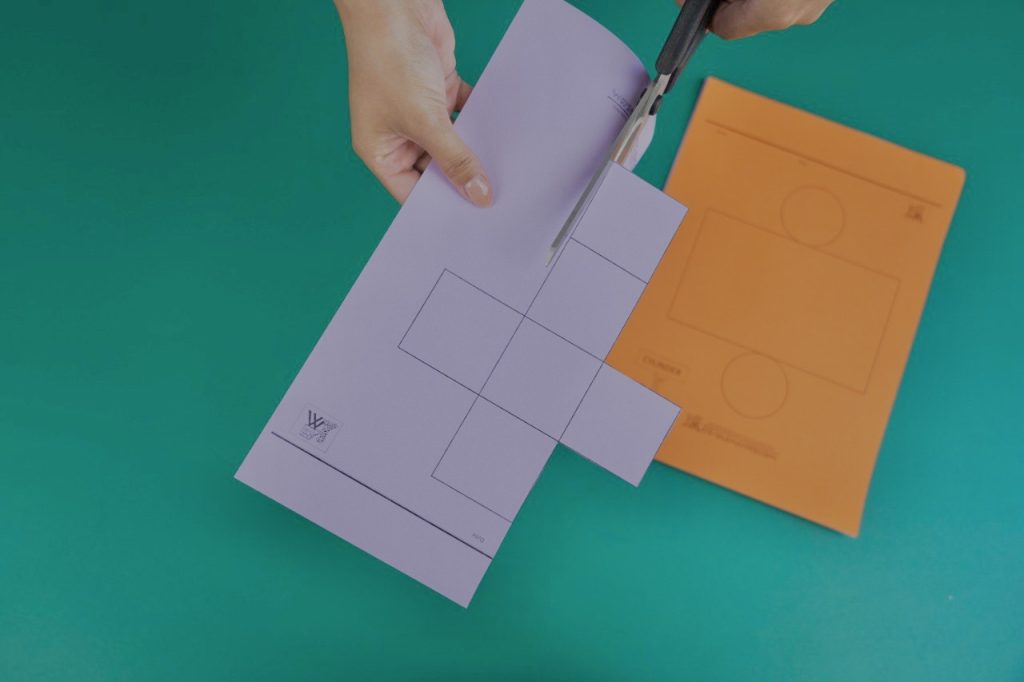
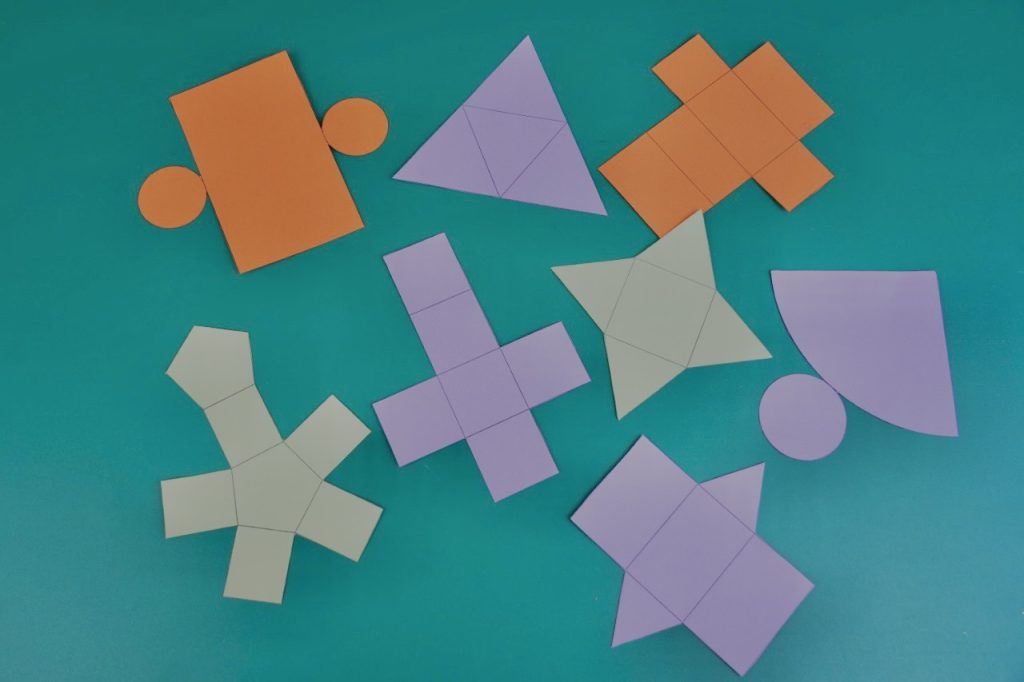
Step 3. Make holes as in the photo using a stationery button or a hole punch. Bend all the inner “edges” of each shape.
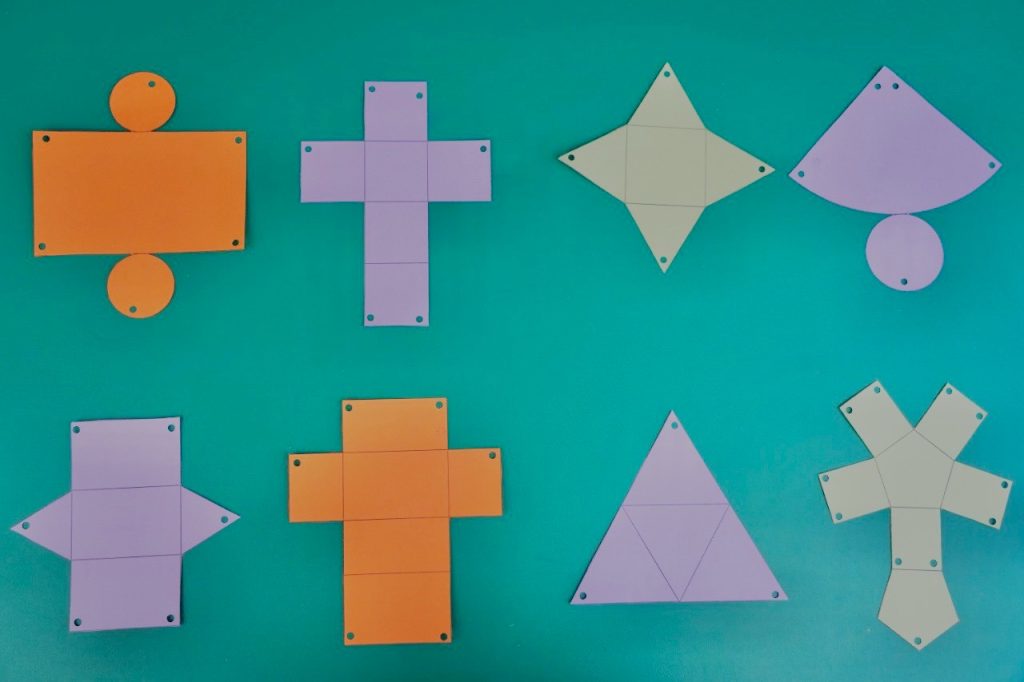
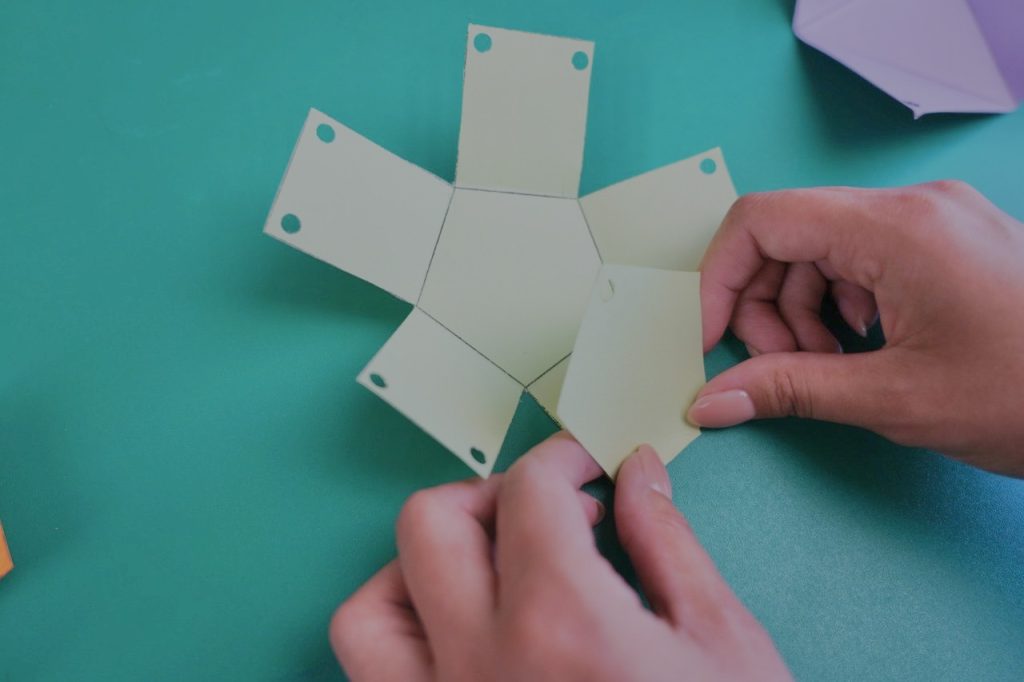
Step 4. Using a rope, “sew” the templates as shown below.
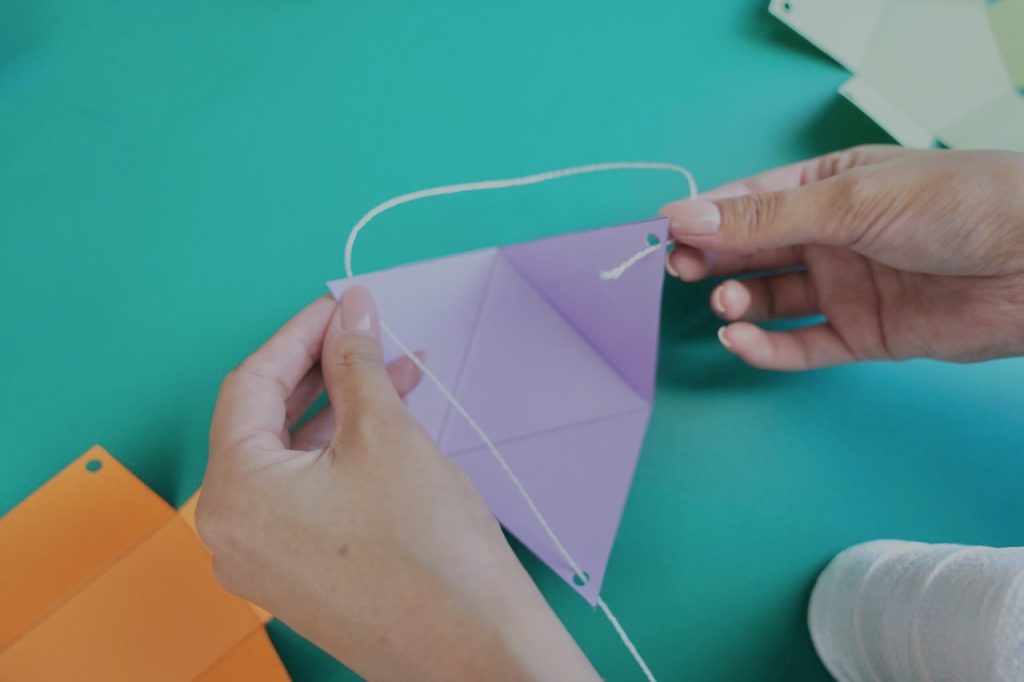
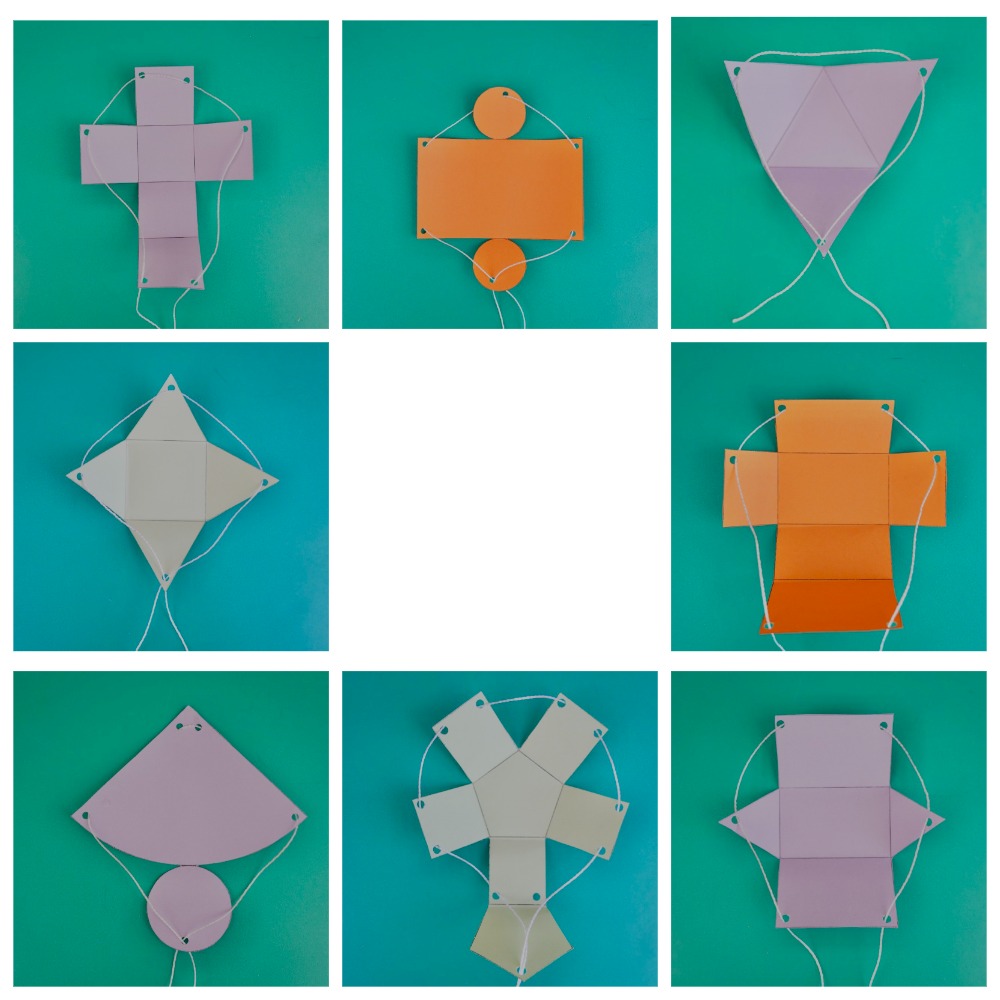
Step 5.Glue the “main” base of each template to the cardboard
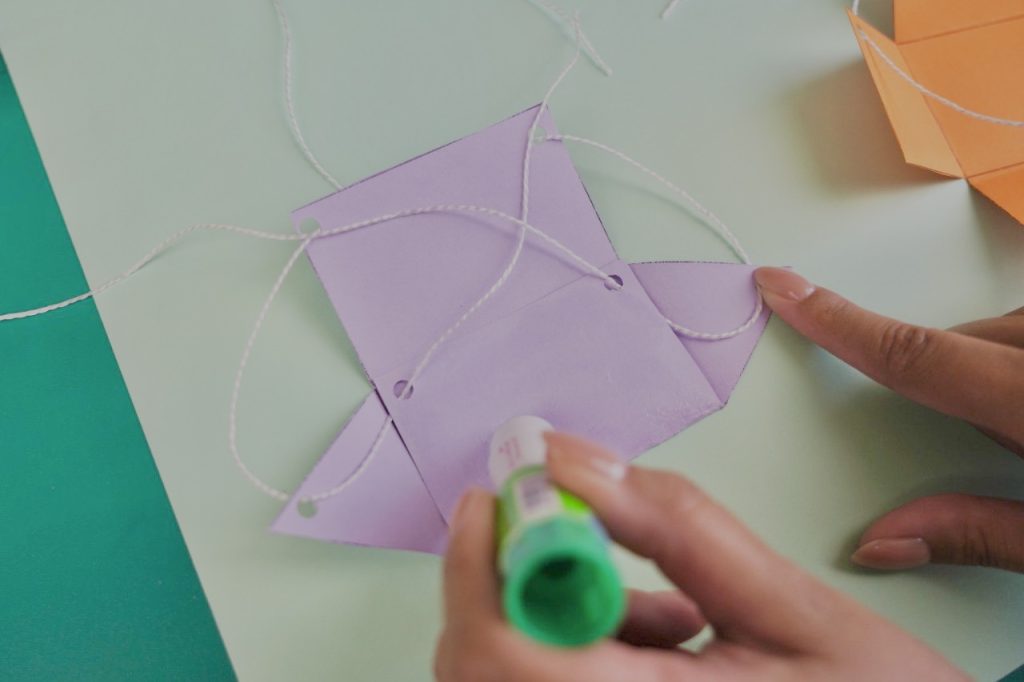
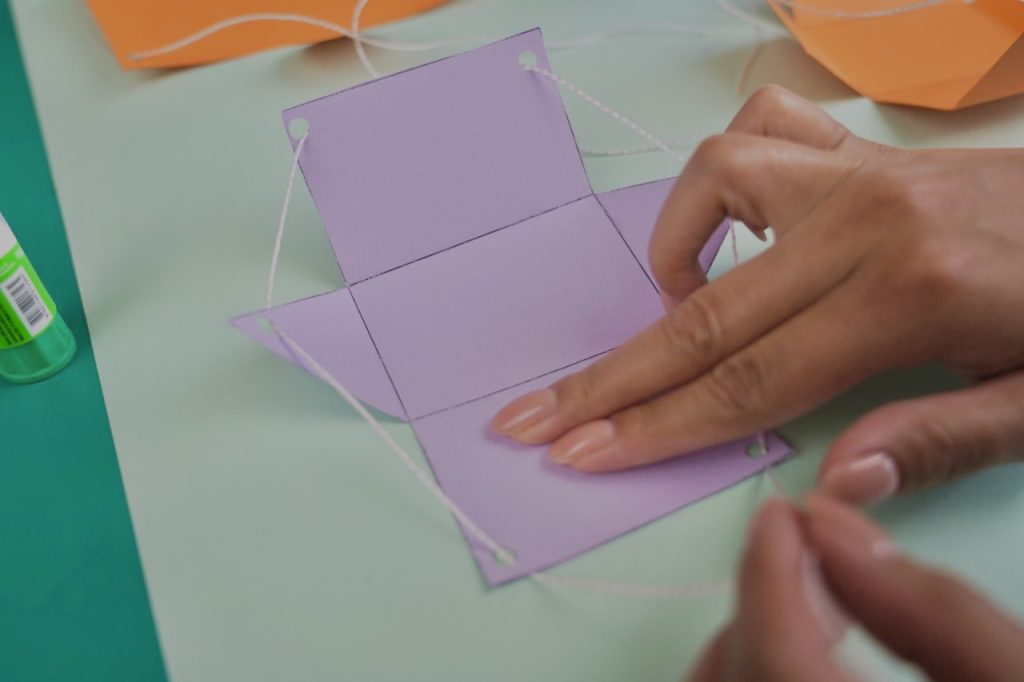
Step 6. Now pull up the net.
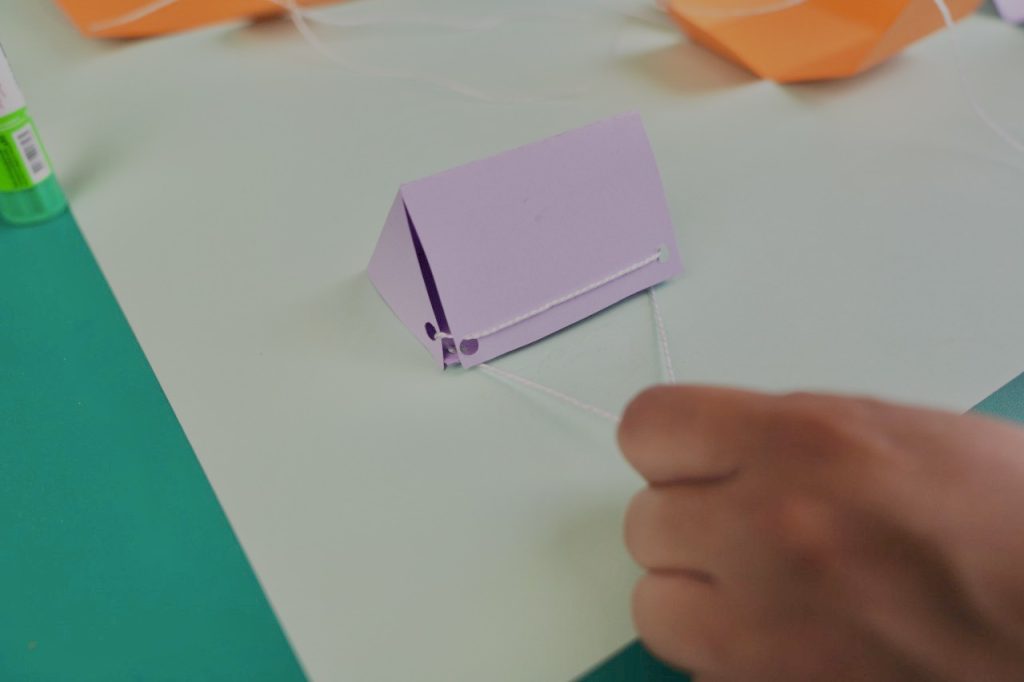
Your 3D shapes are ready!

Research part
1. Carefully study the finished shapes. Count how many faces and edges there are in each shape.
2. Fill in the table below:
| Shape name | Number of faces | Number of edges |
| cube | ||
| rectangle | ||
| trigonal pyramid(tetrahedron) | ||
| square pyramid | ||
| cone | ||
| cylinder | ||
| pentagonal prism | ||
| triangular prism |
3. Answer the following questions:
- What properties does a cube have?
- What is the difference between a cube and a sphere?
- What shape does the base of a cone and cylinder have?
- Where in the real world can you see geometric shapes?
Conclusion
This project is a fun and informative way for students to learn the basics of geometry. They got acquainted with various 3D shapes, such as a cube, sphere, cylinder, cone and pyramid, studied their properties, learned to compare and classify them, and measure their parameters.

On this project, each student is awarded a STEAM title, in several categories:
– You have independently researched the properties of spatial shapes and their classification and comparison! You have demonstrated an interest in geometry and the makings of a real researcher!– You have demonstrated sleight of hand in creating 3D paper shapes! You are an origami Master!
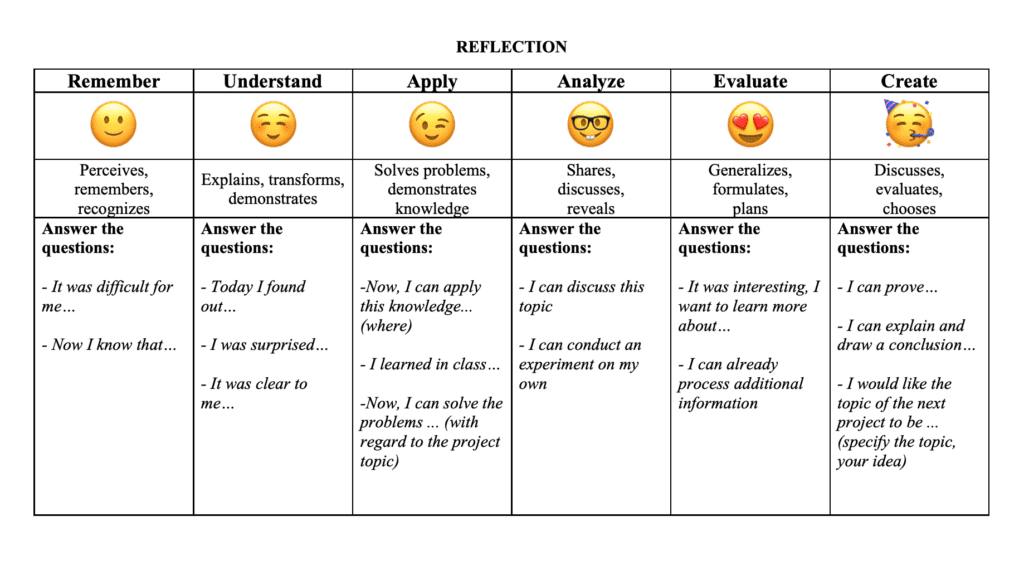
Evaluation