
Lesson
Purpose of the work:
- to get acquainted with the concept of water hardness and its causes.
- to study methods for determining water hardness.
- to test the effectiveness of various methods of water purification in terms of reducing its hardness.
Expected results:
After completing the work, students can:
- develop teamwork skills
- be able to analyze and summarize the information received
- draw logical conclusions
Teacher’s Guide:
- The task is performed in groups of 3-4 people
- Before starting laboratory work, please read the safety rules by following the link:
- To download the worksheet, follow the link:
Theoretical part
Water hardness is a property of water caused by the presence of dissolved calcium and magnesium salts. These salts make the water “hard,” which can affect its properties and suitability for various purposes.
Causes of water hardness:
- Natural sources: As water passes through soil and rocks, it becomes enriched with calcium and magnesium salts.
- Anthropogenic factors: Human activities, such as the use of fertilizers and industrial wastewater, can also increase water hardness.
Types of water hardness:
- Total hardness: Determined by the total content of calcium and magnesium ions.
- Carbonate hardness: Associated with the presence of calcium and magnesium bicarbonates.
- Non-carbonate hardness: Caused by the presence of sulfates, chlorides, and other salts of calcium and magnesium.
Effects of water hardness:
- Scale formation in household appliances: Hard water contributes to the formation of scale on heating elements of kettles, washing machines, and other appliances.
- Impact on laundry quality: Hard water reduces the effectiveness of detergents and can leave a residue on fabrics.
- Taste and odor of water: In some cases, hard water may have an unpleasant taste and odor.
Methods of determining water hardness:
- Test strips: A quick and easy method based on the color change of an indicator depending on the concentration of hardness salts.
- Titration: A more accurate method used in laboratories.
- Complexometry: Another accurate method based on the formation of colored complexes of calcium and magnesium ions with certain substances.
Ways to reduce water hardness:
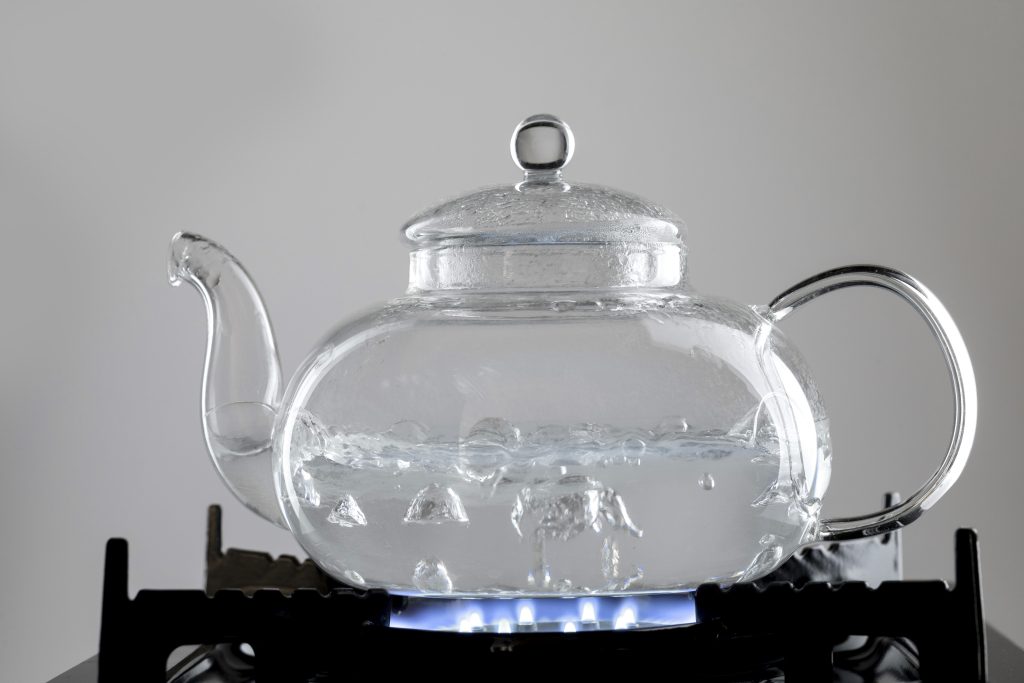
- Boiling: Boiling causes some of the hardness salts to precipitate as scale.
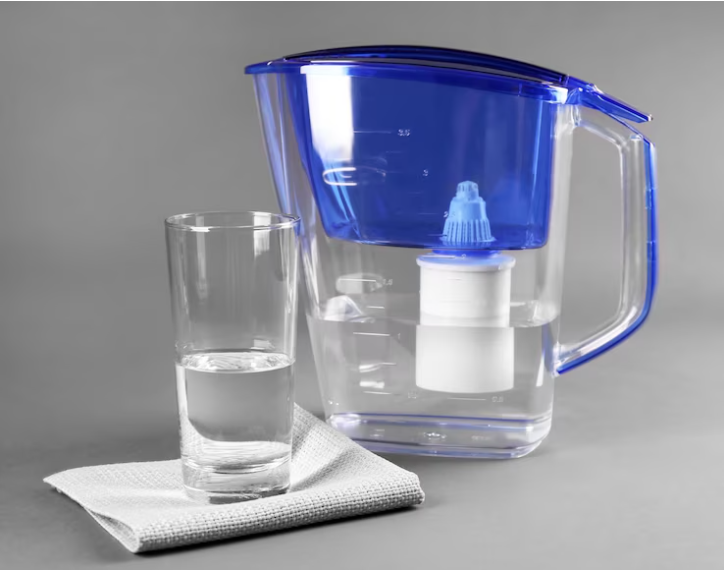
- Filtration: Some filters can trap calcium and magnesium ions.
- Using water softeners: Special devices that remove hardness ions through ion exchange.
It is important to note: Complete removal of hardness salts from water is not always desirable, as some of them are necessary for the human body. However, excessive water hardness can negatively affect health and household processes.
In this experiment, you will be able to:
- Compare the hardness of different water samples.
- Evaluate the effectiveness of various methods of reducing hardness.
- Draw conclusions about the quality of the water studied.
Practical part
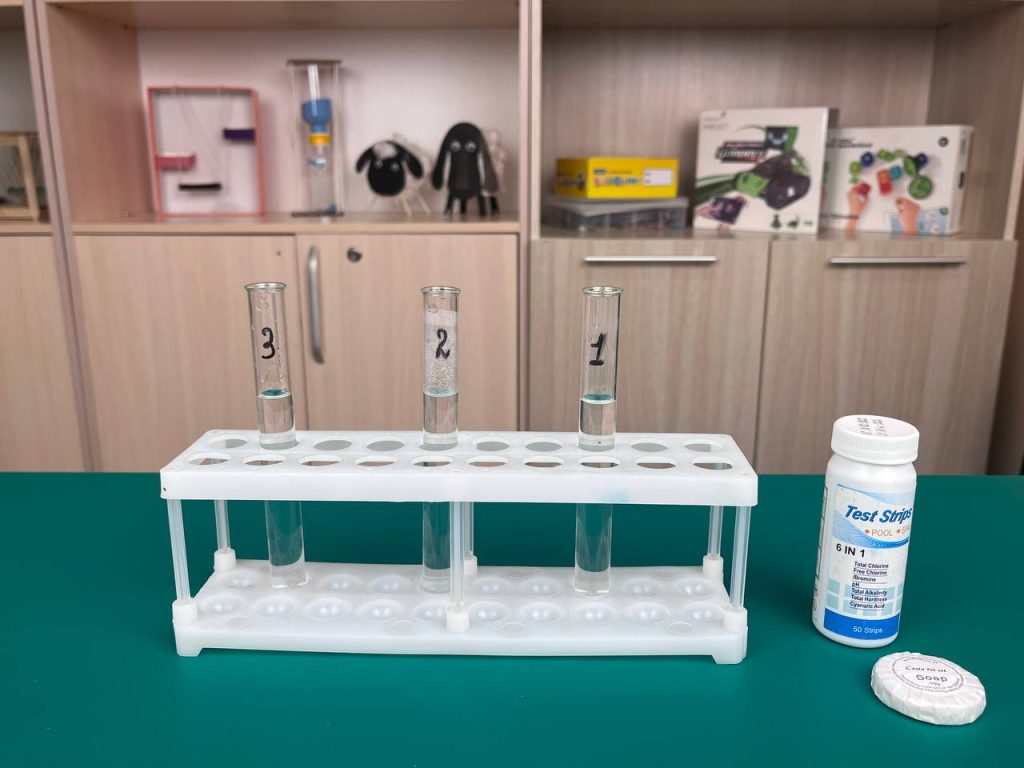
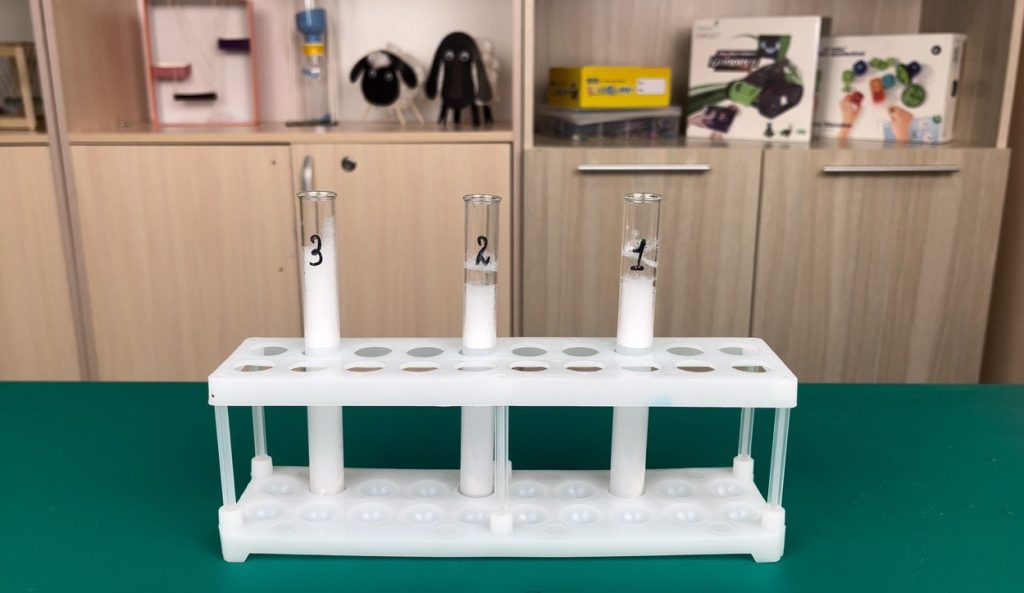
Step 1: Prepare three clean test tubes and fill them with approximately equal volumes of the following water samples: #1 – tap water, #2 – boiled tap water, #3 – filtered water.
Step 2: Method 1: Determining water hardness using indicators. Dip the test strips into each test tube.
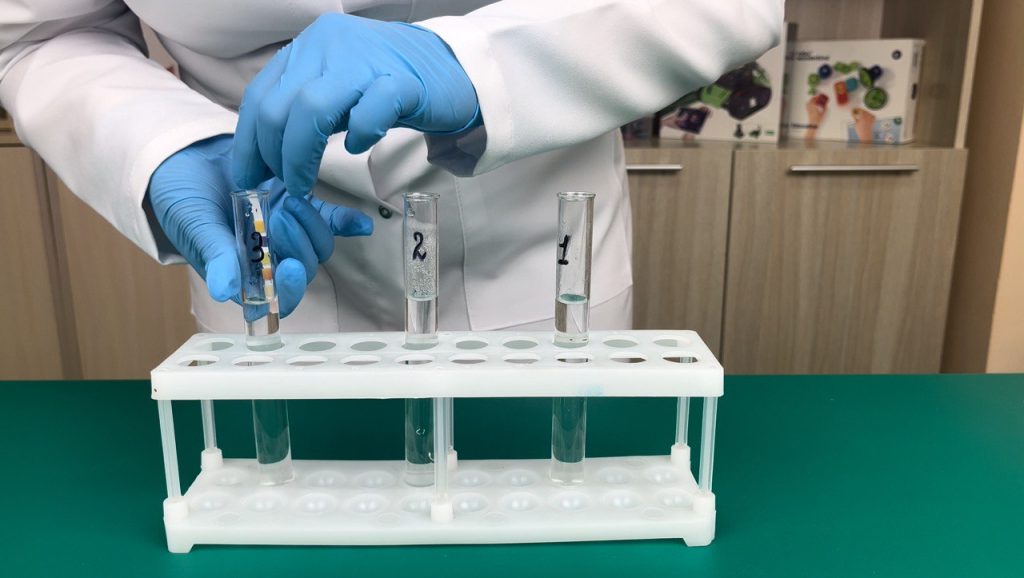
Step 3: Compare the obtained results using the scale on the test strips. Pay attention to the values of pH, total hardness, alkalinity, etc., and record the corresponding data.
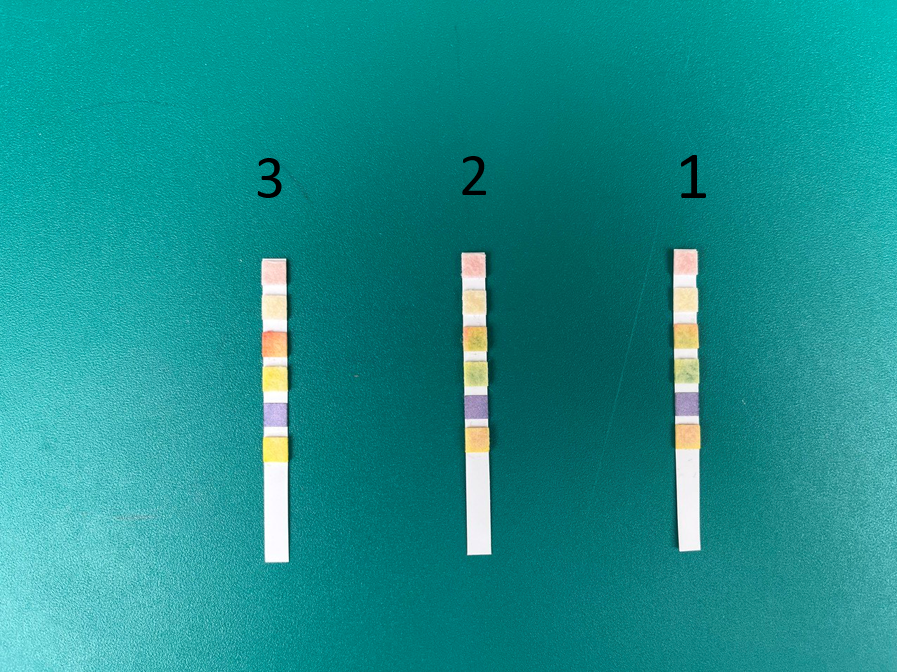
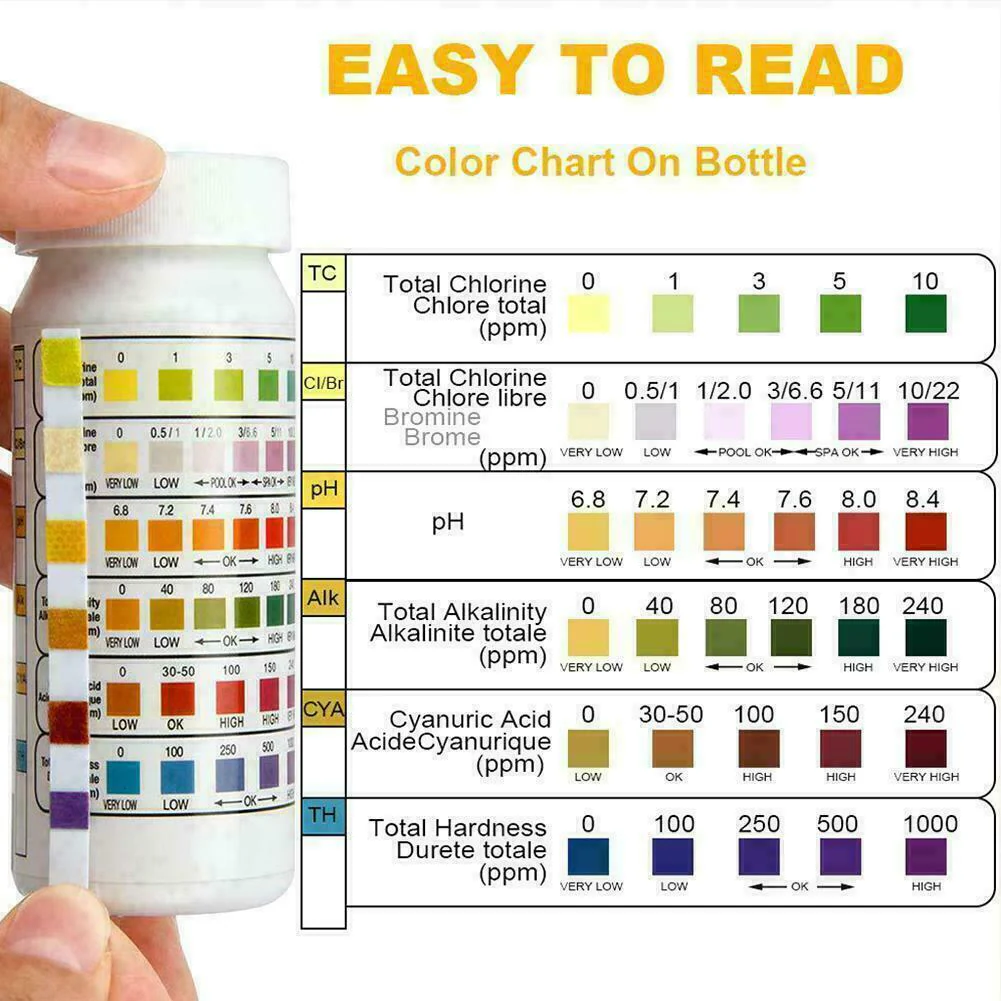
Step 4: Method 2: Qualitative determination of water hardness using a soap solution. Add an equal amount of soap pieces to each test tube. Close the tubes with stoppers and shake vigorously until foam forms.
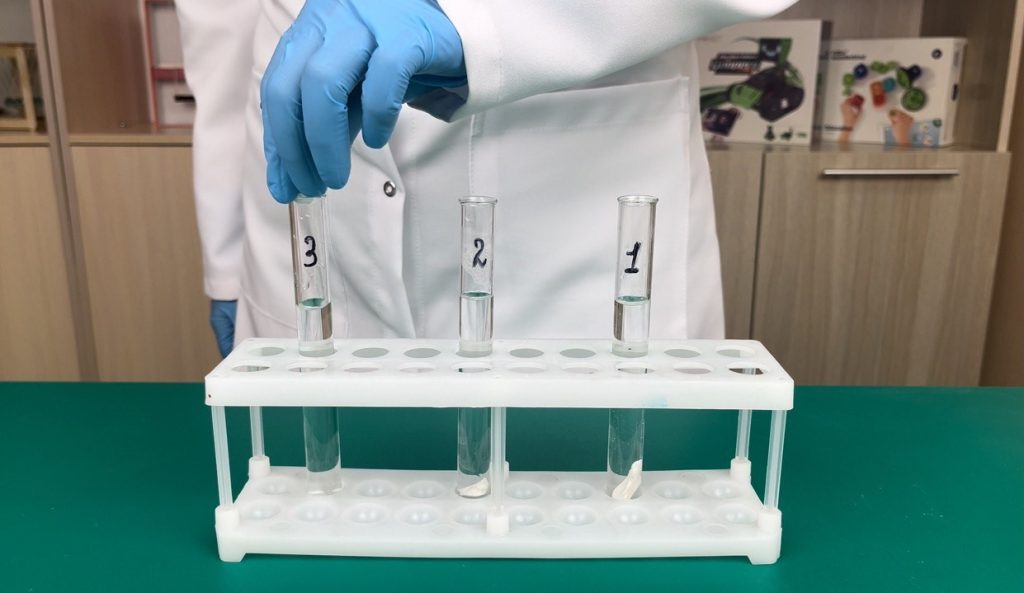
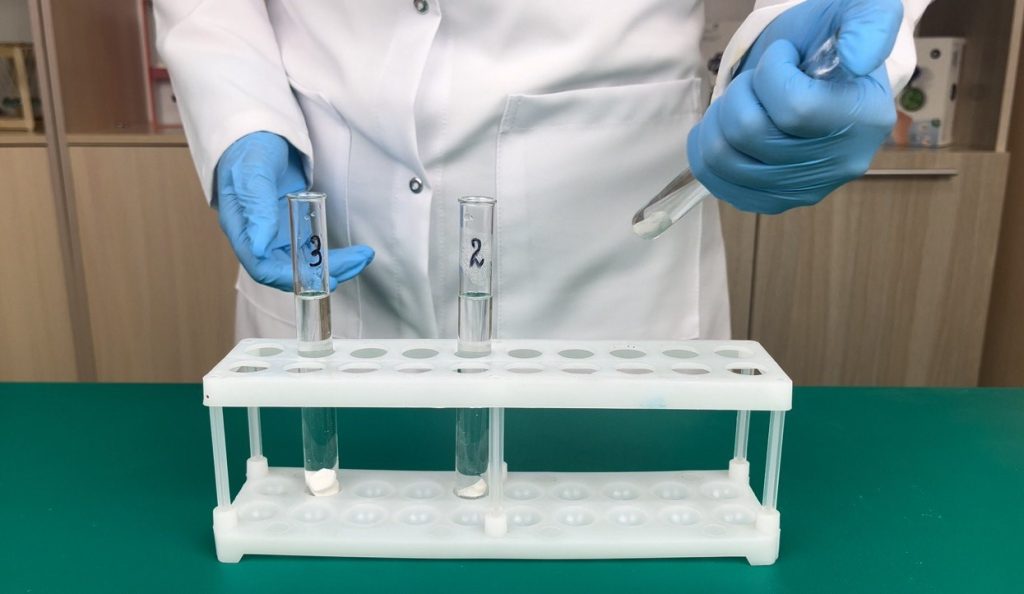
Step 5: Compare the samples by comparing the height and stability of the foam in each test tube. Also, pay attention to other possible changes, such as the formation of a precipitate or a change in the color of the water.
Step 6: Complete the table in the worksheet, indicating all the obtained results for each water sample:
| Water Sample | pH | Total Hardness | Alkalinity | Foam Height | Foam Stability | Other Observations |
| Tap water | ||||||
| Boiled tap water | ||||||
| Filtered water |
Conclusion
The experiment allowed the students to study the concept of water hardness in practice and master the methods of its determination.