
Lesson
Purpose of the work:
- To study the properties of acidic and basic oxides.
Expected results:
After completing the work, students can:
- develop teamwork skills
- be able to analyze and summarize the information received
- draw logical conclusions
Teacher’s Guide:
- The task is performed in pairs
- Before starting laboratory work, please read the safety rules by following the link:
- To download the worksheet, follow the link:
Theoretical part
1. Definition of Oxides:
Oxides are compounds made up of two elements, one of which is always oxygen. For example, water (H₂O), carbon dioxide (CO₂), and iron oxide (Fe₂O₃).
2. Classification of Oxides: Oxides can be classified into several types:
- Basic Oxides: Formed by metals with low electronegativity. For example, calcium oxide (CaO). When reacting with water, they form alkalis.
- Acidic Oxides: Formed by non-metals and some metals with high electronegativity. For instance, carbon dioxide (CO₂). When reacting with water, they form acids.
- Amphoteric Oxides: Exhibit both basic and acidic properties. For example, aluminum oxide (Al₂O₃).
3. Obtaining Oxides: Oxides can be obtained in various ways:
- Oxidation of Metals: For example, iron forms iron oxide when heated in air:
- Decomposition of Hydroxides: For instance, copper hydroxide decomposes when heated:
4. Chemical Properties of Oxides:
- Basic oxides react with acids to form salt and water:
- Acidic oxides react with bases to form salts:
5. Applications of Oxides: Oxides are used in various fields:
- Silicon dioxide (SiO₂) is the main component of glass.
- Calcium oxide (CaO) is used in construction (lime).
- Metal oxides are used in catalysts and batteries.
Practical part
Experiment #1: Reaction of Copper (II) Oxide with Acid (Basic Oxide)
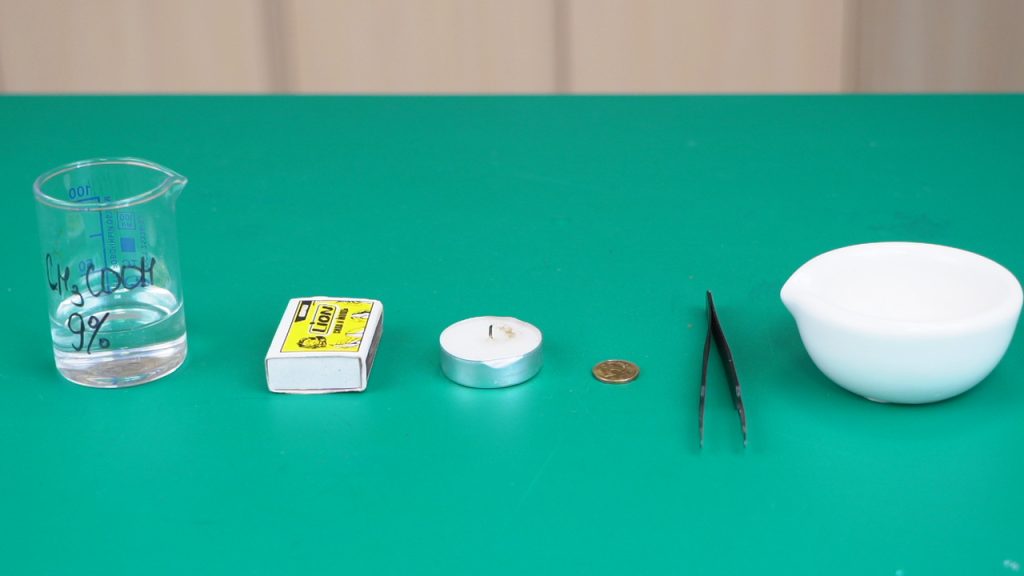
Step 1: Prepare the necessary materials.
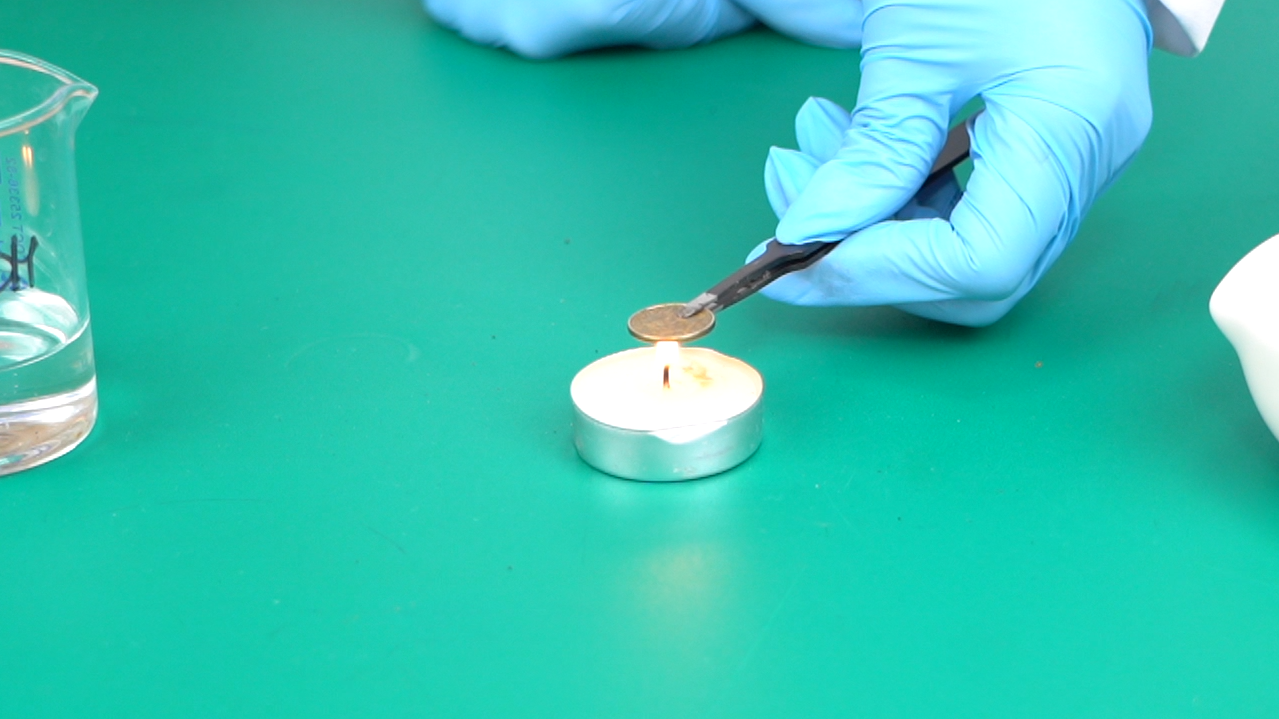
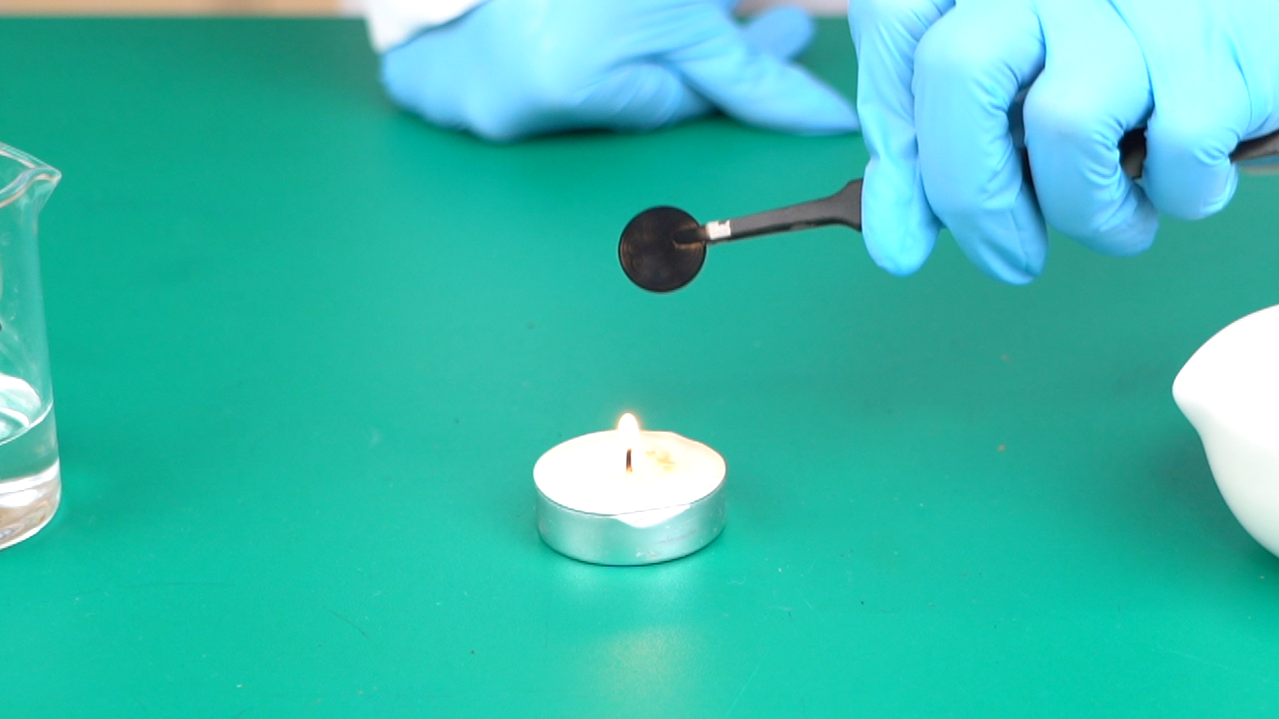
Step 2: Heat the copper wire or coin over a flame until a black layer of copper oxide (CuO) forms on its surface.
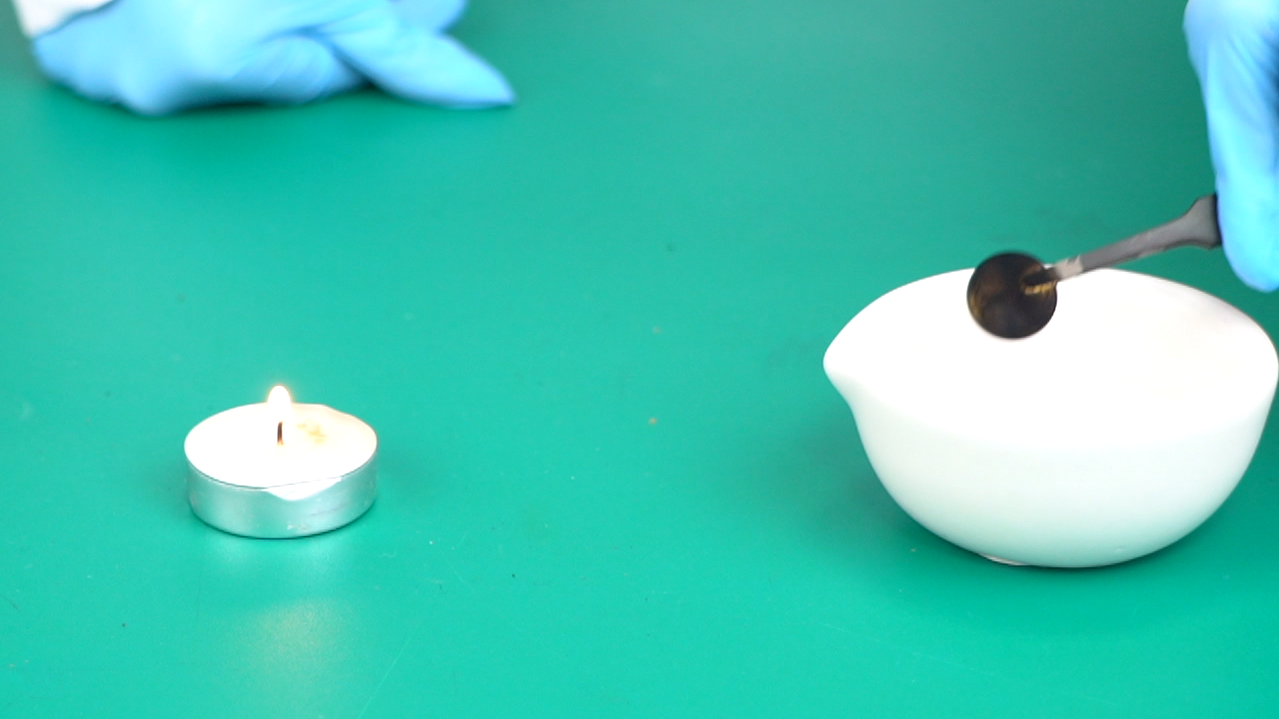
Step 3: After cooling, place the copper in a mortar or glass and pour acetic acid (vinegar) over it.
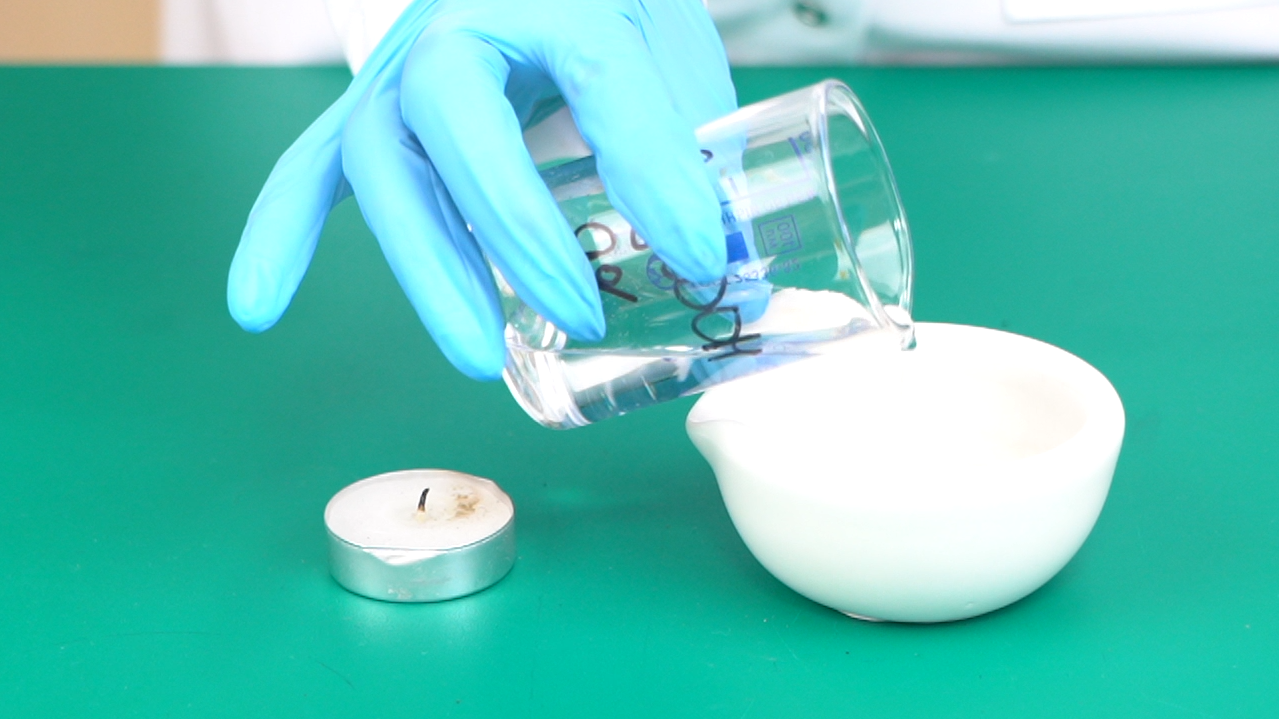
Step 4: Observe how the black layer of copper oxide dissolves under the action of the acid.
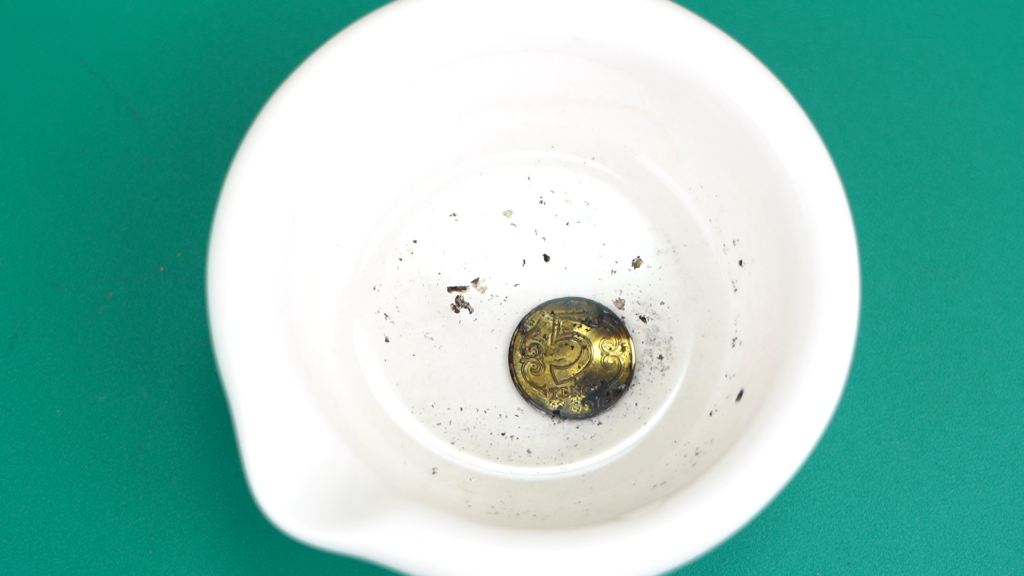
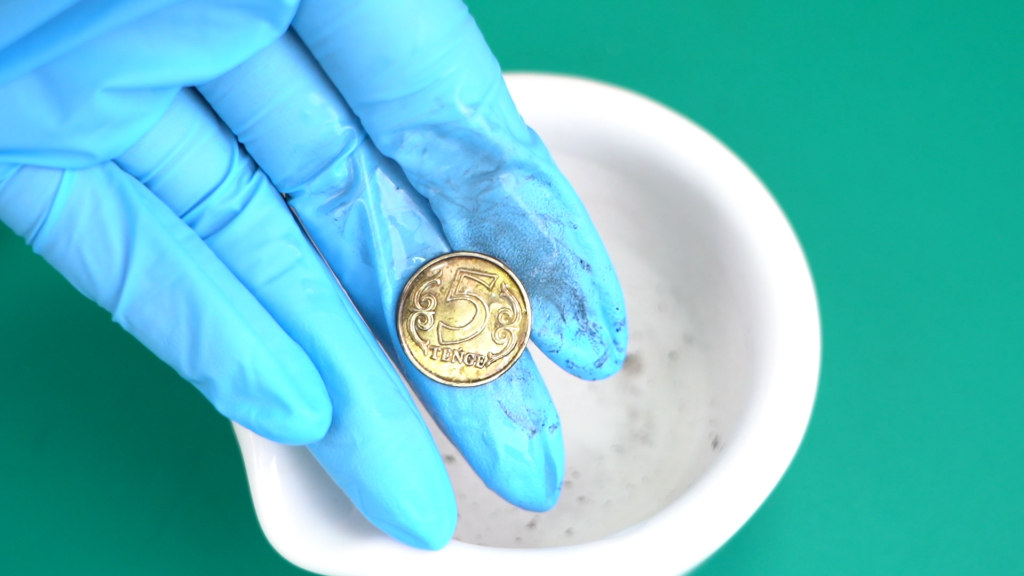
Copper oxide (CuO) is a basic oxide and reacts with acids to form soluble copper salts (e.g., copper acetate).
Experiment #2: Interaction of Sulfur Dioxide (SO₂) with Water (Acidic Oxide)
Step 5: Prepare the necessary materials for the next experiment.
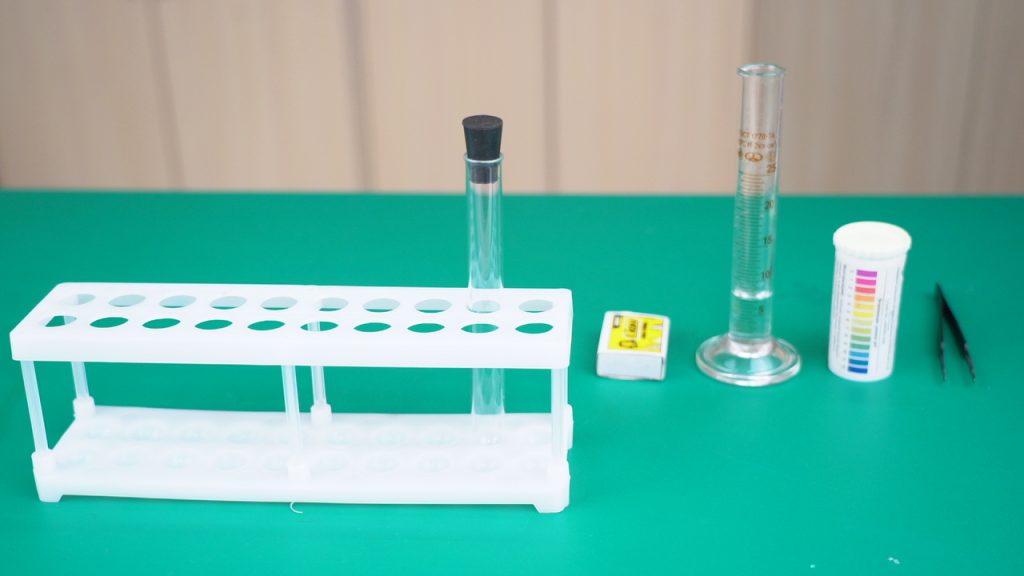
Step 6: Light a matchstick, place it in a test tube, and close it with a stopper. After the matchstick extinguishes, it will release sulfur dioxide (SO₂).
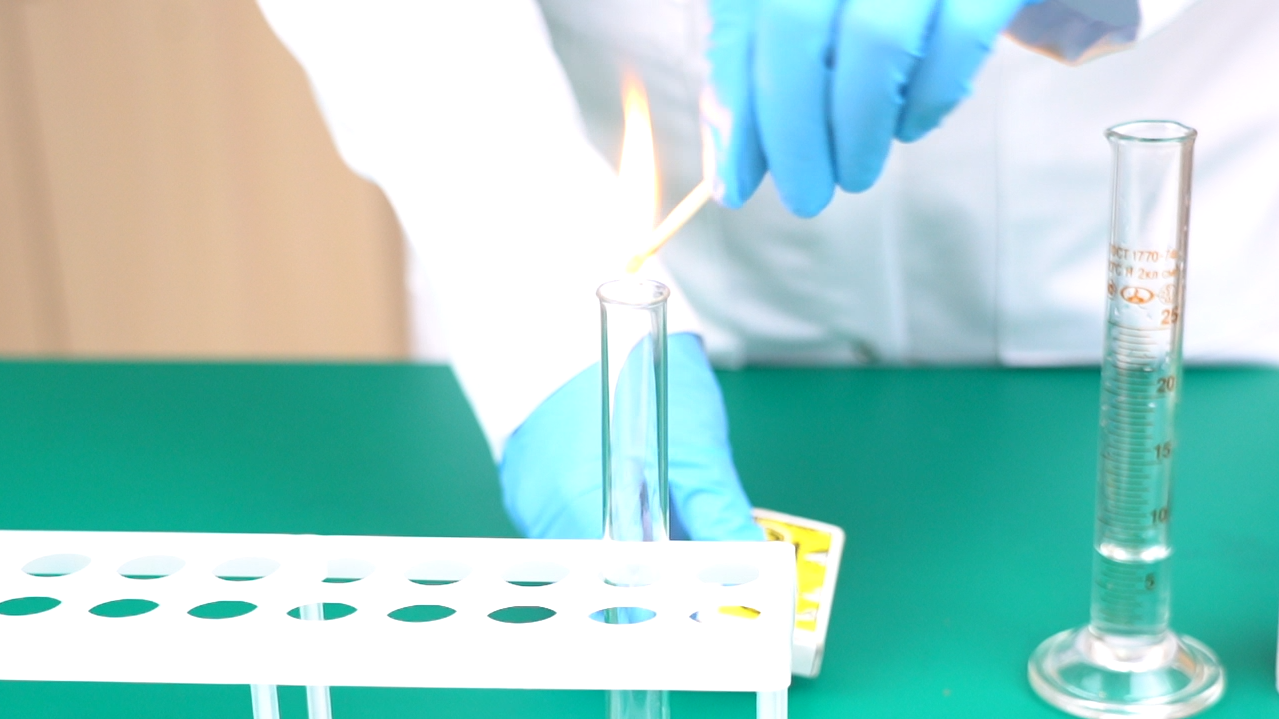
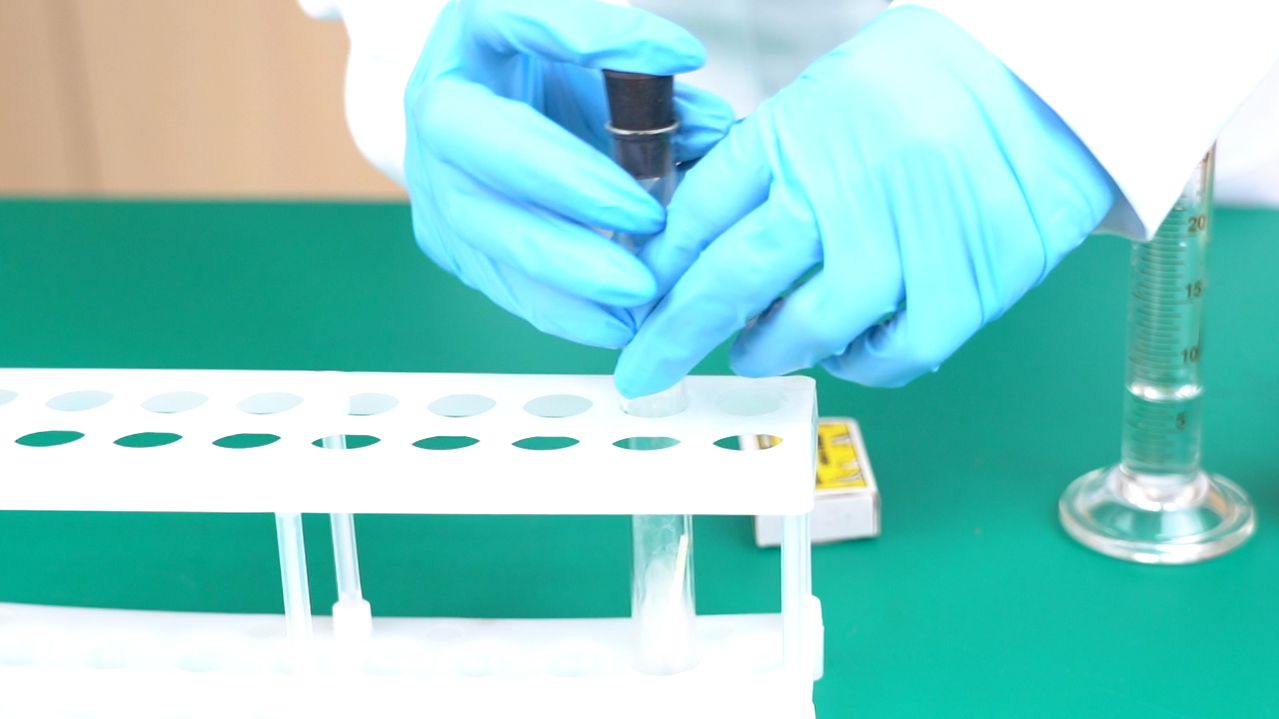
Step 7: Quickly add a small amount of water to the tube and close it with a stopper.
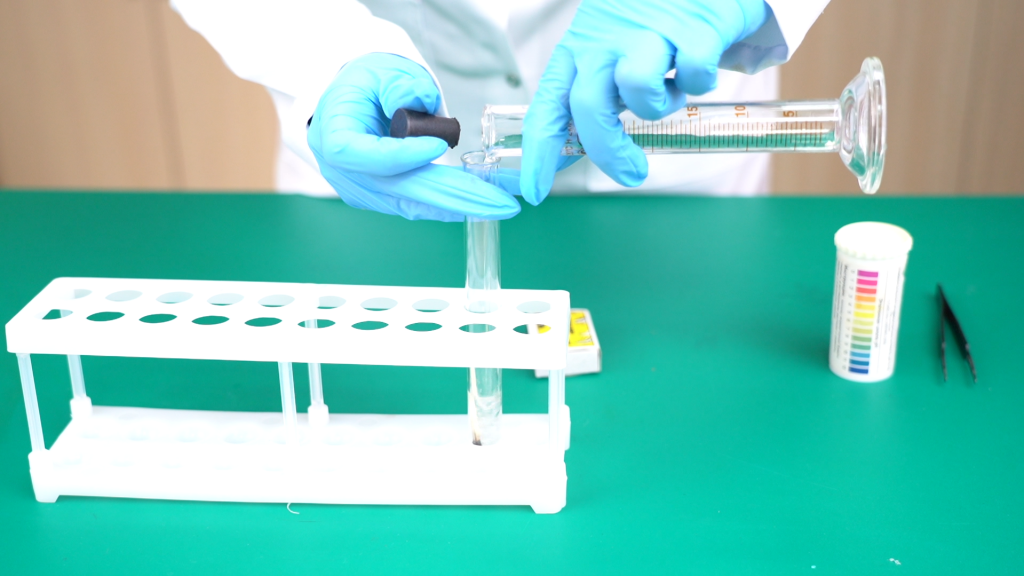
Step 8: Now test the change in pH of the water using pH indicator paper.

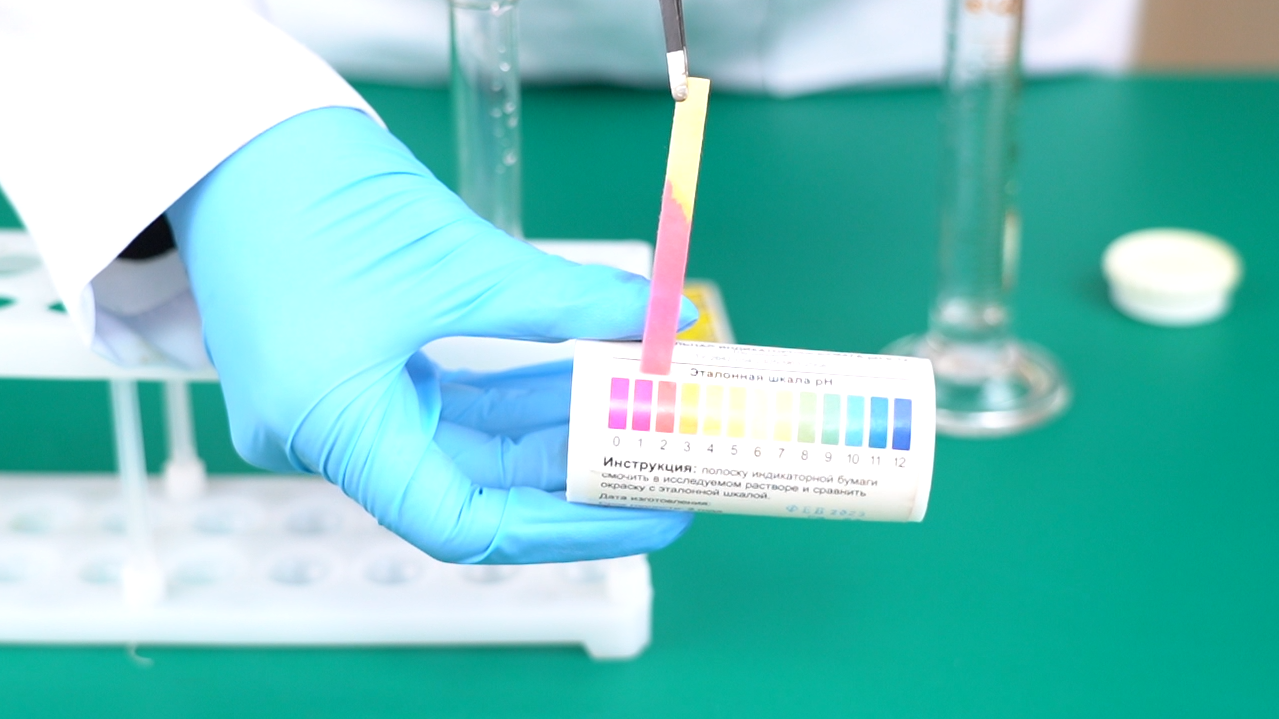
Sulfur dioxide is an acidic oxide that forms an acid when dissolved in water, which can be confirmed by the color change of the pH indicator paper.
Conclusion
During this laboratory work, students studied the properties of basic and acidic oxides on the example of copper oxide and sulfur dioxide. They observed how copper oxide reacts with acetic acid and how sulfur dioxide changes the pH of water, confirming the formation of an acid. These experiments helped students better understand how oxides interact with acids and aqueous solutions and reinforced their knowledge of the classification of oxides.