
Lesson
Project Objective:
To name the main parts of the human body and their functions.
Teacher’s Guide
- For the project, divide so that there are 4-5 students in each group.
- Make sure students are familiar with their body parts before beginning the experiments.
- Introduce and provide students with all the necessary materials before beginning the hands-on portion.
- Give a brief instruction on the safety rules for working with scissors and hot glue.
- At the beginning of the lesson, explain the PBL (Project Based Learning) rubric to the students. 4K skills (critical thinking, collaboration, creativity, presentation).
Theoretical Part
The senses are our windows into the world around us. They provide us with information about what is happening around us. Each sensory organ is specialized to perceive a particular type of stimulus.
The most important human senses are
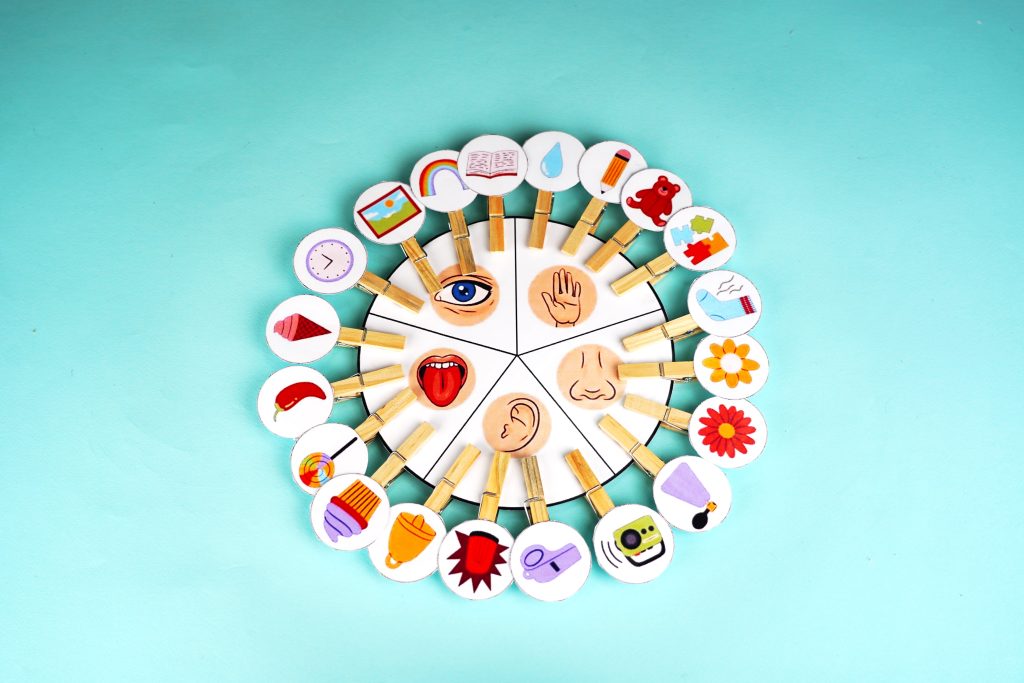
- Vision: Eyes allow us to perceive light, colors, and shapes.
- Hearing: Ears help us perceive sounds of different frequencies and volumes.
- Smell: The nose allows us to distinguish smells.
- Taste: The tongue helps us taste food.
- Touch: The skin allows us to feel touch, temperature, and pressure.
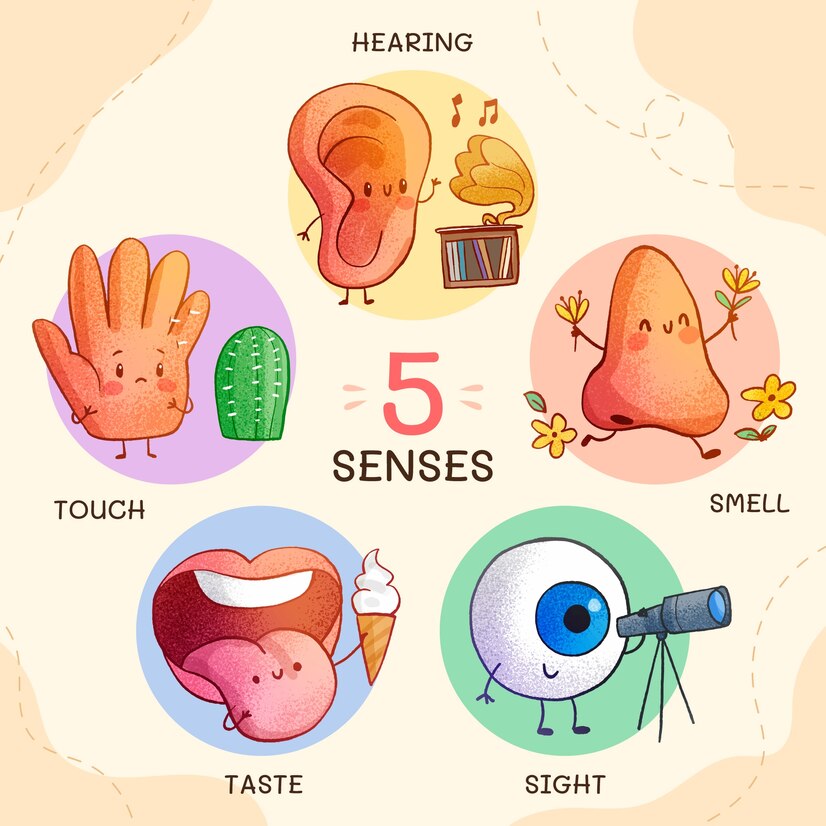
How do the senses work?
Each sense organ consists of special receptors that convert external stimuli into nerve impulses. These impulses are transmitted along nerve fibers to the brain, where they are analyzed and form our perception of the world around us.
The role of the senses in learning about the world
The senses play a crucial role in our lives. Thanks to them, we
- Orient ourselves in space: Determine distance to objects, recognize obstacles.
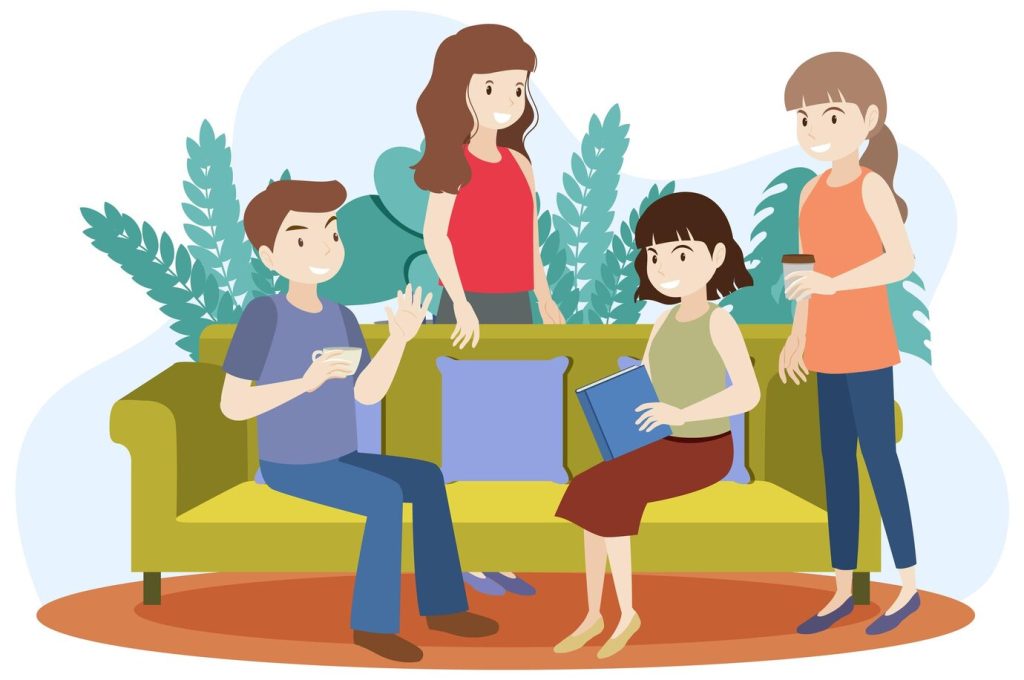
- Communicate with other people: Understand speech, express our emotions.
- Recognize the properties of objects: Determine shape, size, material.
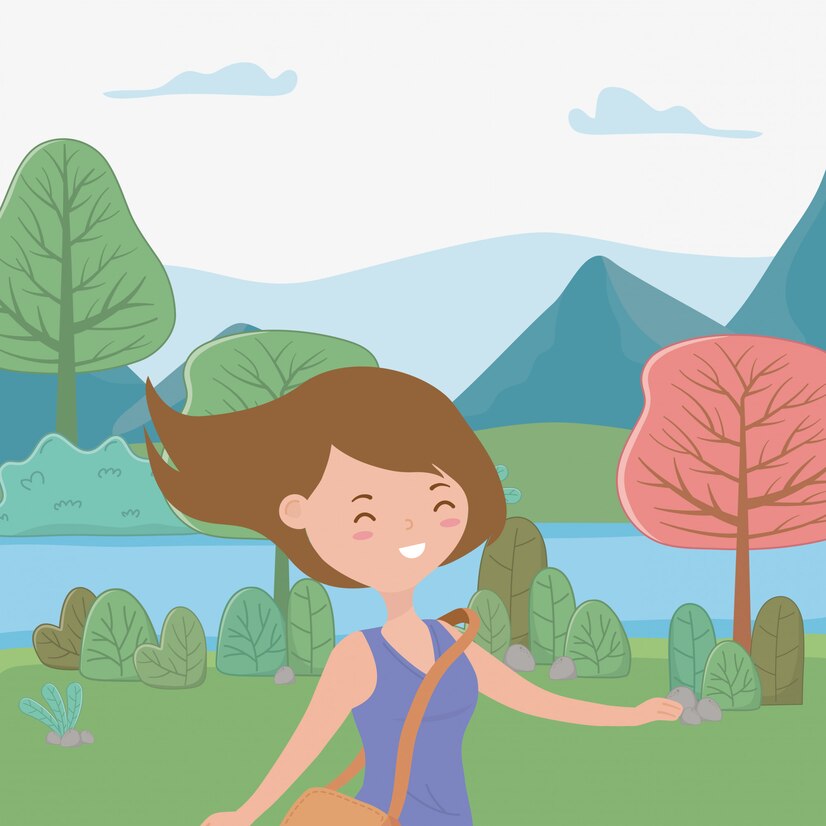
- Enjoy: Enjoying the beauty of nature, tasty food, pleasant music.

Practical part

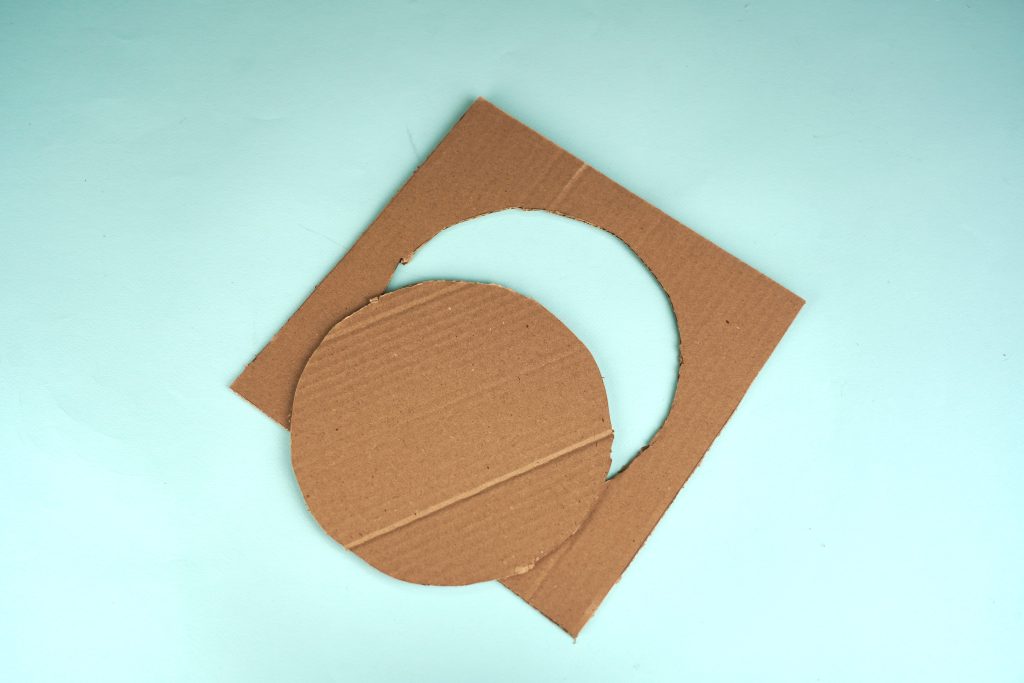
1. Take a 25*25 cm corrugated cardboard. Draw a circle on it with a diameter of 19-20 cm. Cut out the circle with a stationery knife.
2. Print a picture of the senses on A4 paper. Cut it out in a circle. Follow the link to the picture: sense organs
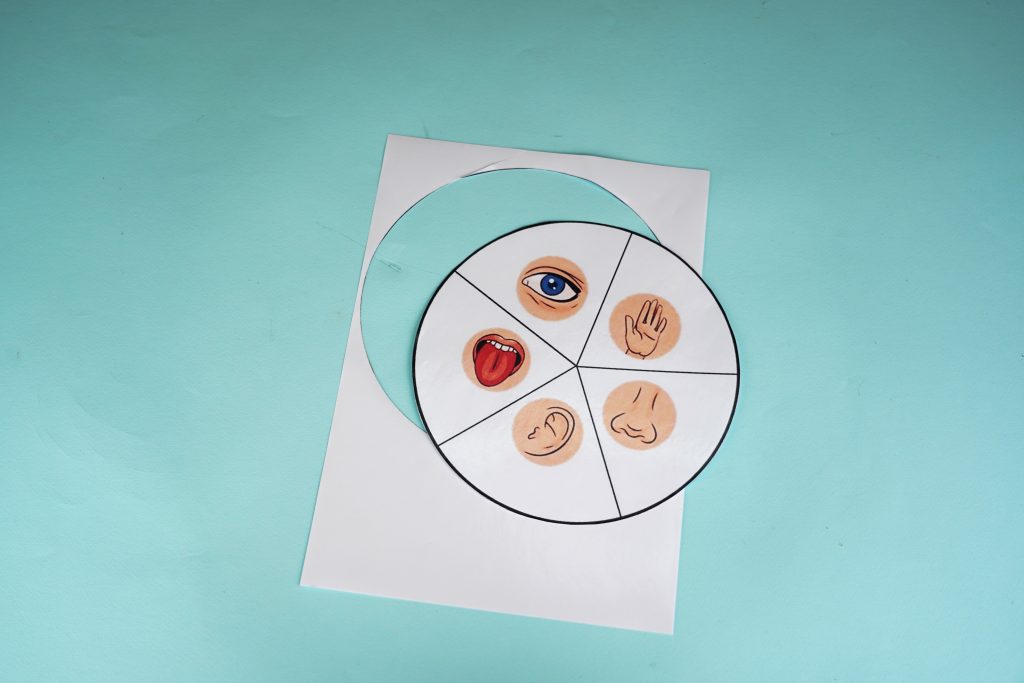
3. Stick the picture on the cardboard.
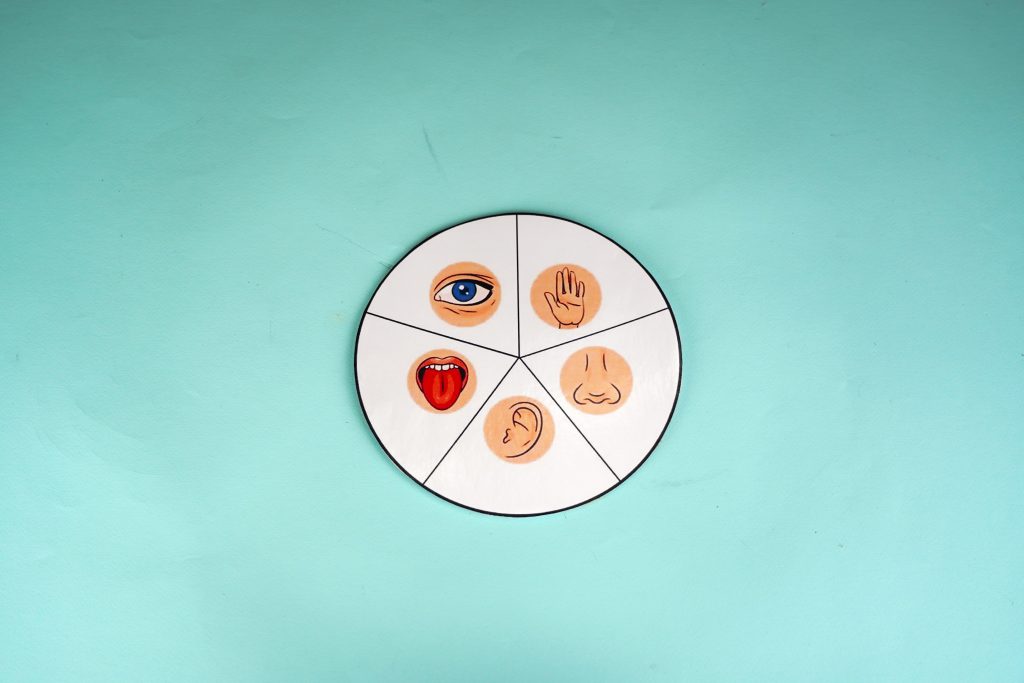
4. Print the picture of the senses on white bond paper. Follow the link to the picture: Senses
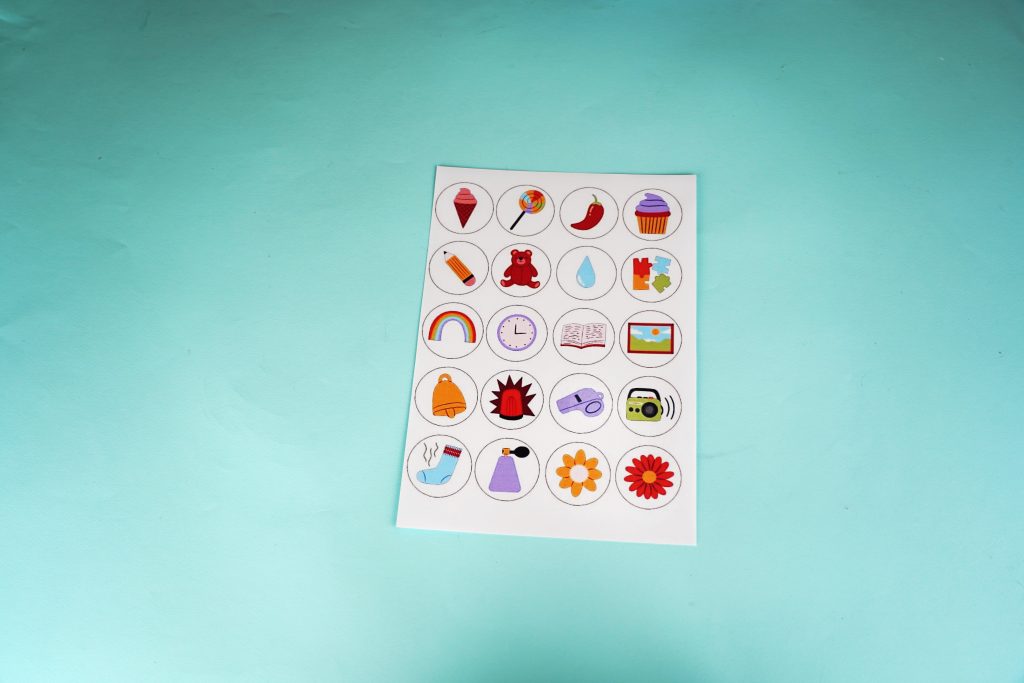
5. Cut out each of the senses in a circle.
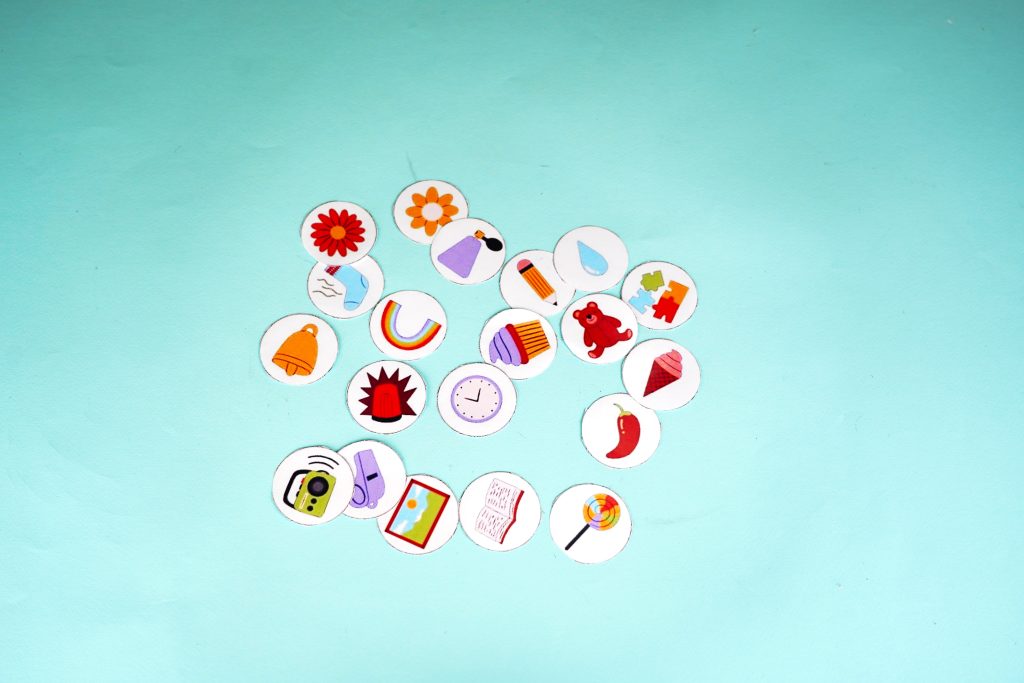
6. Glue each of the senses to the tip of the clothespin.
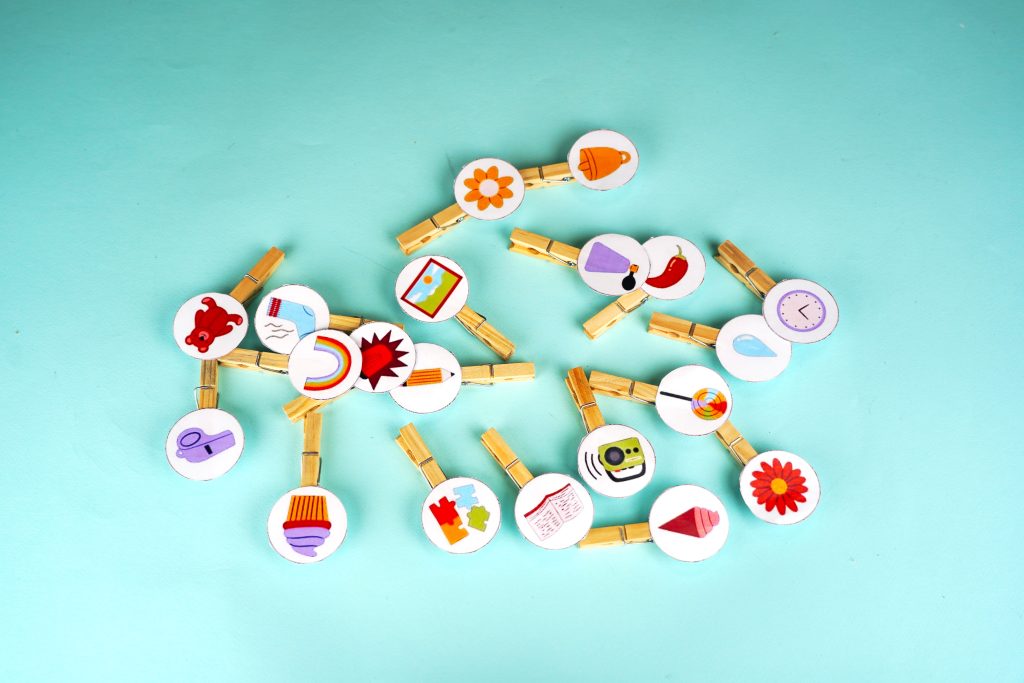
Done!!!
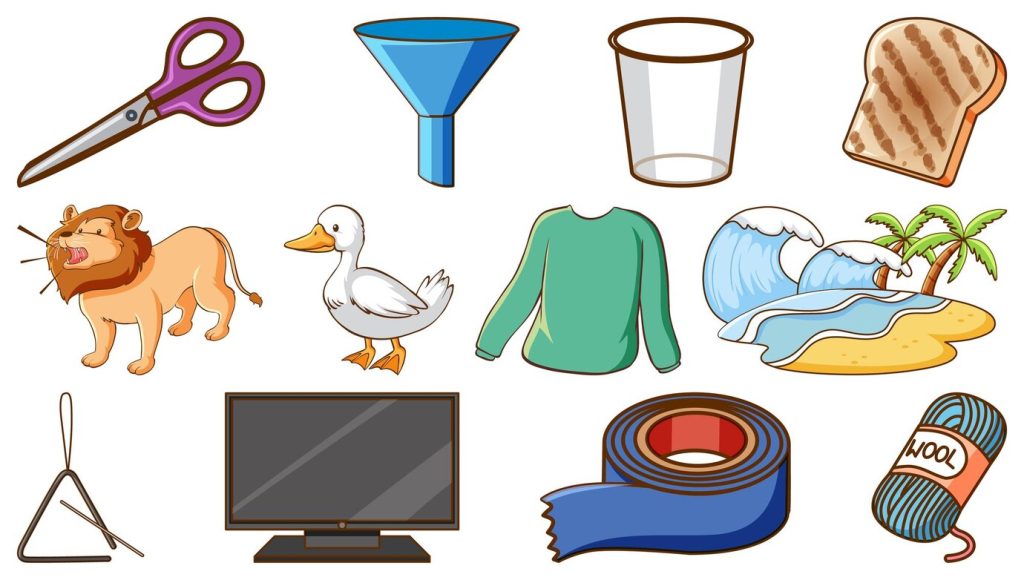
Now you can sort the senses into groups. What senses do these sensations belong to? Place them in the groups.

Conclusion
Today we have been on a fascinating journey into the world of the senses. We have learned that our senses are real wizards that help us perceive the world around us. With our eyes we see the beauty of nature, with our ears we hear music, with our nose we smell the fragrance of flowers, with our tongue we taste our favorite foods, and with our skin we feel the warmth of sunlight. Let us always cherish and protect our feelings!

This project awards each student a STEAM title in several categories:
– By creating this model, you have become a true master of science! You have recognized your feelings. This is real scientific thinking!
– Look at this carousel of marvelous feelings! You used your construction and problem-solving skills to create a working model. Congratulations, you are an expert engineer!