
Lesson

Project Goal:
To explain the importance of maintaining personal hygiene.
Teacher Instructions:
Divide the students into groups of 4-5.
Before starting the project, discuss the concepts of “hygiene”, “germs”, “cleanliness”, “illness”, and “protection” with the children.
Encourage students to think about why handwashing is important by asking guiding questions (e.g., “Can our hands be dirty from things we can’t see?”).
Provide a brief safety instruction before beginning the practical activities.
At the beginning of the lesson, explain the PBL (Project Based Learning) rubric to the students. 4K Skills (Critical Thinking, Collaboration, Creativity, Presentation).
Theoretical Part
In everyday life, we touch many objects with our hands: door handles, desks, toys, money – all of these may carry germs. But germs cannot be seen with the naked eye. They are extremely small and can only be seen using special equipment.
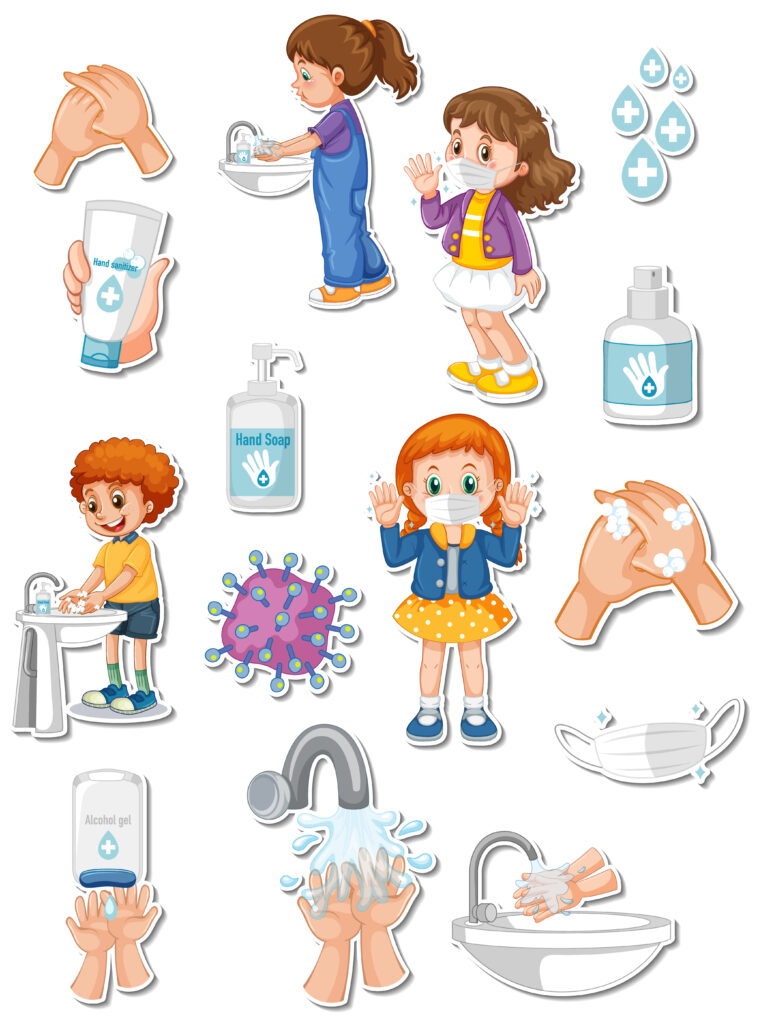
Some germs are harmless, but others can cause illness. If we eat with dirty hands, bite our nails, or touch our eyes, mouth, or nose, germs can enter our body. This can lead to illnesses such as stomach upset, colds, or the flu.
That’s why frequent and proper handwashing is the simplest way to prevent illness. Soap kills germs and washes them off the skin. Hand sanitizer also helps kill germs, but the most effective method is washing hands with soap.
Practical Part
Experiment №1
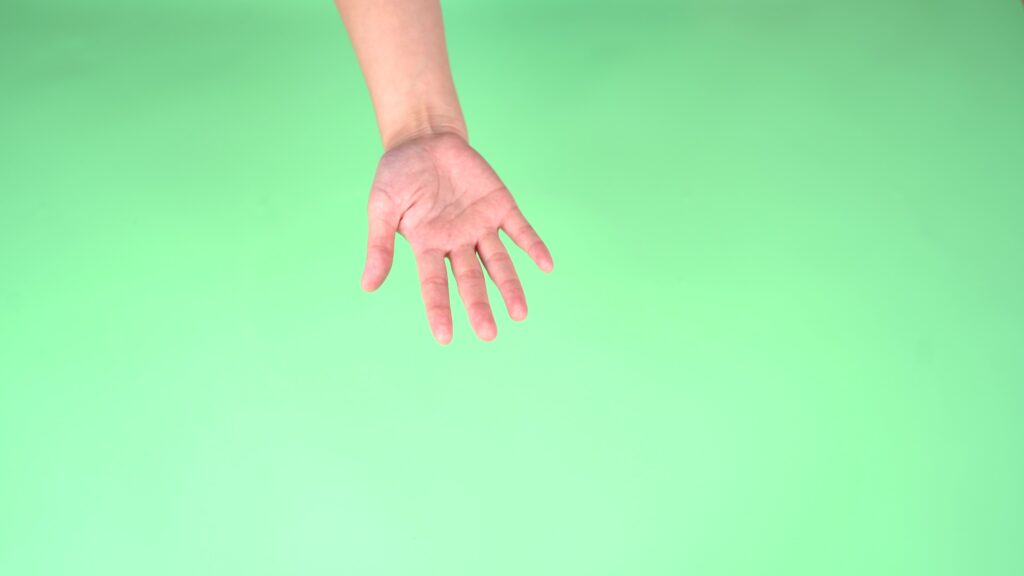
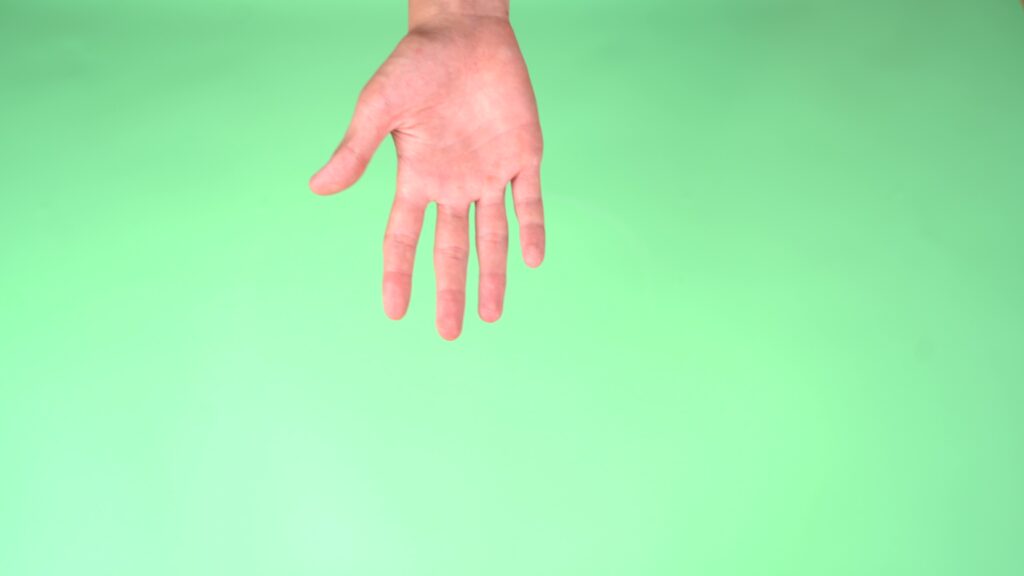
Invite two students: ask one to wash their hands and the other not to. Look at their hands and ask the rest of the class who they think washed their hands.
Observation: It was not possible to tell whose hands were clean just by looking.
Experiment №2
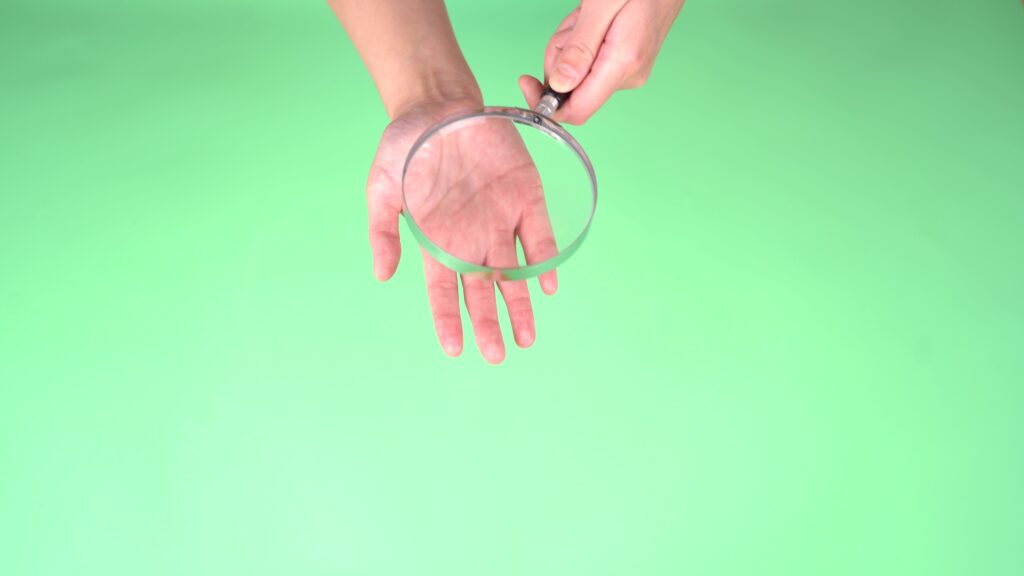
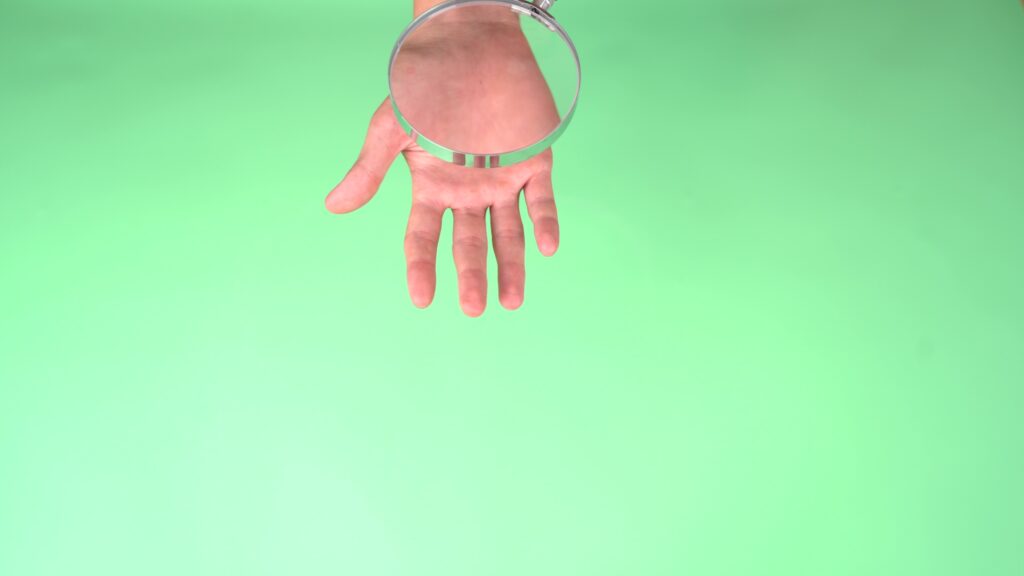
Take turns examining students’ hands with a magnifying glass. Compare clean hands with those that haven’t been washed after being outside.
Observation: Even with a magnifying glass, no difference could be seen. Germs are too small to be visible.
Experiment №3
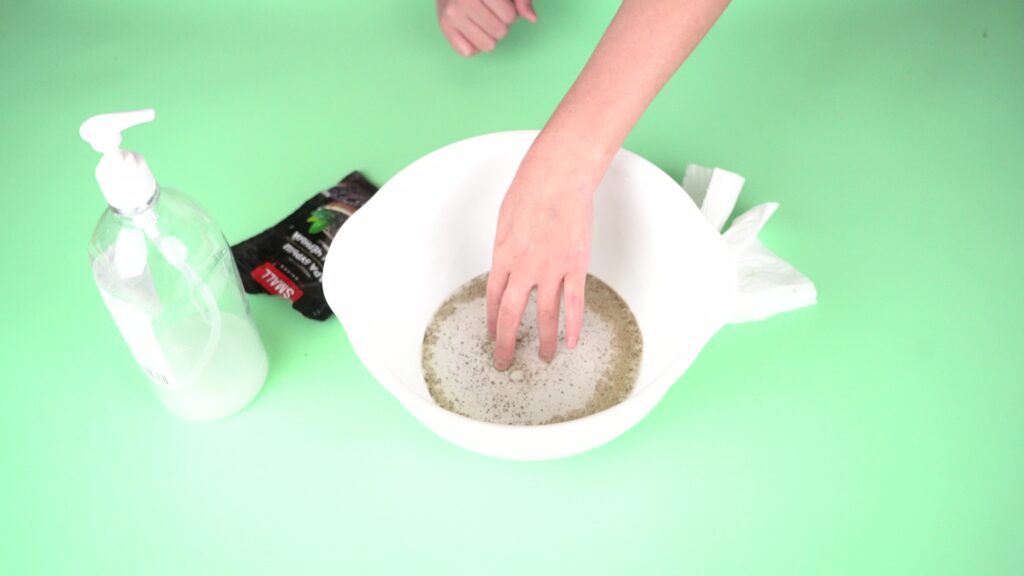
Pour water into a clear container and sprinkle black pepper on top – it will represent germs. Dip a finger into the water. The pepper will stick to the finger.
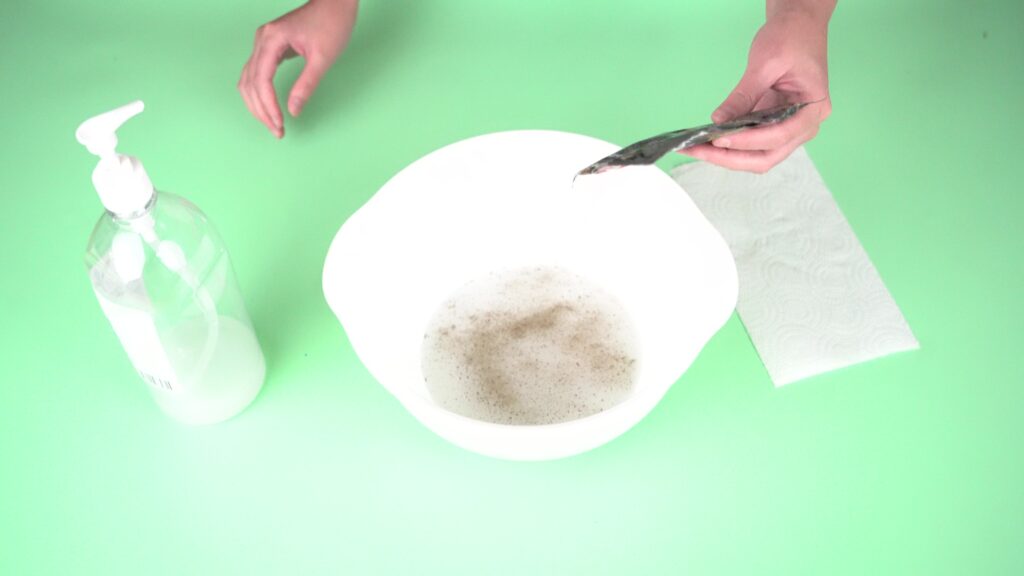
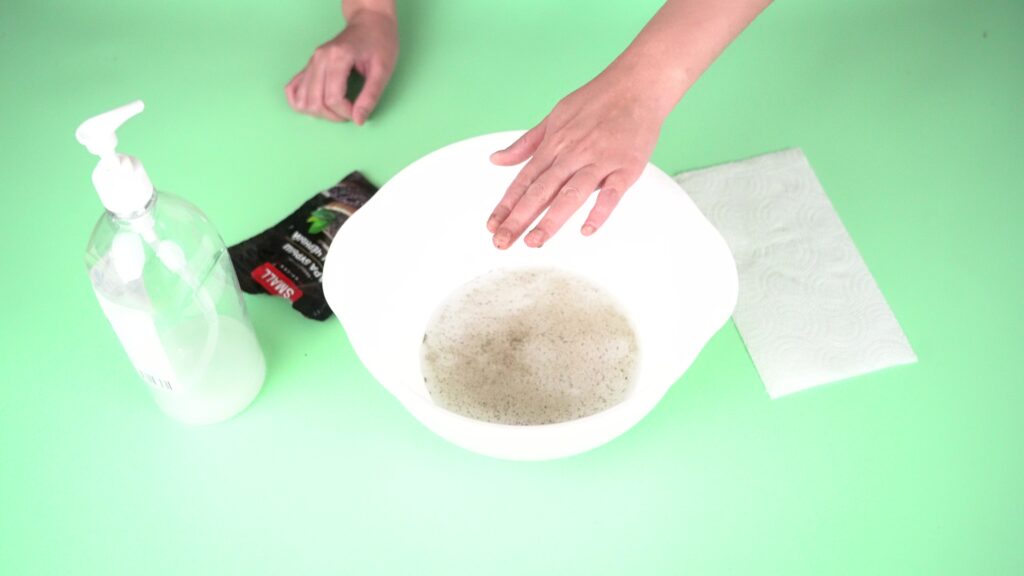
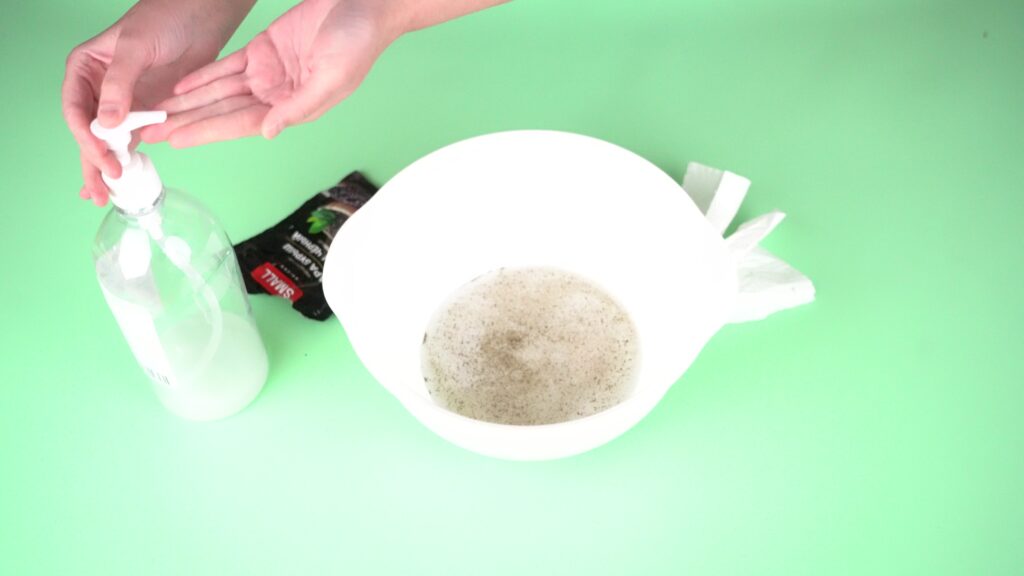
Now put a drop of liquid soap on your finger and dip it back into the water.
Observation: The pepper quickly moves away from the soap, spreading out to the sides.
Conclusion: Soap breaks the surface tension of water and pushes the “germs” (pepper) away. This is a clear demonstration of why washing hands with soap is important.
Experiment №4
Step 1. Label four zip-lock bags with numbers 1 to 4.
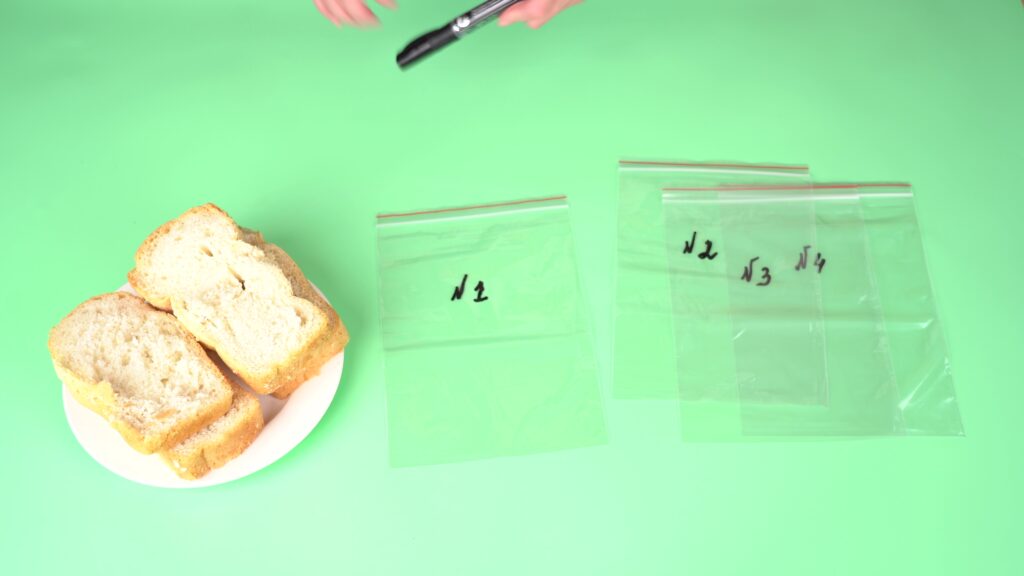
Step 2. Prepare 4 slices of bread. Touch each slice in the following way:
- On the slice of bread touched with unwashed hands, other structures are observed, different from mold. Since the bread was handled with dry hands, mold did not spread much.
- The most mold is found on the slice of bread touched with hands washed with water.
- Slice 3: touched with hands washed with soap
- Slice 4: touched with hands cleaned using hand sanitizer
Place each slice into a separate zip-lock bag, remove the air, and seal tightly.
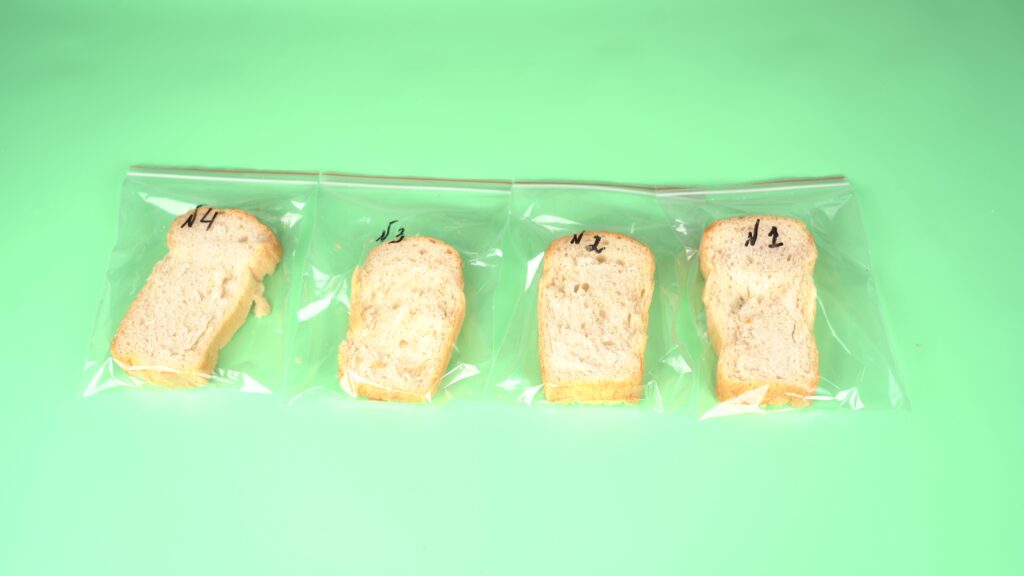
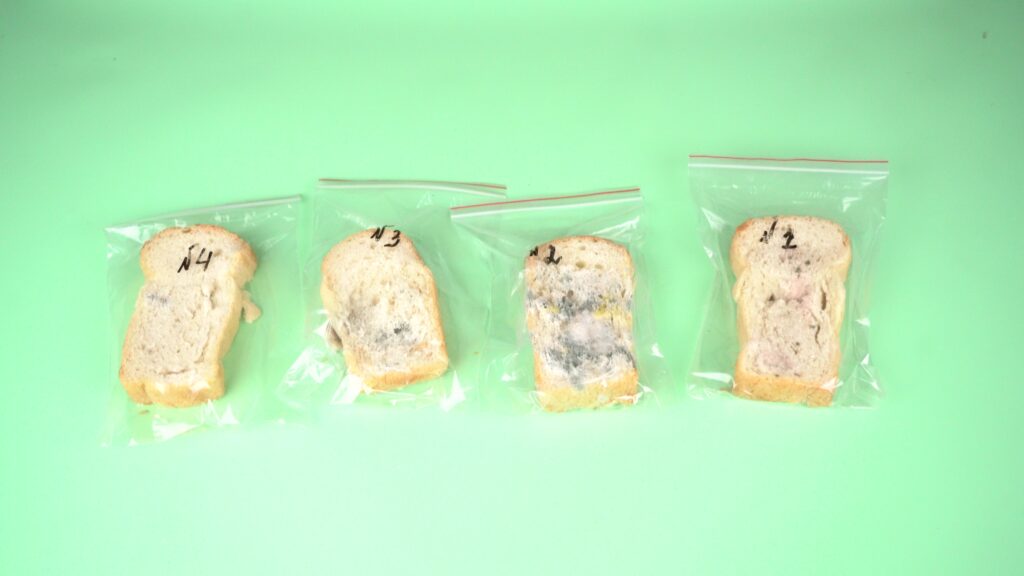
Step 3. After one week, open the bags and observe which bread slice has the most mold.
Observation:
- The most mold appeared on the bread touched with dirty hands.
- A moderate amount of mold appeared on the bread touched with hands washed with soap.
- The least mold appeared on the bread touched with sanitized hands.
Conclusion: The cleaner the hands, the fewer the germs. Washing hands with soap and using hand sanitizer are effective ways to protect ourselves from germs.
Conclusion
The experiments showed that invisible germs can be present on human hands. However, in a nutrient-rich environment, they can multiply. Now it’s clear why frequent handwashing is important. Putting unwashed fingers in the mouth, biting nails, or touching your face with dirty hands can lead to various illnesses.
The simplest way to protect yourself from getting sick is to wash your hands.

In this project, each student is assigned a STEAM title in several categories:
– By assembling this model, you have become a true master of science! You have learned how clocks work. This is real scientific thinking!
– Look at this beautiful clock! You have used your design and problem-solving skills to create a working model. Congratulations, you are an expert engineer!