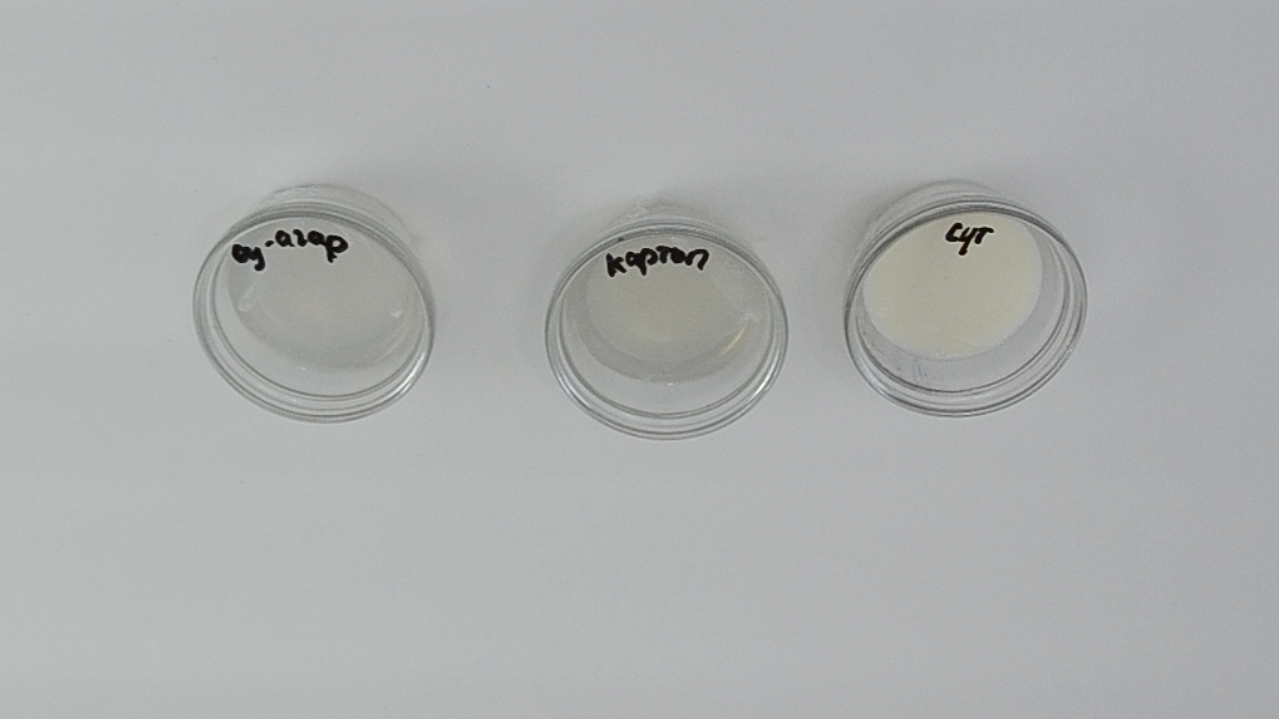
Lesson 1

Purpose of the work:
- To determine the growth characteristics of microorganisms from fermented dairy products on different nutrient media and compare the obtained results.
Expected results:
After completing the work, students can:
- develop teamwork skills
- be able to analyze and summarize the information received
- draw logical conclusions
Teacher’s Guide:
- The task is performed in groups of 3-4 people
- Before starting laboratory work, please read the safety rules by following the link:
- To download the worksheet, follow the link:
Theory
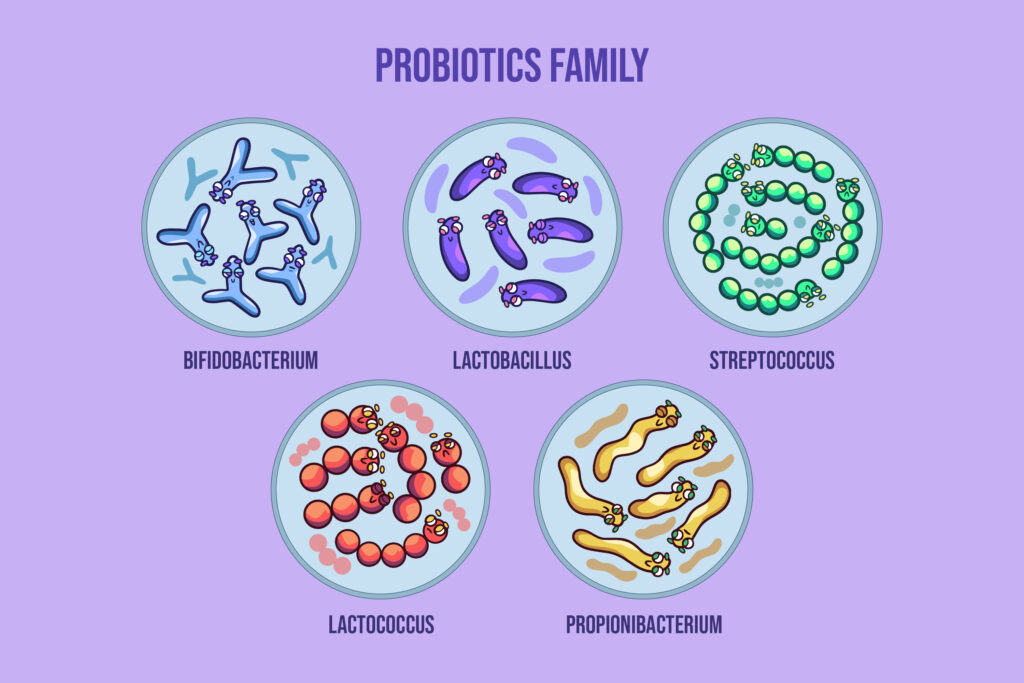
Fermented dairy products (kefir, yogurt, ryazhenka, curdled milk, etc.) are formed as a result of the activity of lactic acid microorganisms. The main role is played by lactic acid bacteria (Lactobacillus, Streptococcus, Lactococcus) and, in some cases, yeasts (Saccharomyces, Candida). These microorganisms ferment milk sugar (lactose), producing lactic acid, which gives the products their characteristic sour taste and contributes to the coagulation of the casein protein.
Microorganisms play an important role in fermentation processes and are used in the production of fermented dairy products. To study them, microbiological research is carried out, which includes several main stages:
- Preparation of nutrient medium. For microorganisms to grow, a medium containing nutrients (proteins, carbohydrates, minerals) is required. In laboratory conditions, milk medium, potato medium, or sugar-agar medium can be used.
- Inoculation of material. Using a sterile loop or spatula, a small amount of the studied material (for example, kefir or yogurt) is applied onto the surface of the nutrient medium. This stage allows microorganisms to attach and begin to reproduce.
- Incubation. The inoculated media are placed in a warm place (usually at room temperature or in a thermostat), where microorganisms begin to multiply actively.
- Observation and description of results. After a certain time, colonies — visible clusters of microorganisms — appear on the medium. Colonies may differ in shape, color, and size. These characteristics allow assumptions to be made about the composition of the microflora of the fermented dairy product.
Thus, microbiological research helps to describe and explain the processes of microbial growth as well as to study their diversity.
Practical part
Preparation of nutrient medium and inoculation of cultures from fermented dairy products.
In this work, the effectiveness of three different media is tested:
- milk-agar,
- potato-glucose,
- sugar-agar.
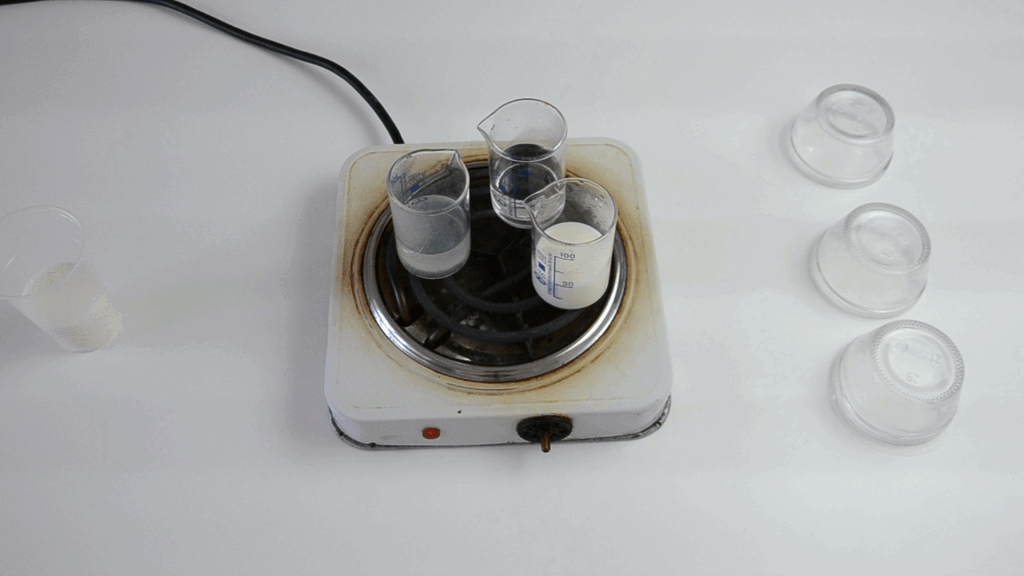
Step 1. Preparation of liquid base.
Pre-boil and pour into three glasses:
- 50 ml of milk,
- 50 ml of potato broth,
- 50 ml of hot water.
Step 2. Adding components.
Into each glass, add:
- ½ teaspoon of agar-agar,
- a pinch of sugar.
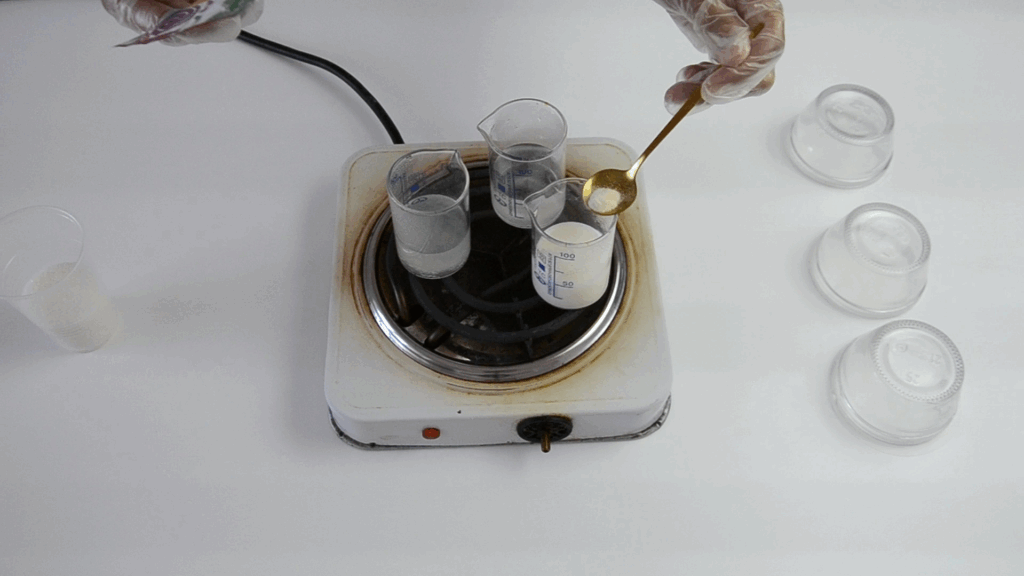
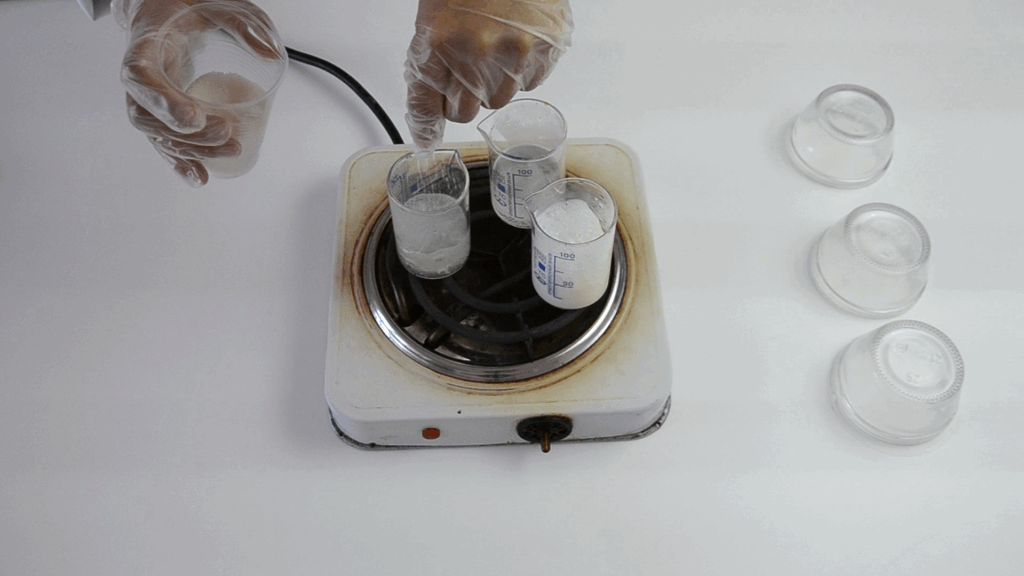
Step 3. Stir and continue heating for 2–3 minutes until the agar is completely dissolved.
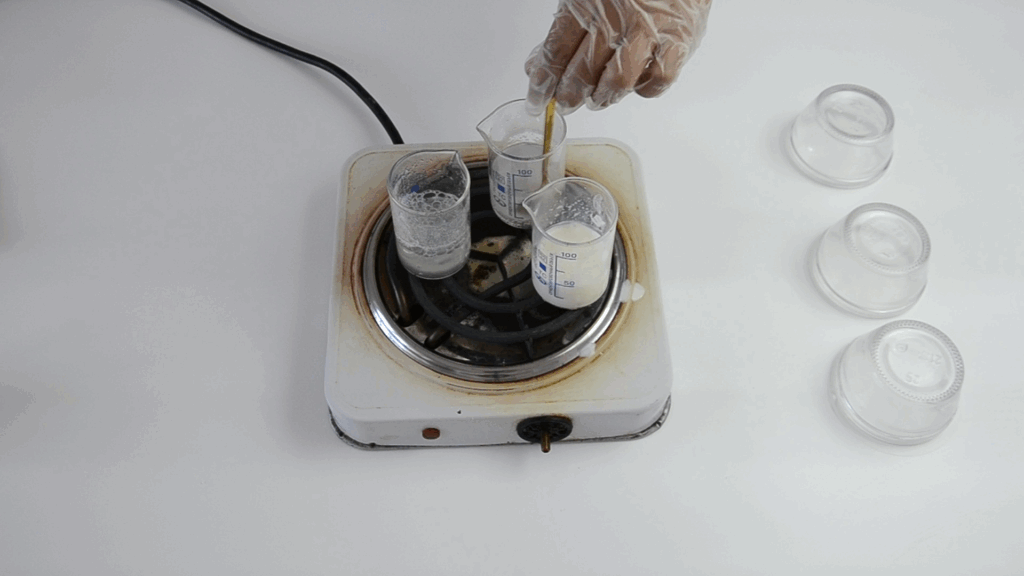
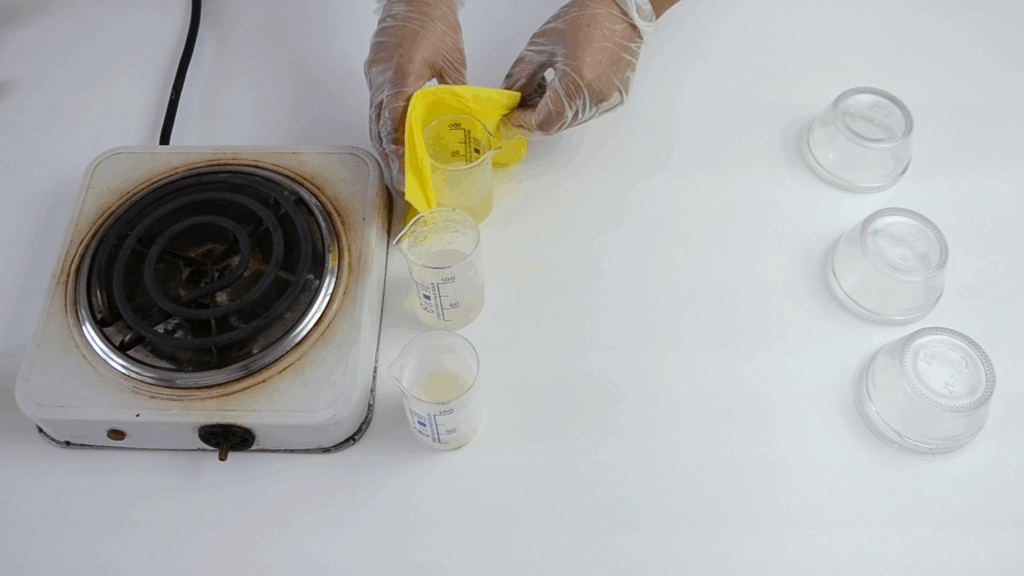
Step 4. Pouring the medium.
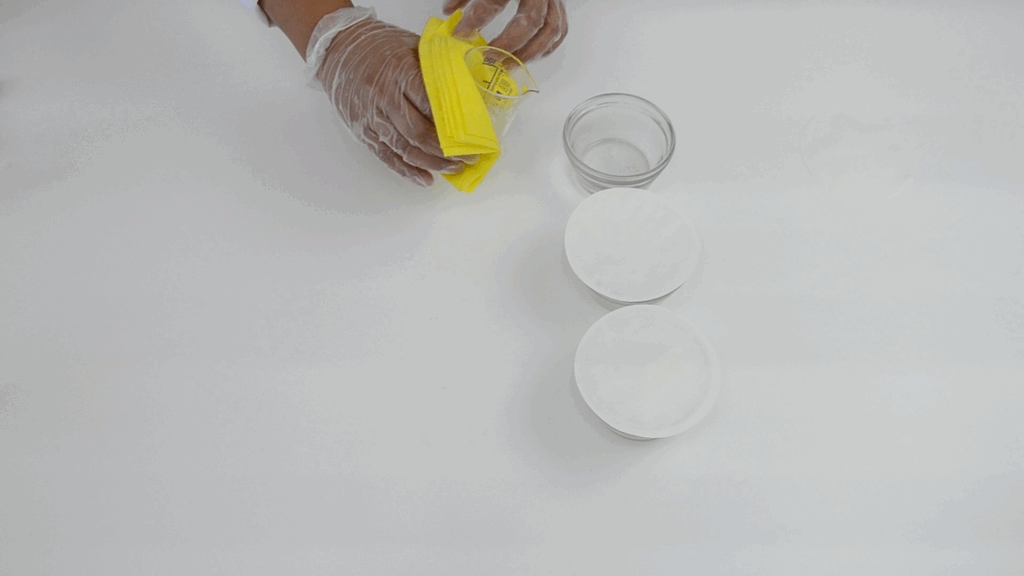
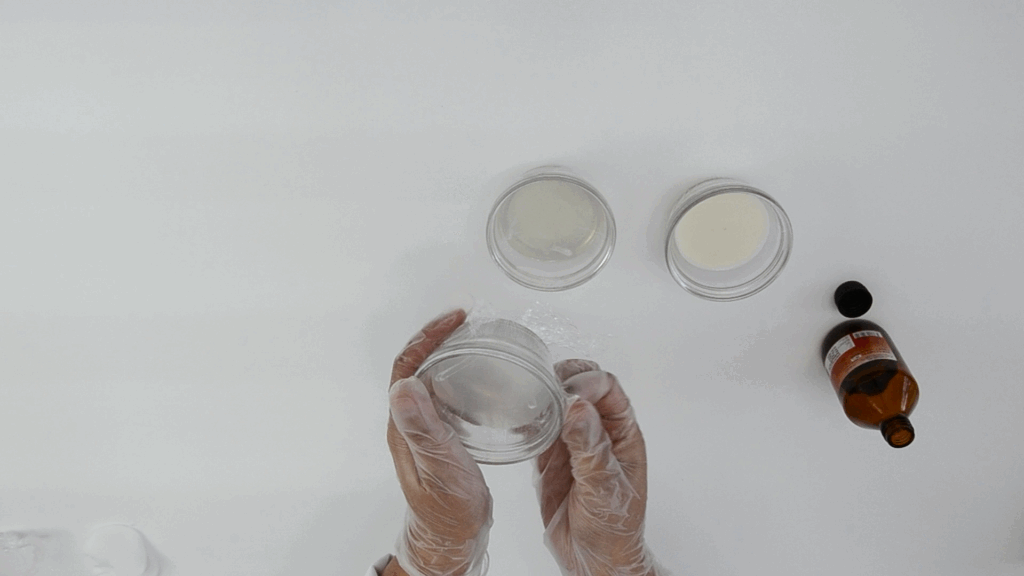
Wear heat-resistant gloves and carefully remove the glasses from the stove. Pour the hot solutions into sterilized Petri dishes or small glass jars. If lids are not available, cover with foil, filter paper, or plastic wrap. Leave for 20–25 minutes until completely solidified (the medium will become firm).
Step 5. Inoculation.
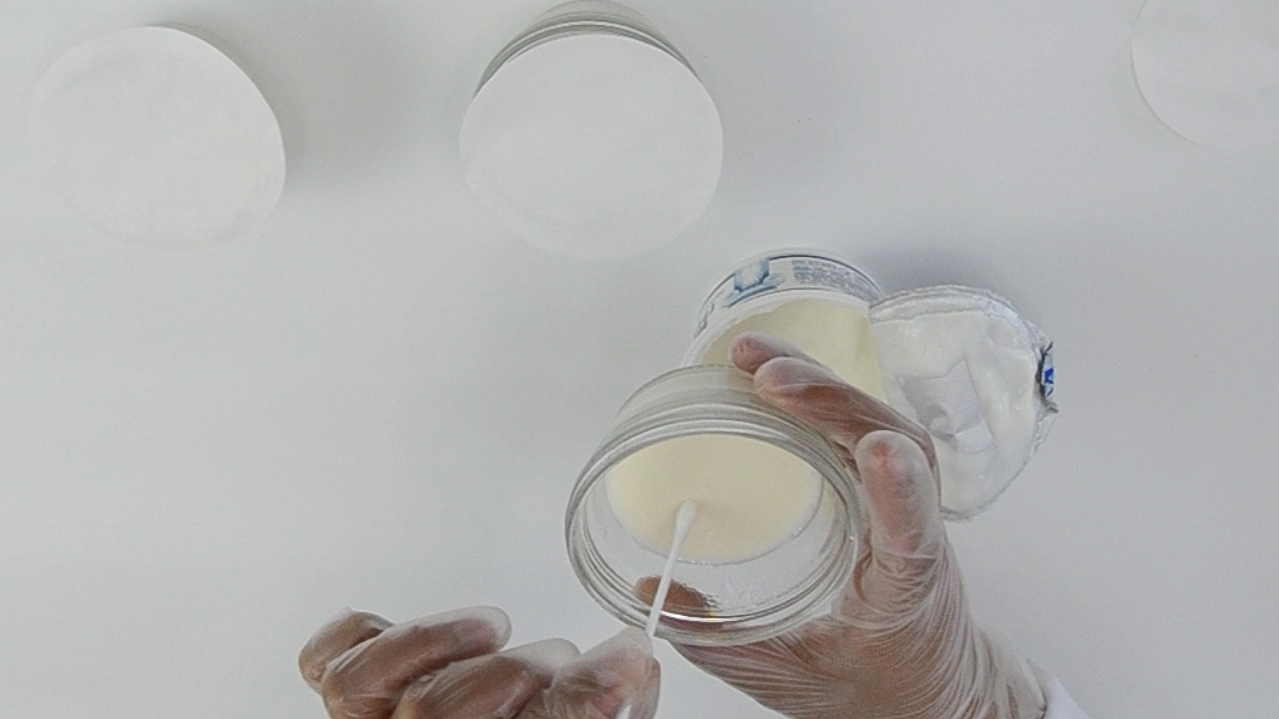
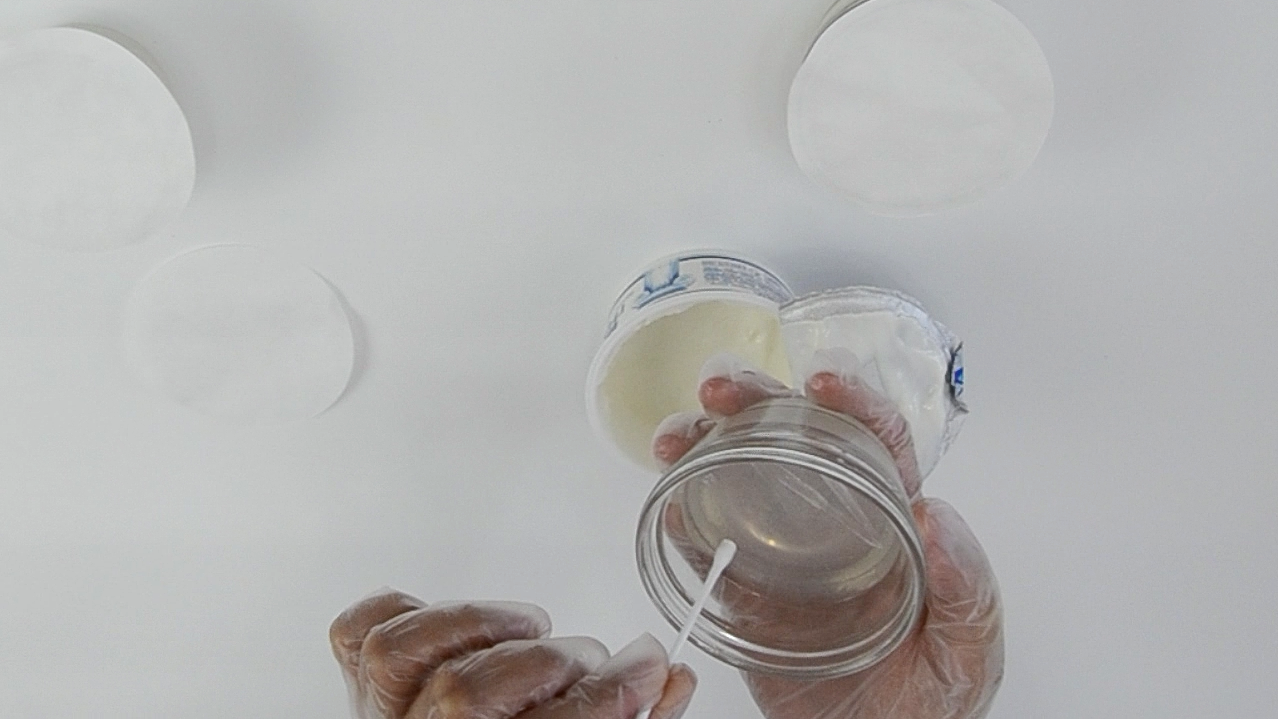
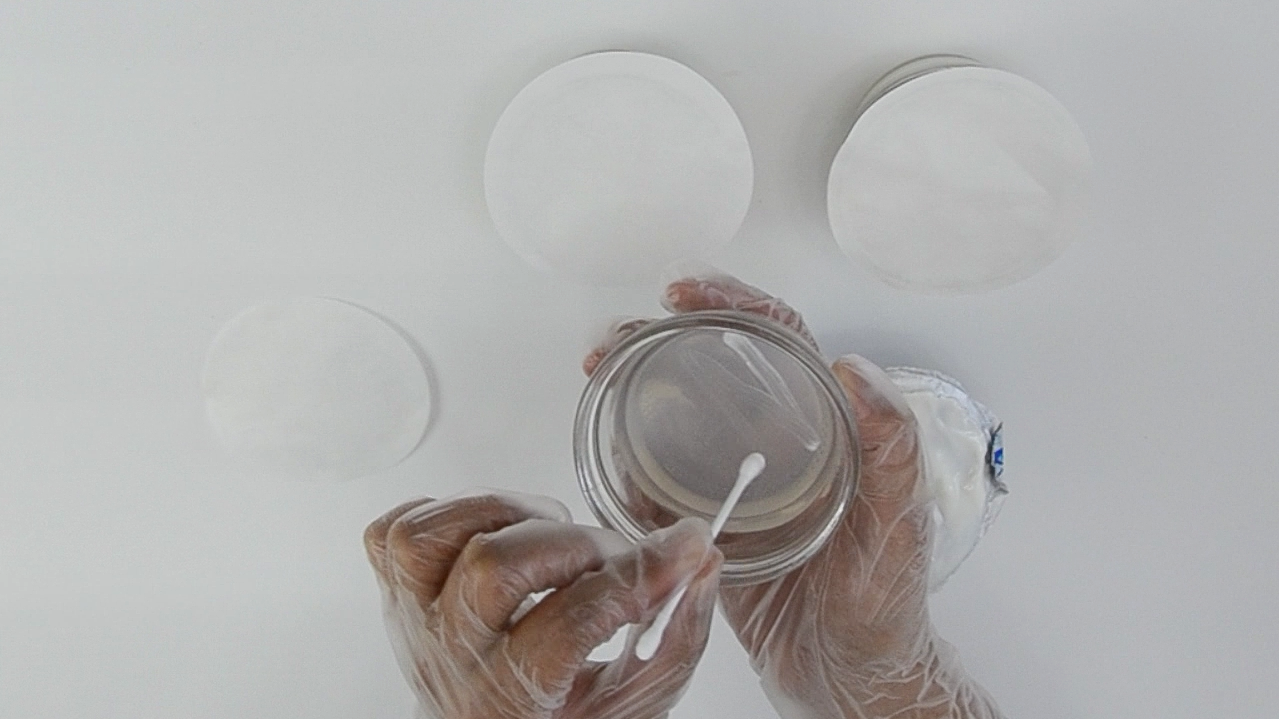
Using a sterile cotton swab (or a new one directly from the package), take a small amount of fermented dairy product (sour cream, kefir, Greek yogurt). Gently streak the surface of the medium in a zigzag pattern. Do not press too hard to avoid damaging the agar.
Step 6. Sealing.
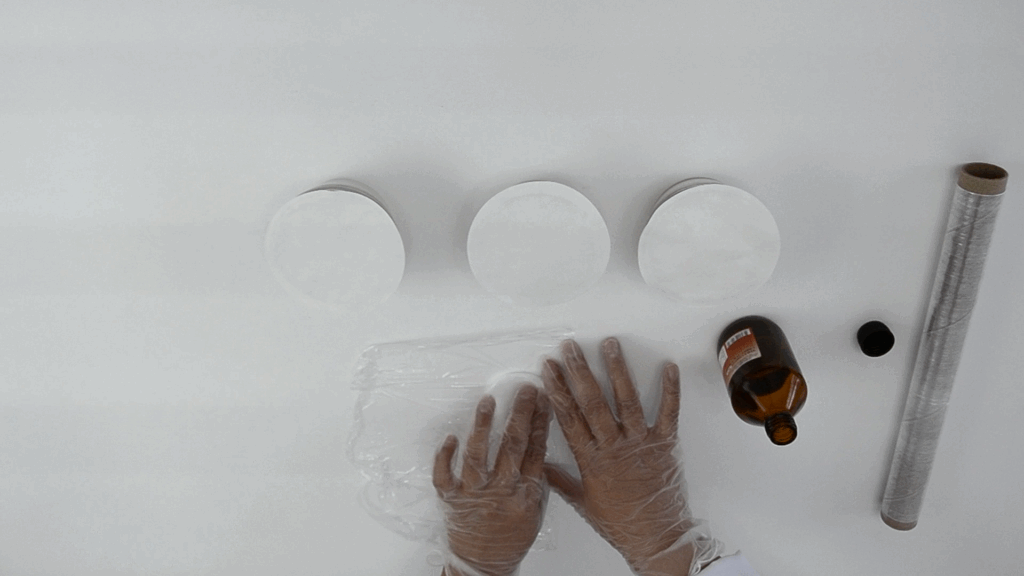
Immediately close the dishes with a lid or plastic wrap (the wrap can be pre-treated with alcohol).
Step 7. Incubation and observations.
Place the dishes in a dark place at room temperature. Keep them in the dark for the first 2 days, then inspect daily. Record changes: the appearance of spots, coating, and differences in colonies on different media.