
Lesson 2
In the previous lesson, students inoculated lactic acid bacteria from yogurt onto three different nutrient media: milk agar, sugar agar, and potato agar. Now we will examine the results of the experiment and determine which medium was the most effective for the growth of lactic acid bacteria.
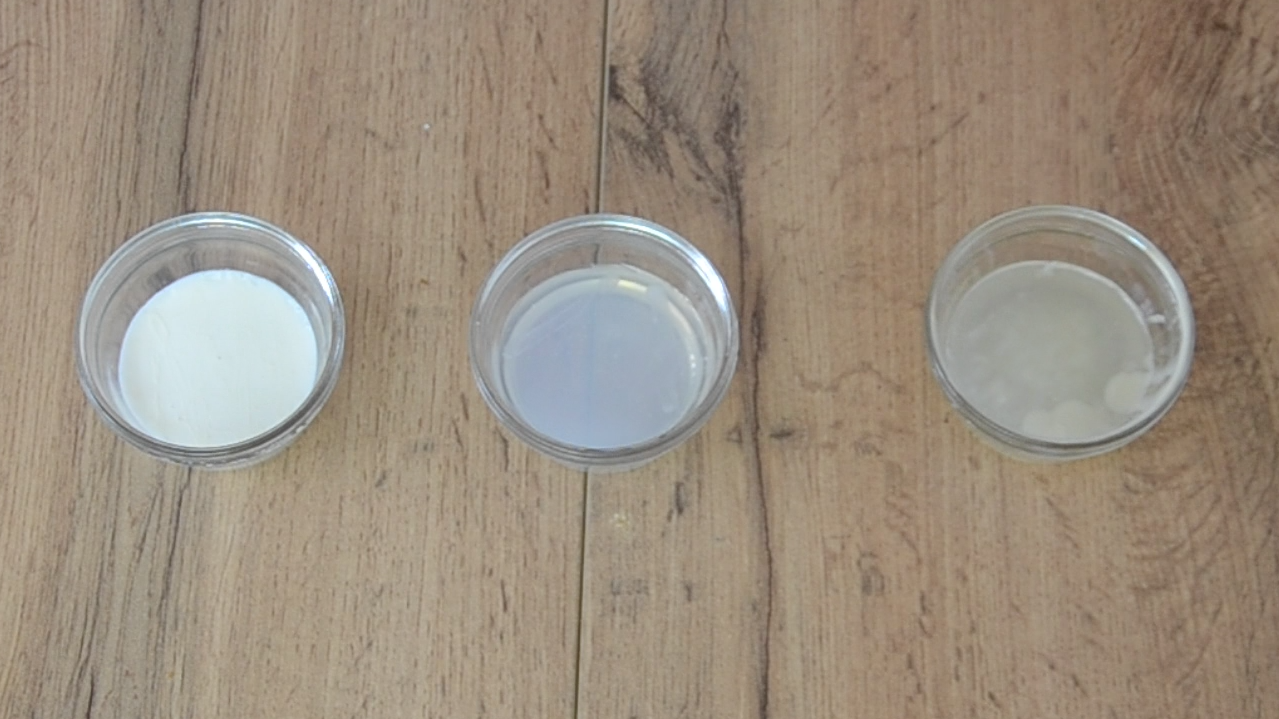
Step 1. Here are the three media where the yogurt samples were placed. All were kept under the same incubation conditions: in a dark place at 36–37°C.
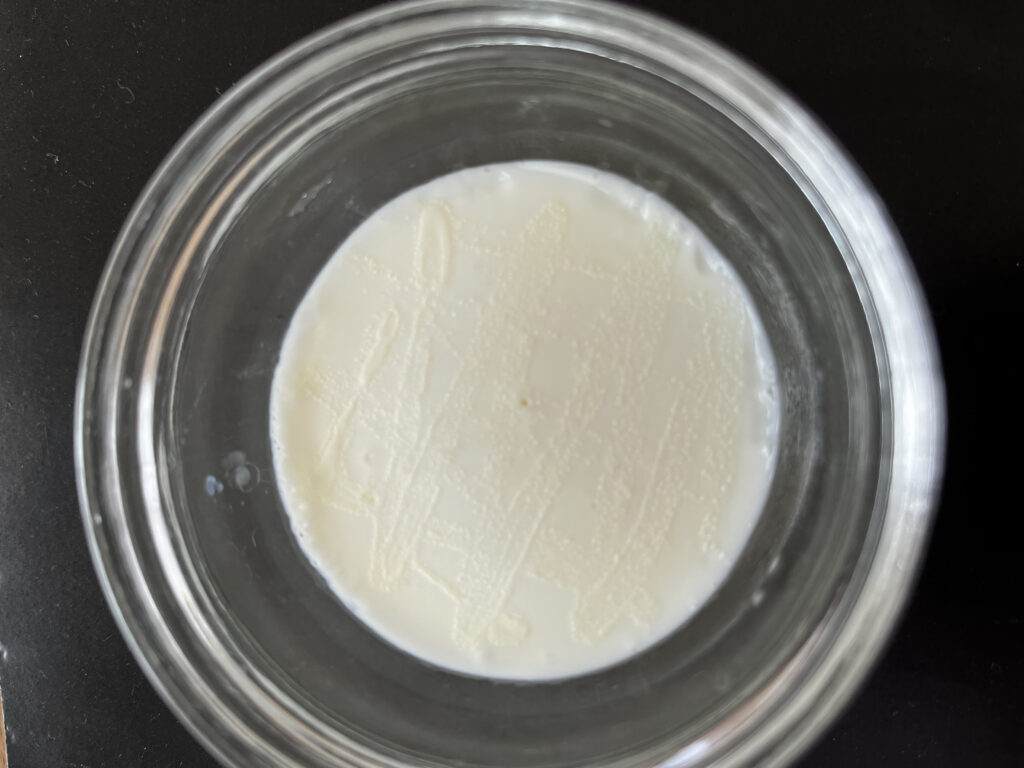
Step 2. On the milk agar medium, we observe active bacterial growth. Distinct colonies appeared along the lines where the sample was applied. This is because milk contains lactose and proteins — the main nutrients for lactic acid microorganisms.
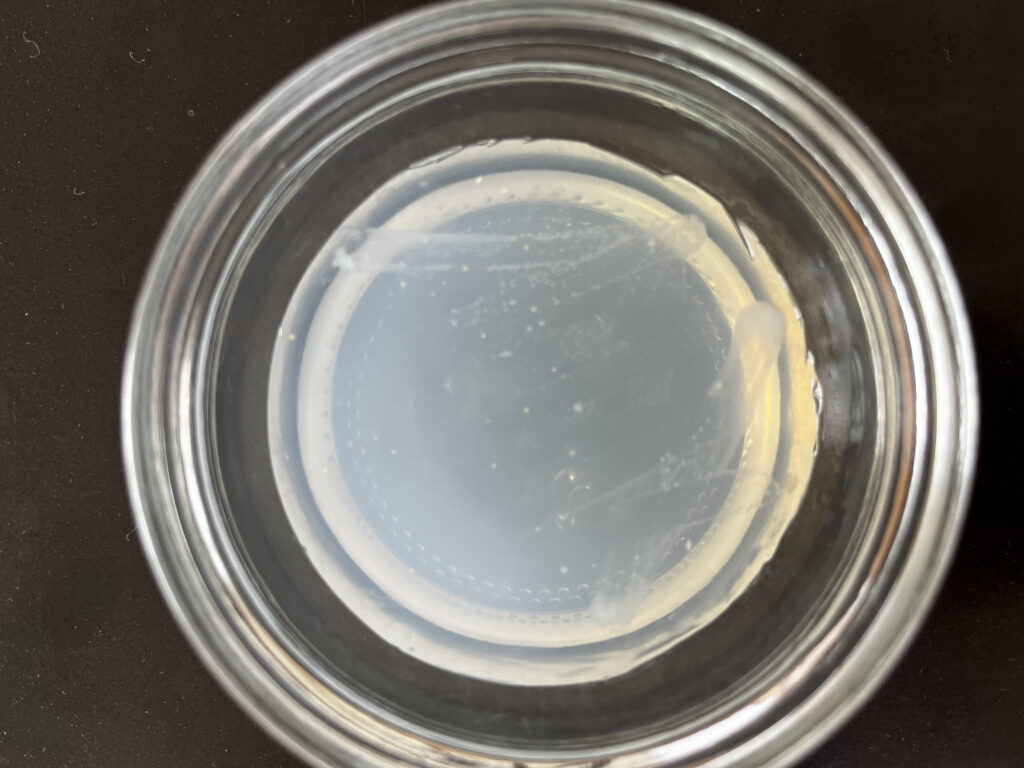
Step 3. On the sugar agar medium, the growth is weaker. Since there are fewer nutrients, the bacteria develop more slowly, and the colonies are less distinct.
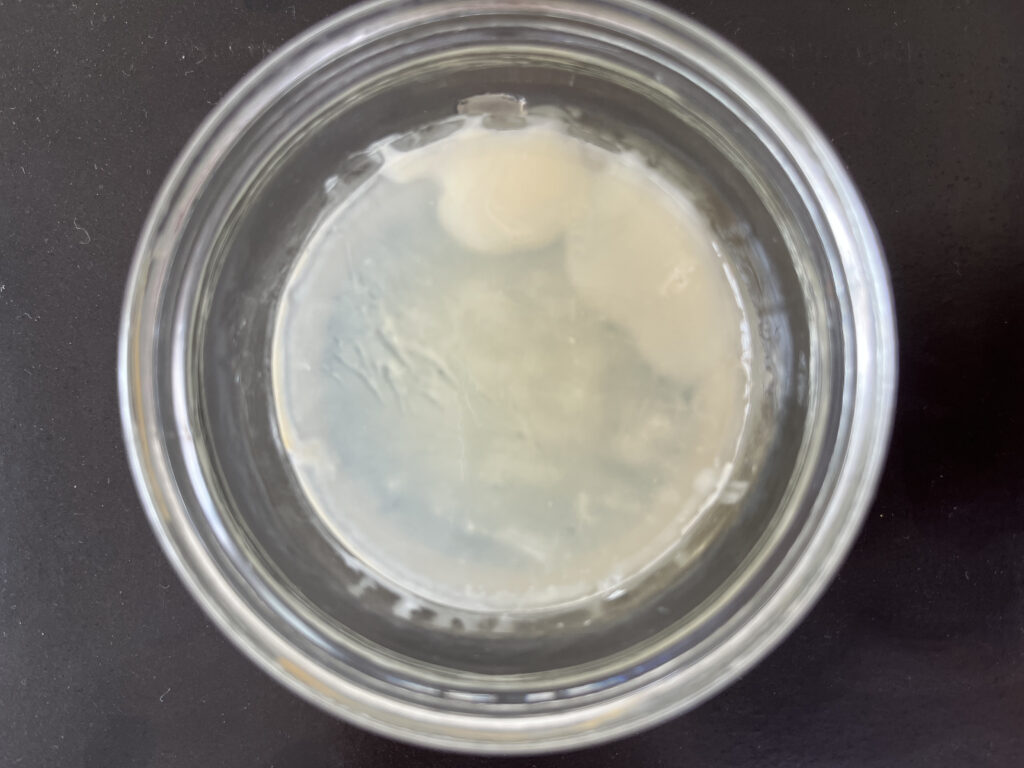
Step 4. On the potato agar medium, no visible signs of colony development are observed. Instead, a white liquid formed. This happened because the starch and enzymes from the potato, when heated, broke down the agar structure, and the bacteria further accelerated this process. This demonstrates the importance of choosing the right medium for such experiments.
Step 5. Thus, we can conclude that the choice of nutrient medium plays a crucial role. Milk agar proved to be the most suitable medium for cultivating the yogurt microflora.
Conclusion
In this work, students inoculated the microflora of a fermented dairy product onto different nutrient media, learned how to prepare simple media, follow inoculation rules, and observe the development of microbial colonies.