Week 1
Teacher’s guide:
- Divide the students into groups;
- Give brief instructions on how to work with scissors and cardboard;
Objective:
- To learn to see in the surrounding objects some or other three-dimensional geometric shapes;
- Learn to analyse the object, its structure, and improve your skills in working with cardboard;
Before starting work, read the safety instructions [ safety insructions].
Expected results:
After learning about the project, the students will:
– be able to communicate well with the teacher and work in a group and in pairs
– Analyse and summarise information
– A responsible approach to learning will be formed
– communicative skills will be formed during the learning process
– independent logical reasoning and conclusion
– getting to know invertebrates and vertebrates
– introduction to caterpillars
Introduction
Animals are divided into two main groups: invertebrates and vertebrates. Invertebrates are those animals that have no backbone and vertebrates are those animals that have a healthy backbone and an internal cartilaginous skeleton. The division of the animal world into vertebrates and invertebrates was first proposed in 1801 by French biologist Lamarck. As of 2013, more than 1.5 million species of all kinds of animals have been described and found by scientists from all over the world. Invertebrates make up about 98% of the animal world, while vertebrates make up only 2%.
In general terms, vertebrates and invertebrates have their own unique functions in the biosphere, but each of these functions is crucial for life on Earth.
Invertebrate animals are characterised by a simpler structure. These include molluscs, crayfish, worms, spiders and insects. The vertebrate animals of the world include such classes as fish, amphibians, birds, mammals and reptiles.
Caterpillars are the larvae of butterflies. Familiar from childhood, they look very much like a worm, only with legs. You will be surprised, but sometimes members of this class of insects can reach twelve centimetres in length. They have a head, thoracic and abdominal segments. The caterpillar grows, feeds and develops into a pupa, which then develops into a butterfly.
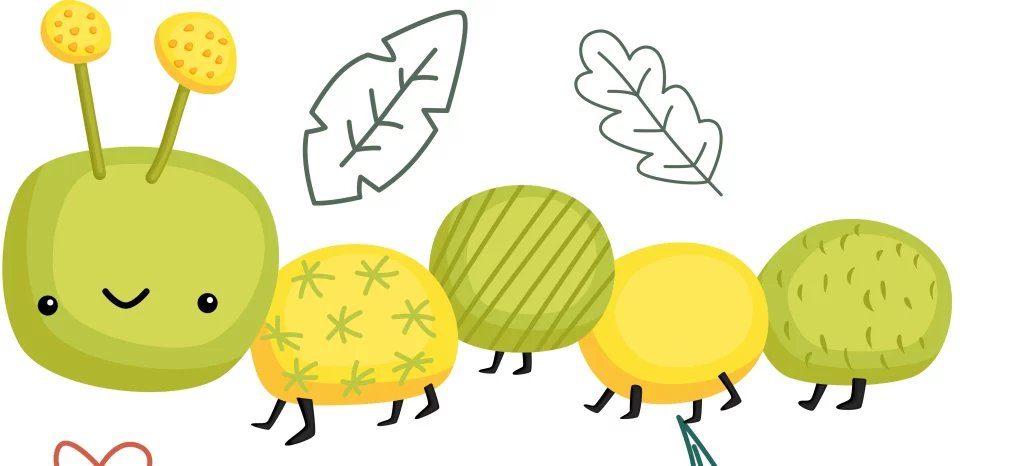
Caterpillars move by either moving alternately with pairs of legs on their thoracic and abdominal parts, or by ‘pacing’ – bending and carrying part of their body forward. Caterpillars move like no other animal. The caterpillar’s creeping movement, similar to a wave moving from its back to the front, is not seen in any other animal.
Caterpillars have legs that help them stay on the branches of plants. Most caterpillars feed on leaves. However, there are species of butterflies that feed on plant roots, wood and fruits. The caterpillars, for which leaves are their main food, nibble them to a certain shape, by which you can tell which caterpillar has just had lunch or breakfast here. Some caterpillars only eat plant buds. Smaller caterpillars nibble only at the top or bottom layer of leaves, leaving a transparent window of thin leaf skin which they have not touched. The caterpillar eats a lot, and during its life it needs a huge amount of food. As soon as it emerges, it immediately takes to eating: first it eats the egg shell and then starts gnawing at the leaves of the plant on which it has settled.
The caterpillars eat only the plants they like and even starve the first time they are on a plant whose leaves they do not like. The caterpillars change their skin several times during their lives because it cannot stretch and the old skin has to be discarded as soon as it is too tight. In a few days the caterpillar can sometimes enlarge itself enormously. There are also caterpillars among these insects that can develop for several years, but they eat wood by gnawing many passages in tree trunks. The caterpillars can vary in colour, with their brightness usually indicating they are inedible. Caterpillars are most often found on garden flowers and plants or in greenhouses. They can enter houseplants via butterflies, which fly into the room through open windows and balconies and lay their eggs on the leaves. Caterpillars can also be brought in with a bouquet of garden flowers. So when such flowers enter your home, inspect them carefully to see if there are any uninvited guests, which can very quickly spread to your indoor plants and spoil their appearance.
Resources:
Practical part
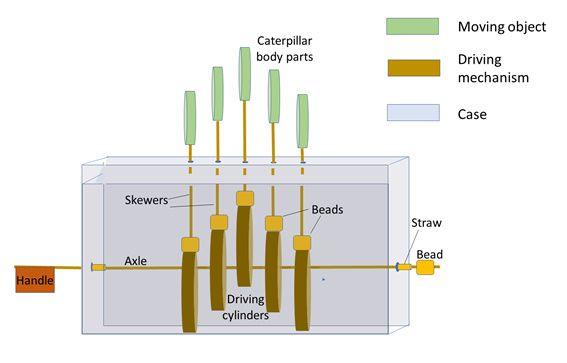
You will do your caterpillar project for a fortnight. The layout of your project that you create will look like the one shown:
Cut a piece of cardboard measuring 42 x 12 cm
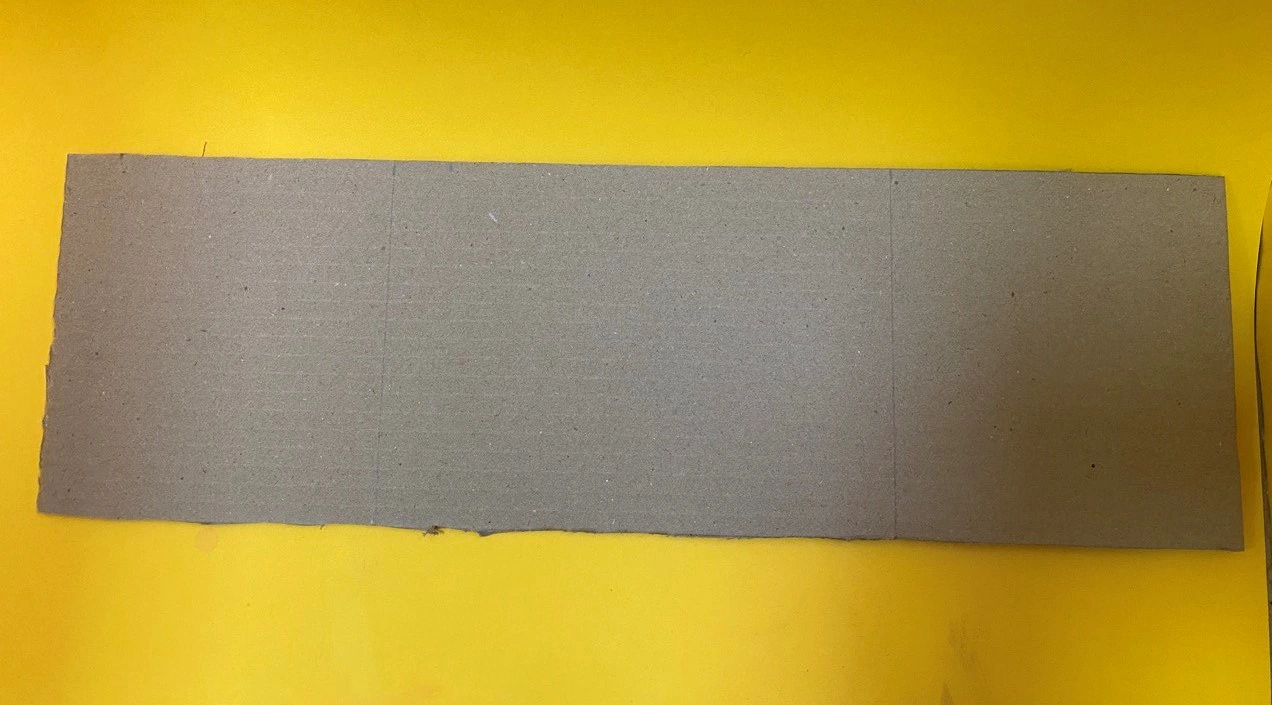
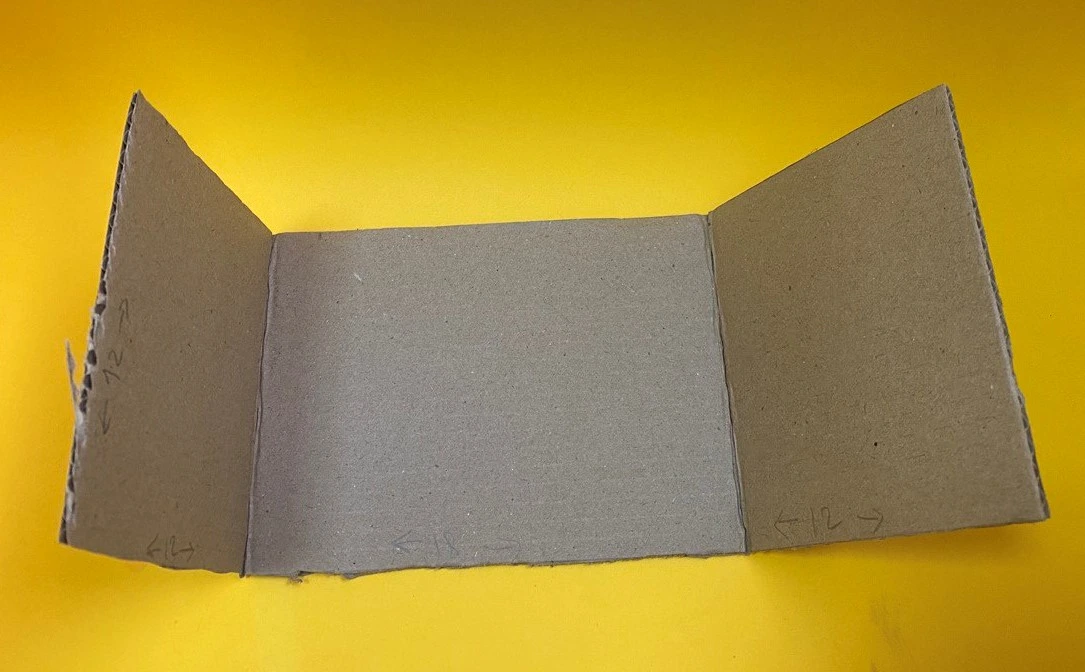
Step back from the left-hand edge 12 cm, 18 cm and 12 cm to the right-hand side. Fold the layout as shown in the illustration
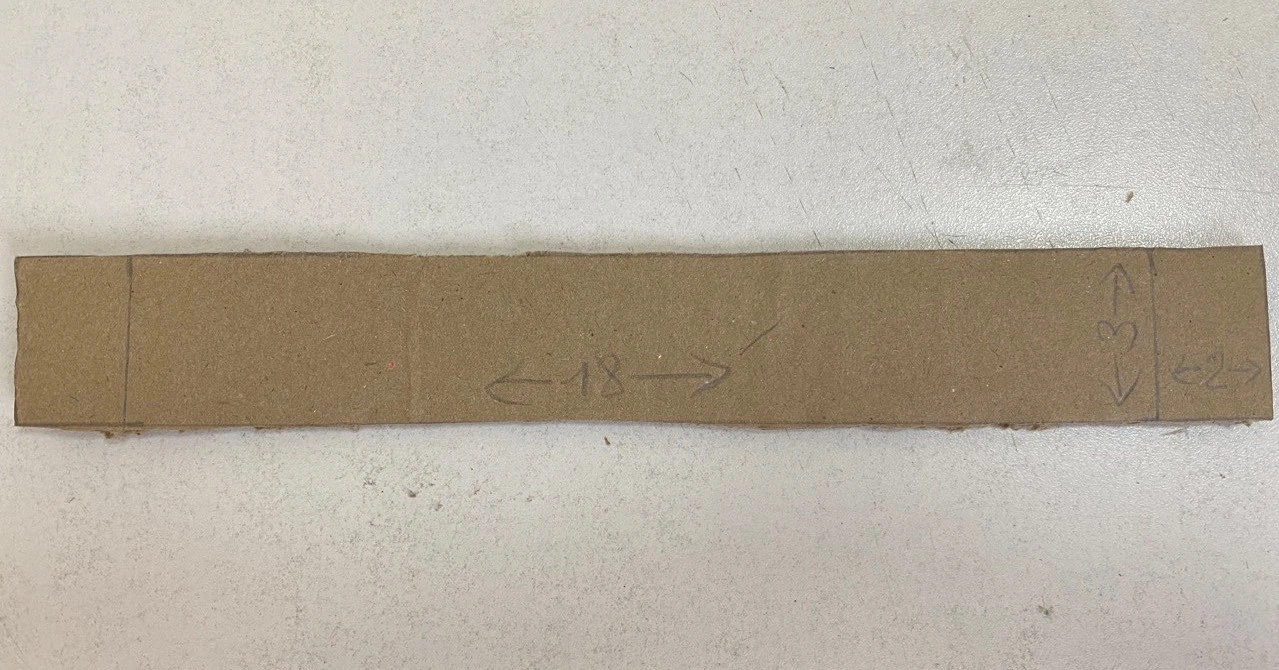
Cut a piece of cardboard measuring 22 x 3 cm. Step 2 cm from the left-hand edge, 18 cm and 2 cm to the right-hand side.
Fold the layout around the edges and glue it to the first cardboard piece
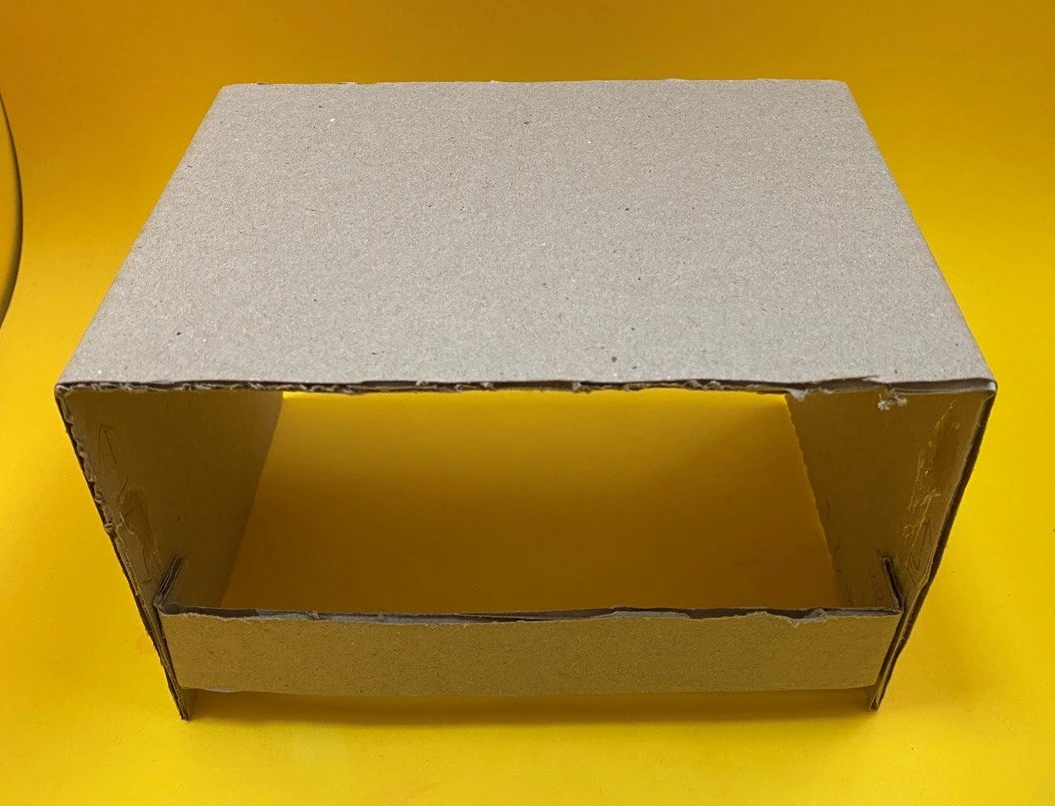
Fold the layout around the edges and glue it to the first cardboard piece
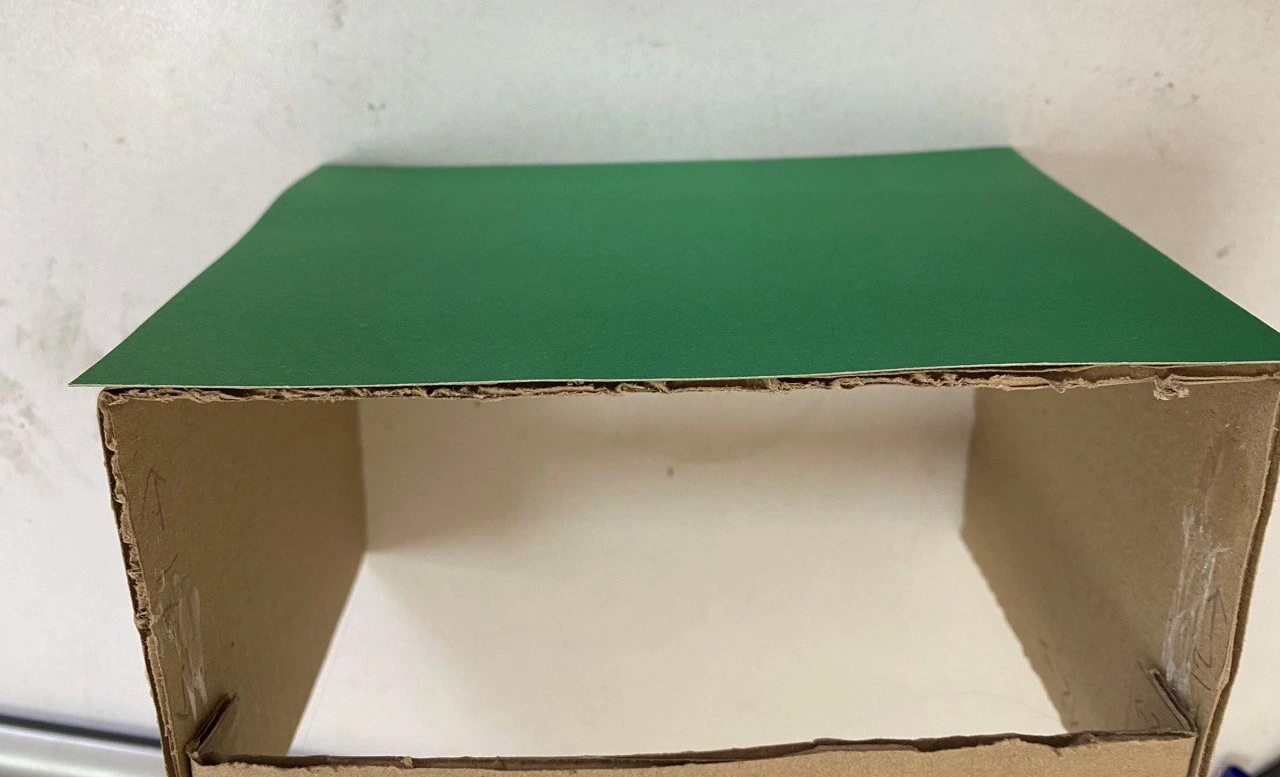
Turn the cardboard piece to the side. Measure 6.5 cm from the left-hand side and draw a centre line
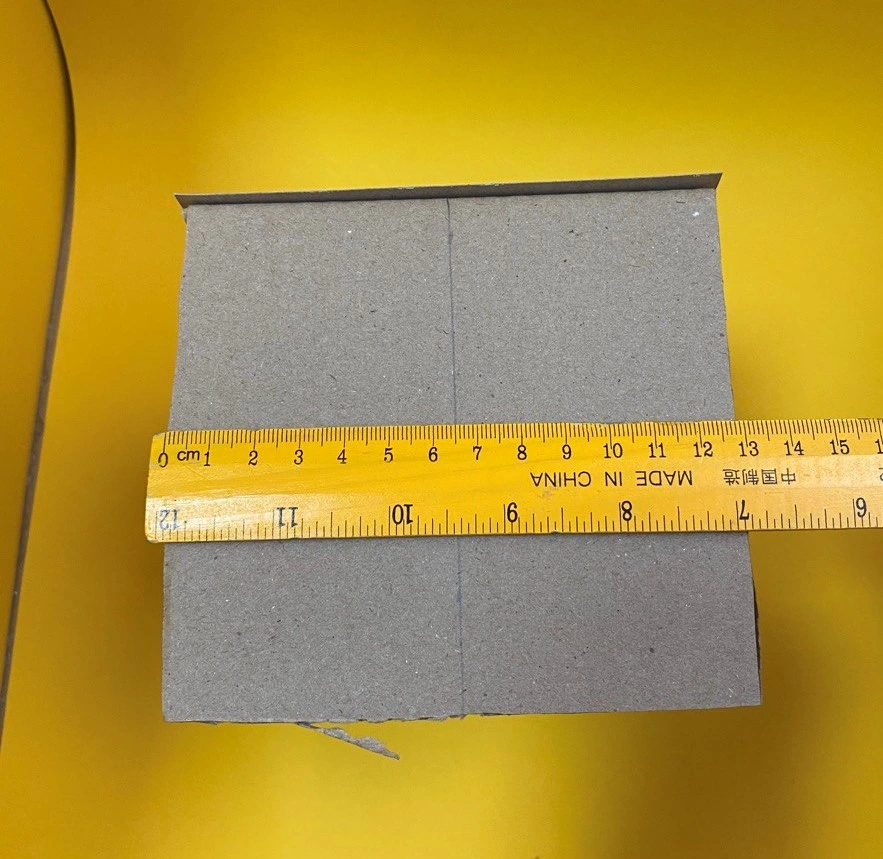
Measure from the top 6 cm and draw a centre line
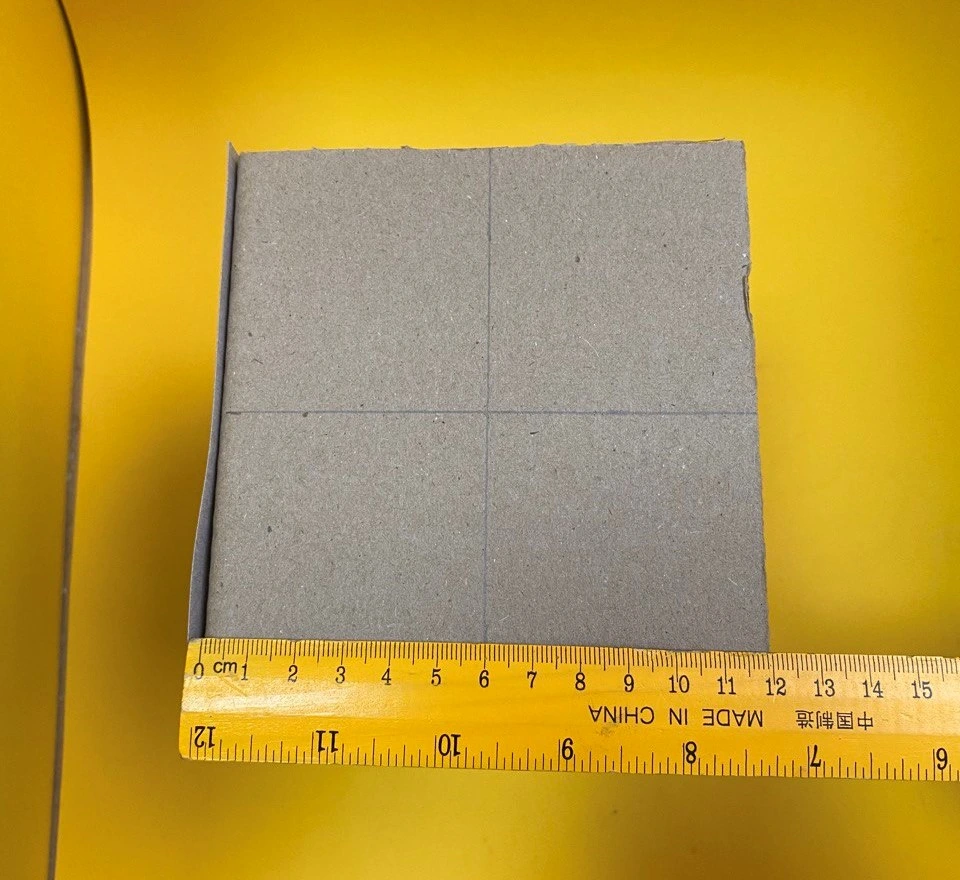
Make a hole at the intersection of the line with a pencil
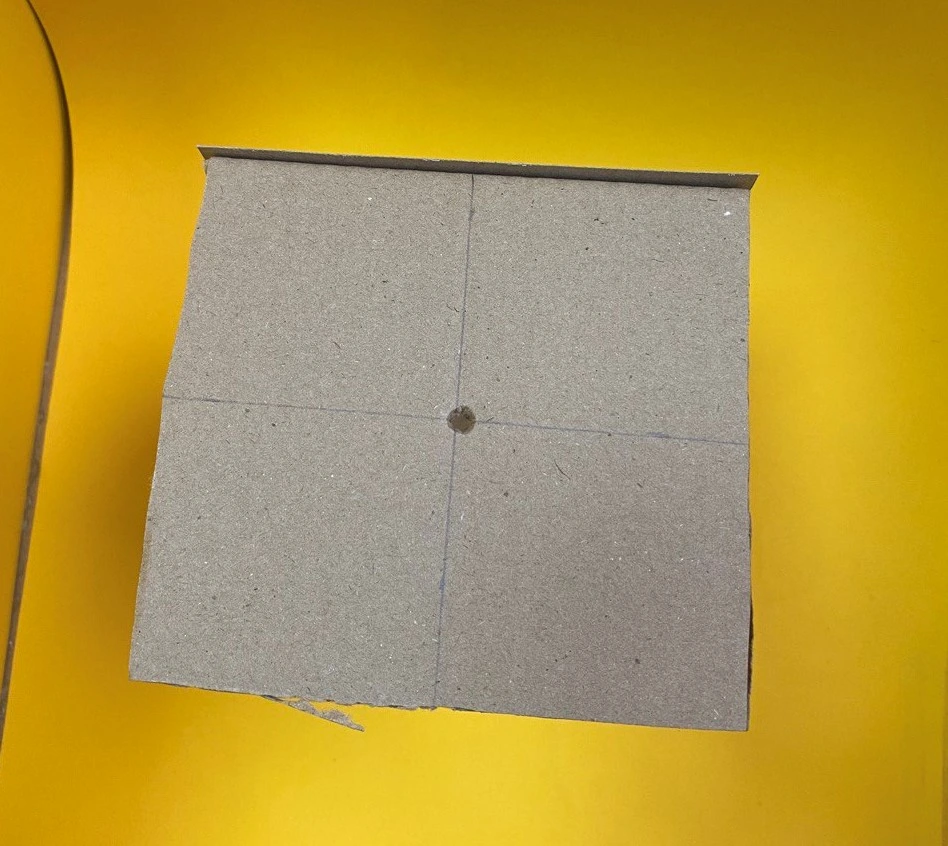
Make the same holes on the other side of the piece in an identical manner.
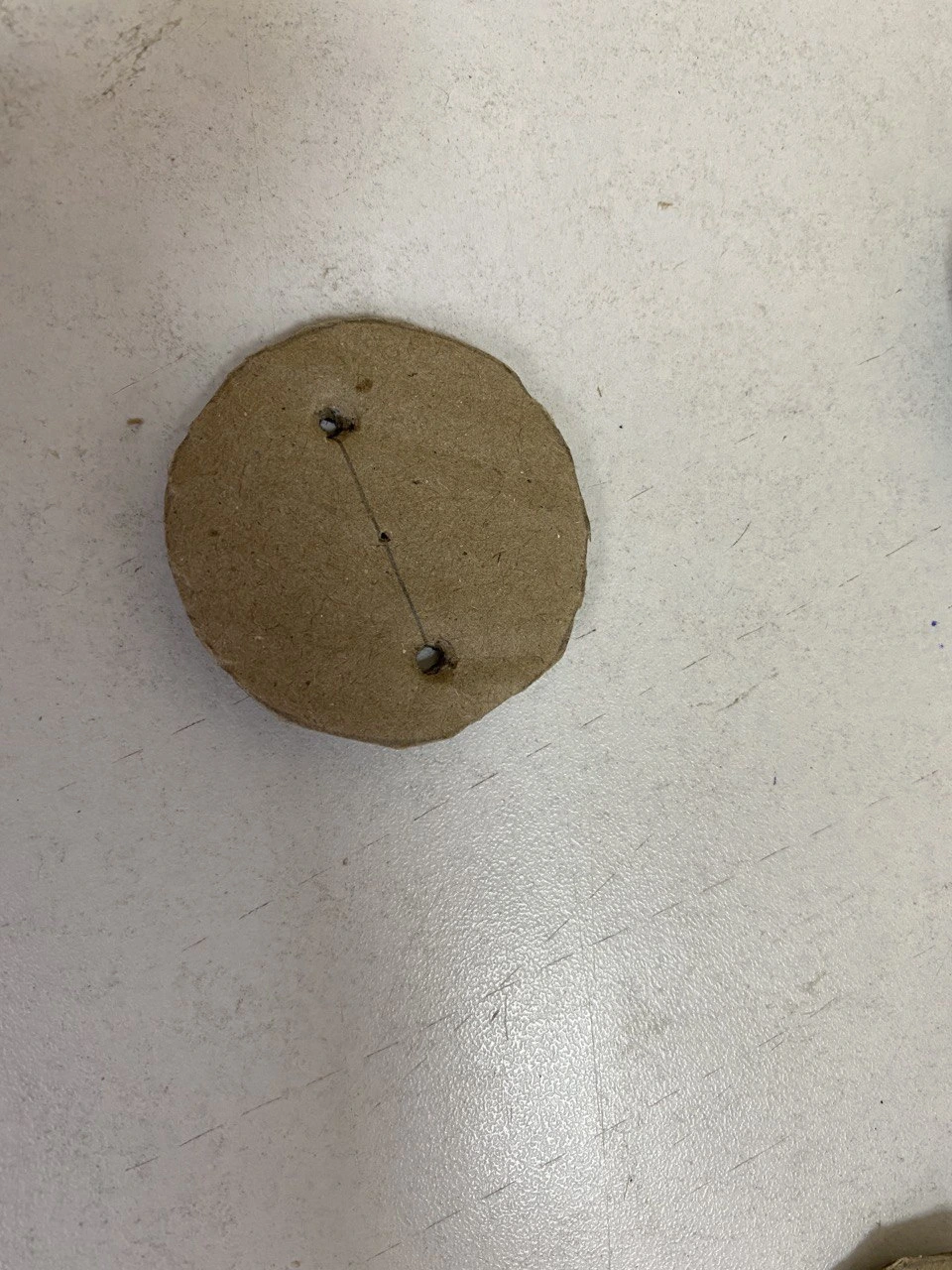
Cut 10 circles with a radius of 1.5 cm out of cardboard
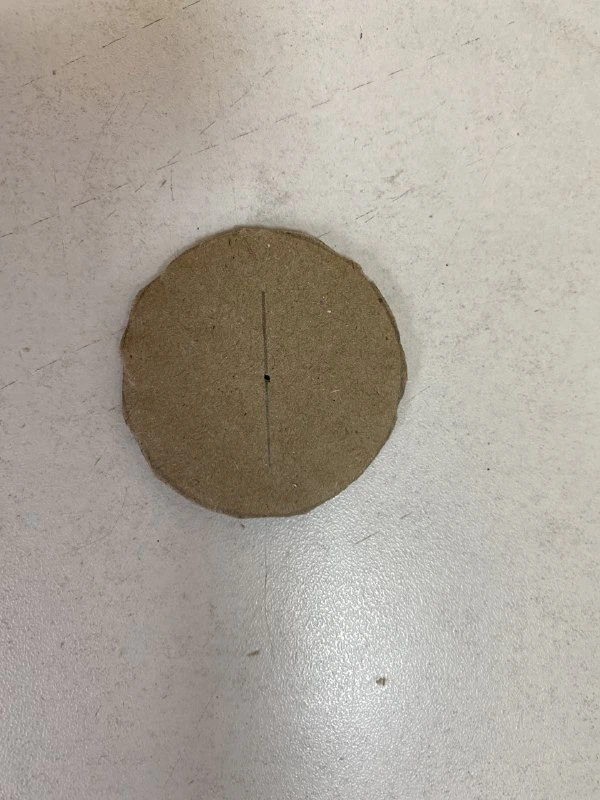
Measure from the centre of the circumference 1 cm and make the holes with a pencil