Week 2
At the beginning of the lesson ask some questions about the previous lesson (3-5 minutes):
1. Can you tell what kind of expressions there are?
2. Can you write down a numeric expression, a letter expression
3. Recall what you did in the last lesson.
Practical part
Problem solving
Step 1: Each student should think of problems, equations for your pair (as a riddle) – this was last week’s homework. Present your problems to your neighbour. Swap your problems.
Step 2: Write them on the worksheet. Solve the problems.
Step 3. Calculate your answer by yourself and check against the worksheet.
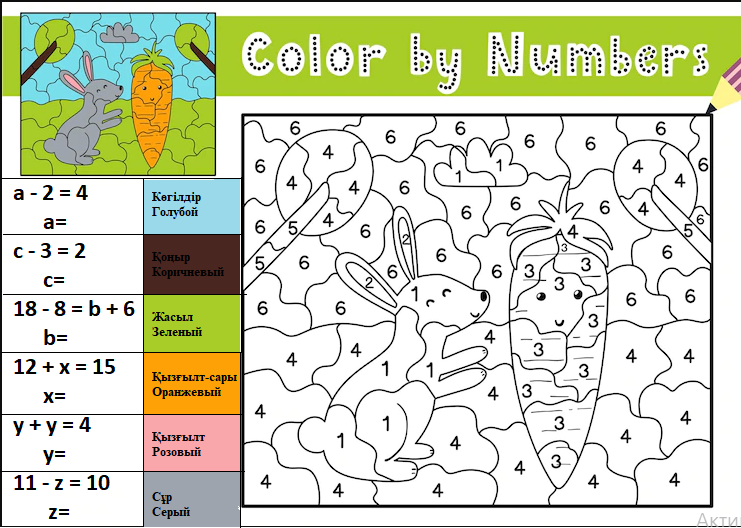
Step 4: Download the number colouring book from the link. Link:
Print it out on a printer and hand it out to the pupils.
Conclusion
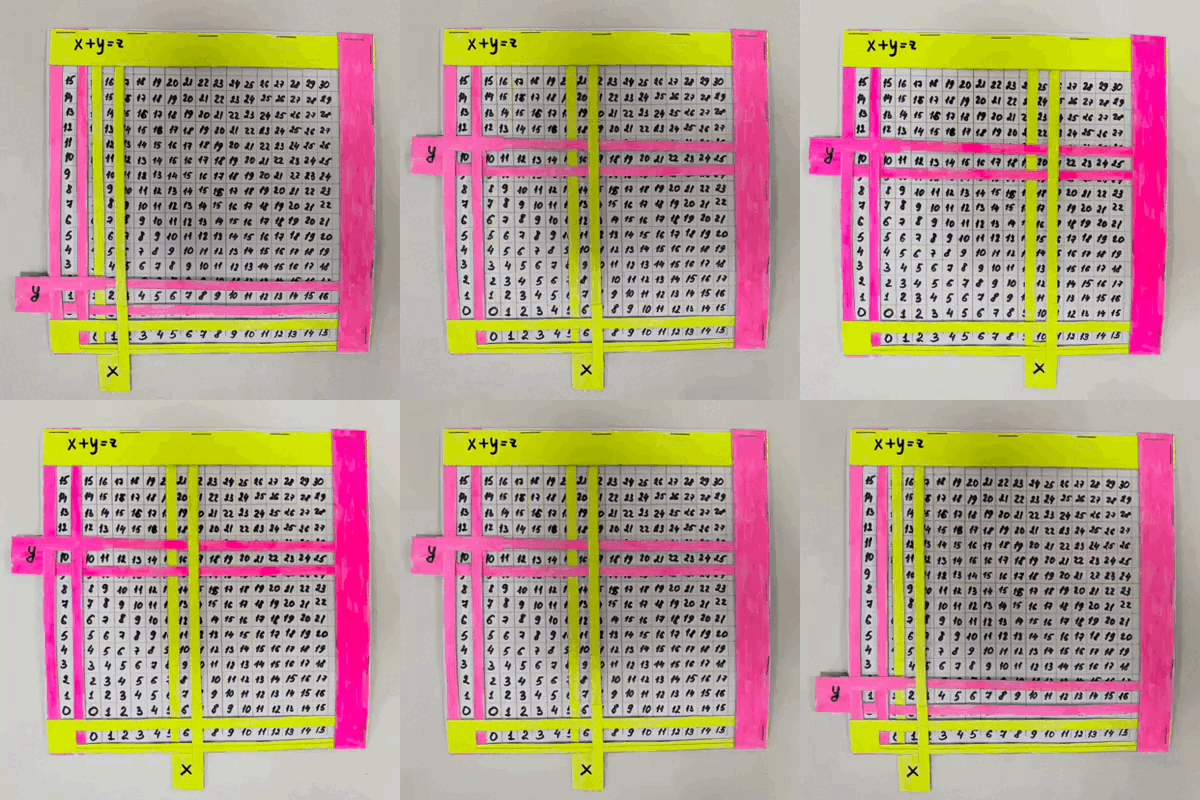
Pupils have made their own addition table (hint). In this way, by solving problems and practising the answers in this table the pupils will easily grasp the topic concerning numerical and alphabetic expression and develop their skills in solving equations.
On this project, each student is awarded a STEAM title, in two categories:
– You have independently, studied numerical and alphabetic expressions and solved problems yourself, you are a real mathematical scientist!
– You have independently, made and compiled an addition table. Congratulations, you are a creative young developer-analyst!
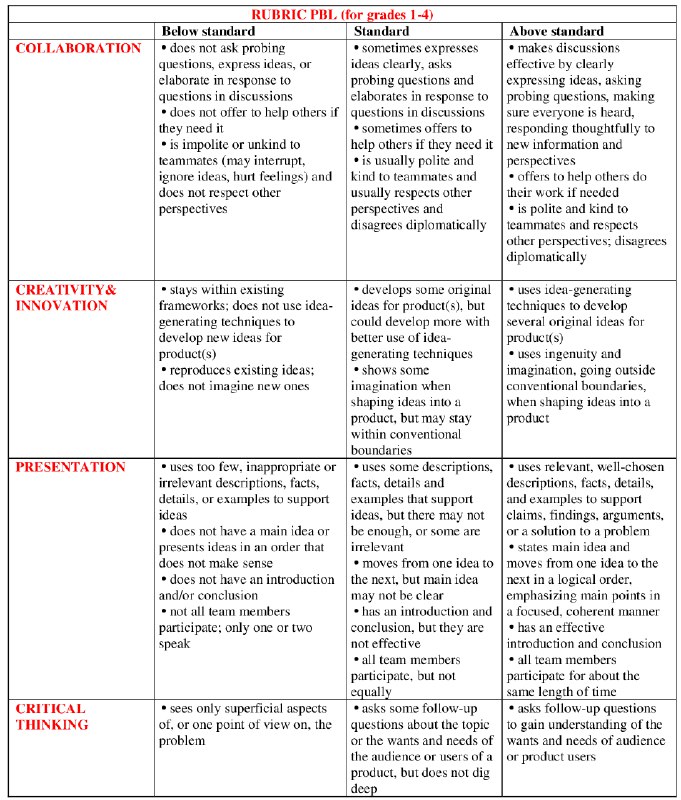
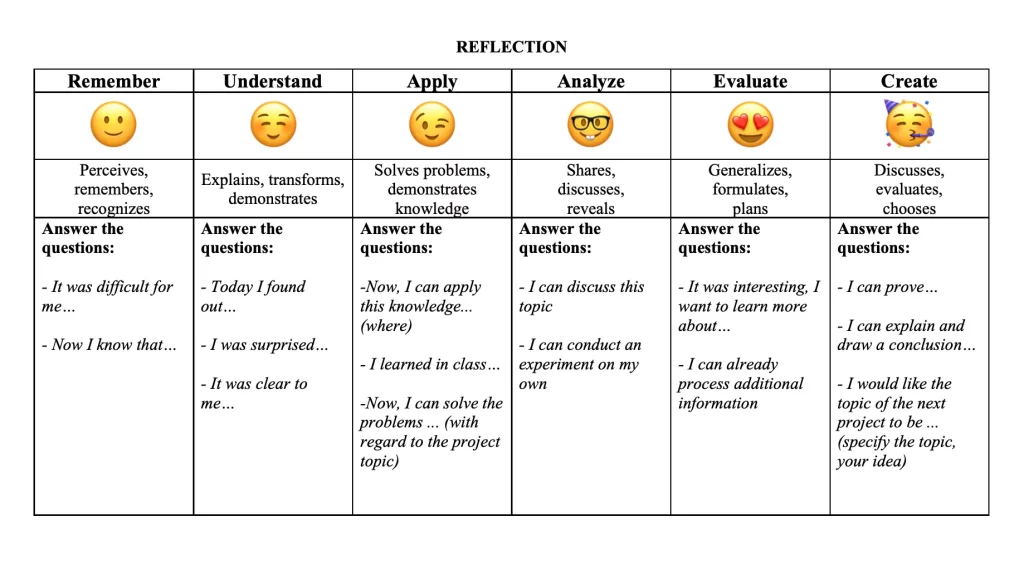
Evaluation