Lesson 2
Practical part
Monopoly
Monopoly is a multiplayer board game with an economic theme. In the game, players roll two dice to move across the playing field, buying and exchanging real estate and building houses and hotels. Players charge rent to their opponents in an effort to drive them into bankruptcy. Money can also be gained or lost with Chance cards, Public Chest cards, and tax squares. Players receive an allowance each time they pass the Go, and may end up in jail, from which they cannot get out until they fulfill one of three conditions. There are rules for the game, hundreds of different editions, many spin-offs, and related media. Monopoly has become part of international popular culture: it has been licensed in more than 103 countries and printed in more than 37 languages. As of 2015, an estimated 275 million copies of the game had been sold worldwide.
Monopoly came from The Landlord’s Game, created by Lizzie Magee in the United States in 1903 as a way to demonstrate that an economy that rewards individuals is better than one in which monopolies own all the wealth, and to promote Henry George’s economic theories-particularly his ideas about taxation. The Landlord’s Game originally had two sets of rules, one with taxes and one on which the current rules are largely based. When Parker Brothers first published Monopoly in 1935, the game did not include the less capitalist taxation rule, resulting in a more aggressive game. In 1991 Parker Brothers was taken over by Hasbro. The game is named after the economic concept of monopoly, the market dominance of one entity.
Resources used:
https://en.wikipedia.org/wiki/Monopoly_(game)
https://www.originalam.net/monopoly.html?utm_source=youtube&utm_medium=social&utm_campaign=smm_monopoly&roistat=smm_youtube_youtube.on_monopoly
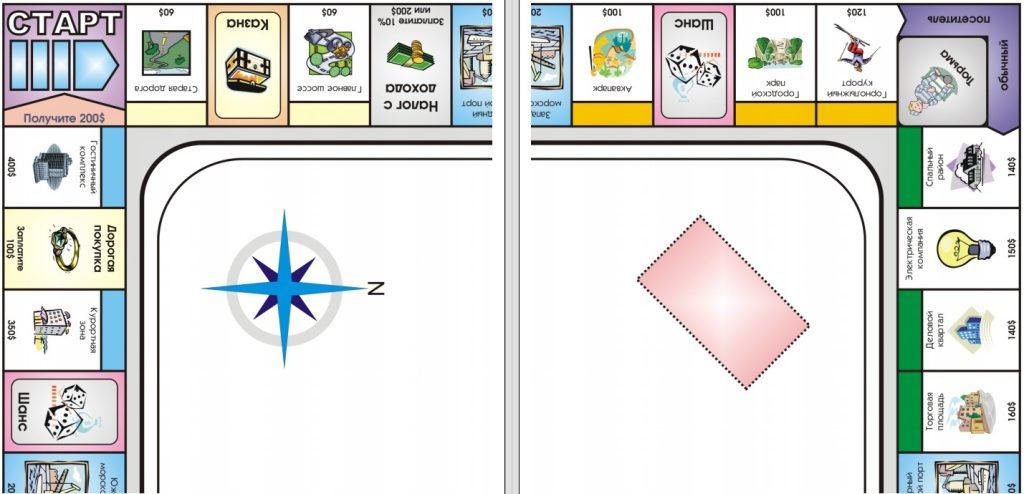
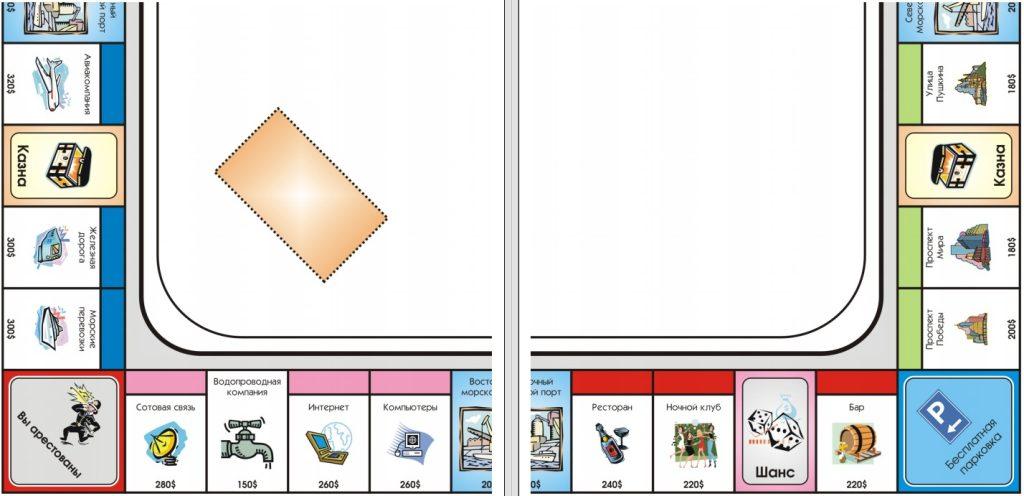
Step 1. Print out ready-made templates or draw on a piece of absorbent cotton (you can connect four A4 paper) – the playing field. The link
Step 2: Print out the ready-made cards and money for Monopoly. Link
Step 3: Familiarize yourself in advance with the rules of the game. Link
Step 4: Divide into groups of four or five.
In the next one you will play Monopoly. Have all the necessary materials ready before the next lesson.
Do an analysis of expenses and income
- You can also use a Google Spreadsheet to create an Analysis of your data, either as a chart or as a graph.
- To do this, select the sheet “Analysis”, then in the table enter your data on expenditures and income for the month.
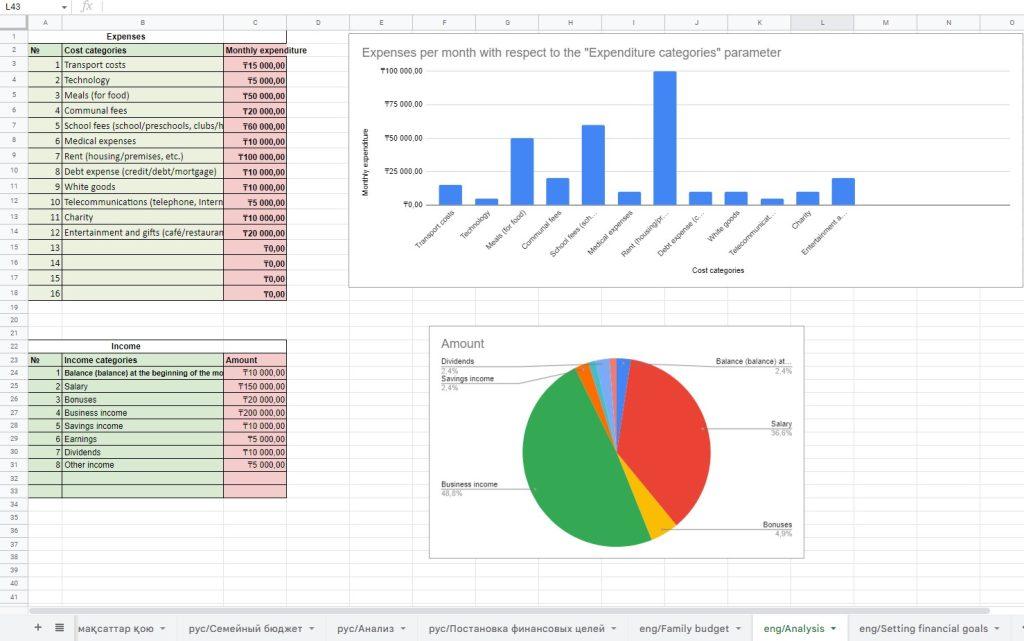
- Or you can draw the data on A4 paper on X,Y coordinates or you can use other methods.
- For 3 weeks of the project, each student will present their analysis of family budget data.