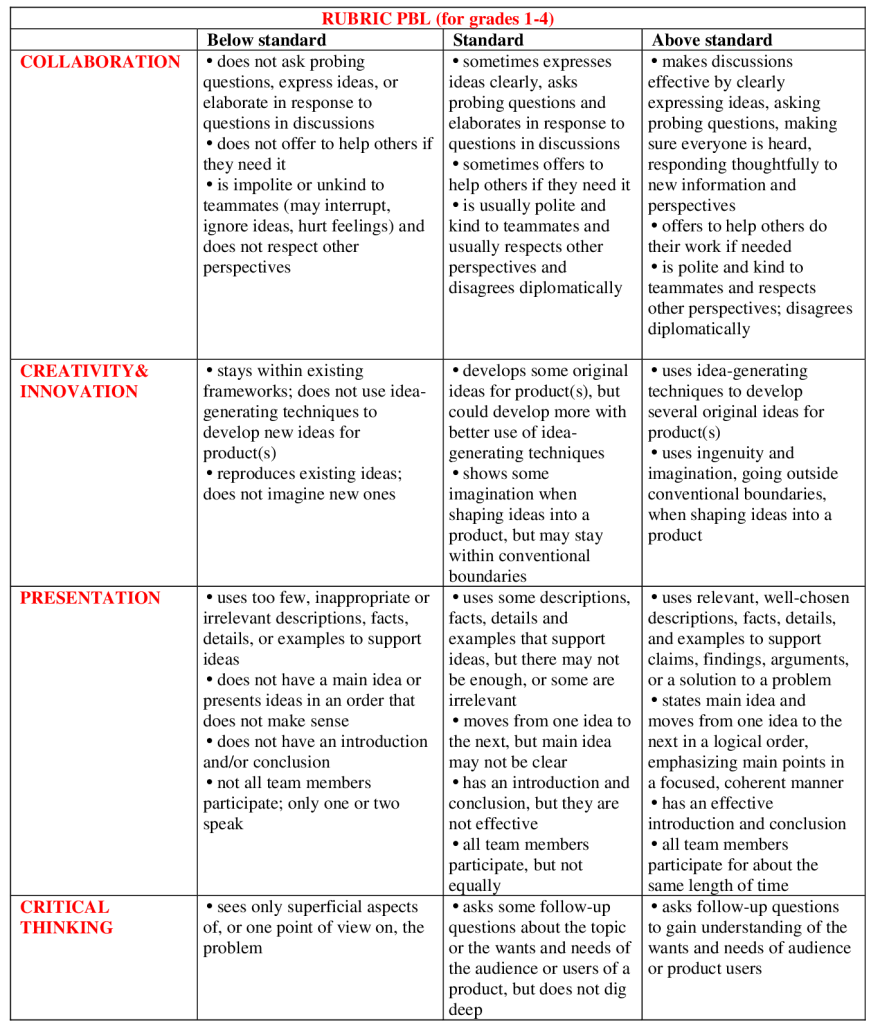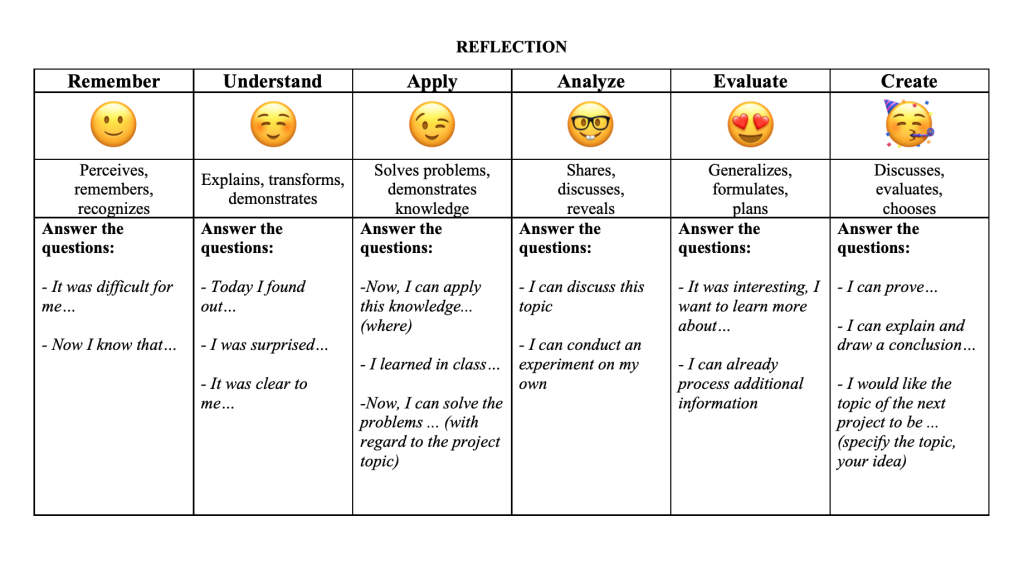
Lesson 2
At the beginning of the lesson ask some questions about the previous lesson (3-5 minutes):
1. What is a stethoscope?
2. Recall what you did in the last lesson.
3. How many beats per minute does the heart beat? The frequency of the pulse.
In the second week you will make a walkie-talkie (home telephone receiver) and also investigate the heartbeat of your classmates.
Practical part
Step 1: Familiarise yourself with all the necessary materials for the stethoscope
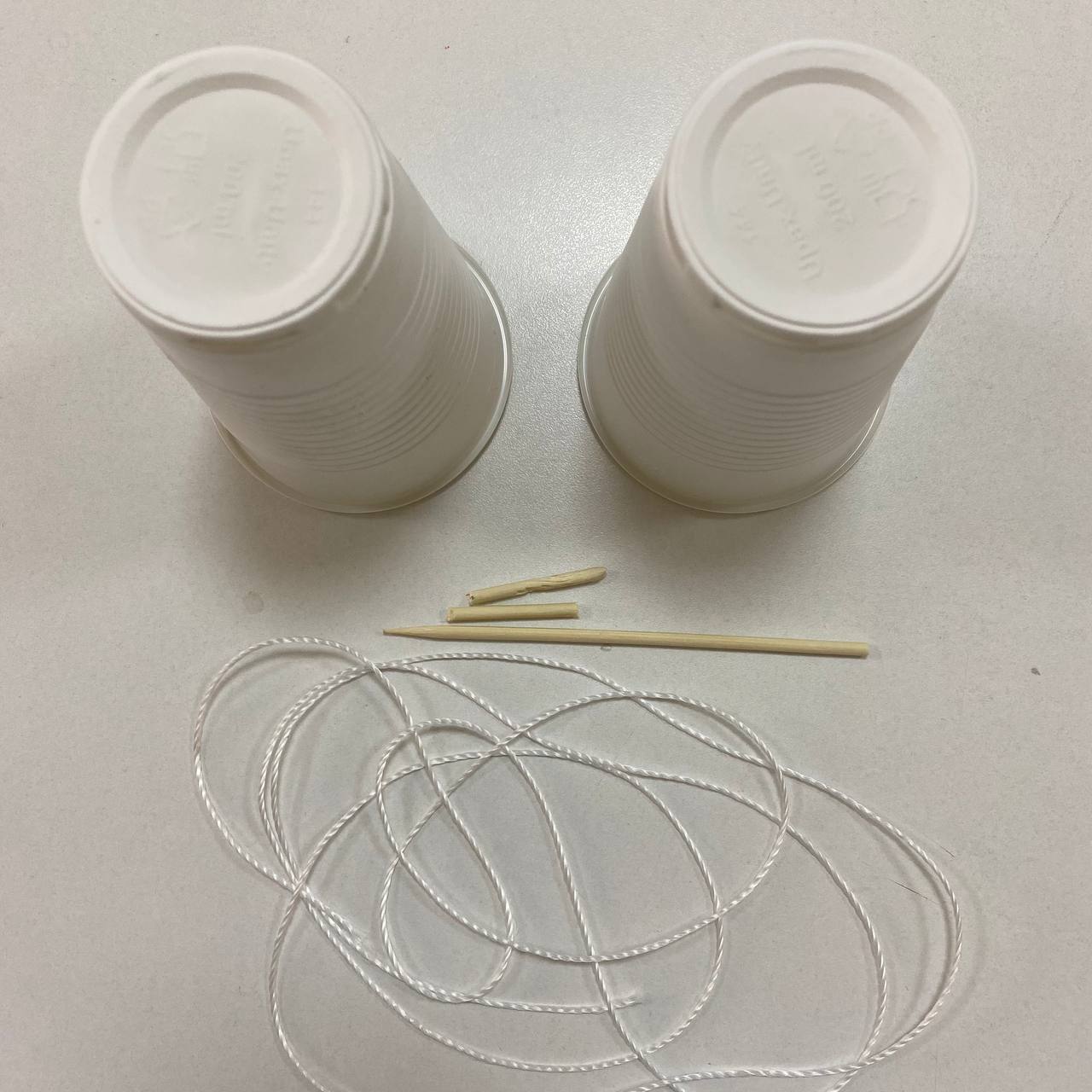
Step 2: Make a small hole in the bottom of the glass using the sharp tip of a skewer
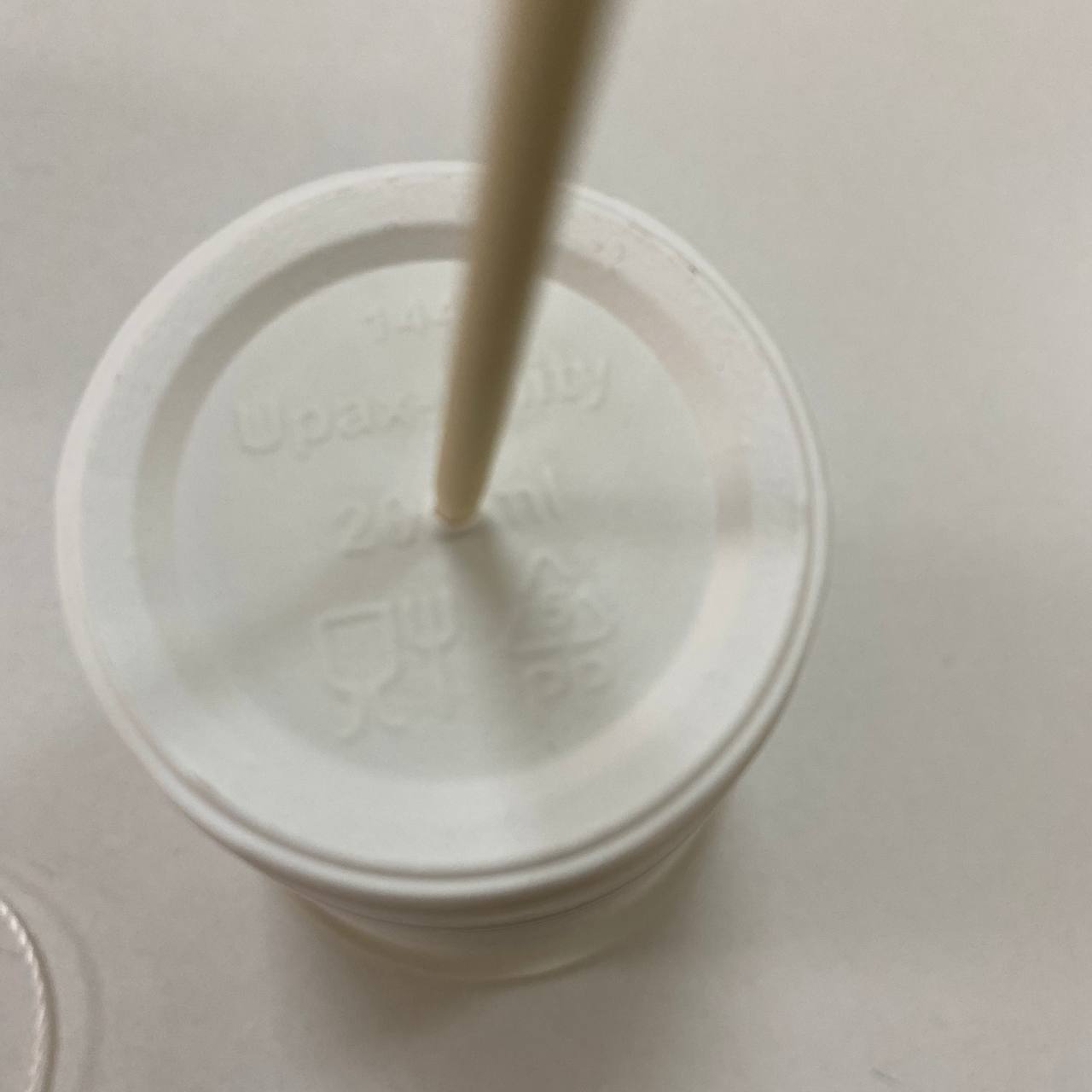
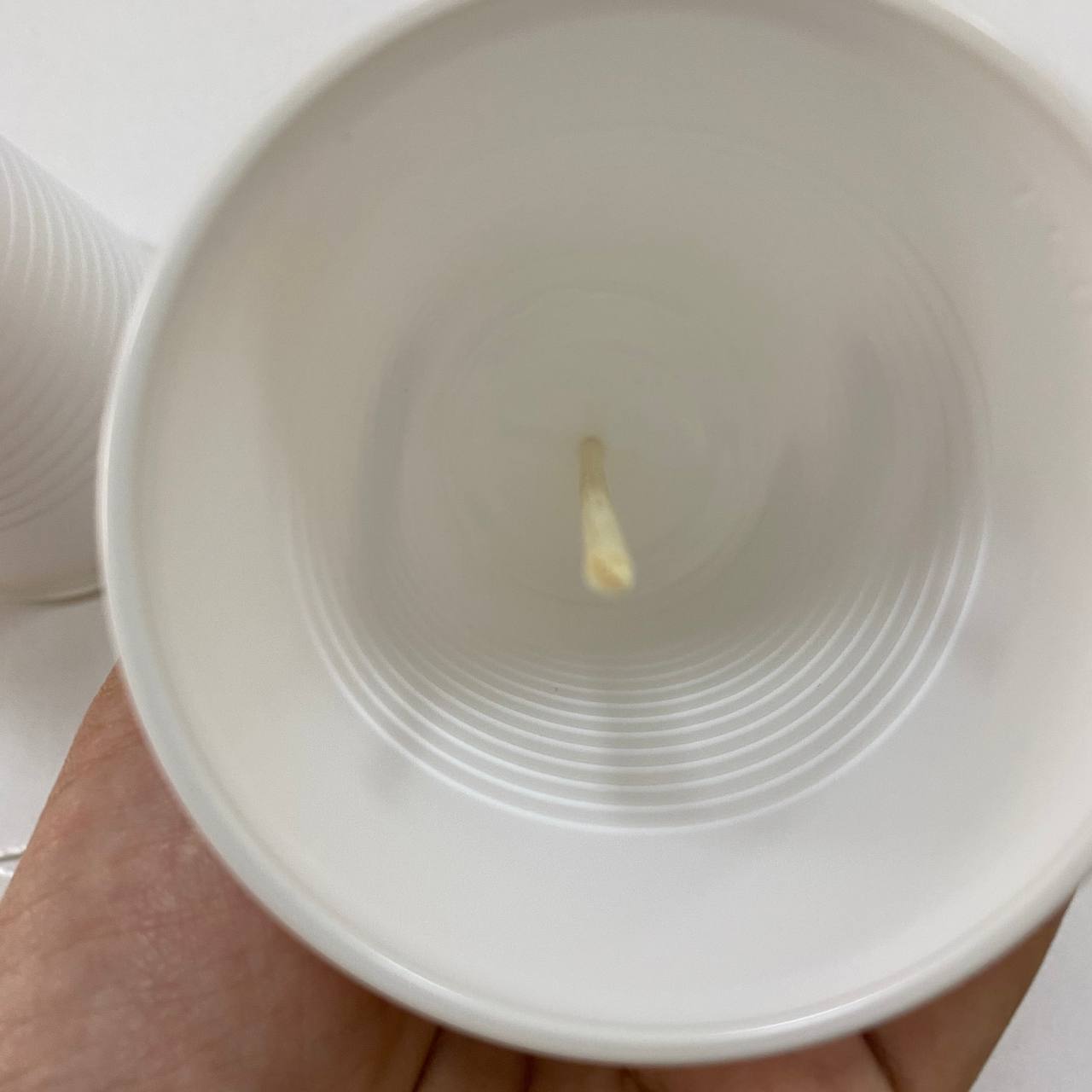
Step 3. Then run the thread
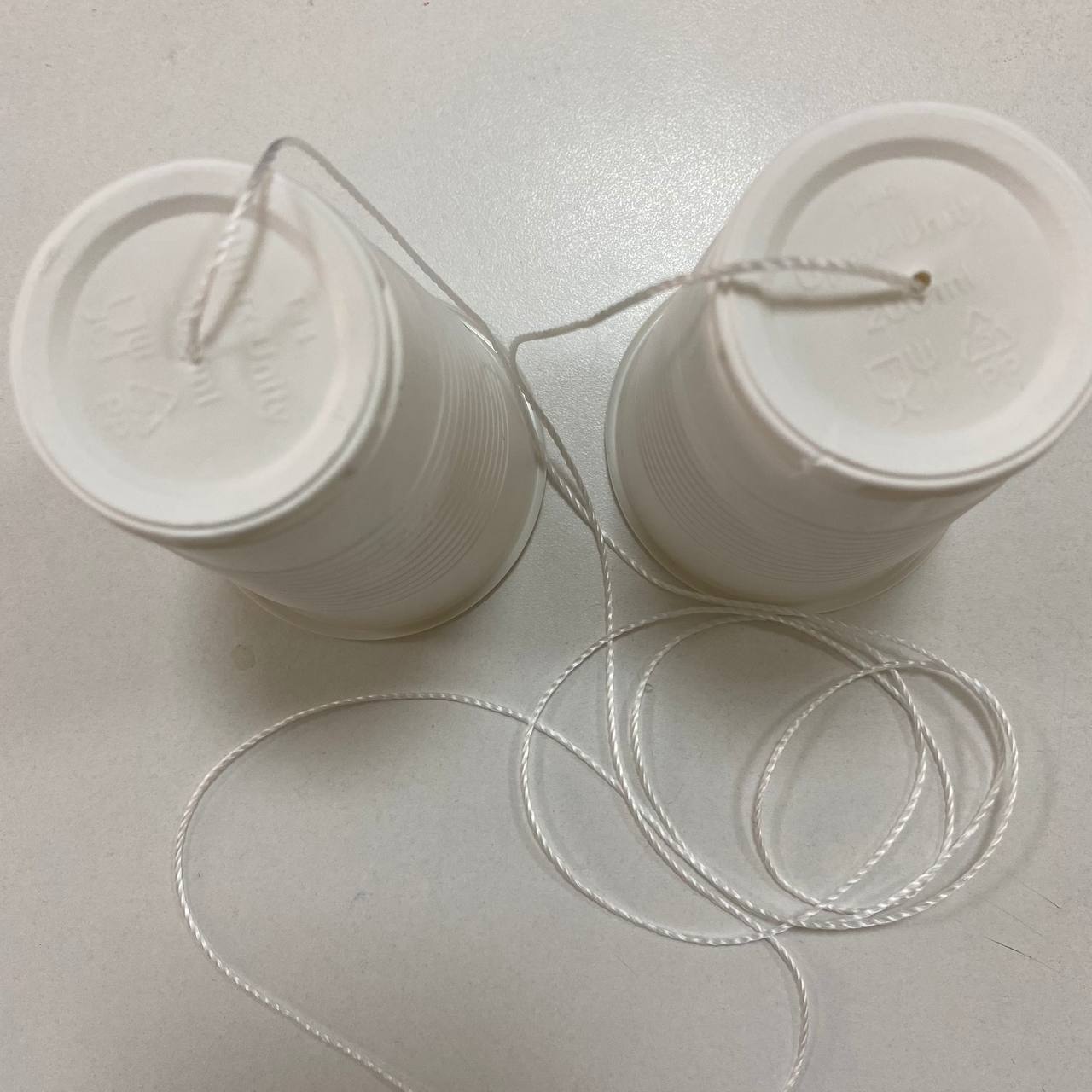
Step 4: Cut a small piece of skewer and tie the rope onto a stick
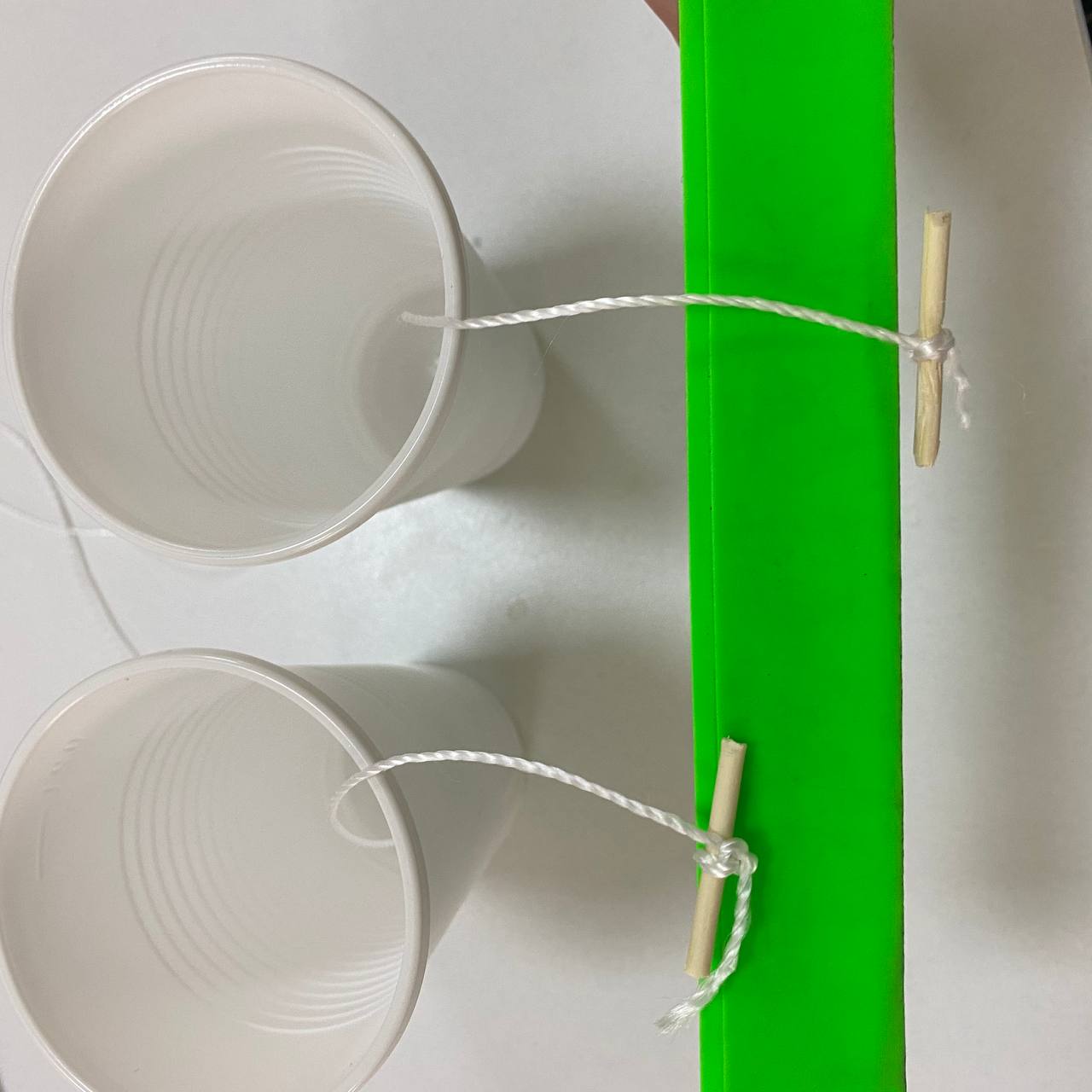
Congratulations, your walkie-talkie is ready!!!
When testing the radio, note that the rope must not touch anything other than the cup and must be stretched as far apart as possible.
Research part
1. Stethoscope. Each student uses the stethoscope to listen to their classmate’s heartbeat and count the pulse rate, that is, how many beats per minute they count. Observe silence to accurately count the number of beats.
2. Walkie-talkie. Work in pairs. Take a walkie-talkie. And straining one student whispers a word or phrase and the other, receiving the sound, has to determine what was said. Then they switch.
3 Discussion: How does your stethoscope work and what does it transmit sound through. How does the radio work?
Conclusion
The students have thus made a study of sound and made a medical device, a stethoscope, and a receiver of sound, a walkie-talkie.
On this project, each student is awarded a STEAM title, in two categories:
– You independently researched sound, namely sound waves, sound sources and sound receivers , you are a real research scientist!
– You, yourself, have made a stethoscope and a walkie-talkie. This in turn is a technological process. Congratulations, you are a young engineering technologist!
– You have also measured your classmate’s pulse rate yourself, you are a future cardiologist!