
Lesson 1
Project objective
– To study the dependence of sound volume on the distance between the sound source and the receiver
– make a real stethoscope, listen to the heartbeat, conduct research
– make a walkie-talkie (receiver, telephone)
Teacher’s guide
– For the practical part of the project, pupils work in groups of 4-5.
– The students should be introduced to topics like sound, sound waves, sound sources and sound receivers.
– Before starting the practical part, familiarise and provide the students with all the necessary materials.
– At the beginning of the lesson explain the PBL (project based learning) rubrics to the students. 4K skills (critical thinking, collaboration, creativity, prenthesis).
Safety in Steam lessons
Before the start of the lesson, the teacher is advised to read the safety procedures. If necessary (in the case of items specified in the PPE), brief the students. Visit Safety on Steam lessons
Theoretical Part
Dear students, please watch the video and answer the questions below:
– What is sound?
– How is sound transmitted?
– Do you know what a stethoscope is? How does it work?
– Do you think sound is transmitted in space? (why)
Sounds are waves, only airborne, our eyes can’t see them but our ears can hear them.
While the strength of a sound is its physical property, the volume of a sound refers to the intensity of an auditory sensation. Like all perceptions, it is a reflection of the exterior, in this case the objective strength of the sound, but increases with increasing sound power and conversely decreases with decreasing sound power. However, there are some important features to be considered here that characterize the relationship between the strength and the volume of sounds. First, like any other sensation, loudness rises and falls much more slowly than intensity, i.e. in this case, more slowly than the intensity of the sound.
Acceptable noise levels
According to health regulations, the permissible noise level, which is not harmful to hearing, even after prolonged exposure to hearing aids, is 55 decibels (dB) during the day and 40 decibels (dB) at night. These values are normal for our ears, but unfortunately they are frequently violated, especially within large cities.
Decibel (dB) noise level
It is true that the normal noise level is often significantly exceeded. Here are examples of just some of the sounds we encounter in our lives and how many decibels (dB) these sounds actually contain:
| noise | Decibel (dB) | |
| The noise of the forest |  | 10-24 |
| Cooking on the cooker |  | 40 |
| Conversation |  | 45-60 |
| Baby crying |  | 80 |
| Noise from a variety of office equipment, hoover | 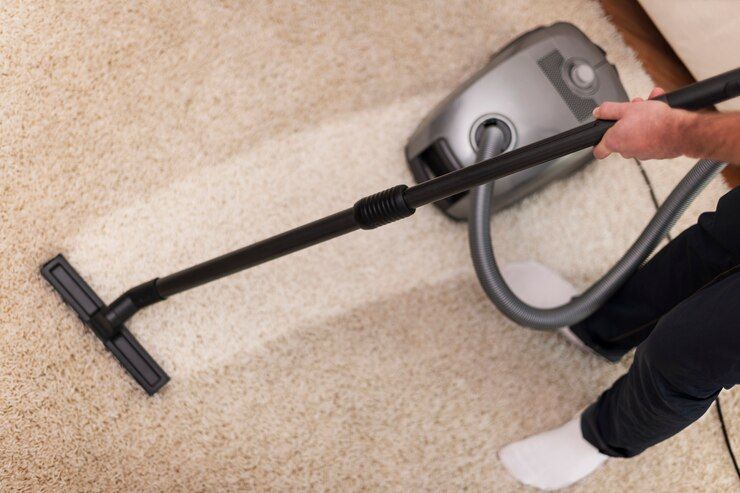 | 80 |
| Noise from heavy street traffic |  | 80 |
| The noise of a motorbike, a train |  | 90 |
| Noise from repair work |  | 100 |
| The sound of dance music in a nightclub |  | 110 |
| Car horn |  | 120 |
| The noise of an overflying aircraft |  | 140 |
| The most dangerous noise level for humans, the sound of an explosion |  | 200 |
Sources:
1. https://infourok.ru
2. https://ru.wikipedia.org/wiki/%D0%A1%D1%82%D0%B5%D1%82%D0%BE%D1%81%D0%BA%D0%BE%D0%BF
3. https://ru.wikihow.com
A stethoscope is a medical diagnostic device for listening to sounds coming from the heart, blood vessels, lungs, bronchi, intestines and other organs.
You can use a stethoscope to listen to the heartbeat. The stethoscope is commonly used by doctors and nurses and can be used for some popular science experiments. Children also like using it to play doctor.
Whether you need the stethoscope for play or science, it can easily be made from household materials.
Practical part
This week the students will make a real stethoscope
Step 1: Familiarise yourself with all the necessary materials for the stethoscope
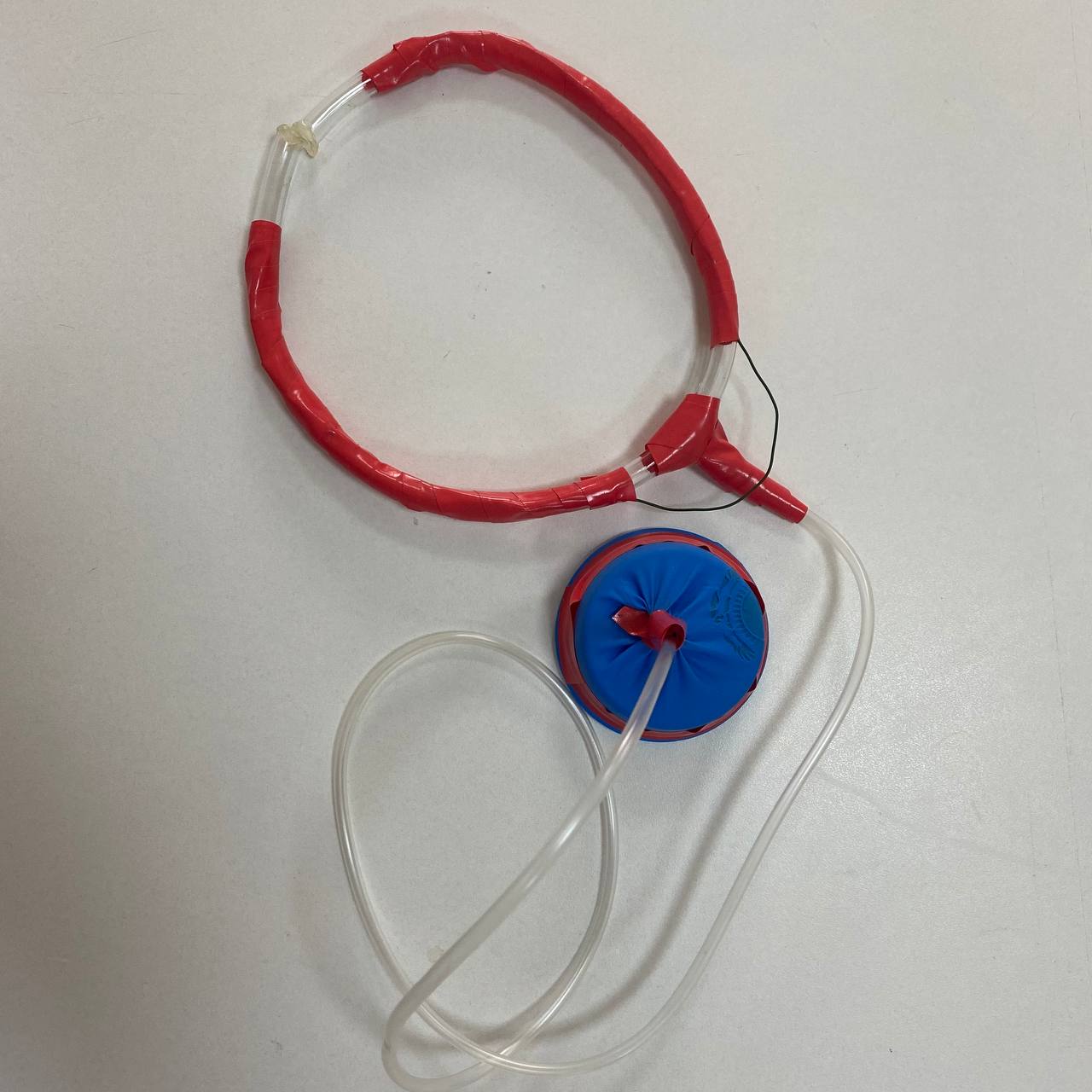
– silicone tube- infusion system- funnel or saucepan- ball- duct tape- metallic wire- slice of plasticine
Step 2 Take the silicone hose and bend it in the middle and make a small cut (circular hole) 3-5 mm in diameter, max.
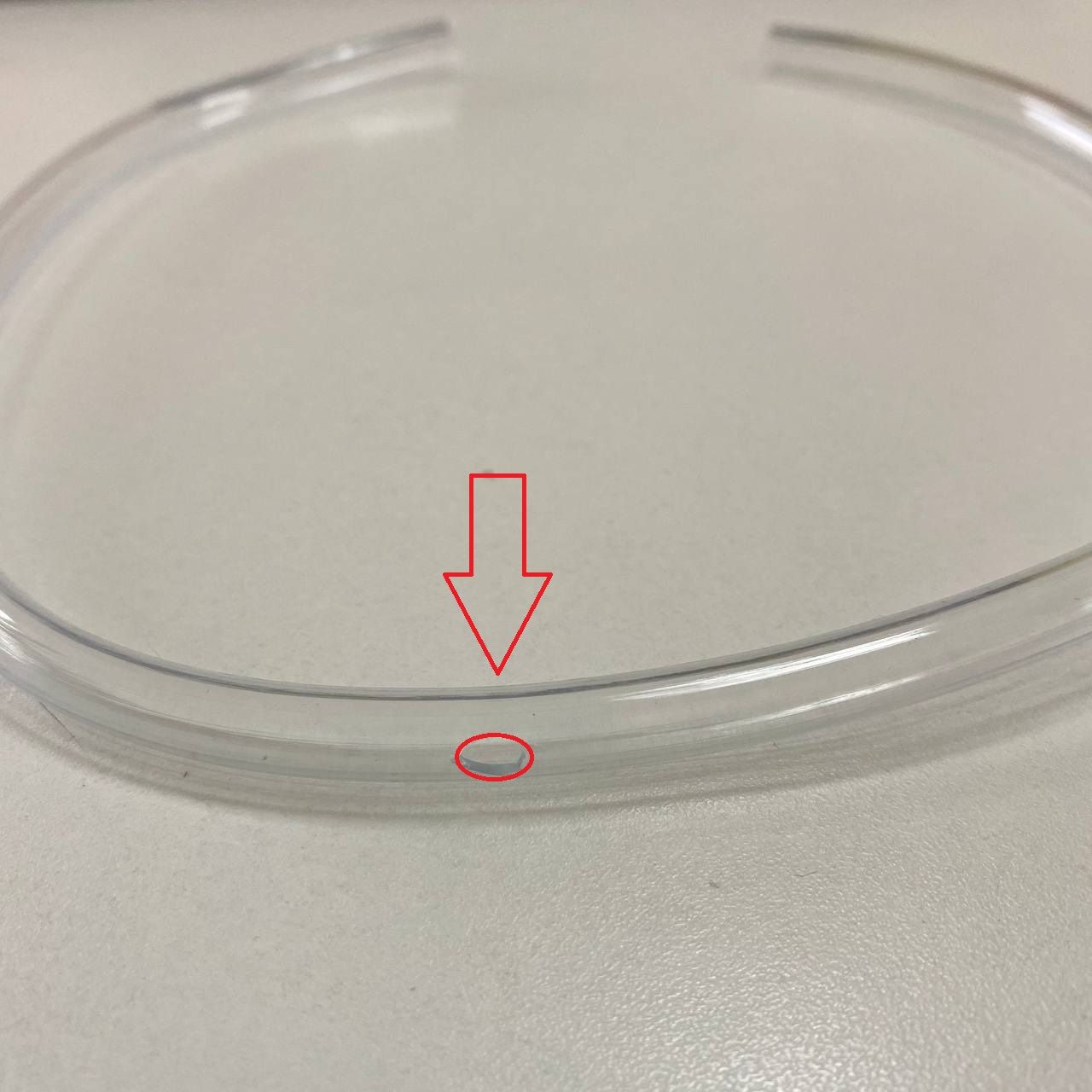
Step 3: Then insert another small hose into this hole. – Push the hose down only 2-3mm, not all the way, you need to leave some space. – Then secure the whole thing with a slice of plasticine, so that it doesn’t move
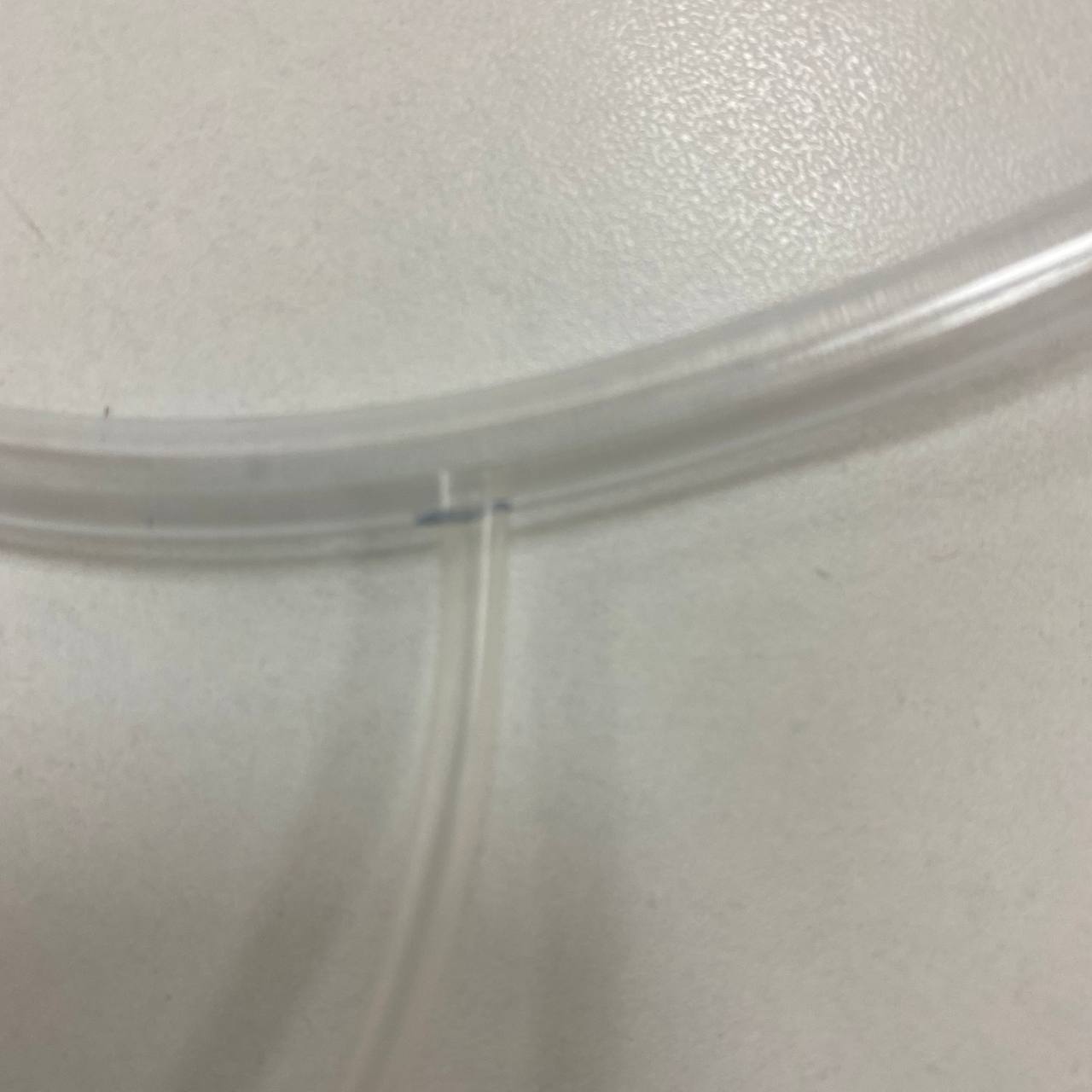
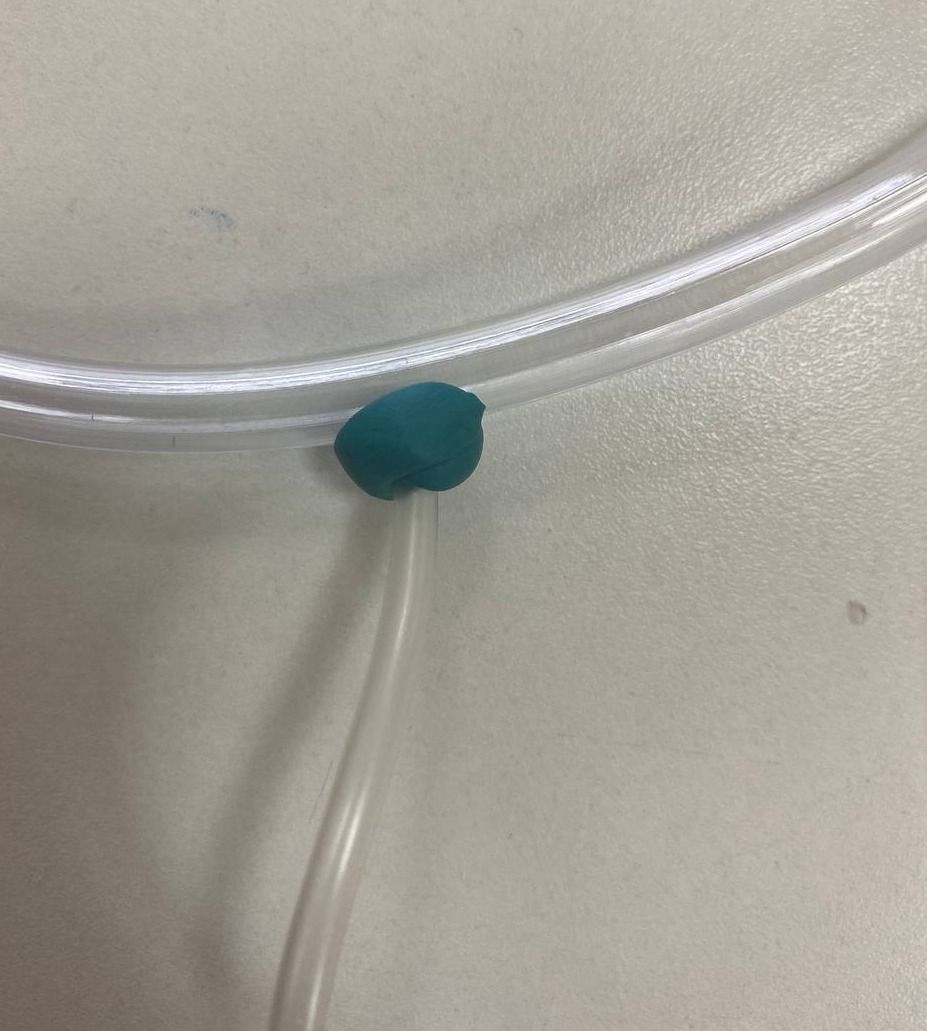
Step 4: Take the metal wire. Bend it. Then wrap the duct tape together with the silicone hose symmetrically on both sides.Connect the wire to the hose tube so that the ends of the hose protrude approx. 1.5 centimetres beyond the wire. These edges will be inserted into your ears
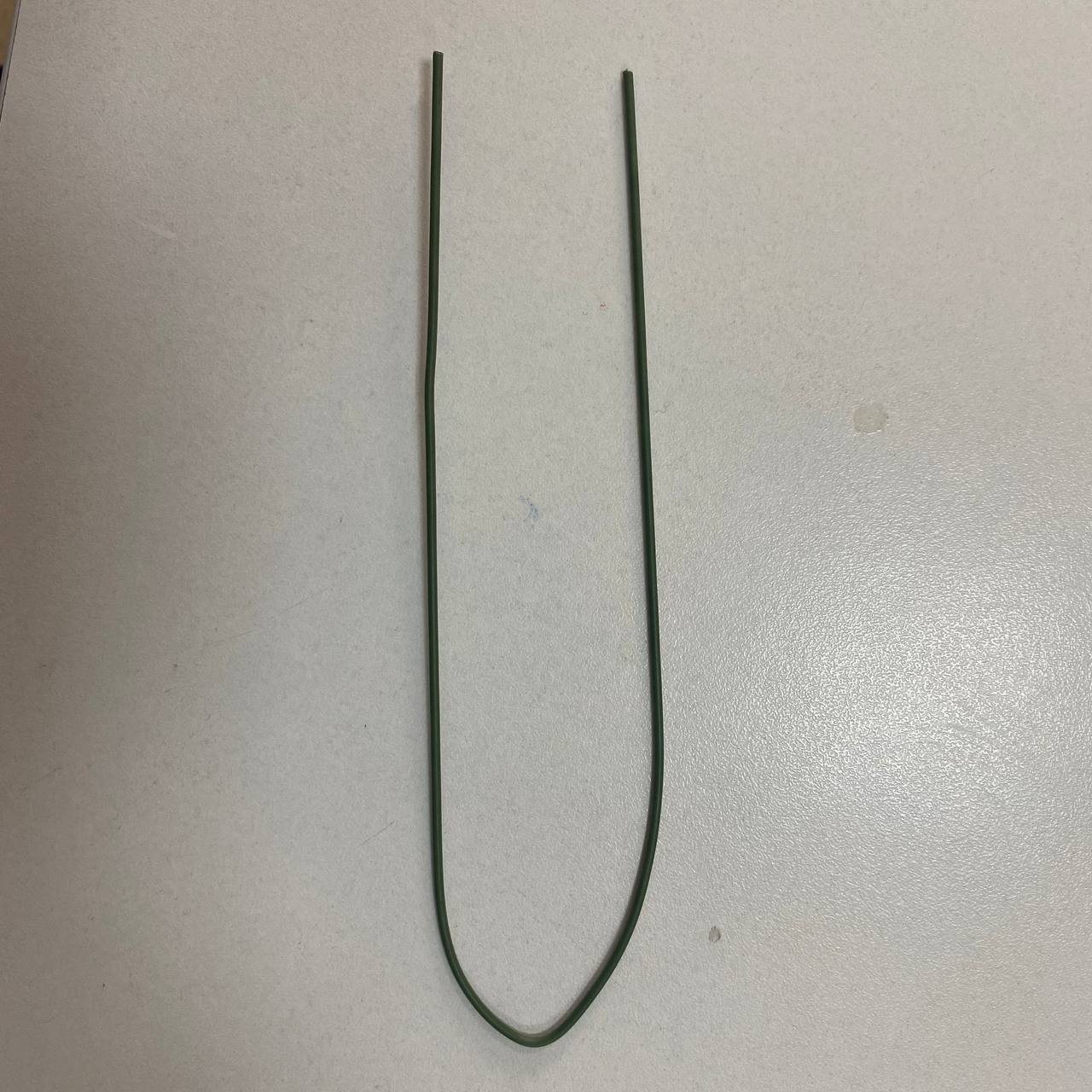
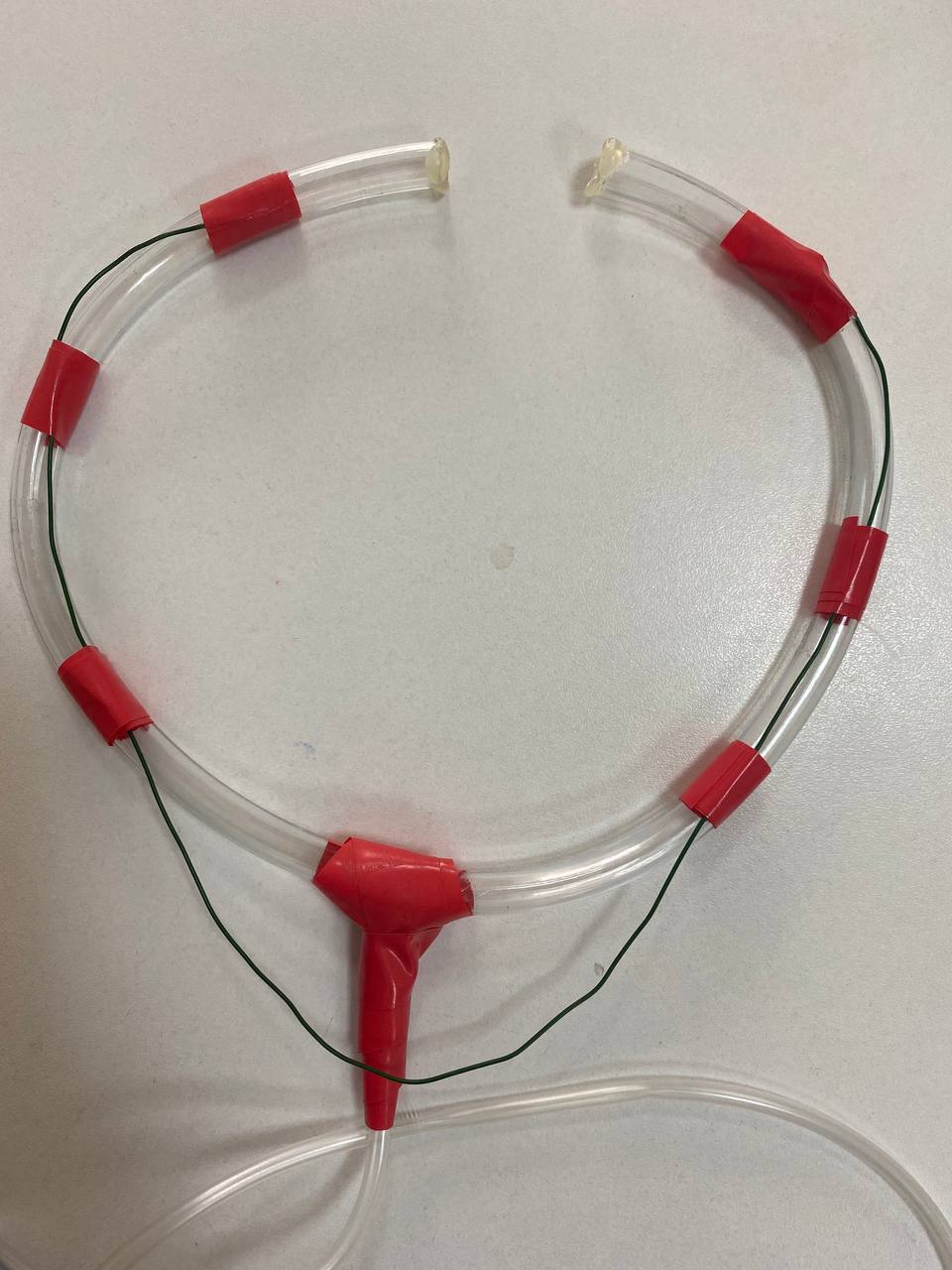
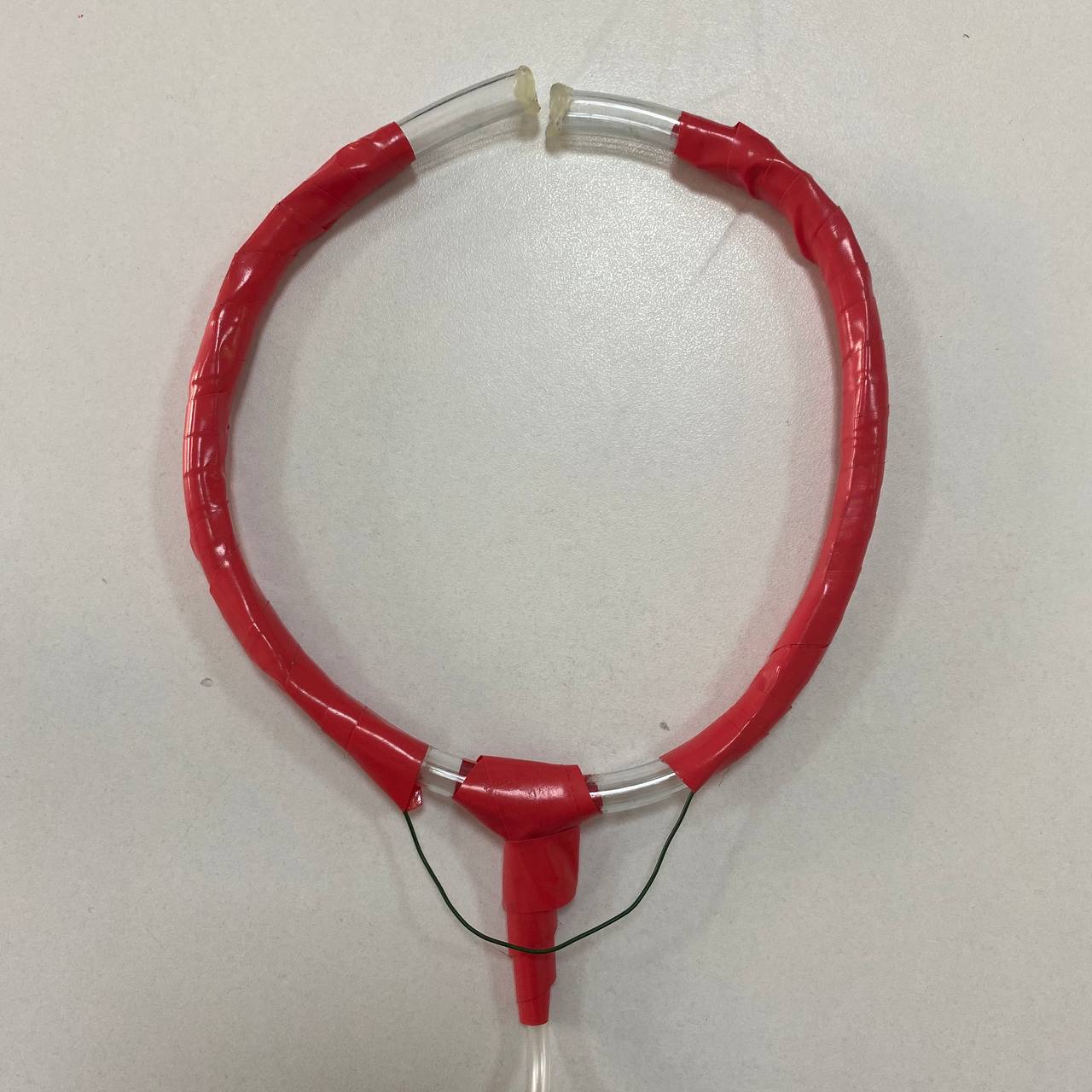
Step 5: Wrap more insulation tape around the tube to hide the wire.Apply some hot glue to the ends of the tube (where it is inserted in the ears) (OUTSIDE only), but make sure that the holes remain open.
Step 6.Separate the lid from the plastic container (saucepan)-you can cut it off with scissors. The lid is not needed.Make a hole in the middle of the plastic container using a skewer, about 3mm in diameter, corresponding to the size of a small hose
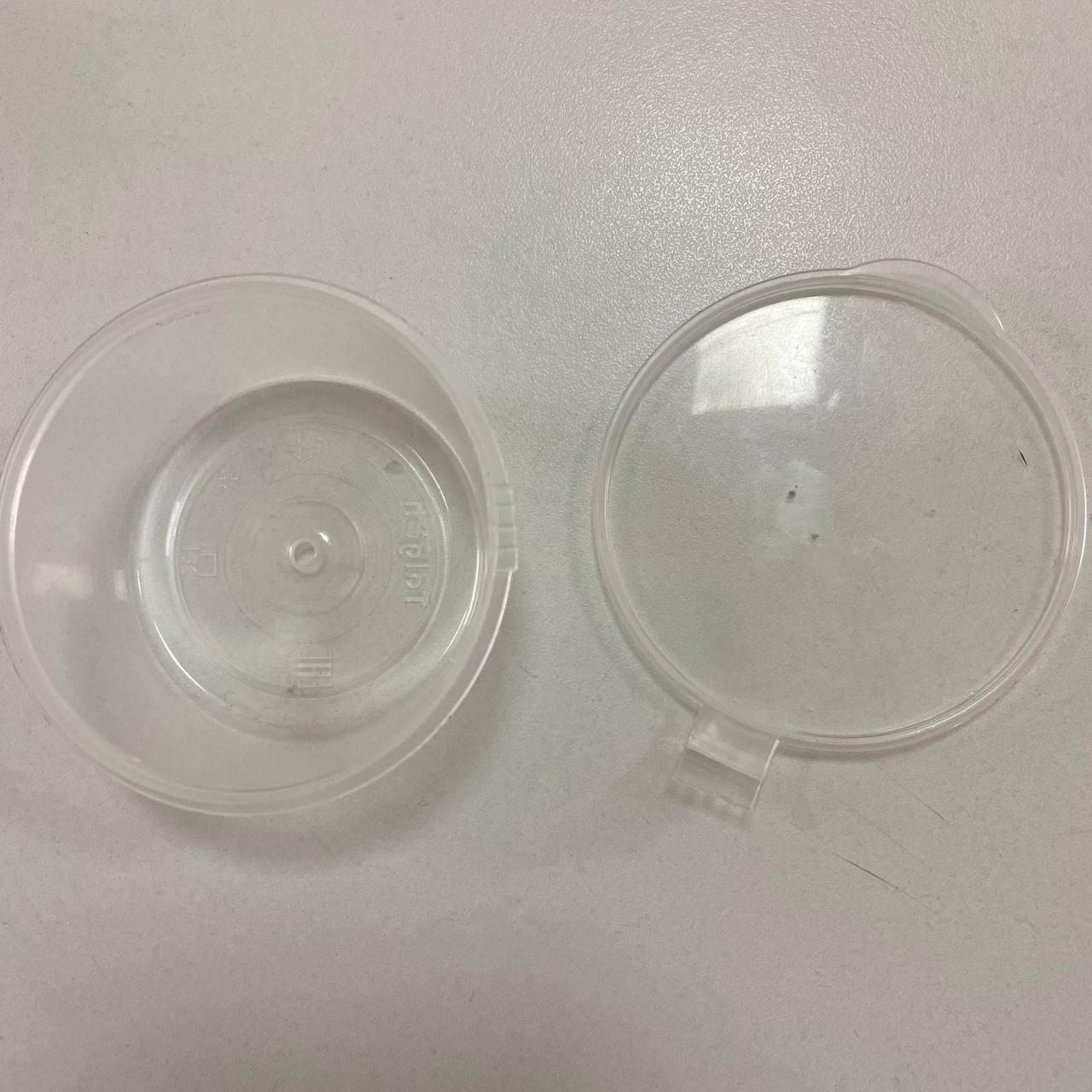
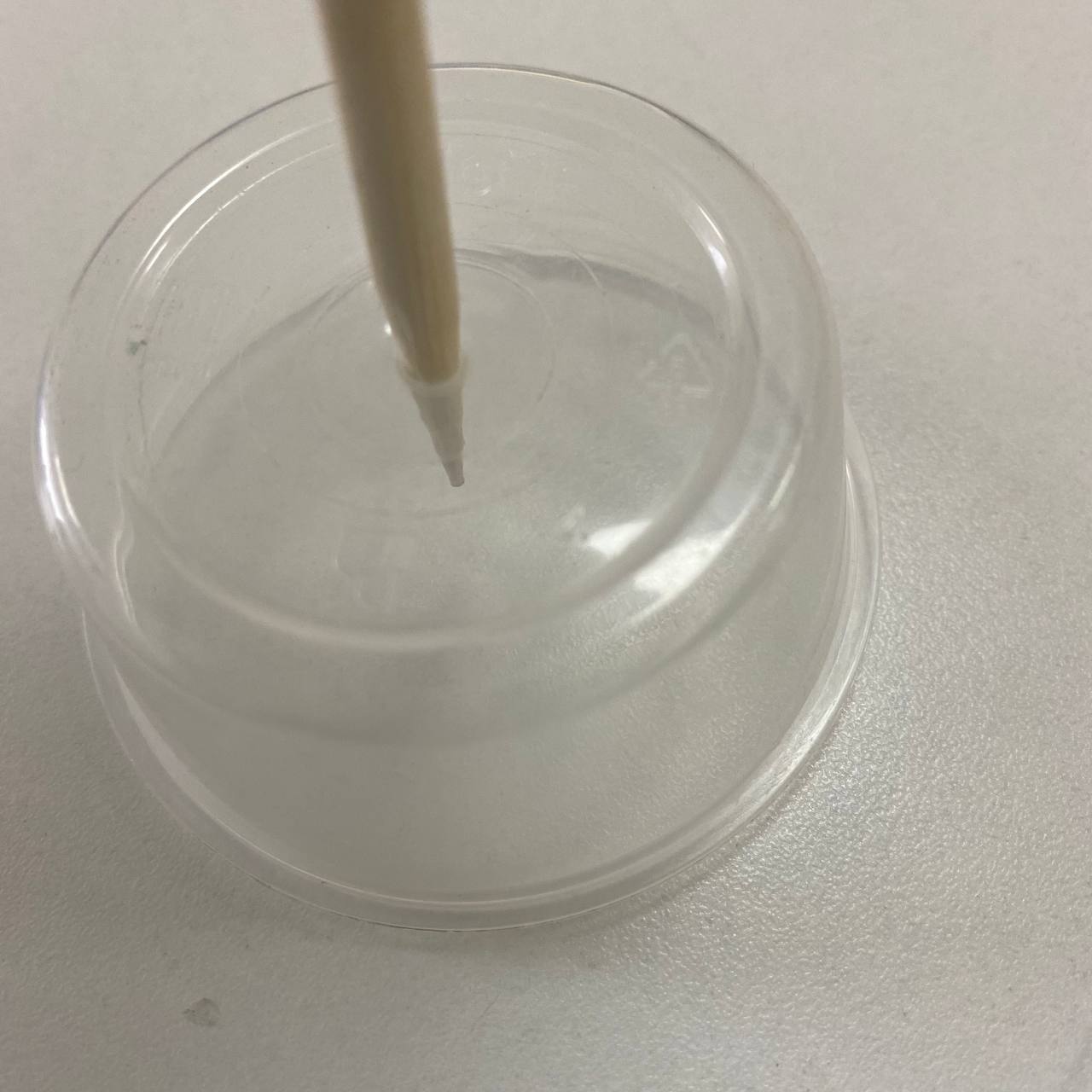
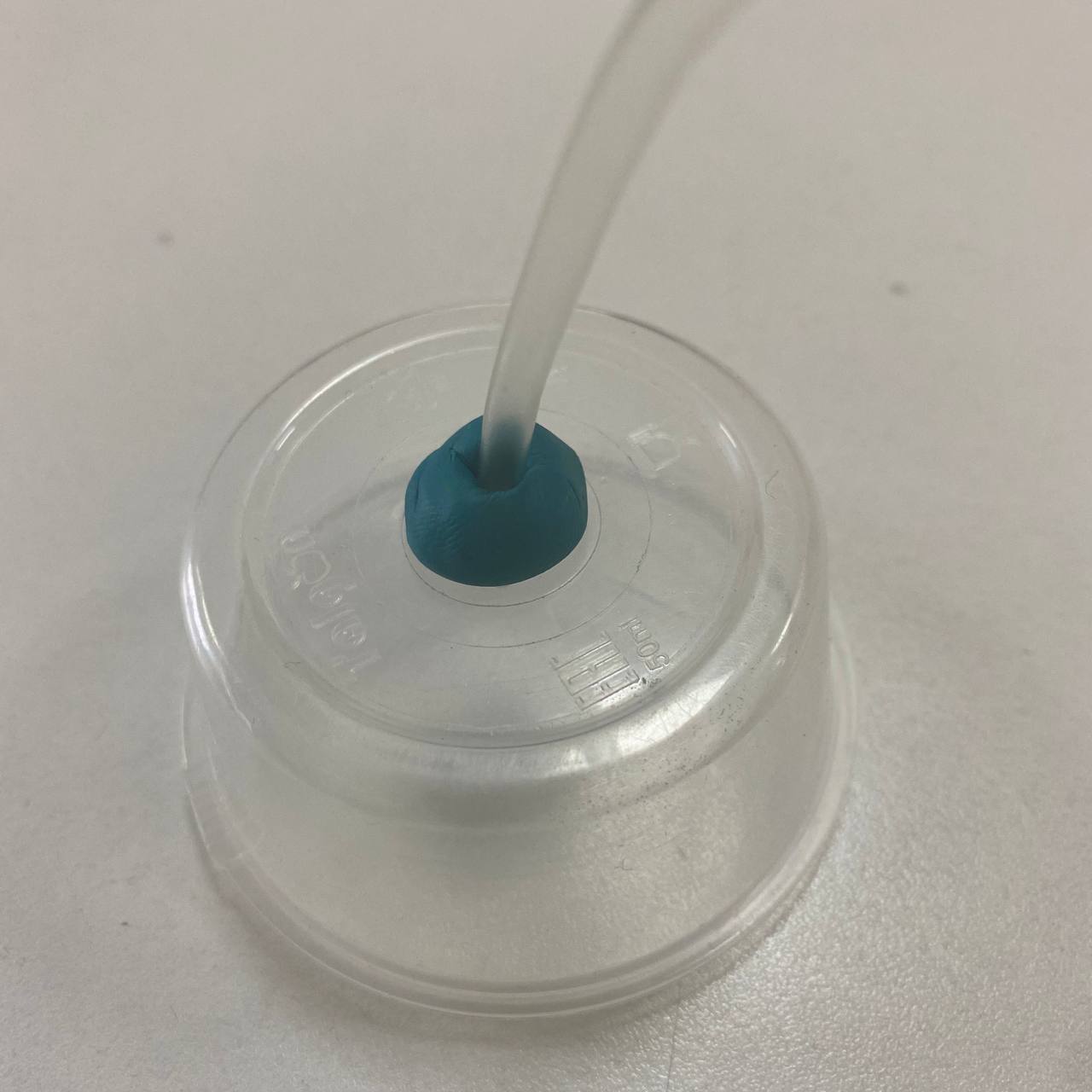
Step 7. Then run the hose, 0.5 mm deep, and secure the outside with a slice of plasticine.
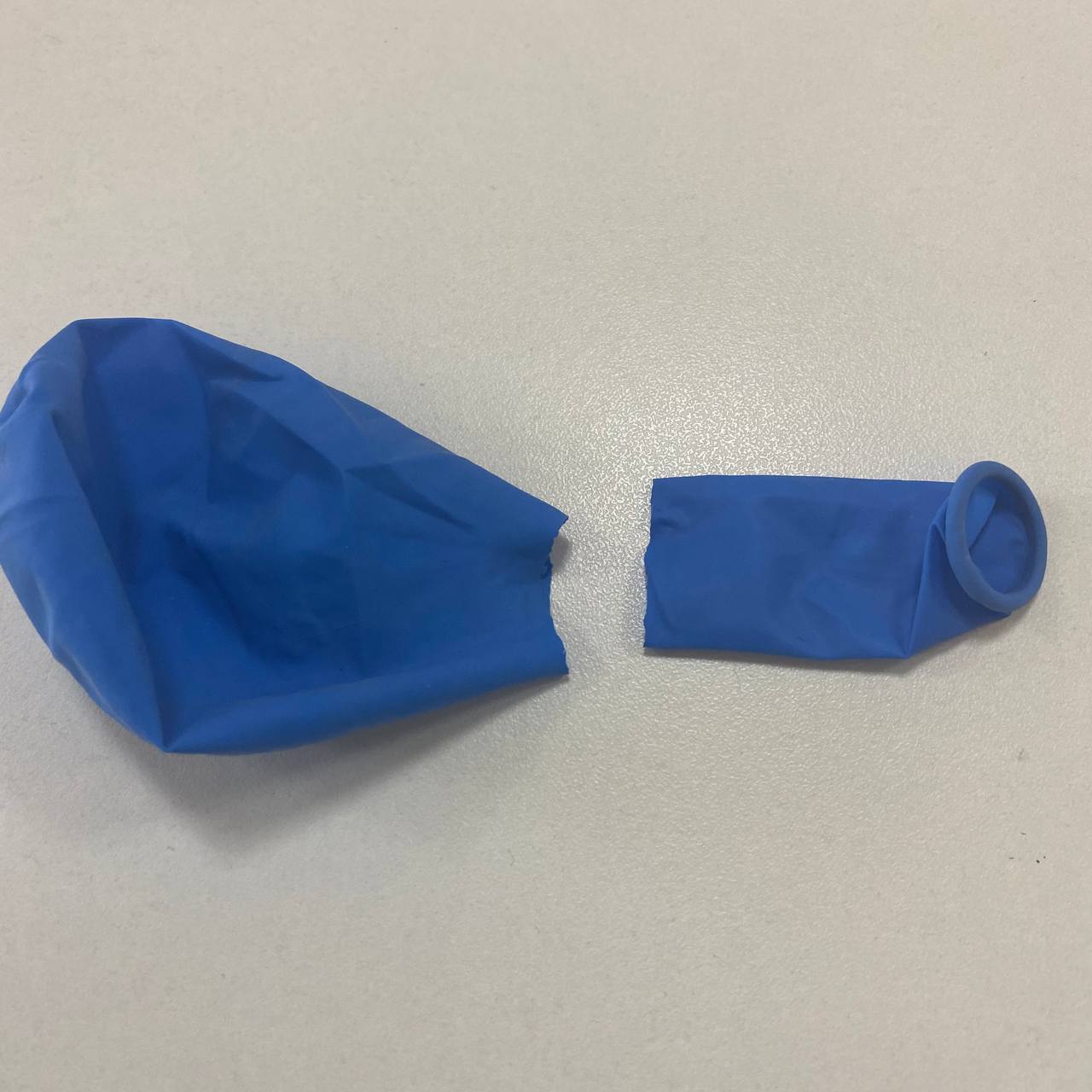
Step 8: Cut off the tail of the balloon and pull the balloon as far as possible onto the cover.Then secure the balloon with rubber, duct tape .
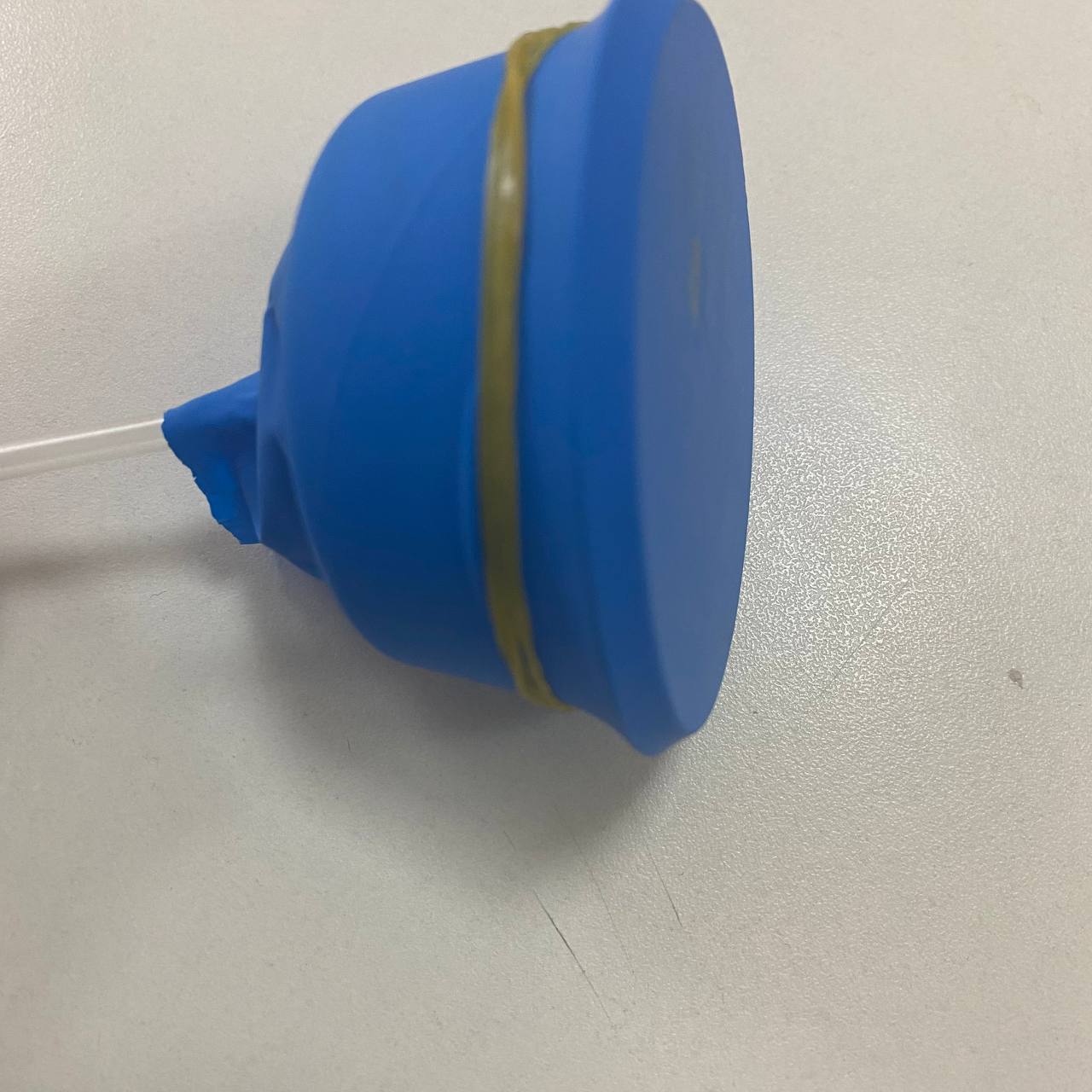
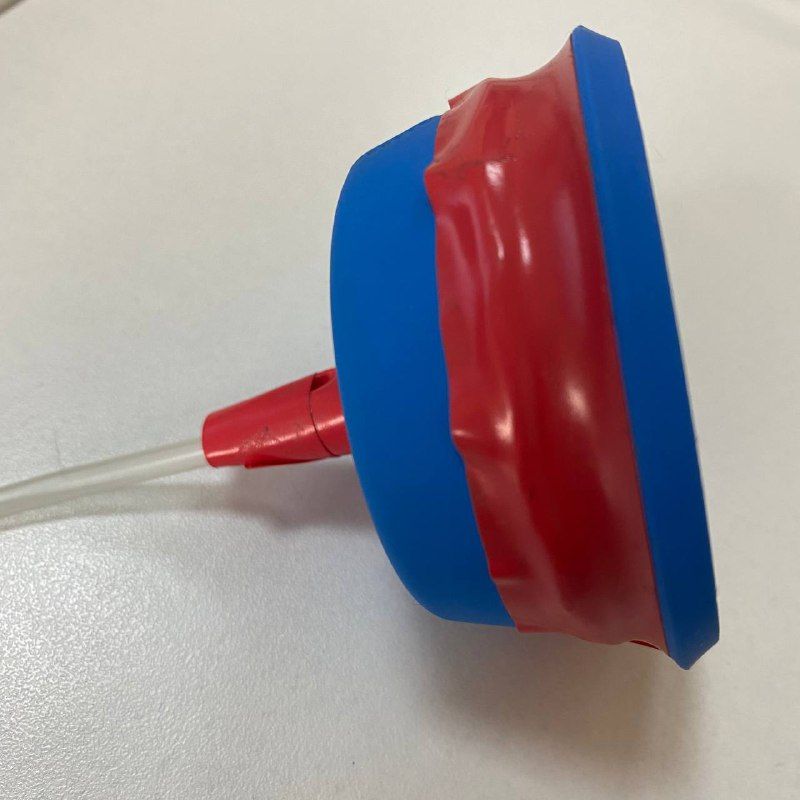
Congratulations, your stethoscope is ready!!!
Work at home
1. Think about what other sound transmission devices could be made.
2. Before the next lesson, find out how many beats per minute the heart beats. And what other organs are listened to through the stethoscope.