
1 week
Project Goals
– Distinguish between wild and domestic birds;
– Make a feeder for wild birds.
Teacher’s Guide
– Divide students into groups;
– Make a brief overview of the theoretical part and proceed to the practical.
Safety in Steam Lessons
Before starting a lesson, the teacher is advised to familiarize himself with the safety precautions. If necessary (in the case of using the items specified in the TB), conduct a brief briefing for students. Follow this link Safety in Steam Lessons
Theoretical part
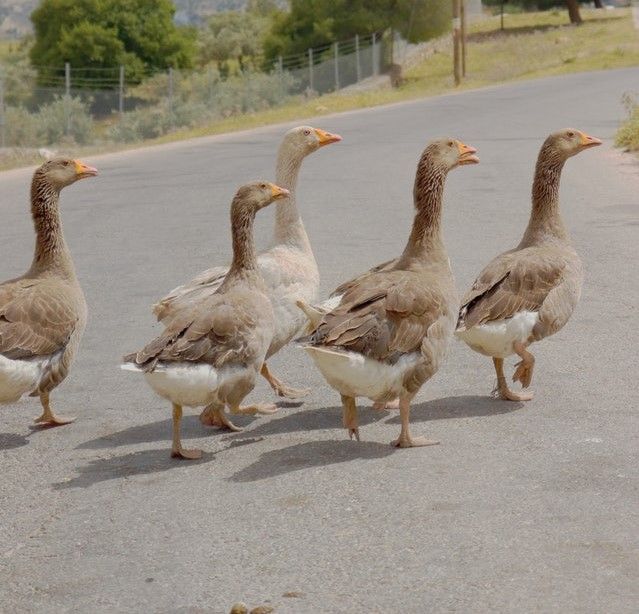
All birds used to be wild, but people gradually domesticated some species of birds because of their benefits to humans. Domestic birds live near people. A person takes care of them, prepares dwellings, provides food, and looks after the chicks. For this people get eggs, meat, and feathers. Domestic birds include turkey, chicken, rooster, goose, and domestic duck.
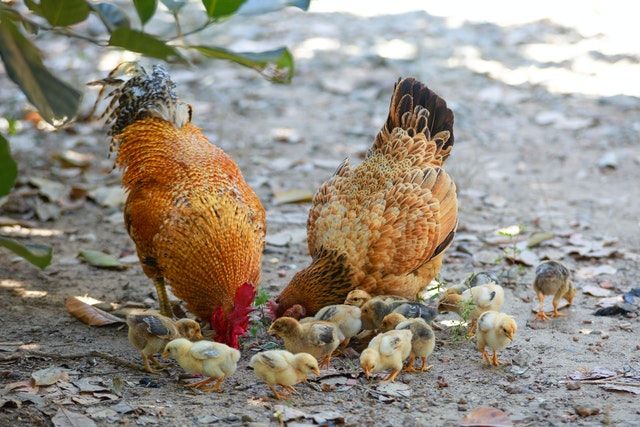
Photographer: Quang Nguyen Vinh: https://www.pexels.com/ru-ru/photo/2134180/
Photographer: heba alwahsh: https://www.pexels.com/ru-ru/photo/12011987/
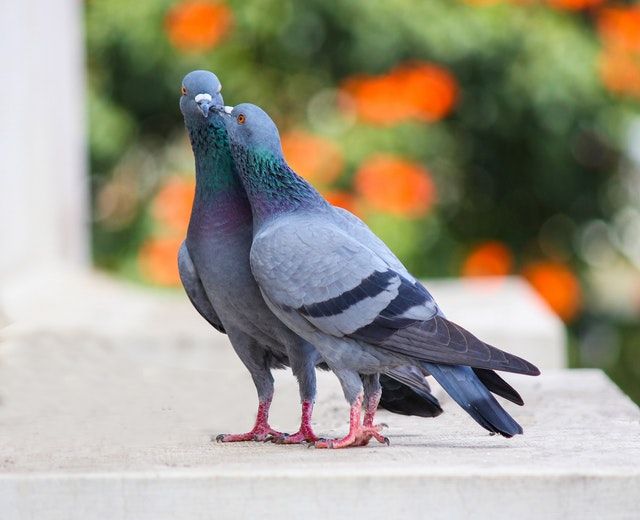
There are so many kinds of wild birds on earth. They are very different. Wild birds live in nests, birdhouses, on the ground, and rocks. They look for food for themselves and their chicks and build their nests. Some wild birds winter, for example, owls, bullfinches, sparrows, crows, and pigeons. And some fly to warmer climes in winter. For example, wild duck, stork, swan, and swallow. We can help wintering birds find food in winter. And for this, in this lesson, we will make a feeder for them.
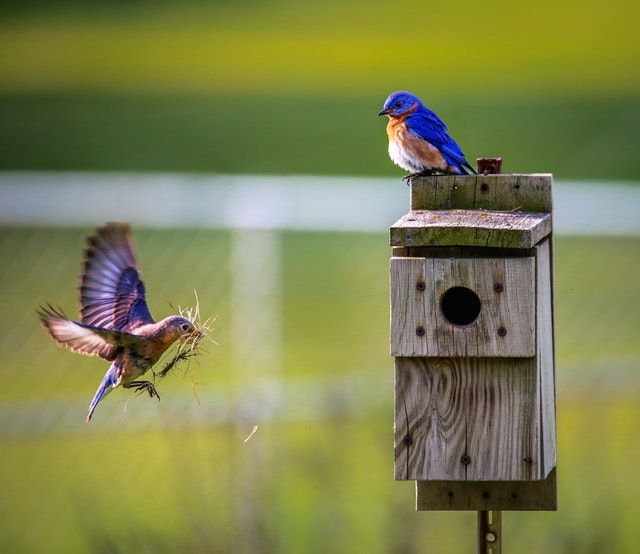
Photographer: Kevin Blanzy: https://www.pexels.com/ru-ru/photo/1156507/
Photographer: Ashithosh U: https://www.pexels.com/ru-ru/photo/1406506/
Every animal on our planet needs food, water, and shelter to survive. Animals need to eat regularly to get energy. The type of animal depends on what kind of food it eats. The diet of a wild bird consists of plants, such as cereals or seeds, and animals, such as insects, worms, or fish. Each animal chooses a place to live where it can find the food it needs to survive.
Practical part
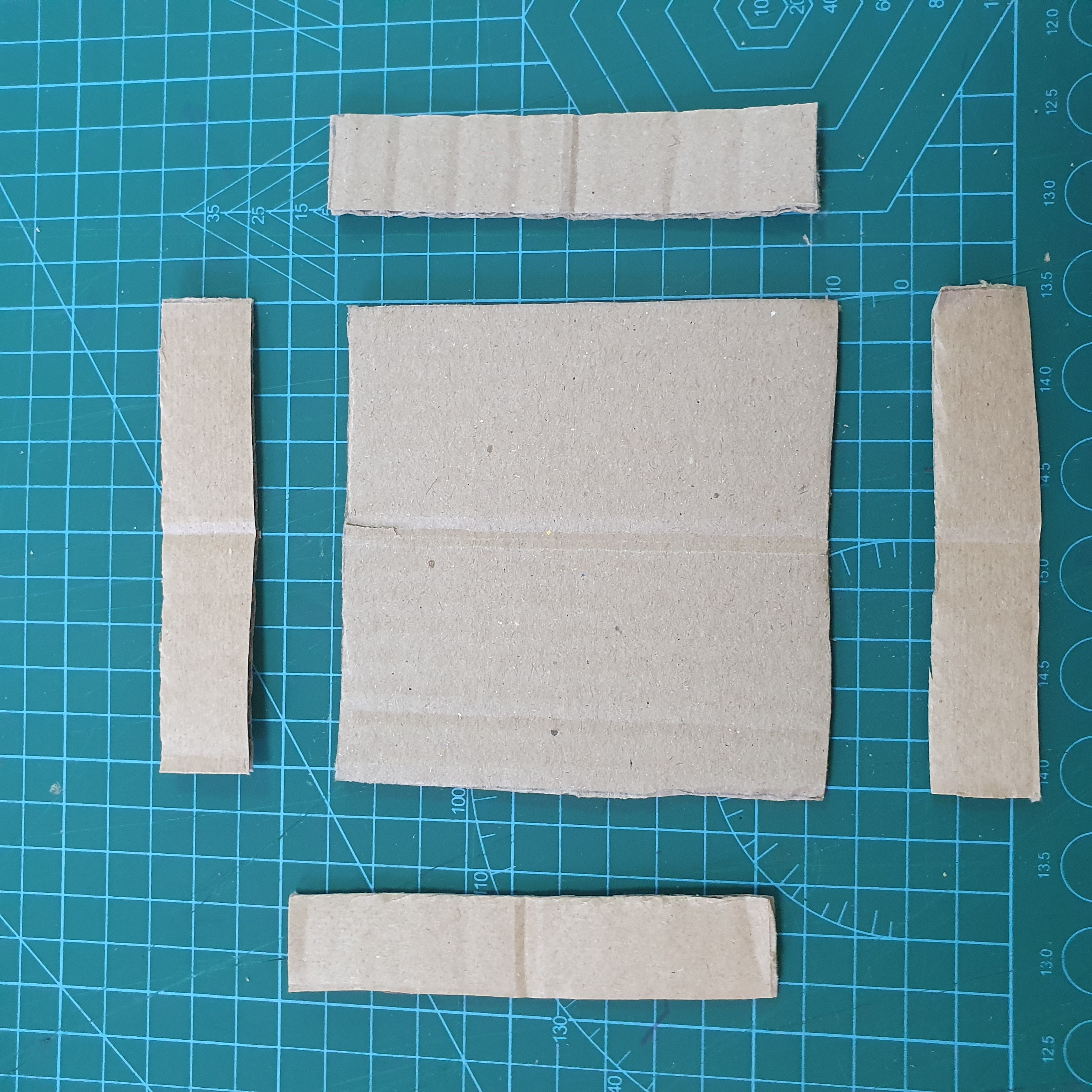
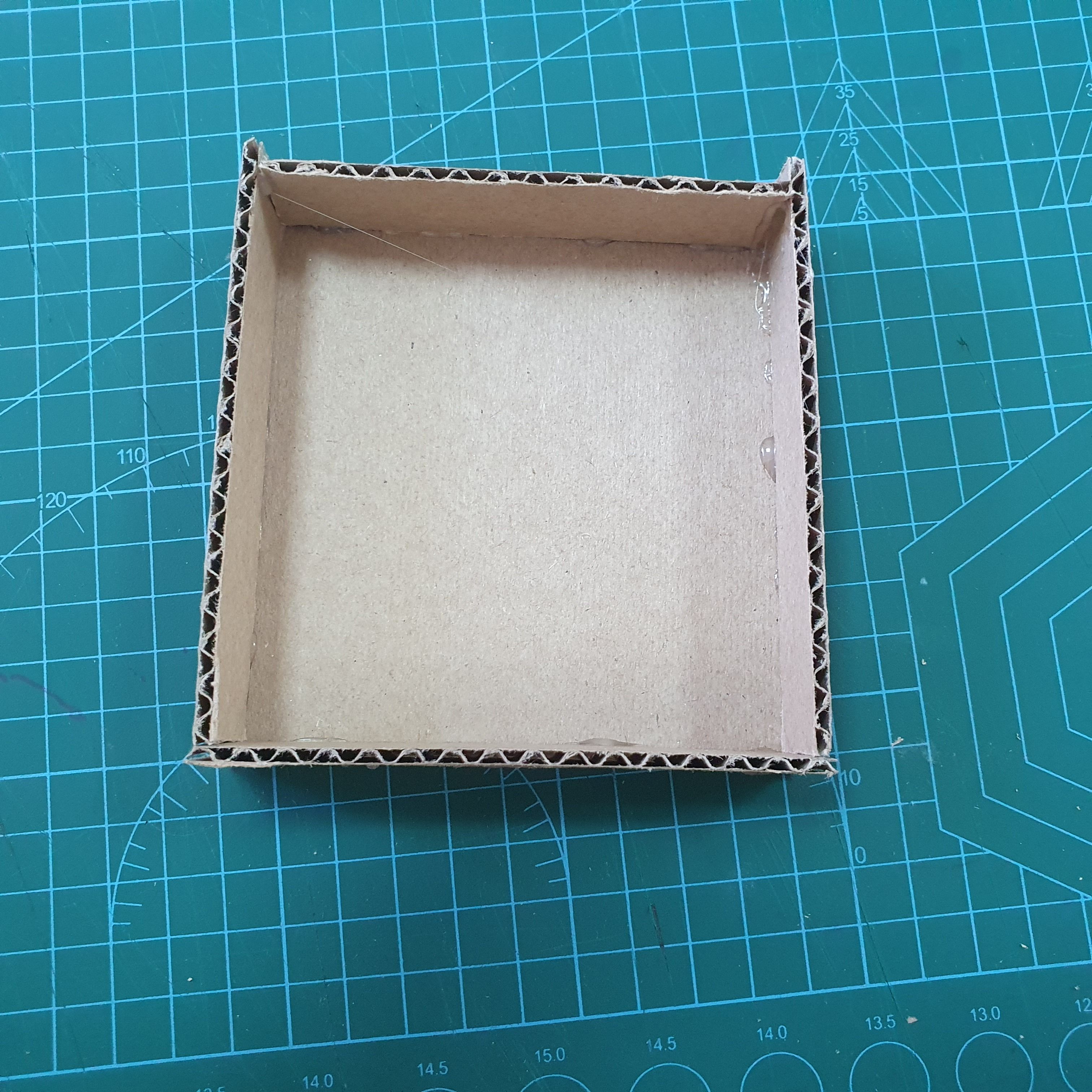
1. First, we will make the base where the food will lie. Let’s make a square plate out of cardboard. Cut out the cardboard as in the picture. Large for the bottom, small for the walls. (dimensions in the picture: 10 x 10 cm; 10 x 2 cm.) Then connect with hot glue.
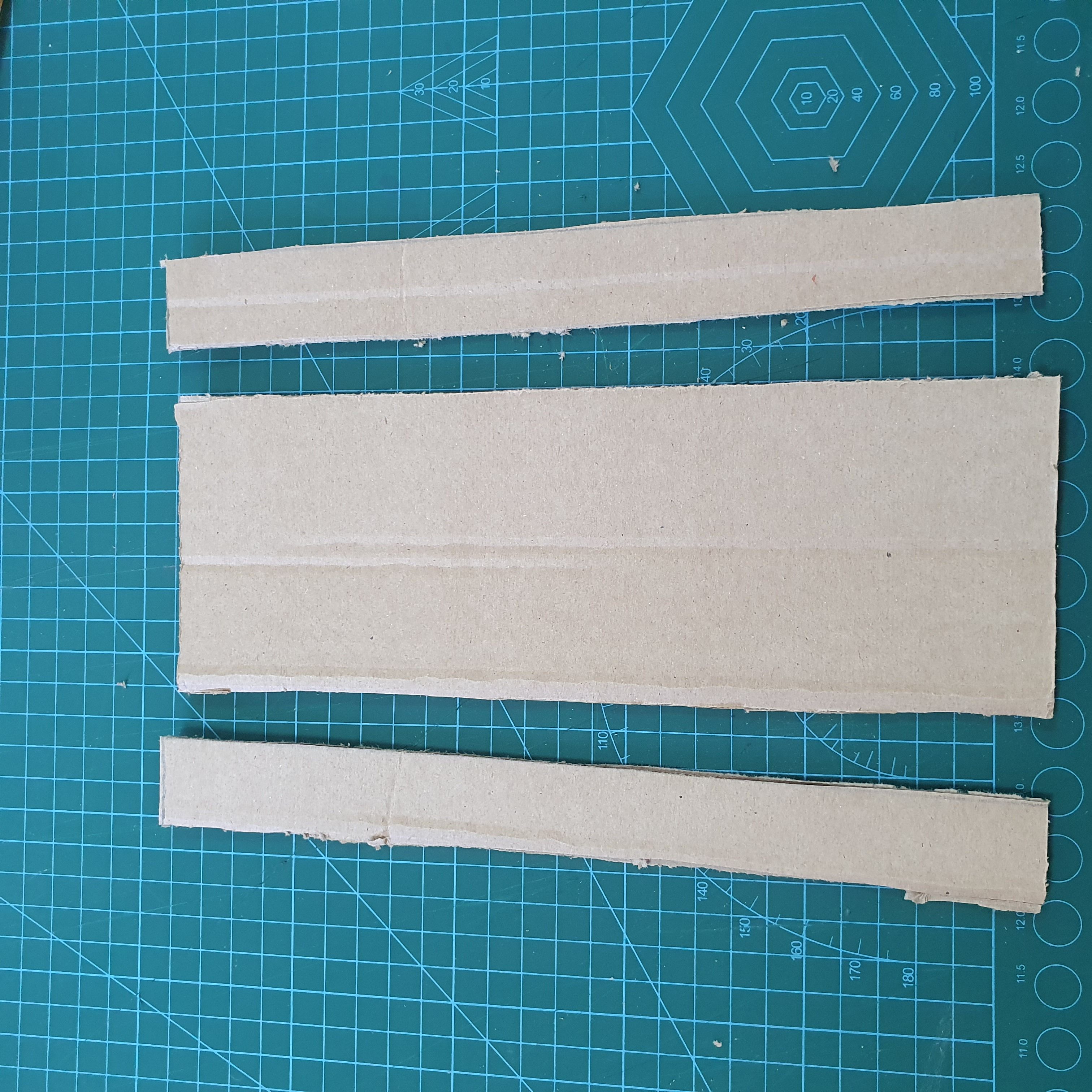
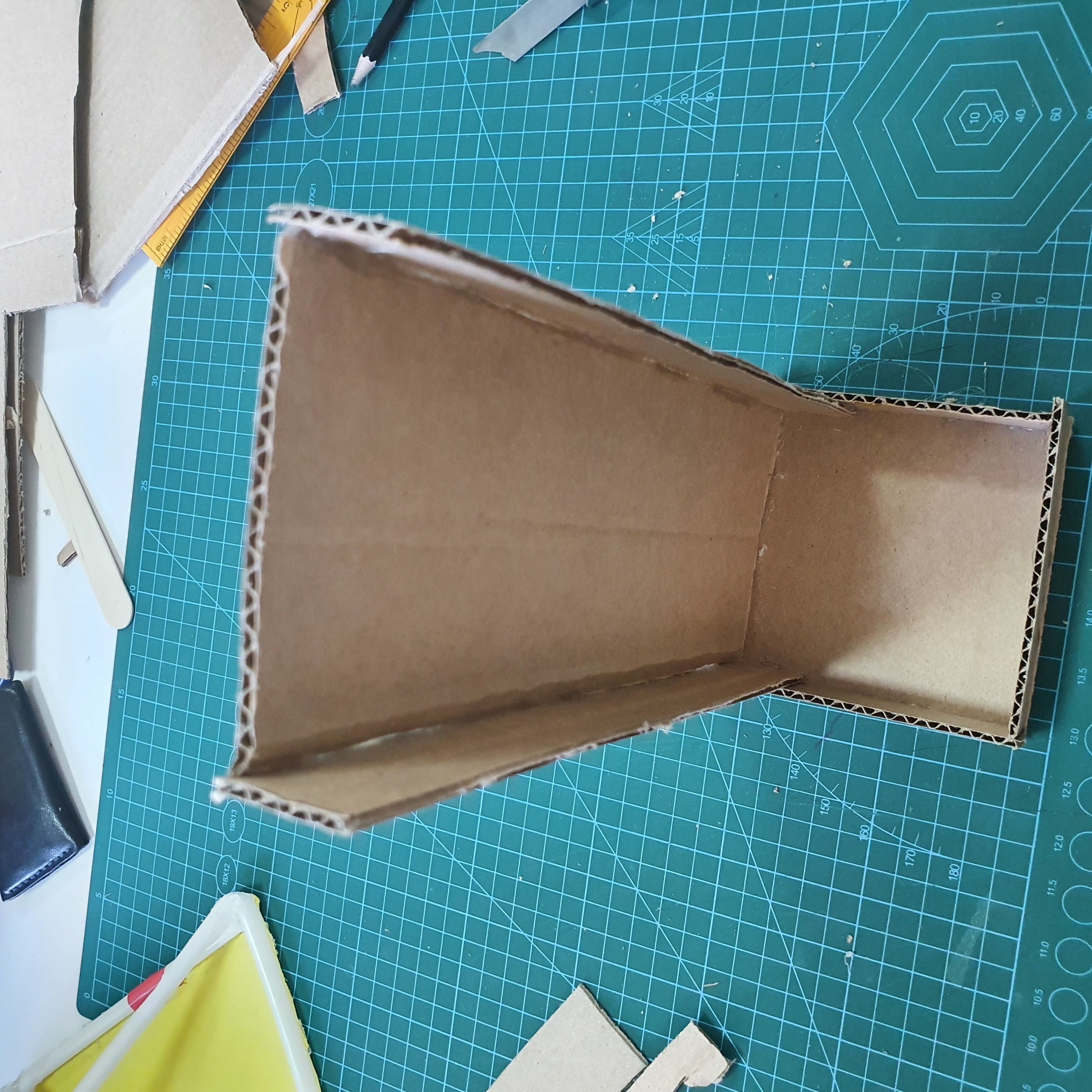
2. Now we will make one wall on which we will install the bottle. Cut out the cardboard and glue it together. (dimensions: 25 x 9 cm; 25 x 2 cm.)
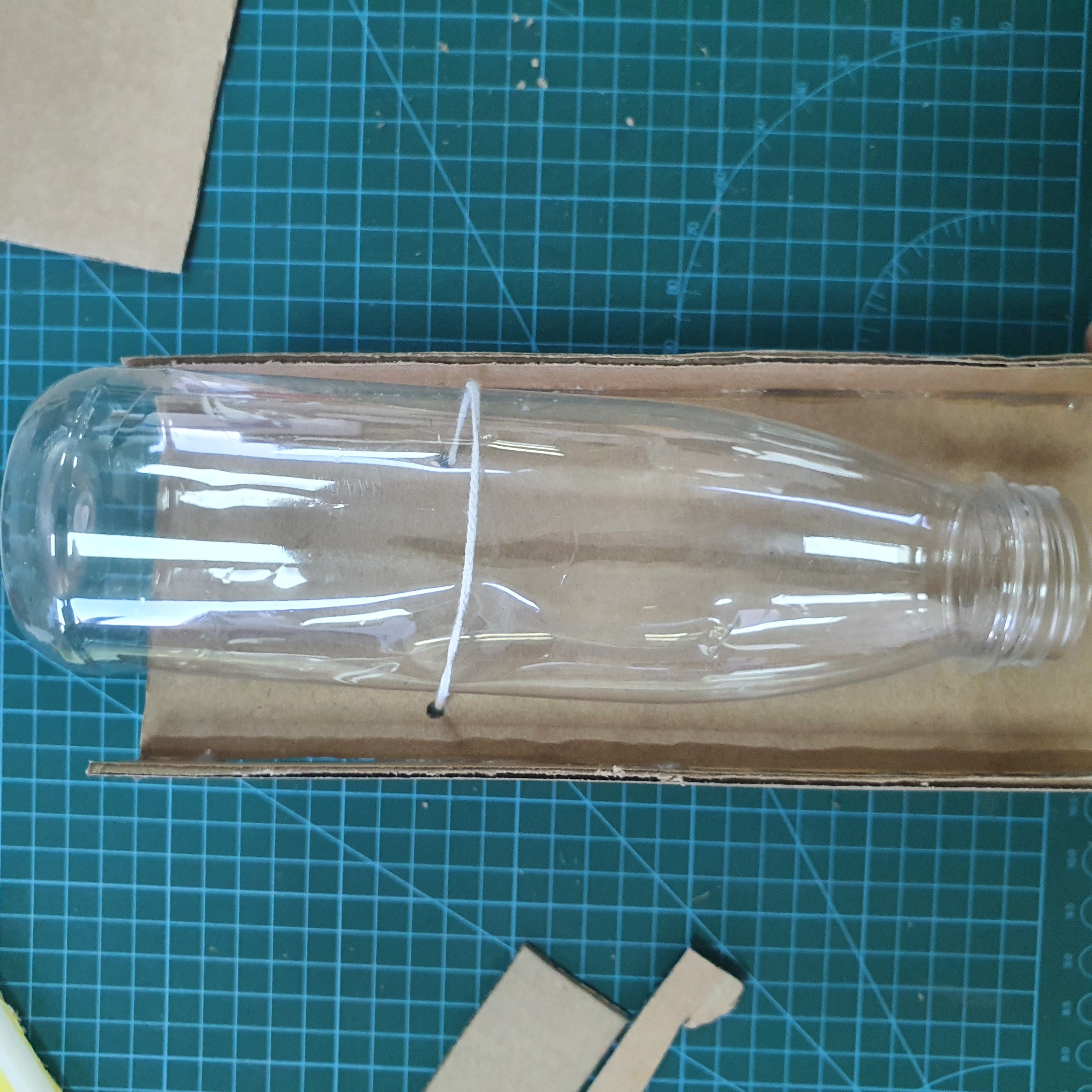
3. While holding the bottle on both sides, make a hole (with a pencil).
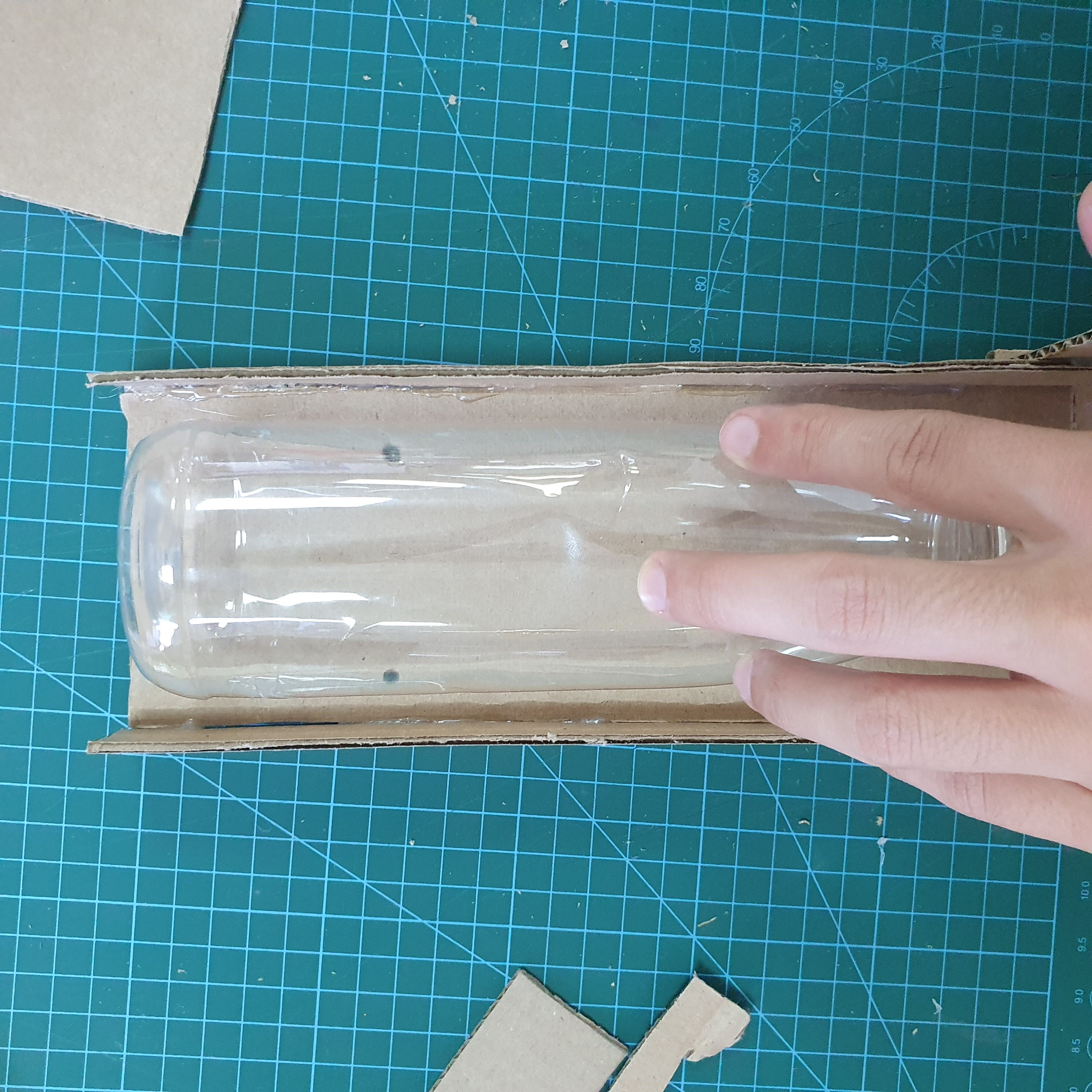
4. Pass a rope through the hole and tie it to hold the bottle.
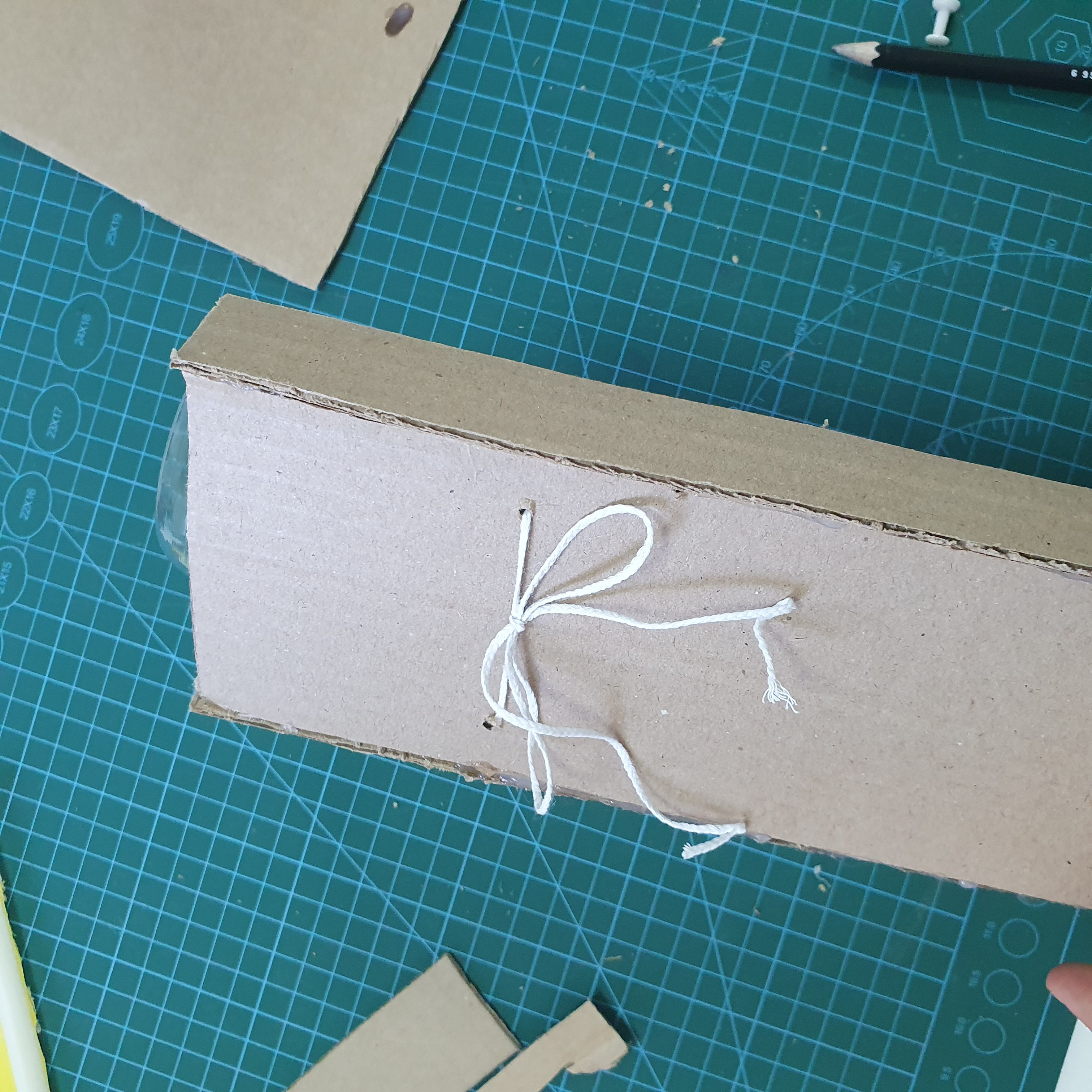
5. Now let’s make the roof. (dimensions: 10 x 10 cm)
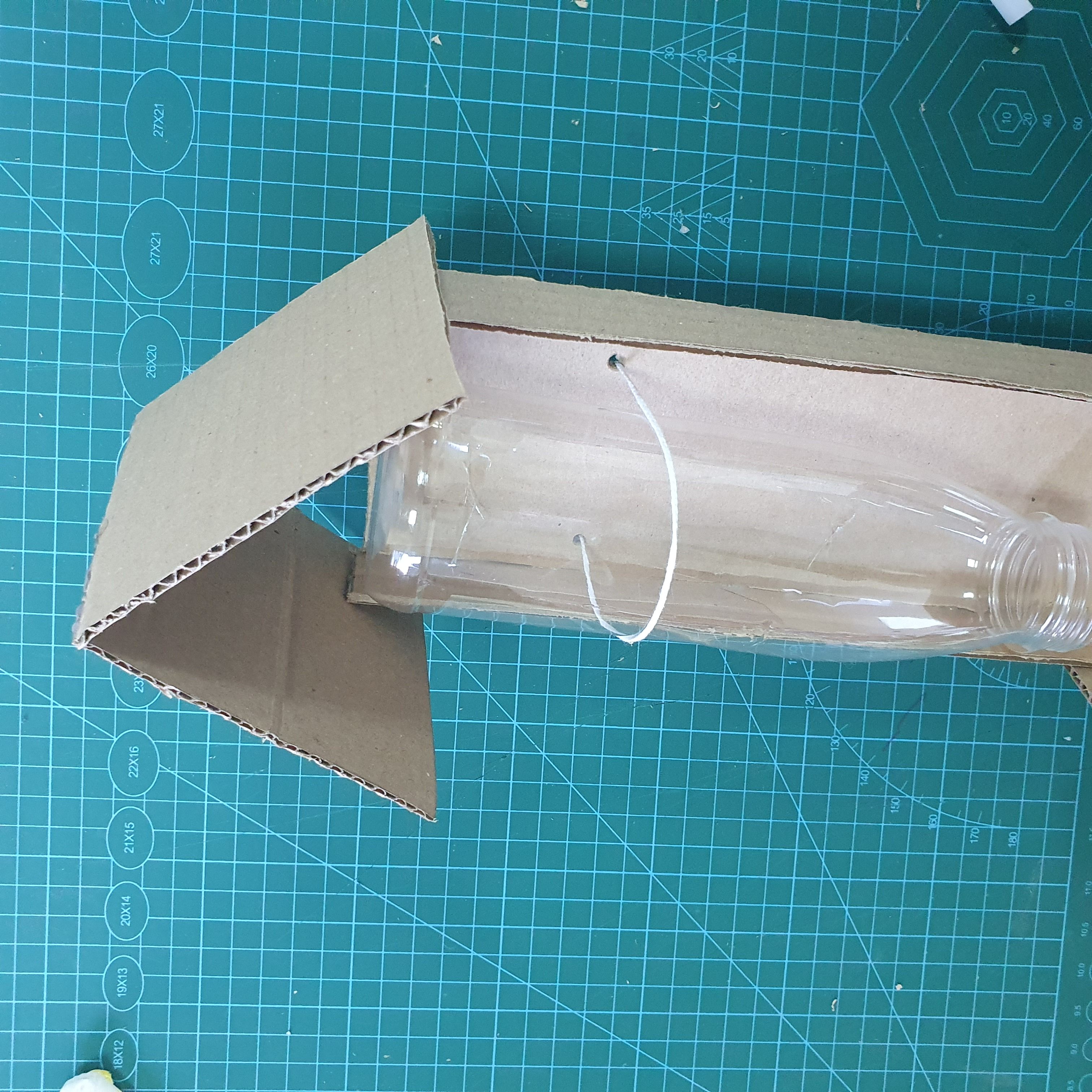
5. Now let’s make the roof. (dimensions: 10 x 10 cm)
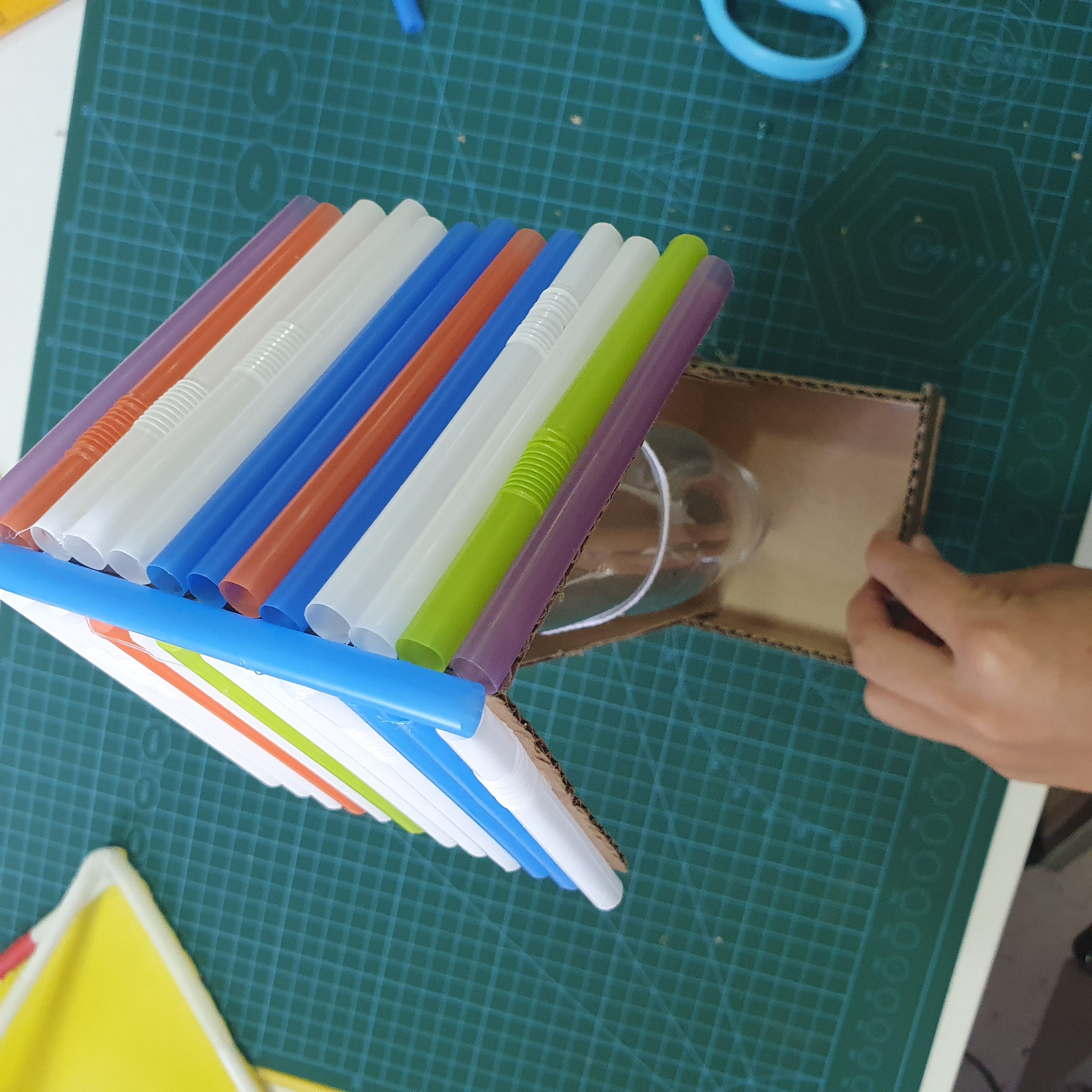
7. Place an ice cream stick on the bottom to make it comfortable for the birds to stand.
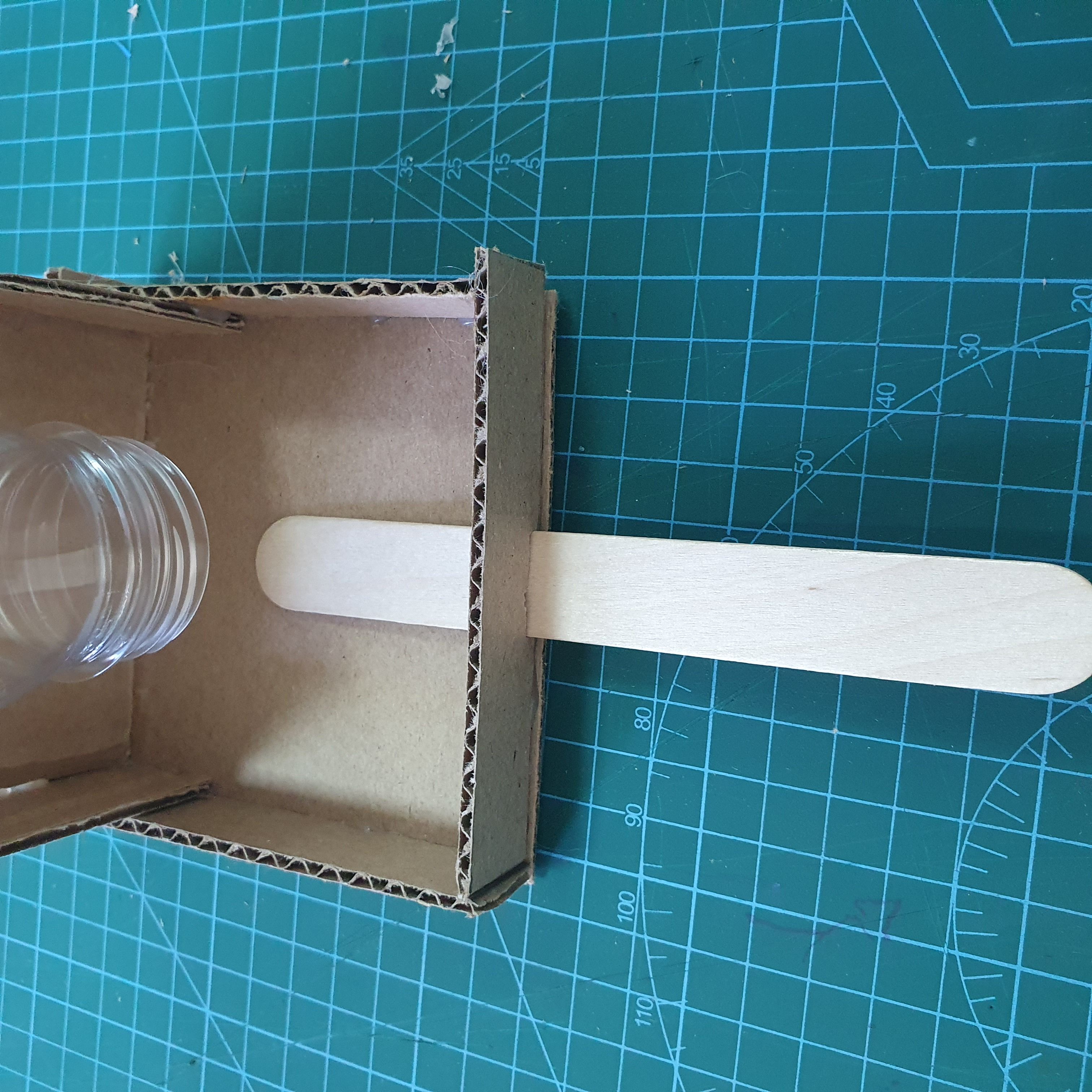
Ready. You can fill the bottle with seeds and set it back. A couple of days after installing the feeder, you can see how the birds visit your feeder. If you put different bird seeds, you may notice that different birds prefer different seeds.
– How can we use such a feeder?
– How else can you make a feeder?
– How can this feeder be improved?
Conclusion
Creating a place that provides birds with the food and water they need to survive, such as a bird feeder, is a great way to learn more about birds. The bird feeder will attract birds, allowing you to view them up close without disturbing the birds. Students in the future may be able to identify a particular species of bird by bird watching such as bird size, plumage color, or beak shape.
Evaluation
PBL grading criterion:
Project-based learning is a learning method in which students acquire knowledge and skills by working on a single project to explore and find an answer to a genuine, interesting, and complex question, problem, or challenge.

