
Lesson 2
The Earth orbits the Sun at an average speed of 30 kilometres per second. It makes one revolution around the Sun in one year, which is a time span of 365 days, 6 hours 9 minutes 9 seconds. For convenience, a year is considered equal to 365 days. At the same time, every fourth year becomes a 366th day (February 29) and is a leap year.
Because of the tilt of the Earth’s axis to the orbital plane, the orbital motion of the Sun illuminates more in the northern and southern hemisphere of the planet. The uneven lighting and heating of the Earth’s surface causes the seasons to change. Orbital motion also determines the change in daylight hours – the time between sunrise and sunset.
On 22 June, the Earth faces the North Pole towards the Sun. It is illuminated more than the Southern Hemisphere and receives more heat. The Sun’s rays at noon fall at right angles to the Earth’s surface at 23 1/2°N. This position of the Sun is called zenithal (the Sun is in the zenith). The day of June 22 is called the summer solstice.
In the Northern Hemisphere on this day there is an astronomical summer, and in the Southern Hemisphere – an astronomical winter. In the Northern Hemisphere day is longer than night, and north of 66 1/2°N the surface is illuminated by the Sun all day long, so it is polar day. In the Southern Hemisphere the area from 66 1/2°S to the South Pole is not illuminated at all as the Sun does not rise above the horizon. It is polar night here.
On December 22, the Earth is facing the Sun with the South Pole. The Southern Hemisphere gets more light than the Northern Hemisphere and receives more heat. The sun is at its zenith at noon over 23 1/2° S. This day is called the winter solstice. Astronomical summer in the Southern Hemisphere, and astronomical winter in the Northern Hemisphere. In the Southern Hemisphere the day is longer than the night, and south of 66 1/2°S the surface is illuminated by the Sun all day long (polar day). In the Northern Hemisphere north of 66 1/2°N the surface is unlit and polar night begins.
On March 21 and September 23 the Sun is at noon at its zenith over the equator. The duration of a day on the whole planet is equal to the duration of a night. Therefore, these days are called vernal and autumnal equinoxes. They are the beginning of astronomical spring and autumn.
Practical part of the work
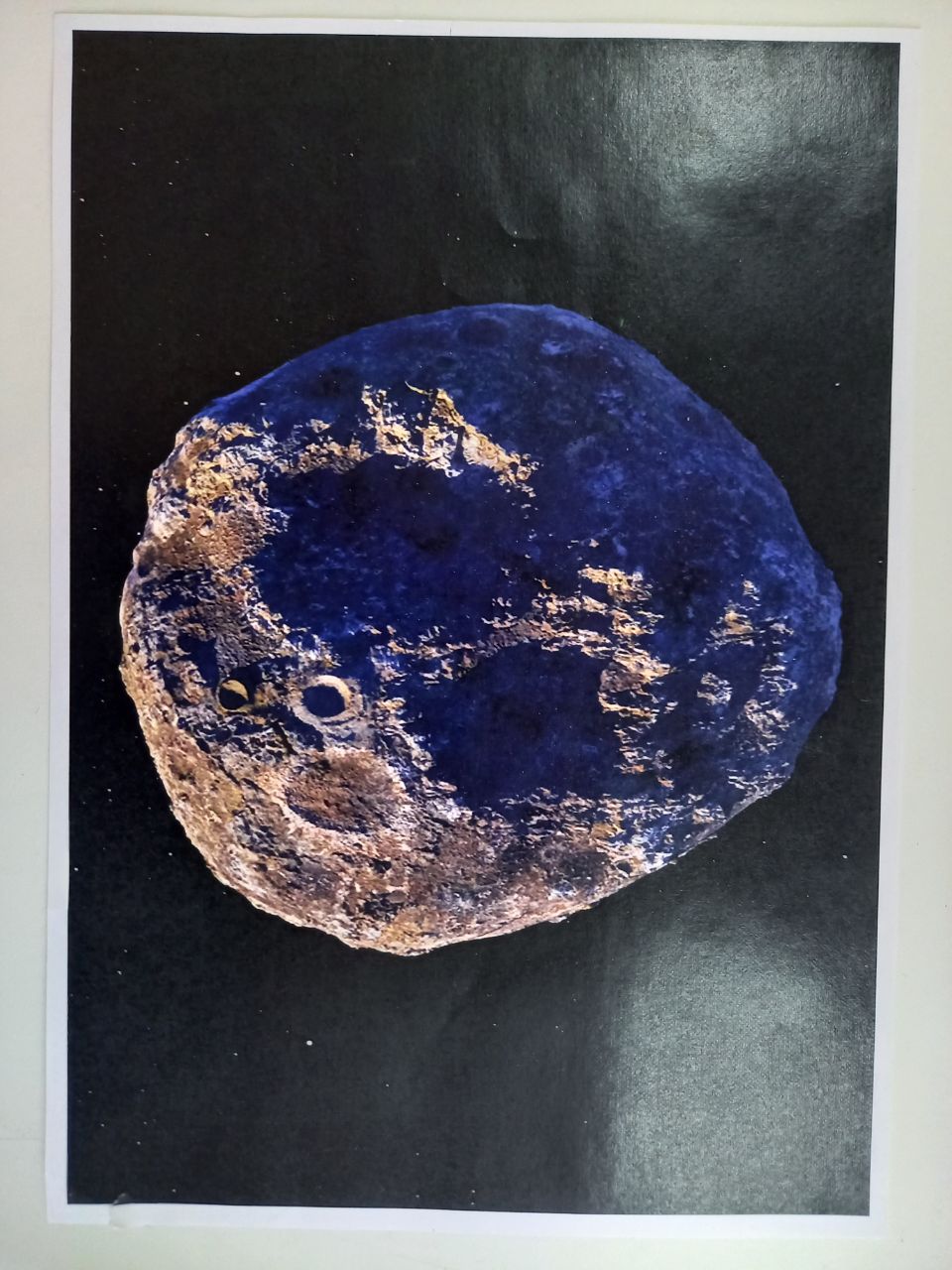
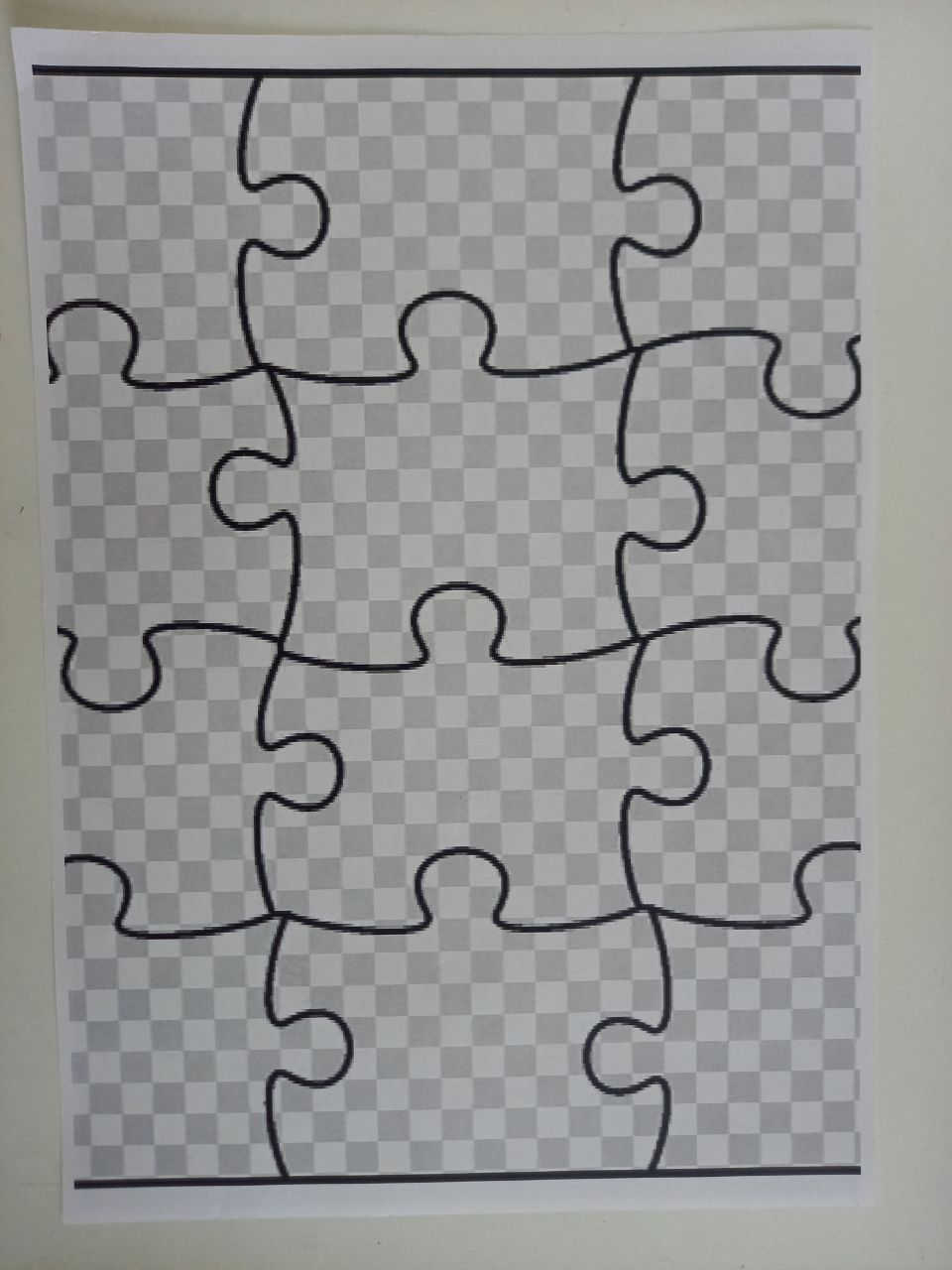
Step 2
On the back there is a drawing of the puzzle, use this drawing to cut out the puzzle and give it to the other group so they can assemble it

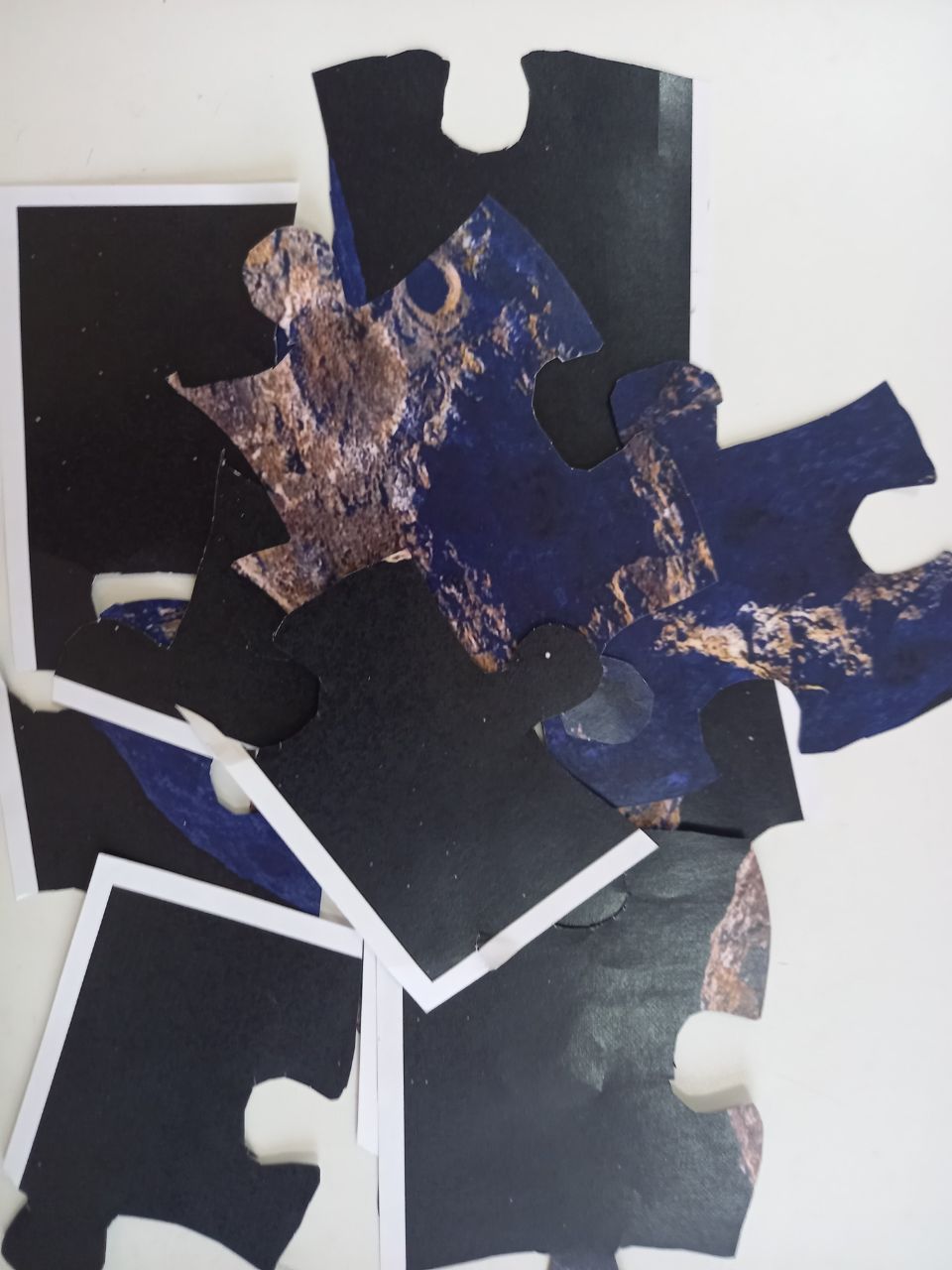
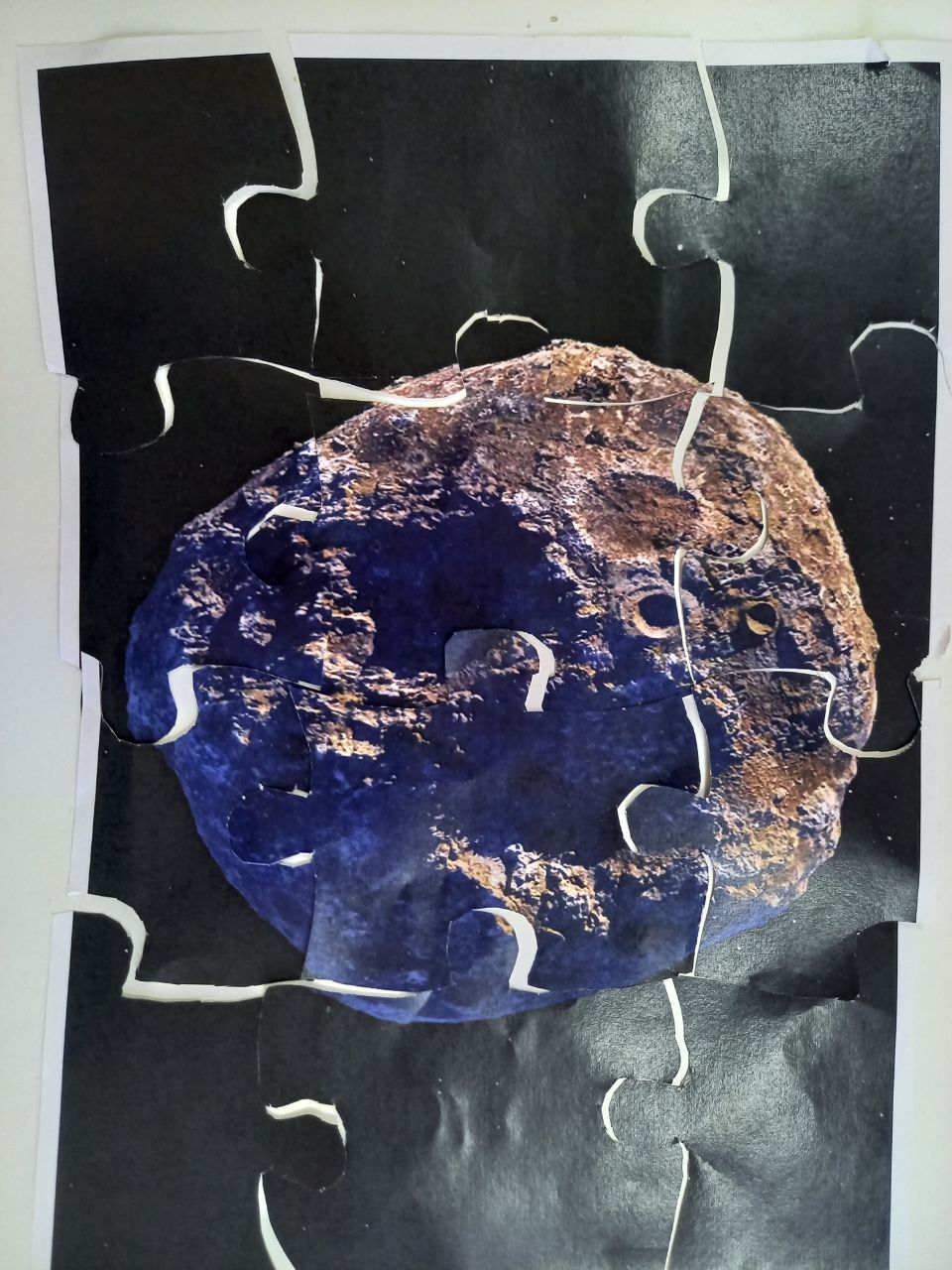
Step 3. Whoever is fastest to complete the puzzle wins
Conclusion
Pupils made a 3d book with their own hands. They found out how many planets there are in the solar system and their locations, and how winter, spring, autumn and summer come about. They also learned how many planets there are in the solar system and their locations.

On this project each pupil is awarded a STEAM title, by category:
– You have independently, explored space and cosmic bodies you are a real scientist – an astronomer!
– You have developed teamwork skills by working in groups. In the practical work you have shown your creativity and cohesion.
Evaluation

