Lesson
Project objective
– To explain about mental arithmetic;
– To introduce the abacus, a counting board;
– To make an abacus with their own hands.
Teacher’s guide
– In the practical part of the project, pupils work in pairs.
– Pupils should be introduced to topics like arithmetic calculation/mental arithmetic.
– Before starting the experimental part, familiarise and provide the students with all the necessary materials.
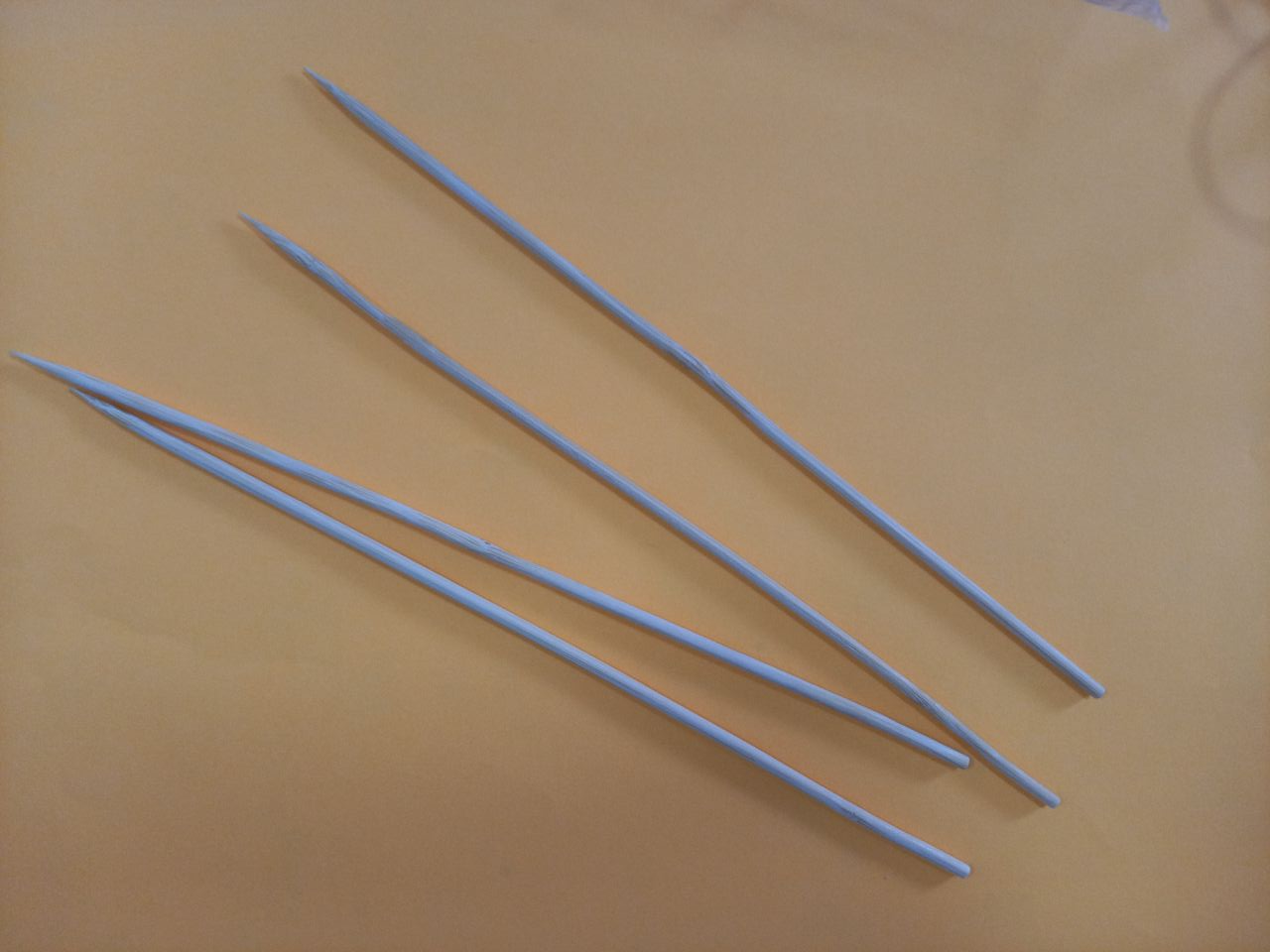
– Provide brief instructions on how to work with the skewers.
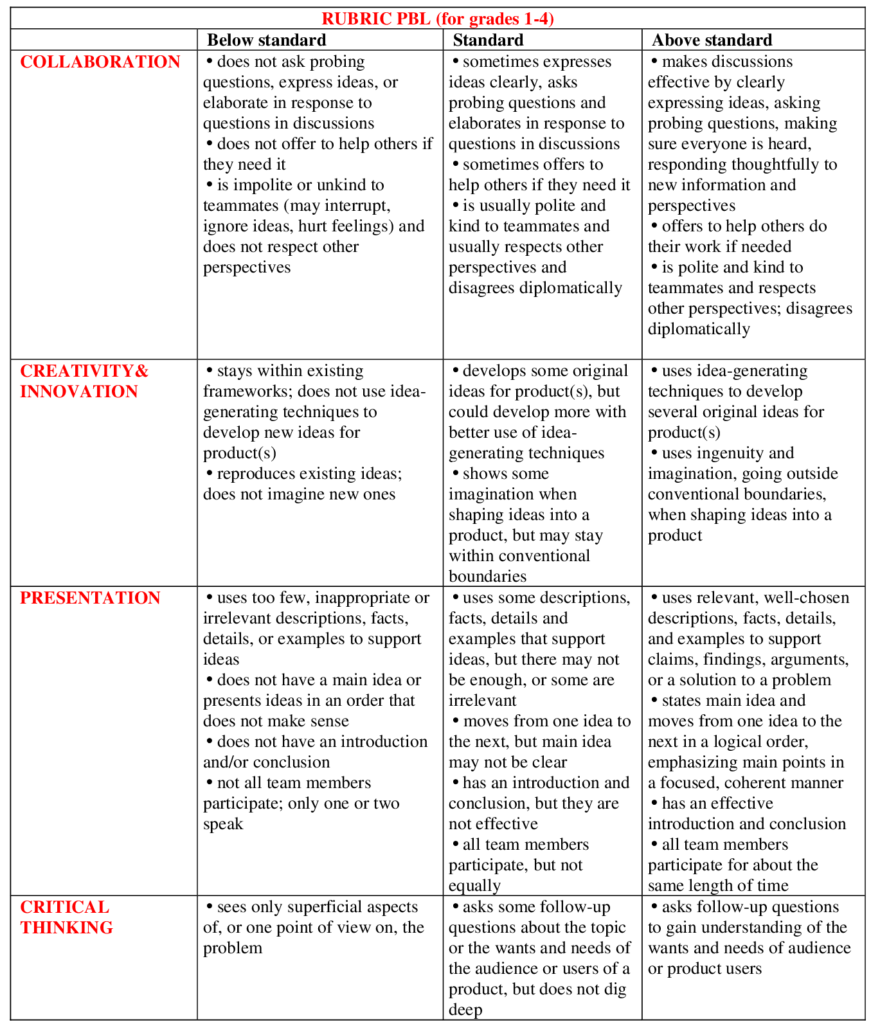
– Explain the PBL (project based learning) rubric to the students at the beginning of the lesson. Skills 4K (critical thinking, collaboration, creativity, presentation)
Safety in Steam lessons
Before we begin the lesson, teachers are advised to familiarise themselves with the safety procedures. If necessary (if using items specified in the PPE), brief the students. Go to Safety in Steam lessons
Theoretical part
Mental arithmetic is a mental and creative development programme based on a system of mental arithmetic. By mastering it, your child will be able to solve arithmetic problems in their head in just a few seconds. The method is recommended for ages 4 to 12. However, modern developmental centres are prepared to teach even older people, with one caveat – the later one starts, the more effort is required.

Mental arithmetic was born in Japan in the 16th century. In the initial stages of learning, special counters – abacus or soroban – are used. An abacus consists of a frame, a dividing strip, vertical spokes, and upper (“heavenly”) and lower (“earthly”) pips. One ‘heavenly’ bone is equal to five ‘earthly’ ones. Number of spokes varies from 13 to 31. A child uses only thumb and forefinger. All movements are made automatic. After a while, the child does calculations on an imaginary abacus, and the problems are solved with the help of images.
The metrical arithmetic programme is designed to form stable neural connections between the left and right hemispheres. According to teachers, it is this fact that helps people choose the most effective solutions and succeed in life.
The most obvious result of learning is the ability to do arithmetic operations with six-digit numbers in a few seconds. But it’s hard to imagine why a child today might need this skill. As teachers of mental maths argue, fast mental counting is a side effect, not a goal. The main goal of learning is to create a synergy between the two hemispheres of the brain that is greater than each hemisphere separately. This way, the child will develop mathematical skills as well:
- assiduity
- concentration of attention
- photographic memory
- imagination
- creative thinking
- data processing speed
What is an abacus?!
An abacus is a counting board for arithmetic calculations. Such boards have been used for counting since around the fifth century BC in the ancient cultures of China, Rome and Greece.
There is evidence that the abacus first appeared in ancient Babylon around the third millennium BC. It was a board with indentation strips over which counting stones or pips were moved. Working with an abacus meant learning to quickly count in your head, add, divide and act on large numbers faster than a calculator could. Nowadays, abacus counters are particularly popular, and are used in America, Korea and South Asia.

How is the abacus constructed?
It consists of a frame, a dividing line, bones that stand for numbers and spokes that stand for decimal places. The number of spokes can be different, usually 13, but it can also be 21, 23, 27 or 31. The number of spokes determines the number of decimal places. The higher the number of spokes, the higher the number of digits that can be dialed on the abacus.
The dividing line divides the spokes into upper and lower. The first spoke stands for units, the second for tens, the third for hundreds etc. On the spoke of units the top bone is 5 units, the lower bones are equal to 1 unit. On a spoke of tens, similarly, the top bone is 50 units, the lower ones are each 10 units, etc.

To count on an abacus, remember a few basic rules:
numbers on the counting board are dialed from left to right;
The lower knuckles indicate numbers from 1 to 4, the upper knuckle corresponds to the number 5;
the upper knuckle down means that the number is greater than five;
Each knuckle corresponds to one digit – ones, tens, hundreds, thousands and so on.
To represent a number on a score you need to bring the appropriate number of knuckles to the inside rung. For example, for number 6 you have to move down the top knuckle (5) on the leftmost spoke and raise one bottom knuckle (1). The number 66, for example, is displayed in the same way. This is done using two spokes, one for ones and the other for tens.
Children learn very quickly to count on the abacus – just explain the principle to them and show a few examples. For counting ones they use one hand, the right hand, and if they want to count tens and ones, they use both hands.
The hand should be clenched into a fist with the thumb and forefinger straightened. The lower knuckles are lifted with the thumb and lowered with the index finger. The upper knuckle is handled with the index finger only. If the top and bottom knuckles need to be added, this is done simultaneously with two fingers. Remove the knuckles in the same way.
http://domznaniy.ru/1144-10-interesnyh-faktov-o-chislah.html
Practical part
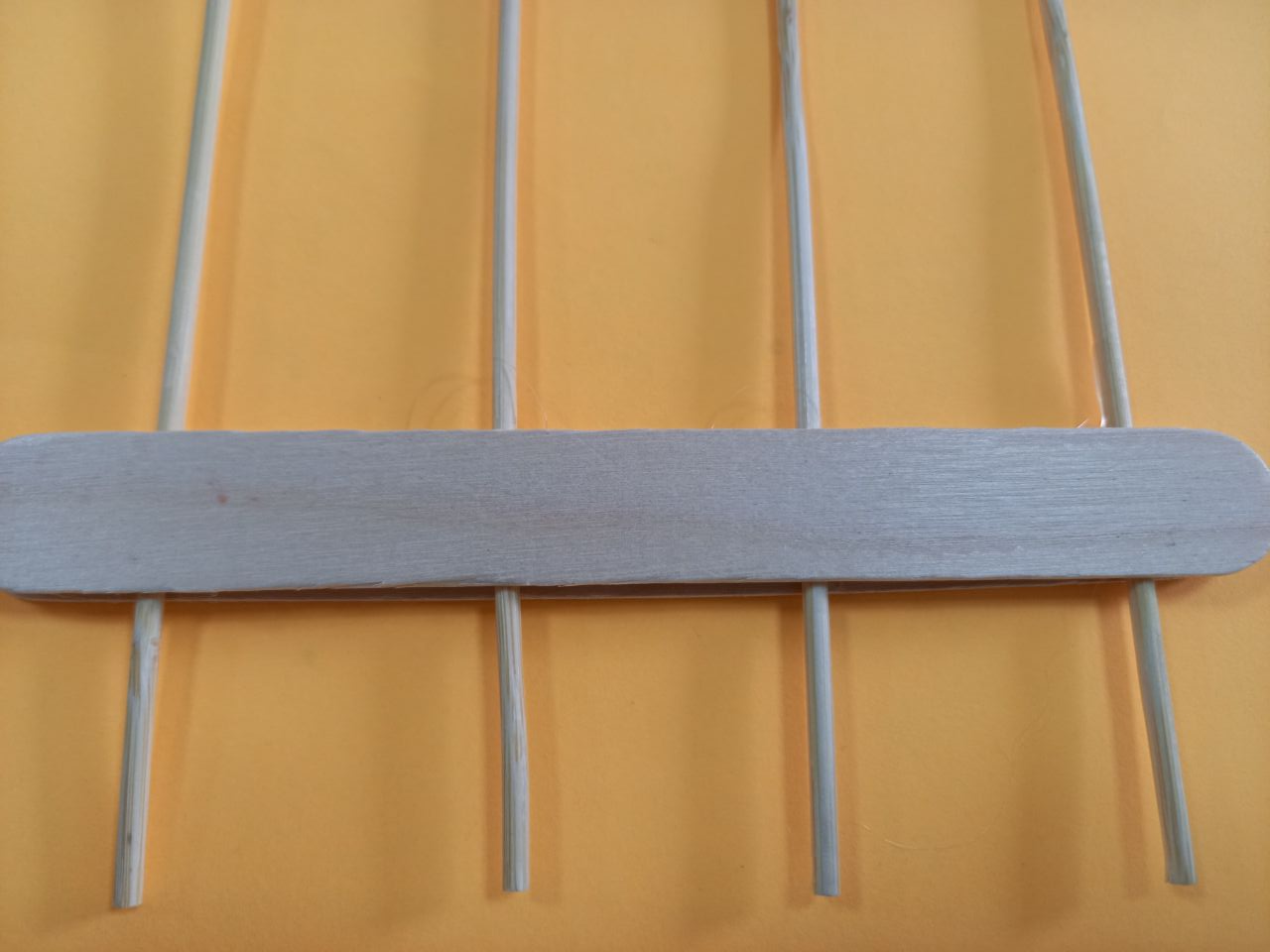
Step 1. Take thin wooden sticks and glue them to the popsicle stick using hot glue as shown
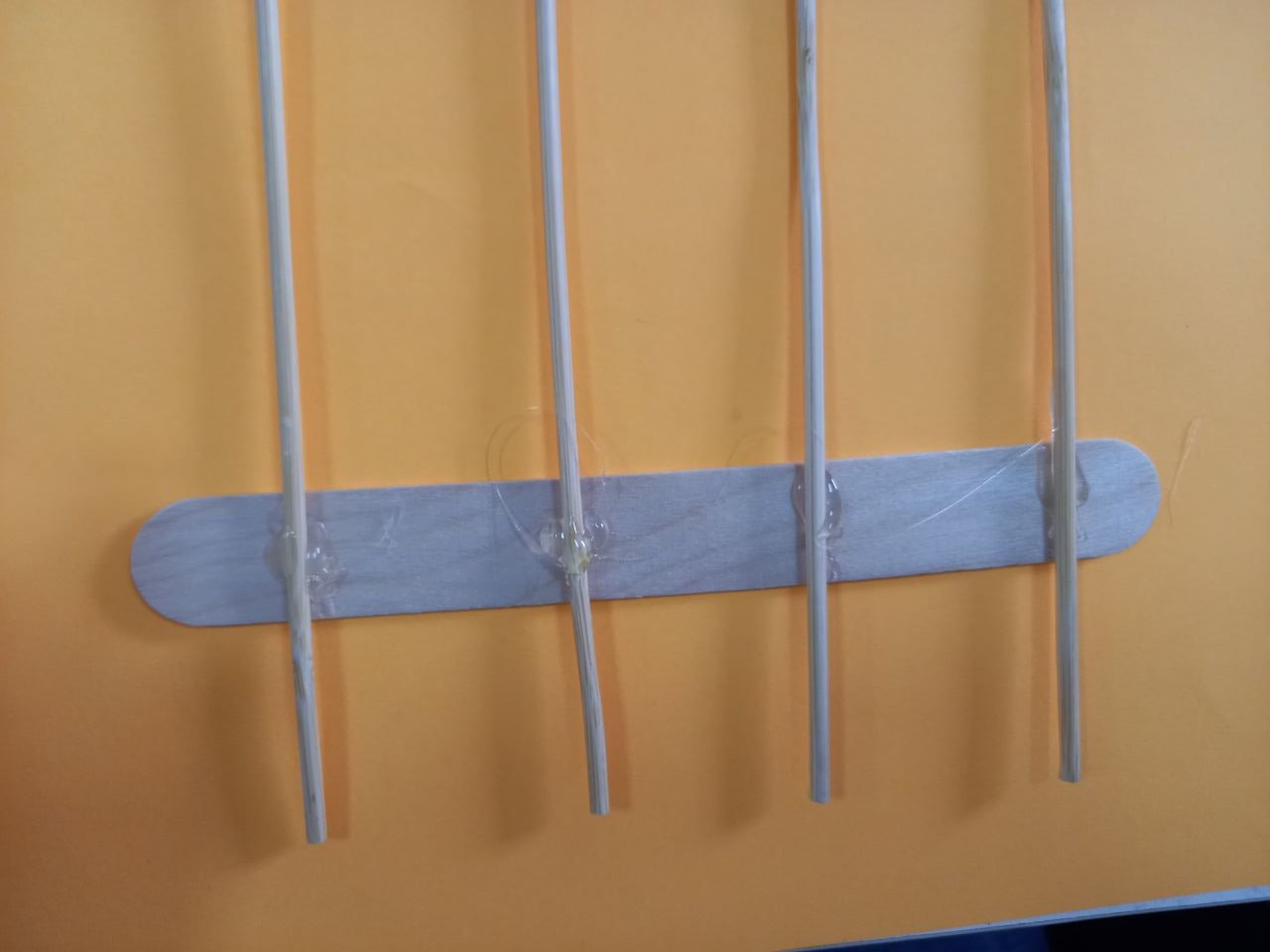
Step 2. Glue another popsicle stick on top of the wooden sticks
Step 3. Take any beads with a hole in the middle and pass them through the wooden sticks, each wooden stick should have 5 beads
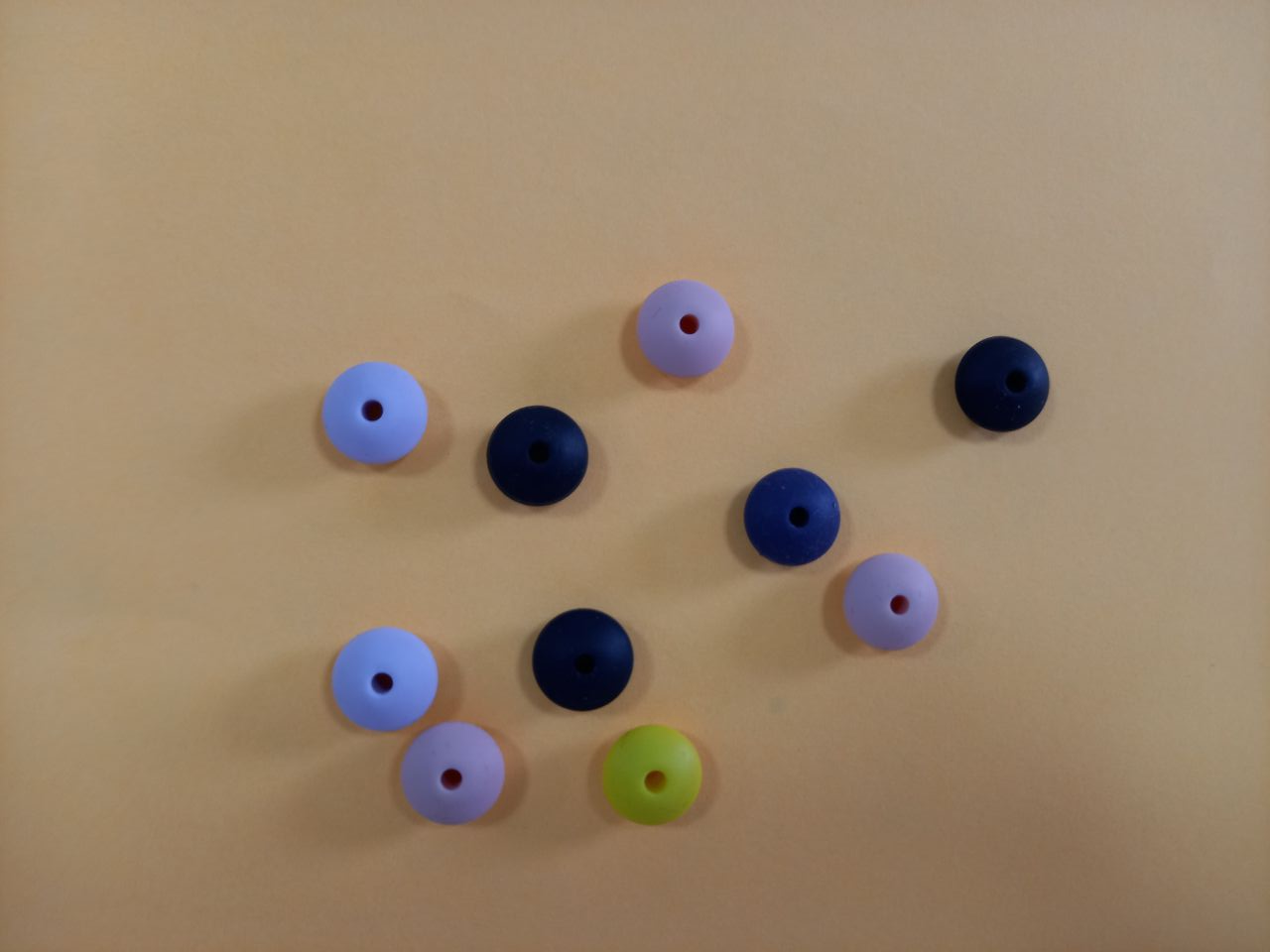
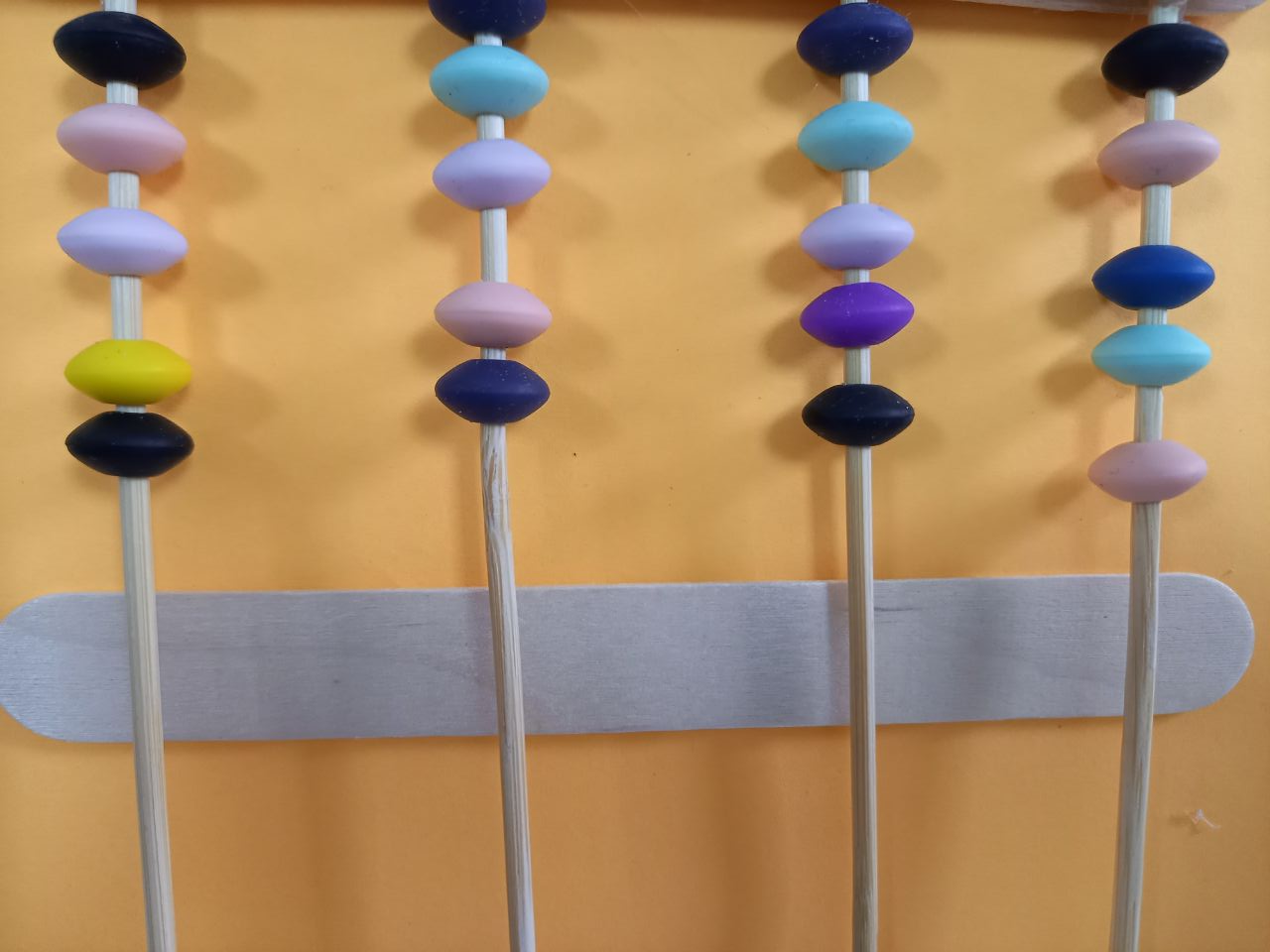
Step 4. Glue the popsicle sticks to the top of the wooden stick as shown in step 1. It should be as shown in the picture
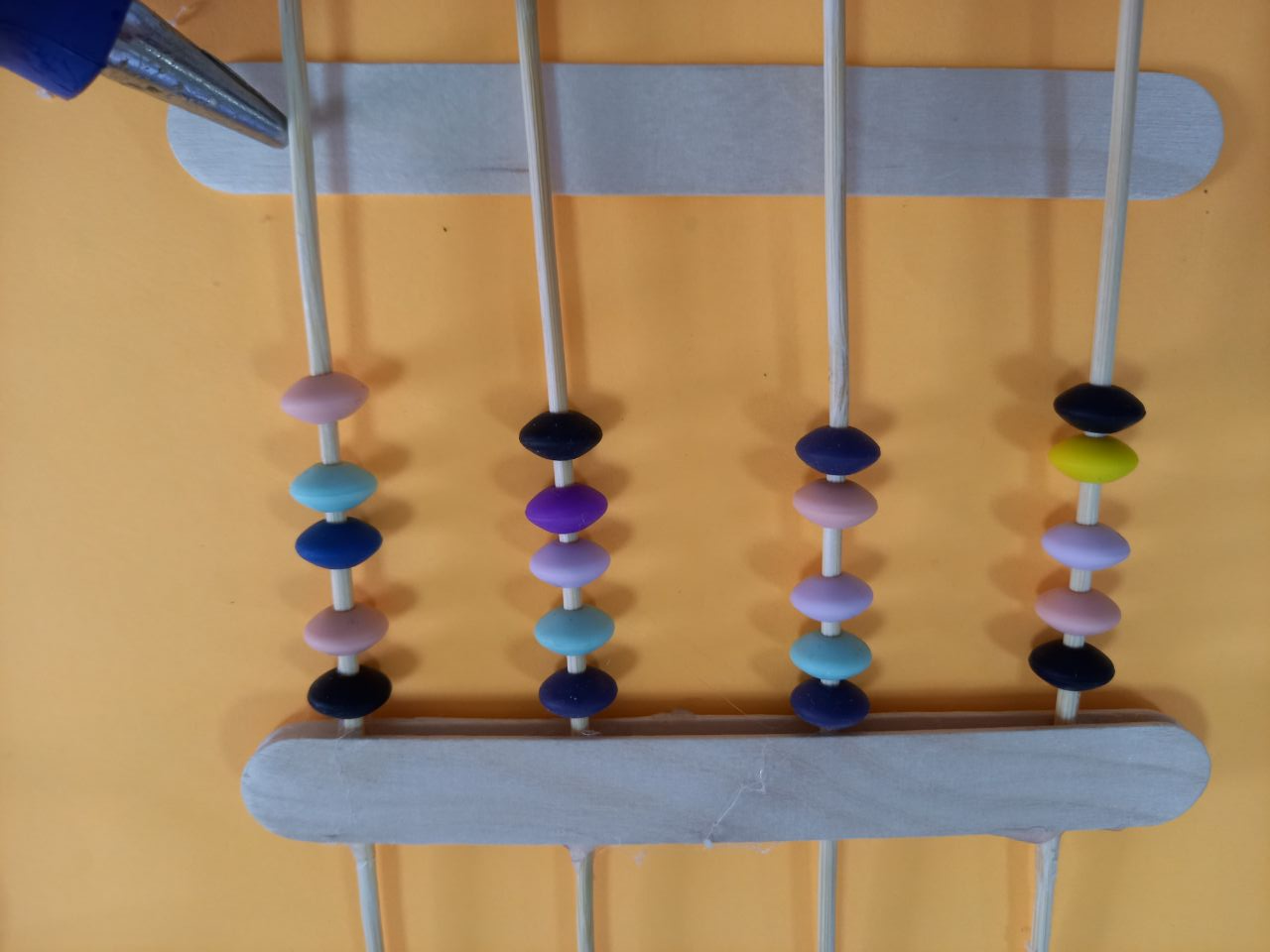
Step 5. To the very top of the wooden stick, pass 1 bead from each. Exactly as shown in the picture
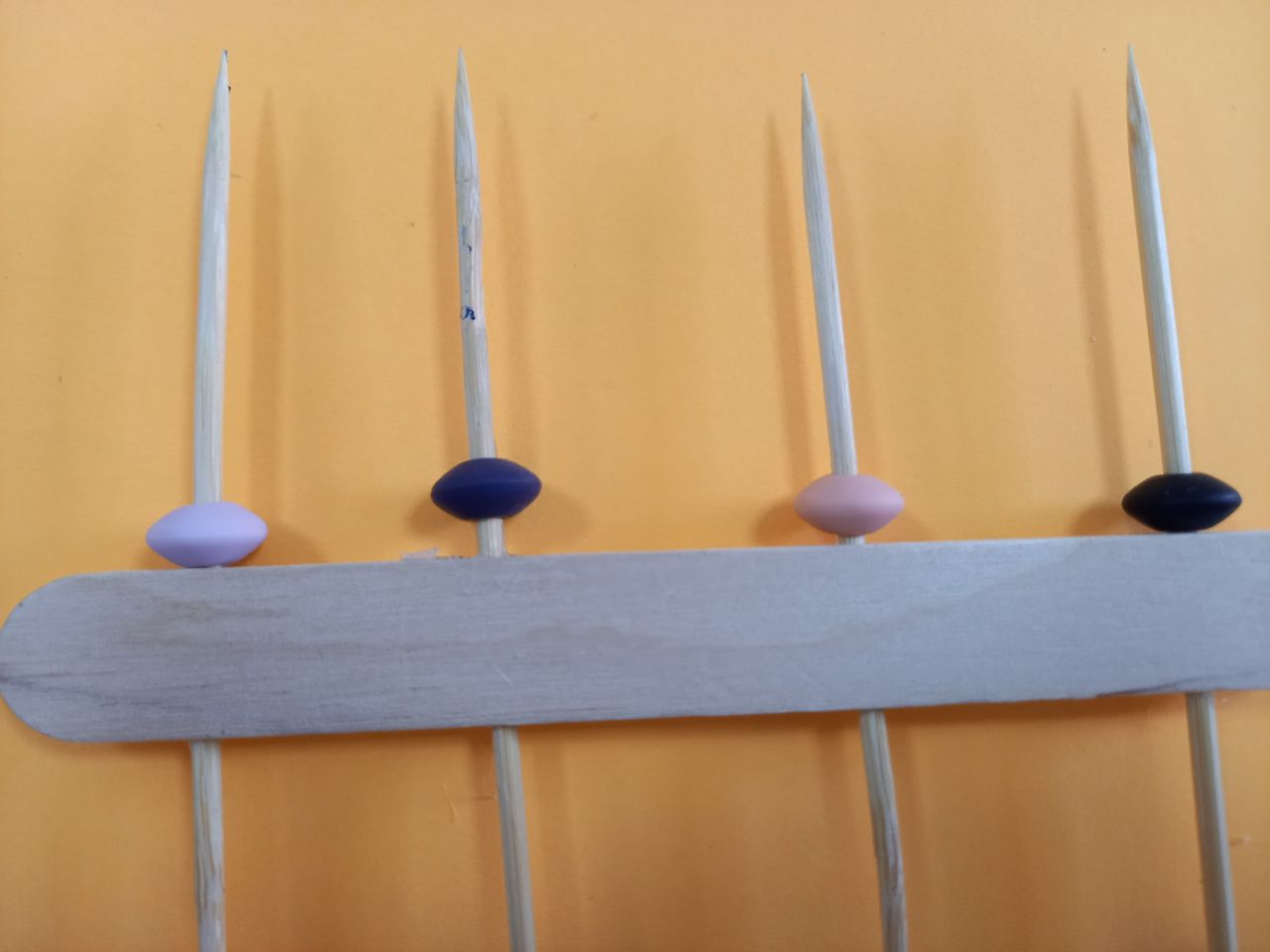
Step 6. If you wish, you can paint the sticks with gouache, etc.
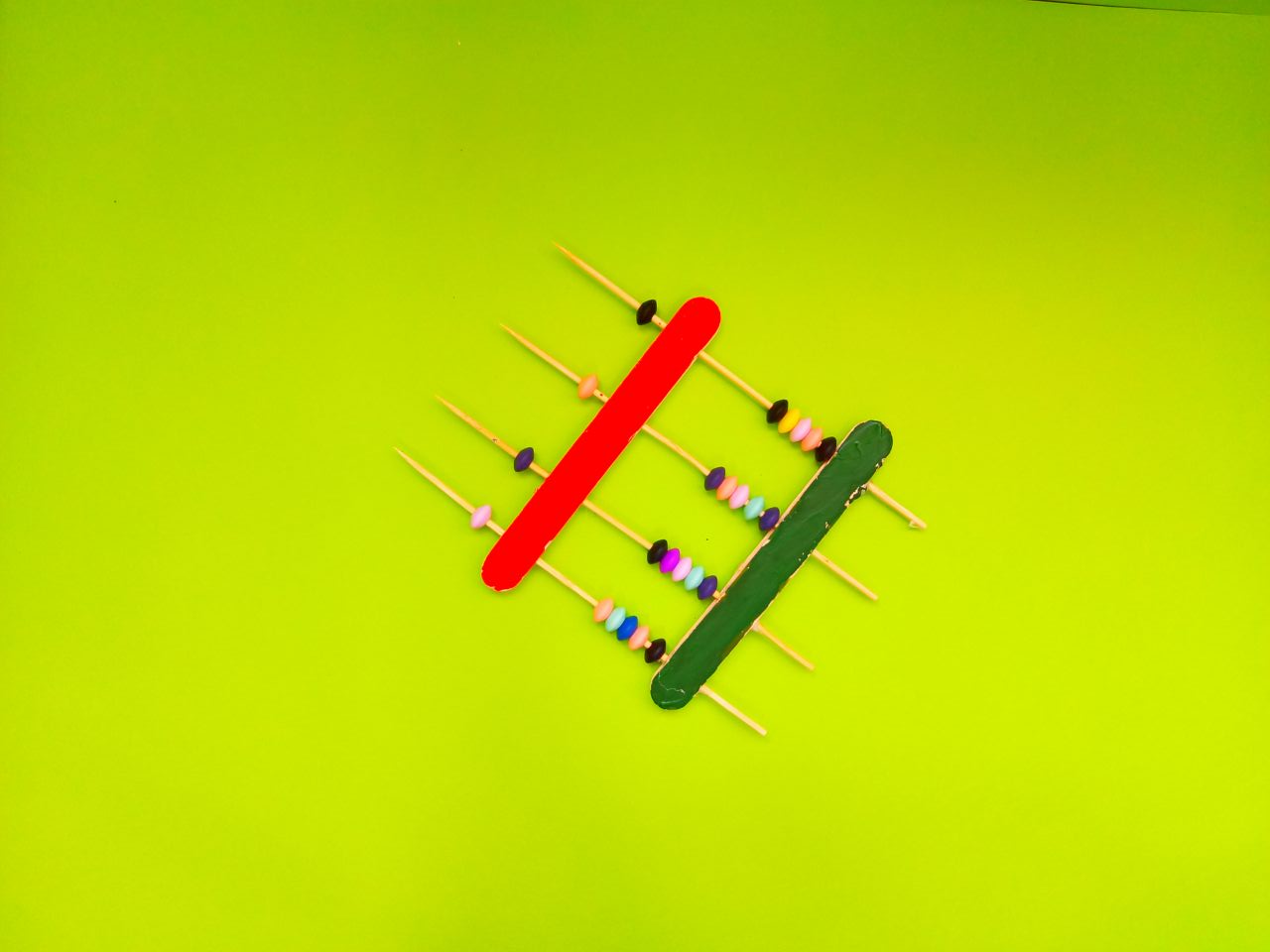
Conclusion
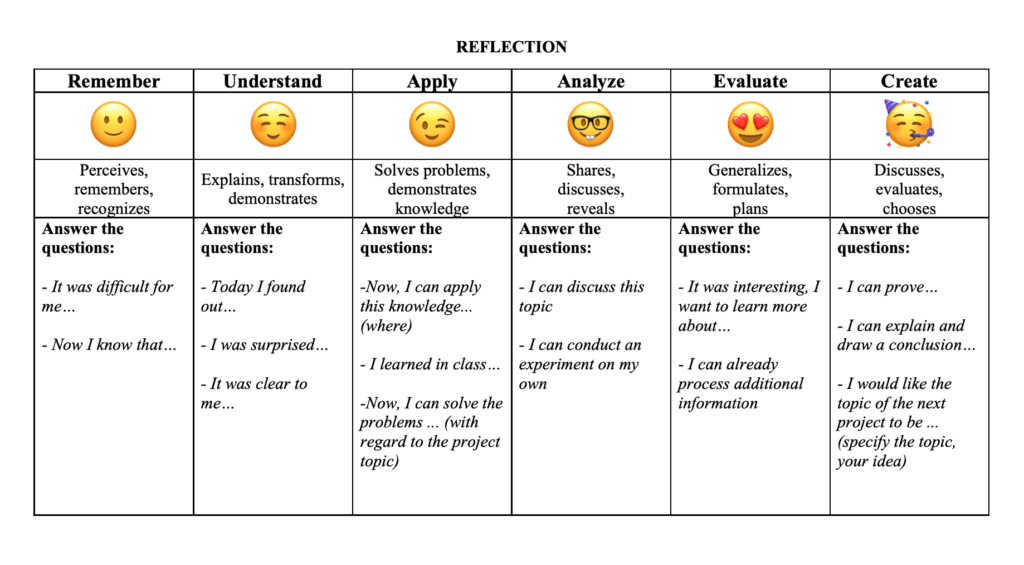
In this lesson the pupils learned about the method of quick counting, mental arithmetic and how to calculate in an abacus. They made an abacus counting board with their own hands.
On this project every pupil is awarded a STEAM title, by category:
– You, learning mental arithmetic and abacus calculation, you are a real mathematician!
– Working in pairs, you listened to your partner and worked together to develop group work skills. During the practical work, you showed your creativity and qualifications.
Evaluation