Lesson 1
Topic of laboratory work: Le Chatelier Principle
The purpose of the work:
Learn how the Le Chatelier principle works
Understand the role of Le Chatelier principle in dissociation reactions
Learning outcomes:
Students understand the role of pressure, temperature, and concentration on reaction equilibria
Students understand the effect of temperature on the dissociation equilibria
Teacher’s guide:
Tasks are performed in groups of 2-3 people
Students should be cautious with hot plate
Worksheet
Safety technique
Description
Introduction:
Le Chatelier’s Principle is a fundamental concept in chemistry that helps us understand how chemical reactions respond to changes in various factors. This principle provides valuable insights into how temperature, pressure, and concentration affect the equilibrium of a chemical reaction. In this text, we will explore Le Chatelier’s Principle and its applications in real-world scenarios.
Temperature:
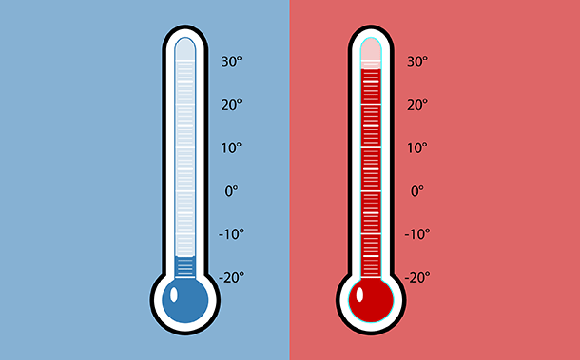
Temperature plays a crucial role in influencing chemical reactions. According to Le Chatelier’s Principle, if a reaction is exothermic (releases heat), an increase in temperature will shift the equilibrium in the direction that absorbs heat, and vice versa. Conversely, for endothermic reactions (absorb heat), an increase in temperature will shift the equilibrium toward the side that releases heat.
Pressure:
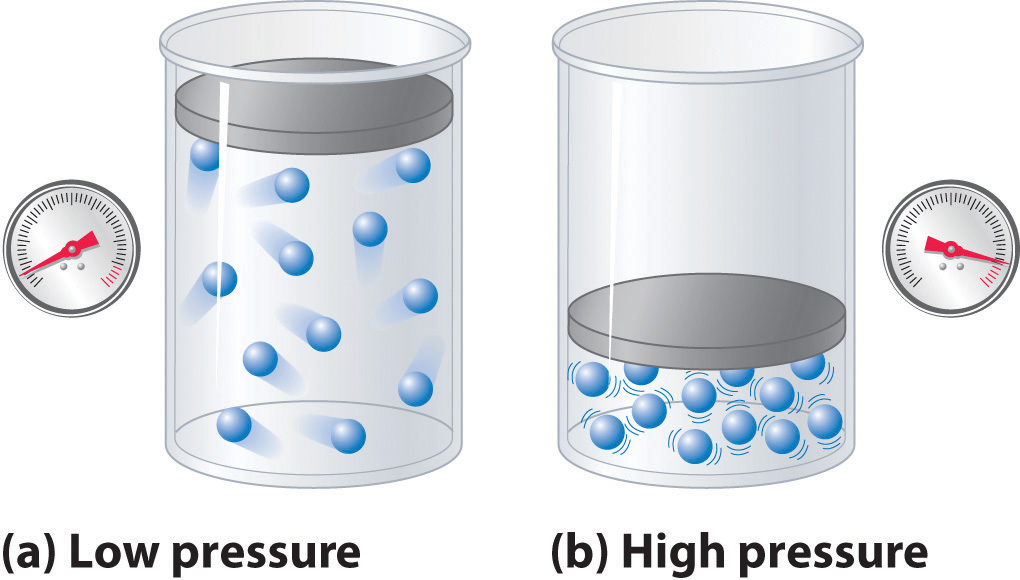
Pressure is another factor that can impact chemical equilibrium, especially for reactions involving gases. According to Le Chatelier’s Principle, an increase in pressure will shift the equilibrium towards the side with fewer moles of gas, while a decrease in pressure will shift it towards the side with more moles of gas.
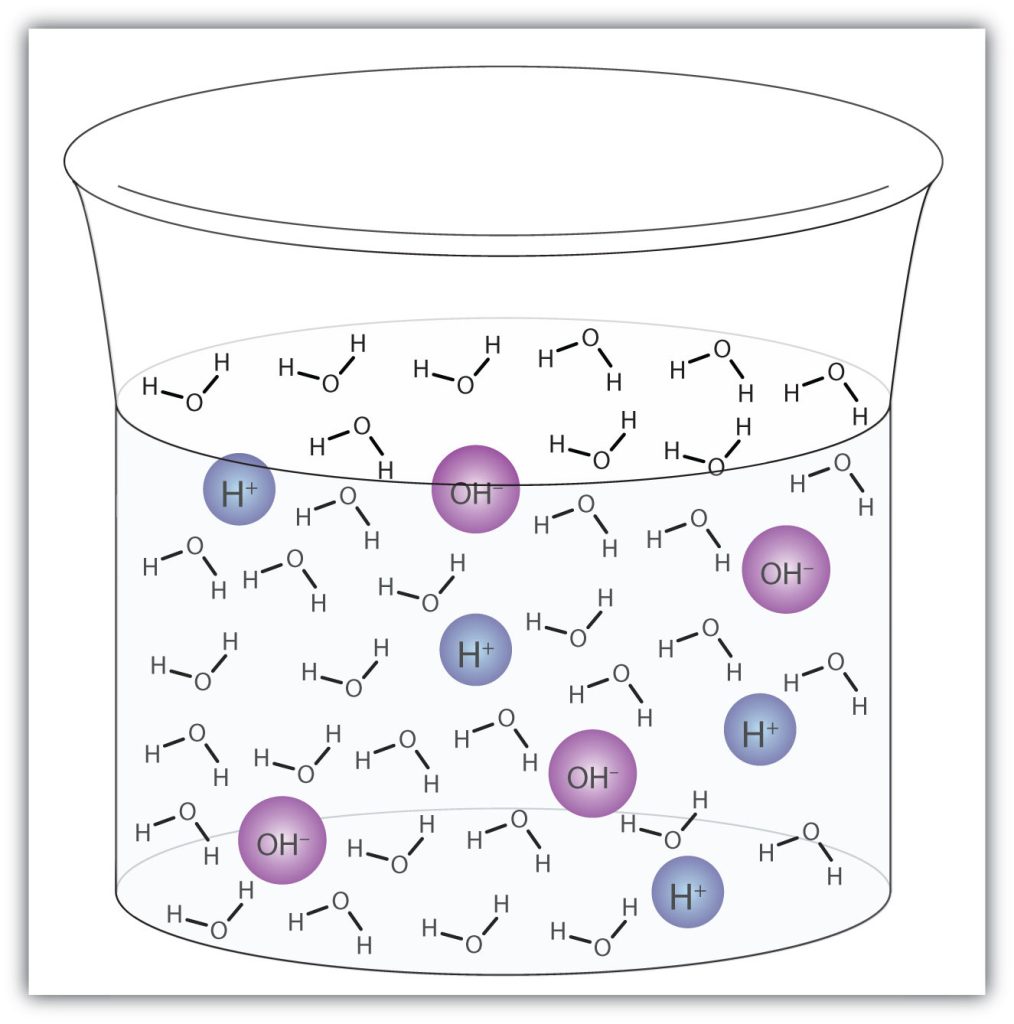
Concentration:
Changing the concentration of reactants or products also affects equilibrium. If you increase the concentration of a reactant, Le Chatelier’s Principle suggests that the equilibrium will shift towards the products, and vice versa. Conversely, decreasing the concentration of a reactant will shift the equilibrium towards the reactants.
List of necessary equipment
- Copper sulfate
- Scales
- Plate
- Electric stove
- Ice
- Water
- Glass
Practical part
1) Weigh out 8 grams of copper sulfate
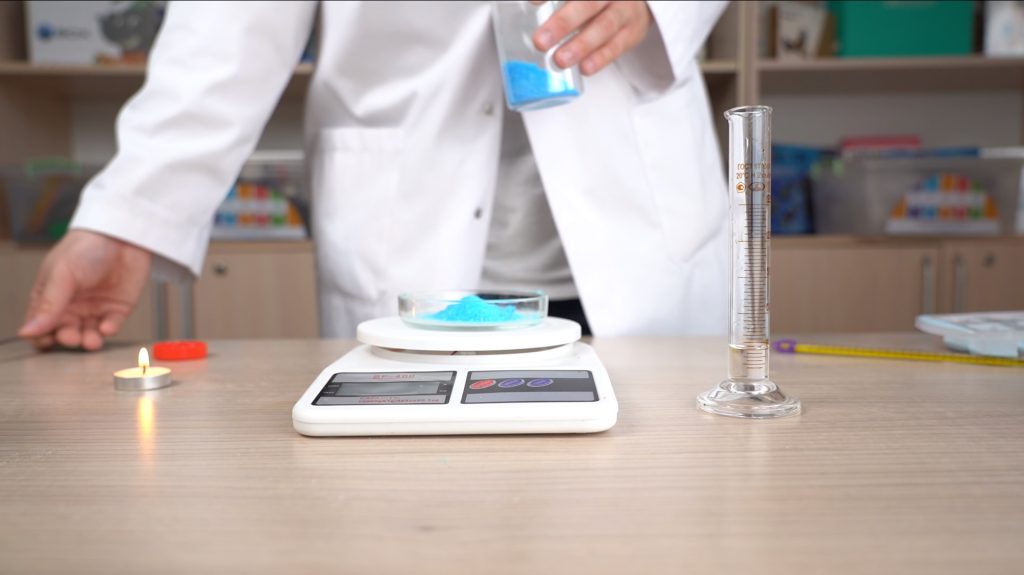
2) Measure 10 ml of water into a test tube
3) Add salt to the water and stir. Record your observation.

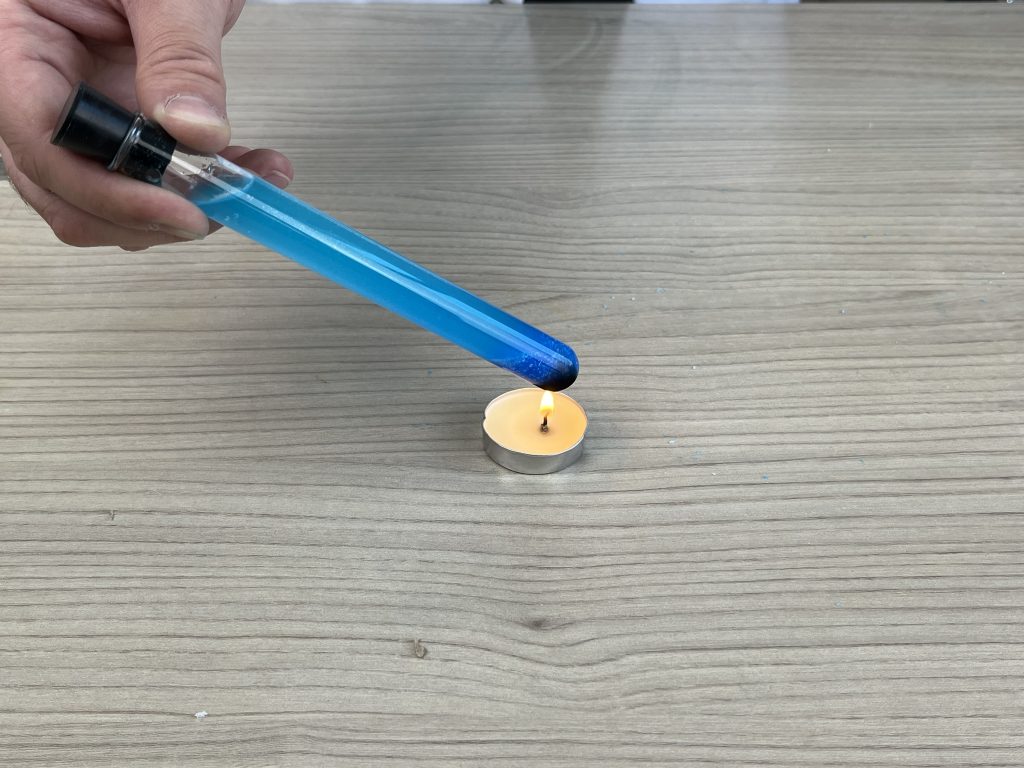
4) Now place the glass above the flame and start heating the solution. Ocassionally stir the solution.
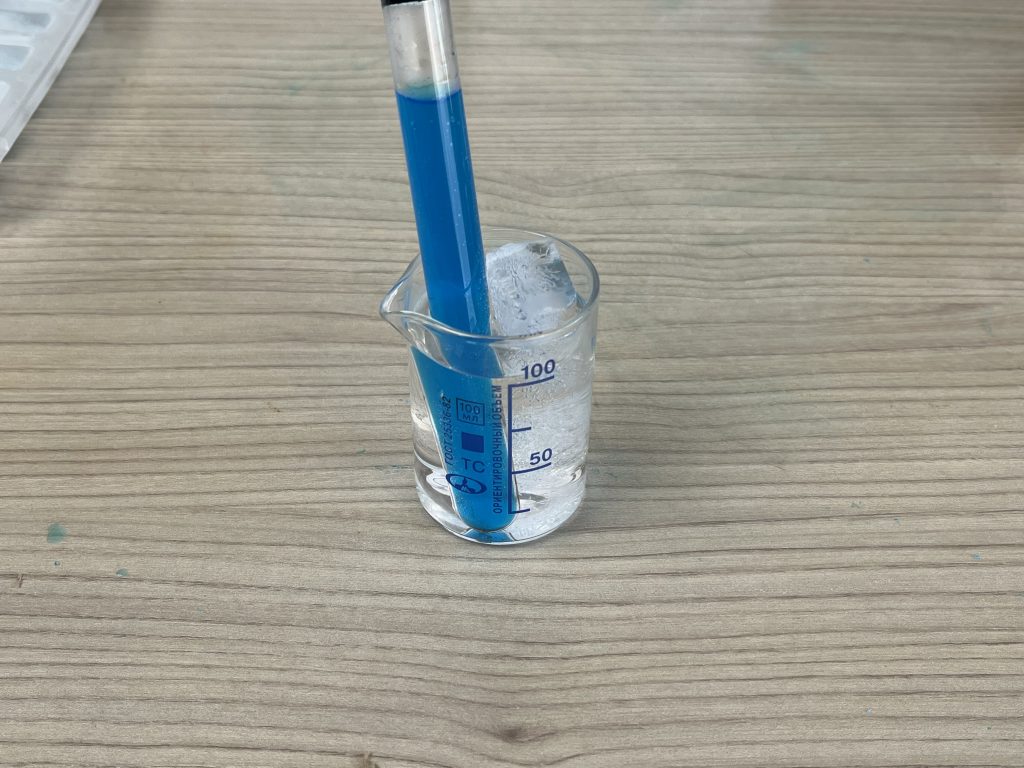
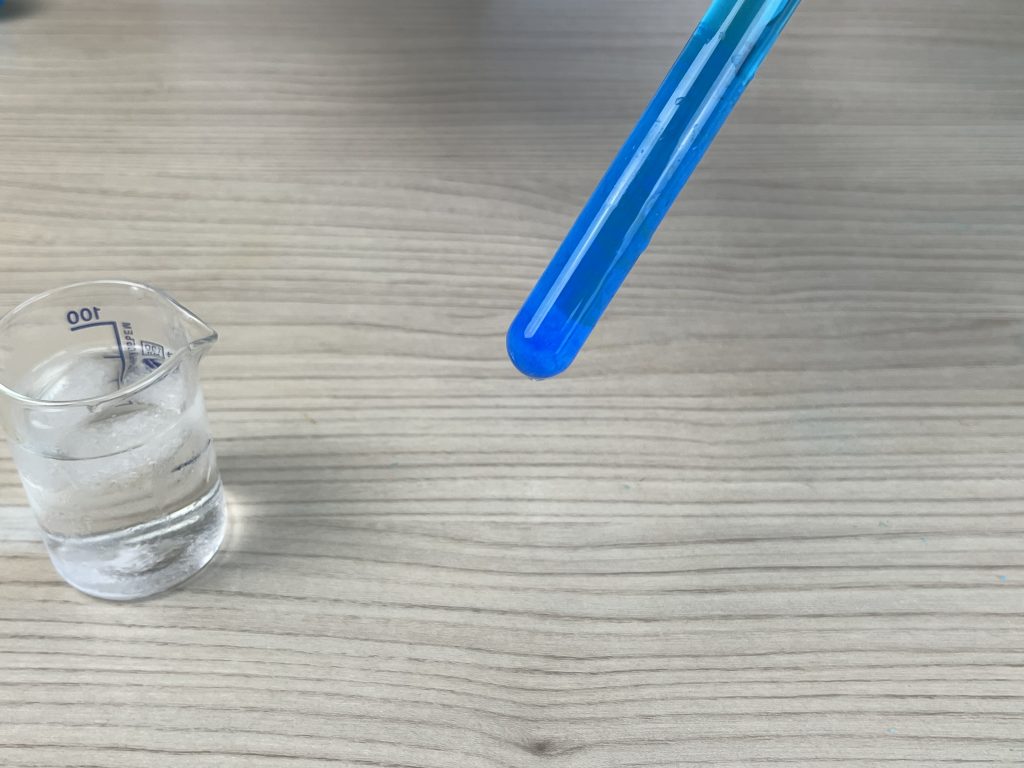
5) Now place the test tube in the ice bath and wait until the solution cools to 8-9 degrees. Stir the solution lightly. Record your observations.
6) Make conclusions.
Conclusion
Thus, you have learned to apply Le Chatelier’s principle in dissociation reactions.
Rules for designing the laboratory work
The laboratory work should contain items in the following order:
- Laboratory work number
- Topic name
- Purpose of the work
- Hypothesis
- Brief description of the theoretical part
- Equipment
- Steps in the correct sequence
- Add a photo from the experiment (if you can’t insert a photo, you can add a picture)
- Give a brief description
- Write a brief discussion and explanation of the topic covered
- Write the conclusion of the work
- The workplace must be cleaned and put in order
Feedback