
Lesson
Project objective
– The ears are the main part of the body ;
– To develop students’ 4K skills ;
– To develop and test their hearing aids .
Teacher’s guide
– In the practical part of the project the pupils work individually.
– The students should be introduced to topics like sound/sound perception.
– Before beginning the experimental part, familiarise and provide the students with all the necessary materials.
– Give a brief instruction on how to use the scissors.
– At the beginning of the lesson explain the PBL (project based learning) rubric to the students. Skills 4K (critical thinking, collaboration, creativity, presentation)
Safety in Steam lessons
It is recommended that the teacher is familiar with the safety procedures before the start of the lesson. If necessary (in the case of items specified in the safety rules), brief the students. Go to Safety in Steam lessons
Theoretical Part
The human ear is one of the most important organs, which not only allows us to hear the sounds around us, but also helps us maintain our balance.
Auditory pathways
The auditory pathway is the network of nerve fibres that transmit nerve impulses from the cochlea to the auditory centres in the temporal lobes of the brain. It is there that complex sounds, such as speech, are processed and analysed. The transmission speed of the auditory signal from the outer ear to the centres of the brain is about 10 milliseconds.

Sound perception
The ear successively converts sound into the mechanical vibrations of the eardrum and auditory ossicles, then into vibrations of fluid in the cochlea and finally into electrical impulses, which are passed along the pathways of the central auditory system to the temporal lobes of the brain for recognition and processing.

By receiving the nerve impulses the brain not only converts them into sound, but also receives additional information that is important to us. This is how we can distinguish the pitch and loudness of a sound and the time interval between the sounds we hear with our left and right ears, which allows us to recognise the direction in which a sound travels. The brain not only evaluates information from each ear individually but also integrates it into a single perception. Our brains also store “patterns” of familiar sounds that help the brain to more quickly identify those we are unfamiliar with. When we are hard of hearing our brains receive distorted information, sounds become softer and this leads to misinterpretations. The same problems can occur with ageing, head trauma and neurological diseases. This proves only one thing: it is not only the hearing organ that is important for good hearing, but also the brain!
Practical part
Step 1. First create cone-shaped tops, called ear tubes. Wrap a thick sheet of paper around a wide cone. There should be an opening on one side that is small enough to fit over the outer ear, next to the ear canal. Use tape to secure the shape of the cone

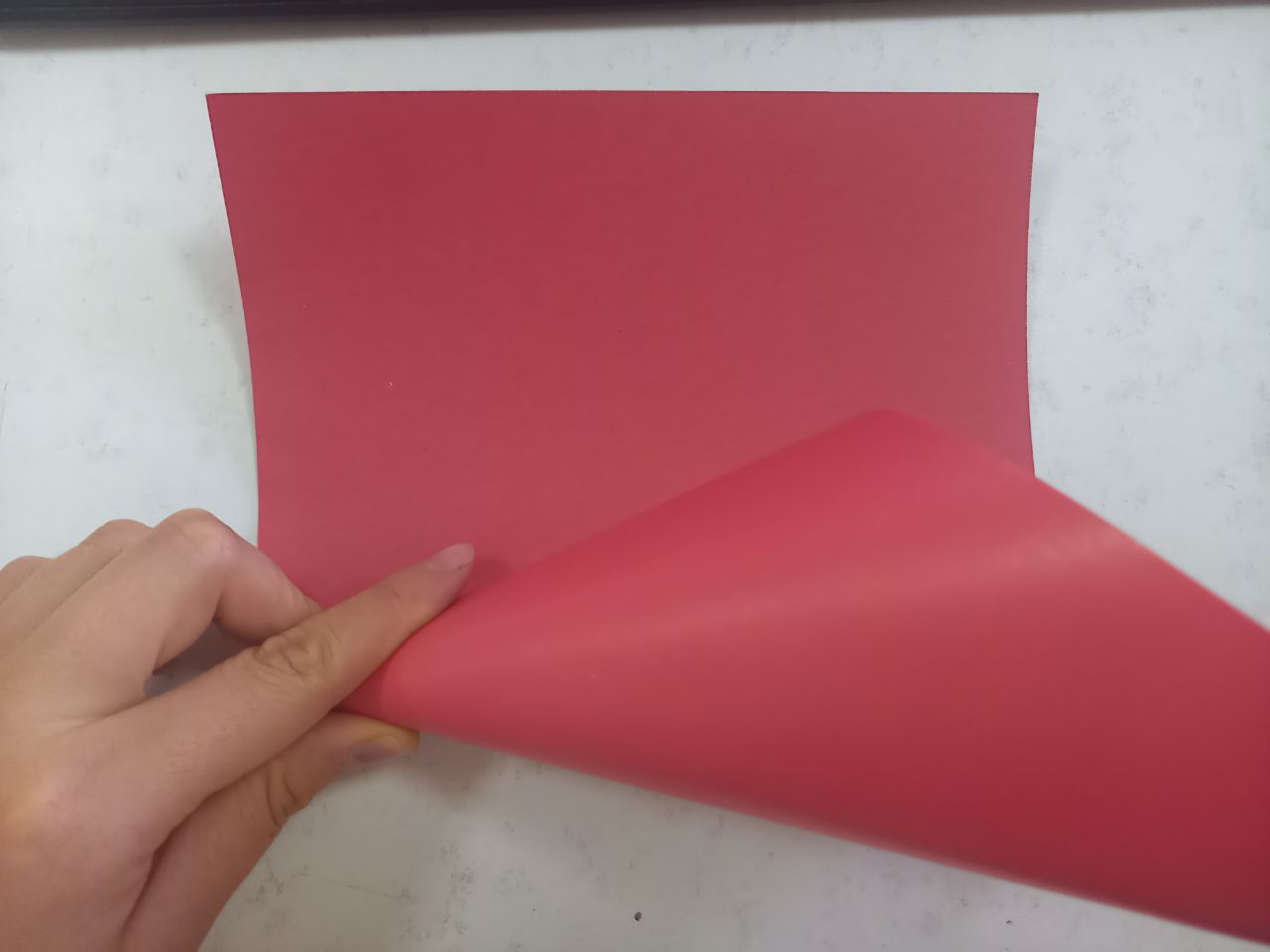
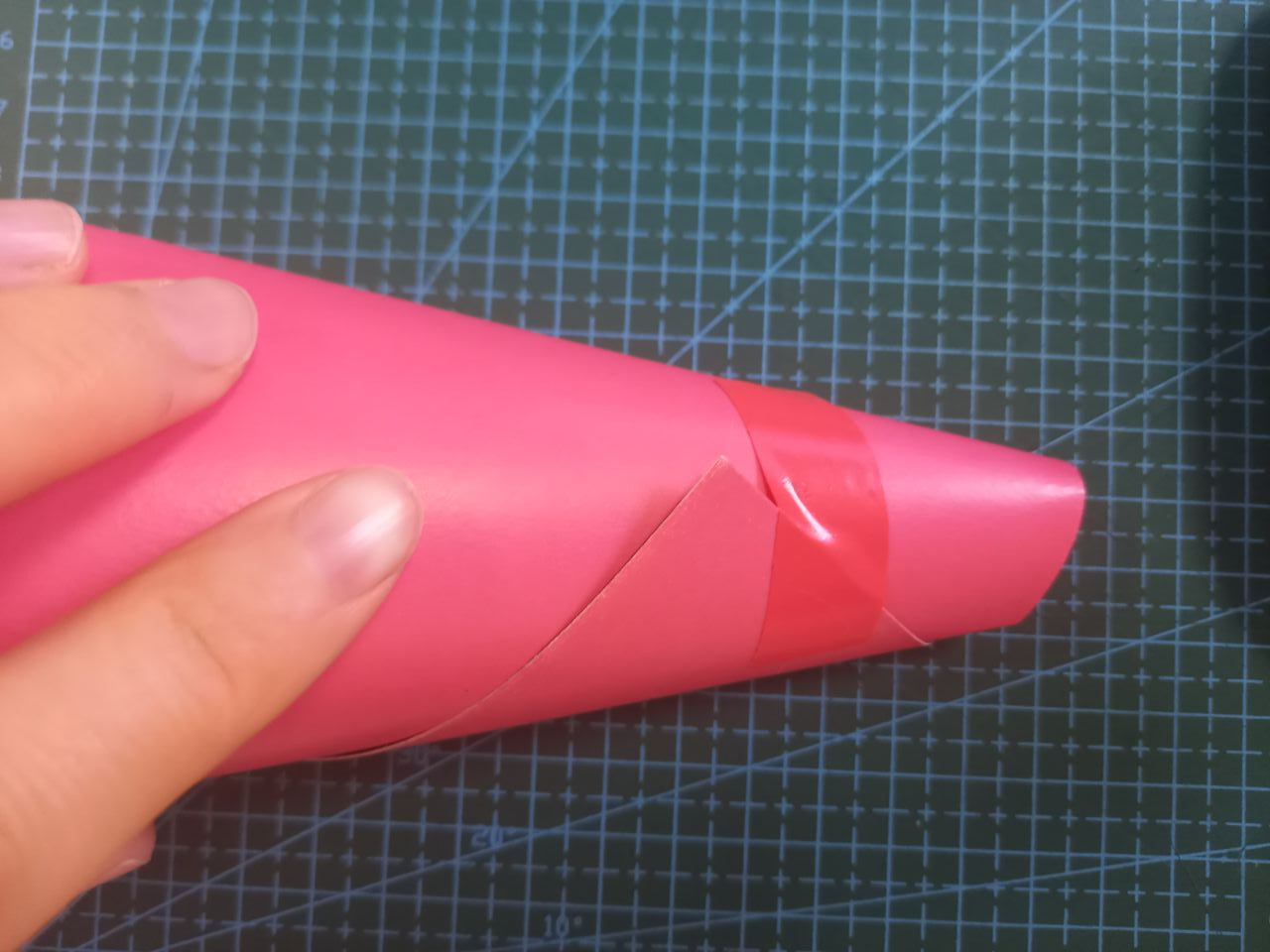
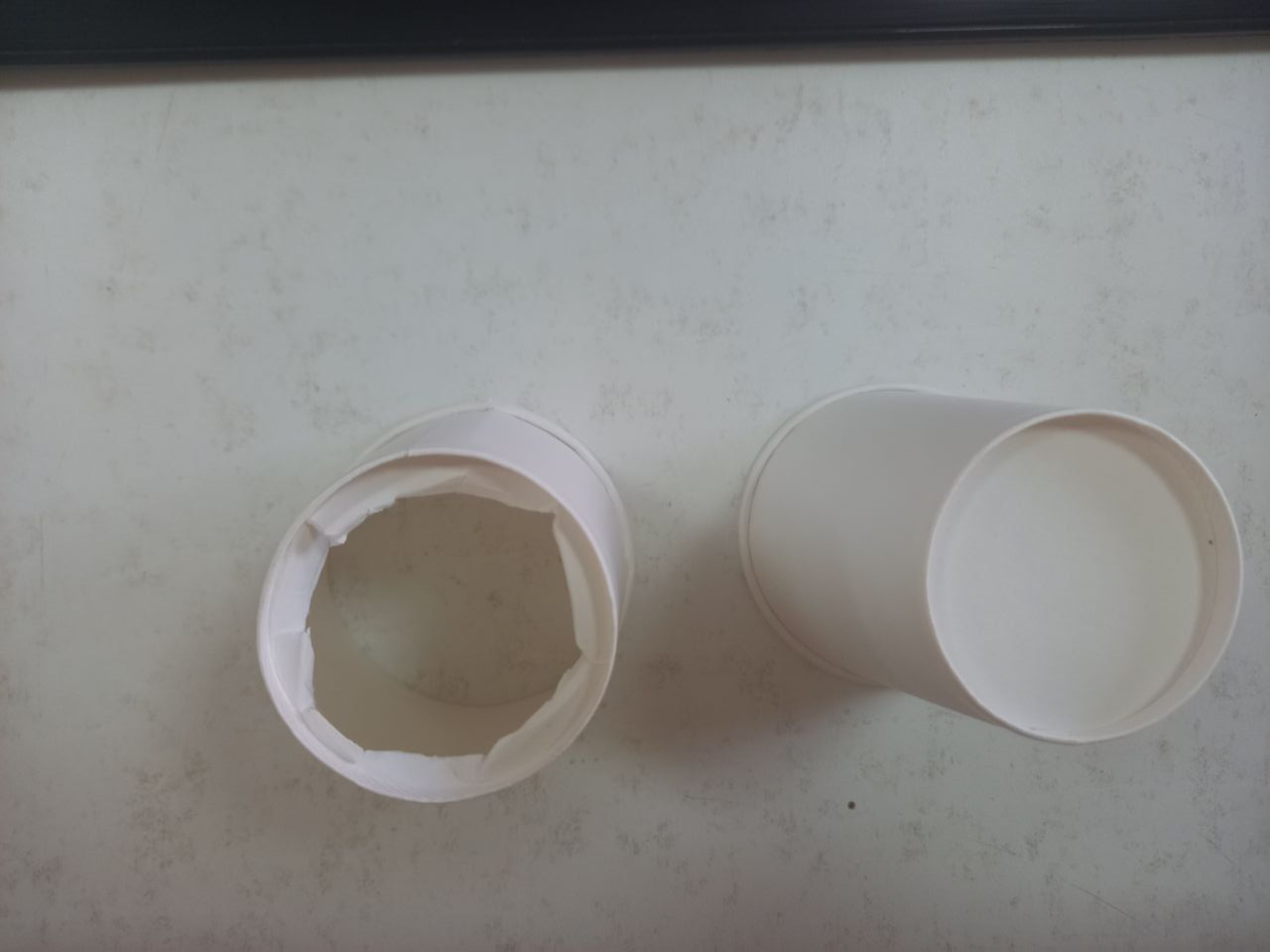
Step 2. Make 2 such cones. Make the second hearing aid from a tumbler. Take 2 glasses, cut off the bottom with scissors
Research part. Answer the questions
- Turn the radio, CD player or other music device with the speaker on low to mute the sound. If you are using a headset, leave it on the table and turn up the volume to hear the faint sound without the headset. Turn one ear to the speaker or headset and stand next to the speaker or headset. Leave enough space for the ear tube to fit between your ear and the speaker or headset
2. Insert the small opening of the cone into your ear so that the cone is close to the ear canal. Point the wide open end of one cone towards the speaker or headset. Point the other cone in the opposite direction (away from the speaker or headset). Your head should be in the same position as the first stage. Listen to the noise.
- What does it sound like this time?
- Is the sound loud or faint?
- Can you still hear the sound?
- If it is loud, turn down the volume a little until you can just hear the sound. Remove the hearing tubes and listen again. Can you hear the sound without the cone?
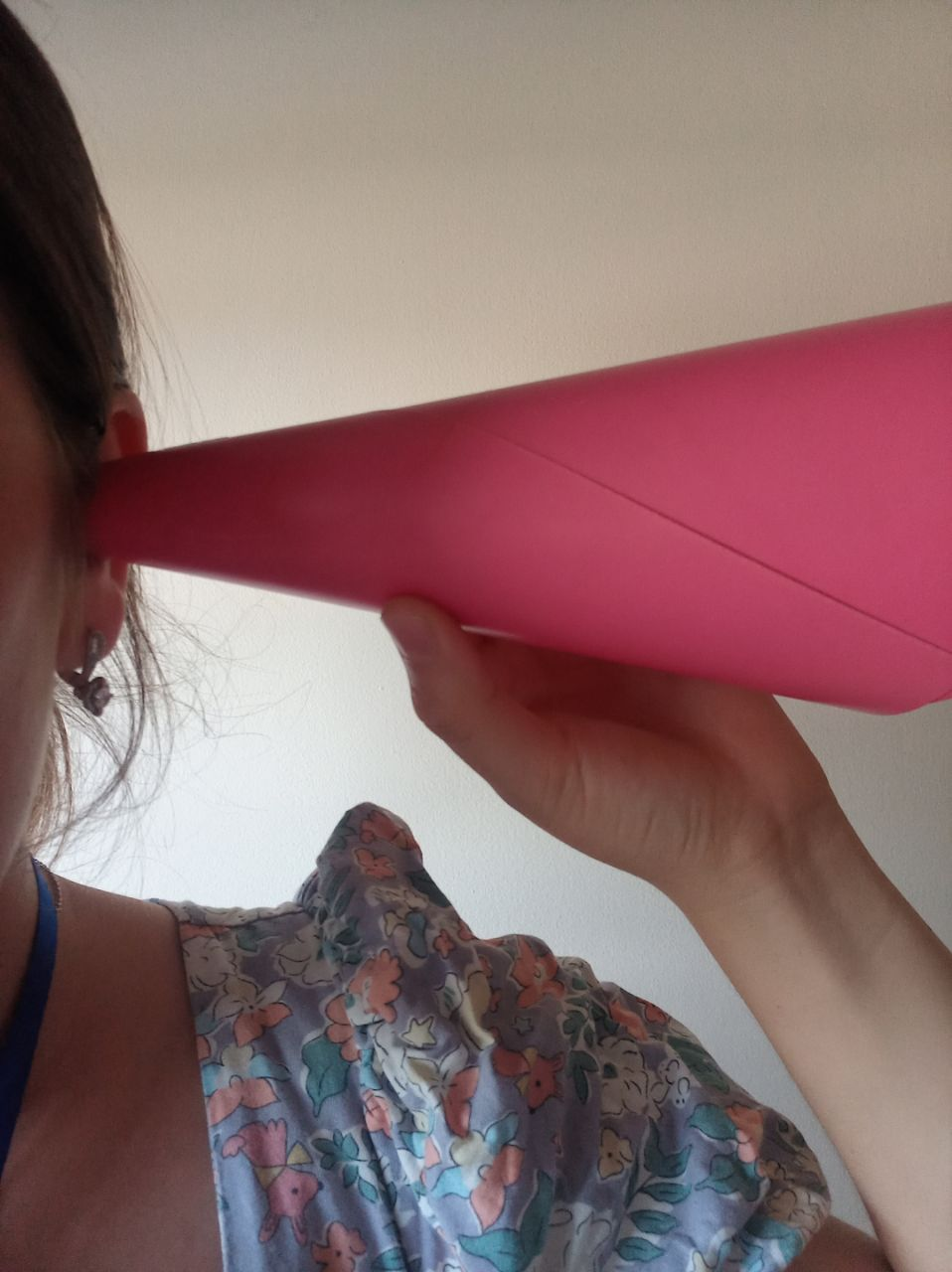
3.Take the glasses and do as shown in the picture. Then compare the sounds heard from the tumbler and the cone
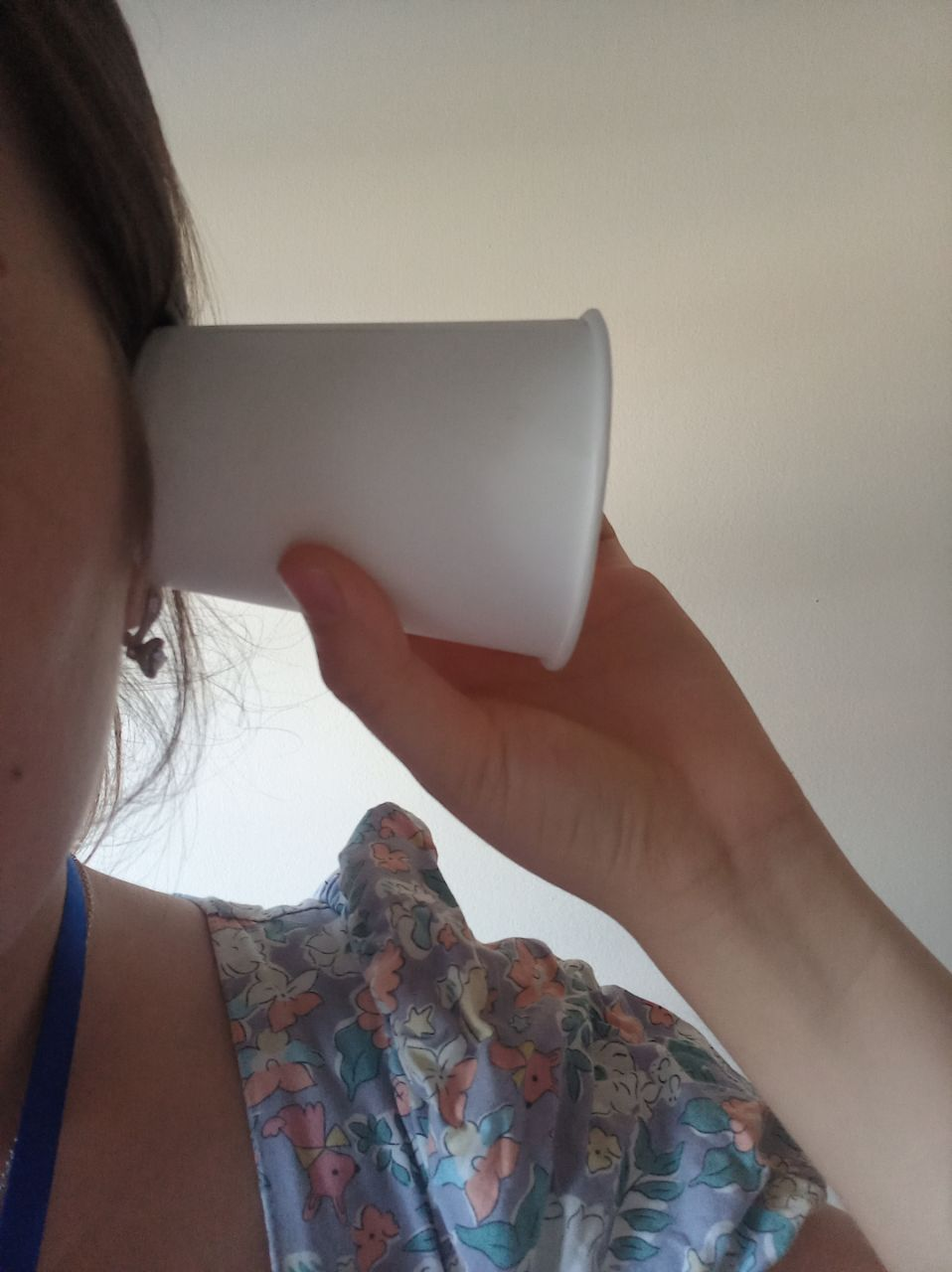
4.Bend your palms slightly forward to check how the folds can be heard. Listen to the faint noise while looking at the speaker. Do your hands help you to hear the sound? Which hand position improves the sound?
Test results
Did the cone-shaped tips improve hearing when the wide parts or cups were pointed towards the sound source?
Did they reduce hearing when they were pointed elsewhere?
Larger pits (such as an ear tube or hand cup) collect more sound waves, so you hear the sound better. Because they are large, they can also prevent sound from reaching your ear canal. Therefore, when you turn your head or put your hands back (outside the sound source), they attenuate the sound.
Conclusion
In this lesson, the students found out whether or not the prevalence of sound, the shape of the ears affects the perception of sound . They made and practised ear shapes from available materials.

In this project, each pupil will be awarded a STEAM category title:
– You have studied whether or not ear shapes affect sound perception, and by creating ear shapes and putting them into practice, you are a true scientist – a researcher!
– You, in the course of your practical work, have shown your creativity and qualifications.
Evaluаtion

