Lesson
Project objective
– To explain the importance of growing plants in a greenhouse;
– To develop students’ 4K skills;
– To grow a greenhouse with their own hands, plant a plant.
Teacher’s guide
– In the practical part of the project, students work in groups of 3-4 students.
– Pupils should be introduced to topics like the benefits of chess to man.
– Before starting the experimental part, introduce and provide the students with all the necessary materials.
– Give brief instructions on how to work with hot glue.
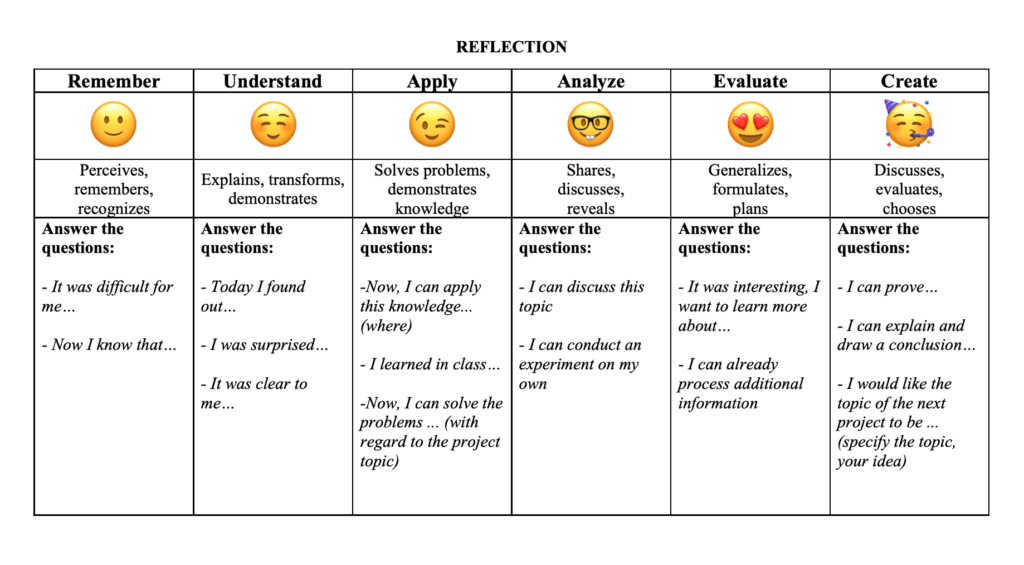
– Explain the PBL (project based learning) rubric to the students at the beginning of the lesson. 4K skills (critical thinking, collaboration, creativity, presentation)
Safety in Steam lessons
Before we begin the lesson, teachers are advised to familiarise themselves with the safety procedures. If necessary (if using items specified in the PPE), brief the students. Go to Safety in Steam lessons
Theoretical part
A greenhouse is a heated greenhouse that is a protective structure for growing early seedlings (cabbage, tomatoes, cucumbers, seedling flowers, rooting cuttings or pot plants) for later planting in the open ground. Unlike the greenhouse, the size and heating system allows you to organize the whole cycle of cultivation of a particular crop. Greenhouses are covered with polyethylene film, glass, plastic or honeycomb polycarbonate. Inside them, infra-red radiation from the sun and heating pipes heats the plants and the soil. The air heated from the inner surface is trapped inside the structure by the roof and walls.

The material the walls are made of acts as a selective transmission medium for different spectral frequencies, its effect being to trap energy within the greenhouse, by which both the plants and the soil are heated. This heats the air near the soil, which does not rise upwards and seep outwards.
How do I plant vegetables in the greenhouse?

Greenhouse vegetables need the sun’s energy during the morning and evening hours, the rays stimulate the full development of the plants and the formation of fruit. To determine how to arrange the vegetables in the greenhouse, you must first make a list of the crops you plan to grow. This makes it much easier to draw up a planting plan.
Low-growing crops should be grown in the traditional way: from north to south. For taller crops, prepare a bed that runs from west to east so that the sun’s rays can penetrate evenly.
Planning your greenhouse planting
Vegetable specialists advise against growing tomatoes and cucumbers in the same greenhouse. This is because they need completely different conditions. Tomatoes need ventilation and low humidity. Cucumbers can’t tolerate draughts; they like thick, moist, still air. But not all gardeners can build two greenhouses. Firstly, the size of the plot does not always allow. Secondly, financial resources are often limited. And, of course, several crops must be grown in the same greenhouse. It is important to place them correctly. So that there is no competition for light, well ventilated those who need it. And to protect those who like ‘doldrums’ from draughts.

Practical part
Step 1. On a 50×30 cm cardboard, glue the popsicle sticks together with hot glue
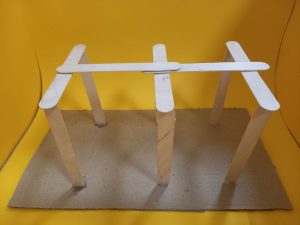
Step 2. Glue the 6 popsicle sticks vertically to the cardboard and fix the ceiling as shown
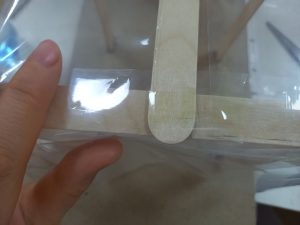
Step 3. Take the file, then tape together, winding around the popsicle sticks
Step 4. Plant the seeds in one container and place them inside the greenhouse
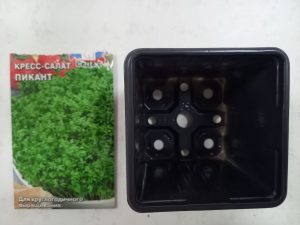
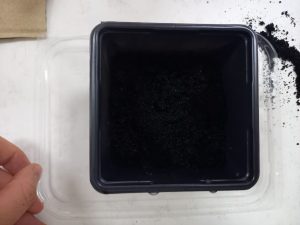
Step 5. Install the greenhouse as shown in the illustration
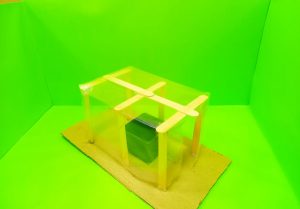
Water the planted seeds daily and watch them grow after 3-4 days
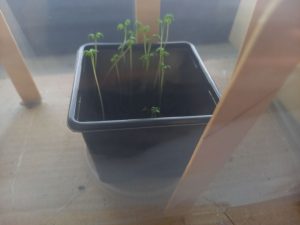
Conclusion
In this activity the students made a greenhouse from available materials. They also planted seeds and grew a plant.

In this project, each pupil will be awarded a STEAM title in the category:
– You, with your own hands have made a greenhouse and grown a plant you are a true – gardener!
– You, working with the group, helped each other. During the practical work you have shown your creativity and qualifications.
Еvaluation