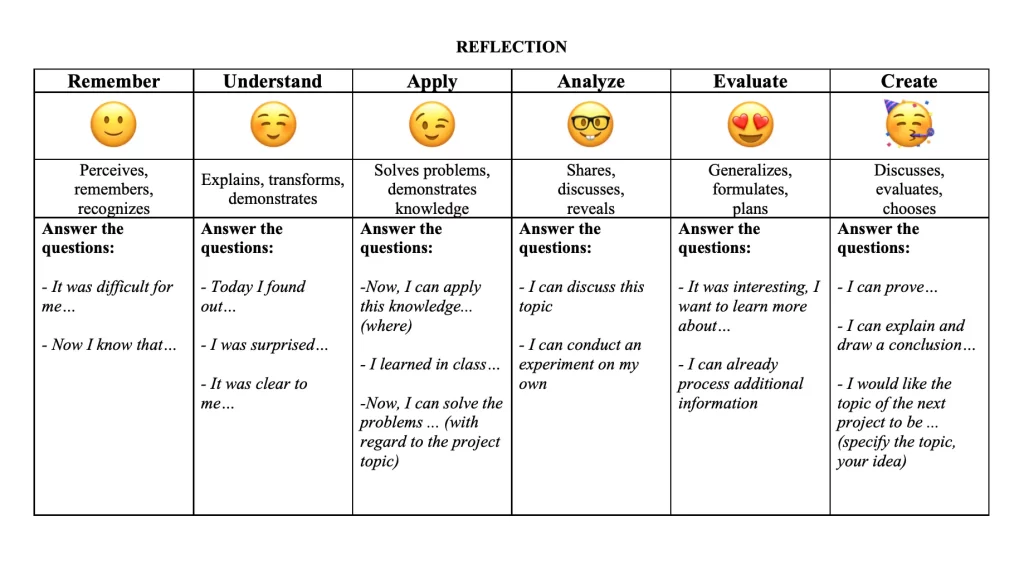
Task
Objective of the work
- Become familiar with types of unequal motion.
- Determine the acceleration of a ball on a chute.
- To be able to use the laboratory tools in the activity.
Teacher’s guide
In the practical work, the students work in groups.
The students should be familiar with the topics of unequal motion/equal acceleration and equal slow motion.
Introduce and provide the students with all the necessary materials before starting the practical work.
Distribute the worksheet for the laboratory work to the students. You can download the worksheet from the worksheet link:
Familiarise the students with the safety procedures:
Requirements for laboratory work for the students
Laboratory works are carried out by students in the classroom under the direct supervision of the teacher and with strict adherence to safety and health requirements.
Laboratory work is accompanied by measurements and calculations. A report shall be prepared on the results of the work.
The report on the performance of laboratory work by the student shall contain:
- The name and number of the laboratory work;
- The name of the theme of laboratory work;
- The purpose of laboratory work;
- Brief description of the laboratory system (if any);
- The methods of measurement;
- The course of the laboratory work;
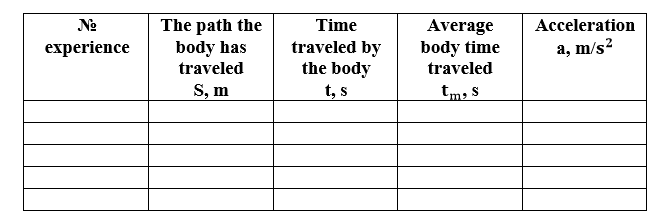
- Results of measurements and calculations (usually in the form of tables) with obligatory indication of the units of measurement;
- The results of the individual measurements; add a photo guide
- The results of processing the experimental data obtained with an estimate of the error of measurements;
- Graphs, charts, drawings;
- Basic calculation formulas with the indication of the quantities to be measured (all the alphabetic values of the formulas must be explained);
- Calculation and detailed analysis of the results;
- Conclusions.
Provide this material (PBL rubrics) to students for assessment so that:
- Students understand in advance what criteria they need to prepare,
- Students will be able to assess their own peers accordingly.
Practical part of the work
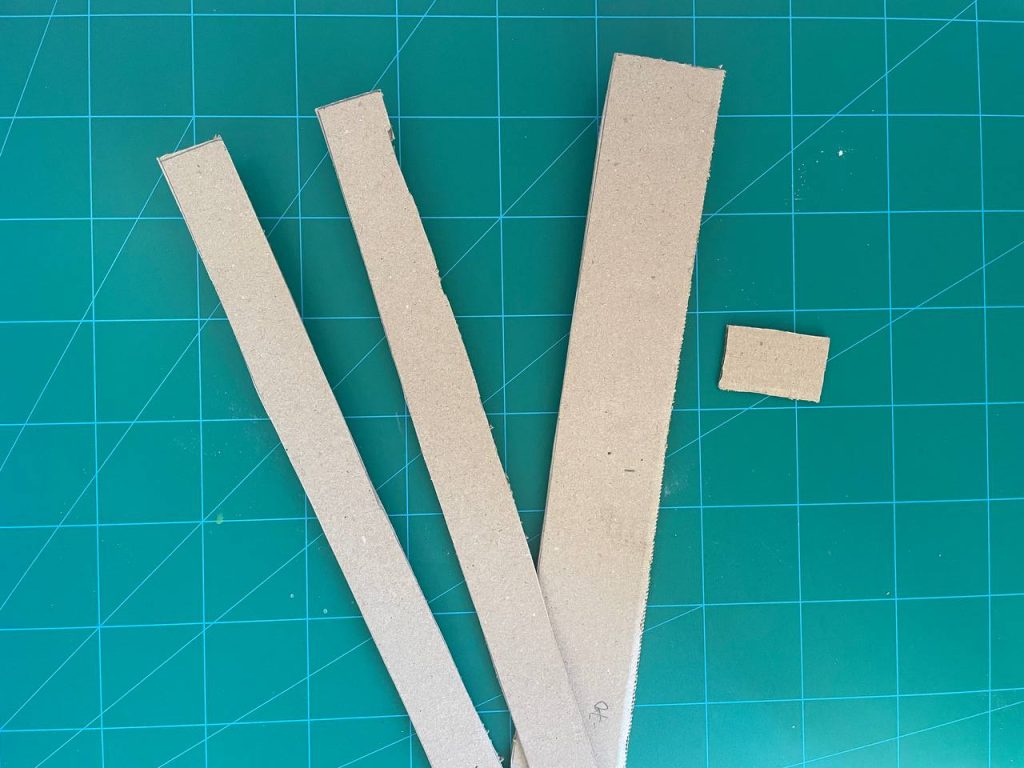
Step 1: Cut out small pieces of cardboard in sizes 70x5cm – 1 piece, 70x3cm – 2 pieces and 5x3cm – 3 small pieces
Step 2: Glue the cardboard together as shown
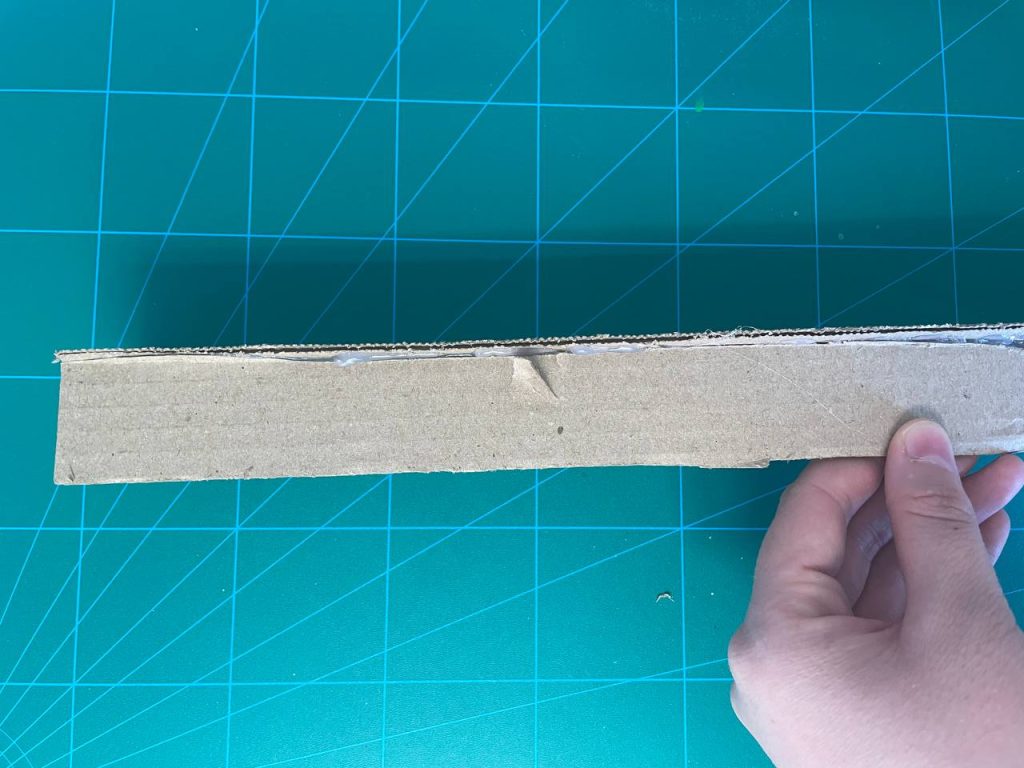
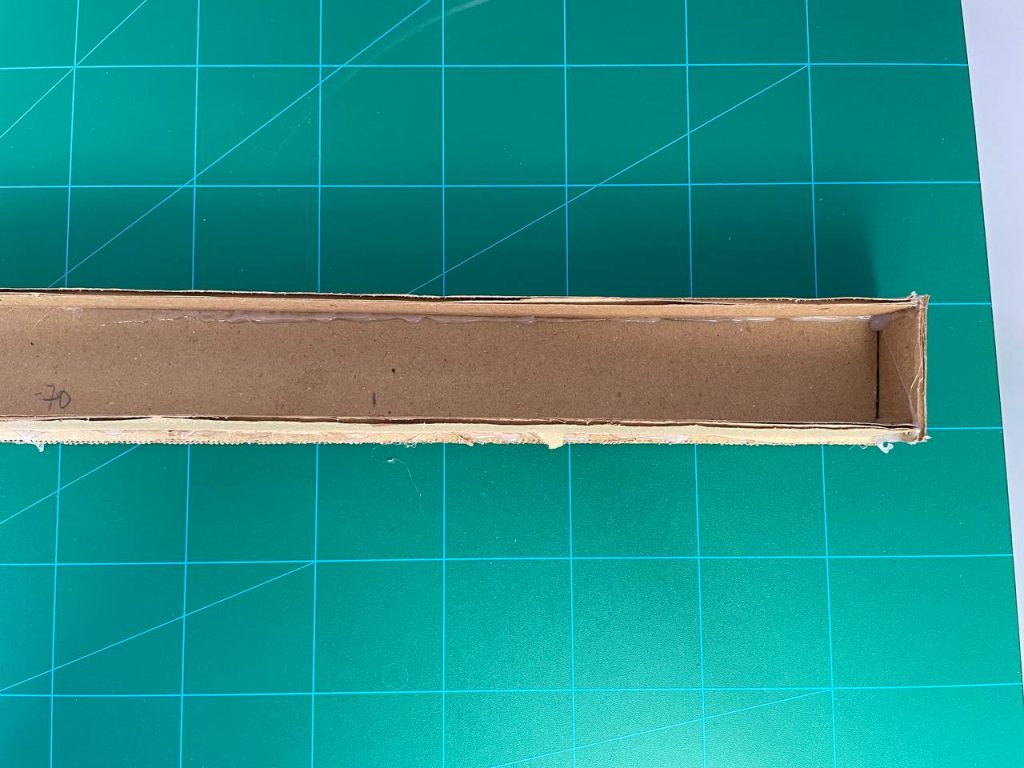
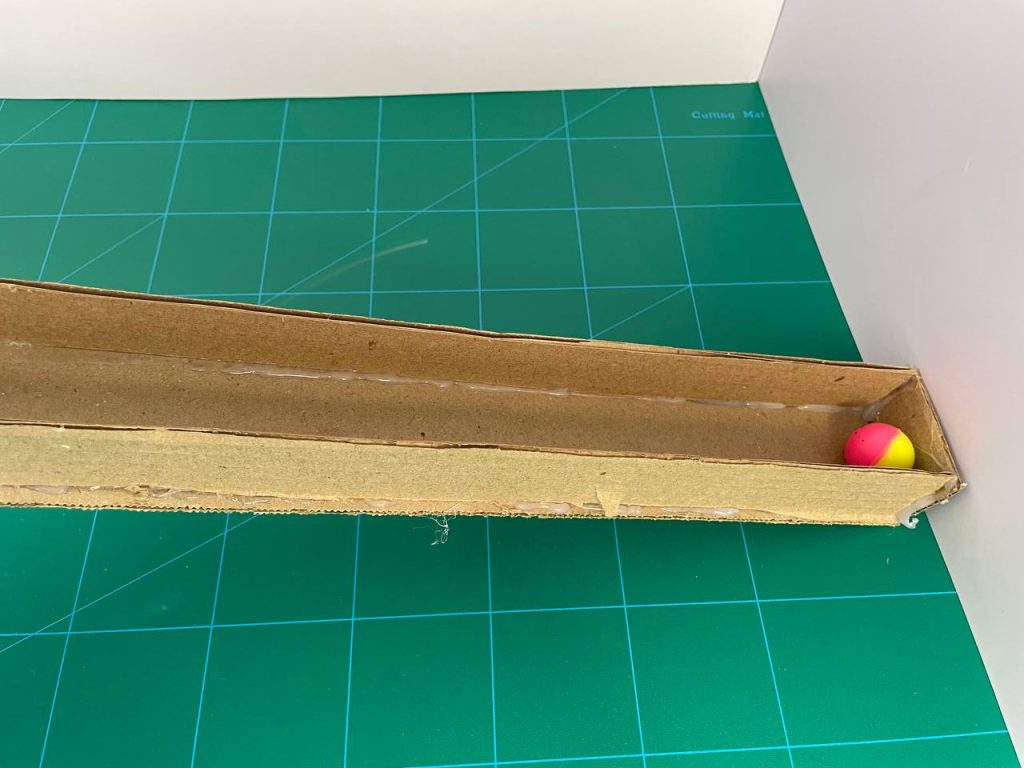
Step 3: This cardboard tool can be used as a chute
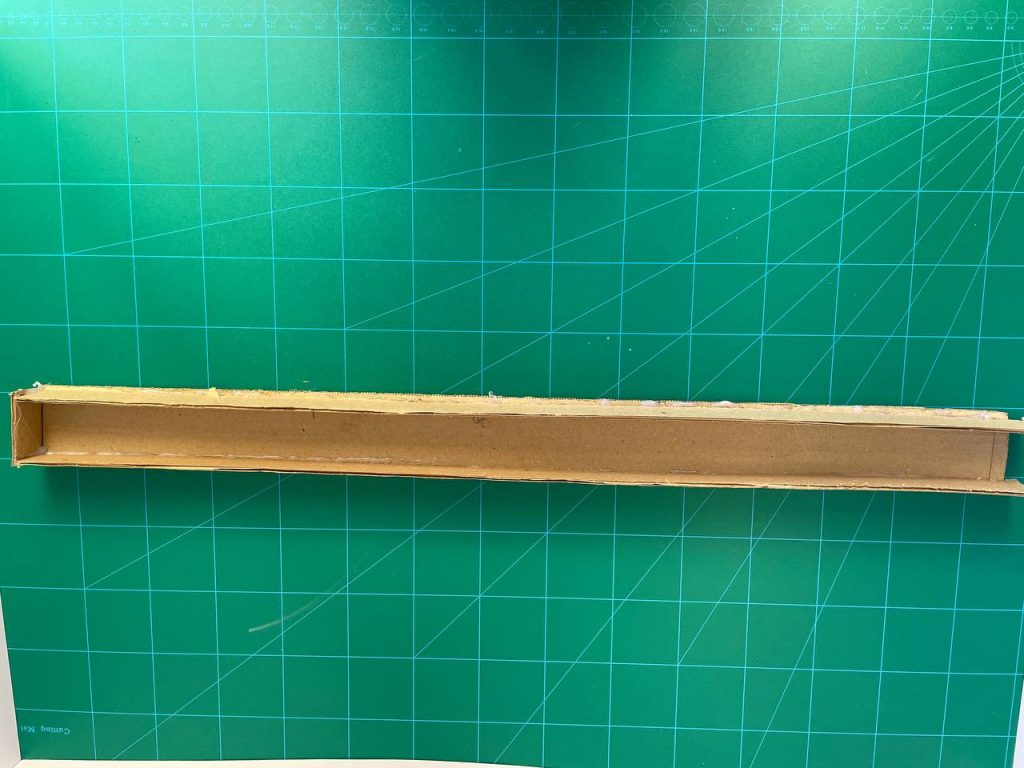
Step 4: Measure the length of the chute, i.e. the path the rubber ball takes, using a measuring tape or ruler
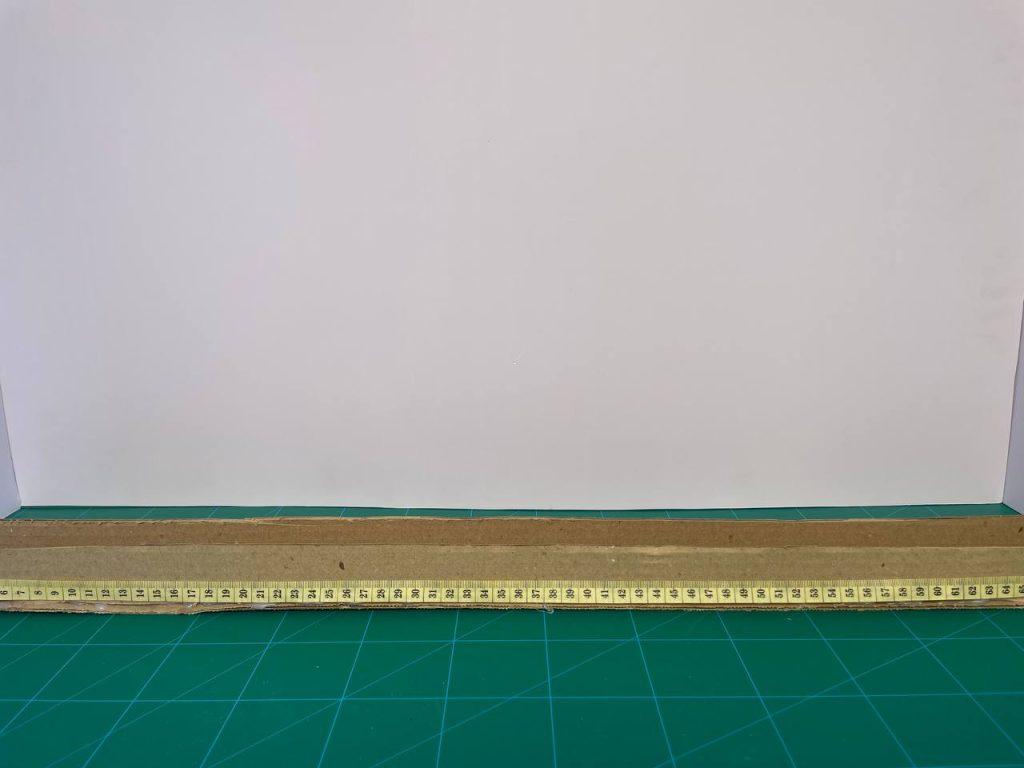
For example, the path of the ball shown in the picture is 70cm=0.7m.
Step 5: Position the cardboard chute horizontally so that the ball can roll along it
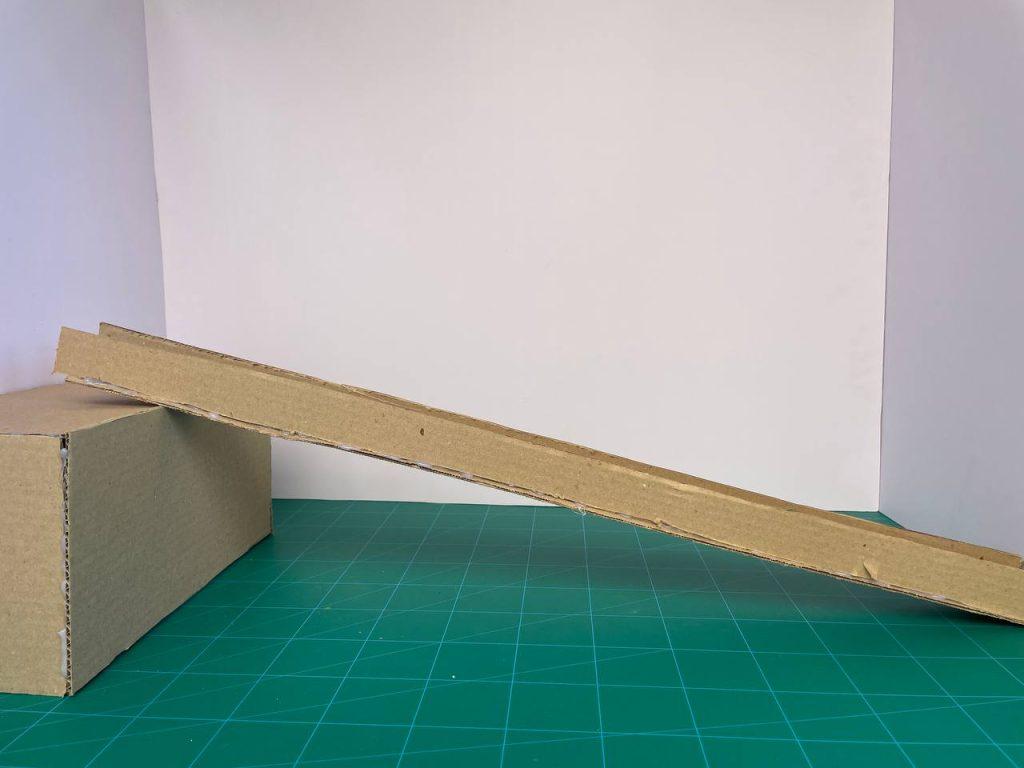
Step 6: Determine the time from the time the ball is sent down the chute until it is hit. To do this, use the stopwatch of the mobile phone you use in your daily life.
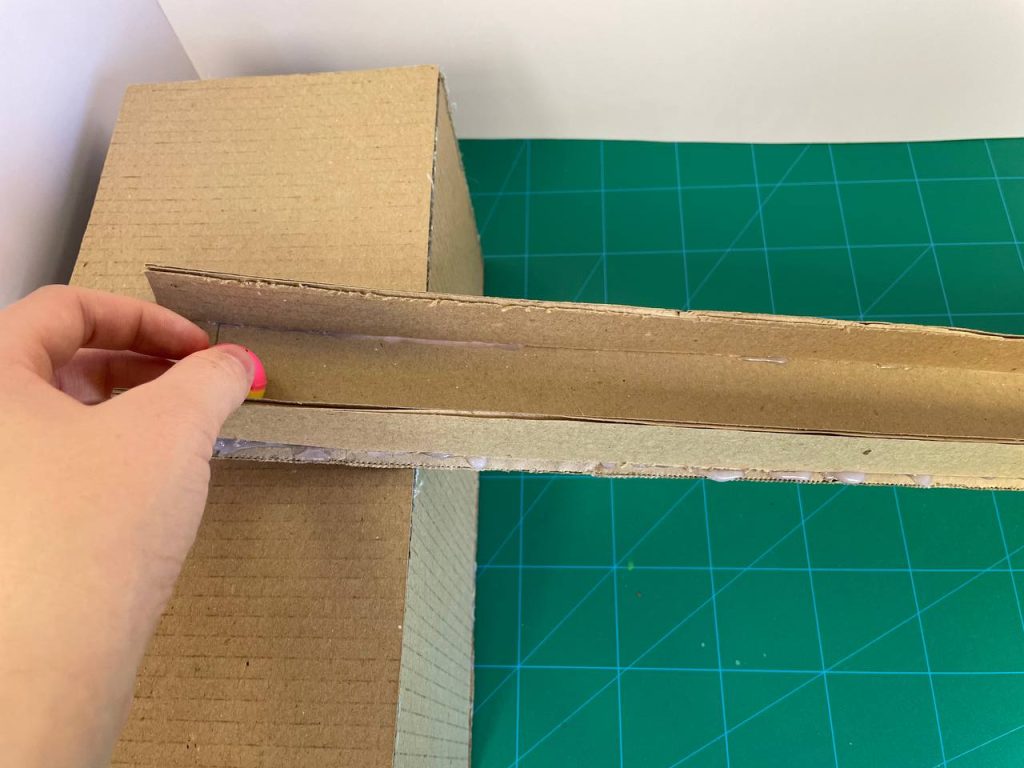
Step 7: No measurement is made absolutely precisely. They are always made with some errors due to imperfect measuring instruments and other reasons. But there are several ways to take reliable measurements when there are errors. The simplest one is to calculate the arithmetic mean of several independent measurements of the same quantity, as long as the experimental conditions remain unchanged. We recommend doing this at work.
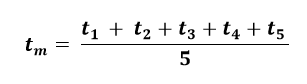
Repeat the experiment several times, and calculate the average ball movement time using the formula below
Step 8: Formula for the distance travelled without initial velocity in equi-accelerated motion
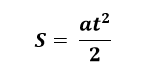
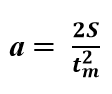
Express the value of the acceleration using this formula and determine its
Step 9: Calculation result
The time from when the ball is sent through the chute to when it is struck is shown, now find the average time
t1 = 01.33 s
t2 = 01.25 s
t3 = 01,28s
t4 = 01,30s
t5 = 01,58s

Step 10: S is the distance travelled by the body equal to the length of the trough shown in step 4
That is, S = 0.7 m.
Consequently, the value of acceleration
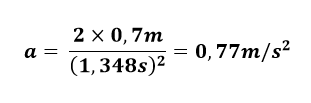
Step 11: Record all the results of the measurements and calculations in the table
Step 12: Draw conclusions from the work!
Conclusion
In this laboratory activity, the students learned about types of unequal motion. They also calculated the acceleration of a rolling ball on an inclined chute, the distance travelled, and the time the rubber ball rolled, and drew conclusions.