
Lesson 1
Project Goals
– To study the structure of the body and the habitat of fish;
– Make a working layout of the fish.
Teacher’s Guide
– Divide students into groups;
— Make a brief overview of the theoretical part;
Find a workspace that can tolerate water spills
– Then proceed to the practical part.
Safety in Steam Lessons
Before starting a lesson, the teacher is advised to familiarize himself with the safety precautions. If necessary (in the case of using the items specified in the TB), conduct a brief briefing for students. Follow this link Safety in Steam Lessons
Theoretical part
In this lesson, we will talk about the swim bladder in fish. Most bony fish have a special organ to help them stay in the water column: the swim bladder. The swim bladder is a thin-walled sac located inside the body of a fish that is usually filled with gas. In addition to helping the fish stay buoyant, it can also function as an accessory respiratory organ.
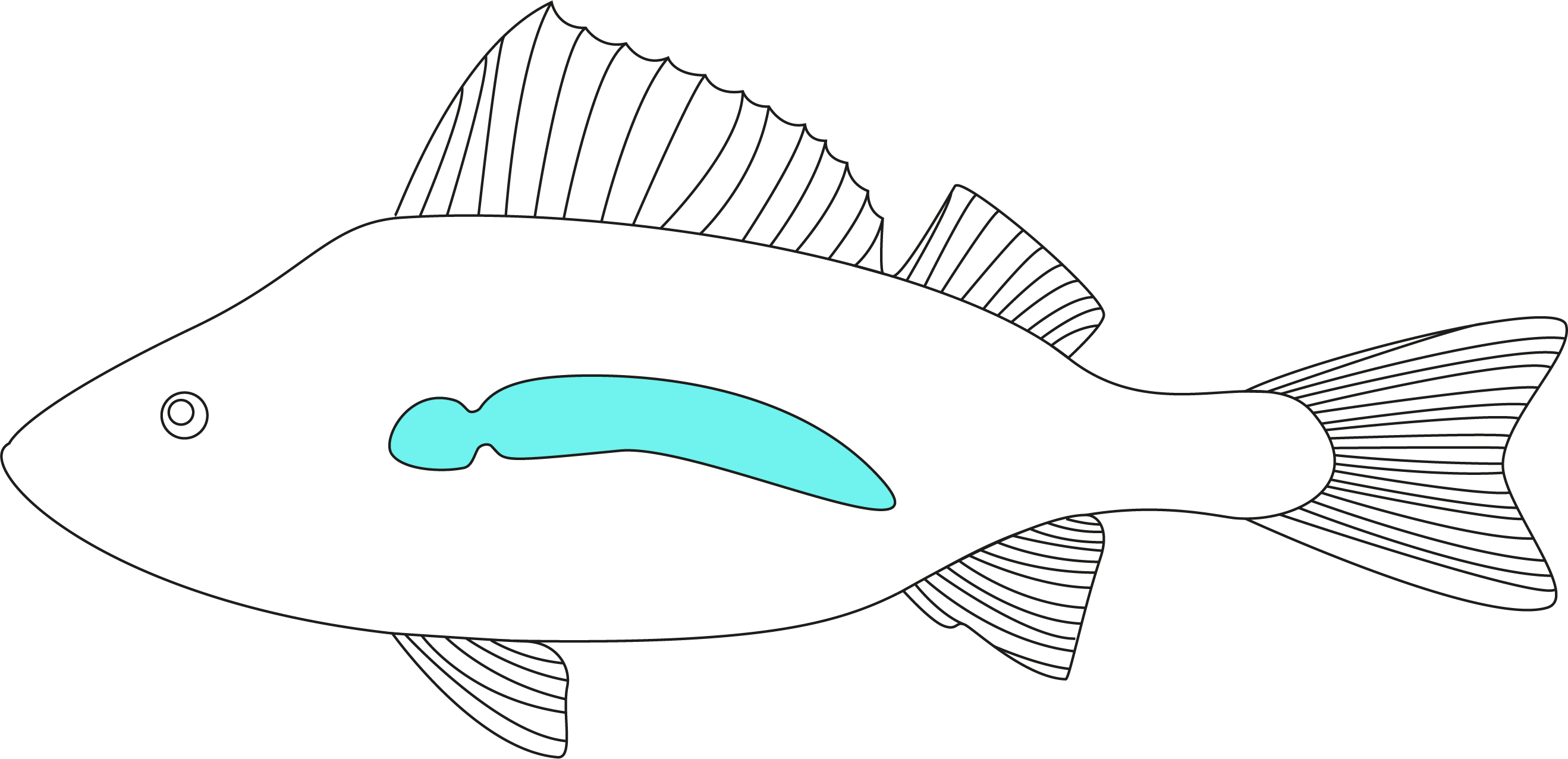
An attractive force acts on anybody, which attracts the body to the Earth. In water, the force of attraction also acts on bodies. Also, the Archimedes force acts on bodies of water. The Archimedes force acts in the opposite direction to gravity. The buoyancy force depends on the density and volume of the object. The lower the density and the larger the volume of the body, the greater the buoyant force. Therefore, some objects sink, while others do not. If the Archimedean force is greater than the force of gravity, then the object will float on the surface of the water, and if the force of gravity is greater, the body will go down. If they are equal, the body will float in the water column.
Let’s see how this power manifests itself in practice. We will make a model of the body of a fish and we will be able to learn how fish can swim at different depths.
Practical part
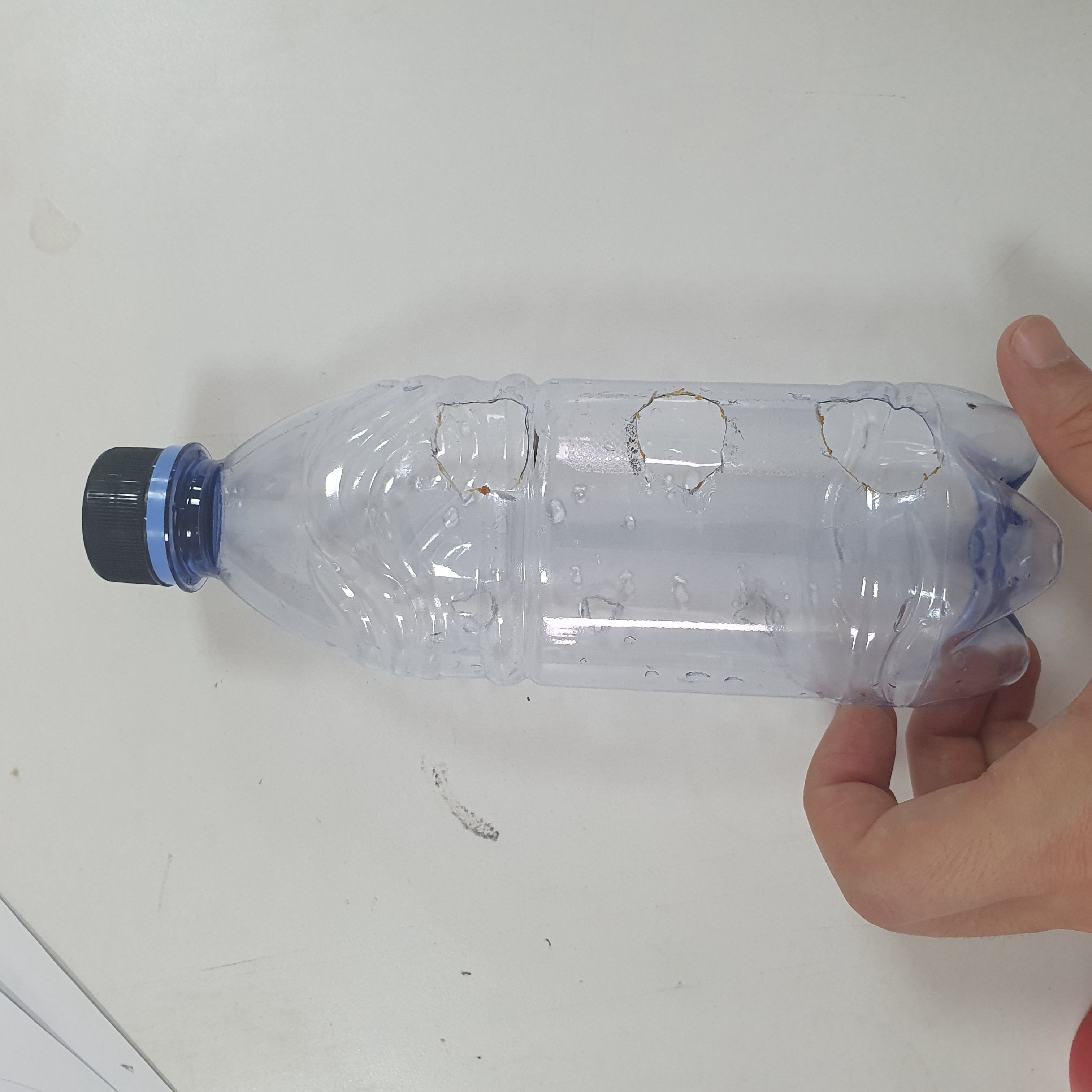
Step 1. Take a bottle and make a few holes in it as in the photo. This is necessary so that the water is filled into the bottle and it becomes heavier.
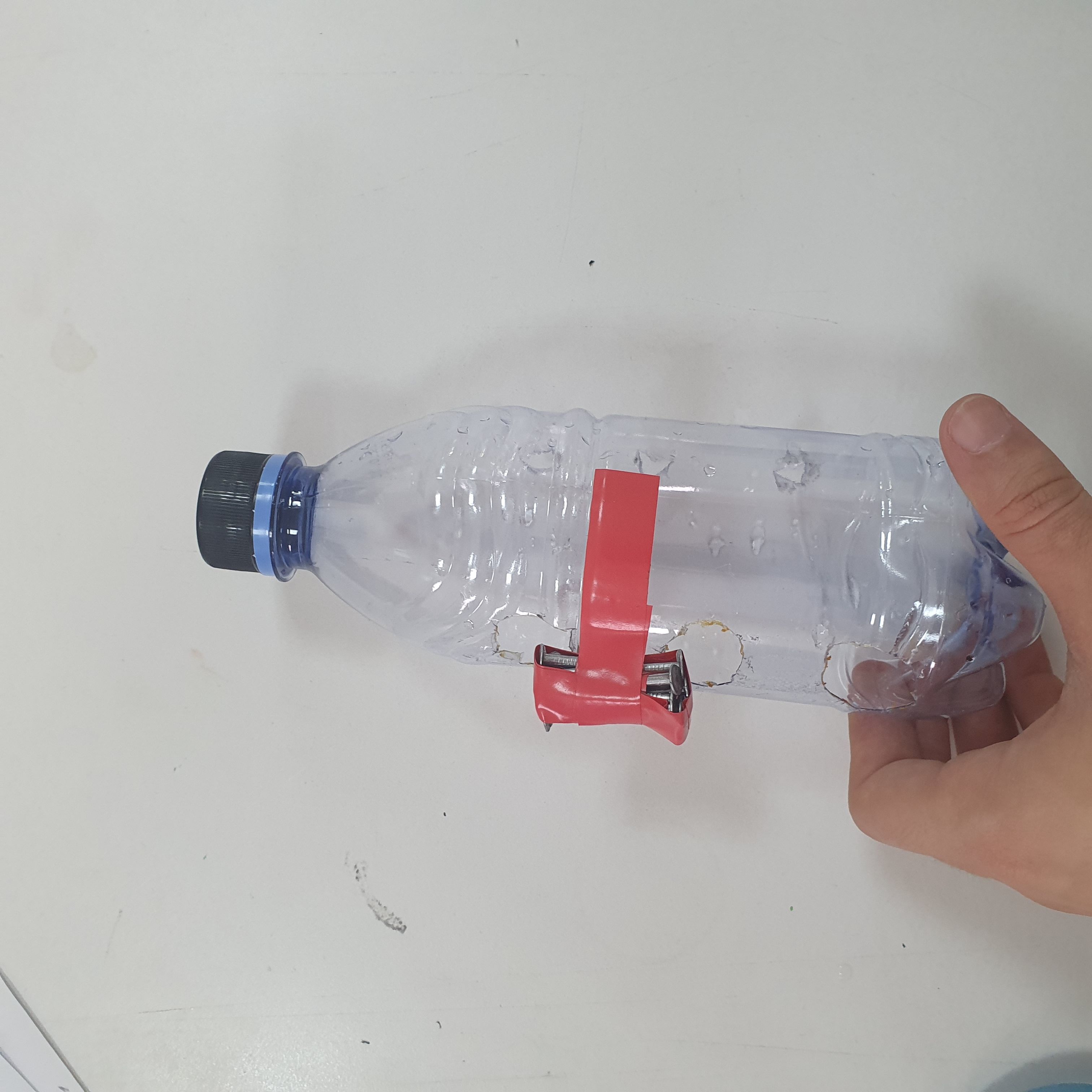
Step 2. Take the weight and attach it to the bottle with electrical tape or tape on the side of the holes. Put in a bowl of water. The bottle should fill with water and sink.
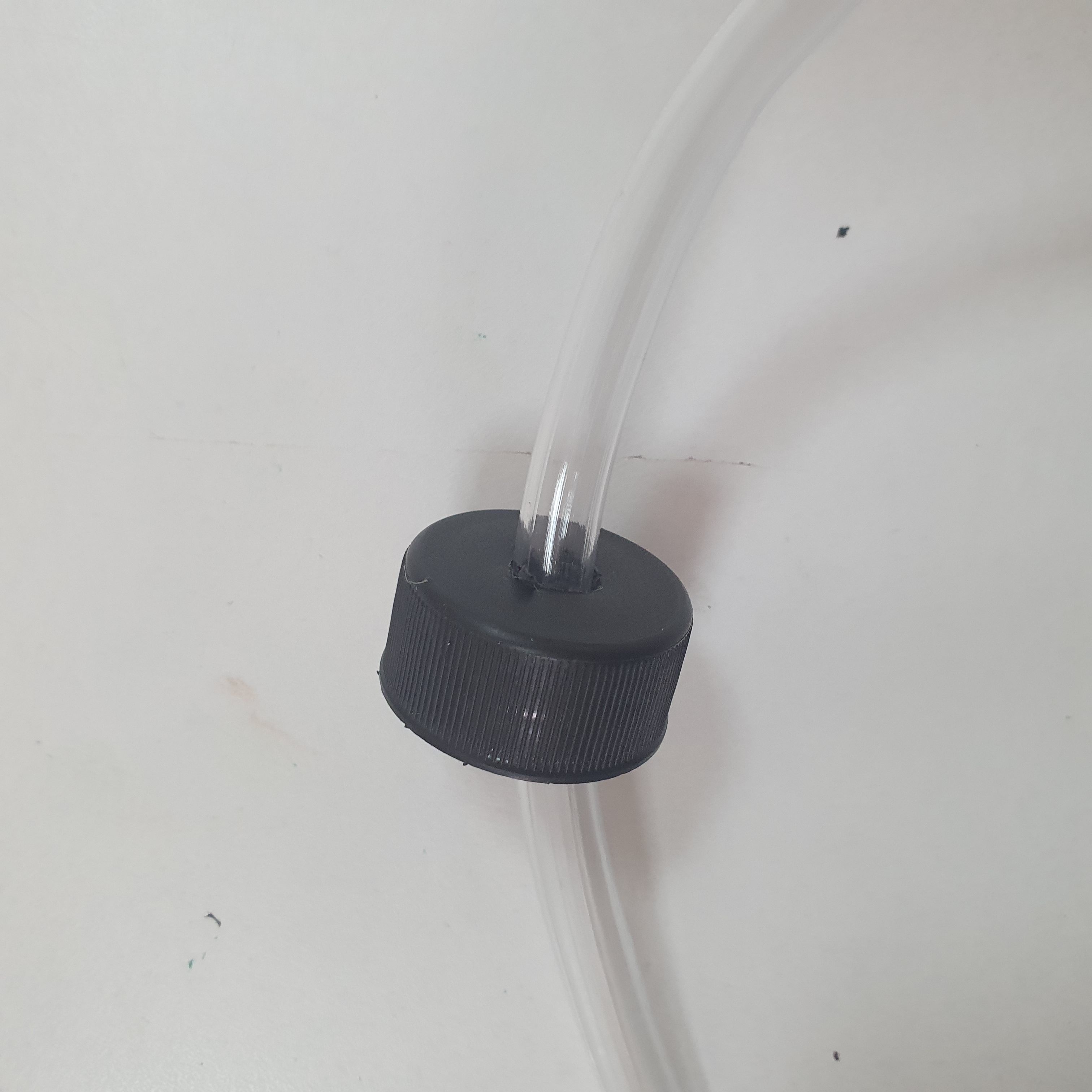
Step 3. Take the bottle cap and make a hole in it, such that the silicone hose passes through.
Step 4. Attach a ball to one end of the hose with an elastic band. The ball will serve as the swim bladder of our fish.
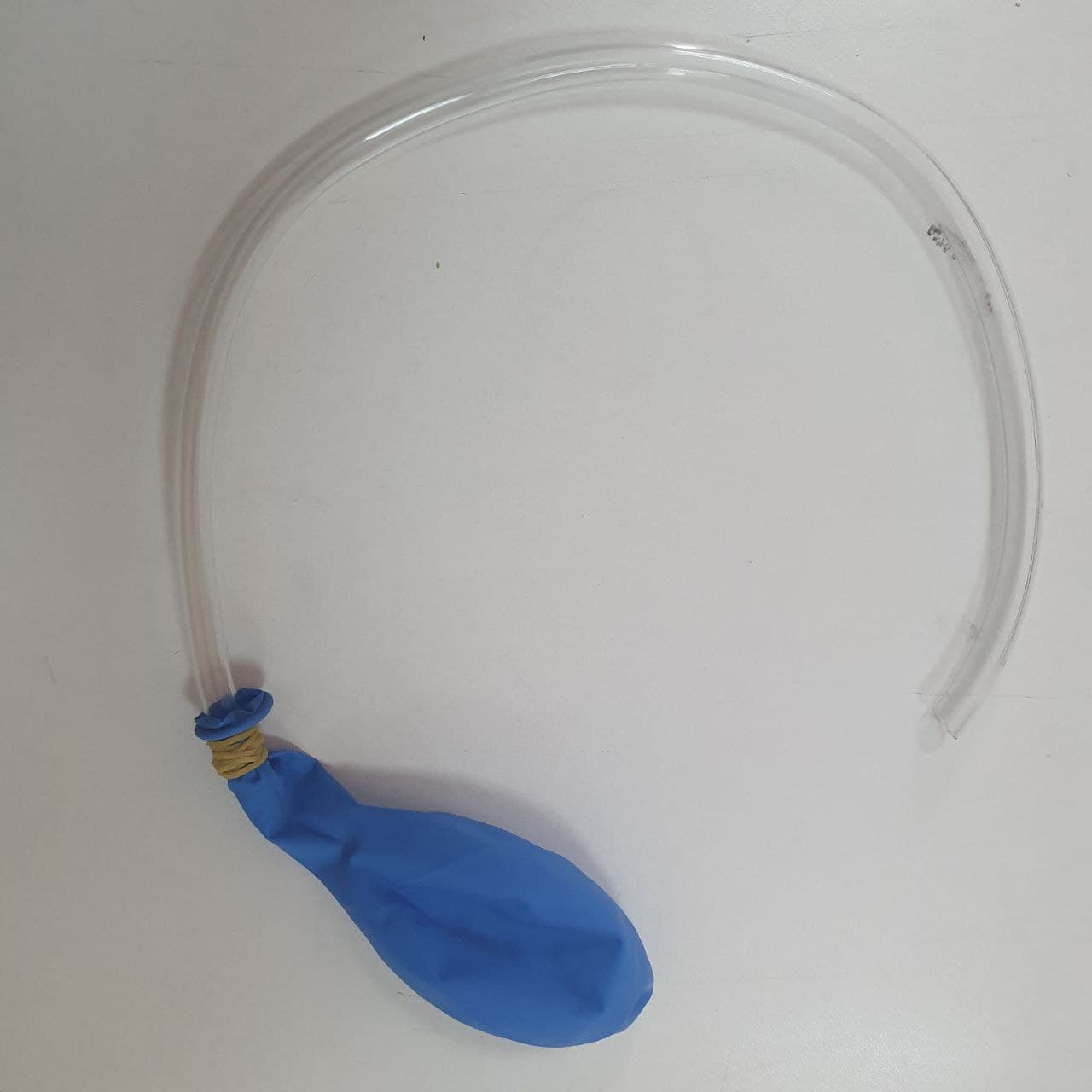
Step 5. Place the balloon with the hose into the bottle. Close the lid.
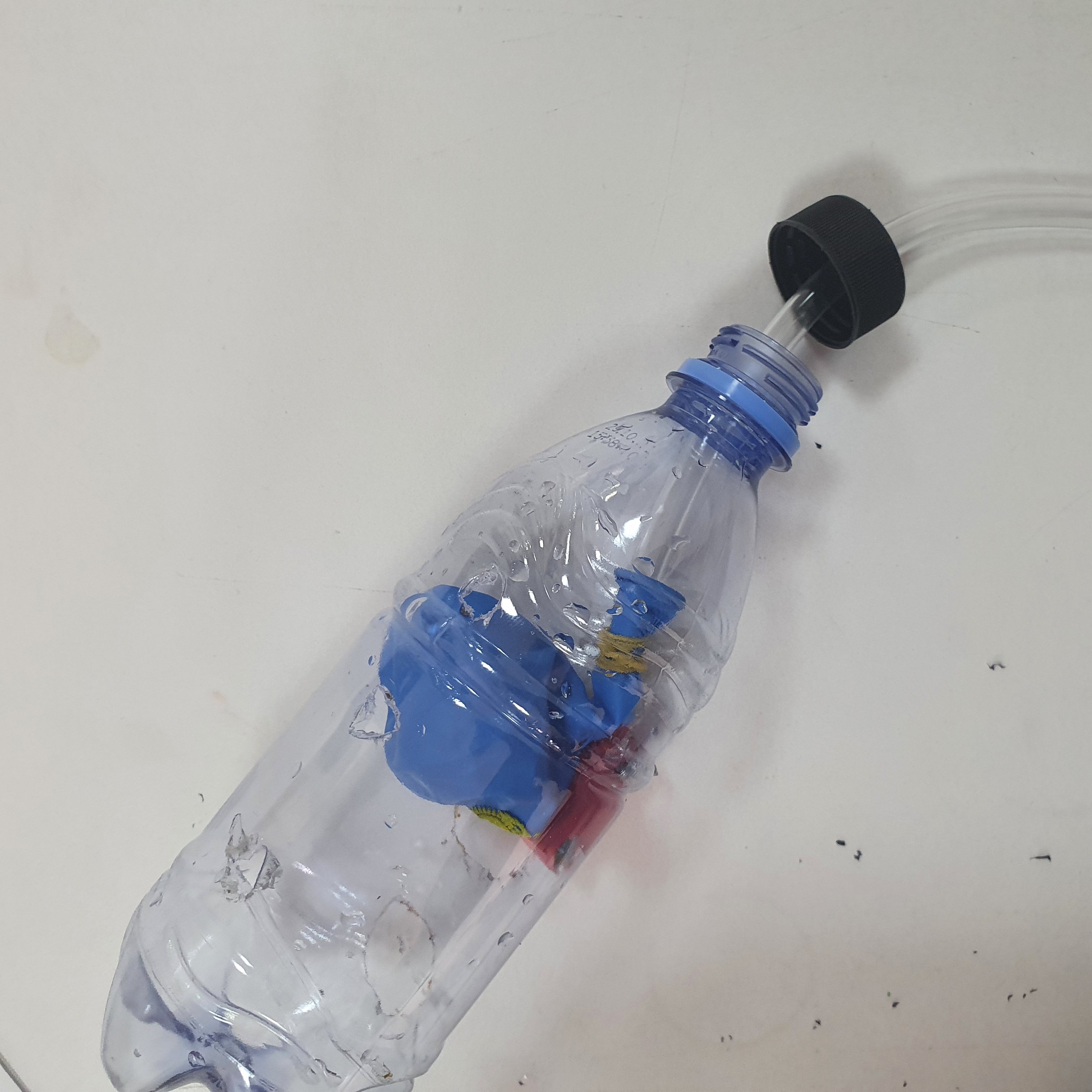
Step 6. Done. Now place the boat on the water and it should sink to the bottom. When the boat is at the bottom, inflate the balloon through the hose and the boat will float up.

Do you see how what you have built resembles a fish? The bottle mimics the body of a fish, while the balloon is a swim bladder inside the body of a fish. When you put the bottle in the tub, it should fill with water and sink to the bottom. This is because the weight of the bottle filled with water is greater than the buoyancy force pushing the bottle up. Everything changes when you inflate a balloon. When the balloon expands, it pushes the water out of the bottle. You now have a balloon filled with air inside the bottle. Because air is much lighter than water, the bottle is no longer as heavy, and as the balloon fills with more air, the weight of the bottle eventually becomes less than the buoyancy force pushing the bottle up. At this point, the bottle will begin to float upward toward the surface of the water.
When you deflate the balloon again, the opposite happens. The bottle becomes heavier again as the water flows back into the bottle and it begins to sink. This is how the swim bladder works in fish. When the body of the fish is heavy, it goes down to the bottom, and when it needs to swim up, the swim bladder is filled with gas and the fish rises to the top.
Cleaning. Disconnect the tubing from the bottle and cylinder and wipe up any spilled water and materials with a towel or paper towel.
On this project, each student is awarded the STEAM title, according to the categories:
– You independently explored how a fish swims, you are a real scientist – a biologist!
Conclusion
In this project, the students made a working model of the body of a fish and understood how fish remain in the water column and can swim at different depths.
Evaluation
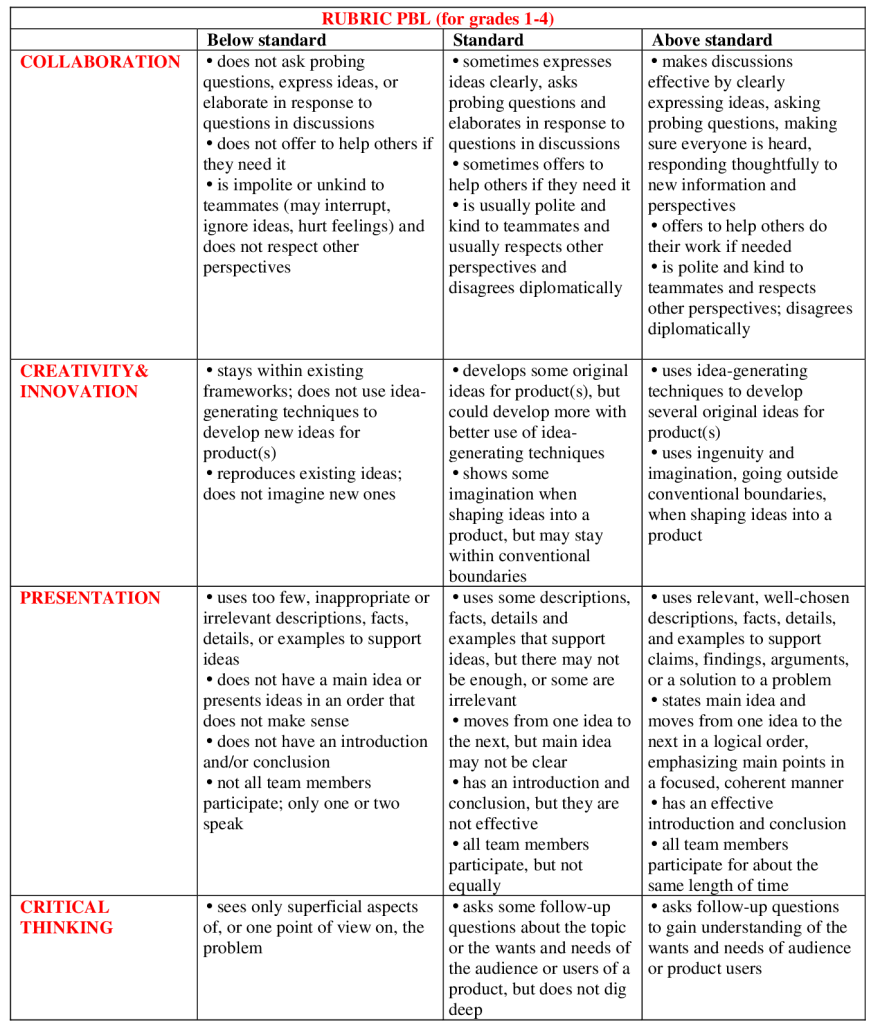
PBL grading criterion:
Project-based learning is a learning method in which students acquire knowledge and skills by working on a single project to explore and find an answer to a genuine, interesting, and complex question, problem, or challenge.
Использованные медиафайлы:
Photo by Lone Jensen: https://www.pexels.com/photo/pink-discuss-fish-2156316/