Lesson 1
Project Goals
– Investigate the magnetization of various materials;
– Come up with a puzzle to develop creativity and mindfulness.
Teacher’s Guide
– Divide students into groups;
– Make a brief overview of the theoretical part, then proceed to the practical part.
Safety in Steam Lessons
Before starting a lesson, the teacher is advised to familiarize himself with the safety precautions. If necessary (in the case of using the items specified in the TB), conduct a brief briefing for students. Follow this link Safety in Steam Lessons
Theoretical part
A magnet is a material that has a magnetic field around it. Magnetic fields only affect certain materials; certainly, most of all it act on iron. Thus, some materials are attracted to the magnet and the magnets are attracted to each other.
Many modern coins are made from an alloy consisting mainly of steel coated with a thin layer of copper or nickel. Some coins are made from an alloy of copper and nickel and are not magnetically attracted.
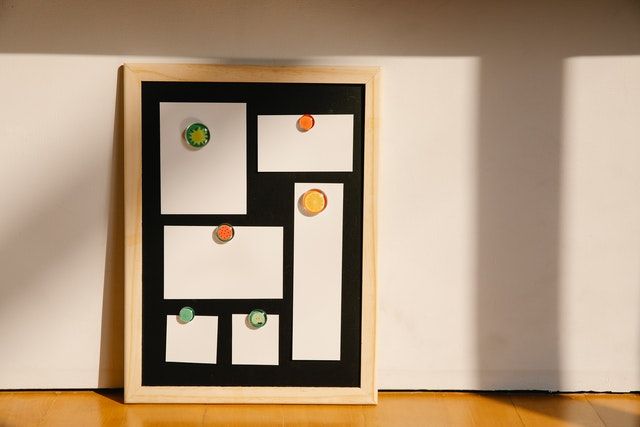
Photographer: Angela Roma : https://www.pexels.com/ru-ru/photo/7319291/
https://ru.freepik.com/photos/business’>Business фото создан(а) freepik – ru.freepik.com
Magnets are used to lift, hold and move metal objects. Magnets are found in almost all electronic devices that we use every day. Magnets find many uses in everyday life. For example, to tightly close the doors of the refrigerator or attach photos on the board. They are found in speakers, phones, headphones, and electric motors. With the help of a magnet, various toys are also made.
Practical part
1. Design and draw a labyrinth on the bottle with a marker. Make it so that the maze starts at the bottom and ends at the exit from the neck of the bottle. The more difficult the better.
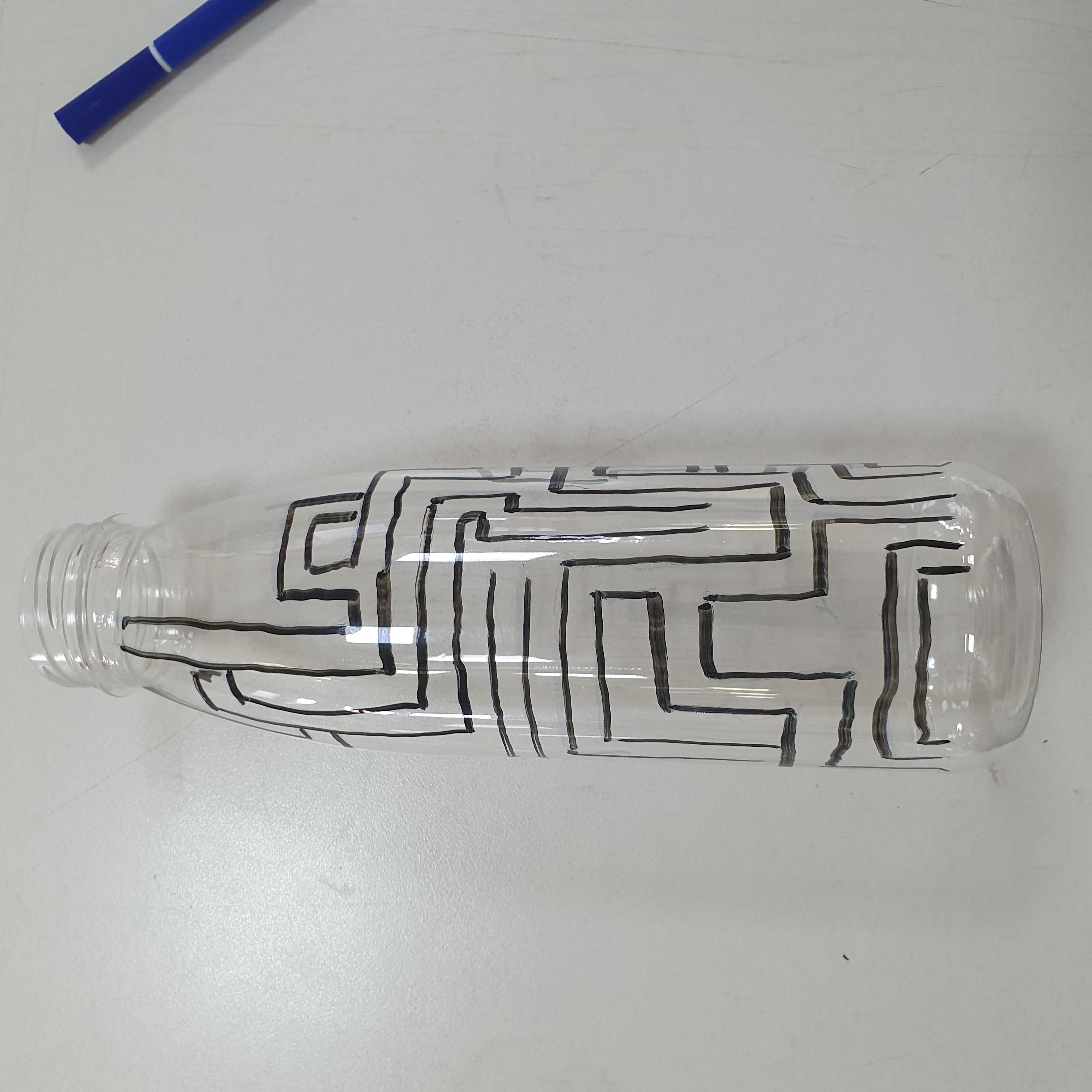
2. Insert a paperclip or coin inside the bottle and use the magnet to guide it through the maze.
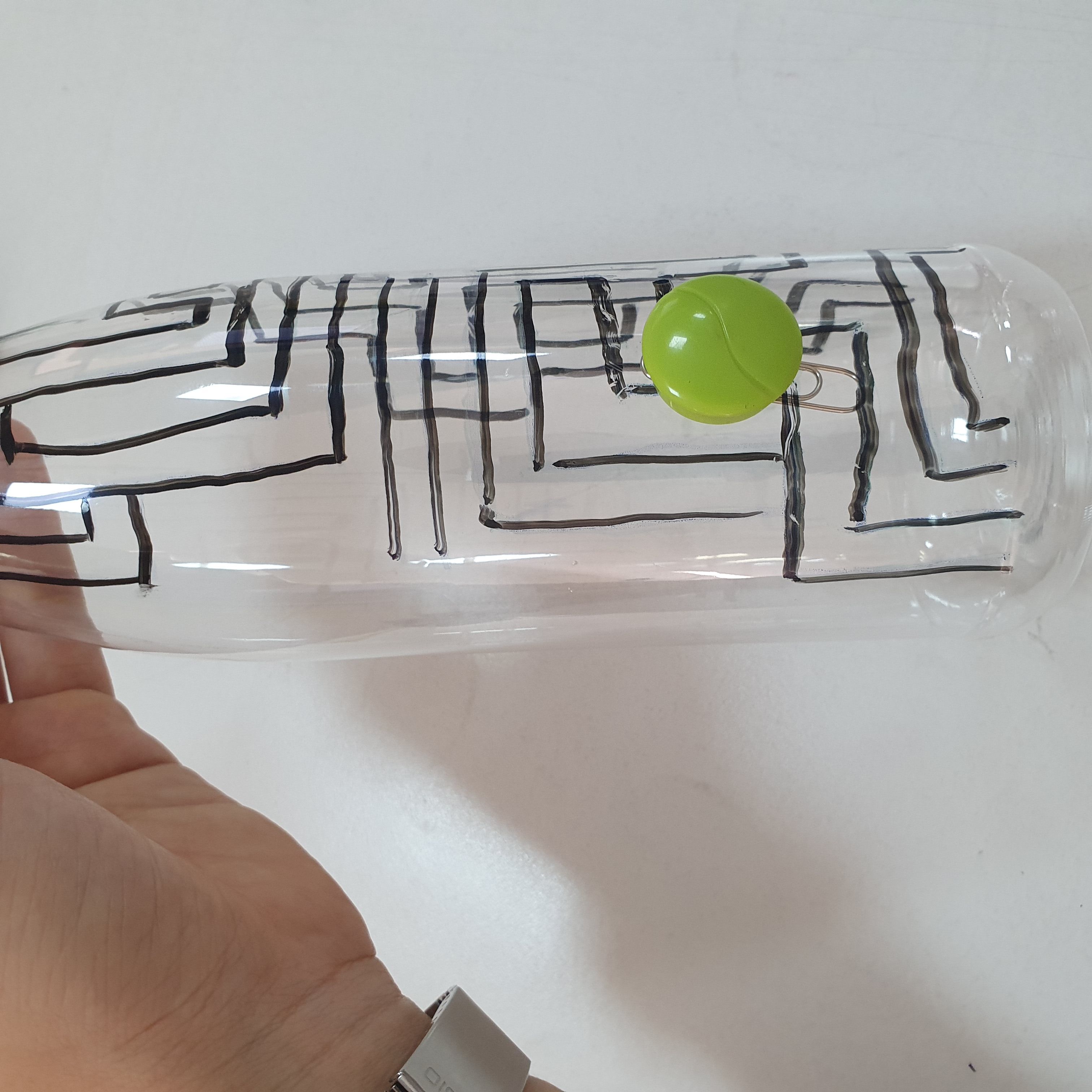
3. Exchange mazes with other groups and help the paperclip get out of the bottle.
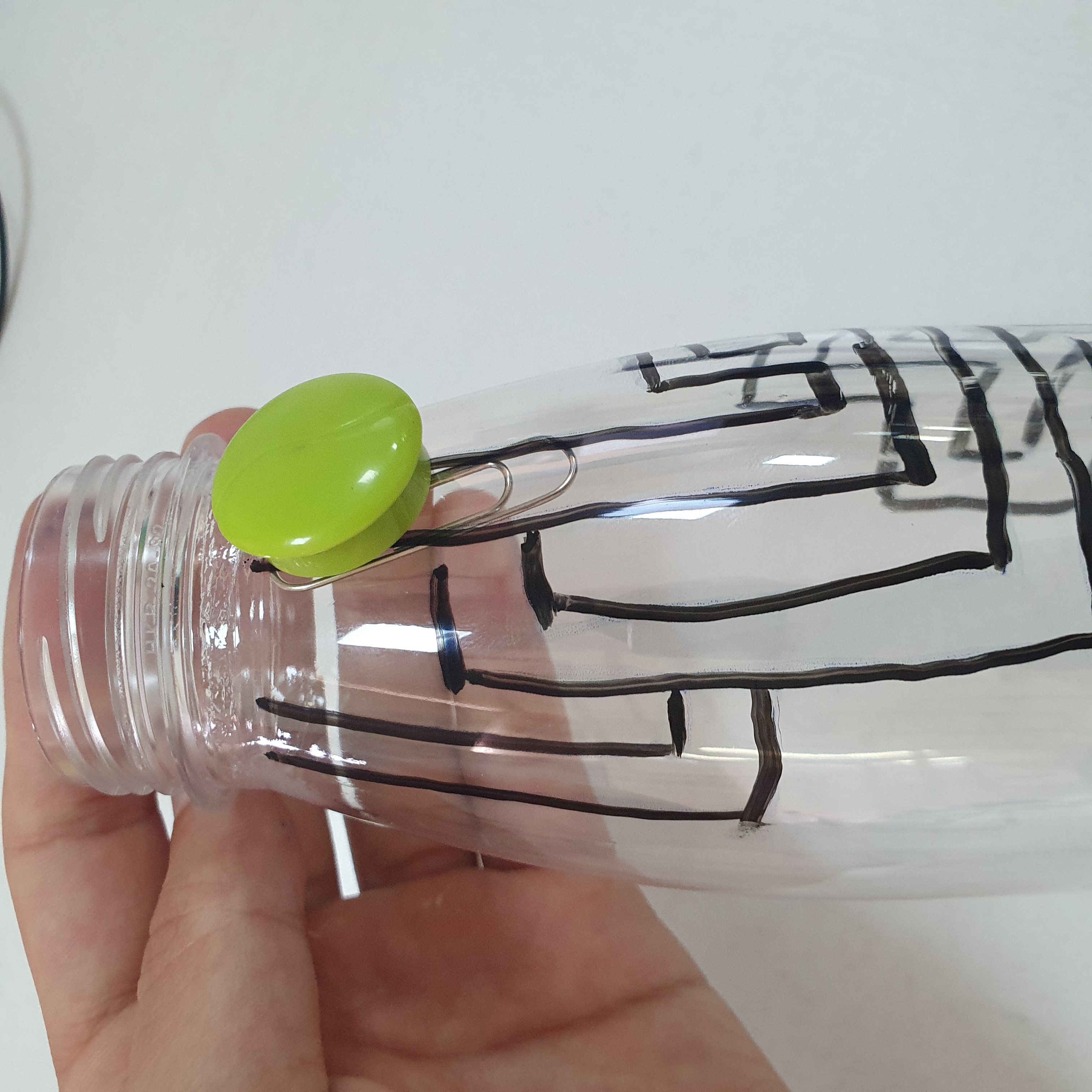
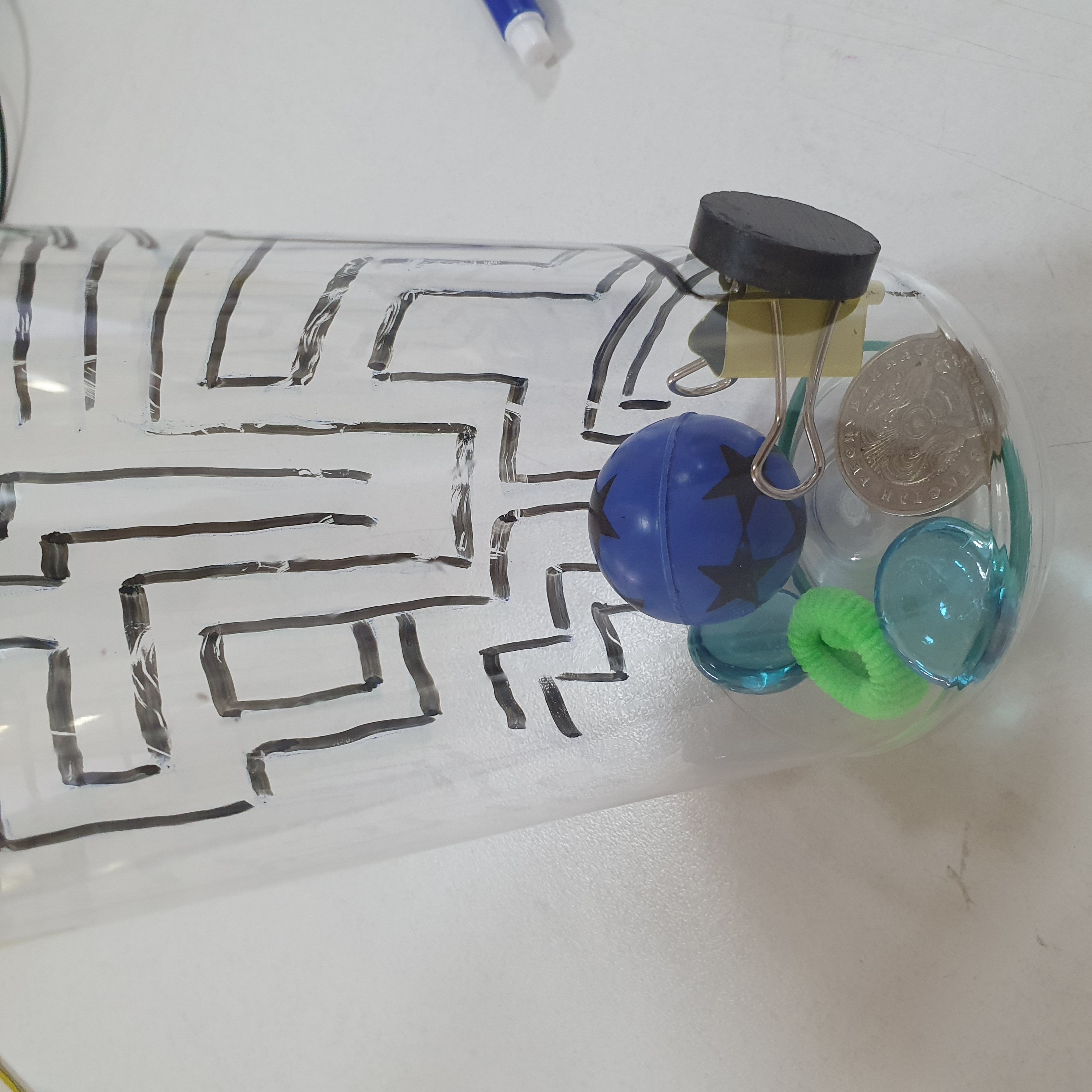
Are all your coins good for this game?
Try putting something else inside the maze, like a button, a balloon, or a hairpin. What other materials can you play with?
 In this project, each student will be awarded a STEAM title in two categories:
– You managed to explain the properties of a magnet, you are a real scientist – a future physicist!
– You made the level of the maze game yourself, you are the future game designer!
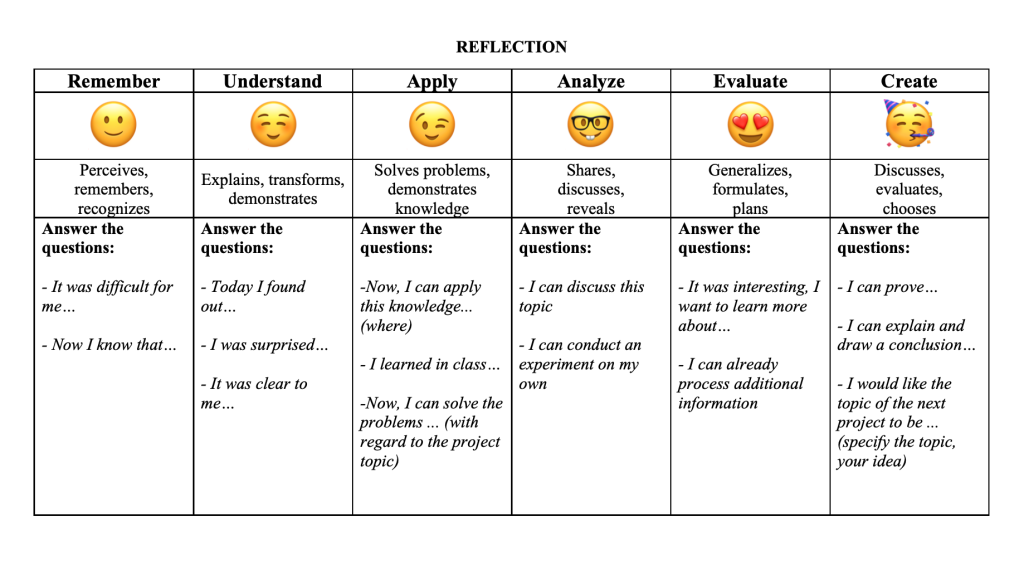
Evaluation
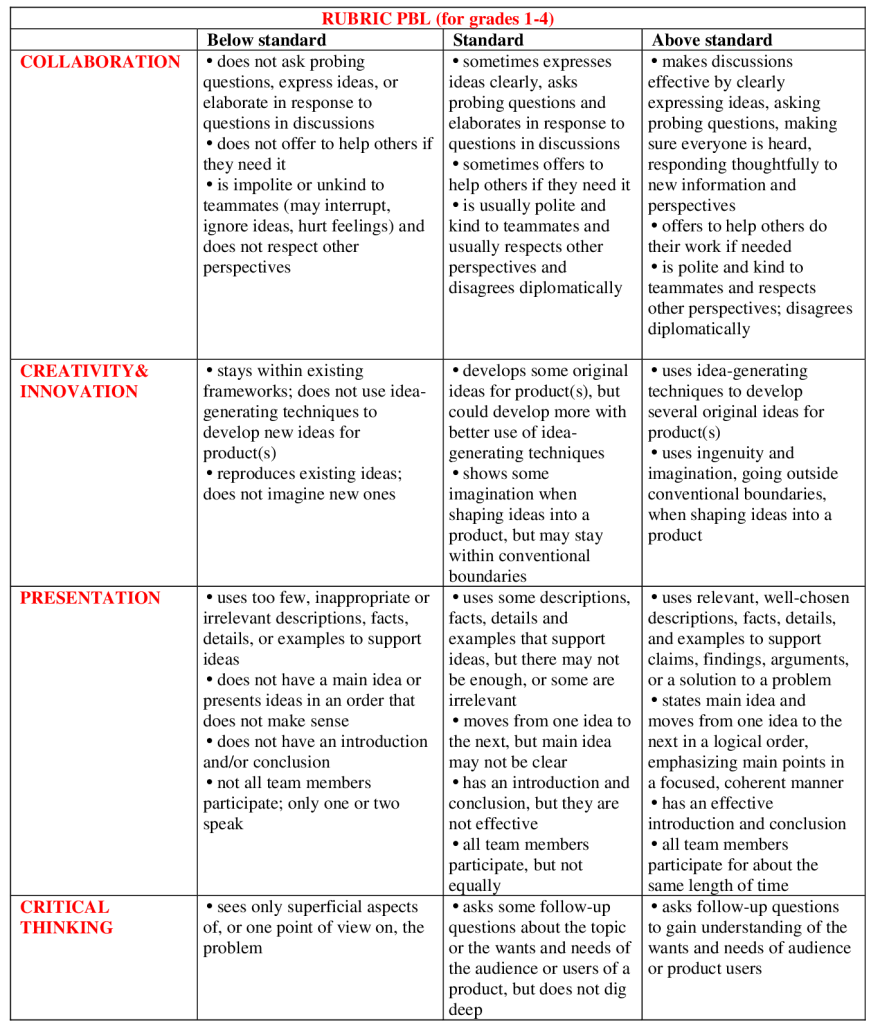
PBL grading criterion:
Project-based learning is a learning method in which students acquire knowledge and skills by working on a single project to explore and find an answer to a genuine, interesting, and complex question, problem, or challenge.