Lesson 1
Topic of laboratory work: “Blood cells”
The purpose of the work:
- To understand the role of blood cells in the human body and to determine the types of pathologies based on the results of blood tests
- 8.3.1.2 determine the shaped elements of blood and their functions
Teacher’s Guide
- Children should do the work on their own in groups of one
- The workplace must be cleaned and put in order
Safety precautions:
Worksheet:
Description
Red blood cells are red blood cells that carry oxygen from the lungs to the tissues of our body. A reduced number of red blood cells in the blood may indicate anemia, which often occurs when there is a lack of iron in the body

White blood cells are white blood cells that help our body fight infections. A high number of white blood cells in the blood may indicate the presence of infection or inflammation in the body.
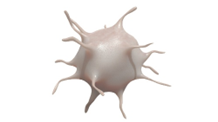
Eosinophils, basophils, neutrophils, monocytes and lymphocytes are various types of white blood cells, which together with red blood cells and platelets make up the shaped elements of blood.
Neutrophils are white blood cells that help protect the body from infections. An increase in their number may indicate a bacterial infection or other inflammatory disease.
Eosinophils are a type of white blood cells that play a role in fighting allergic reactions and parasite infections. An increased amount of eosinophils may indicate an allergic disease, such as asthma or allergic rhinitis.
Basophils are white blood cells that are also associated with allergic reactions. Their increased number may be associated with allergic diseases, such as an allergic reaction to food or insects.
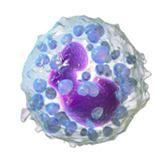
Monocytes are white blood cells that play a role in the immune system, helping to fight infections and other inflammatory processes. An increased number of monocytes may indicate a bacterial or viral infection.
Lymphocytes are white blood cells that play a key role in the immune system, helping to fight infections and other diseases. An increased number of lymphocytes may indicate a viral infection or other diseases of the immune system, such as cancer of the lymphatic system.
Platelets are one of the types of cells that are in the blood and have an important role in the process of blood clotting. When we get a wound or a cut, platelets gather at the site of vascular damage and create a kind of plug to stop the bleeding. They also secrete substances that promote tissue healing.
Practical part
You have been given the results of a general blood test of 5 patients. Based on the results of each patient, determine the POSSIBLE diseases of the patients. You can choose from 5 diseases with a description.
List of diseases:
Anemia is a condition in which the level of hemoglobin (a protein that is contained in red blood cells and is responsible for the transport of oxygen) in the blood decreases below normal levels, which leads to a decrease in the number of red blood cells. With anemia, the blood is not able to deliver enough oxygen to tissues and organs, which can lead to various symptoms, such as fatigue, weakness, dizziness, shortness of breath, and pallor of the skin.
Asthma is a chronic respiratory disease that can lead to attacks of choking, coughing and suffocation. A general blood test is not decisive for the diagnosis of asthma, but it can help identify the presence of an inflammatory process in the body that is associated with asthma and exclude other possible causes of symptoms. With asthma, there is usually an increased level of eosinophils and basophils.
Crohn’s disease is a chronic inflammatory bowel disease that can cause various symptoms such as abdominal pain, diarrhea, fatigue, and weight loss. A general blood test can help identify some signs of Crohn’s disease, but additional studies are required to diagnose and clarify its severity. With Crohn’s disease, an increased number of white blood cells, such as leukocytes and eosinophils, can be detected in the blood, which also indicates the presence of an inflammatory process. And there may also be a decrease in hemoglobin levels.
Coronavirus infection (COVID-19) is a disease caused by the novel coronavirus SARS-CoV-2. Coronavirus can affect the overall blood count. Usually, with COVID-19 disease, there is an increase in the level of leukocytes in the blood (leukocytosis) due to an increase in the level of monocytes, lymphocytes, and neutrophils, and, with severe forms of COVID-19, thrombocytopenia may occur – a decrease in the number of platelets in the blood. This can lead to bleeding and deterioration of the patient’s condition.
Secondary erythrocytosis is a condition in which the number of red blood cells increases in response to other diseases or conditions, such as chronic obstructive pulmonary disease, heart failure, or prolonged exposure to altitude.
Patient №1
| Cell type | Concentration | Normal amount |
| Hemoglobin | 185 | 117-155 |
| Erythrocytes | 7.3 | 3.8-5.1 |
| Thrombocytes | 250 | 150-400 |
| Leukocytes | 4.4 | 4.5-11.00 |
| Monocytes | 0.5 | 0.3-0.82 |
| Basophils | 0.1 | 0-0.2 |
| Neutrophils | 2.1 | 1.8-7.7 |
| Eosinophils | 0.2 | 0-0.45 |
| Lymphocytes | 1.5 | 1-4.8 |
Patient №2
| Cell type | Concentration | Normal amount |
| Hemoglobin | 115 | 117-155 |
| Erythrocytes | 3.5 | 3.8-5.1 |
| Thrombocytes | 250 | 150-400 |
| Leukocytes | 4.4 | 4.5-11.00 |
| Monocytes | 0.5 | 0.3-0.82 |
| Basophils | 0.1 | 0-0.2 |
| Neutrophils | 2.1 | 1.8-7.7 |
| Eosinophils | 0.2 | 0-0.45 |
| Lymphocytes | 1.5 | 1-4.8 |
Patient №3
| Cell type | Concentration | Normal amount |
| Hemoglobin | 115 | 117-155 |
| Erythrocytes | 4.1 | 3.8-5.1 |
| Thrombocytes | 250 | 150-400 |
| Leukocytes | 11.5 | 4.5-11.00 |
| Monocytes | 0.8 | 0.3-0.82 |
| Basophils | 0.1 | 0-0.2 |
| Neutrophils | 5.4 | 1.8-7.7 |
| Eosinophils | 2.5 | 0-0.45 |
| Lymphocytes | 2.5 | 1-4.8 |
Patient №4
| Cell type | Concentration | Normal amount |
| Hemoglobin | 145 | 117-155 |
| Erythrocytes | 4.6 | 3.8-5.1 |
| Thrombocytes | 250 | 150-400 |
| Leukocytes | 12.3 | 4.5-11.00 |
| Monocytes | 0.5 | 0.3-0.82 |
| Basophils | 1.2 | 0-0.2 |
| Neutrophils | 6.0 | 1.8-7.7 |
| Eosinophils | 3.1 | 0-0.45 |
| Lymphocytes | 1.5 | 1-4.8 |
Patient №5
| Cell type | Concentration | Normal amount |
| Hemoglobin | 140 | 117-155 |
| Erythrocytes | 4.5 | 3.8-5.1 |
| Thrombocytes | 135 | 150-400 |
| Leukocytes | 16.5 | 4.5-11.00 |
| Monocytes | 1.5 | 0.3-0.82 |
| Basophils | 0.1 | 0-0.2 |
| Neutrophils | 8.4 | 1.8-7.7 |
| Eosinophils | 0.1 | 0-0.45 |
| Lymphocytes | 6.4 | 1-4.8 |