
Lesson 1
Topic of laboratory work: Determination of distinctive features of plant divisions: algae, mossy, fern-like, gymnosperms and angiosperms
The purpose of the work:
- learn to describe the distinctive features of plants by the example of algae, mossy, fern-like, gymnosperms and angiosperms.
Teacher’s guide:
- The work is done in pairs
Learning outcomes:
- Students know major plants phyla
- Students may identify the major structures of major plants phyla
Theory
Plants are an incredibly diverse group of organisms on our planet. And although they have common features, each of these plant groups has its own unique distinguishing features. Let’s look at the main characteristics of mossy, algae, ferns, gymnosperms and angiosperms and compare them with each other.
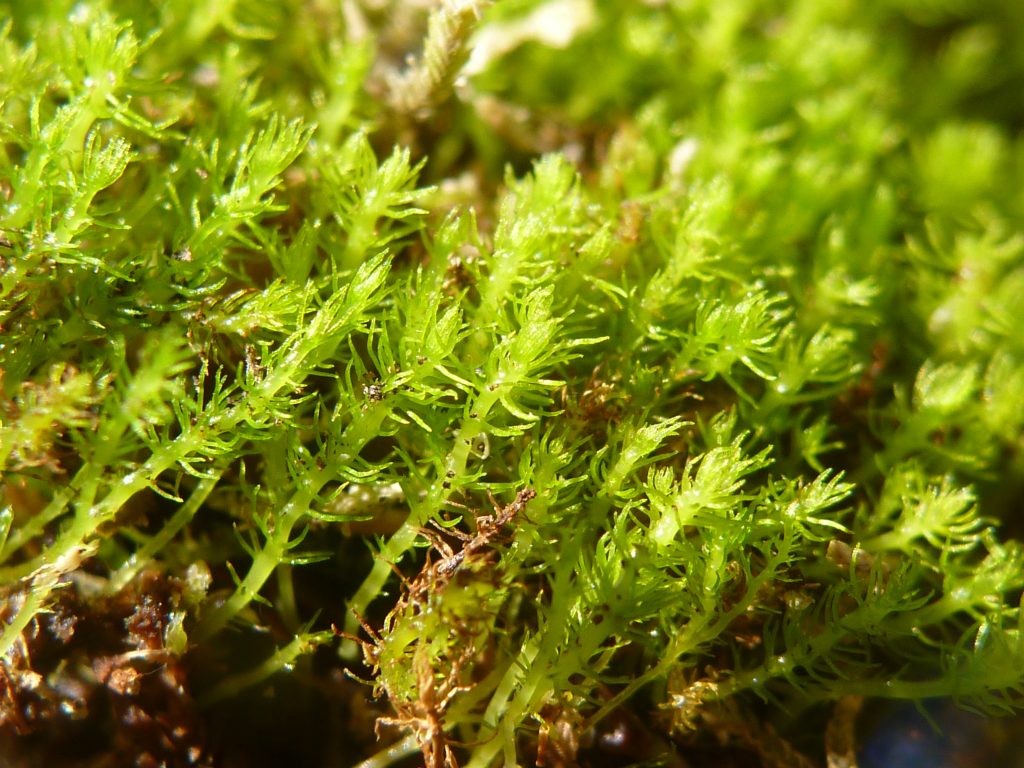
Mossy plants differ from other groups in that they do not have real roots, stems and leaves. Instead, they form gametophytes, which are the main visible body of the plant. Mossy plants also possess spores that allow them to reproduce. They are often found in humid environments and perform important ecological functions such as retaining moisture and preventing soil erosion.
Algae, on the other hand, are primitive plants that live in an aquatic environment. They differ from mossy plants in that they do not have true tissues and organs. Algae possess specialized cells called phycoids, which perform functions similar to tissues and organs in more complex plants. Algae can be unicellular or multicellular, their sizes can vary from microscopic to multi-meter.
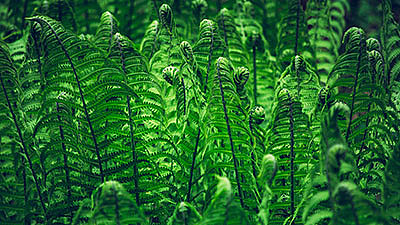
Fern-like plants are more developed than mossy and algae. They have real roots, stems and leaves, as well as conductive tissues that allow them to efficiently move water and nutrients throughout the plant. Fern-like plants also produce spores that help them reproduce. They are widely distributed in tropical and temperate climatic zones and serve as an important component of many ecosystems.
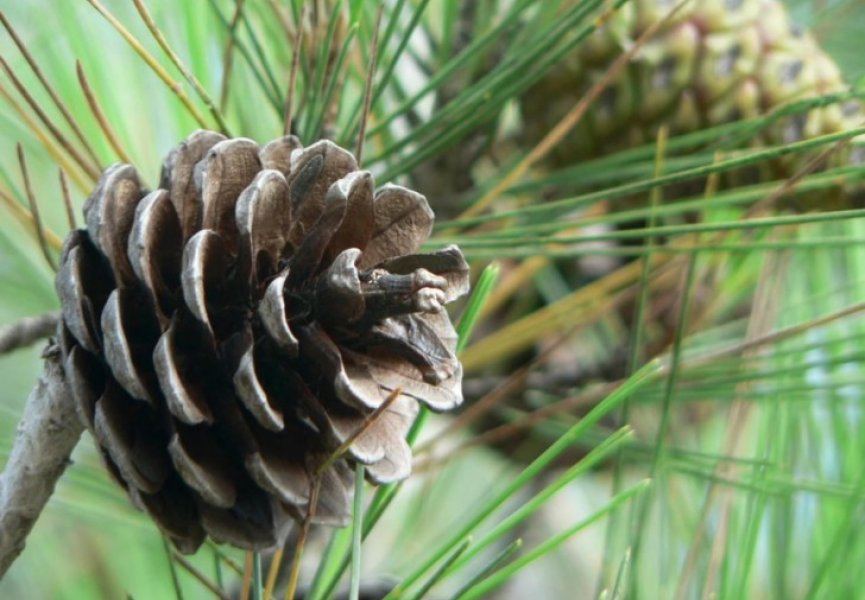
Gymnosperms include seed plants that reproduce with the help of gymnosperms. They differ from mossy, algae and fern-like plants in that they form seeds, which are reserve nutrients for future plants. Gymnosperms also have real roots, stems and leaves. They are divided into two main groups: coniferous and flowering plants. Coniferous gymnosperms, such as pine and spruce, have needle-like leaves and form cones containing their seeds. Flowering gymnosperms, such as roses and apple trees, form flowers in which pollination occurs and the formation of fruits with seeds.
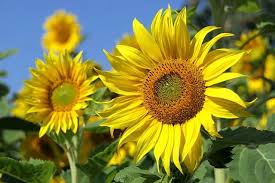
Angiosperms are the most extensive and diverse group of plants. They differ from gymnosperms in that their seeds are covered with fruits. Angiosperms have a variety of life forms, ranging from tiny herbaceous plants to huge trees. They also differ in their morphological characteristics, leaf arrangements, root type and propagation methods.
As a result, each of the considered plant groups – mossy, algae, fern-like, gymnosperms and angiosperms – has its own unique distinctive features. Studying these traits helps us better understand the diversity of plants and their important role in the ecosystems of our planet.
List of necessary equipment
• Moss sample
• Fern sample
• Gymnosperm sample
• Angiosperm plant sample
Practical part
1) Study the plant samples that were provided to you
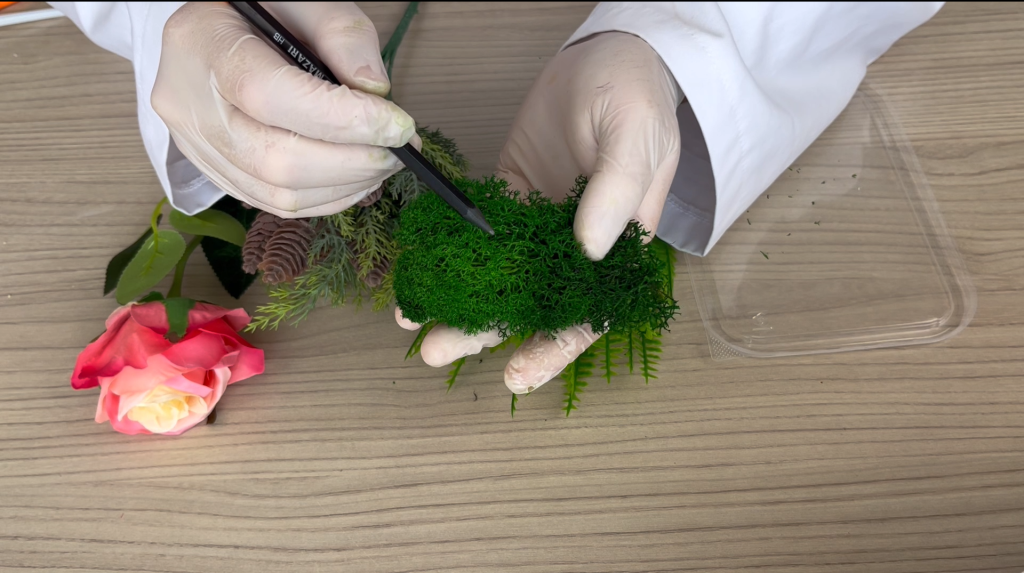
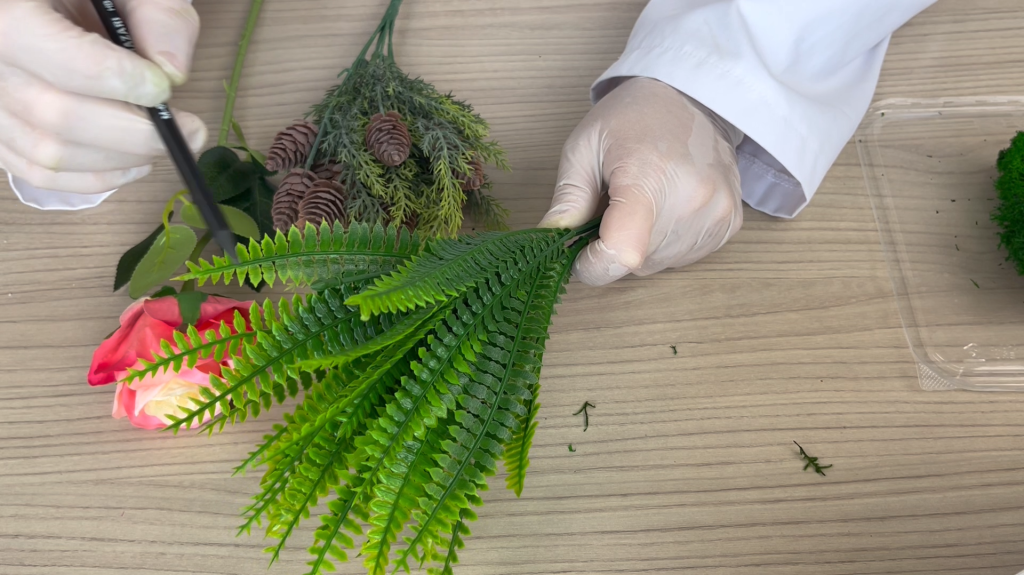
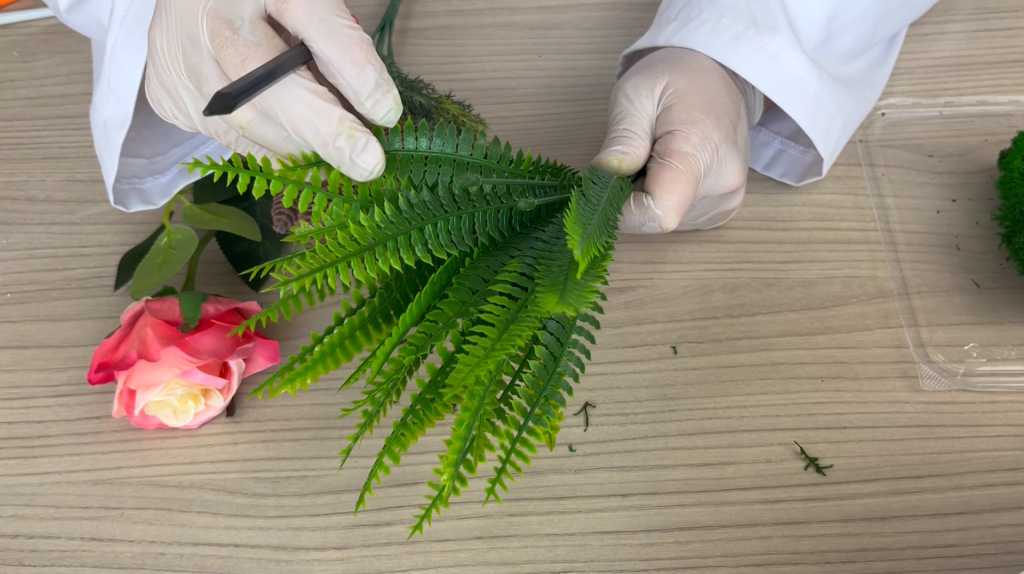
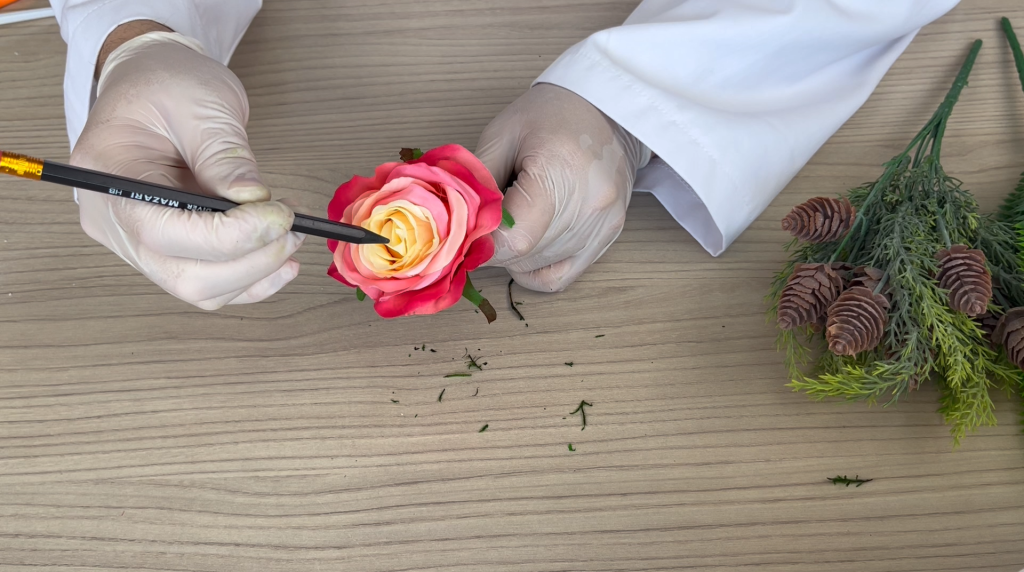
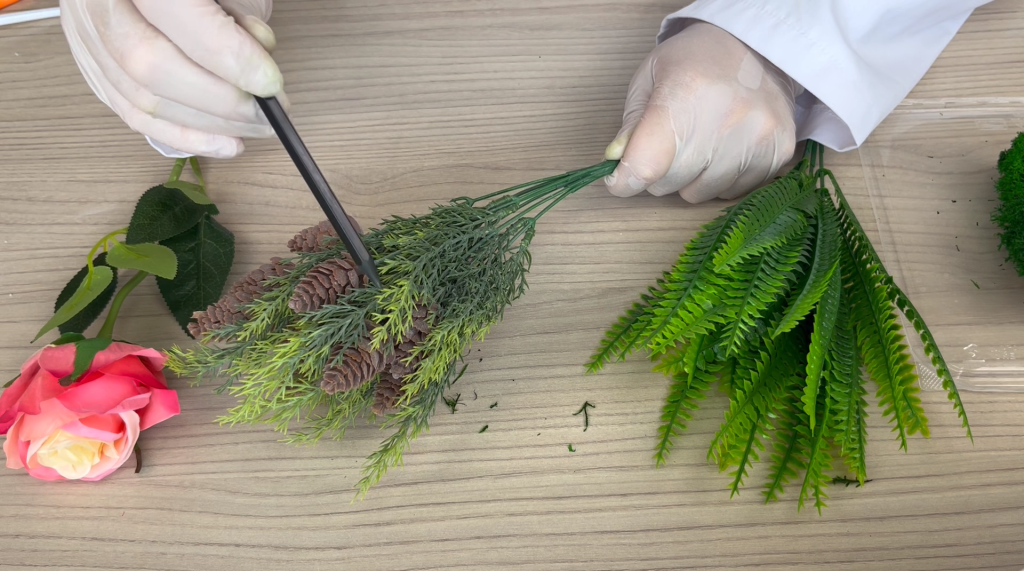
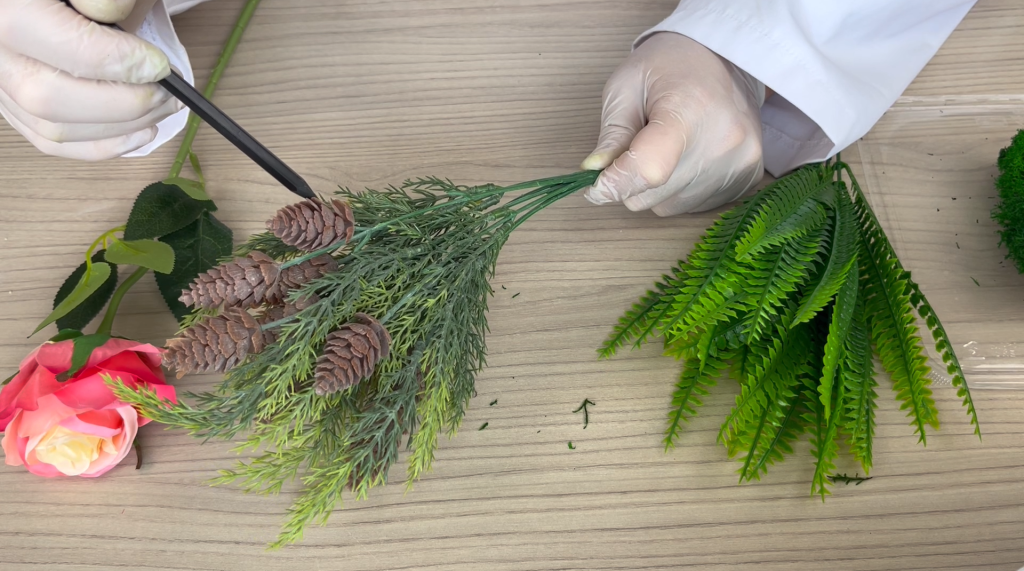
2) Make sketches of samples
3) Fill in the table
| Plant group | Distinctive features | Which parts of plants are missing? |
Requirements for the design of laboratory work:
Laboratory work must contain items in the following order:
- Laboratory work number
- Topic name
- The purpose of the work
- Hypothesis
- Brief description of the theoretical part
- Equipment
- Steps in the correct sequence
- Add a photo from experiment (if you can’t insert a photo, you can add a picture)
- Give a brief description
- Write a brief discussion and explanation of the topic covered
- Write the conclusion of the work
- The workplace must be cleaned and put in order
Worksheet
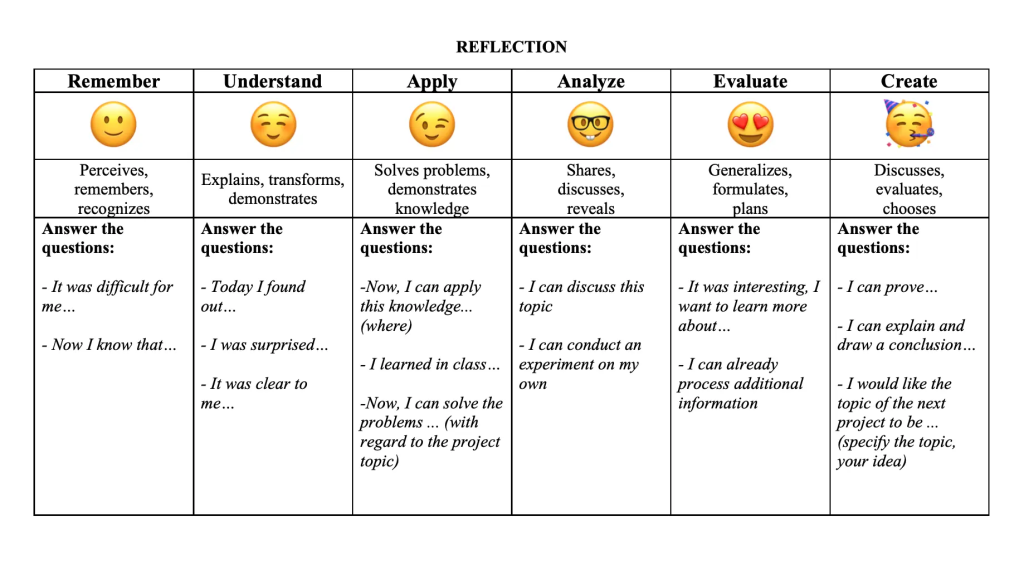
Feedback
Safety rules