Lesson 1
Topic of laboratory work: Investigation of signs of classes of monocotyledonous and dicotyledonous plants
The purpose of the work:
- Learn to recognize classes of monocotyledonous and dicotyledonous plants by distinctive features
Learning outcomes:
- Recognize classes of monocotyledonous and dicotyledonous plants by distinctive features
Teacher’s guide:
- Tasks are performed strictly in pairs
Worksheet
Safety technique
Description
Monocotyledonous and dicotyledonous plants are the two main classes of flowering plants that differ significantly in their structure and development. Here are some major differences between them:
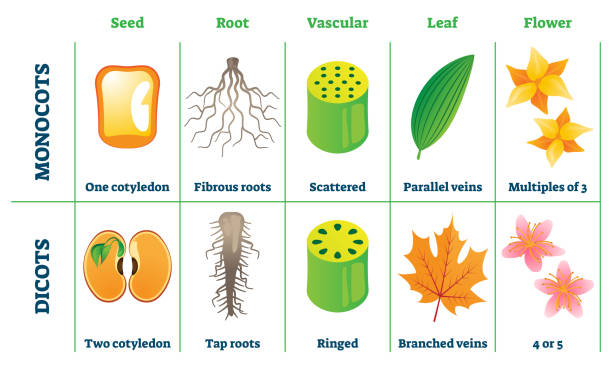
1. Structure: Monocotyledonous plants (monocots) have a monocotyledonous root, in which the root system consists of one main vertical axis. They also have leaves with parallel veining, where the veins are parallel to each other. On the contrary, dicotyledonous plants (dicots) have a dicotyledonous root consisting of a main vertical root and lateral branches. Their leaves have a reticulated venation, where the veins branch and form a complex grid.
2. Number of cells: monocotyledonous plants have 1, 3, 6 or 9 petals, stamens, etc. On the contrary, dicotyledonous plants have 4, 5, 8 or 10 petals, stamens, etc.
3. Arrangement of organs: In monocotyledonous plants, organs are arranged in triples or sets of triples, for example, leaves, petals and stamens are arranged in triples or multiples of three. Dicotyledonous plants have organs, as a rule, arranged in a circle, for example, petals and stamens can be among four or five.
4. Seed development: Monocotyledonous plants have monocotyledonous seed development, where the embryo in the seed has only one cell leaf (knee). Dicotyledonous plants have dicotyledonous seed development, and their embryos have two cell leaves (cotyledon).
5. Important representatives: Monocotyledonous plants include grasses, cereals (wheat, rice, corn) and many economically significant plants such as palms and lilies. Dicotyledonous plants include most trees, shrubs, and many species of flowering plants.
List of necessary equipment
- A sample of a monocotyledonous plant
- A sample of a dicotyledonous plant
Practical part
1) Study samples of monocotyledonous and dicotyledonous plants
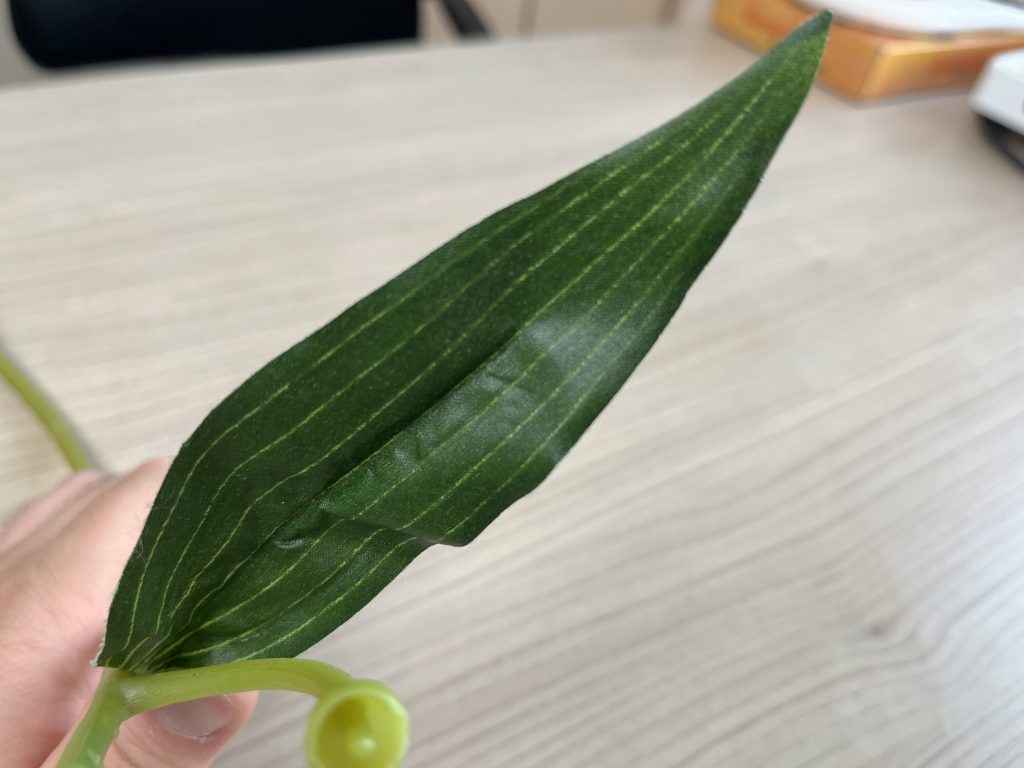
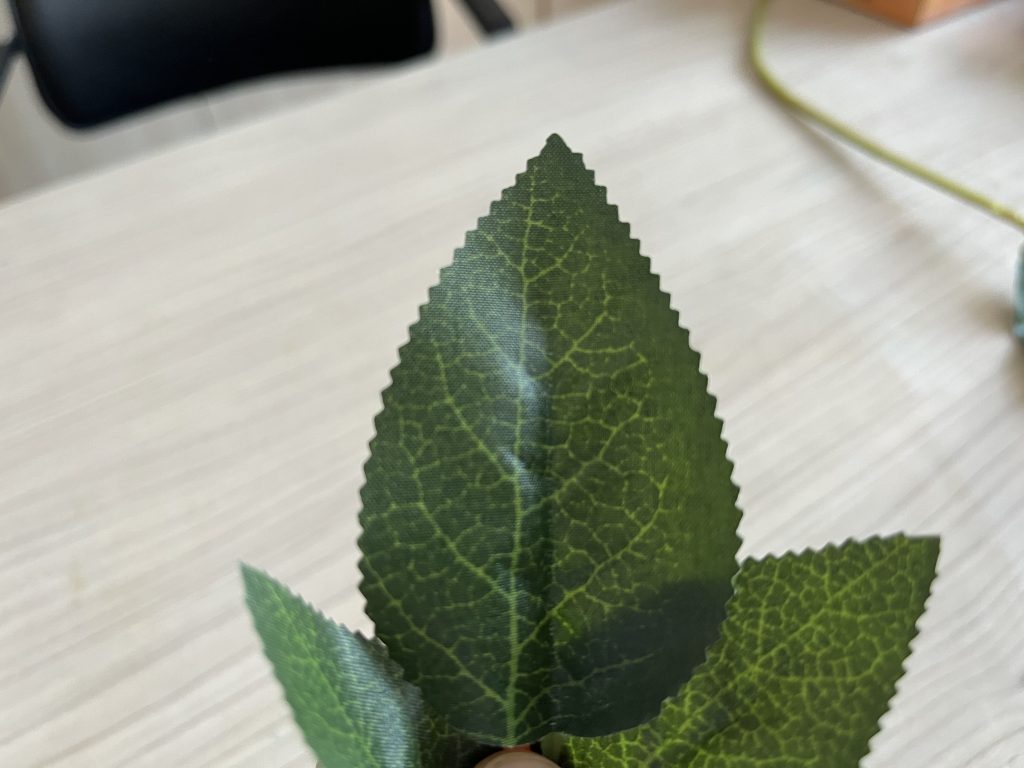
2) Make drawings of leafs
3) Count the number of petals in the flower for each sample
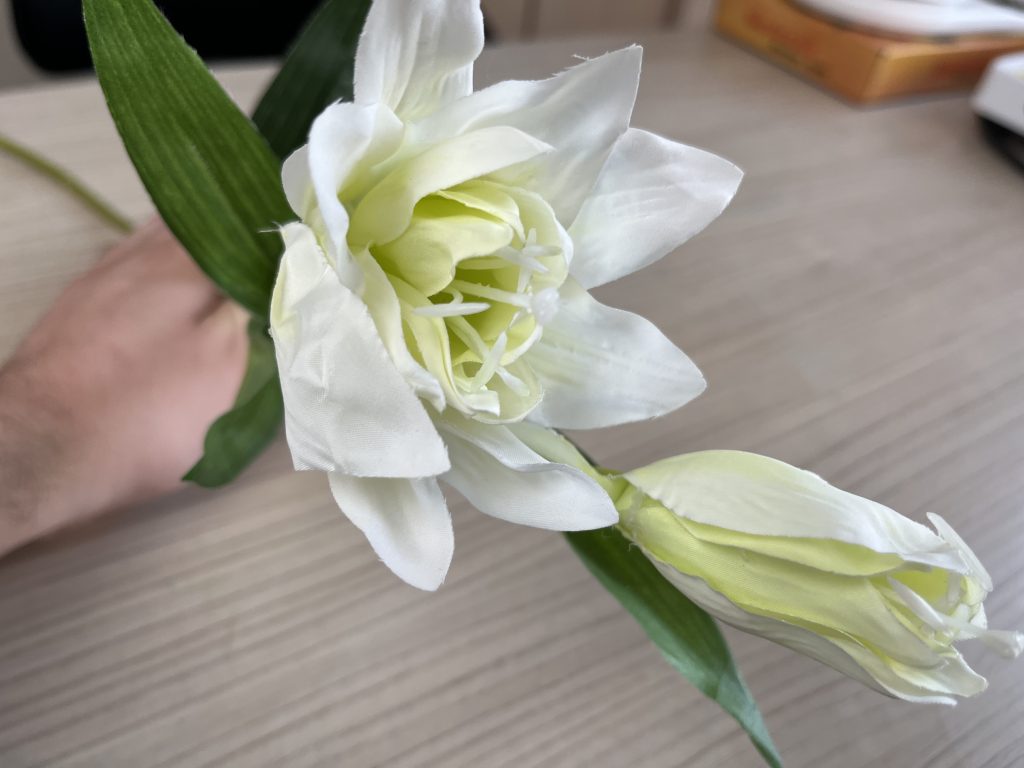

4) Fill the table below
| Lily | Rose | |
| Number of petals |
5) Make drawings of flowers
6) Fill in the table
| monocotyledonous | dicotyledonous | |
| Differences | ||
| Similarities | ||
Conclusion
Now you can tell the difference between a monocot and a dicot. This knowledge greatly expands one’s horizons and understanding of the basics of botany.
Rules for designing the laboratory work
The laboratory work should contain items in the following order:
- Laboratory work number
- Topic name
- Purpose of the work
- Hypothesis
- Brief description of the theoretical part
- Equipment
- Steps in the correct sequence
- Add a photo from the experiment (if you can’t insert a photo, you can add a picture)
- Give a brief description
- Write a brief discussion and explanation of the topic covered
- Write the conclusion of the work
- The workplace must be cleaned and put in order
Feedback