Lesson 1
Topic of laboratory work: Combustion process
The purpose of the work:
Learn about combustion process and the role of oxygen in it
Learning outcomes:
The students know what the role of oxygen is for combustion reactions
Teacher’s guide:
Tasks are performed in groups of 2-3 people
Caution is required when working with fire
Worksheet
Safety technique
Description
Introduction:
Have you ever wondered what makes up the air we breathe every day? It might seem like just empty space, but our atmosphere is made up of various gases, and each of them plays a unique role in keeping our planet healthy. In this text, we’ll explore the composition of the air, focusing on three major gases: nitrogen, carbon dioxide, and oxygen. We’ll also learn about the essential role of oxygen in the process of burning and why it’s crucial to preserve our atmosphere through green technologies.
The Composition of the Air:
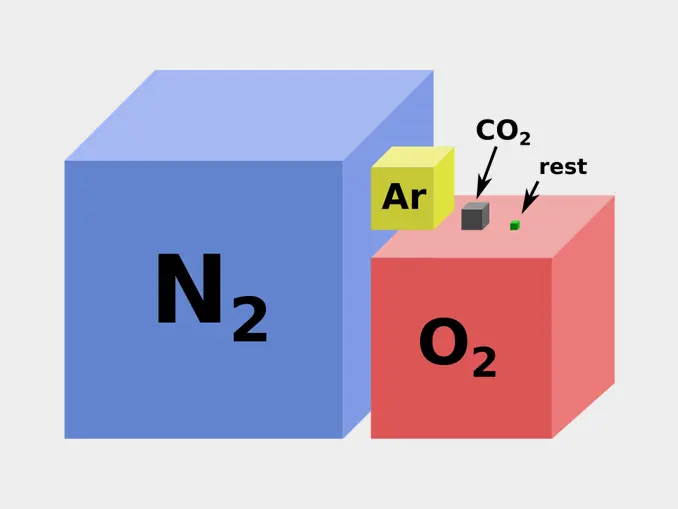
1. Nitrogen (N2): Nitrogen is the most abundant gas in Earth’s atmosphere, making up about 78% of the air we breathe.
2. Carbon Dioxide (CO2): Carbon dioxide is another significant gas, making up about 0.04% of our atmosphere.
3. Oxygen (O2): Oxygen makes up approximately 21% of our atmosphere, and it’s the gas we rely on for breathing.
The Role of Oxygen in Burning:
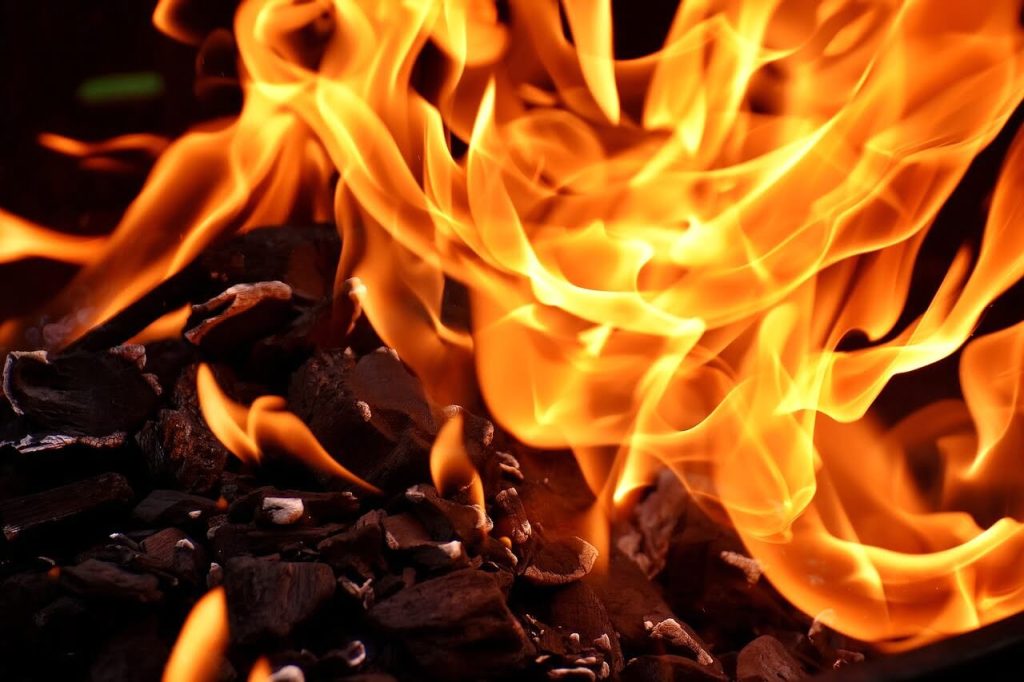
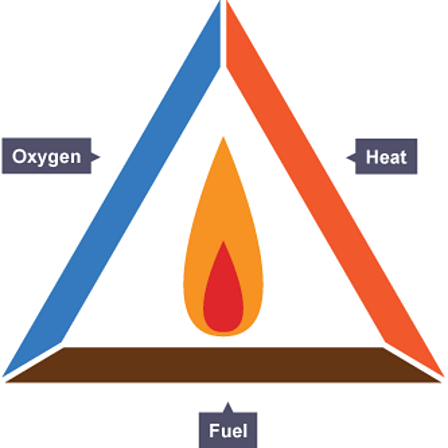
When we talk about burning, we usually think of flames and fire. Oxygen is an essential component of this process. When a substance burns, it combines with oxygen in the air to produce heat, light, and various products like carbon dioxide and water vapor. This chemical reaction, known as combustion, is how we get energy from fuels like wood, gasoline, and natural gas. So, oxygen is like the fuel that makes burning possible.
In conclusion, the composition of Earth’s atmosphere is a delicate balance of gases, with nitrogen, carbon dioxide, and oxygen being the most significant players. Oxygen is crucial for our survival and the process of burning, while carbon dioxide must be carefully managed to combat climate change. By using green technologies and being mindful of our actions, we can help protect and sustain our precious atmosphere for generations to come.
List of necessary equipment
- Candle
- Matches
- Glass tumbler
- Plate
- Water
Practical part
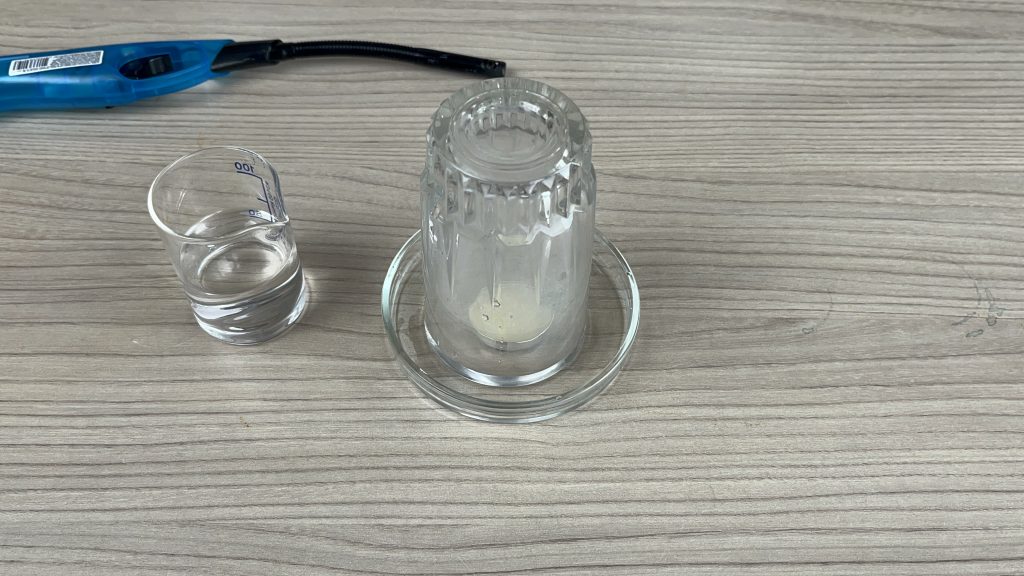
1) Place the candle in a deep dish
2) Light a candle

3) Cover the candle with a glass and immediately pour water into the plate

4) Observe the result
Conclusion
Thus, you know the mechanism of the combustion process. You also know the role of oxygen in combustion.
Rules for designing the laboratory work
The laboratory work should contain items in the following order:
- Laboratory work number
- Topic name
- Purpose of the work
- Hypothesis
- Brief description of the theoretical part
- Equipment
- Steps in the correct sequence
- Add a photo from the experiment (if you can’t insert a photo, you can add a picture)
- Give a brief description
- Write a brief discussion and explanation of the topic covered
- Write the conclusion of the work
- The workplace must be cleaned and put in order
Feedback